肖像画表现:马蒂斯 vs 基希纳
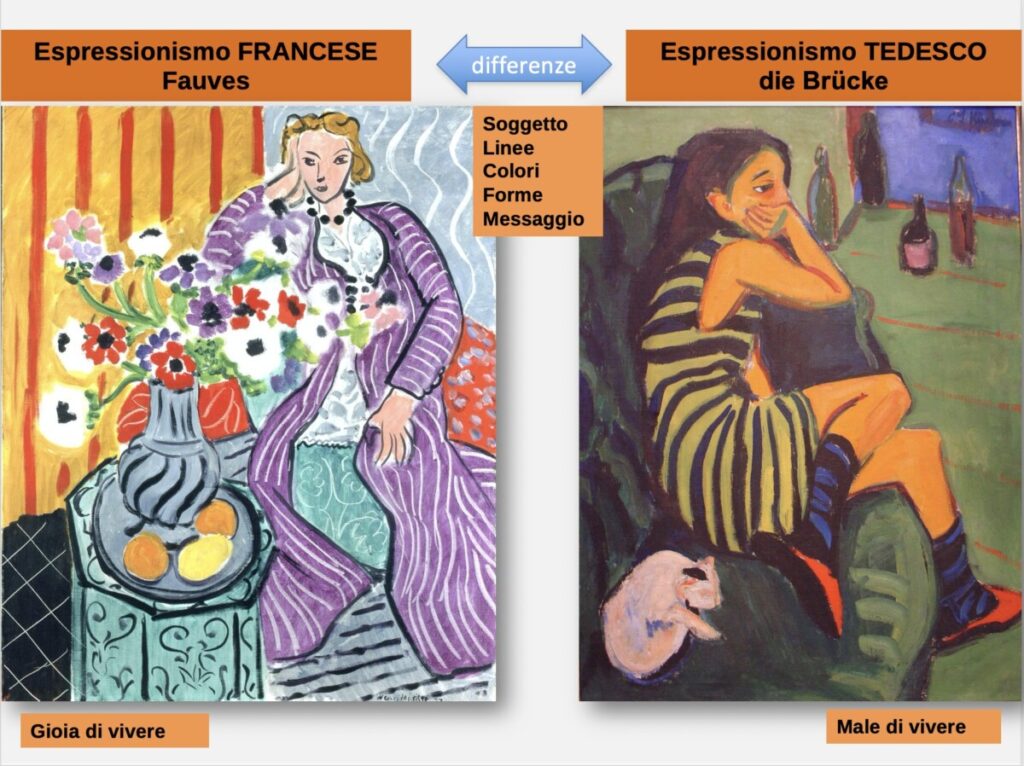
观察20世纪早期的表现主义艺术作品时,我和学生们将马蒂斯的法国表现主义(野兽派)与基希纳的德国表现主义进行了比较。我们着重分析二者在肖像画诠释上的异同。
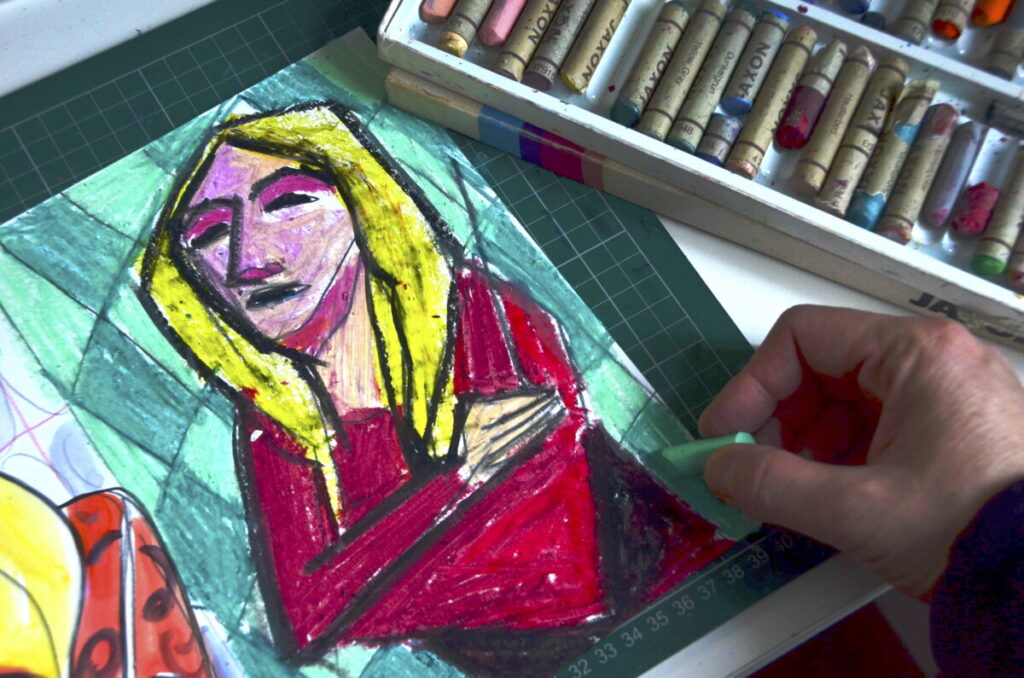
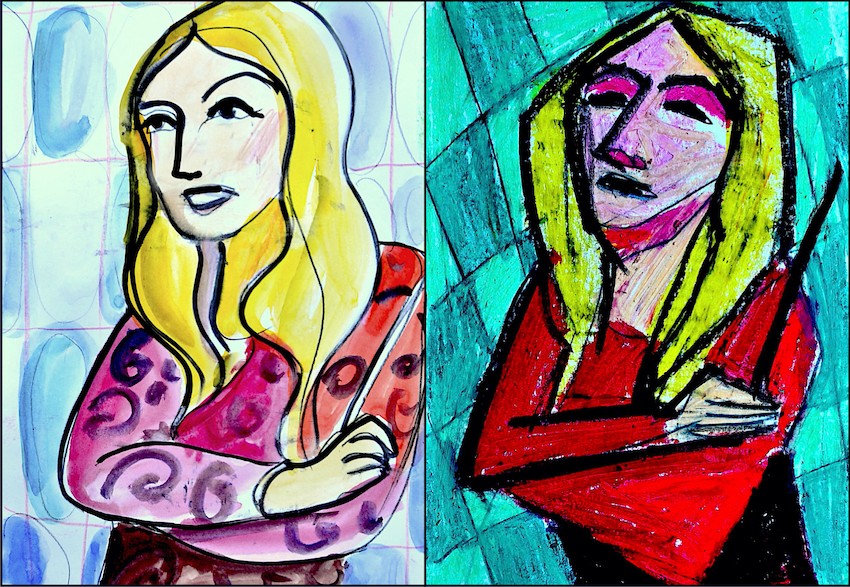
如我在课堂中使用的下图所示(图中文字为意大利语,敬请谅解),我们可清晰辨识两位艺术家之间的差异。尽管描绘对象相同——一位独坐的女性——左侧马蒂斯所用的线条、形体与色彩,却与右侧基希纳所用者截然不同。最根本的差异,首先体现在两幅图像所传达的信息与整体情绪上。
马蒂斯的画作表达的是生命的喜悦,而基希纳的肖像则流露出烦躁、困扰与悲伤。
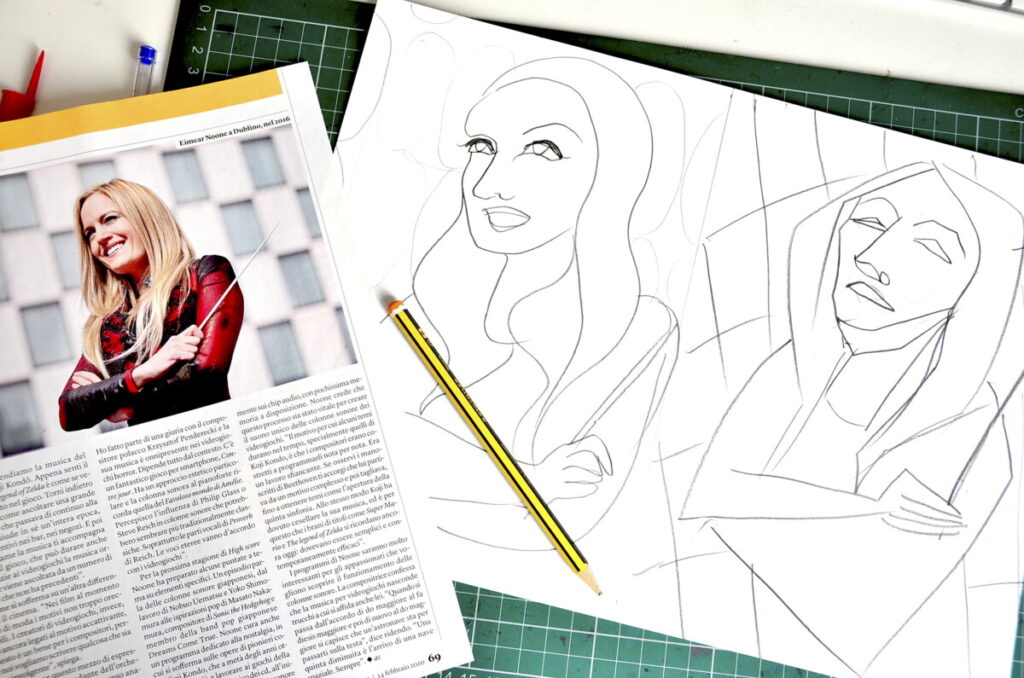
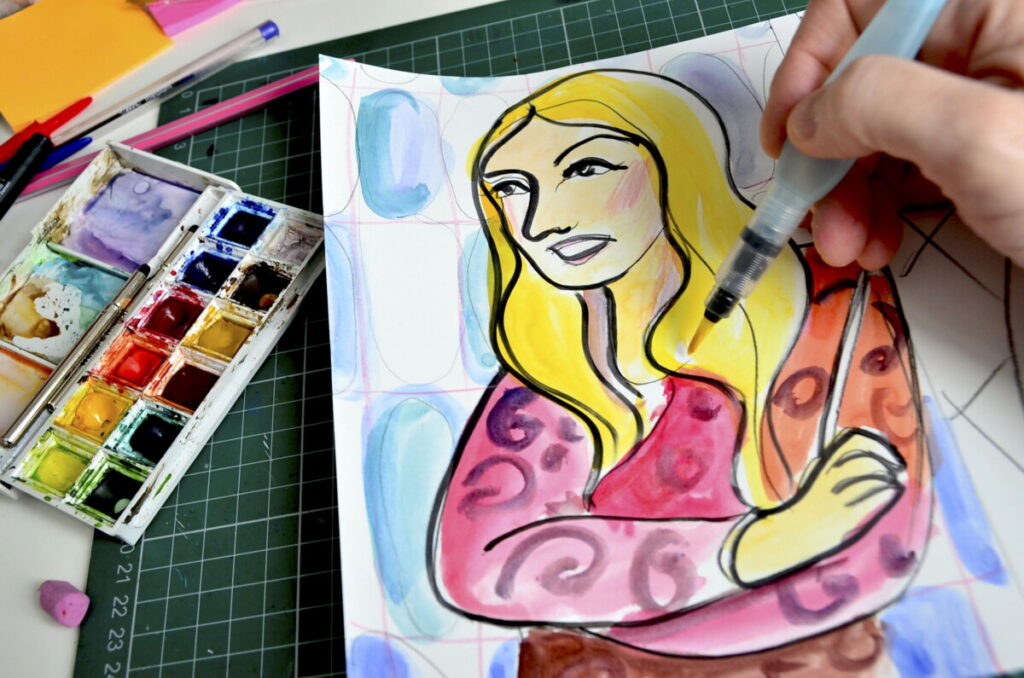
本课挑战在于:以同一人物为对象,运用两种不同方式与技法进行绘制。我们从杂志中任选一张人物照片作为基础,分别绘制两幅肖像,各自采用不同技法与形式特征。
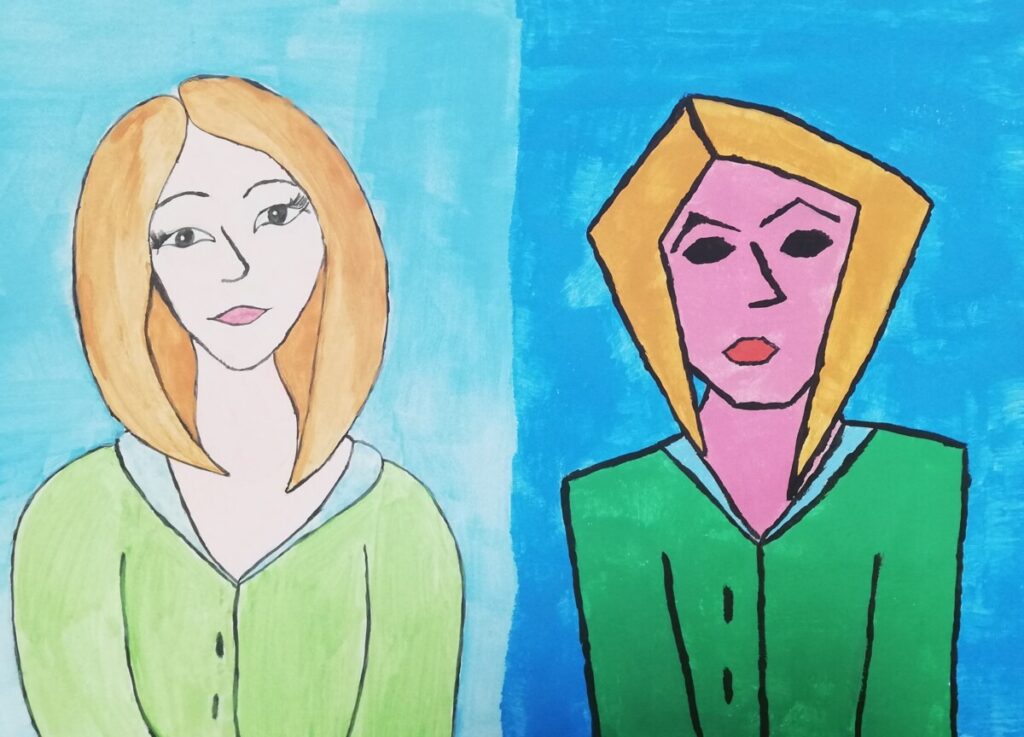
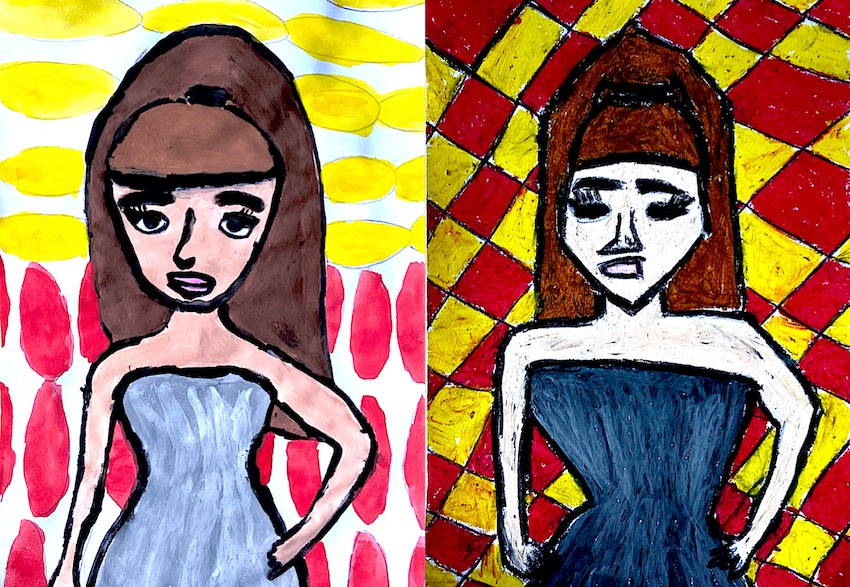
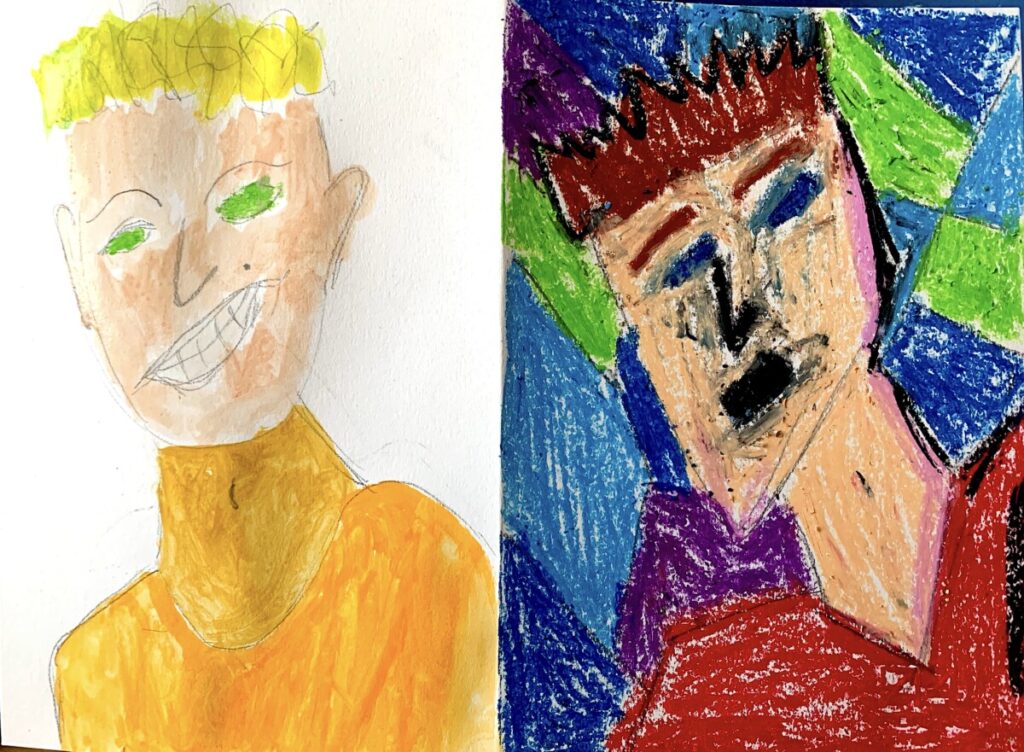
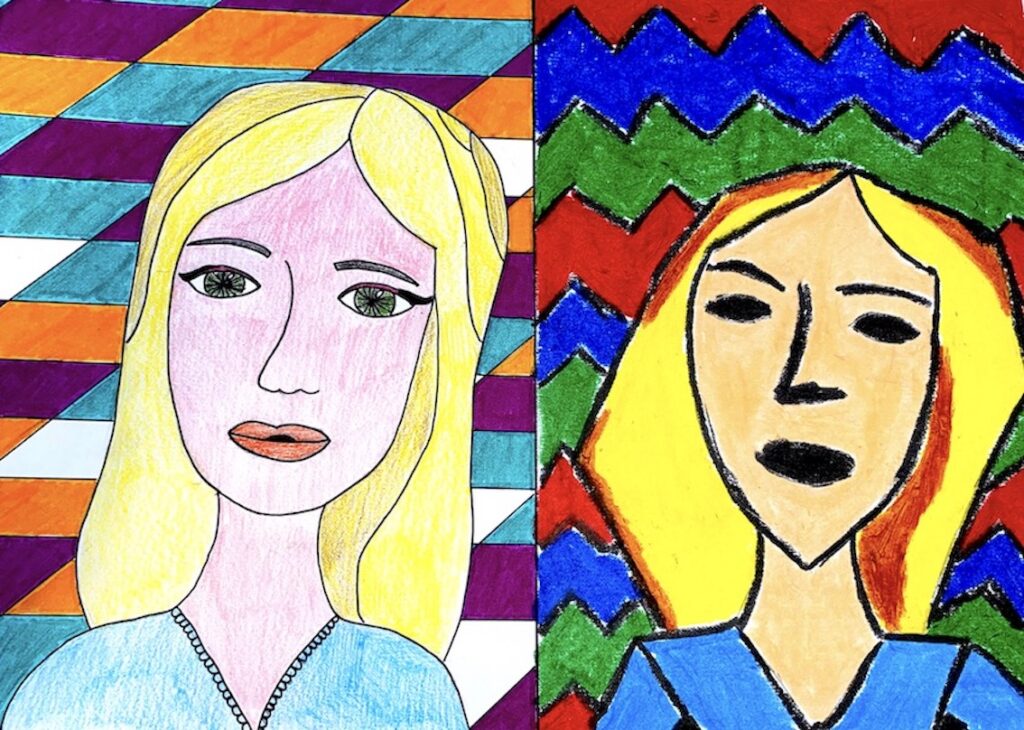
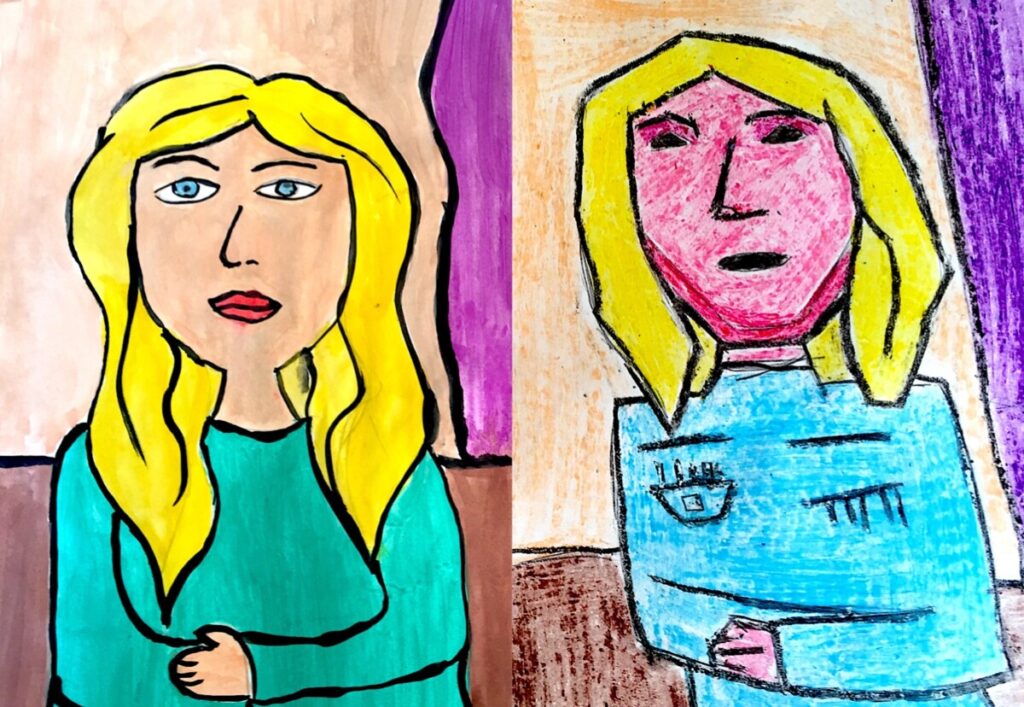
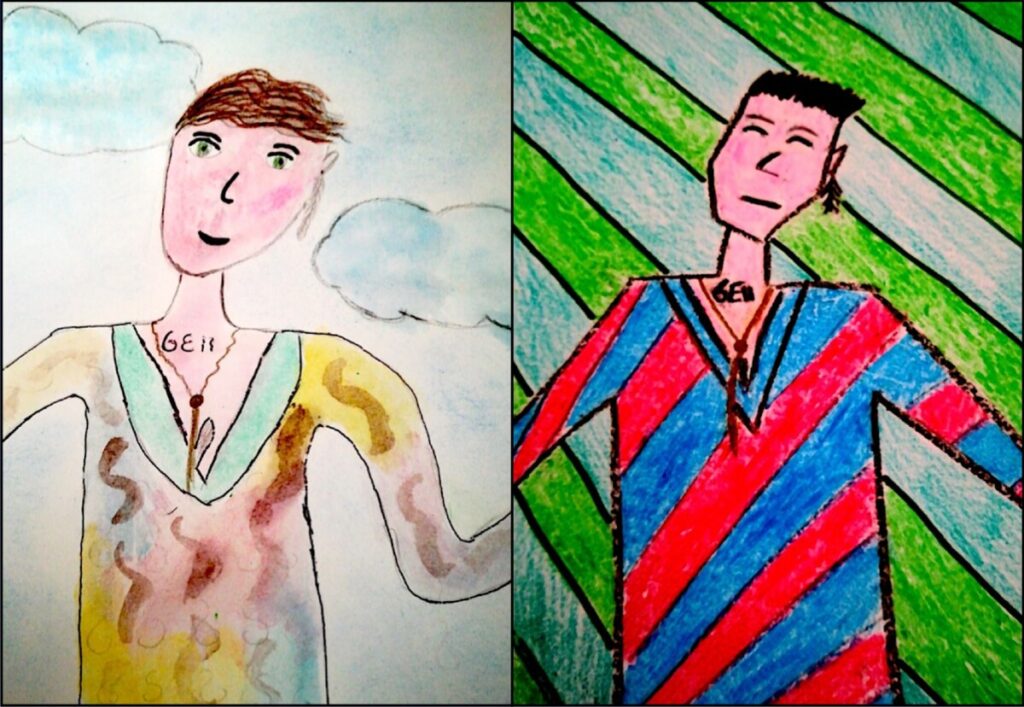
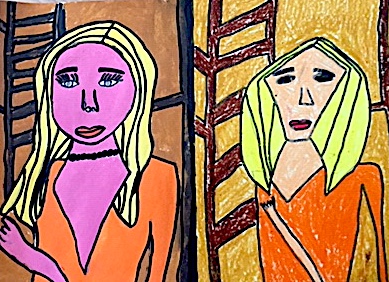
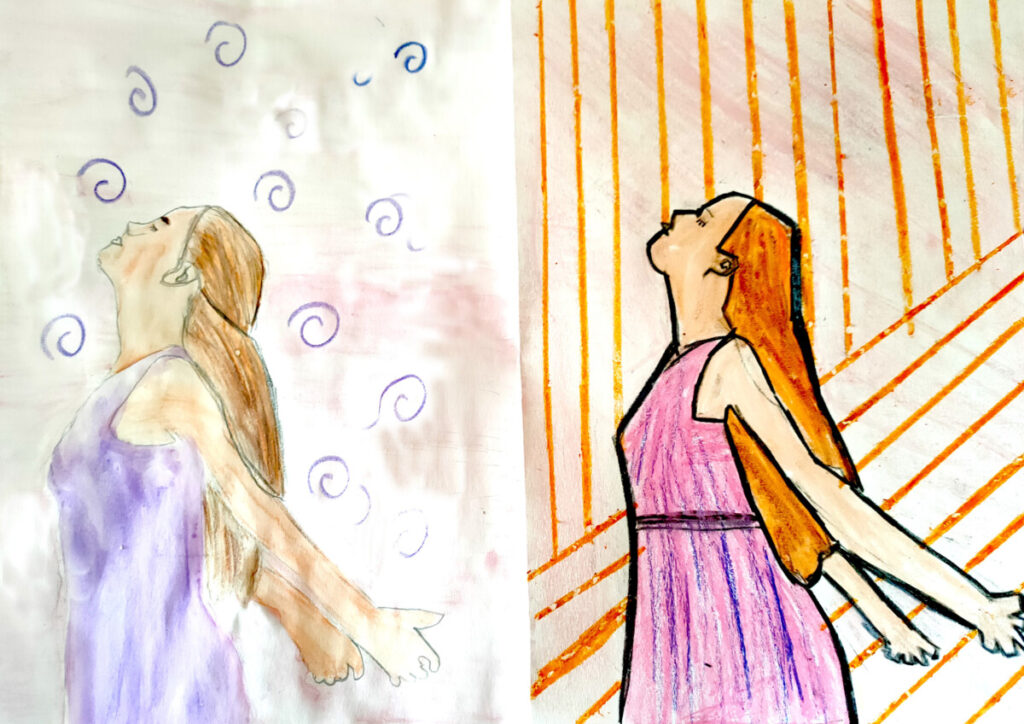
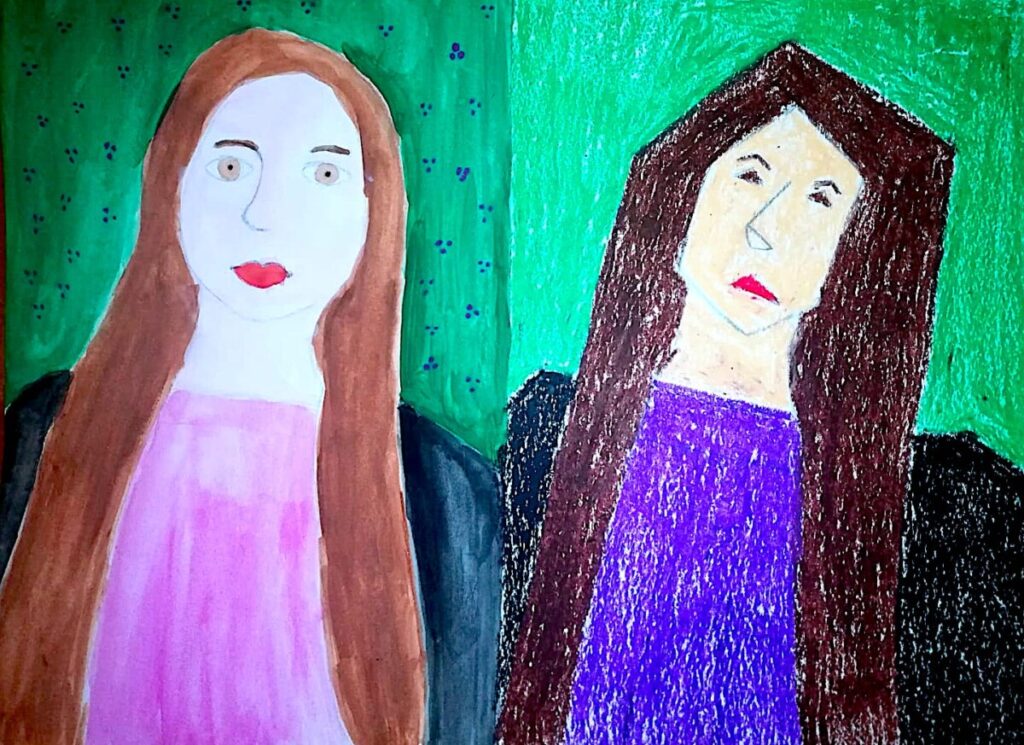
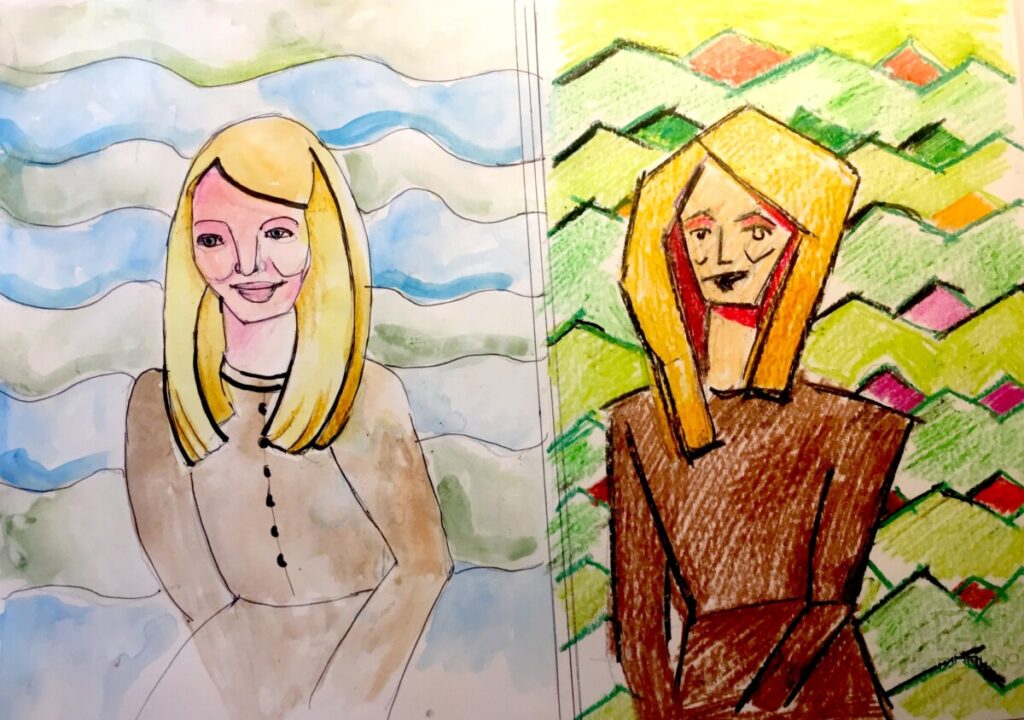
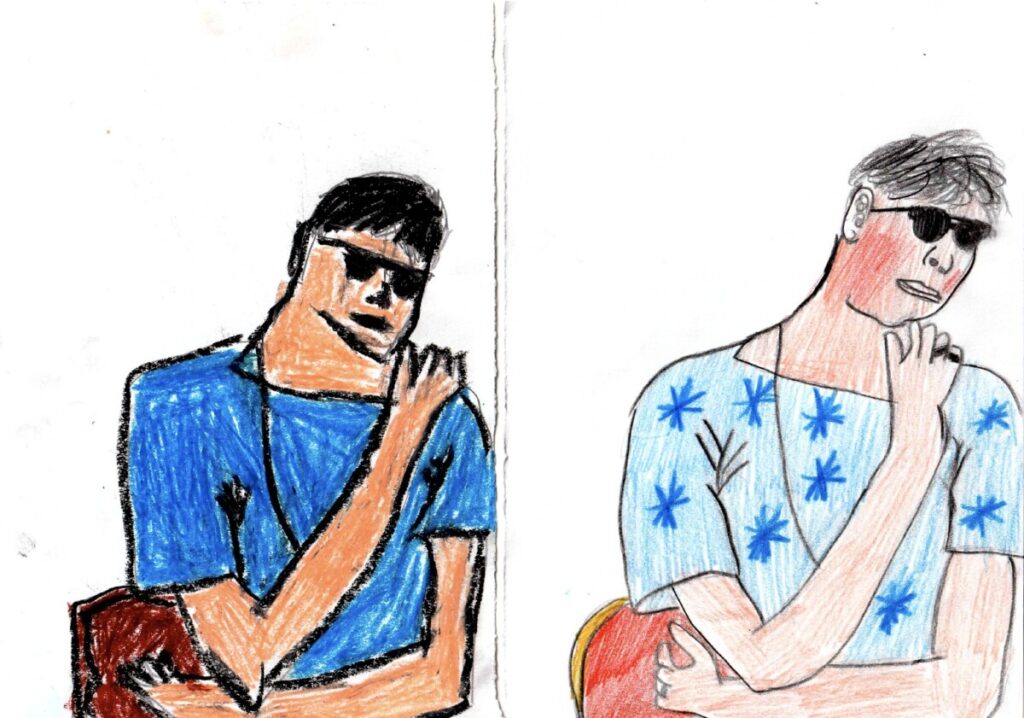
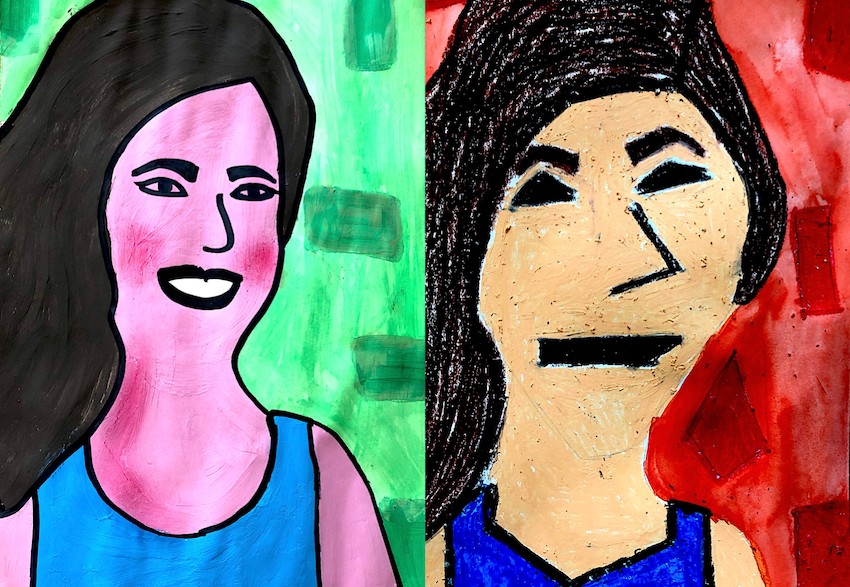
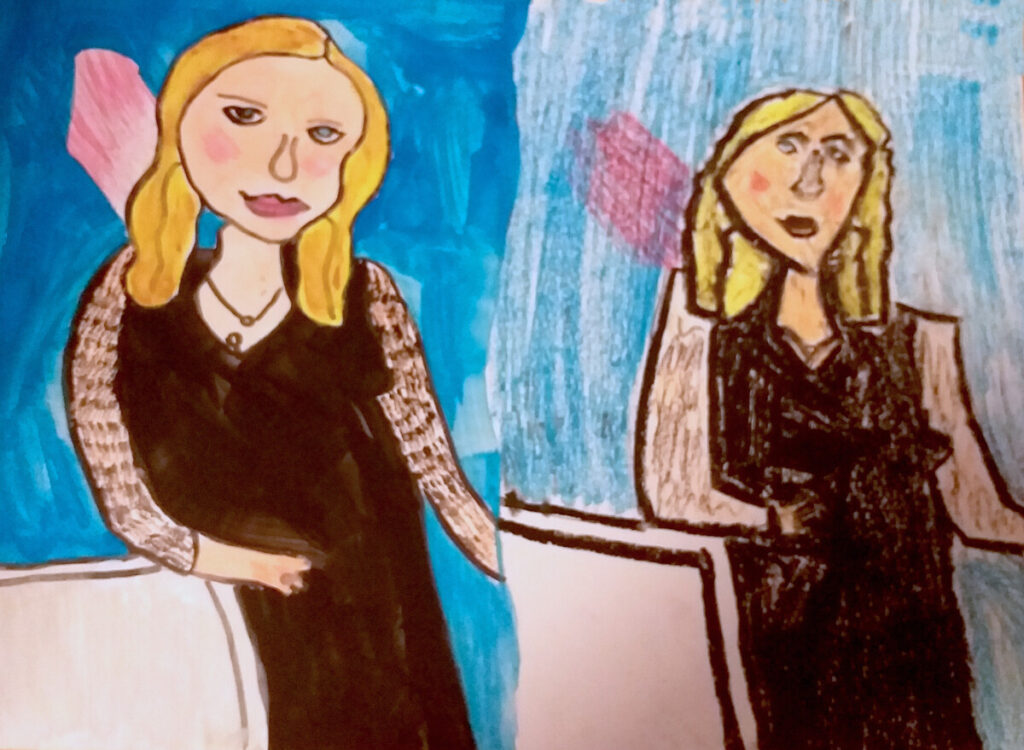
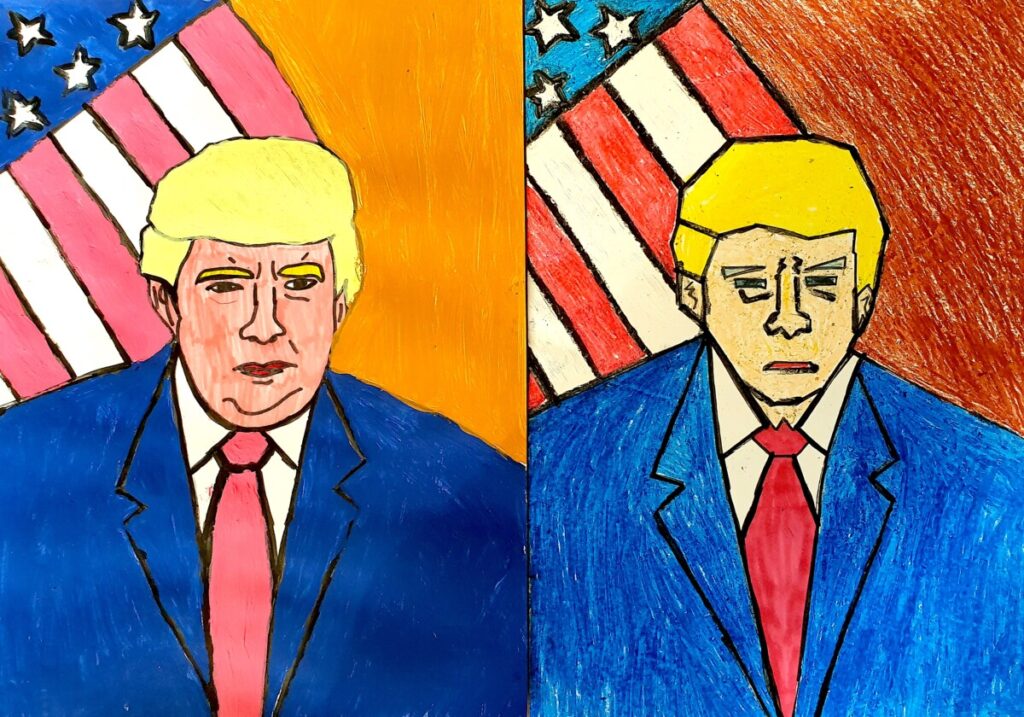
受马蒂斯启发的肖像,我们运用波浪线、柔和的形体与轻盈的水彩;而受基希纳启发的肖像,则采用粗重而断裂的线条、尖锐的形体与浓烈的油画棒色彩。我们尝试通过美术元素,传达截然不同的信息与情绪。
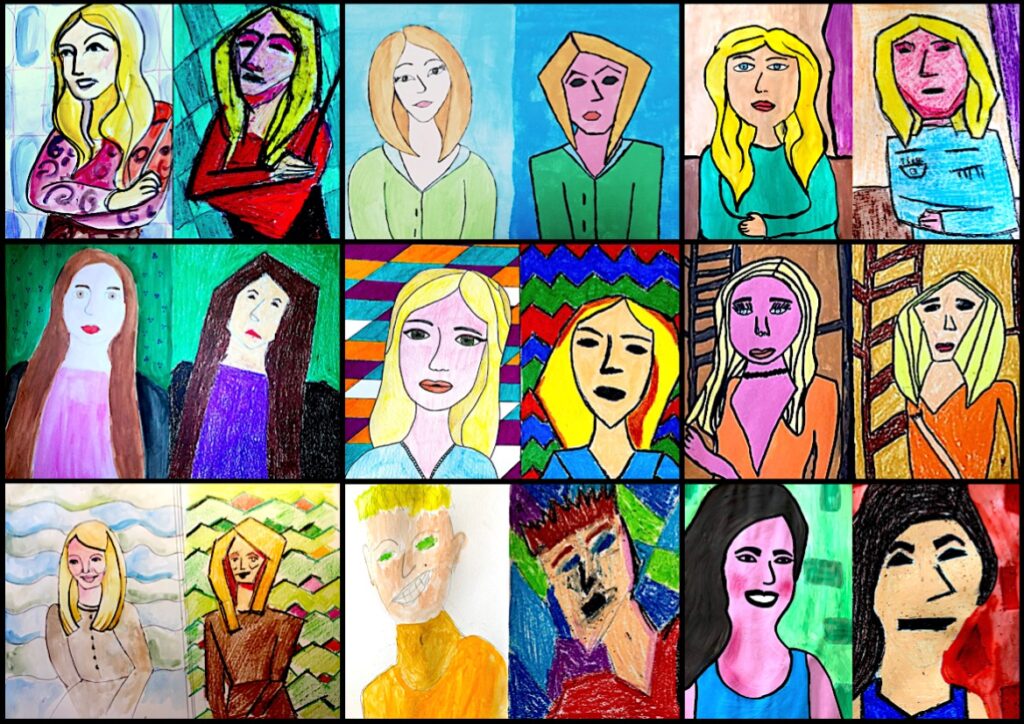
这是学生们的习作。本活动在线上课程期间完成,部分图片可能不够完美。
Depiction of a portrait: Matisse vs Kirchner
Observing the Expressionist artworks of the early 20th century, my students and I compared the French Expressionism of Matisse’s Fauvism with the German Expressionism of Kirchner. We looked for similarities and differences in the different interpretations of portraits.
As we can see in the image below that I used during the lesson (Sorry for the Italian language) we can easily find the differences between the two artists. Even though the subject is the same, a woman sitting alone, Matisse in the left uses lines, shapes, and colors completely different from those used by Kirchner, on the right. The main difference is above all, the message, the general mood communicated by the two images.
Matisse’s painting expresses the joy of living, meanwhile Kirchner’s portrait expresses annoyance, bother, sadness.
The challenge is to draw the same subject in two different ways and techniques: starting from any picture of a person taken from a magazine, we drew two portraits with different techniques and features.
We used wavy lines, soft shapes, and light watercolors for the portrait inspired by Matisse, conversely we used thick and broken lines, sharp shapes, and strong oil pastel colors for the portrait inspired by Kirchner. We tried to express different messages and moods, through the elements of art.
Here we are the students’ works. This activity was done during the on-line lessons and some pictures could be not perfect.