陶瓷窑炉中的熔融玻璃吊坠
原文链接:https://createartwithme.com/fused-glass-pendants-in-ceramic-kiln/
日期: 2019-04-03
作者: Michelle East
分类: 六年级、美术课、精选、玻璃熔融、高中美术、初中美术、非具象
标签: 玻璃熔融、玻璃熔融教案、陶瓷窑炉中的玻璃吊坠、窑炉中烧制玻璃、玻璃吊坠、高中玻璃课、初中玻璃课
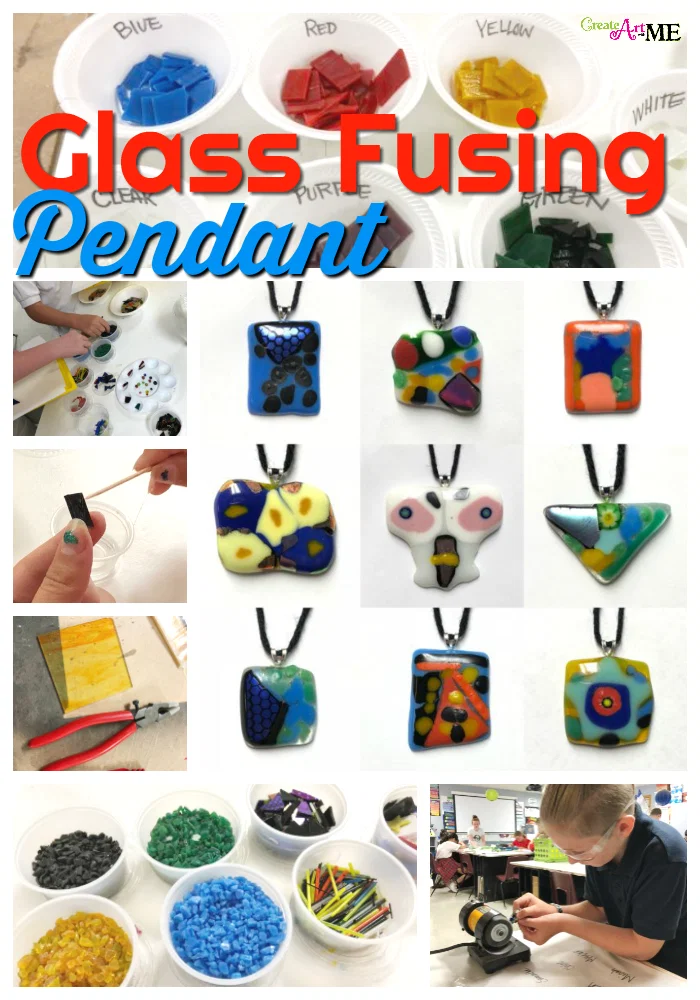
面向初中与高中美术课堂的玻璃熔融吊坠艺术课。没错——你完全可以在窑炉中熔融小型玻璃作品!
重要参考资料:
https://www.glass-fusing-made-easy.com/fusing-and-slumping.html#ixzz2dqnJbxxV
“是的,弗吉尼亚,你真的能在陶瓷窑炉中熔融玻璃!”——https://skutt.com/pdf/brochures/glass_articles/GlassArticle.pdf
教学目标
• 学生将了解玻璃熔融这一媒介。
• 学生将学习玻璃熔融的基本术语与技法。
• 学生将正确使用工具,并体现对玻璃操作安全规范的理解。
材料: 熔融玻璃(膨胀系数COE 90)、玻璃掰断钳、玻璃切割油、玻璃清洁剂、玻璃切割刀、玻璃修边钳、玻璃掰裂钳、护目镜、透明Elmer牌胶水、牙签、镊子(可选)
教学内容
- 玻璃熔融与玻璃压模常被统称为“温玻璃”或“玻璃艺术熔融”。
- “温玻璃”一词指在华氏1100至1700度之间进行的熔融、压模及其他玻璃工艺。(相比之下,玻璃吹制工的工作温度通常超过华氏2000度。)
- 玻璃熔融是指利用窑炉将多片玻璃加热粘合在一起的工艺。热量使玻璃软化;温度越高,玻璃越趋于流动或熔融状态。
- 当选用合适种类的玻璃,并经恰当加热与冷却后,最终形成的熔融玻璃作品将坚固完整、无裂纹。
玻璃专业术语
- 点熔(Tack Fusing): 将玻璃加热至仅彼此粘连的程度,各部件仍保持自身形态特征。
- 全熔(Full Fuse): 将两片或多片玻璃加热至充分软化、相互塌陷并流动融合,最终形成一块完整玻璃。
- 艺术玻璃(Art Glass): 用于玻璃熔融与彩绘玻璃制作的着色玻璃,可能具备特定熔融性能要求。
- 吊环(Bails): 弧形环状配件,安装于玻璃作品上,便于将其悬挂在项链链扣上,或与其他物件连接。
- 玻璃碎屑(Confetti): 薄片状玻璃碎料,用于增添明暗层次与装饰图案;亦称“玻璃碎片(shards)”。
- 玻璃碎片(Shards): 从整张玻璃板上切割或击碎所得的玻璃碎料;亦称“玻璃碎屑(confetti)”。
- 玻璃粉(Frit): 经破碎或研磨而成的细小玻璃颗粒,通常按粒径分为粗粒、中粒、细粒及粉末状。
- 二向色玻璃(Dichroic): “二向色”意为呈现两种色彩。此类玻璃从不同角度观察时,会显现多种颜色。“Dichroic”读作“Dye-Cro-Ick”,词源来自希腊语前缀“di”(意为“二”)与词根“chroma”(意为“色”)。
- 玻璃细棒(Stringers): 直径约1.5毫米的细长圆柱形玻璃条,形似意大利细面;亦可折断成更小段,用于熔融装饰或点缀。
-
膨胀系数(COE–Coefficient of Expansion): 玻璃受热时发生不同程度的膨胀,冷却时亦以不同速率收缩。若混用两种膨胀系数差异较大的玻璃,因各自熔点与收缩率不同,可能导致作品开裂。因此,所用玻璃必须兼容。该膨胀速率即称“膨胀系数”,缩写为COE。请谨记:并非所有玻璃都相同;加热与冷却过程中,其COE值必须一致,否则冷却时将产生裂纹。
本课程采用COE为90的玻璃。
玻璃切割工具
a. 玻璃掰断钳
b. 玻璃切割油
c. 熔融玻璃
d. 玻璃清洁剂
e. 玻璃切割刀
f. 玻璃修边钳
g. 玻璃掰裂钳
h. 护目镜
i. 软毛鞋刷


玻璃操作基本安全须知
- 切勿用手指沿玻璃边缘滑动,以免割伤。
- 始终留意玻璃边缘位置,保持警觉。
- 如条件允许,请佩戴薄手套。
- 切割、打磨或锯切玻璃时,务必佩戴护目镜/眼部防护装备。
- 打磨或研磨玻璃时须佩戴口罩——吸入玻璃粉尘有害健康。
- 切勿用手擦拭工作台面,微小玻璃碎屑极易划伤皮肤!请用湿润纸巾清洁台面,使用后立即丢弃。
- 操作玻璃期间禁止饮食。
- 操作玻璃后务必洗手。
- 建议穿着围裙或罩衫,以防衣物沾染污渍。
- 务必束起头发,远离面部。
- 教师须将所有危险物品存放于受控区域。
课前准备:
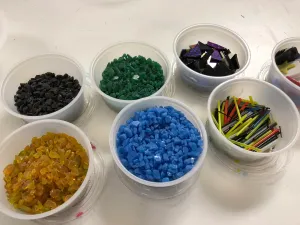
教师需在课前预先切割玻璃。如需,可裁出多种形状的基础玻璃片若干。将玻璃粉、玻璃碎片、玻璃细棒及二向色玻璃片分别装入不同容器中。
熔融玻璃吊坠项目
项目目标: 创作一枚原创设计的熔融玻璃吊坠。
制作步骤
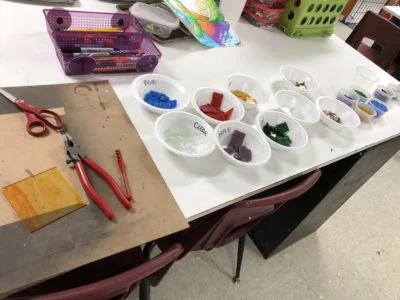 1. 取一个塑料托盘作为操作平台。
- 选择一种基础色/基础形状。
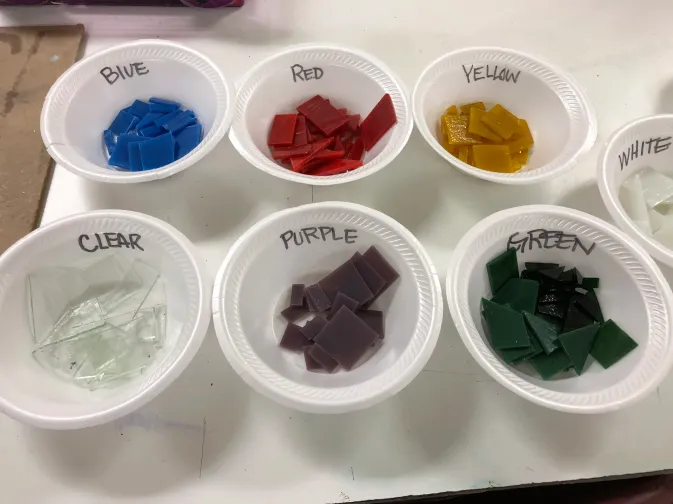
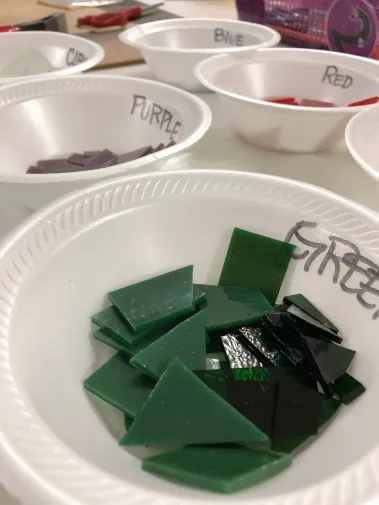
- 任选玻璃粉、玻璃细棒或玻璃碎片的颜色(不宜过多——后续可随时补充)。
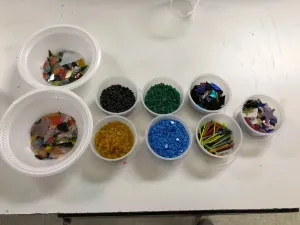
- 选取1片二向色玻璃及1朵玻璃花(可选)。
- 将各部件组合摆放,直至构图满意为止。尝试确立一个视觉焦点。
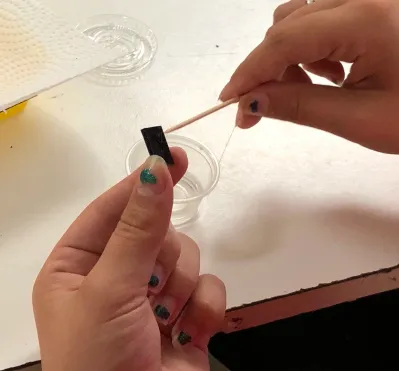
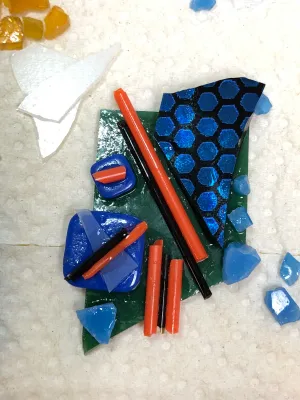
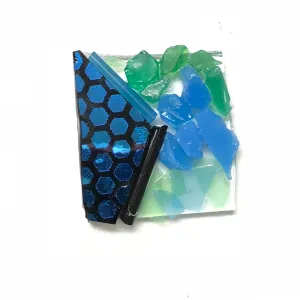
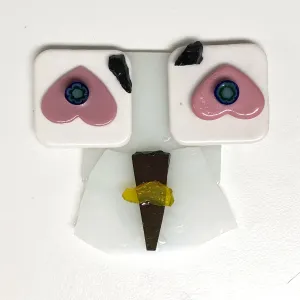
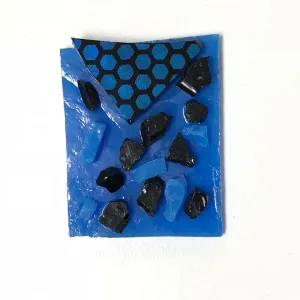
- 使用透明胶水与牙签将部件粘合固定。胶水用量务必极少。下图为烧制前的成品样貌。
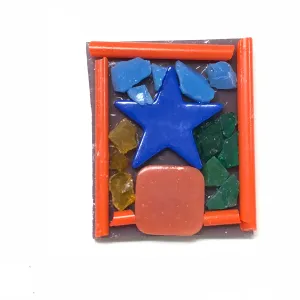
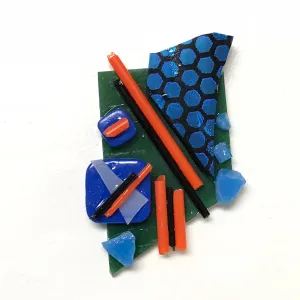
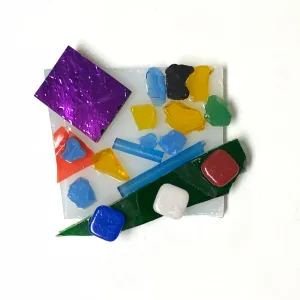
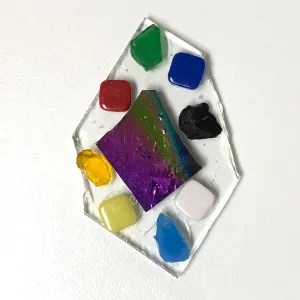
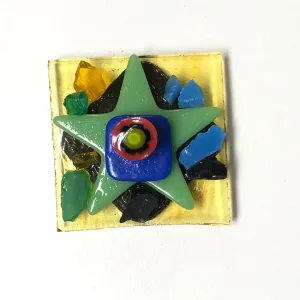
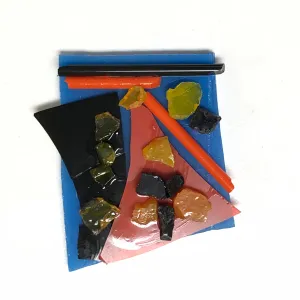
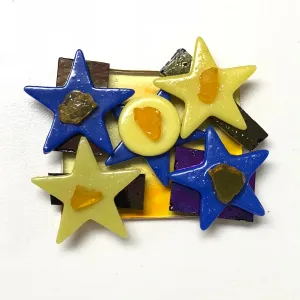
-
在你的速写本上画出你的设计。写下你在设计中运用了哪些美术元素。
-
教师将吊坠放置在玻璃窑用纸上。我们对吊坠进行了“熔融烧制(FUSED)”,但下次我将改用“点熔烧制(TACK firing)”,仅使玻璃片轻微熔合,从而更好地保持其原始形状。有关烧制程序,请参阅这篇文章:“是的,弗吉尼亚,你完全可以用陶瓷窑熔融玻璃”-https://skutt.com/pdf/brochures/glass_articles/GlassArticle.pdf


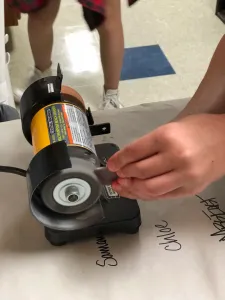
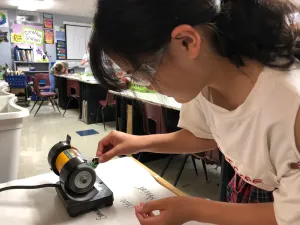
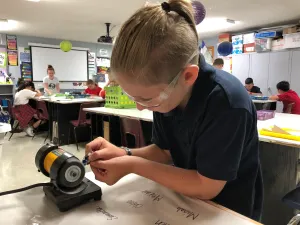
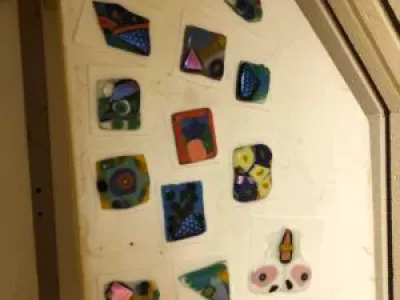 9. 用磨边机打磨掉任何尖锐毛刺。佩戴护目镜以保护眼睛!
- 使用E600胶水,在熔融玻璃吊坠背面粘贴一枚首饰挂环。


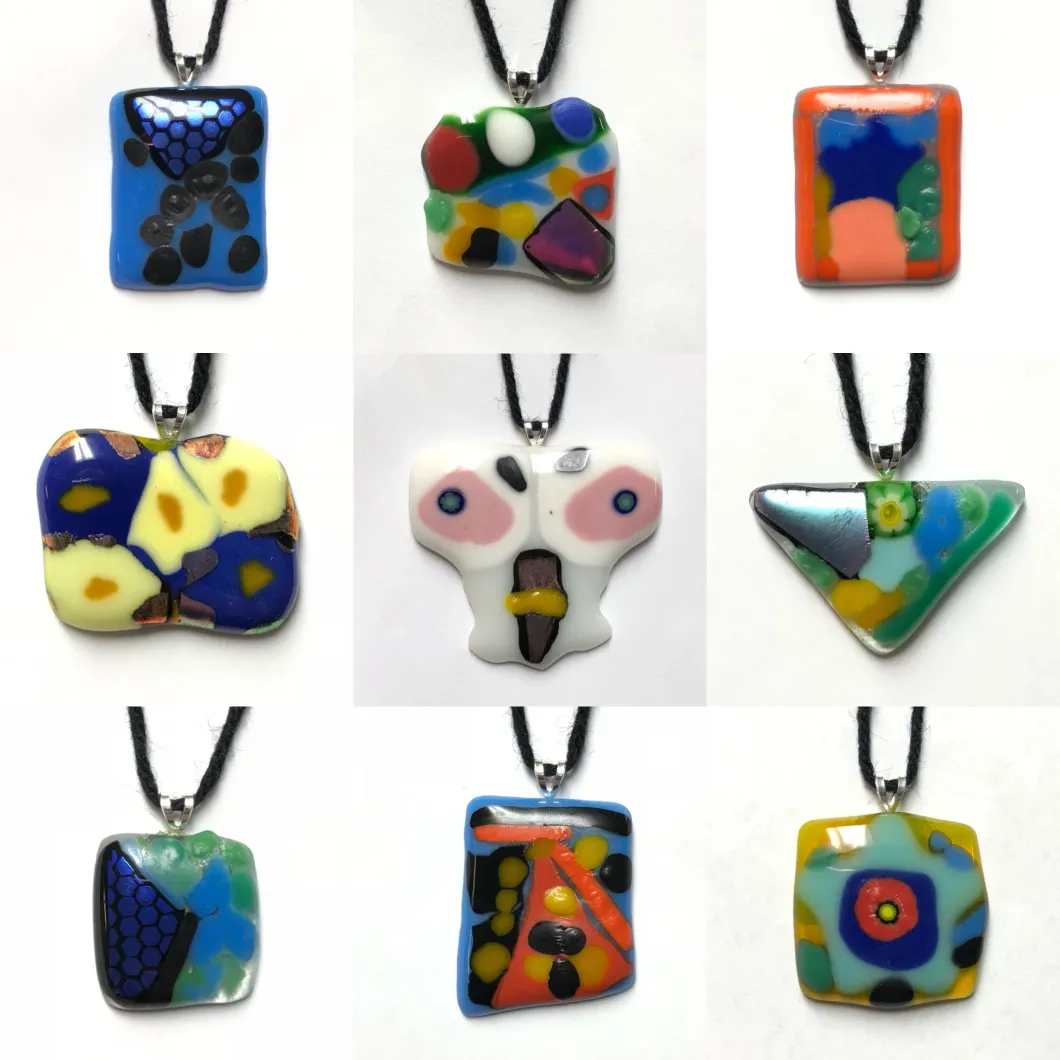
完成的吊坠
*亚马逊联盟链接——我所推荐的产品均为本人实际使用且真心喜爱者!
如您选择使用本博客中的任一部分内容(图示、图片或文字),请务必回链至与我一起创作艺术!
Fused Glass Pendants in Ceramic Kiln
Original: https://createartwithme.com/fused-glass-pendants-in-ceramic-kiln/
Date: 2019-04-03
Author: Michelle East
Categories: 6th Grade, Art Lessons, Featured, Glass Fusing, HS Art, MS Art, non-objective
Tags: glass fusing, glass fusing lesson plan, Glass Fusing Pendant in Ceramic Kiln, glass in kiln, glass pendant, high school glass lesson, middle school glass lesson
Glass fusing pendant art lesson for middle school and high school art classes. Yes-you can fuse small glass projects in a kiln!
Important Resources:
https://www.glass-fusing-made-easy.com/fusing-and-slumping.html#ixzz2dqnJbxxV
“Yes Virginia, You can fuse glass in your Ceramic Kiln”-https://skutt.com/pdf/brochures/glass_articles/GlassArticle.pdf
Objectives
• Students will learn about the medium of glass fusing.
• Students will learn basic vocabulary and techniques of glass fusing.
• Students will demonstrate proper use of tools and exemplify understanding of safety working with glass.
Materials: Fusing Glass (COE 90), Breaking Pliers, Cutter Oil, Glass Cleaner, Glass Cutter, Grozing Pliers, Running Pliers, Goggles, clear Elmer’s glue, toothpicks, tweezers (optional)
Delivery
- Glass fusing and slumping are often referred to as warm glass, or glass art fusion.
- The term warm glass refers to fusing, slumping, and other glass processes which take place at temperatures between 1100 and 1700 degrees Fahrenheit. (glassblower’s working temperatures, which often exceed 2000 degrees Fahrenheit)
- Glass fusing is the process of using a kiln to join together pieces of glass. Heat softens glass and the higher the heat the more fluid or molten it will get.
- When the right kind of glass is heated and then cooled properly, the resulting fused glass piece will be solid and unbroken.
Glass Vocabulary
- Tack Fusing: Fusing glass until it just sticks together. Each piece still retains its individual character.
- Full Fuse: Heating two or more pieces of glass until the slump and flow together to form one solid piece of glass.
- Art Glass: Colored glass used in glass fusing and stained glass. It may have certain properties required for fusing.
- Bails: Arched hoop-like pieces that are attached to glass pieces, allowing you to hang the glass piece on a chain or link it to another object.
- Confetti: Thin shard of glass used to add shading and design. Also referred to as shards.
- Shards: Glass that has been cut or broken from a sheet of glass. Also referred to as confetti.
- Frit: Glass that has been broken or ground into smaller pieces. It usually comes in different sizes, coarse, medium, fine, or powder.
- Dichroic: Dichroic means two colors. When this glass is viewed from different angles, it appears as numerous colors. The word “dichroic” is pronounced Dye-Cro-Ick. The name comes from two Greek roots, “di” for two and “chroma” for color.
- Stringers: Smaller thin round rods of glass that are approximately 1.5 mm thick. They look a lot like spaghetti. They can also be broken into smaller pieces and used for decoration or accents in fusing.
- COE-Coefficient of Expansion: Glass expands and contracts at various rates. These rates could have an effect on your artwork if using two dissimilar kinds of glass, each one melting at different temperatures and then each contracting at various rates. Therefore it is important that your glass be compatible. This rate of expansion is referred to as the Coefficient of Expansion which is abbreviated and called the COE of the glass. Remember, all glass is not created equal and when heated and cooled the COE has to match or it will crack upon cooling.
We are using a COE of 90.
a. Breaking Pliers
b. Cutter Oil
c. Fusing Glass
d. Glass Cleaner
e. Glass Cutter
f. Grozing Pliers
g. Running Pliers
h. Goggles
i. Soft shoe brush
Basic Safety Tips Working with Glass
- NEVER run your fingers along the edges of the glass, this will cut you.
- Always be alert and aware of glass edges.
- Wear thin gloves if possible.
- Wear goggles/eye protection when cutting, grinding or sawing glass.
- Wear mask when sanding or grinding glass-it is hazardous to breath the glass particles.
- Do NOT Wipe your work area clean with your hands, small pieces of glass will cut you! Use a damp paper towel to wipe down your area & throw it away when finished.
- NO eating and drinking while working with glass
- ALWAYS Wash your hands after working with glass.
- Try wearing a smock or apron to keep clothing clean
- Keep your hair pulled back away from your face
- Teachers-Keep all hazardous materials in a controlled area
Preparation:
TEACHER cuts glass ahead of class period. Cut many bases in various shapes if desired. Place frit, shards, stringers, and dichroic pieces into separate containers.
Fused Glass Pendant Project
Project Objective: Create an original designed fused glass pendant.
Instructions
1. Get a plastic tray to work on.
- Choose a BASE color/shape.
- Choose any frit, stick or shard colors (not too many-you can always go back for more).
- Choose 1 dicroic glass piece and 1 glass flower (if desired).
- Arrange your pieces together until you are happy with the design. Try to have one focal point.
- Use clear glue and the toothpick to glue your piece together. Only use SMALL amounts of glue. These are what they look like prior to firing.
-
In your sketchbook, draw your design. Write about the elements of art you used in your design.
-
Teacher place pendants onto glass kiln paper. We FUSED our pendants, but next time I will do a TACK firing to just slightly melt the pieces together so they will keep more of their original shape. See this article for firing schedules “Yes Virginia, You can fuse glass in your Ceramic Kiln”-https://skutt.com/pdf/brochures/glass_articles/GlassArticle.pdf
9. Use a grinder to smooth out any pokey edges. Wear safety glasses for eye protection!
- Glue a jewelry bail onto the back of the fused glass pendants using e600 glue.
Finished Pendants
*Amazon Affiliate Links- I only link products I use and love!
If you choose to use ANY part of this blog (graphic, pictures or written text), please link back to Create Art with ME!


 1. 取一个塑料托盘作为操作平台。
 9. 用磨边机打磨掉任何尖锐毛刺。佩戴护目镜以保护眼睛!


