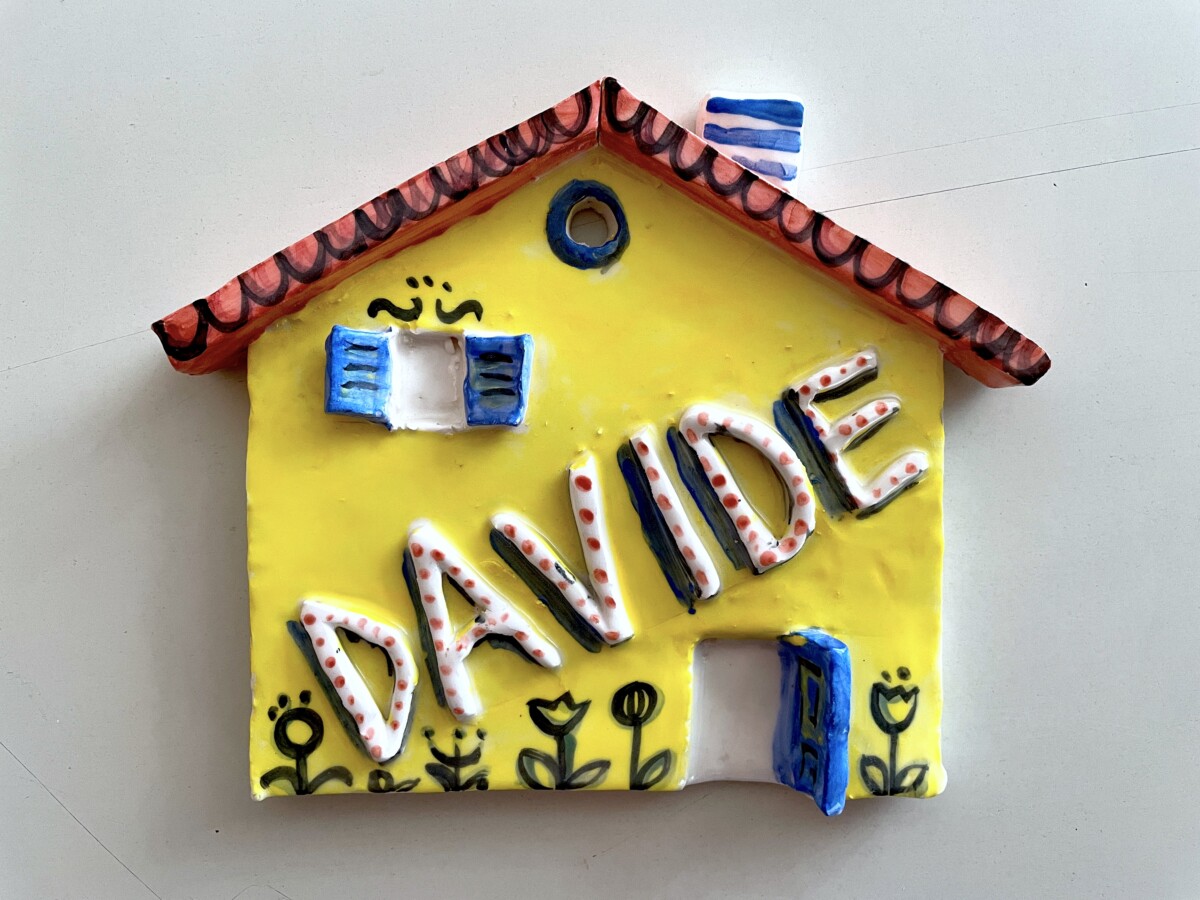
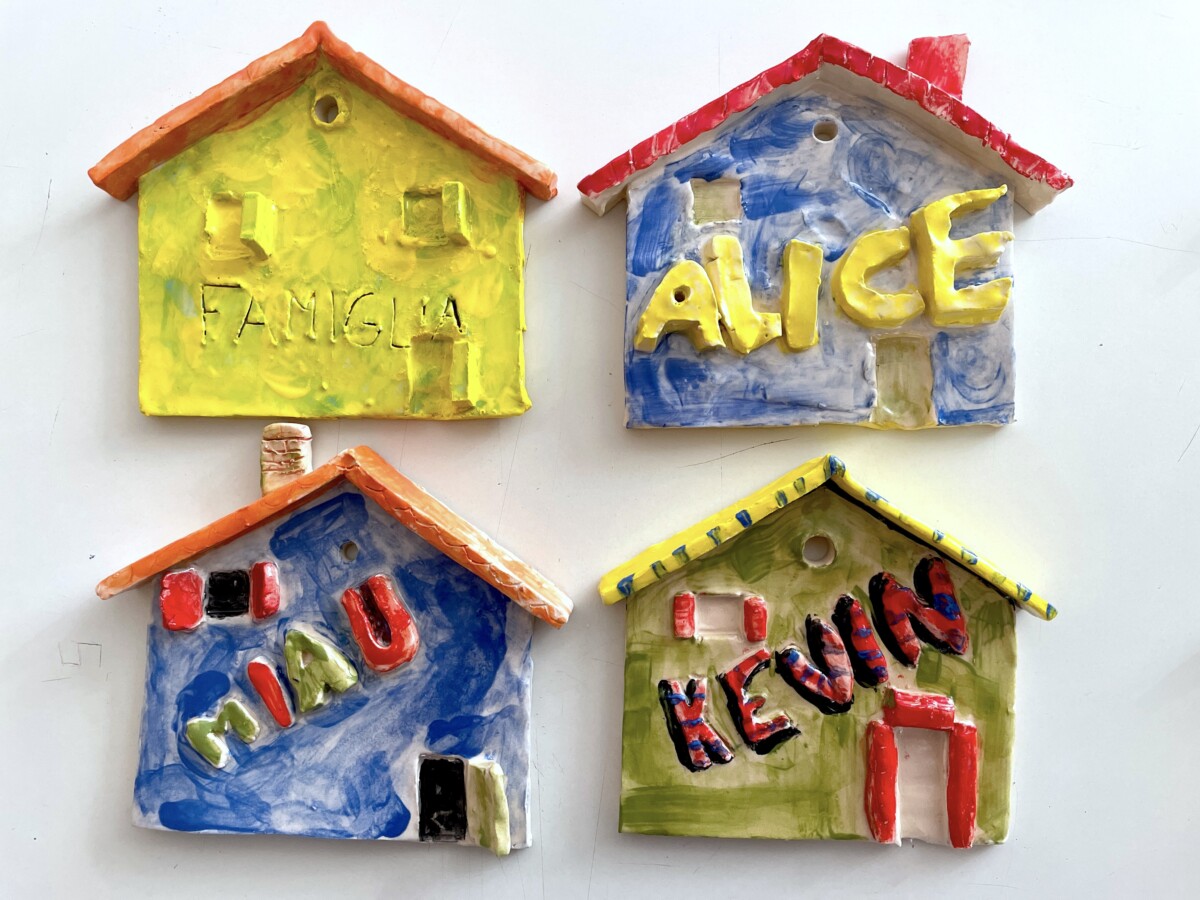
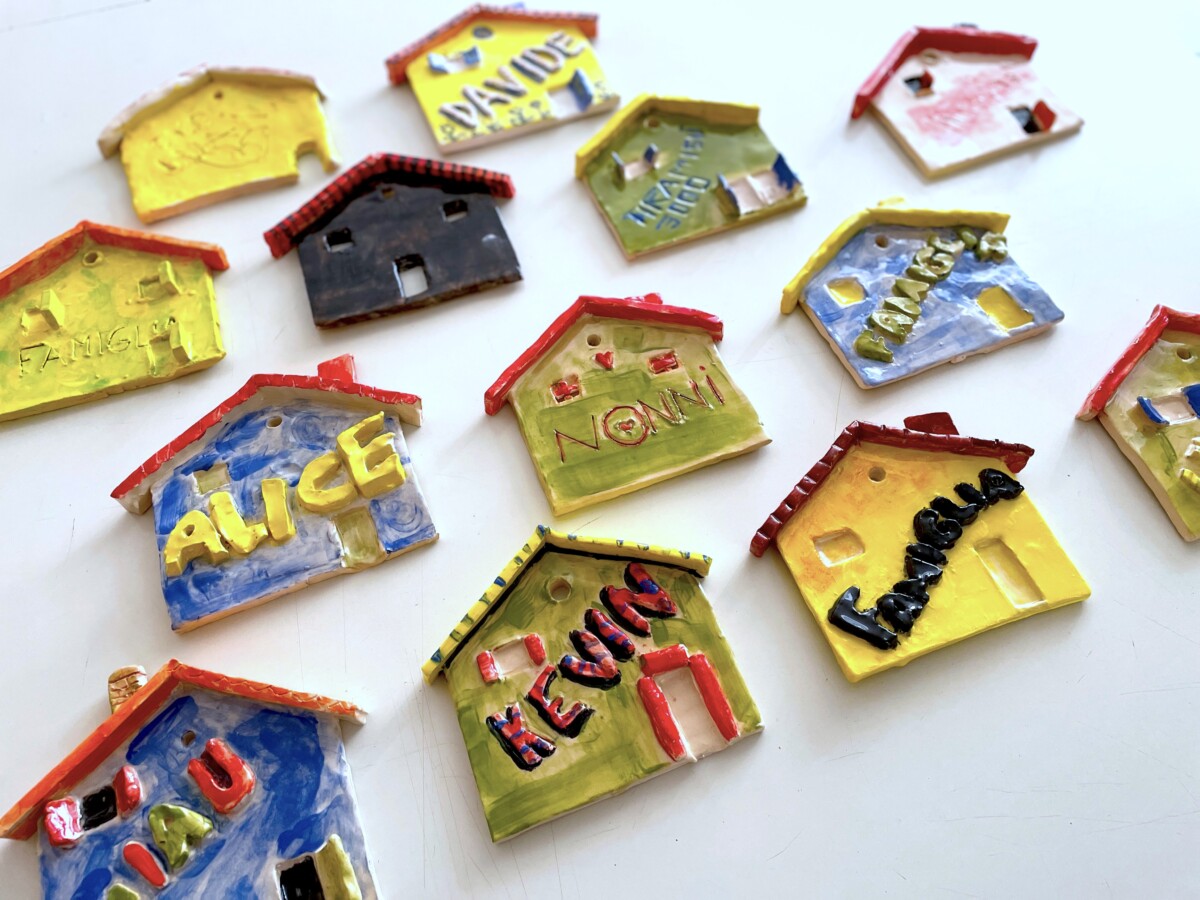
可悬挂的陶瓷小屋:工作单
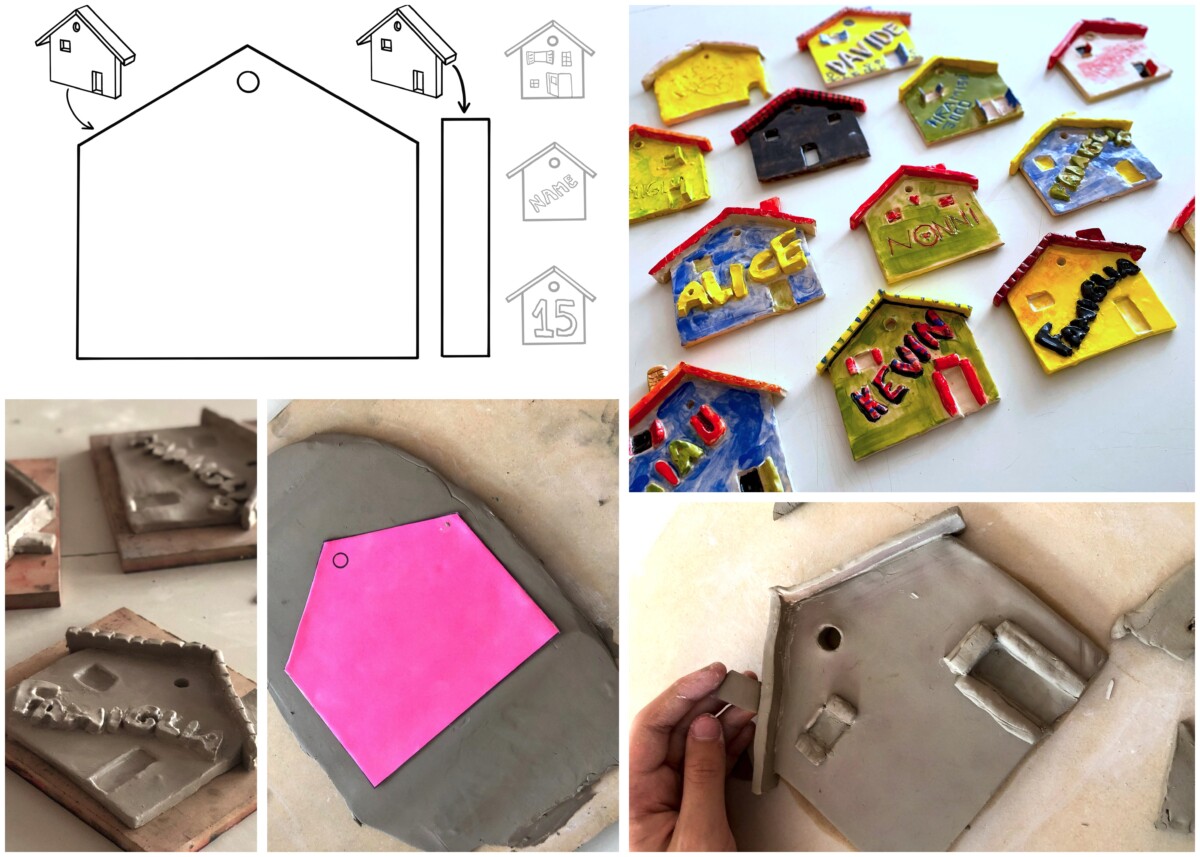
这些陶瓷小屋由七年级学生采用泥板成型法制作而成。小屋主体部分(正面墙与屋顶)使用了纸制模板(用于在陶泥上描摹形状轮廓的模板),模板如下所示:
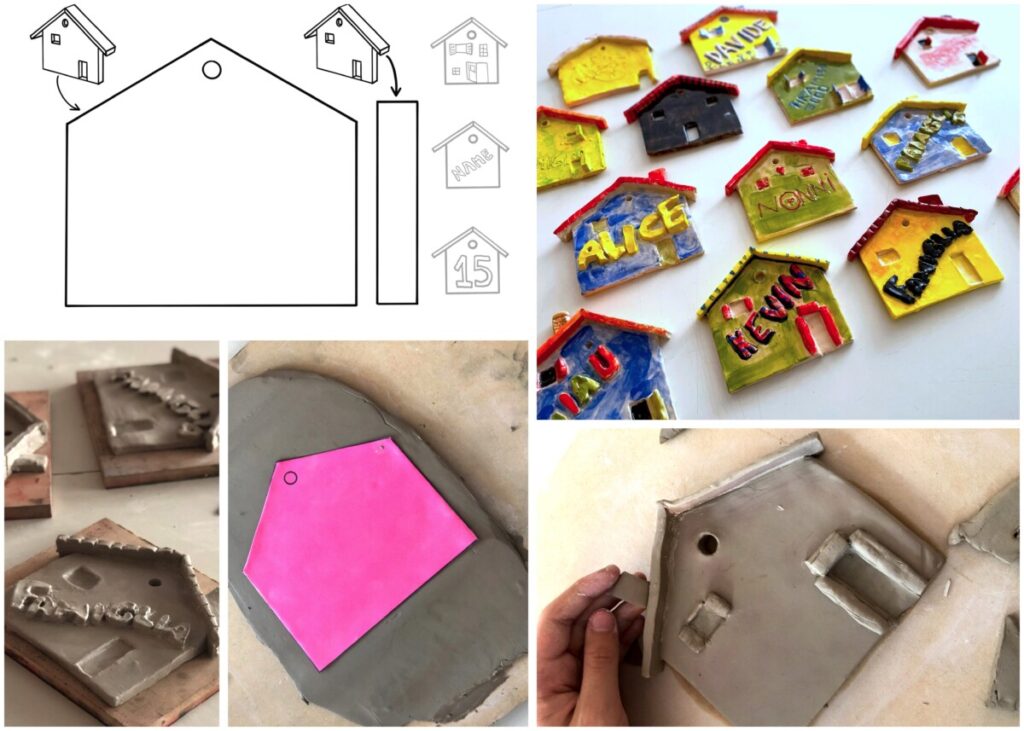
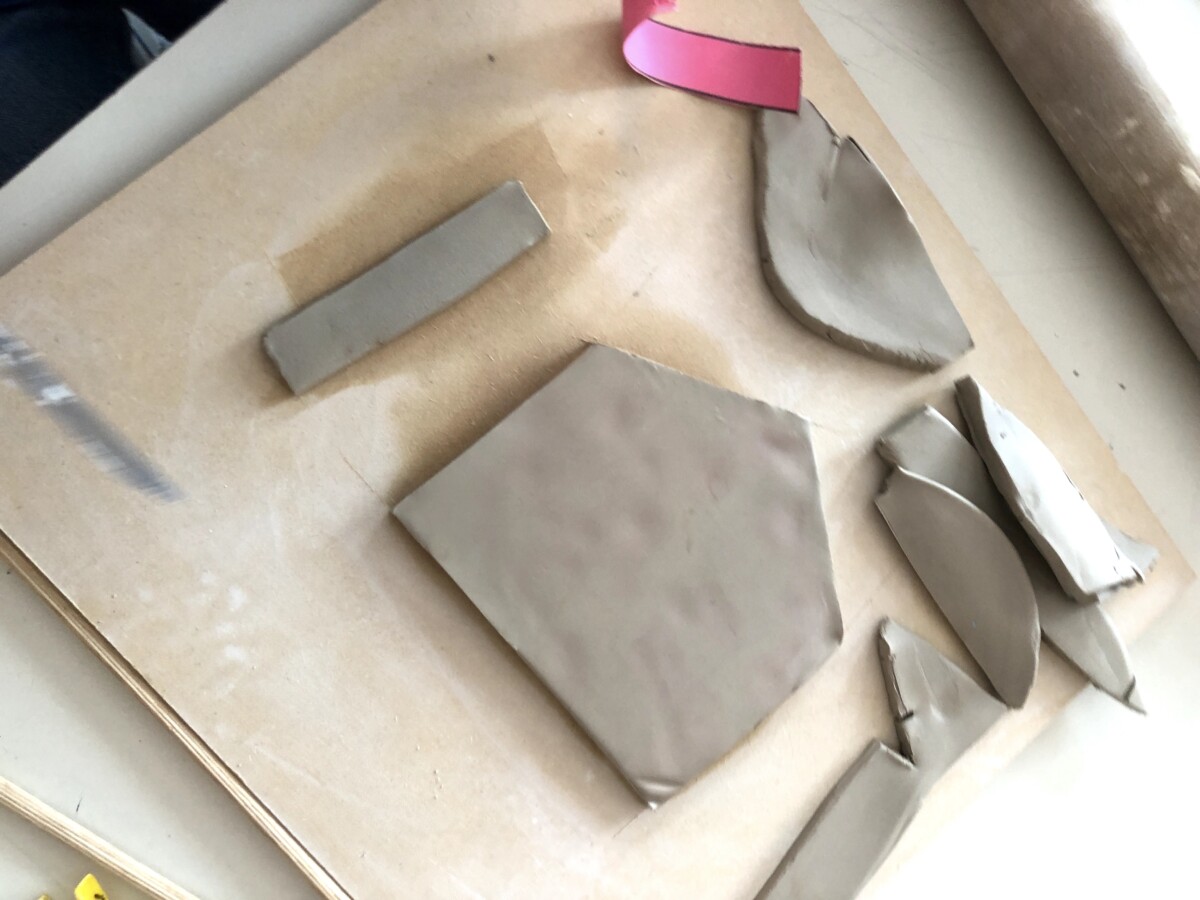
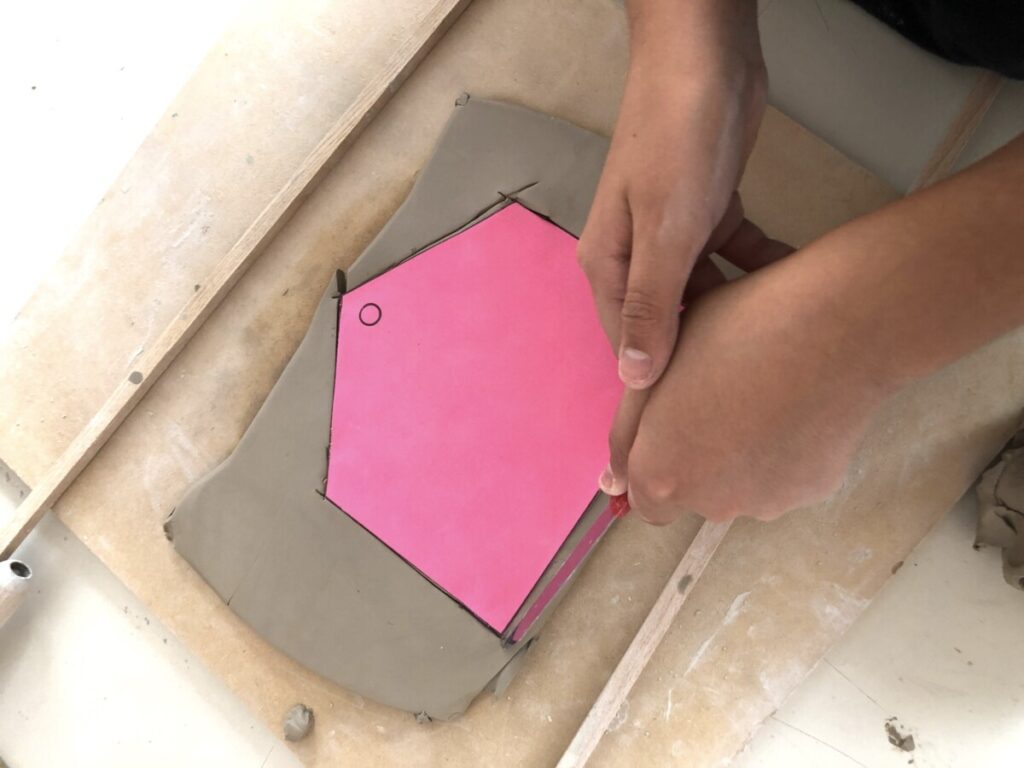
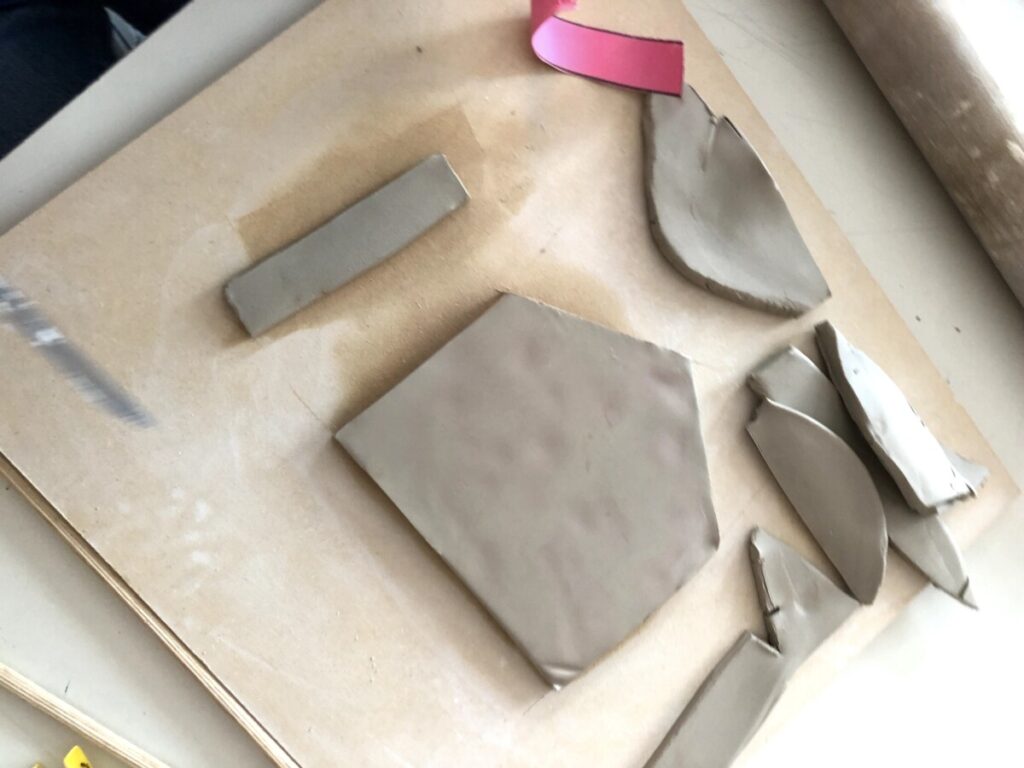
制作泥板时,我们先用手将陶泥在木板上压平,再用擀面杖进一步擀平;擀压时在泥板两侧各放置一根木条,以确保泥板厚度约为7毫米。泥板制成后,我们用纸制模板裁切出正面墙及屋顶的两个坡面。
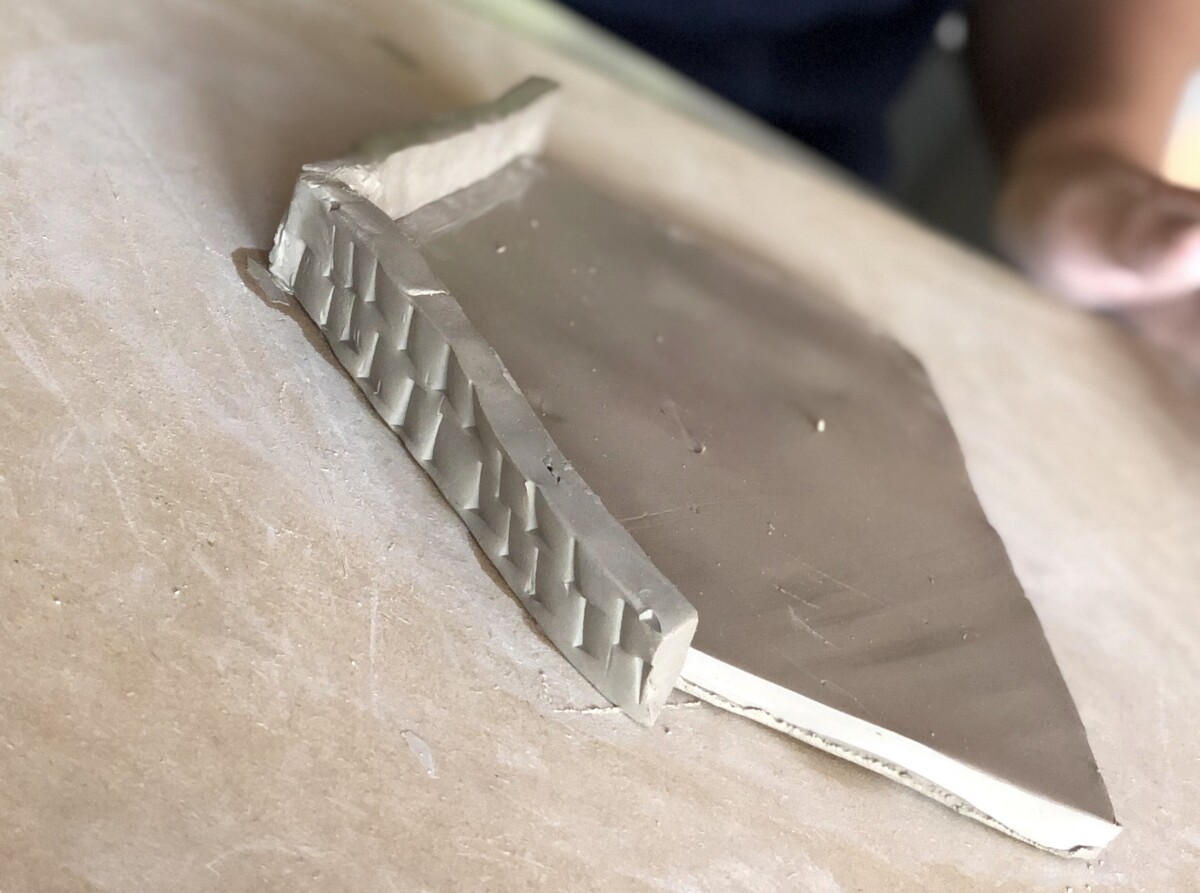
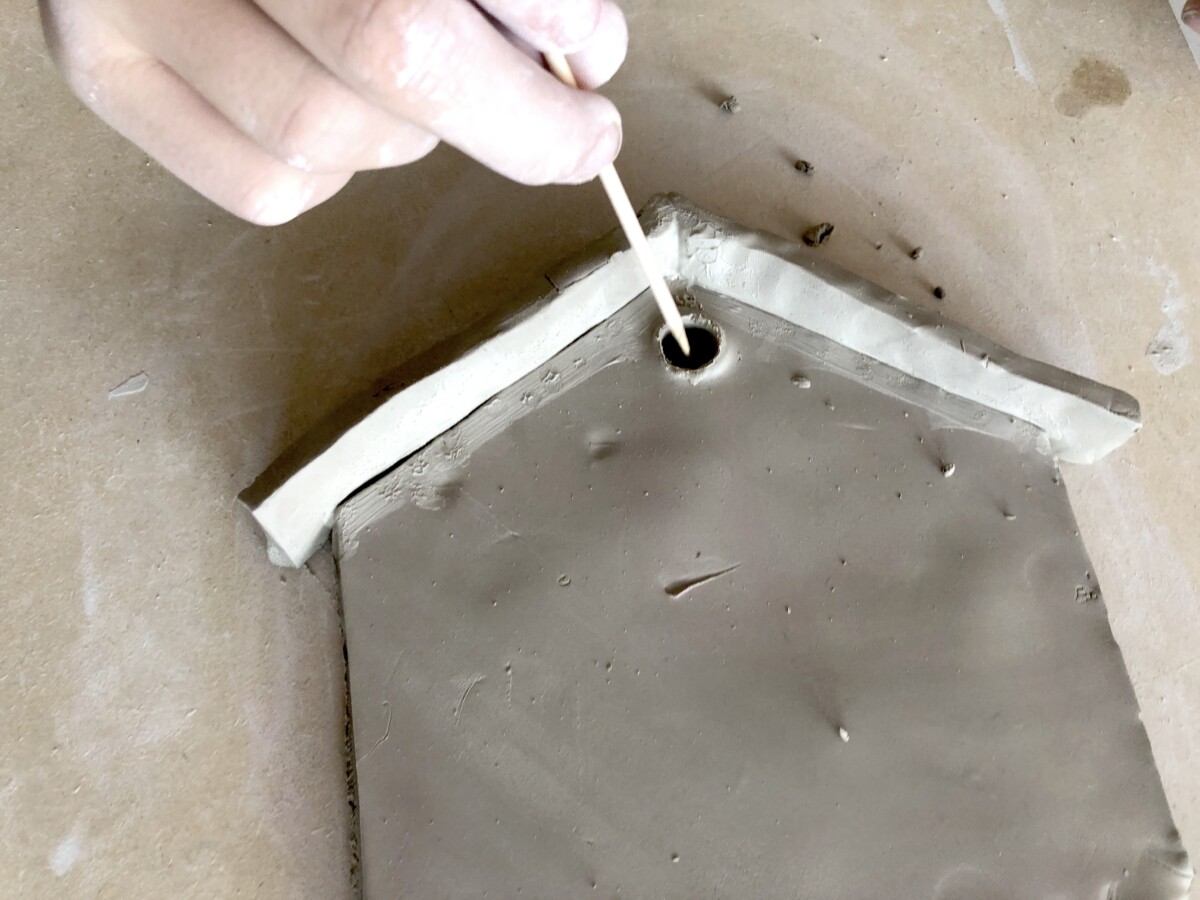
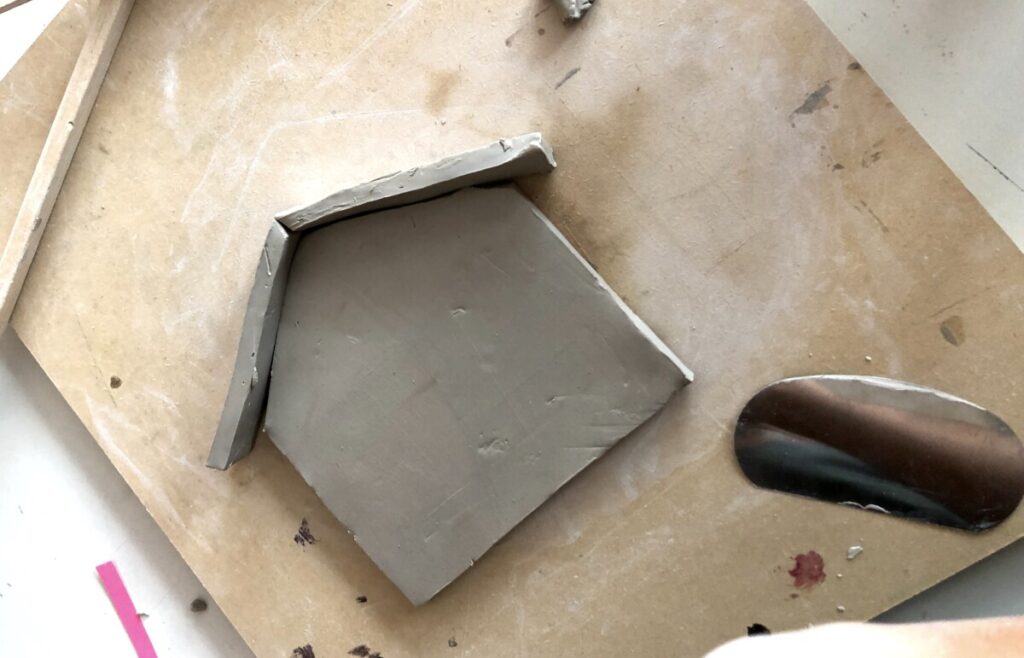
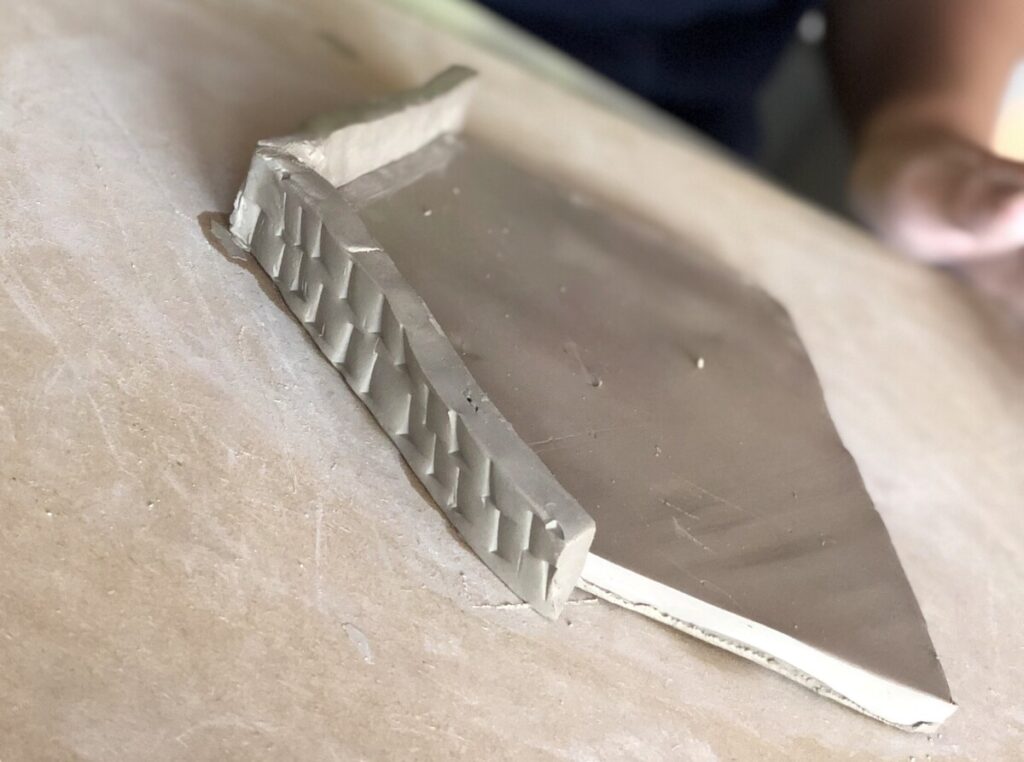
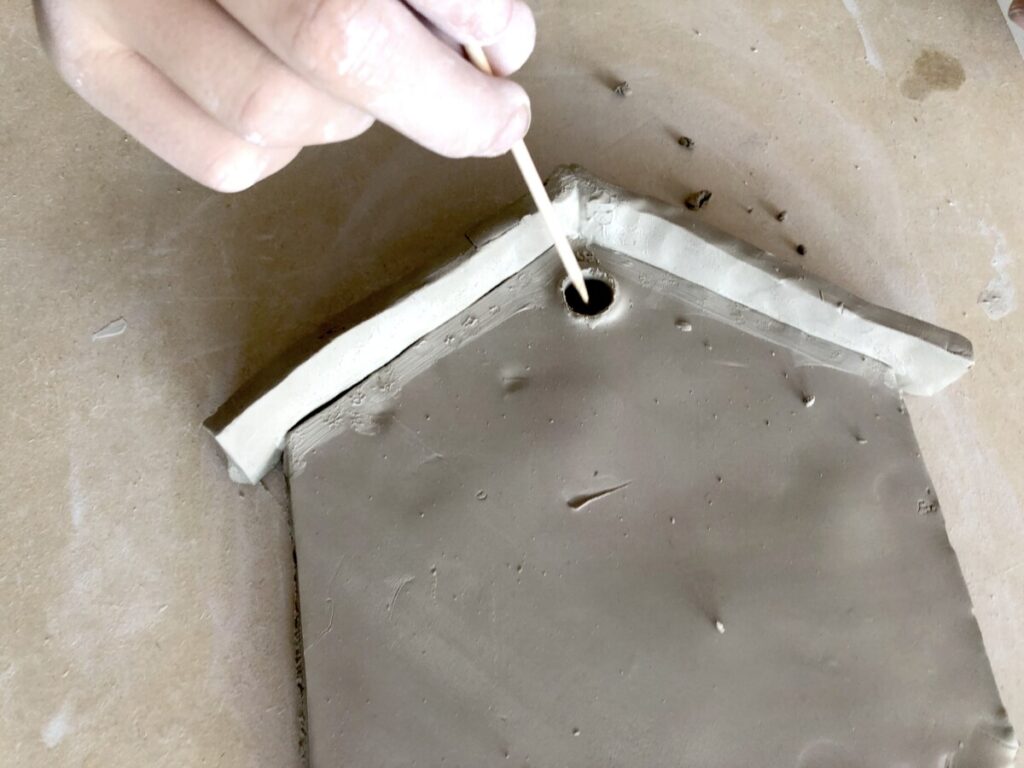
随后,我们用泥浆将各部件粘接组装起来。为使小屋可悬挂,我们在正面墙上部中央位置钻了一个孔。
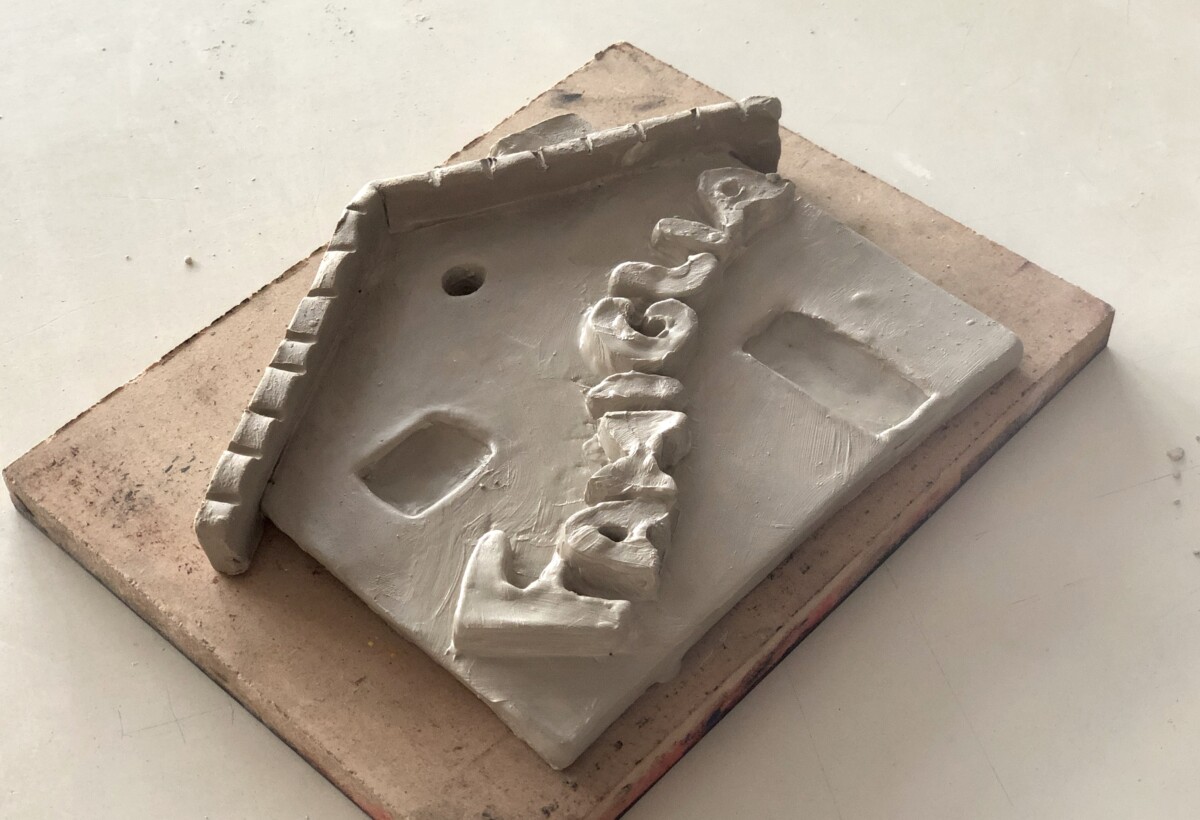
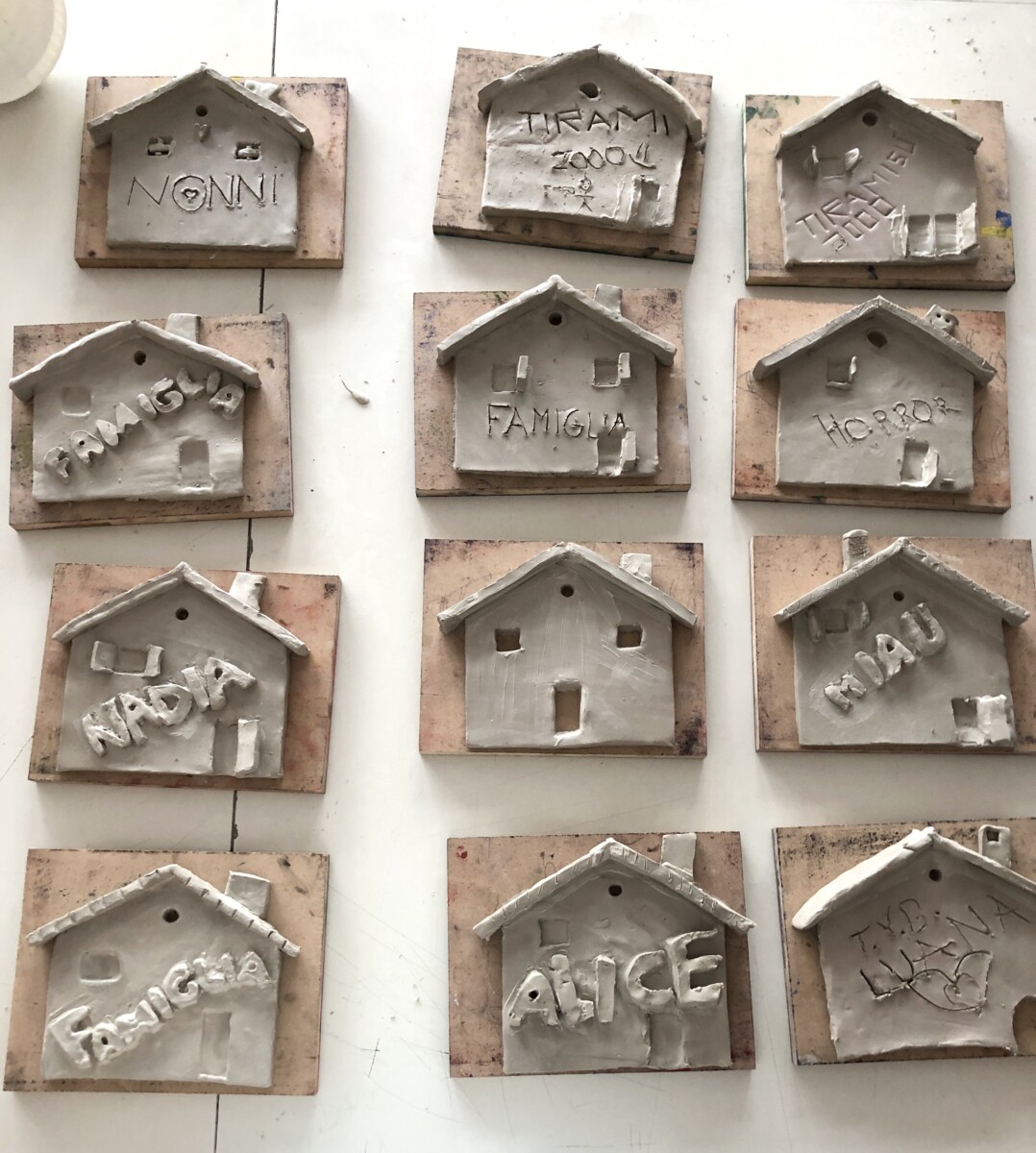
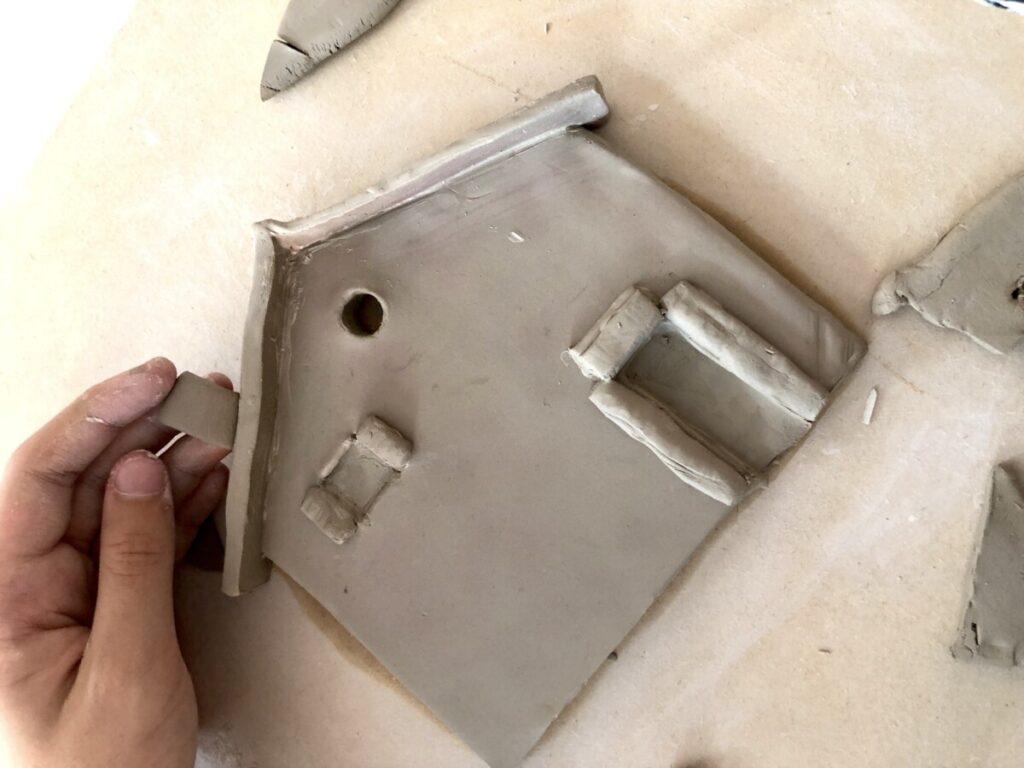
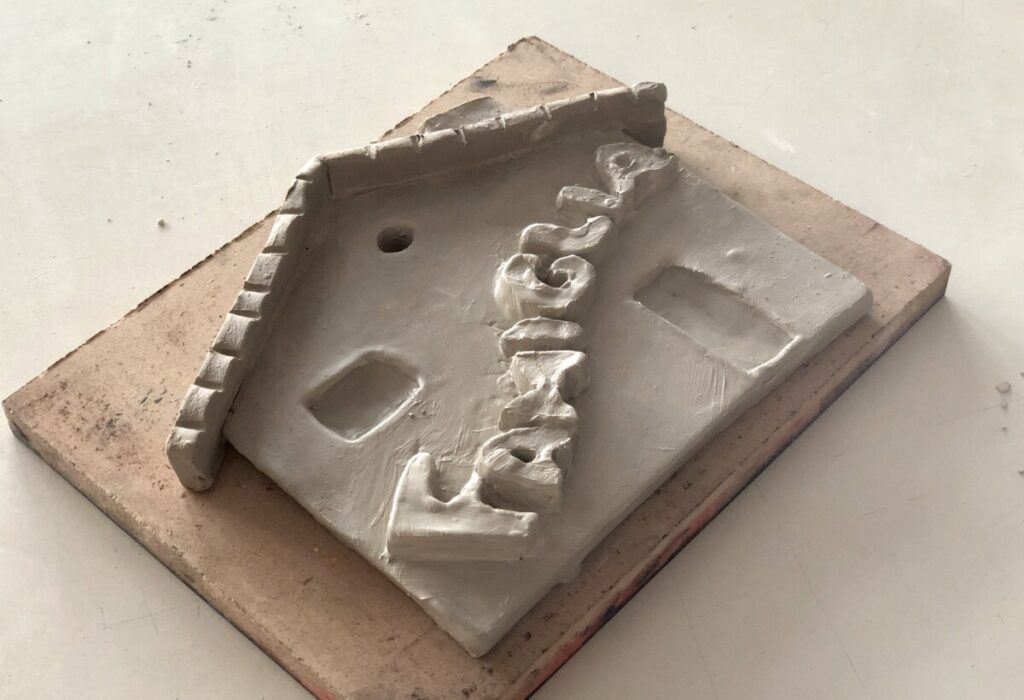
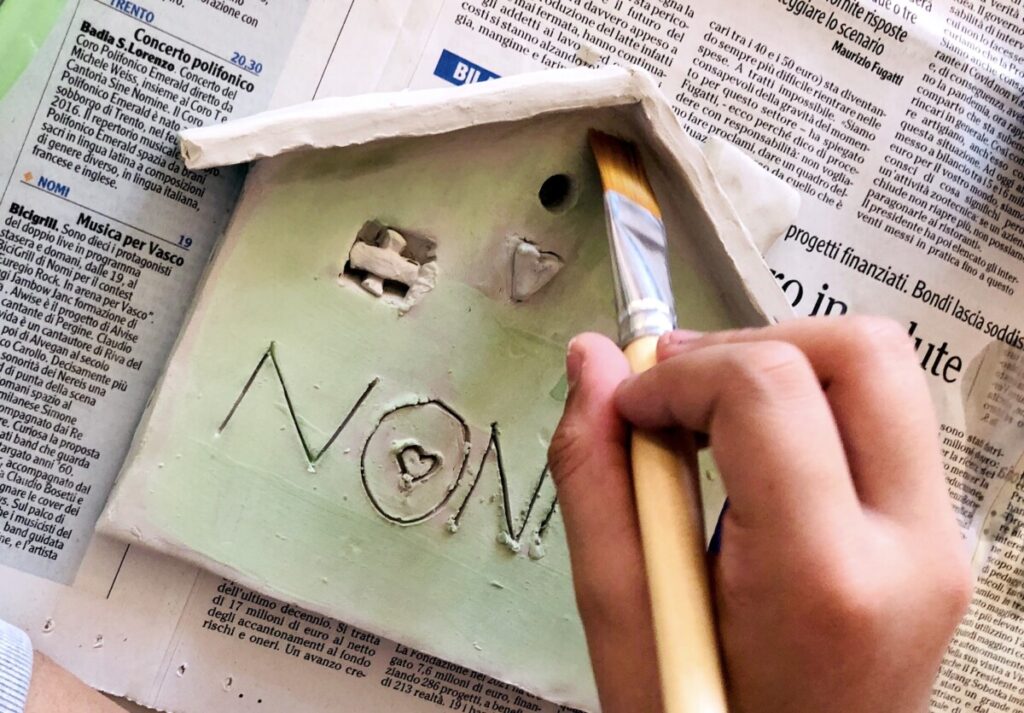
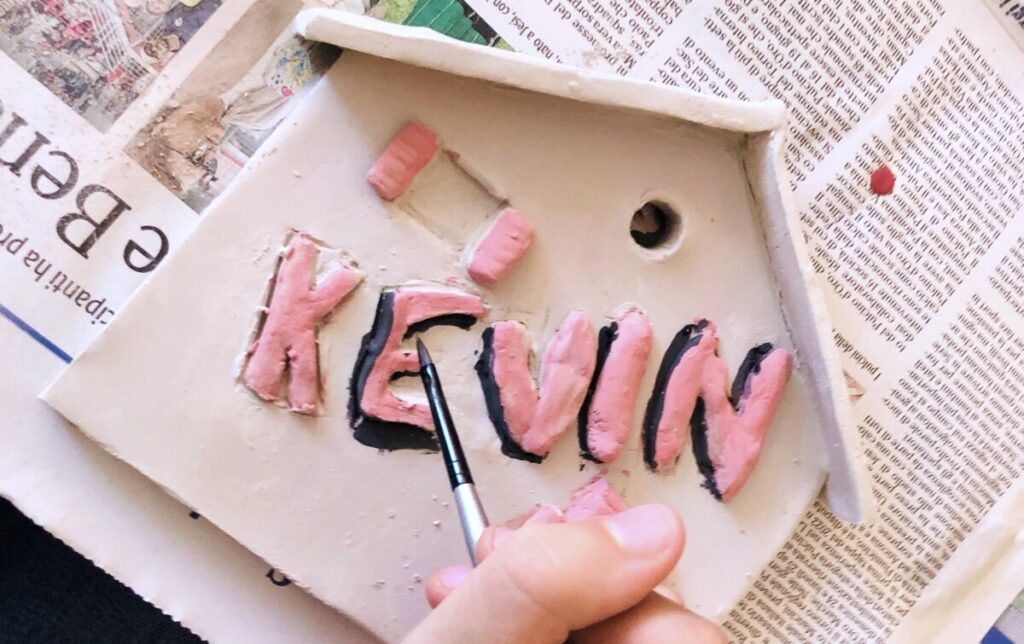
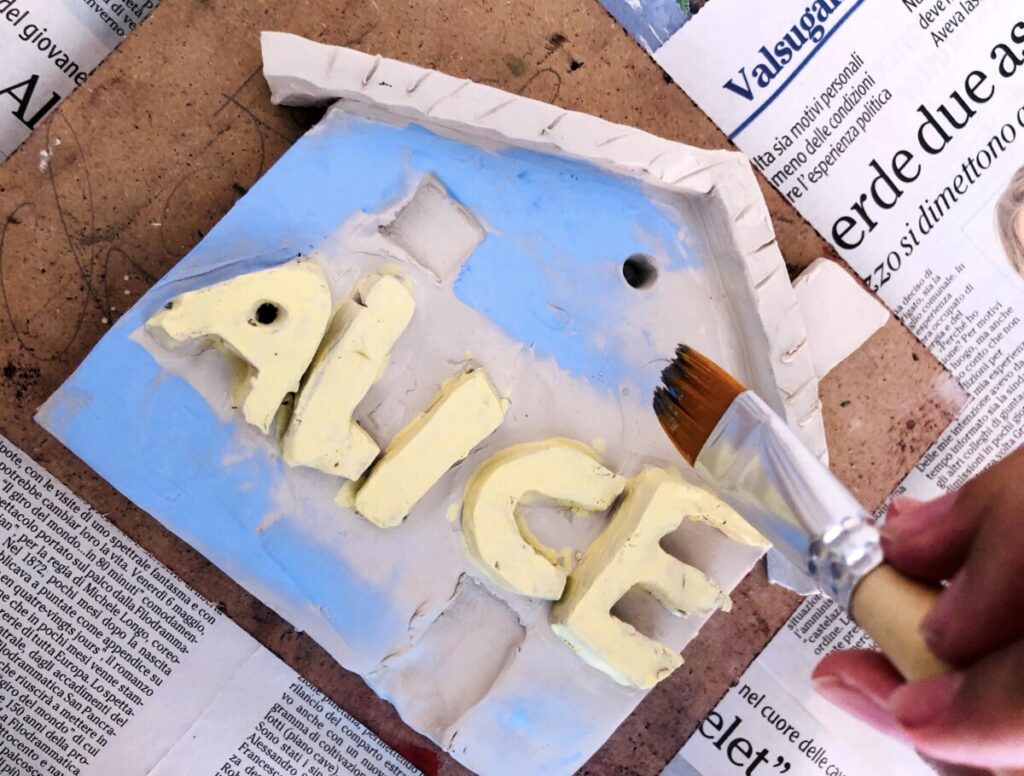
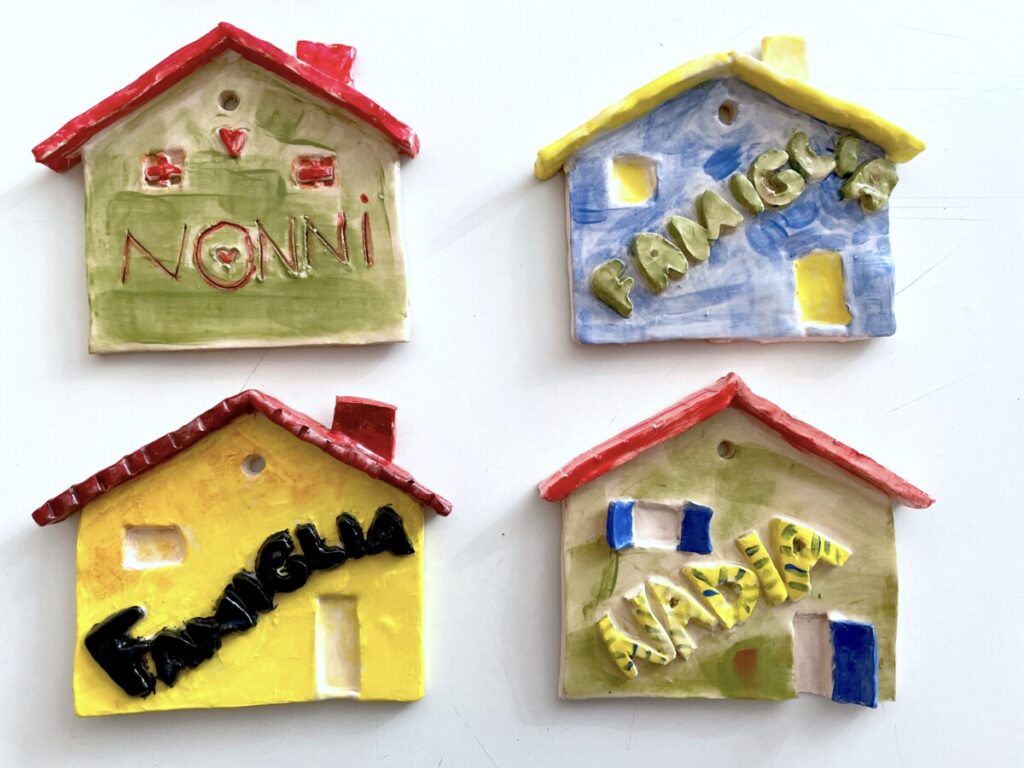
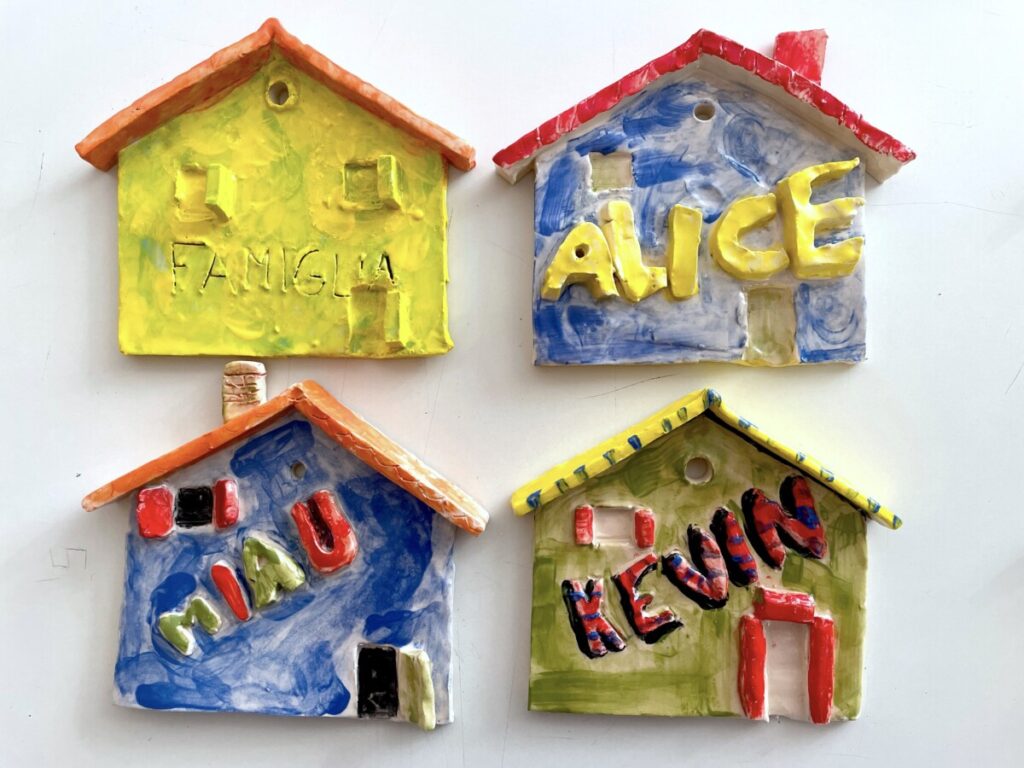
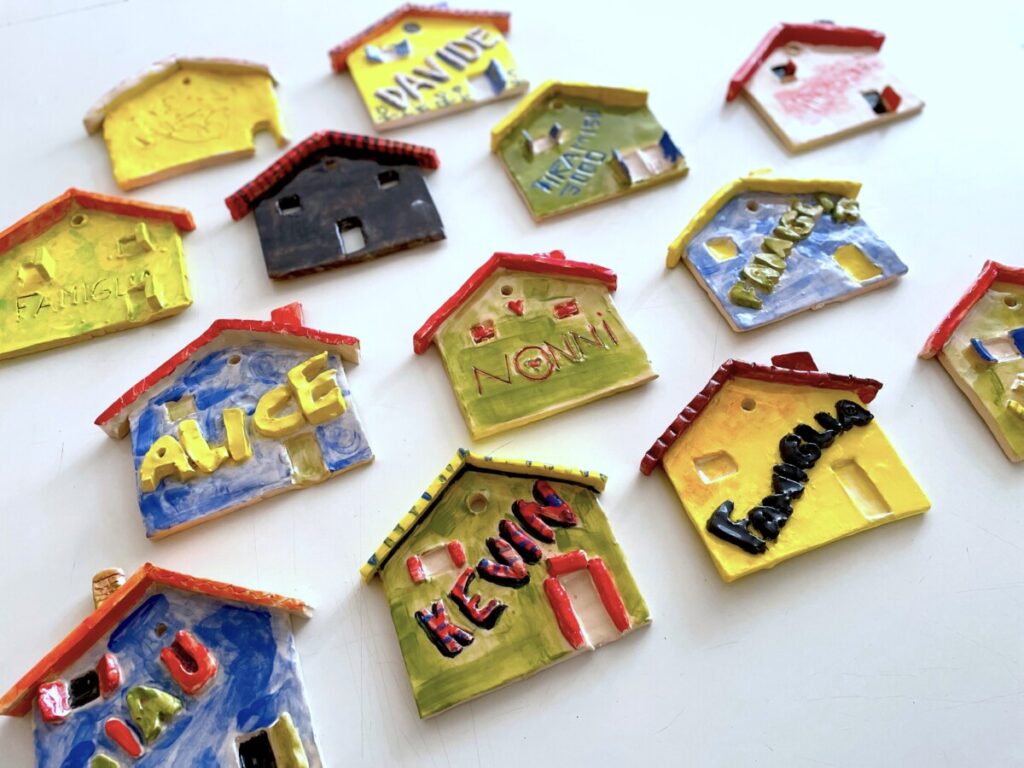
主体造型完成后,每位学生各自在小屋上添加窗户、门、百叶窗、壁炉、文字及各类装饰。
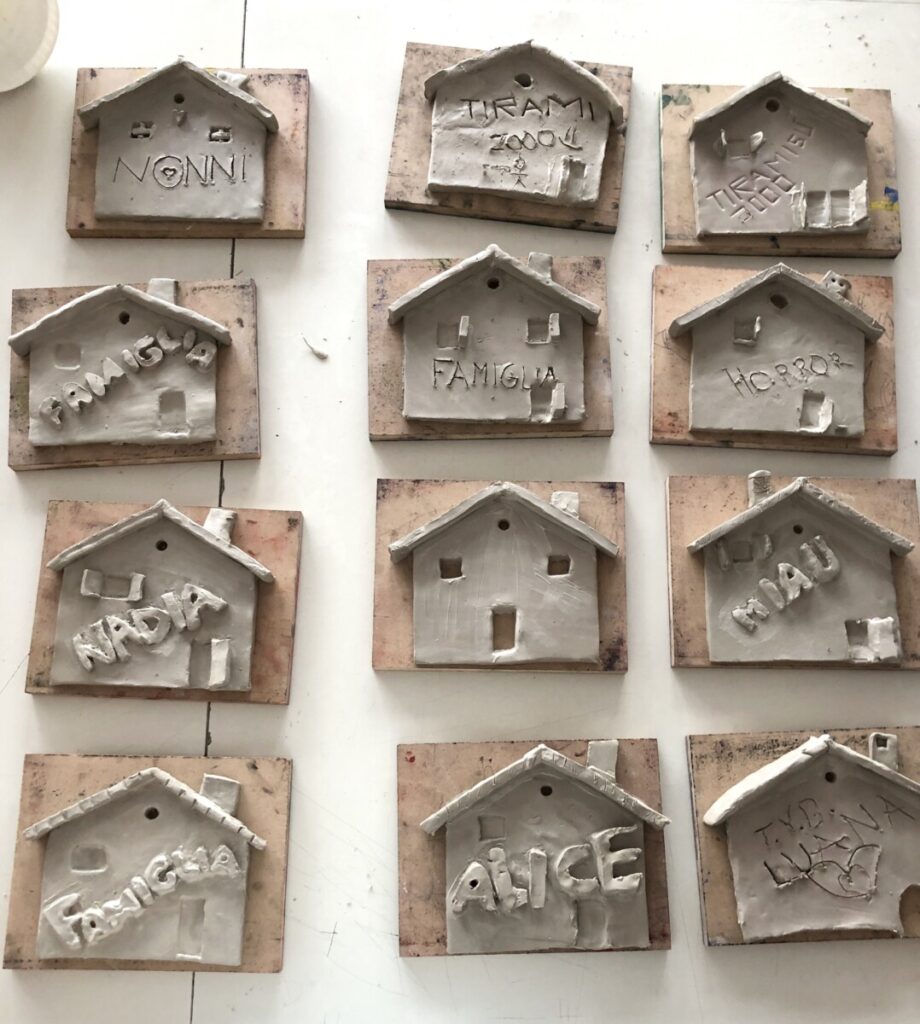
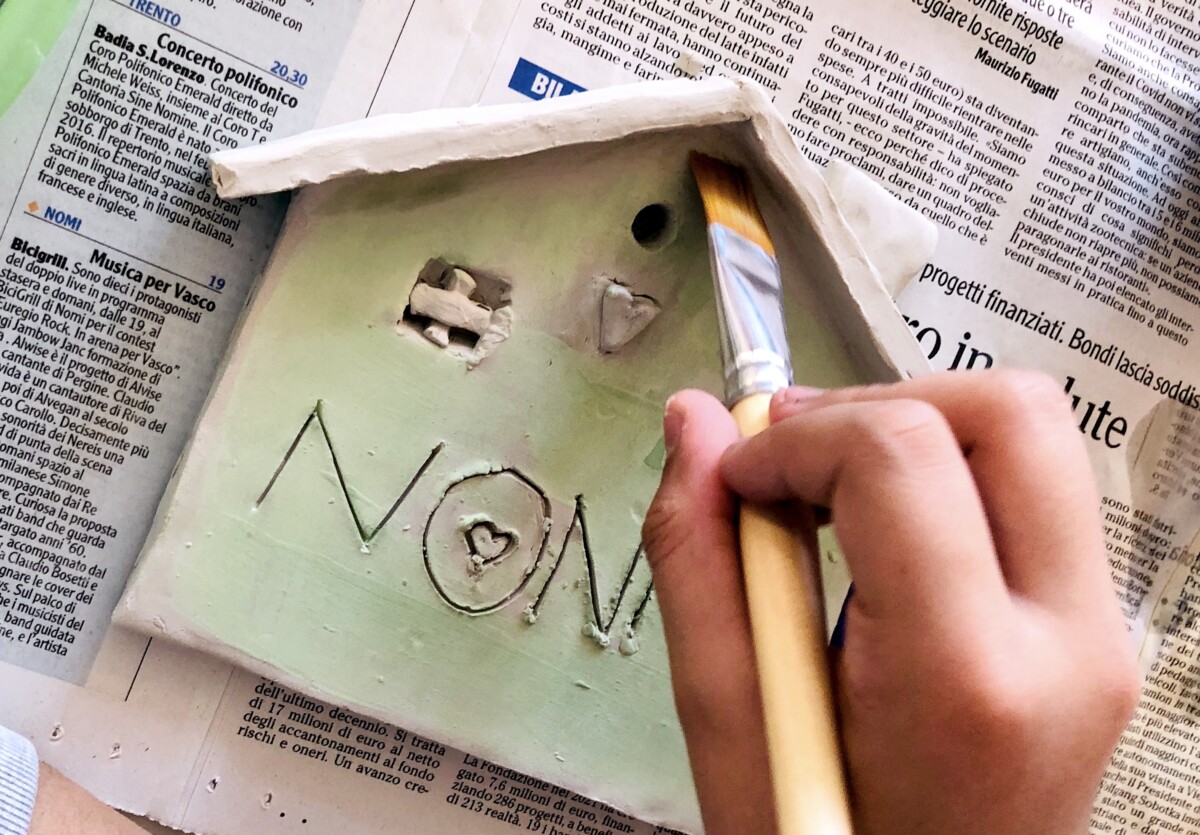
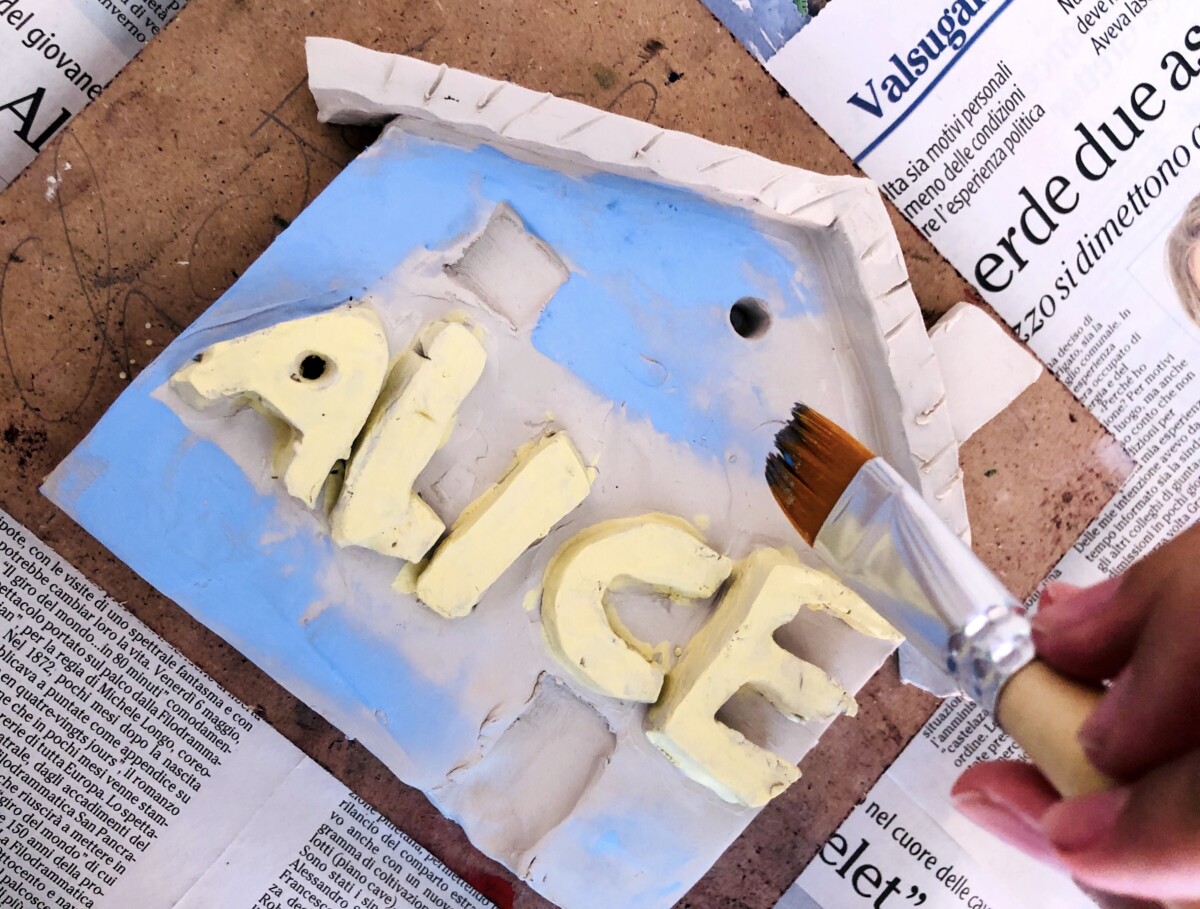
待陶泥达到皮革硬状态时,我们用彩色泥釉进行装饰,并进行首次烧制,得到素坯。
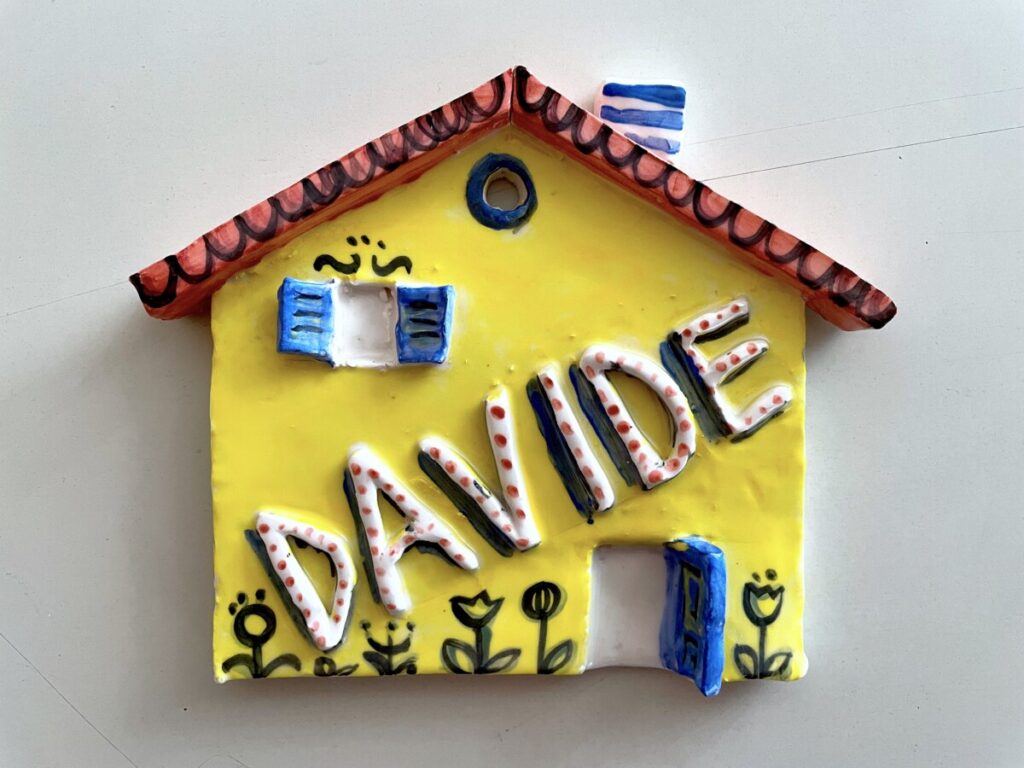
首次烧制完成后,小屋表面施以无铅透明结晶釉,以获得最终的釉面效果。
Ceramic house to hang: worksheet
These ceramic houses were made by seventh grade students with the slab technique. For the main parts of the house (façade and roof) we used paper templates (templates to reproduce the profile of the shapes on the clay) which you can find below:
To make the slab of clay, we flattened the clay with hands on a wooden board, and then we flattened it with a rolling pin, using two sticks on the sides of the slab to maintain a thickness of about 7 mm. Once the clay slab was made, we cut out the facade and the two slopes of the roof using the paper templates.
After that we assembled the pieces joining them with the clay slip. To be able to hang the house, we made a central hole in the upper part of the facade.
Once the main shape was ready, each student decorated his own house with windows, doors, shutters, a fireplace, writing and decorations.
When the clay has been leather hard, we decorated the houses with colored engobes and made the first firing to obtain the biscuit.
After the first firing, the houses were glazed with lead-free transparent crystalline, to obtain the final effect of the glazing.