野兽派与色彩情绪艺术项目
原文链接:https://createartwithme.com/fauvism-art-project/
日期: 2013-05-27
作者: 米歇尔·伊斯
分类: 三年级、四年级、五年级、六年级、非洲艺术课程、美术史课程、美术课程、绘画课程、小学美术、高中美术、初中美术、绘画课程、蛋彩画
标签: 明亮色彩艺术、野兽派艺术特征、色彩情绪、色彩理论、基于色彩理论的艺术课、野兽派、野兽派动物题材、小学野兽派艺术、野兽派历史、野兽派教案、野兽派绘画、主要野兽派艺术家、如何讲授野兽派、蛋彩画课程
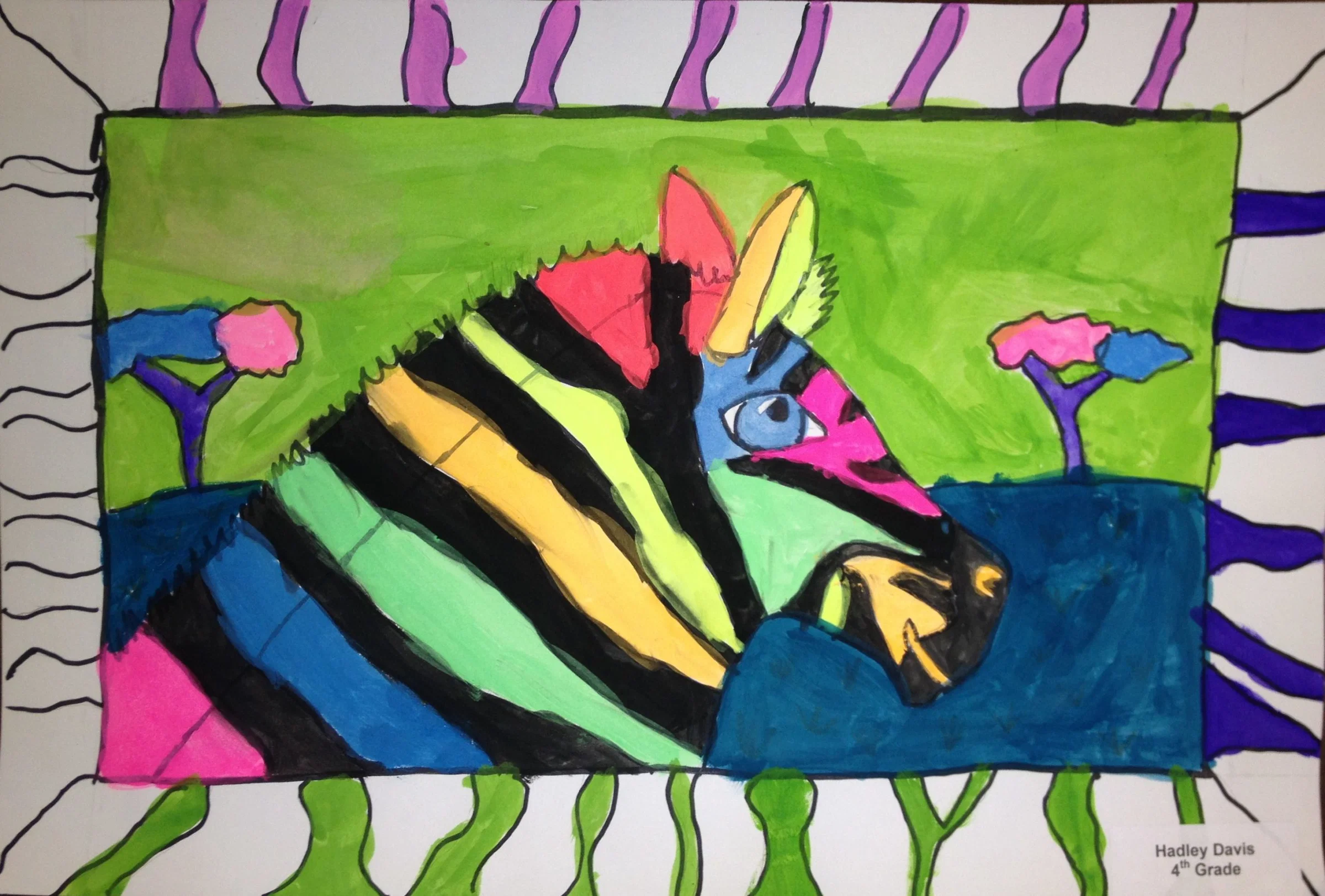
野兽派是一堂趣味十足的美术史课程。 其浓烈鲜明的色彩,非常适合用于讲授“色彩情绪”。我通常在四年级美术课上开展这一项目,但根据主题复杂程度的不同,它其实可灵活调整适用于大多数年级。
野兽派与色彩情绪教案
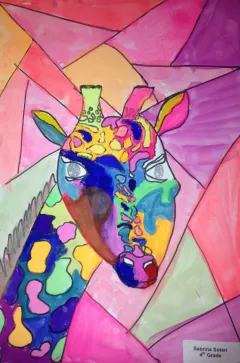
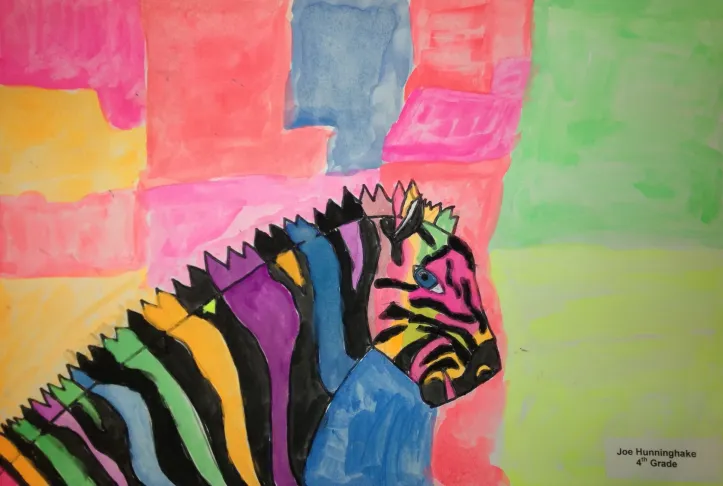
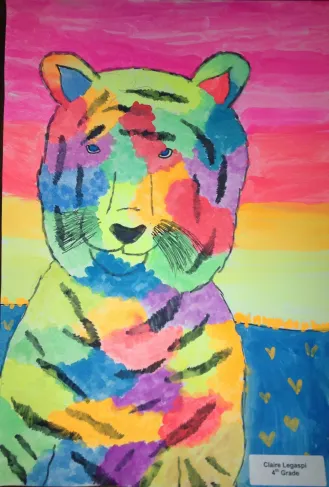
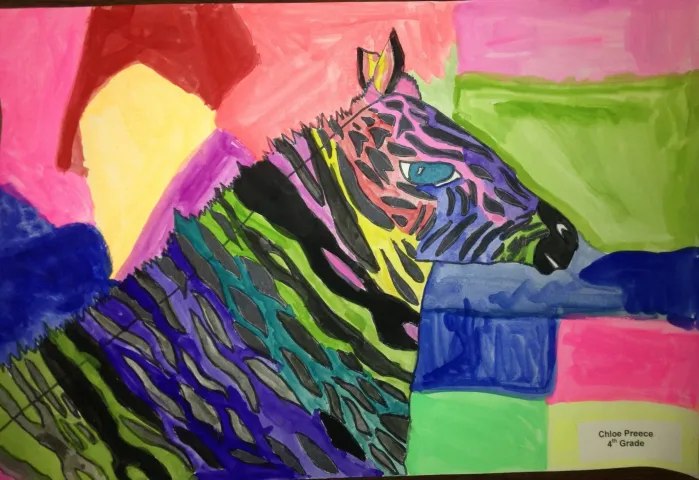
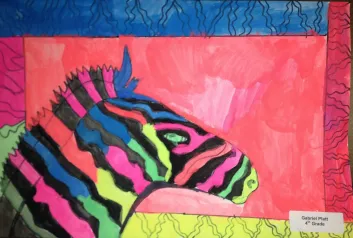
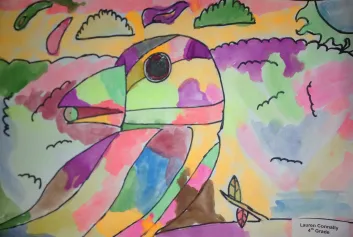
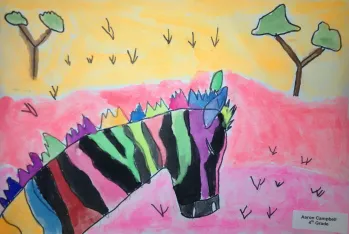
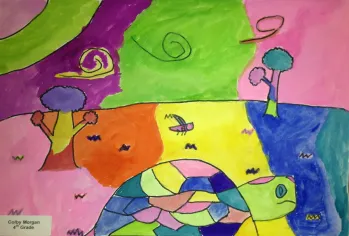
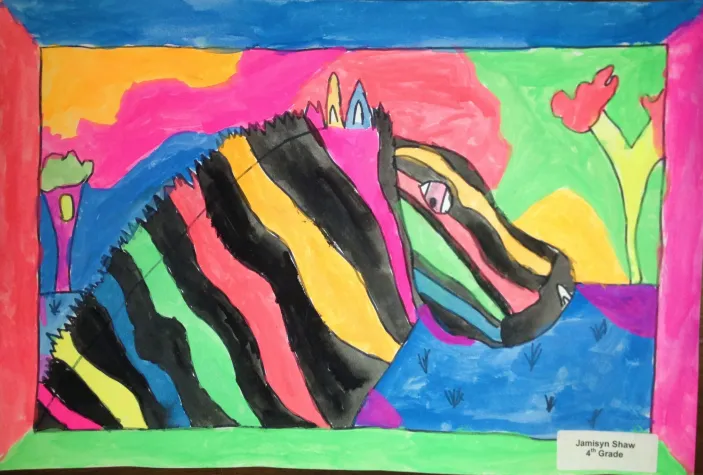
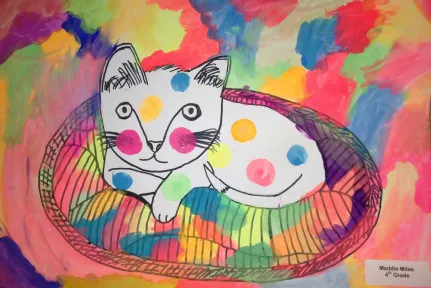
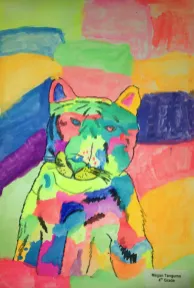
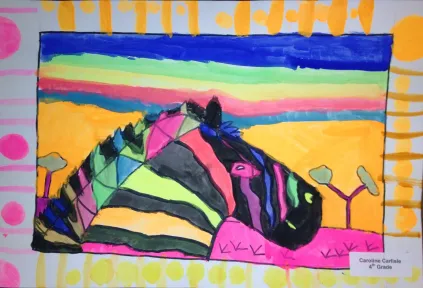
材料: 12×18 英寸(约30.5×45.7 厘米)90磅水彩纸、铅笔、勾线笔(Sharpie)、Crayola 荧光油画棒 或 Sax 无毒荧光蛋彩颜料块套装(6色)(本课使用此款)、画笔、水杯、纸巾、铺桌用旧报纸
教学内容:
- 色彩情绪——有时我们会将某种颜色与自身的情绪联系起来。你是否听过这样的说法:“气得眼发红”、“情绪低落(blue)”或“嫉妒得发绿(green)”?艺术家运用色彩营造不同情绪——通过色彩的纯度(明亮与灰暗)和明度(浅与深)来实现。艺术家有时也借助特定的配色方案来营造情绪(例如互补色并置能激发兴奋感)。有意识地运用色彩,可使我们的作品表达更深刻,并唤起观者不同的情感反应。
- 平和的情绪由灰暗、浅淡的色彩营造而成。大地色调,如海水、沙滩与岩石的颜色。 这些色彩饱和度低(灰暗),且效果含蓄。
- 活泼的情绪则通过高饱和度的明亮色彩(即纯色——直接取自色轮的原色,如蜡笔色)来表现。
- 野兽派,约1905年,法国:
- 主要野兽派艺术家: 亨利·马蒂斯(野兽派领袖)、保罗·高更与安德烈·德兰。采用该风格作画的艺术家被称为 “Les Fauves”(法语,意为“野兽”)。
- “Les Fauves”主张:色彩应服务于表达艺术家对描绘对象的情感,而非仅限于客观再现其外观。
- 野兽派艺术特征:
i. 爆发性的色彩: 运用纯色(承袭自梵高),结合受保罗·高更启发的平面化曲线色块;
ii. 大胆独特且非自然的色彩组合;
iii. 互补色并置使用;
iv. 即兴奔放的笔触,速写式短促运笔。
课堂活动:(共5–6节,每节30分钟)
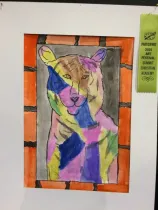
项目目标: 运用富有表现力的色彩,以野兽派风格完成一幅蛋彩画。
- 先用铅笔绘制主体形象,再用勾线笔勾勒轮廓;
- 使用明亮色彩绘制主体——频繁更换颜色,将互补色相邻并置(以增强视觉兴奋感);
- 背景部分则涂绘大面积的明亮色块。
以下是我为学生准备的部分参考图示:
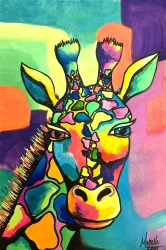
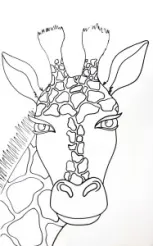
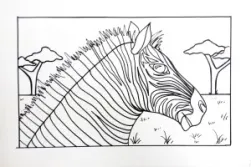
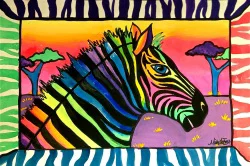
若您选用本博客中任何内容(图片或文字),请务必注明原始出处并链接回 Create Art with ME!
*亚马逊联盟链接——仅推荐本人实际使用且真心喜爱的产品!
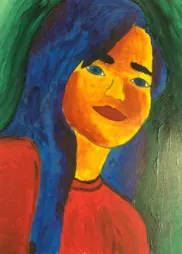
作者:克莱尔
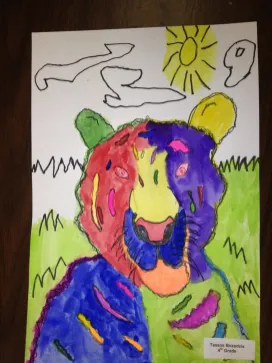
更多学生作品范例:
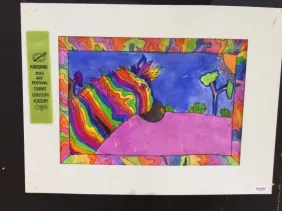
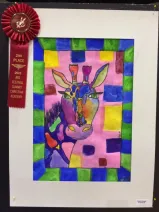
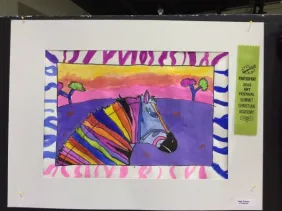
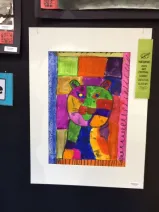
Fauvism & Color Mood Art Project
Original: https://createartwithme.com/fauvism-art-project/
Date: 2013-05-27
Author: Michelle East
Categories: 3rd Grade, 4th Grade, 5th Grade, 6th Grade, African Art Lessons, Art History Lessons, Art Lessons, Drawing Lessons, Elementary Art, HS Art, MS Art, Painting Lessons, Tempera Painting
Tags: bright color art, Characteristics of Fauvism Art, Color mood, color theory, color theory art lesson, Fauvism, Fauvism animal, fauvism elementary art, fauvism history, Fauvism Lesson Plan, fauvism painting, Major Fauvism Artists, teach fauvism, Tempera painting lesson
Fauvism is a fun art history lesson to teach. It’s intense colors are perfect for teaching color mood. I do this project with my 4th grade art classes, but really it could be adapted to most grades depending on complexity of subject matter.
Fauvism and Color Mood Lesson Plan
Supplies: 12×18 sheets of 90lb watercolor paper, pencils, sharpies, Crayola NEON Oil Pastels or Sax Non-Toxic Tempera Paint Cakes – Set of 6 – Fluorescent Colors (this is what we used), paint brushes, water cups, paper towels, newspaper for tables
Delivery:
- Color Mood-Sometimes we can attach a color to the emotions we are feeling.Have you ever heard the phrases “So mad he could see red”, “Feeling blue”, or “Being green with envy”. Artists use color to create different moods- through color intensity (bright & dull) and color value (light & dark). Artist’s also sometimes use color schemes to create moods (complementary colors create excitement). Using colors deliberately gives a deeper expression to our artwork and evokes different emotional responses in the viewer.
- A Peaceful Mood is created by using dull & light colors. Earth tones, like the colors of the sea, sand, and rocks. The colors have a low saturation (dull) and are subtle.
- A Playful Mood is created by using bright- fully saturated bright colors (Pure hues -straight off the color wheel-like crayon colors)
- Fauvism, c. France 1905:
- Major Fauvism Artists: Henri Matisse (the Leader of the Fauves), Paul Gaugin and André Derain The artists who painted in this style were known as ‘Les Fauves’ (the wild beasts).
- Les Fauves believed that color should be used to express the artist’s feelings about a subject, rather than simply to describe what it looks like.
- Characteristics of Fauvism Art:
i. Explosive colors: of pure color (derived from van Gogh) are combined with curvilinear planes of flat color, inspired by Paul Gaugin)
ii. Wildly unique and unnatural color combinations
iii. Complementary hues placed or used right next to each other
iv. Impulsive brushwork, Sketchy short strokes
Activity: (5-6 30 minute classes)
Project Objective: Create a tempera painting using expressive colors in the Fauvism style.
- Draw subject matter in pencil then outline in sharpie.
- Using BRIGHT colors, paint the subject matter-switch colors often, use complementary colors next to each other (creates excitement).
- For the background paint large blocks of bright colors.
These are some reference sheets I drew for references.
If you choose to use ANY part of this blog (pictures or written), please link back to Create Art with ME!
*Amazon Affiliate Links-only products I use and love!
by Claire
More Student Examples:

