野兽派自画像——“自拍”丙烯画课程
原文链接:https://createartwithme.com/fauvism-portrait-selfie/
日期: 2015-02-09
作者: 米歇尔·伊斯
分类: 五年级、六年级、丙烯课程、美术史课程、美术课程、野兽派、初中美术、绘画课程
标签: 丙烯画、安德烈·德兰、色彩与情绪、色彩情绪、配色方案、色彩理论、爆发性色彩、表现性色彩、野兽派特征、小学野兽派美术、野兽派教案、野兽派主要艺术、野兽派绘画、方格法绘图、方格法肖像、即兴笔触、野兽派(Les Fauves)、马蒂斯与野兽派、保罗·高更、宁静色彩、活泼色彩、非自然的色彩组合
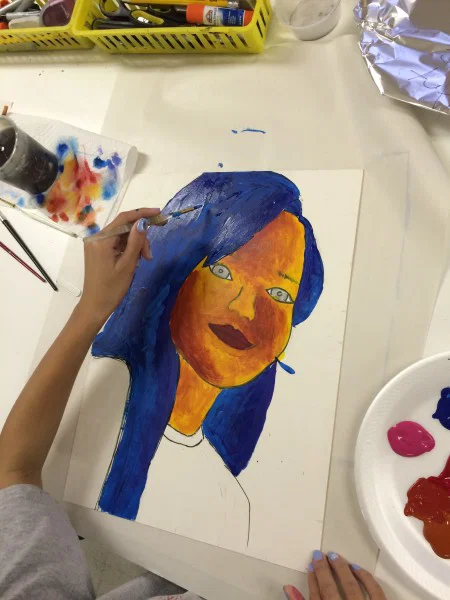
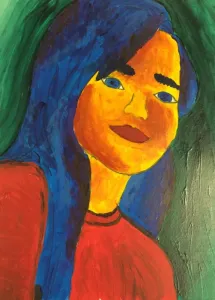
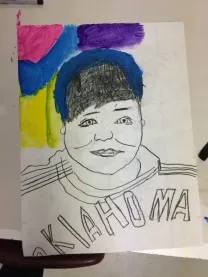
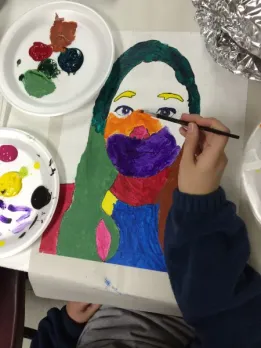
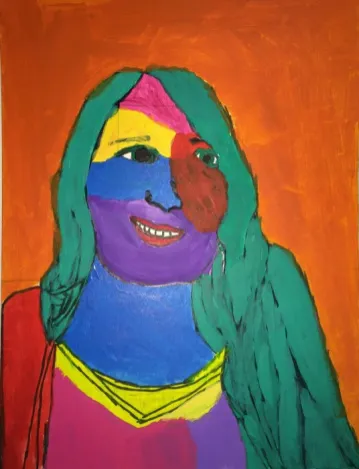
: 克莱尔 作
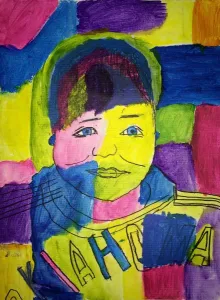
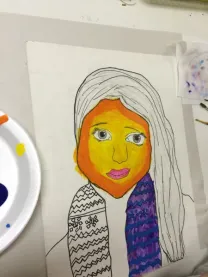
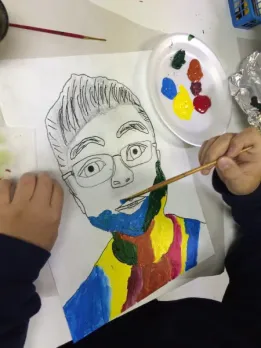
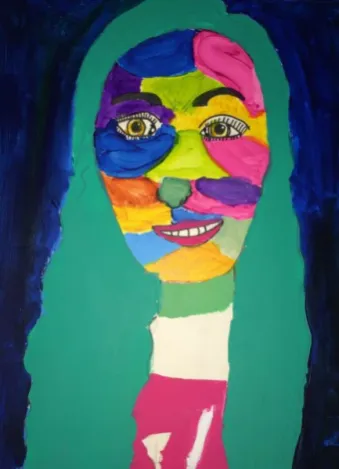
: 麦克 作
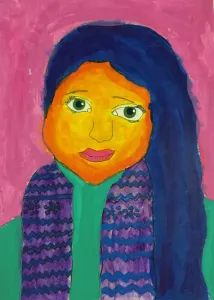
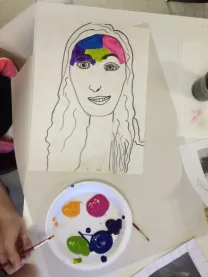
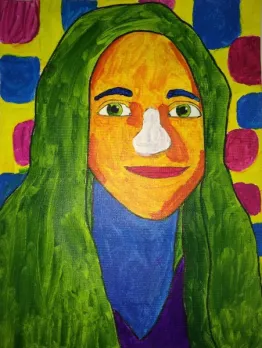
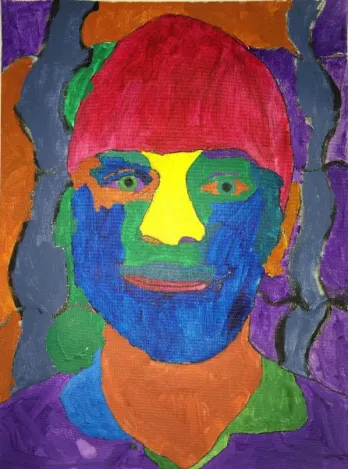
: 梅根 作
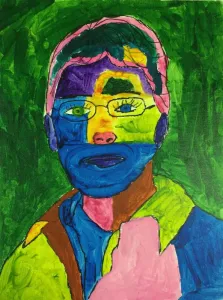
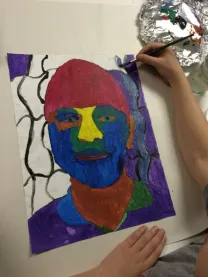
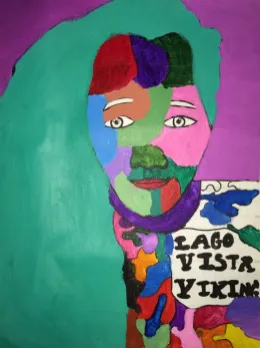
: 乔纳万 作
我的初中学生非常享受这一课题。我们学习了如何运用表现性色彩来营造情绪、传达意义。
教学目标: 学生将理解艺术家通过色彩纯度、明度及配色方案来营造“色彩情绪”。艺术家利用色彩营造不同情绪——通过色彩纯度(鲜明与灰暗)和明度(明亮与深暗)实现;有时也借助配色方案营造情绪(例如互补色可激发兴奋感)。学生将认识色彩的表现力,了解野兽派艺术运动,并对比分析野兽派作品与其他时期艺术作品在用色上的异同。
材料: 12×16 英寸画布板、铅笔、丙烯颜料、画笔、水杯、纸巾、铺桌用报纸
教学内容:
- 色彩对比: 艺术家运用对比凸显差异、强化视觉焦点。冷色与暖色并置时即产生对比。(展示实例)
- 色彩情绪——我们常将某种色彩与自身情绪相联系。 你是否听过“气得脸红”“情绪低落(blue)”或“嫉妒得发绿(green with envy)”这类说法?艺术家通过色彩营造不同情绪——依靠色彩纯度(鲜明与灰暗)与明度(明亮与深暗);有时也借助配色方案(如互补色可激发兴奋感)。有意识地运用色彩,能赋予作品更深层的表现力,并唤起观者不同的情感反应。
- 艺术家还借助配色方案影响色彩情绪:
- 邻近色(色轮上相邻的颜色)通常带来宁静、和谐之感——仿佛彼此融洽共处;
- 互补色(色轮上相对的颜色)对比度最高,易引发张力或冲突;同时因强烈对比而显得格外生动活跃;
- 宁静的情绪由灰暗、浅淡的色彩营造——如海洋、沙滩、岩石等自然物的色调,其饱和度低(灰暗)、效果含蓄;
- 活泼的情绪则由高饱和度的明亮色彩营造——即纯正的色相(直接取自色轮,类似蜡笔色)。
- 野兽派,约1905年,法国:
- 代表艺术家: 亨利·马蒂斯(野兽派领袖)、保罗·高更、安德烈·德兰。采用此风格创作的艺术家被称为 “Les Fauves”(法语——“野兽”)。
- “Les Fauves”主张:色彩应表达艺术家对描绘对象的主观感受,而非仅以写实色彩再现其外观。
- 野兽派艺术特征:
- 爆发性色彩: 平涂(无明暗/排线)、纯色直接呈现;
- 具有原始感;
- 色彩组合大胆独特、极富非自然性;
- 互补色并置;
- 笔触即兴奔放,兼具速写感与短促笔触。
更多优质资料见Arty Factory—野兽派专题
活动日1–2: 丙烯绘画技法工作表
活动日3–6:(5–6节,每节45分钟)野兽派自画像——“自拍”丙烯画
课题目标: 运用野兽派风格中的表现性色彩,完成一幅丙烯自画像。
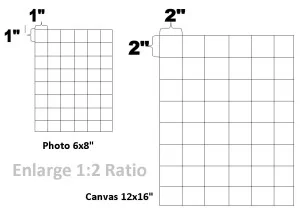
- 运用方格法,精准地将自画像绘制于画布板上。
- 用细画笔蘸黑色颜料勾勒轮廓线(或用记号笔描边)。
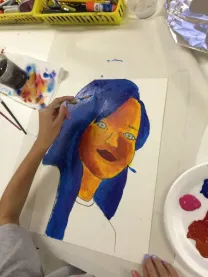
- 使用鲜明色彩绘制主体形象——频繁更换颜色,将互补色并置(以增强视觉兴奋感)。我们发现本课题需大量使用明亮、鲜亮的色彩——尤其是面部部分(下次教学中我将特别强调这一点!!)
- 背景部分则以大块面的明亮色彩进行绘制。
若您选择转载本教案(文字或图片形式),请务必注明并链接至Create Art with ME。
Fauvism Self Portrait – Selfie Acrylic Painting Lesson
Original: https://createartwithme.com/fauvism-portrait-selfie/
Date: 2015-02-09
Author: Michelle East
Categories: 5th Grade, 6th Grade, Acrylic Lessons, Art History Lessons, Art Lessons, Fauvism, MS Art, Painting Lessons
Tags: acrylic painting, andre derain, color emotion, color moods, color schemes, color theory, explosive color, expressive colors, fauvism characheristics, fauvism elementary art, Fauvism Lesson Plan, fauvism major arts, fauvism painting, grid drawing, grid portrait, Impulsive brushstrokes, Les Fauves, Matisse fauvism, paul gaugin, peaceful colors, playful colors, unnatural color combinations
: by Claire
: by Mac
: by Megan
: by Jonavan
My middle school students had a blast with this project. We learned about the expressive use of color to create mood and express meaning.
Objectives: Students will learn that artists use color intensity, value & color schemes to create color moods. Artists use color to create different moods- through color intensity (bright & dull) and color value (light & dark). Artist’s also sometimes use color schemes to create moods (complementary colors create excitement). Students will learn about the expressive qualities of color. Students will learn about the Fauvism art movement. They will compare and contrast the use of color between Fauvist art versus other periods of artwork.
Materials: 12×16 canvas panels, pencils, acrylic paints, paint brushes, water cups, paper towels, newspaper for tables
- Color Contrast: Artists use contrast to show differences between two things, to make something stand out. When cool colors are placed next to warm colors contrast is created. (show examples)
- Color Mood-Sometimes we attach a color to the emotions we are feeling. Have you ever heard the phrases “So mad he could see red”, “Feeling blue”, or “Being green with envy”. Artists use color to create different moods- through color intensity (bright & dull) and color value (light & dark). Artist’s also sometimes use color schemes to create moods (complementary colors create excitement). Using colors deliberately gives a deeper expression to our artwork and evokes different emotional responses in the viewer.
- Artists also use Color Schemes to affect color mood:
- Analogous (colors next to each other on the color wheel) usually have a calm, harmonious feeling- like they all get along
- Complementary (Colors opposite from each other on the color wheel) these colors have the highest contrast, which creates tension or strife. They are also exciting because of the contrast between them
- A Peaceful Mood is created by using dull & light colors. Earth tones, like the colors of the sea, sand, and rocks. The colors have a low saturation (dull) and are subtle.
- A Playful Mood is created by using bright- fully saturated bright colors (Pure hues -straight off the color wheel-like crayon colors)
- Fauvism, c. France 1905:
- Major Artists: Henri Matisse (the Leader of the Fauves), Paul Gaugin and André Derain. The artists who painted in this style were known as ‘Les Fauves’ (French-the wild beasts).
- Les Fauves believed that color should be used to express the artist’s feelings about a subject, rather than simply use realistic color to describe what it looks like.
- Characteristics of Fauvist Art:
- Explosive colors: application of flat (no shading), pure color
- Primitive
- Wildly unique and unnatural color combinations
- Complementary hues next to each other
- Impulsive brushstrokes, Sketchy mixed with short strokes
Lots of great information at Arty Factory- Fauvism
Activity Day 1-2: Acrylic Painting Techniques Worksheet
Activity Day 3-6: (5-6 45 min classes) Fauvism Self Portrait- Selfie Acrylic Painting
Project Objective: Create an acrylic self-portrait painting using expressive colors like used in the Fauvism style.
- Use the grid method to accurately draw self-portrait onto canvas panel.
- Go over your lines by painting a thin black outline-use a fine brush or draw with Sharpie.
- Using BRIGHT colors, paint the subject matter-switch colors often, use complementary colors next to each other (creates excitement). We learned that you really need to use LIGHT & BRIGHT colors for this project-especially for the face (I will stress this next time)!!
- For the background paint large blocks of bright colors.
If you choose to re-blog or use this lesson in any way (written or photos), then please make sure to link/credit to Create Art with ME.

