使用泥板成型法制作陶瓷杯
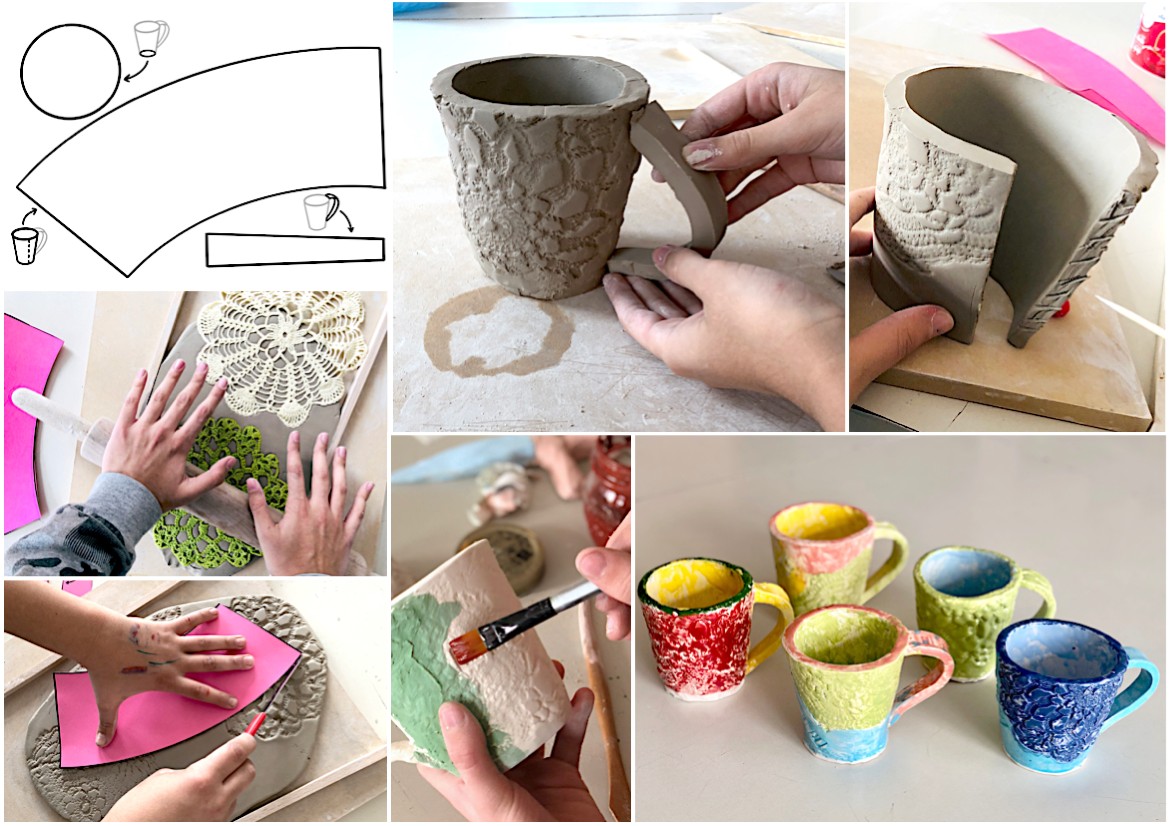
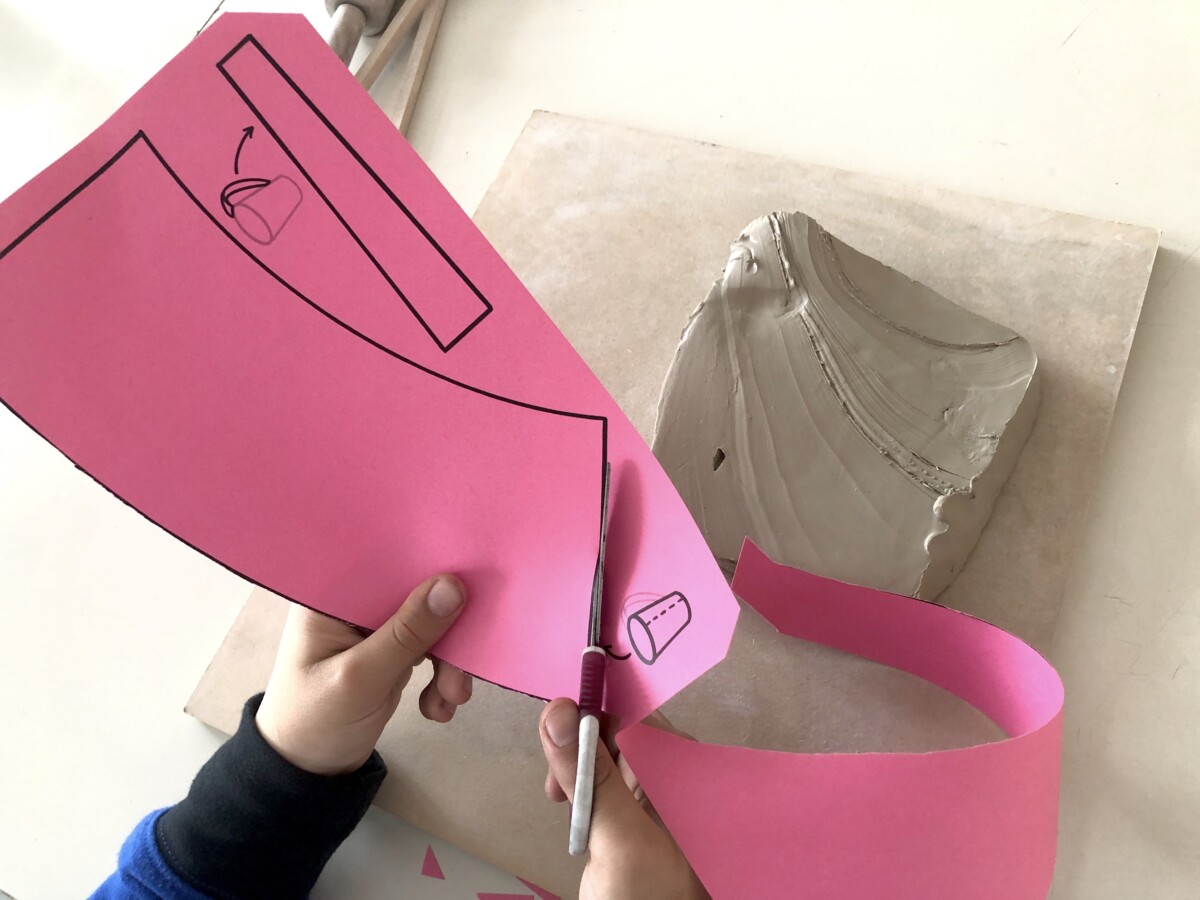
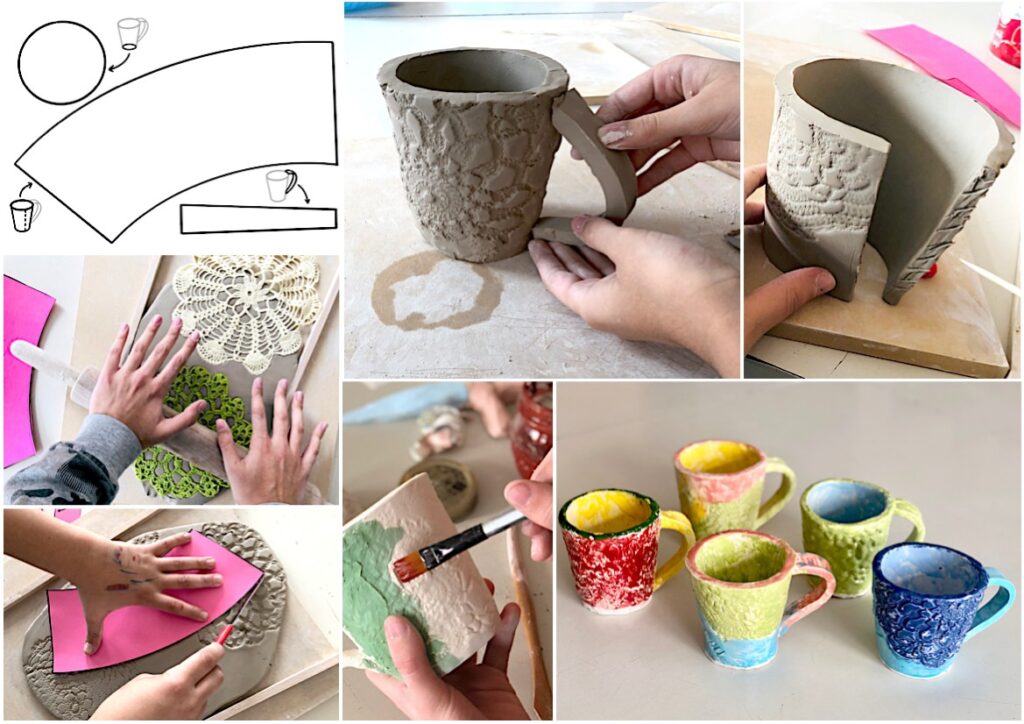
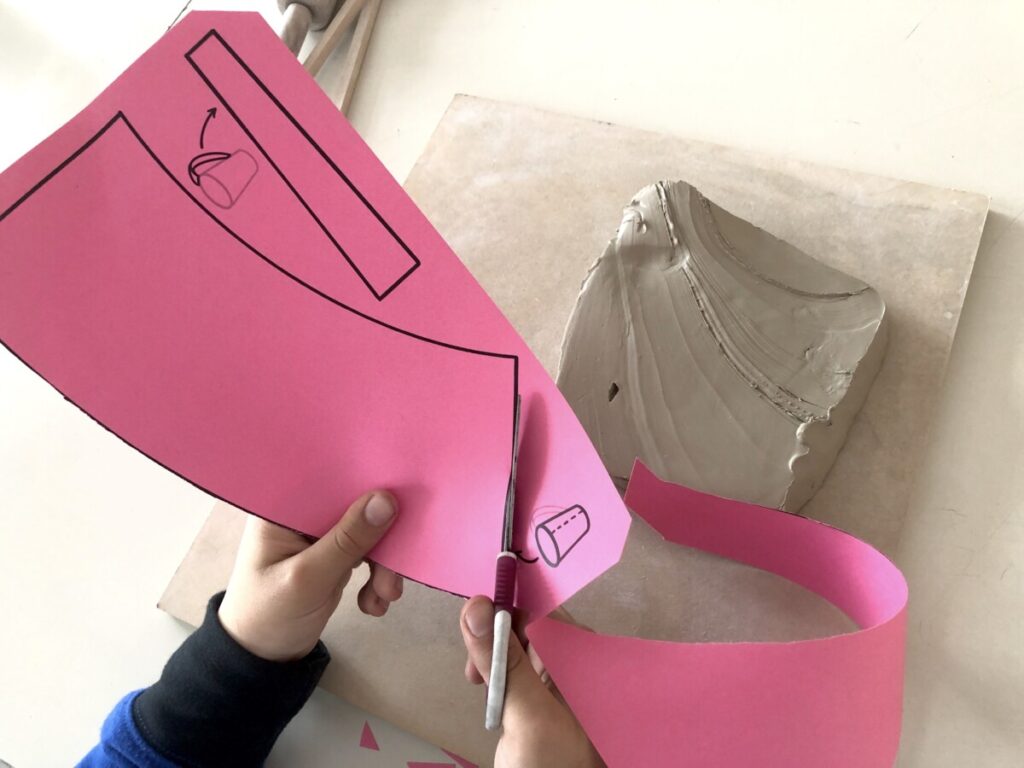
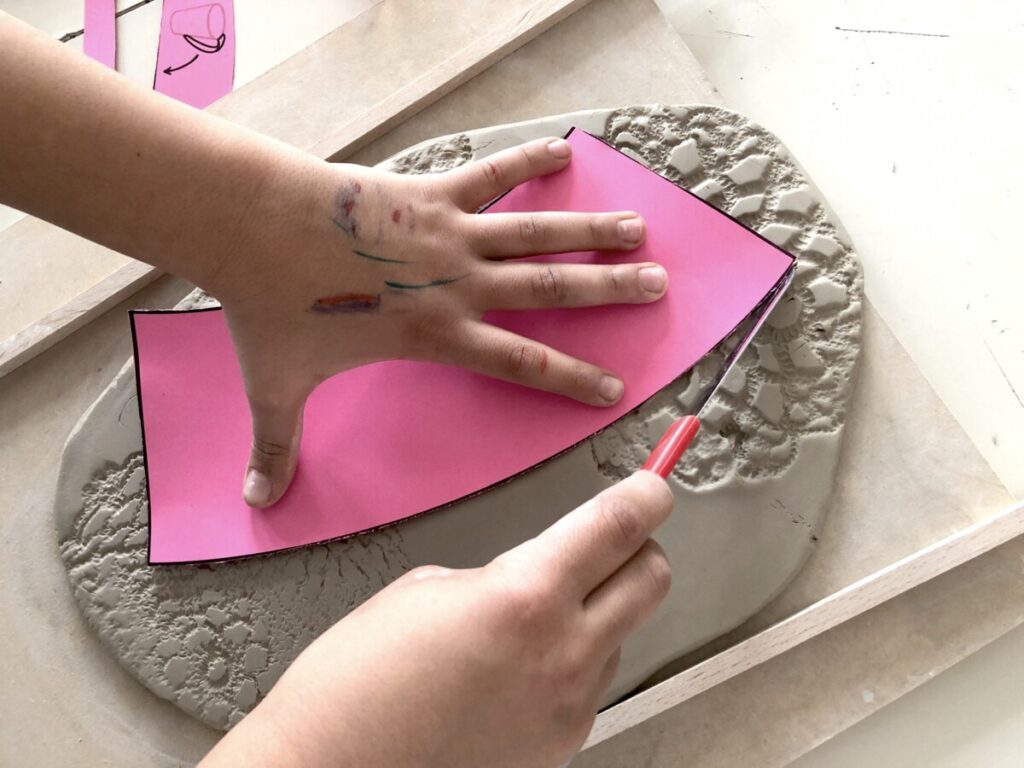
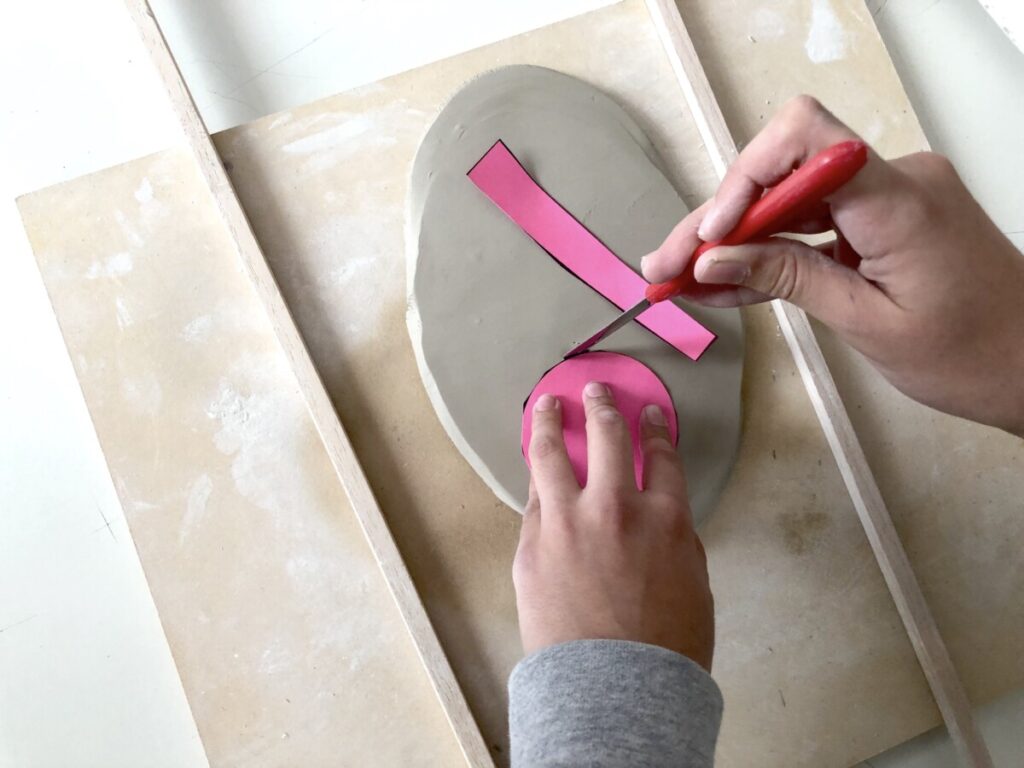
为制作这款陶瓷杯,我们采用了泥板成型法,并借助纸制模板将各部件的轮廓线描画到陶泥上。模板如下所示:
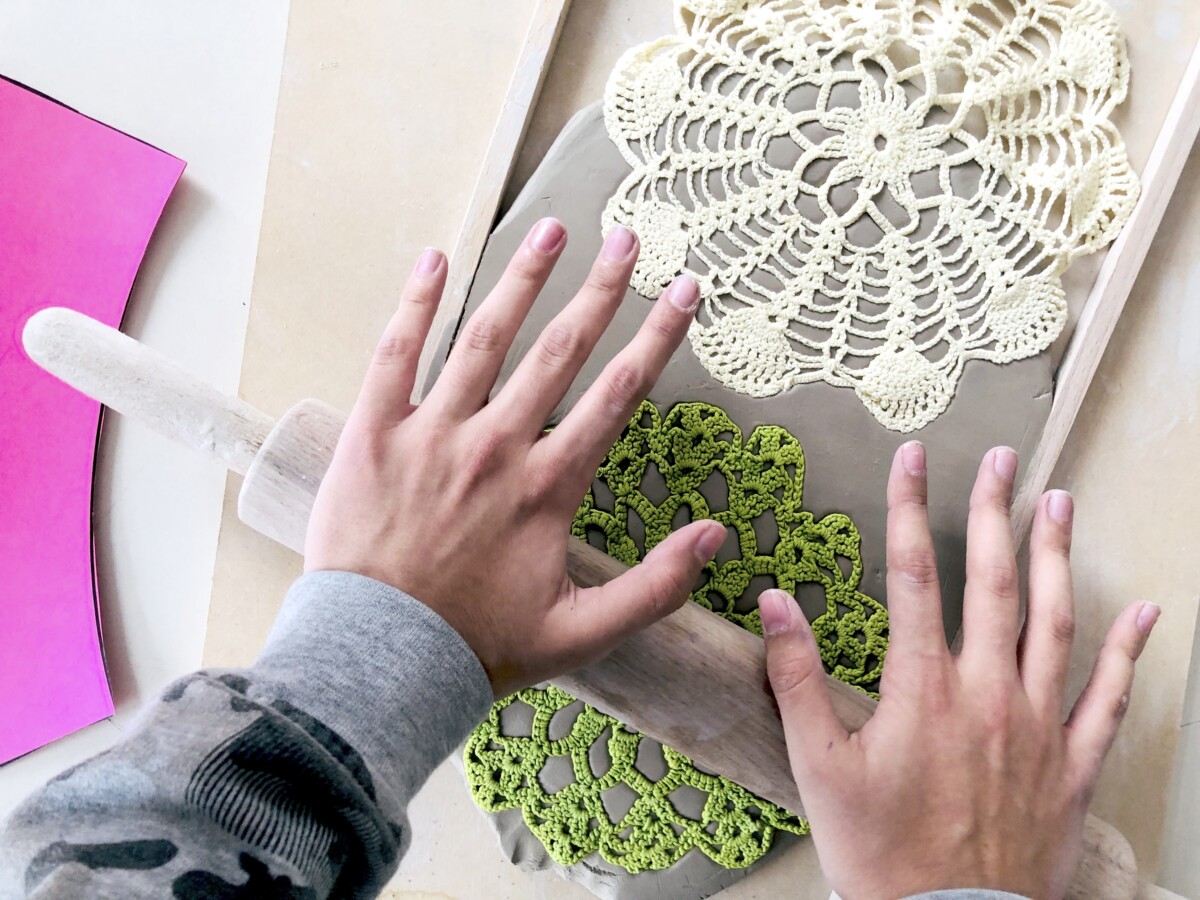
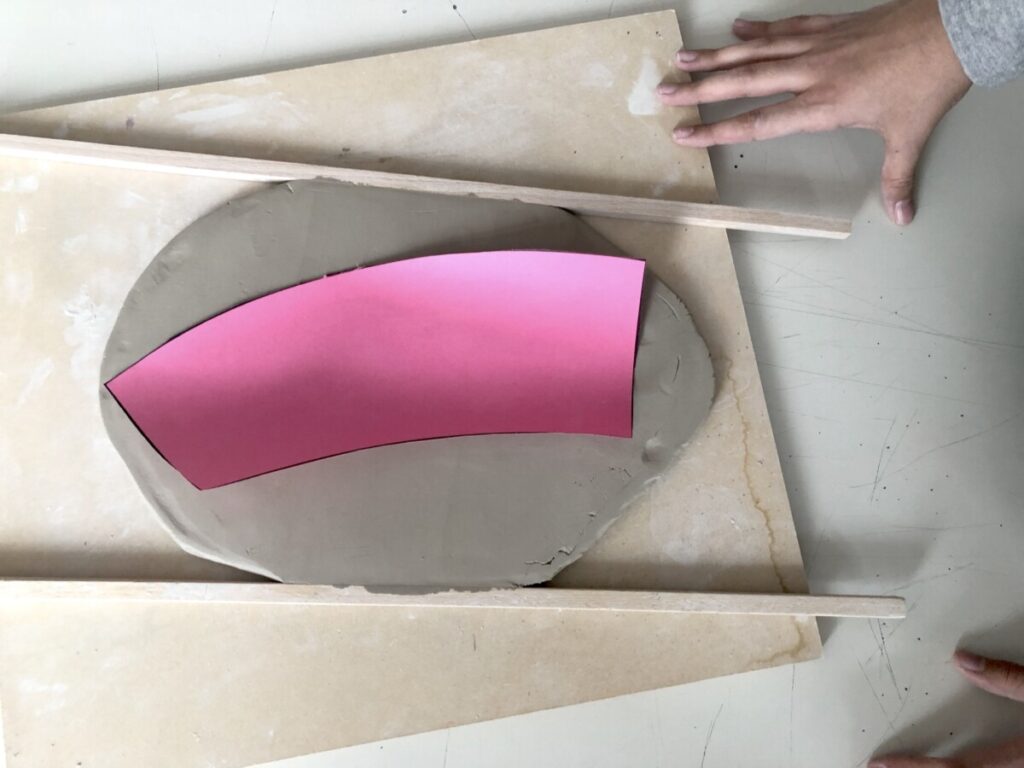
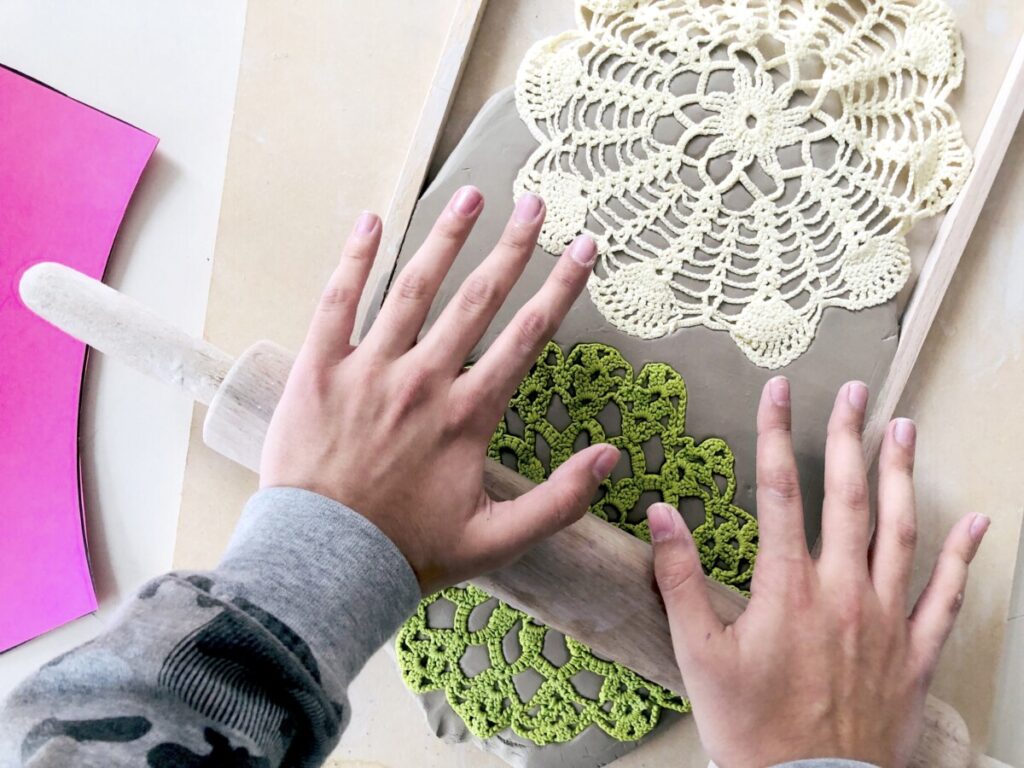
首先,用手将陶泥压平,再用擀面杖进一步擀开,制成厚度为5–6毫米的泥板。操作时,在泥板两侧放置木条作为限位器,再用擀面杖均匀施压,从而确保整块泥板厚度一致。需准备足量陶泥,以便按模板裁切杯体各部分。
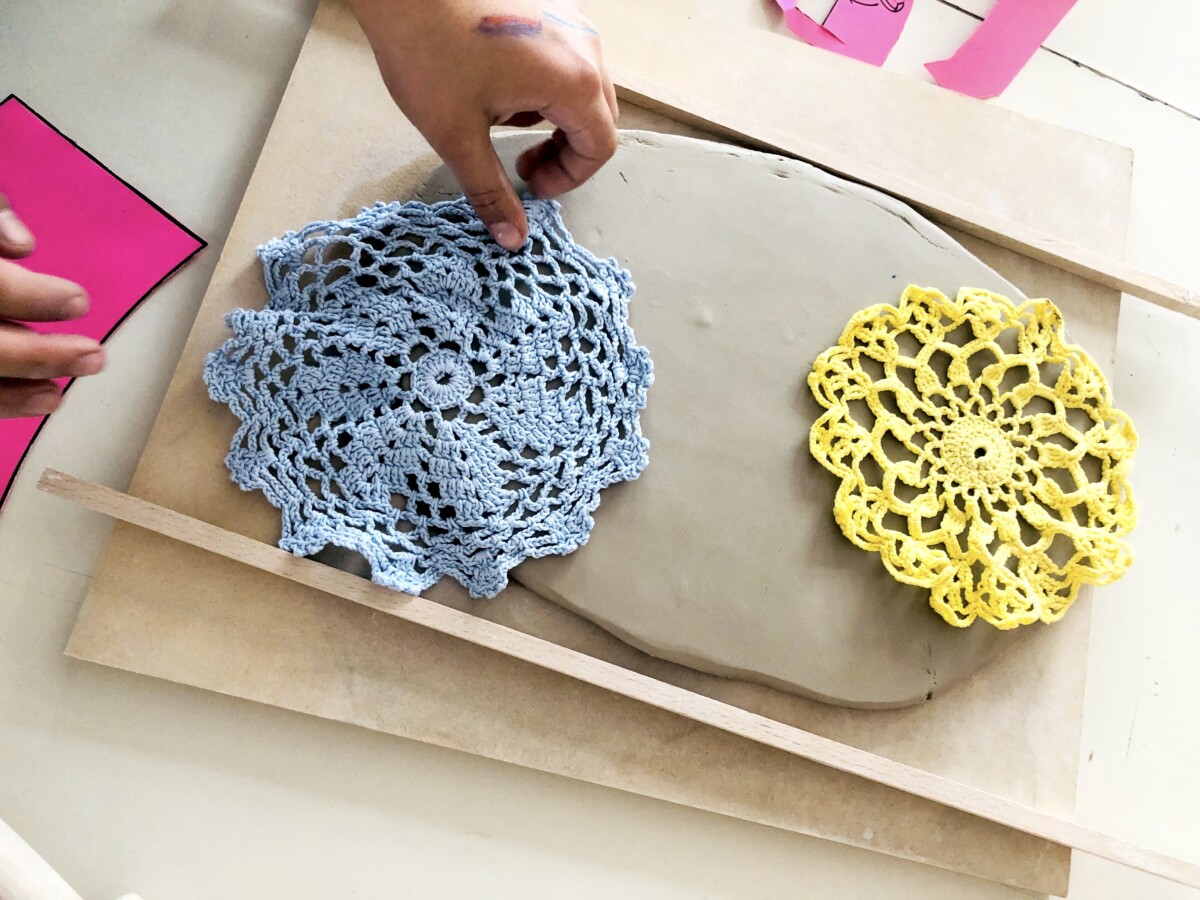
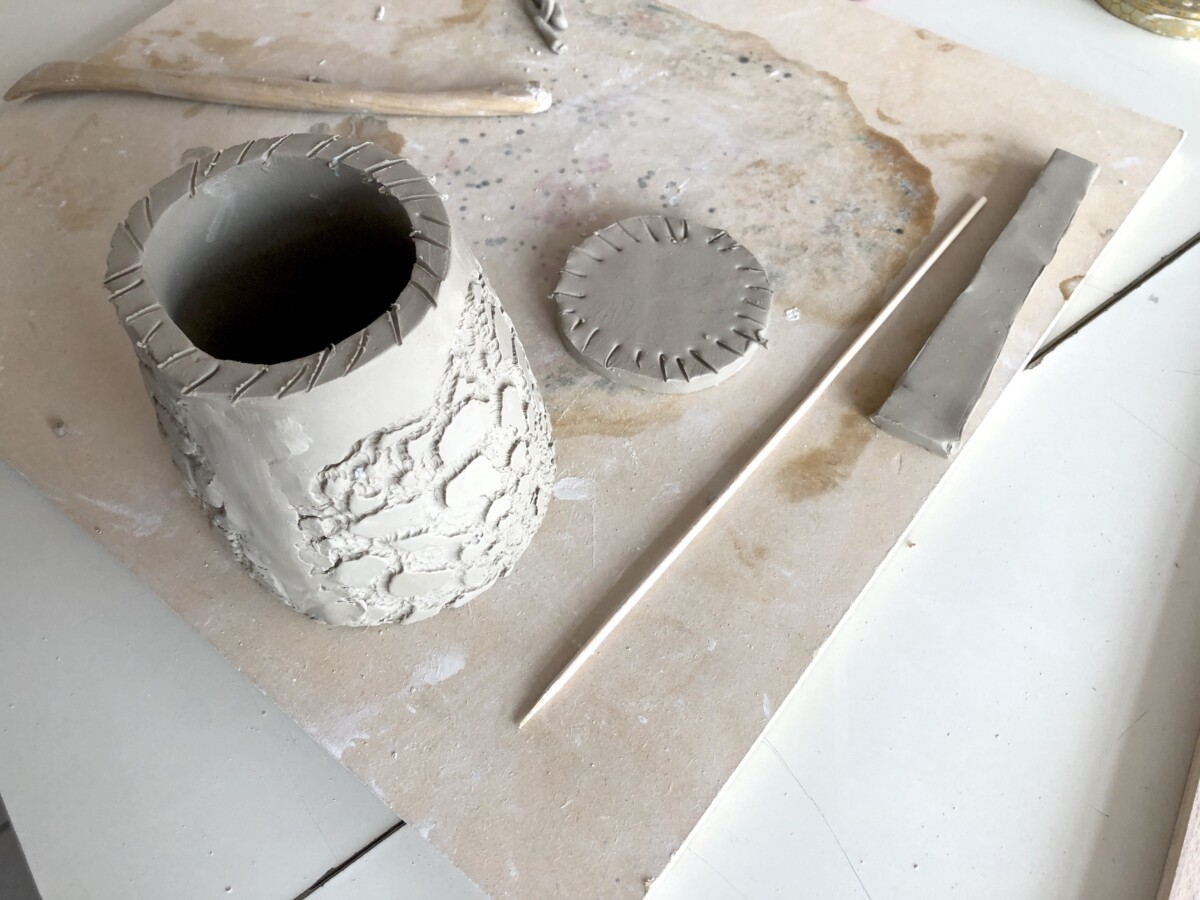
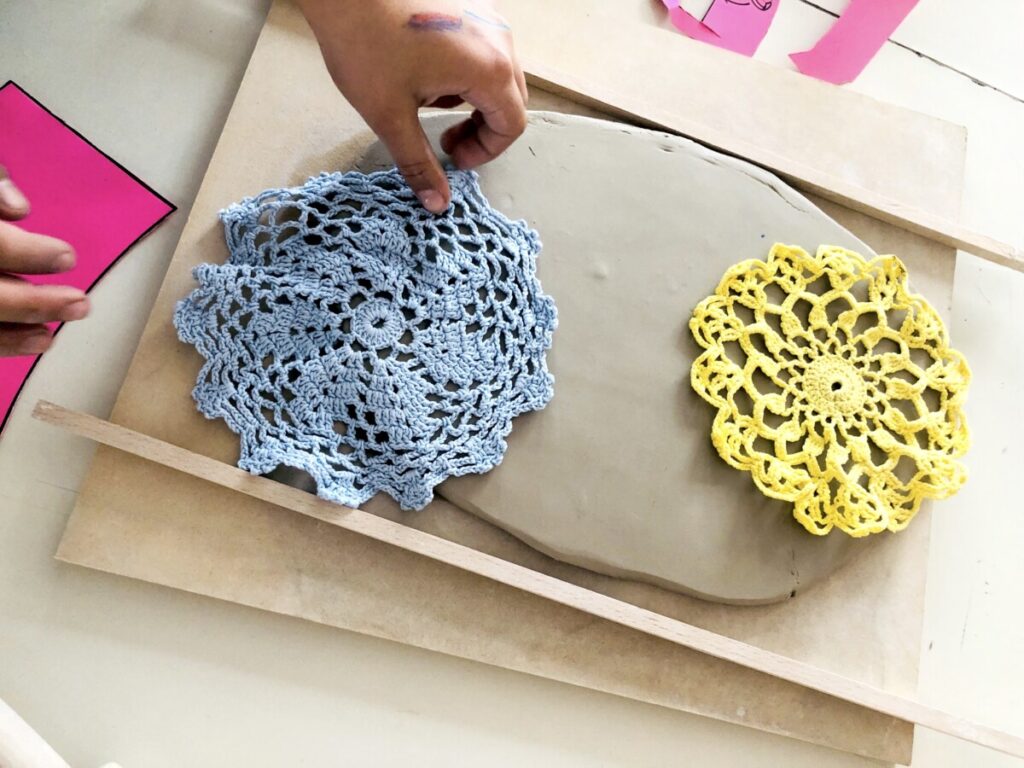
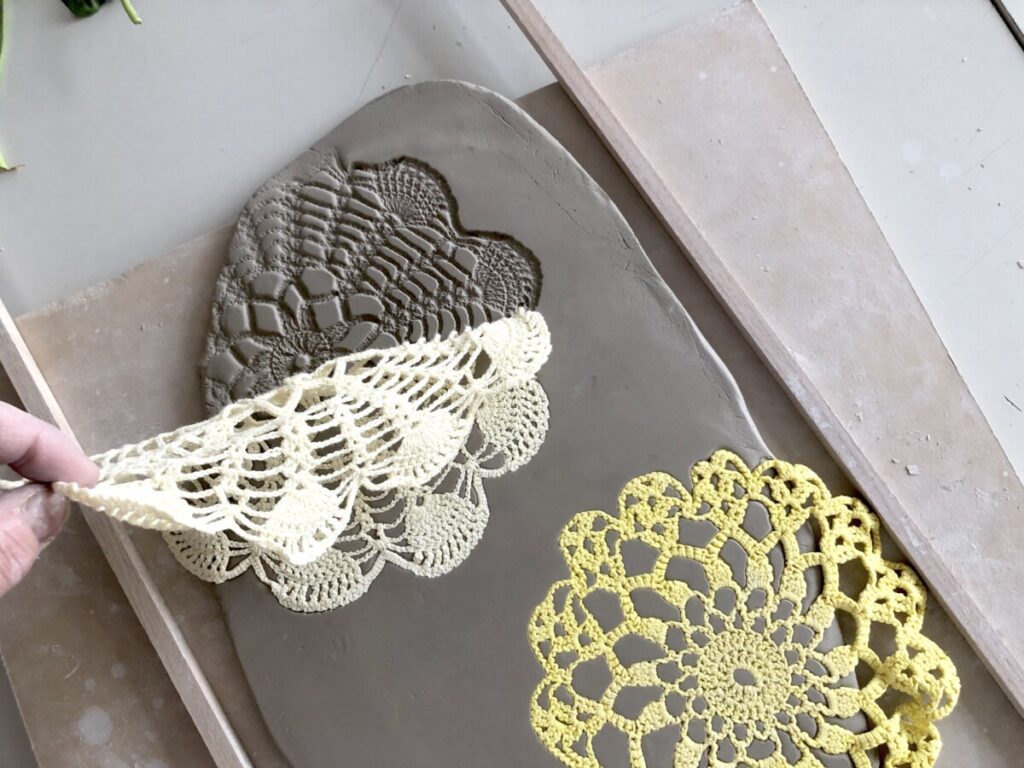
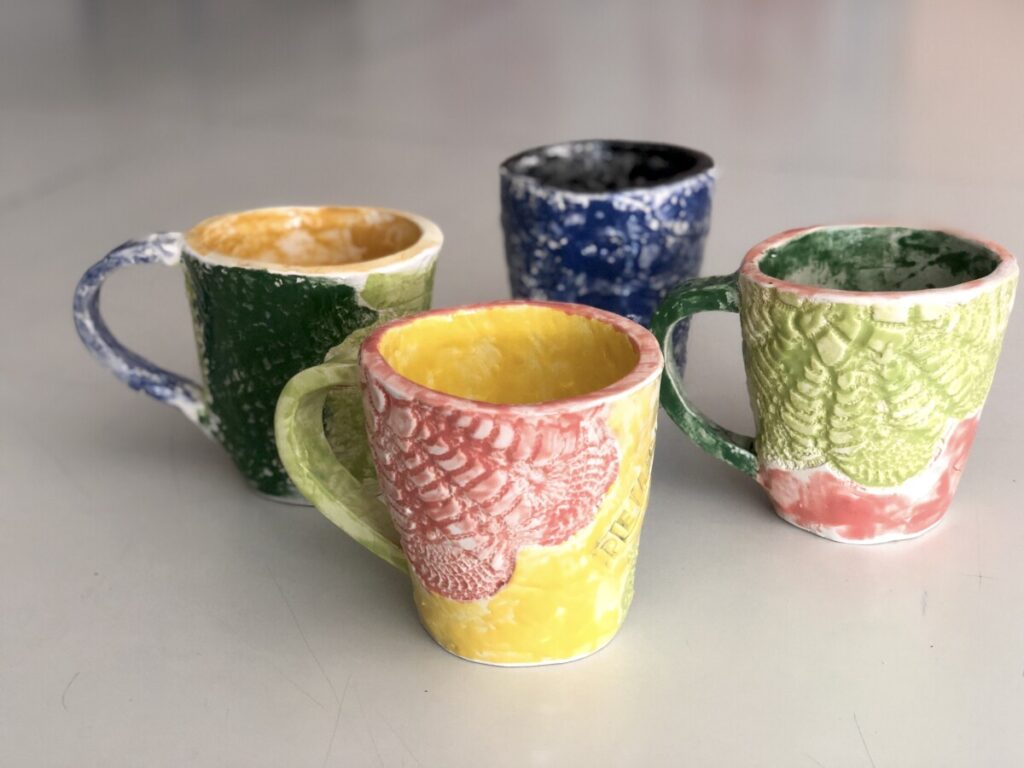
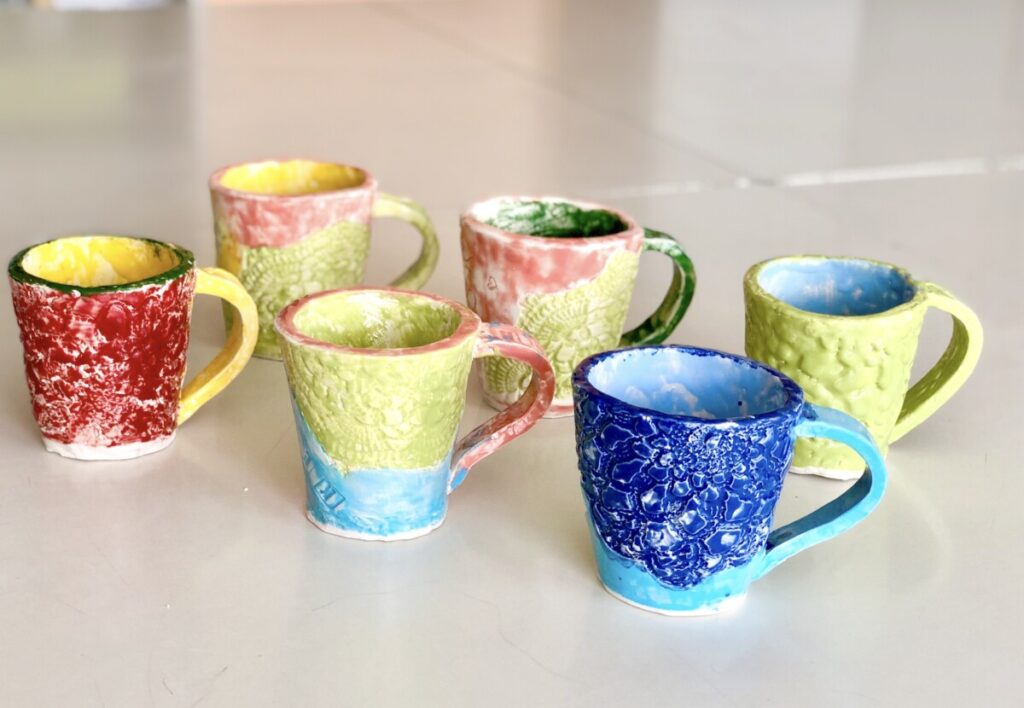
用钩针编织的蕾丝垫装饰泥板:将蕾丝垫覆于泥板表面,再用擀面杖轻压,使泥板表面形成浮雕纹理。此外,也可选用其他物品(如花朵、树叶或任意形状物体)在泥板上压印出丰富多样的肌理效果。
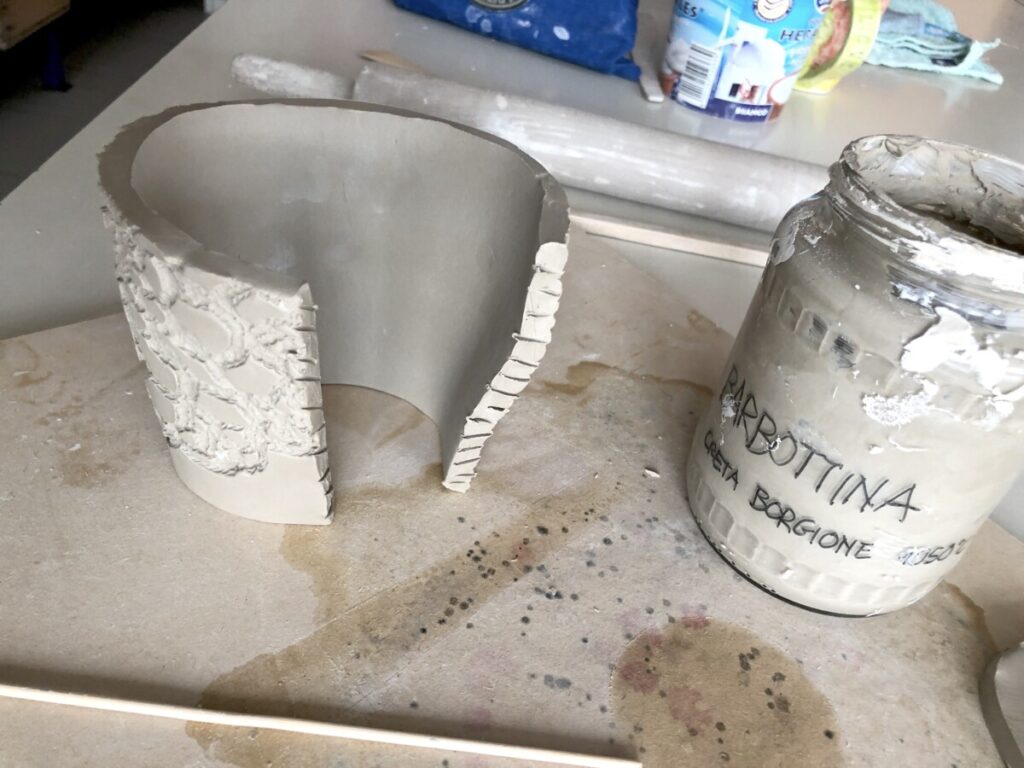
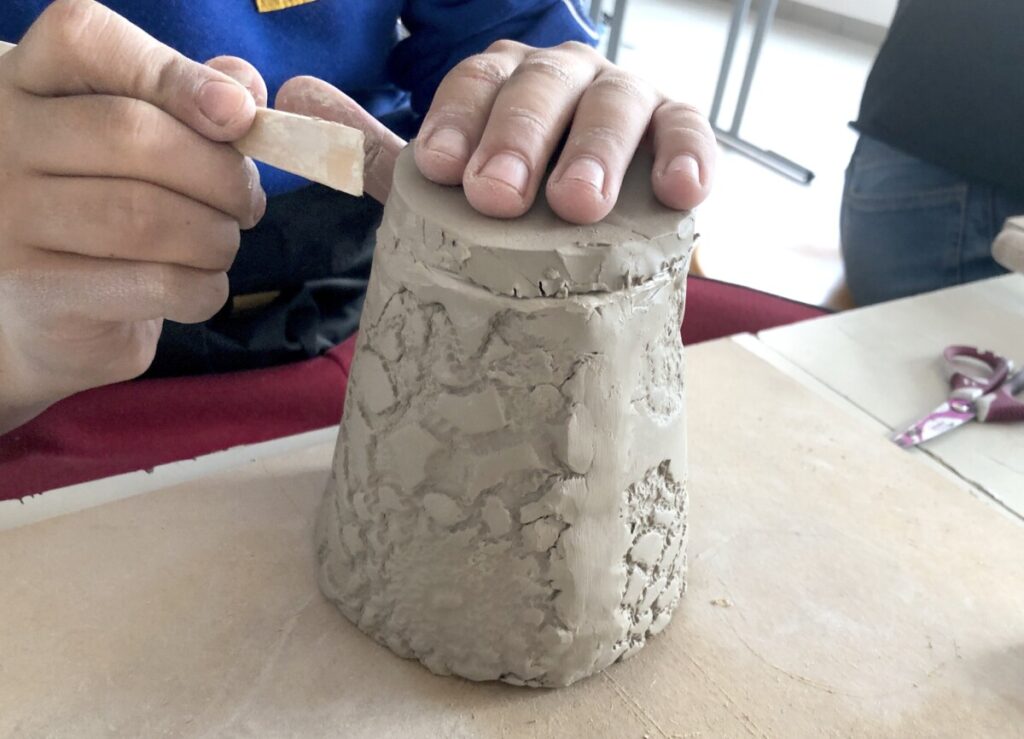
沿模板轮廓线裁切泥板,随后将其竖立起来塑造成杯体形状。将泥板两端边缘接合时,需先对两接触面进行刮擦粗化(起毛),再涂上“泥浆”(SLIP)——一种流动性强的稀释陶泥,作用类似胶水,可使各部件牢固粘合。若省略此步骤,则无法实现部件间的有效粘接。
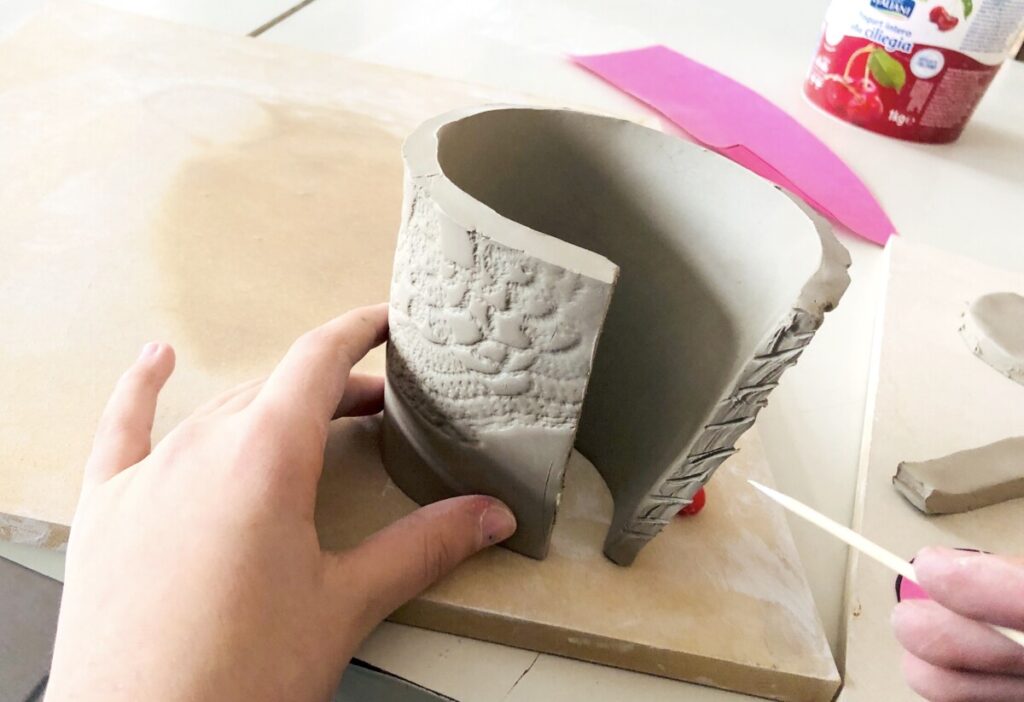
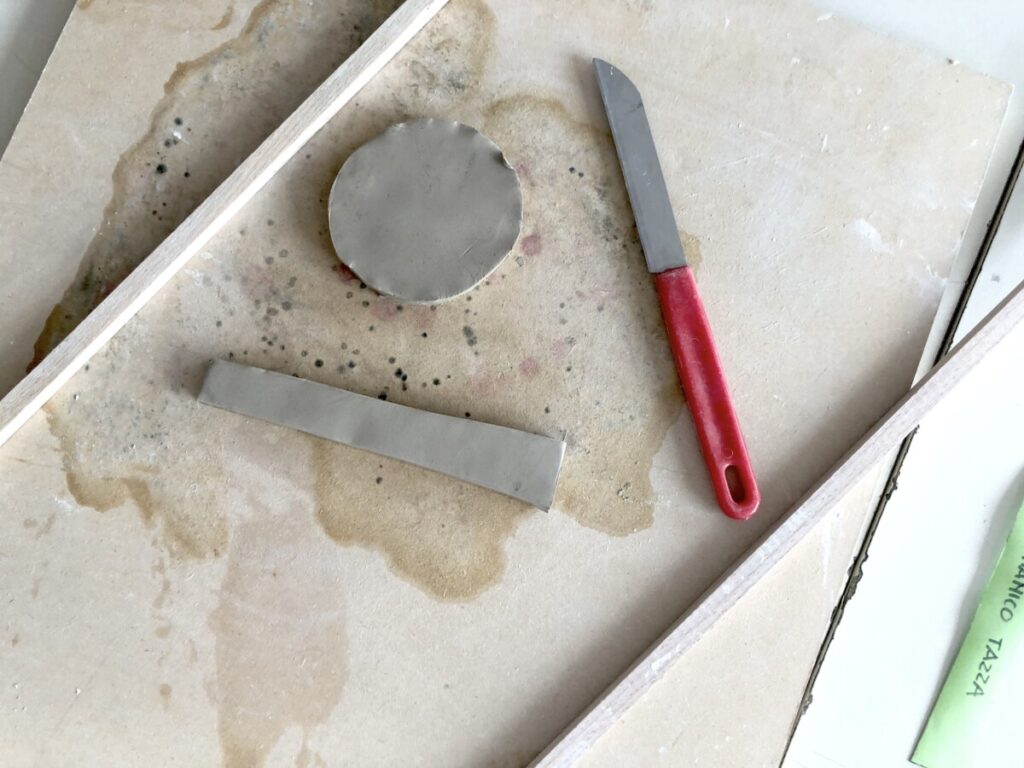
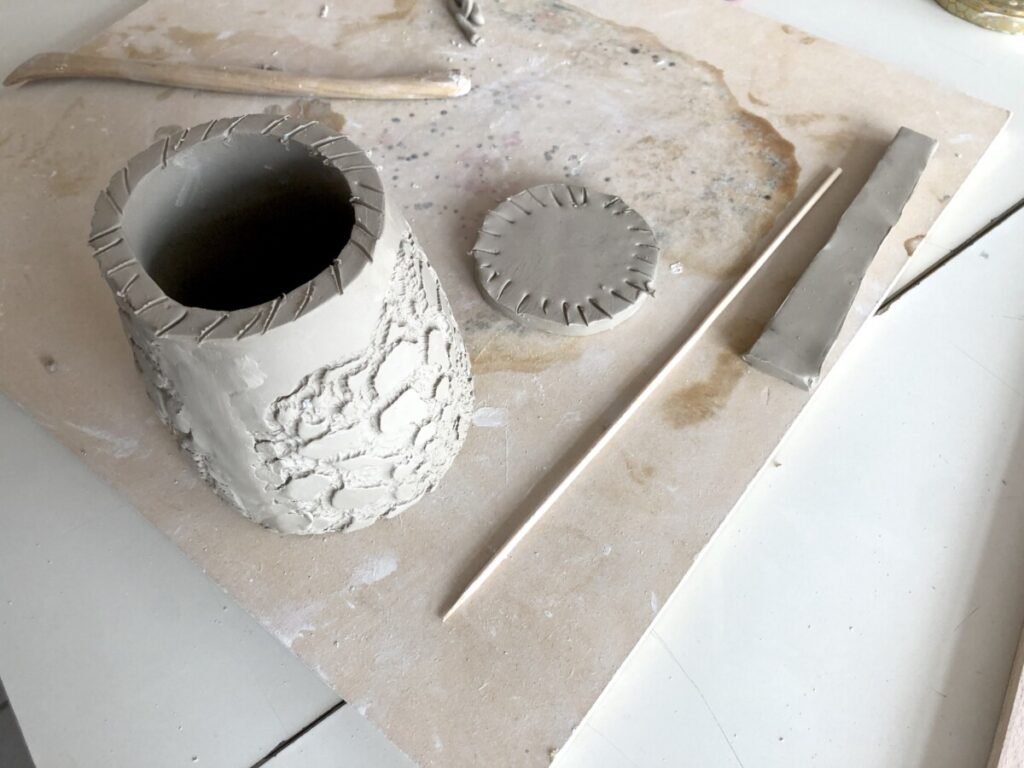
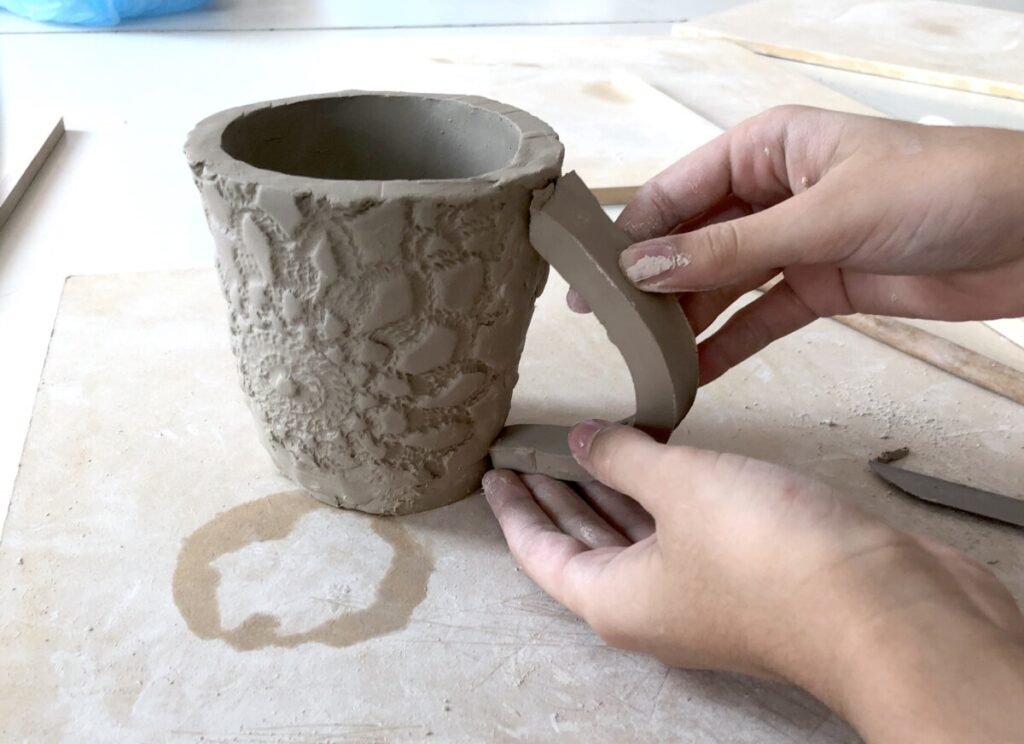
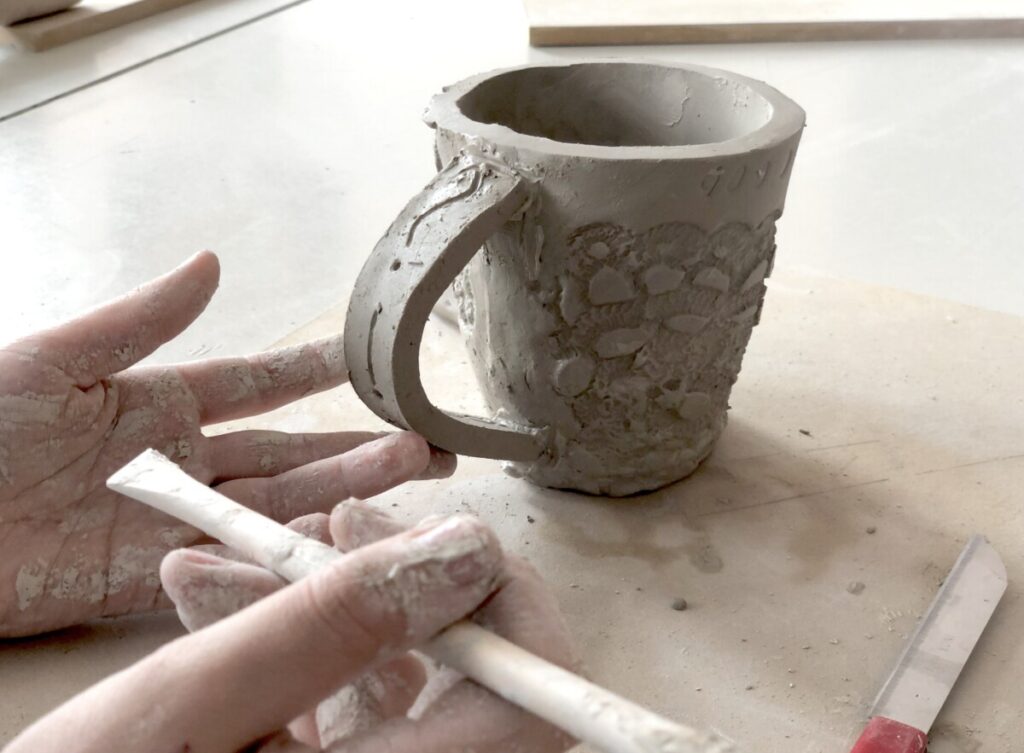
完成杯身制作后,再依同样方法,使用对应模板制作杯底与杯柄。所有部件均须以泥浆粘接,并用手指或特制木质工具仔细按压接合。该步骤操作精细,因此时陶泥仍处于柔软状态,稍有不慎便易导致杯体变形。
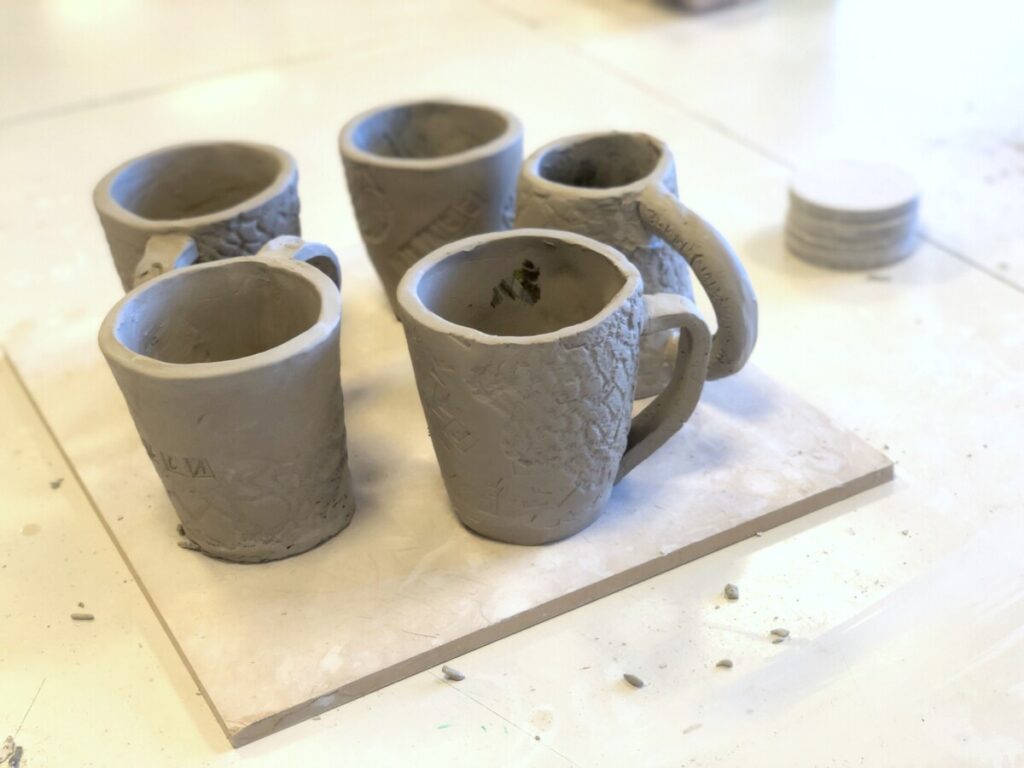
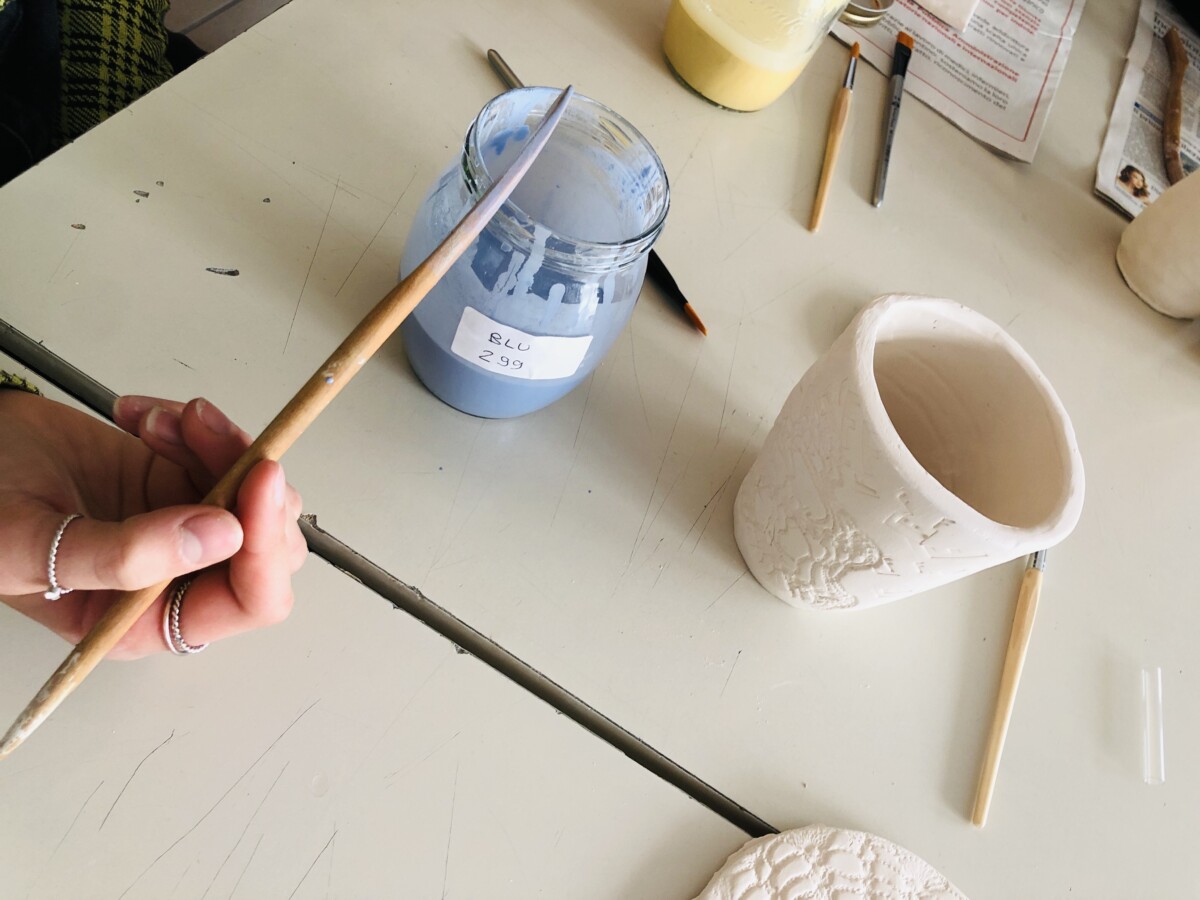
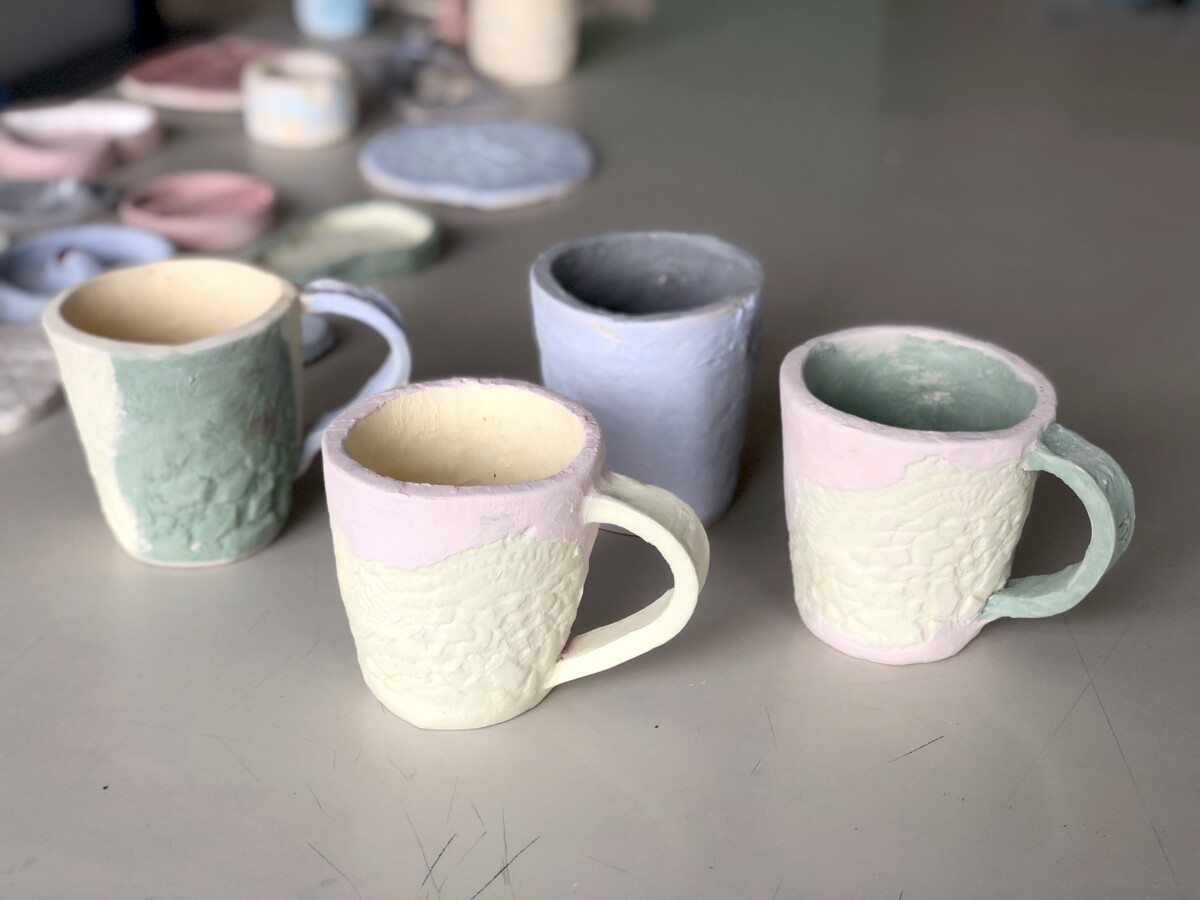
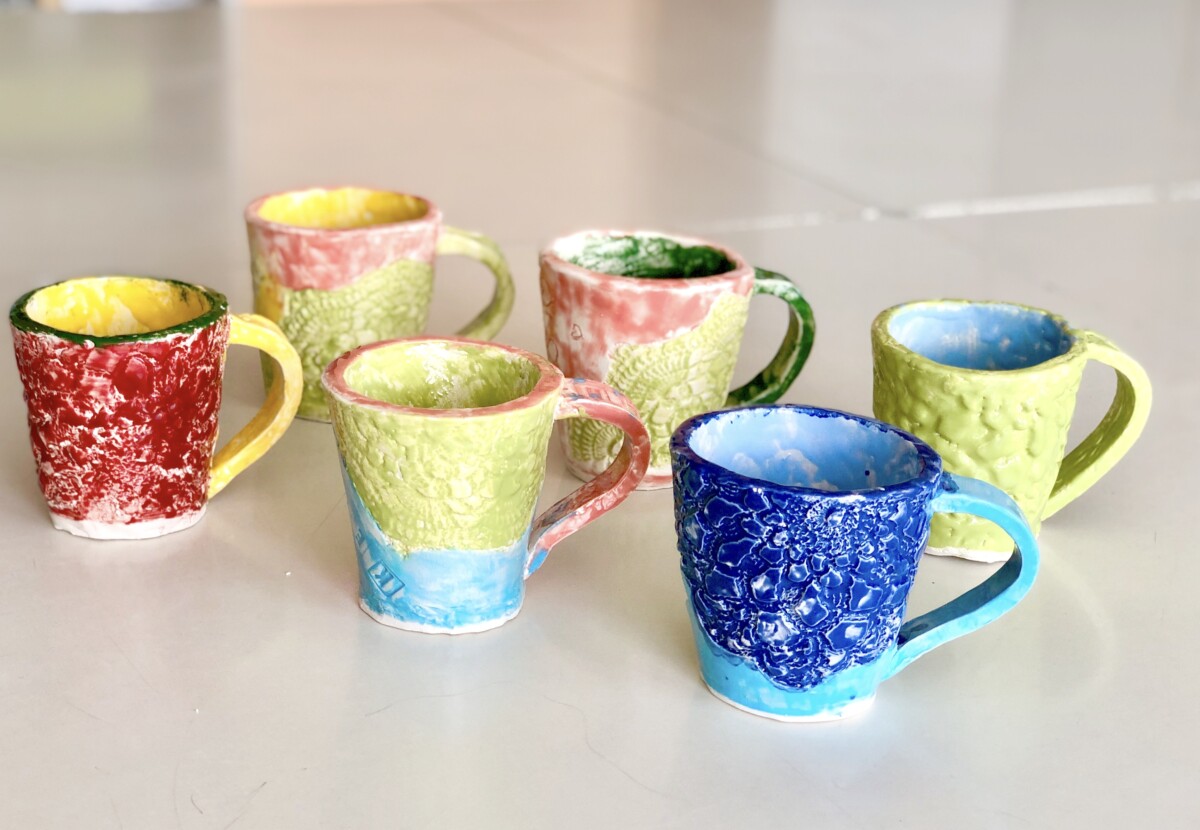
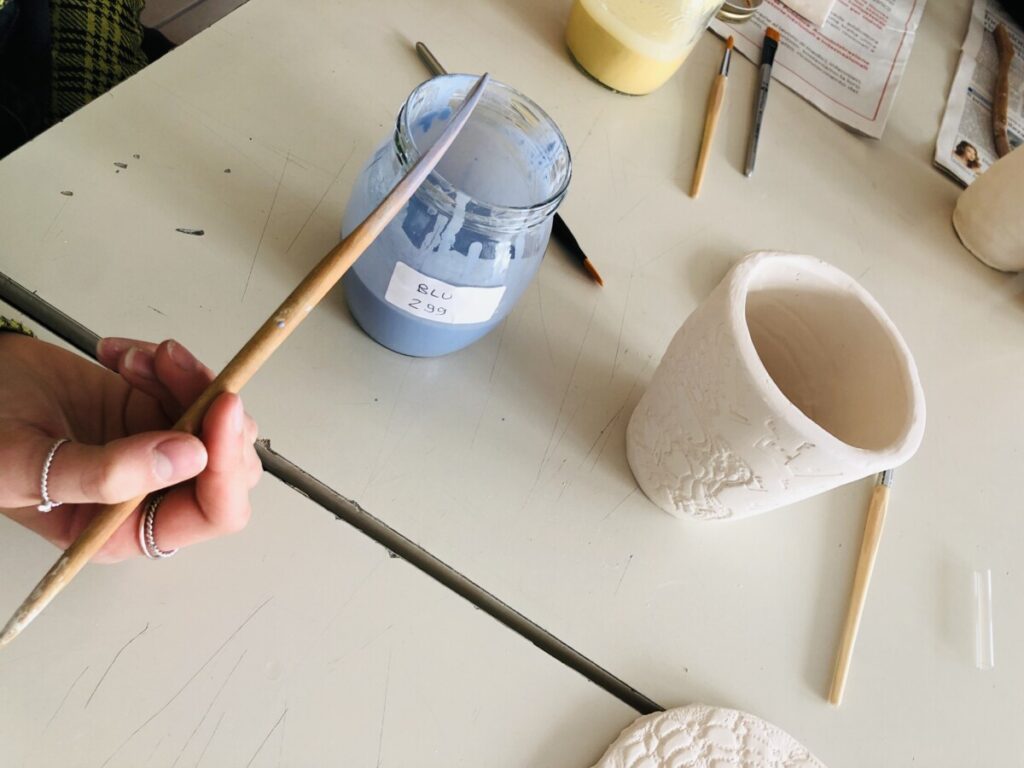
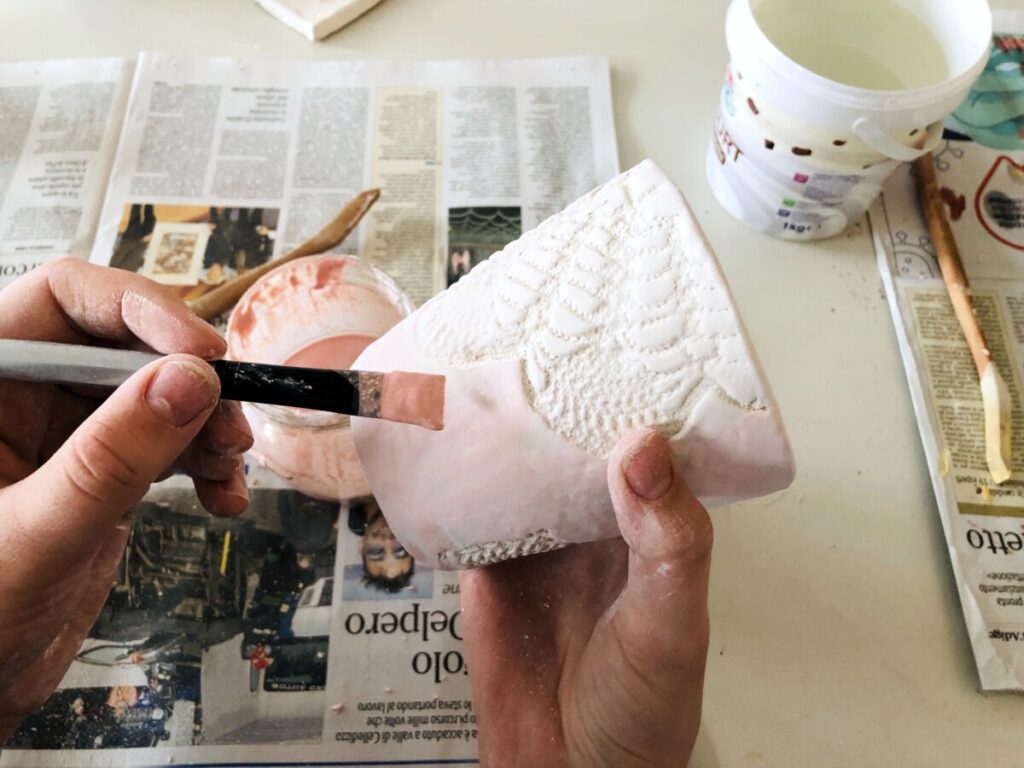
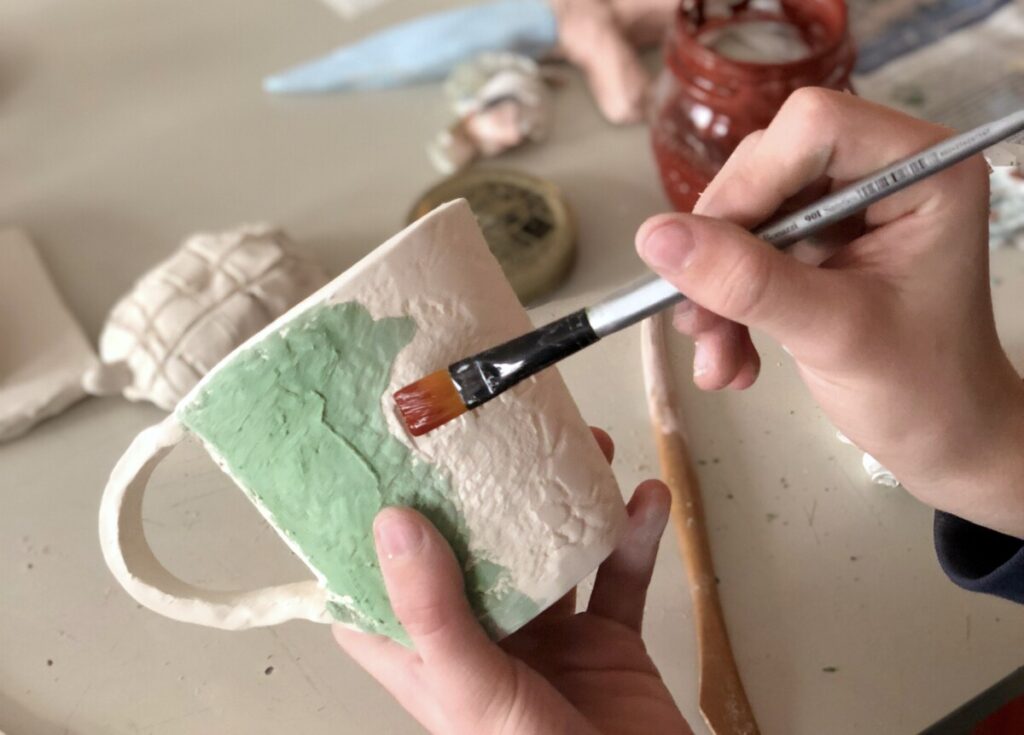
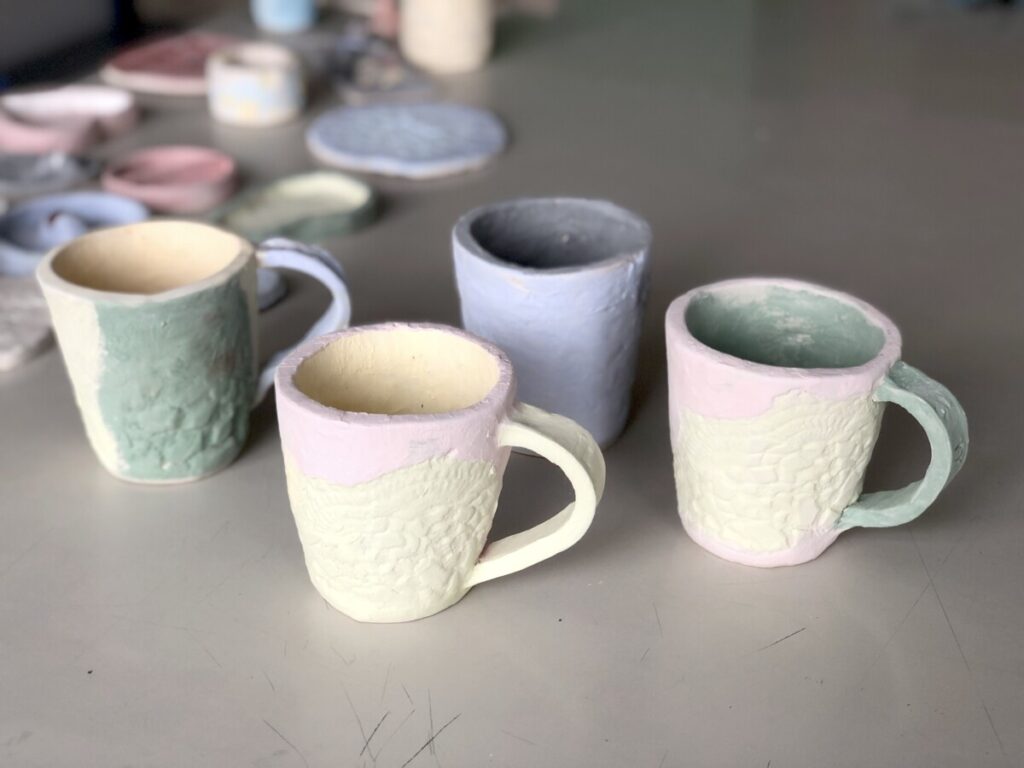
首次入窑烧成,温度约1000°C,烧成后的杯子呈白色素坯,此阶段成品称为“素烧坯”(BISCUIT)。随后,用画笔蘸取彩色釉料(ENAMELS)对素烧坯进行彩绘,注意务必均匀覆盖整个表面,尤其要完整涂覆杯内壁。经第二次烧成后,釉料熔融玻化,成品即可盛装我们最喜爱的饮品!
Ceramic Cup with slab technique
To create this ceramic cup we used the slab technique, using paper templates to reproduce the outlines of the shapes on the clay. You can find the template here below
First, you flatten the clay first with your hands and then with a rolling pin, creating a slab with a thickness of 5-6mm. To do this, you use wooden sticks on the sides of the slab, so that by pressing the clay with a rolling pin, the slab is of the same thickness over its entire surface. You prepare enough clay to cut out the cup template.
The slab is decorated with a crochet doily: with a rolling pin, we press the doily into the clay, so that a relief texture is formed. Other objects can also be used to decorate the slab with various textures, flowers, leaves, or any type of shape.
The slab is cut out following the outline of the template and is set upright to shape the cup. The two edges of the clay slab are joined by knurling the two surfaces and applying the SLIP, a “cream” of fluid clay that works like glue and allows the pieces to stick to each other. In fact, without this operation, it is not possible to join pieces together.
After making the body of the cup we proceed with the bottom and the handle, using the templates in the same way. These pieces must always be assembled with the slip, taking care to join the parts with your fingers or with special wooden tools. This operation is delicate because the clay is still soft and therefore requires some attention to keep the mug shape.
Once fired with the first fire in the ceramic kiln at about 1000° C, the cups become white earthenware, this material is called BISCUIT. The cups are then decorated with colored ENAMELS by brush, taking care to cover the entire surface well, especially the inside of the cups. After the second firing, the glazes are vitrified and we can use the cups for our favorite drinks!