细节中的物体
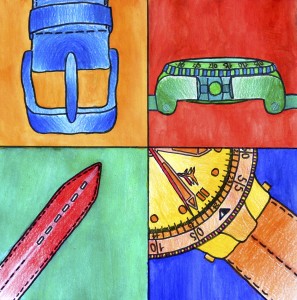
近距离观察一个物体,会引发我们对它如何被制造、由哪些部件构成、以及驱动各部件运转的机制等问题的思考。而进一步将物体以细节方式绘出,则是迈向深入认知该物体的又一重要步骤——要知道,双手本身具备一种潜在的记忆能力,能使我们从此“铭记”这一物体。
我们想到植物学中对植物的细致研究,以及将绘画作为科学分析工具的应用;我们想到列奥纳多·达·芬奇,他正是通过绘图,理解了自然界的复杂机制。
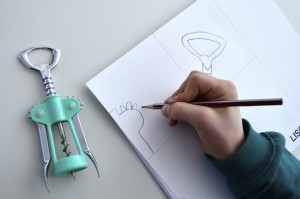
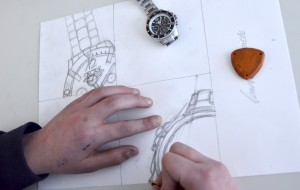
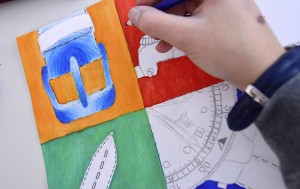
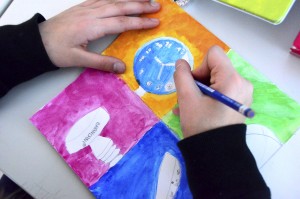
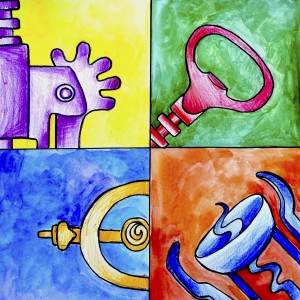
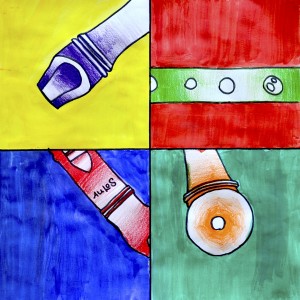
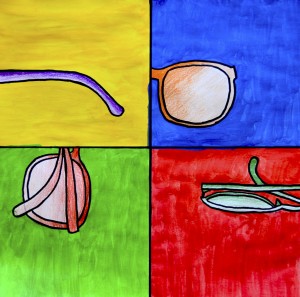
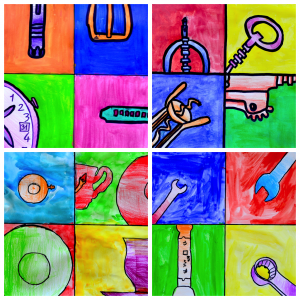
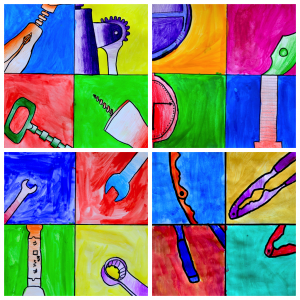
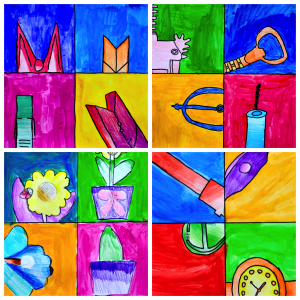
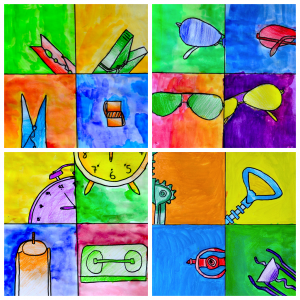
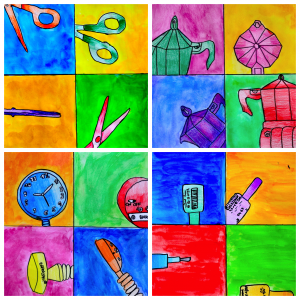
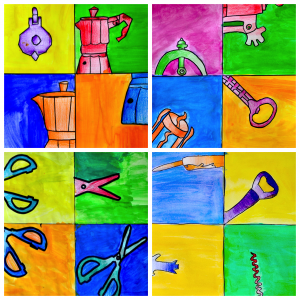
在八年级课堂上,我们开展了“临摹物体细节”这一主题学习。每位学生从家中带来一件小型物品,可从工具或仪器中任选其一,但要求其外形不宜过于简单。随后,大家近距离观察该物体,并各自选取四个不同角度的视点。
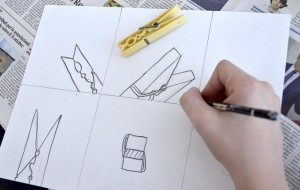
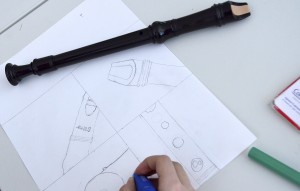
绘制采用铅笔勾勒简洁的轮廓线完成;部分学生还借助一个小方框取景器,将其置于物体前方,辅助选定不同视角。
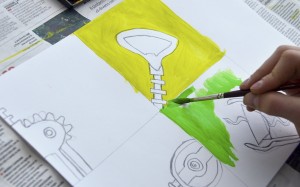
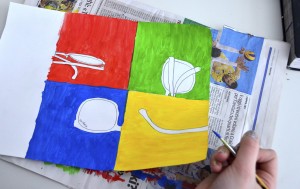
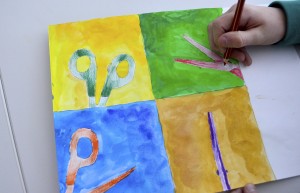
背景以水彩涂绘,而物体本身则用彩铅进行单色明暗表现(即以同一色相的不同浅色调呈现)。色彩形成强烈对比,从而凸显形体结构。最后,所有轮廓线均以黑色记号笔重描一遍,以强化细节表现。
Objects in detail
The observation of an object from very close sets in motion thoughts about how it is made, what are the parts that compose it, and what the mechanisms that move the parts. But draw an object in its details is a further step towards the knowledge of that object, and hands, you know, have a potential memory that let us “know” this object forever.
We are thinking about the study of plants in botanical and application of drawing as a tool for scientific analysis; we are thinking about Leonardo da Vinci, who, through the design, understood the complex mechanisms of nature.
In 8th grade classes, we have analyzed the topic “copy the details of an object“, and each student has brought from home a small object, choosing between tools and equipment with a shape not too simple. Observing the object closely everyone chose 4 different shots, with different angles.
The design was drawn with simple contour lines in pencil, and some students helped himself with a small square frame, putting it in front of the object in order to choose the shots.
The background is painted with watercolors while the object is shaded in monochrome tints with colored pencils. The colors create strong contrasts that valorise the shapes. The lines have been redrawn with a black marker, for emphasizing the details.


