节奏木雕
原文链接:https://createartwithme.com/rhythm-wood-sculpture/
日期: 2014年10月13日
作者: 米歇尔·伊斯
分类: 六年级、美术课、精选内容、高中美术、初中美术、雕塑课
标签: 平衡、配色方案、迪克·布莱克教案、浅浮雕雕塑、艺术中的动感、木制浮雕雕塑、节奏、节奏美术课、艺术中的节奏、《层叠之律》、雕塑课、木片、木雕、木形
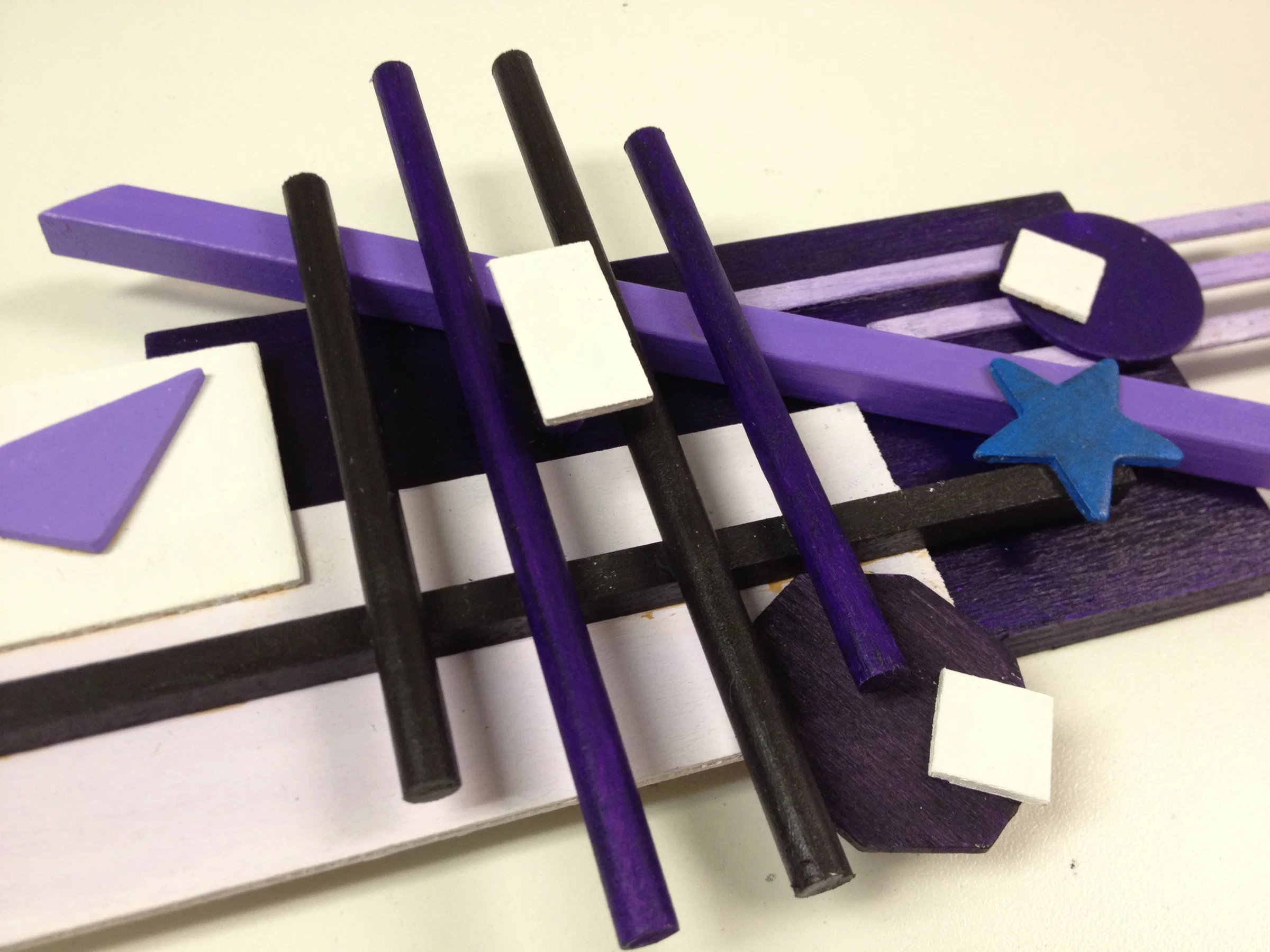
木制浮雕雕塑《层叠之律》——以设计为导向的浅浮雕木雕(迪克·布莱克教案)
参考资料(迪克·布莱克官网): http://cdn.dickblick.com/lessonplans/rhythm-in-layers/rhythm-in-layers-rhythm-in-layers.pdf
材料: 达里斯木形(混装包)、丙烯颜料、3×5英寸木板或硬纸板底座(尺寸可调)
教学视频: http://www.dickblick.com/lesson-plans/rhythm-in-layers/
本项目非常适合初中或高中美术课程。我们参照迪克·布莱克发布的《层叠之律》PDF教案(见上方链接)开展教学,仅将底座替换为薄胶合板,并全部采用木质形状/部件;同时对原教案略作简化。
学习目标(IO): 学生将了解艺术原理中的“节奏”“平衡”与“动感”,并运用这些原理创作一件雕塑作品。
教学流程:
-
导入: 音乐中的节奏——请学生举例说明音乐中的节奏(如敲击桌面)。视觉节奏最易通过与听觉节奏类比来理解。音乐与艺术中的节奏存在对应关系:音乐中音符(即“节拍”)的重复,对应艺术中色彩或形状(即“造型元素”)的重复;音符或造型元素的规律性排列,均构成某种“模式”。二者同样能激发感官体验:音乐诉诸听觉,艺术诉诸视觉。借由节奏,艺术与音乐皆能营造出秩序感或可预期性。
-
何为视觉节奏? 一种视觉上的速度或节拍。它是设计原理之一,指通过对造型元素(线条、形状、色彩等)进行有规律的重复,从而产生运动感的视觉效果。通常借助精心安排的重复性组件实现,引导观者视线快速跳跃或平滑滑移于各组件之间。
-
节奏(rhythm)一词源自希腊语 rhymthmos,意为“有度的流动”,后传入拉丁语为 rhythmus,意为“时间中的运动”。该词最早进入英语时用于文学领域,指诗歌的格律与押韵;至18世纪晚期,英语使用者开始用 rhythm 描述音乐节拍的重复,同期亦扩展至视觉元素的重复。
-
如何实现视觉节奏? 通过重复造型元素(线条、形状、色彩等)来达成。
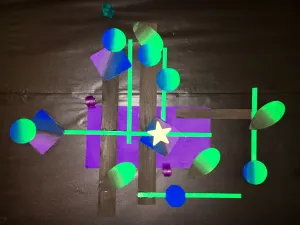
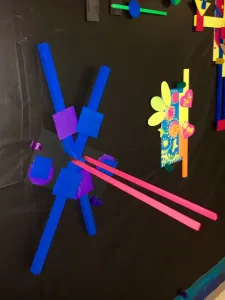
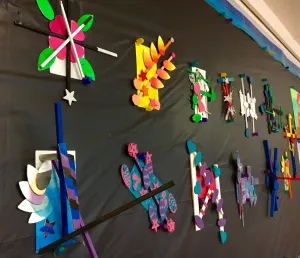
我们的学生作品如下……
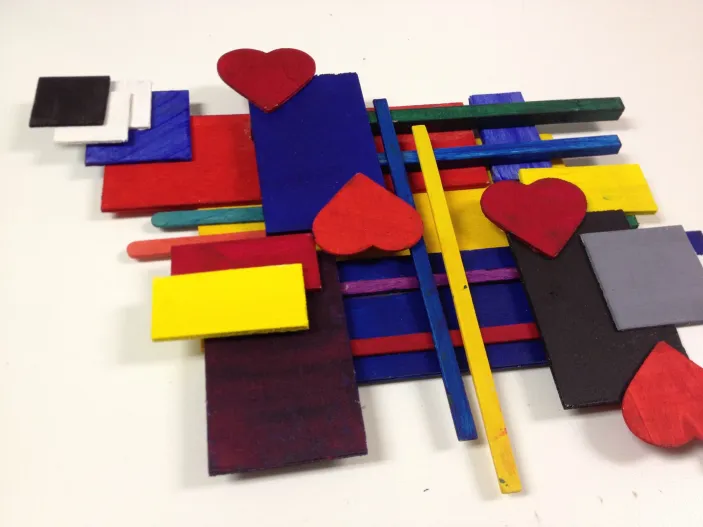
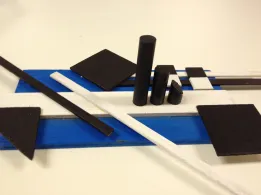
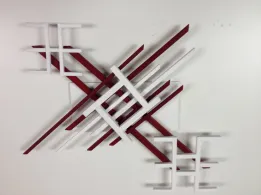
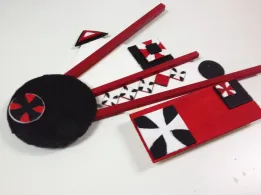
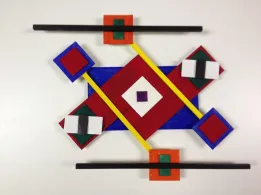
这是我的八年级学生于2017年完成的雕塑作品
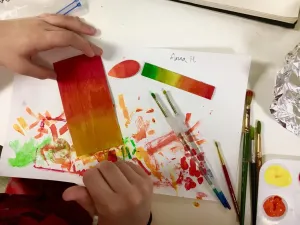
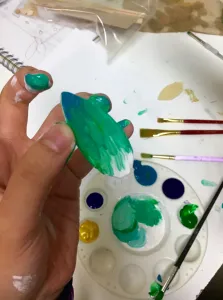
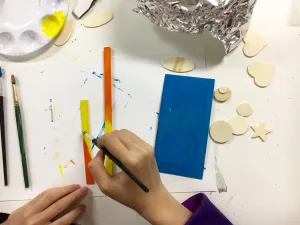
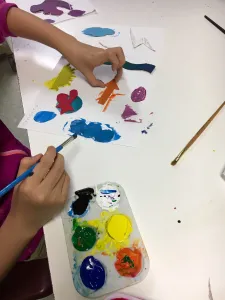
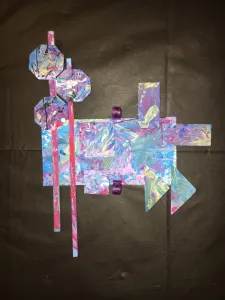
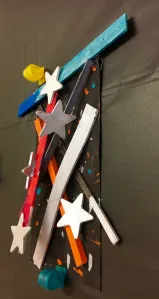
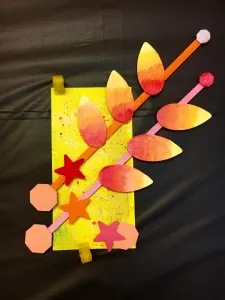
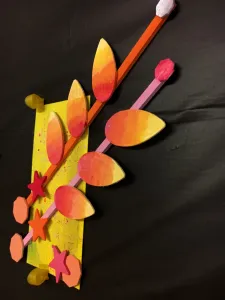
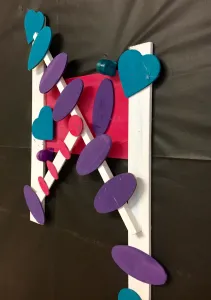
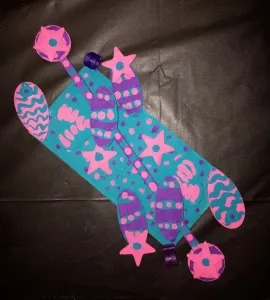
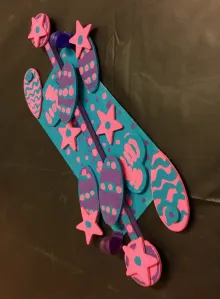
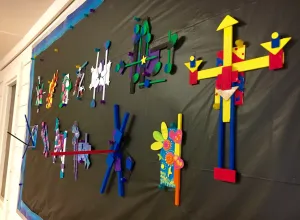
所有图片版权 © 米歇尔·C·伊斯 —— Create Art with ME.
Rhythm Wood Sculpture
Original: https://createartwithme.com/rhythm-wood-sculpture/
Date: 2014-10-13
Author: Michelle East
Categories: 6th Grade, Art Lessons, Featured, HS Art, MS Art, Sculpture Lessons
Tags: balance, color schemes, Dick BLick Lesson, Low-Relief Sculpture, movement in art, relief wood sculpture, rhythm, rhythm art lesson, rhythm in art, Rhythm in Layers, sculpture lesson, wood pieces, wood sculpture, wood shapes
wood relief sculpture “Rhythm in Layers” Low-Relief Wood Sculpture with Design in Mind (by Dick Blick)
Resources: Dick Blick website: http://cdn.dickblick.com/lessonplans/rhythm-in-layers/rhythm-in-layers-rhythm-in-layers.pdf
Supplies: Darice Wood Shapes (assorted Pack), acrylic paint, wood or cardboard base 3×5″ (size adjustable)
Video: http://www.dickblick.com/lesson-plans/rhythm-in-layers/
This is a great project for middle school or high school art. We followed the directions on the Rhythm in Layers PDF by Dick Blick (see above link) with the exception of a thin plywood base & all wood shapes/pieces. We also simplified ours a bit.
IO: The student will learn about the art principles of rhythm, balance and movement. They will create a sculpture using these principles.
DELIVERY:
- Introduction: Music rhythm-have students give an example of rhythm in music (tapping on the table). Visual rhythm may be best understood by relating it to rhythm in sound. There are parallels between rhythm in music and art: repetition of notes (a “beat”) in music or a color or shape (the elements) in art-patterns of notes or the elements repeated. There is also an arousing of the senses in both-hearing in music and sight in art. Through both art and music a feeling of order or predictability is created through rhythm.
- What is visual rhythm? A visual tempo or beat. The principle of design that refers to a regular repetition of elements of art to produce the look and feel of movement. It is often achieved through the careful placement of repeated components which invite the viewer’s eye to jump rapidly or glide smoothly from one to the next.
- Rhythm originated in the Greek word rhymthmos, meaning measured flow, which they passed into Latin as rhythmus, meaning movement in time. Its first uses in English were literary, in reference to themetrical rhyming of verses. English speakers began to use rhythm concerning repetition of musical beats in the late 18th century, and about visual elements in the same period.
- How is visual rhythm achieved: Rhythm is achieved through the repetition of the elements of art (line, shape, color, etc.)
Here is how our projects turned out…
Here are my 8th Graders Sculptures from 2017
All images copyright © Michelle C East – Create Art with ME.
