色彩对比与肌理拓印:鬣蜥水彩抗蚀绘画
原文链接:https://createartwithme.com/color-contrast-texture-rubbings-iguanas-watercolor-painting/
日期: 2016-03-20
作者: 米歇尔·伊斯
分类: 四年级、五年级、六年级、美术课、色彩对比、色彩理论、小学美术、美术元素课程、绘画课、肌理、水彩课、水彩抗蚀
标签: 色彩对比、自制肌理拓印版、深空闪亮的水彩鬣蜥、美术元素、美术元素——肌理、如何剥除蜡笔外包装、鬣蜥绘画、水彩鬣蜥绘画、蜥蜴绘画、触觉肌理、肌理拓印版、肌理拓印、水彩肌理拓印、肌理类型、视觉肌理、通过肌理拓印表现视觉肌理、水彩抗蚀绘画
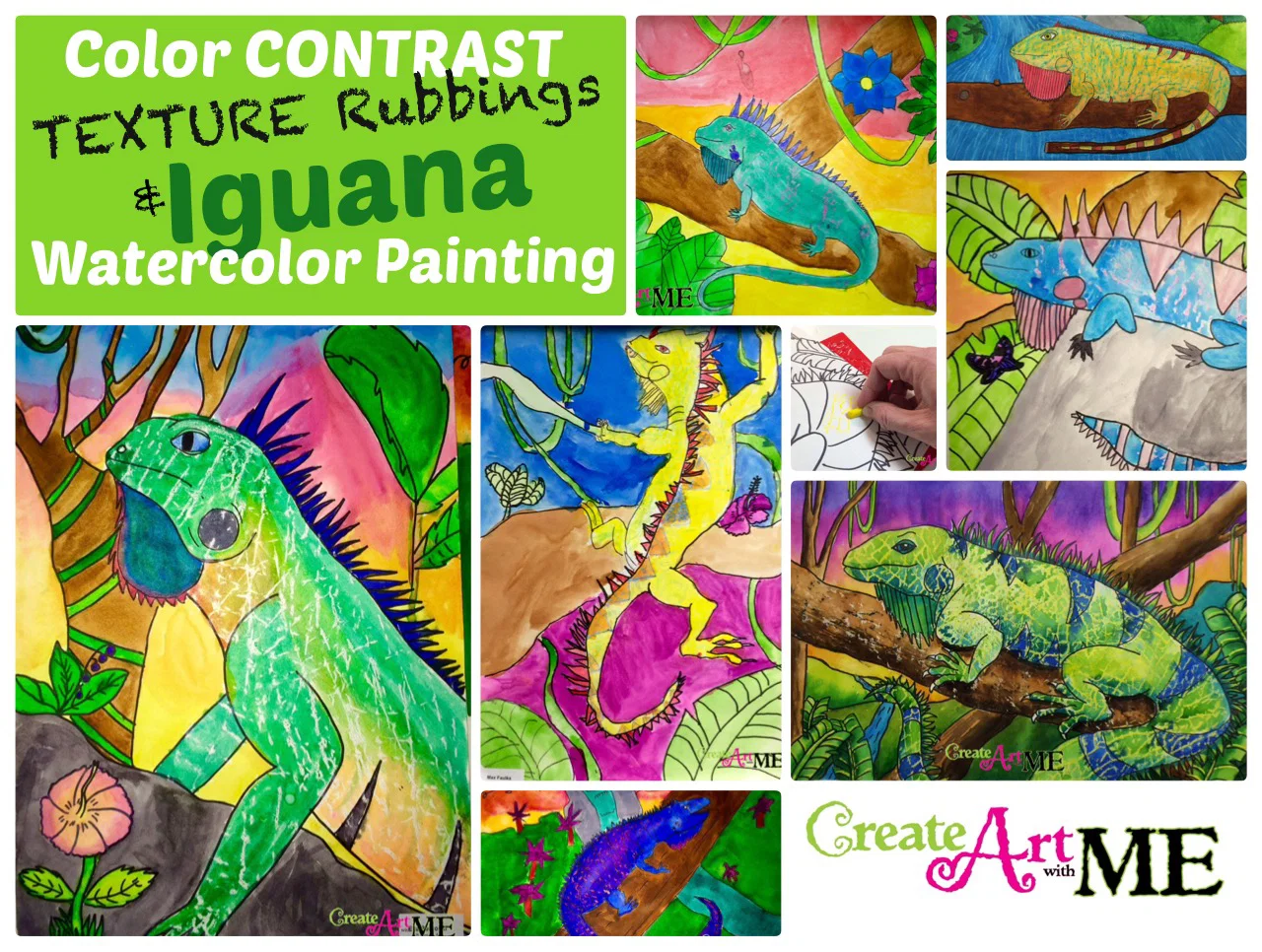
 色彩对比、肌理拓印与鬣蜥水彩抗蚀绘画
本课设计灵感源自深空闪亮的水彩鬣蜥(主题与构思全部归功于帕蒂!)。
肌理拓印,趣味无穷!
我对若干细节做了调整,以契合我的课程目标(触觉肌理与视觉肌理),并额外加入一个超有趣环节——在绘制水彩前,先对鬣蜥进行肌理拓印,模拟其皮肤质感。 我超爱将肌理拓印与水彩结合!!
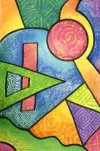 想获取更多肌理创意?——请参阅我的 非具象水彩抗蚀绘画+肌理拓印项目*
教学目标: 学生将理解:艺术家运用对比来呈现两物之间的差异,从而突出某一对象;肌理是美术元素之一,指物体实际的触感,或看似可触的视觉感受。肌理分为两类:触觉肌理与视觉肌理;学生将通过肌理拓印来创造视觉肌理。
材料: 肌理拓印版、蜡笔、鬣蜥参考图片、萨克斯90磅水彩纸——12×18英寸——100张装 、绘儿乐16色水彩颜料盘
 、画笔
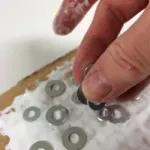 自制肌理拓印版
购买肌理拓印版


教学流程:
- 色彩对比: 艺术家运用对比来呈现两物之间的差异,从而突出某一对象。当冷色与暖色相邻时,即产生对比。(展示示例)
- 暖色: 红、黄、橙——这些颜色在视觉上向前跃出,最先吸引观者注意(展示示例)
- 冷色: 蓝、紫、绿——这些颜色在视觉上向后退缩(展示示例)
- 定义肌理——美术元素之一,指物体实际的触感,或看似可触的视觉感受。
- 请全班列举不同类型的肌理(光滑、粗糙、凹凸、尖刺、黏滑、毛茸茸等)
- 体验肌理的两种方式(视觉与触觉):
- 触觉肌理——真实存在的肌理,可被身体直接触摸感知。
- 视觉肌理——仅能被看见的肌理,是艺术家营造的视觉幻象,用以模拟真实肌理、欺骗观者眼睛。拓印即是一种呈现视觉肌理的方式。
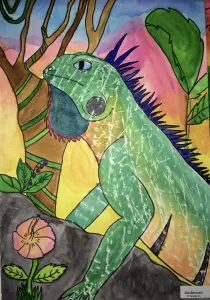
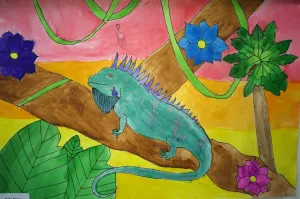
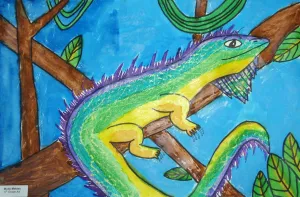
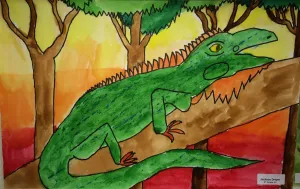
项目目标: 以鬣蜥为题材,学生将运用肌理拓印技法,在鬣蜥及树皮表面创造视觉肌理,再以蜡笔抗蚀法结合水彩完成整幅绘画。
操作步骤:
-
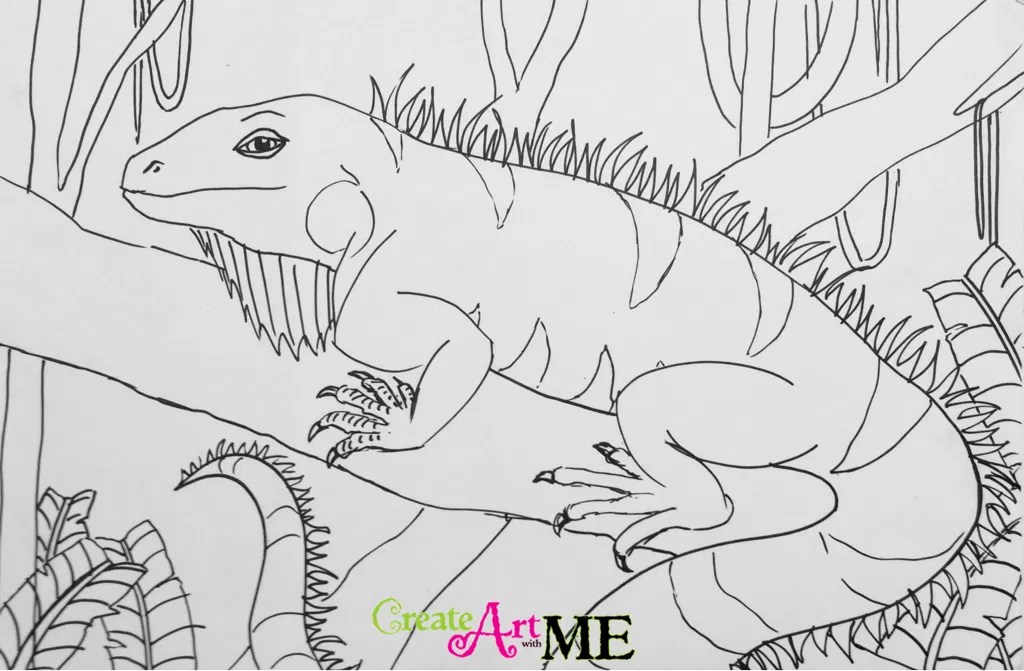
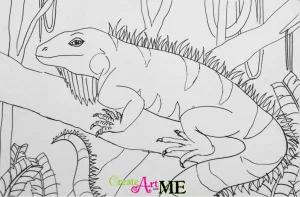
用铅笔轻轻勾勒一只较大的鬣蜥于纸上。添加热带雨林环境细节:植物、花朵、树木、瀑布、藤蔓等。
-
用记号笔描边。
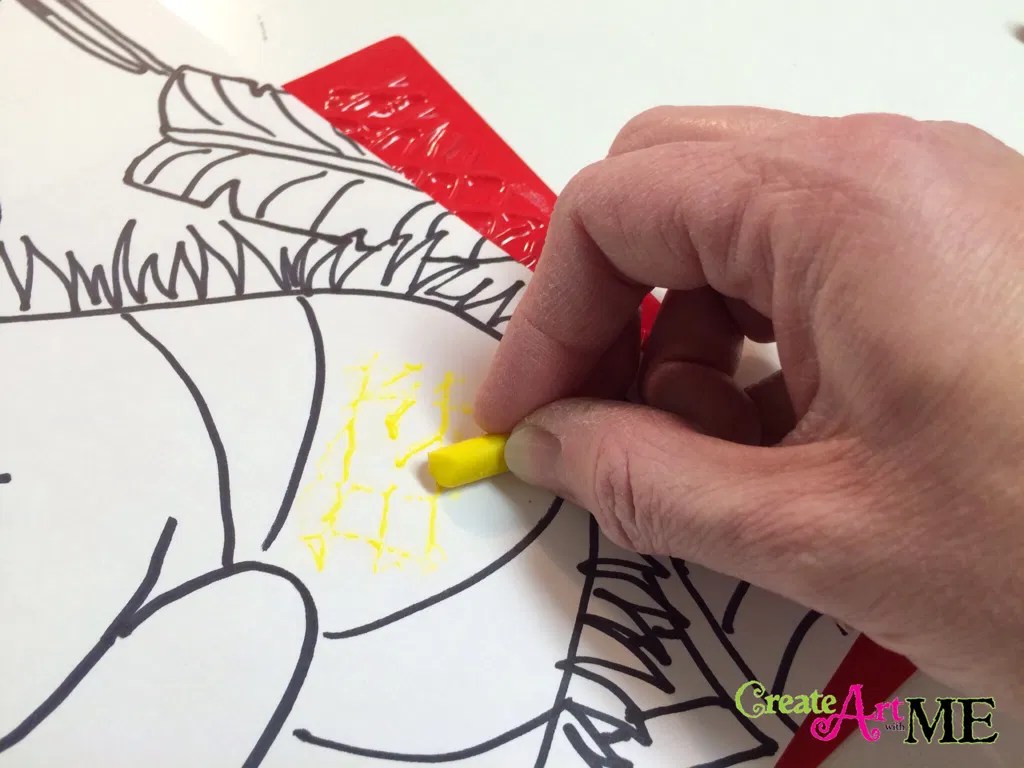
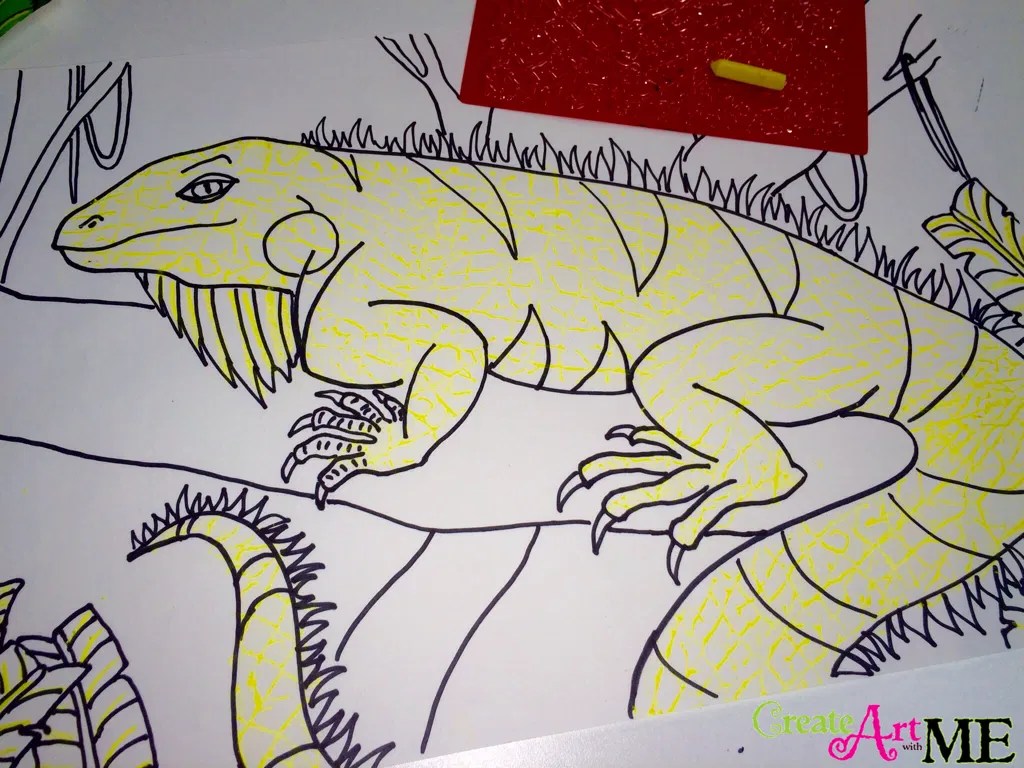
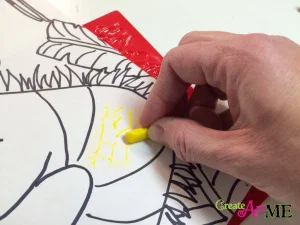
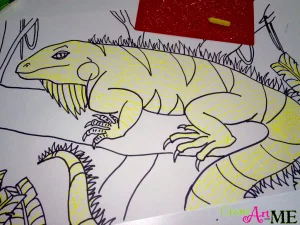
- 肌理拓印: 将鳞片肌理版置于鬣蜥身体下方。取一支蜡笔(建议白色、*黄色或绿色),剥除外包装,以蜡笔侧边在鬣蜥身体轮廓内进行拓印。如何剥除蜡笔外包装
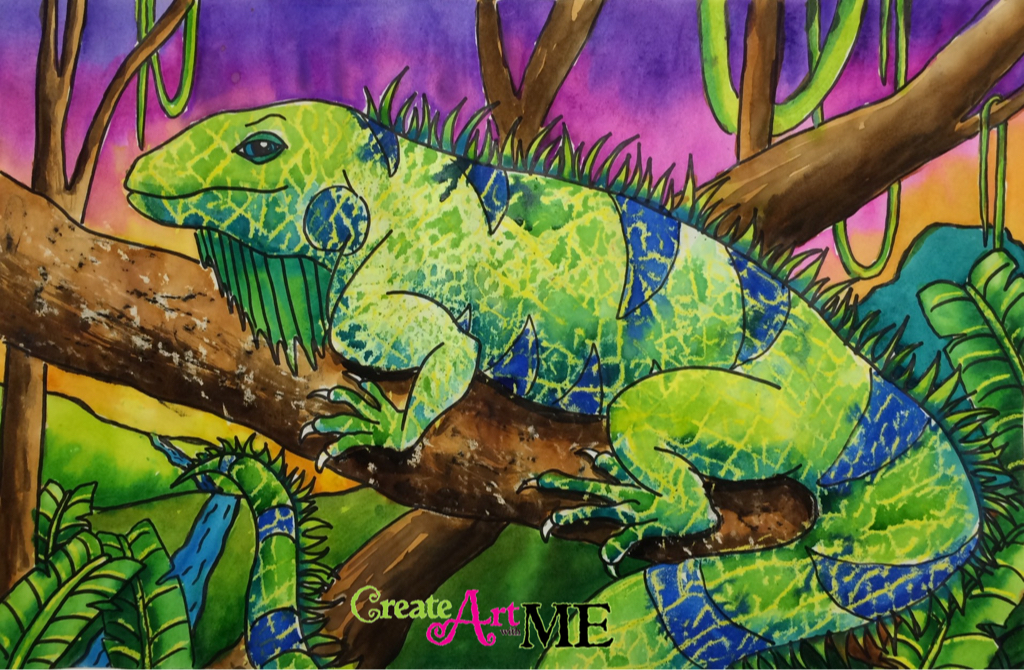
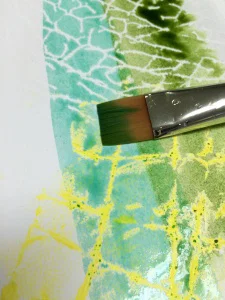
- 用水彩上色。
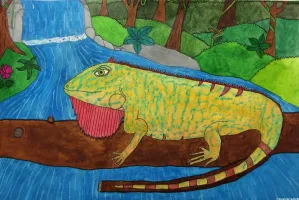
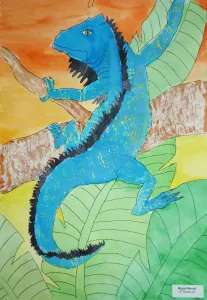
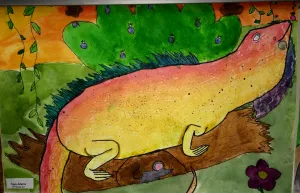
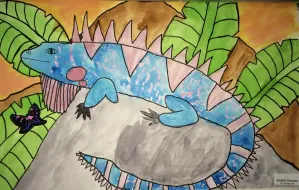
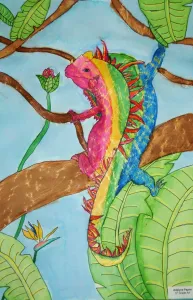
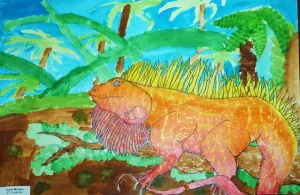
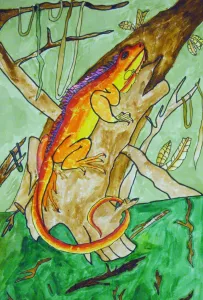
学生作品展——五年级
(点击图片查看大图)
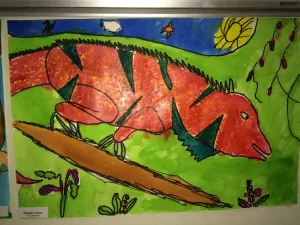
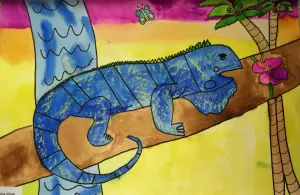
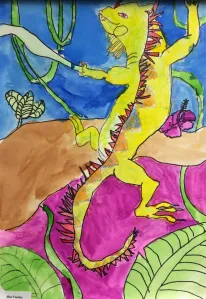
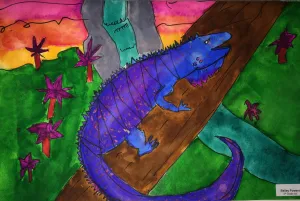
若您选用本文内容(文字或图片),请务必注明并链接回我的博客:Create Art with ME.
其他水彩抗蚀课程:
 心形艺术——综合媒介课程
 暖色与冷色手印图案水彩抗蚀课程
 海胆图案水彩抗蚀课程
 色彩对比与肌理拓印:鬣蜥水彩抗蚀绘画
 非具象肌理拓印与水彩抗蚀
雪人马克笔+水彩抗蚀绘画
基础水彩技法教案与练习表
Color Contrast and Texture Rubbings Iguana Watercolor Resist Painting
Original: https://createartwithme.com/color-contrast-texture-rubbings-iguanas-watercolor-painting/
Date: 2016-03-20
Author: Michelle East
Categories: 4th Grade, 5th Grade, 6th Grade, Art Lessons, Color Contrast, Color Theory, Elementary Art, Elements of Art Lessons, Painting Lessons, Texture, Watercolor Lessons, Watercolor Resist
Tags: color contrast, Create your Own Texture Rubbing Plates, Deep Space Sparkle's Watercolor Iguanas, element of art, element of art texture, How to Peel Crayons, Iguana painting, Iguanas Watercolor Painting, lizard painting, tactile texture, Texture Rubbing Plates, Texture Rubbings, TEXTURE RUBBINGS with Watercolors, types of texture, visual texture, visual texture through texture rubbings, Watercolor Resist Painting
Color Contrast, Texture Rubbings & Iguanas Watercolor Resist Painting
This lesson idea was based on Deep Space Sparkle’s Watercolor Iguanas (all credit for the subject matter and concept goes to Patty!).
FUN with TEXTURE Rubbings!
I have changed a few details to line up with my curriculum (Tactile & Visual Texture) and added another component to the lesson that is SO MUCH FUN-we do TEXTURE RUBBINGS on the iguana to simulate their skin before painting with watercolors. I LOVE TEXTURE RUBBINGS with Watercolors!!
Want more textureideas–Check out my Non-Objective Watercolor Resist Painting with Texture Rubbings Project**
Objectives: Students will learn that artists use contrast to show differences between two things, to make something stand out. Students will learn that texture is an element of art that refers to how things feel or look as if they might feel if they were touched. There are two types of texture: tactile texture & visual texture. They will create visual texture through texture rubbings.
Supplies: Texture Rubbing plates, crayons, iguana reference pictures, Sax 90 lb Watercolor Paper – 12 x 18 inches – Pack of 100, 16 Pan Watercolors by Crayola, paint brushes
Create Your Own Texture Rubbing Plates
Shop for Texture Rubbing Plates
Delivery:
- Color Contrast: Artists use contrast to show differences between two things, to make something stand out. When cool colors are placed next to warm colors contrast is created. (show examples)
- Warm Colors: reds, yellows, oranges-these colors visually come towards the viewer & attract your attention first (show examples)
- Cool Colors: blues, purples, greens- these colors visually recede from the viewer (show examples)
- Define texture– an element of art that refers to how things feel or look as if they might feel if they were touched.
- Ask class to list different kinds of textures (smooth, rough, bumpy, pokey, slimy, furry, etc)
- There are 2 ways to experience texture: (by sight & by touch)
- Tactile Texture-texture that is real, you can actually physically feel.
- Visual Texture-texture that can only be seen. It is an illusion that an artist creates to represent texture & fool the viewer’s eye. A Rubbing is a way to show visual texture
Project Objective: Using iguanas as a subject matter, students will create a visual texture on the iguana & tree bark through the technique of texture rubbing then paint the picture using the crayon resist/watercolor painting method.
Instructions:
-
In pencil, lightly draw iguana large on the paper. Add details such as the jungle environment: plants, flowers, trees, waterfalls, & vines.
-
Outline with sharpie.
- TEXTURE Rubbing: place scaly texture plate under the body of the iguana. Use a crayon on its SIDE with the paper wrapper OFF (suggest white, *yellow, or green), rub ONLY inside the body of the iguana. How to Peel Crayons
- Paint with watercolors.
Student Gallery- 5th Grade
(click on picture to see full image)
If you choose to use the information in this post (written or photo), please link back to my blog Create Art with ME.
Additional Watercolor Resist Lessons:
Heart Art- Mixed Media Lesson
Warm and Cool Color Hand Print Pattern Watercolor Resist Lesson
Sand Dollar Pattern Watercolor Resist Lesson
Color Contrast and Texture Rubbings Iguana Watercolor Resist Painting
Non-Objective Texture Rubbing & Watercolor Resist
Snowman Painting with Markers & Watercolor Resist
Basic Watercolor Techniques Lesson Plan & Worksheet
 色彩对比、肌理拓印与鬣蜥水彩抗蚀绘画