开学七招
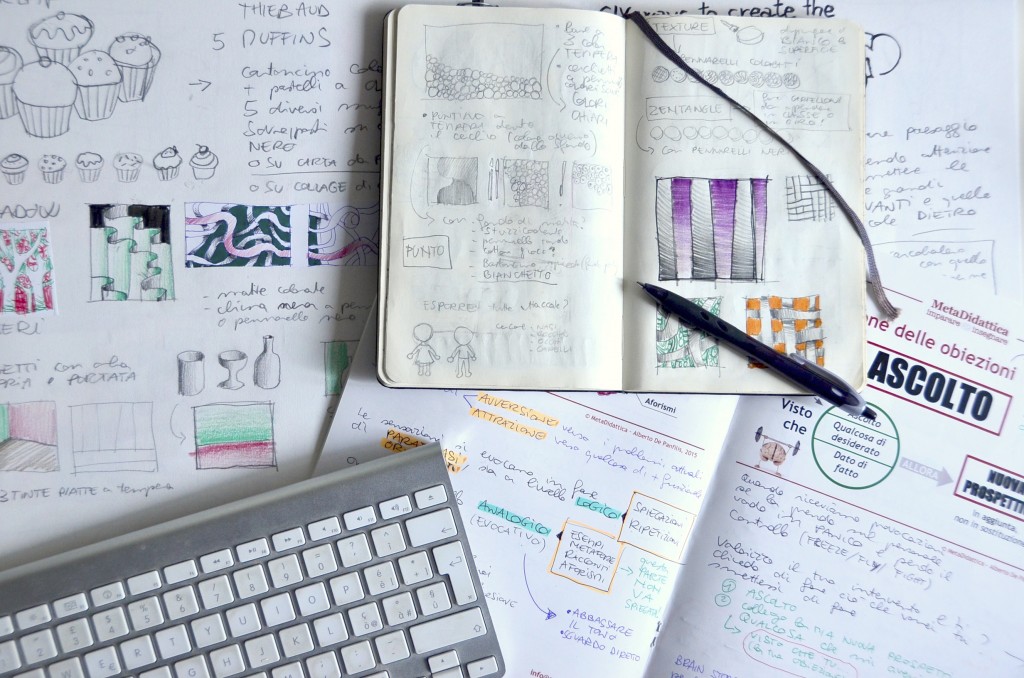
新学年即将开始,每位教师、学生和家长都在为学校的各种挑战做准备。去年,我参加了一门由Metadidattica开设的优质课程(仅提供意大利语版本……抱歉!),它帮助我厘清了自己对学校与教学的理解。今年开学之初,又推出了一门专为开学头几天设计的新课程。我很乐意与各位分享这门课程中的若干要点,并从中提炼出以下七招:
-
激发动力
暂停片刻,回想我们投身教育事业的深层原因,重拾职业意义:我们会发现,这份工作实在令人惊叹!
-
我想要怎样的学生群体?
想象一下教室门后那群学生的样子。试想,仿佛魔法成真,我们所有的愿望都得以实现——这正是我们努力的方向,也是让我们在校园中更感自在的起点。
-
设定切实可行的目标
确立具体、可衡量、可达成、甚至带有时限的目标,有助于我们制定个性化的专业发展计划。不妨从简单目标起步!例如:提升课堂语音运用效果,或于十二月举办一场小型作品展……你呢?
-
切勿惊慌!
面对难管的班级或挑衅性行为,我有时也会惊慌失措;有些教师则对与家长或同事打交道感到不适……一旦识别出令自己陷入困境的具体情境,便明确了亟待突破的改进方向,从而逐步减少惊慌状况的发生。
-
保持镇定,面带微笑
镇定与微笑,是引领者手中强大的武器:它们向被引领者传递着信任与信心。走进教室前,请先找到一个微笑的理由!
-
“舞者型”教师
课程中这一比喻令我尤为喜爱——有时,我们须化身舞者,在多样而交替呈现的教学方案中自如穿行,以唤起“观众”(即学生)的兴趣与专注。我们应尝试围绕同一主题设计丰富变式:提问、视频、语言、图像、聆听环节与行动环节等,轮番上阵。
-
共同制定规则
规则须自开学伊始便与学生共同商定;最好采用积极表述方式,明确“可以做什么”(例如:轻声发言),而非一味强调“不可做什么”。
我深知,我们并无魔法棒:纵使接受再多培训,喜悦与愤怒、满足与挫败、恐惧与胜利仍将如影随形。真正的希望,只在于竭尽所能地投入工作——为教师、为学生、也为家长。
祝大家开学顺利!
7 tips for a good start
The school year is about to begin, and every teacher, student and parent is preparing for the school’s challenges. Last year I attended a very good course, offered by Metadidattica, which helped me to define my idea of school and teaching (just in Italian language… sorry!). At the beginning of this school year, was also presented another course dedicated to first days of school. I like to share with you a few ideas from this last course. I extrapolated seven tips:
-
Motivation Let us pause to remember the deep reasons that made us do this job, and recover the sense of our work: we discover that it is amazing!
-
What group of students I want? Imagine the class that we would find beyond the door. Imagine that, as if by magic, all our wishes were fulfilled: that’s where we have to aim, in order to feel better at school.
-
Ask yourself achievable goals Establish goals achievable, specific, measurable, and maybe even with a deadline, can help us to design a customized professional development plan. We shall start with simple goals! I’m thinking to improve the use of voice in class and organize a small exhibition for December … and you?
-
No panic! To me it happens to panic in the face of challenging classes or provocative behaviors, there are some teachers who feel uncomfortable with the students’ parents, or colleagues … If we identify what places us in difficulty, we know that it is precisely this, that we have to work on, in order to improve and reduce the panic situations.
-
Keep calm and smile Smile and calm are powerful weapons of who leads: they communicate trust and confidence in who is led. Before entering the classroom, we should find a reason to smile!
-
The dancer teacher I particularly enjoyed these imagine, used in the course, because sometimes we have to be dancers, who move easily in a variety of alternate proposals to arouse interest and attention in our “spectators”. We should try to propose variations on the theme of our lessons, with questions, videos, words, images, moments of listening and action.
-
Shared rules These are to be defined together with the students from the beginning, better in a positive way, saying what can be done (for example, speak softly) rather than emphasize what you can not.
I know that we do not have magic wands: despite all the training in the world, we’ll still live joys and angers, satisfactions and frustrations, fears and victories. The hope, really, is to work the best we can: for teachers, students and parents.
Good start!