水墨画:四大基本笔法——第二课
原文链接:https://createartwithme.com/chinesse-bamboo-brush-4-basic-brushstrokes-lesson-2/
日期: 2014-12-10
作者: 米歇尔·伊斯特
分类: 三年级、四年级、五年级、六年级、美术课、亚洲艺术课、文化主题美术课、小学美术、高中美术、初中美术、绘画课、钢笔与水墨画、水墨画
标签: 竹制毛笔、书法、中国水墨画、水墨画入门、日本水墨画、按压笔法、拖拉笔法、侧锋笔法、按压揉擦笔法、水墨画技法、四大基本笔法
需明确一点:艺术家通常需经多年研习书法与水墨画,方能掌握其技法精髓。本课仅是“初涉门径”,助你迈出第一步。学习任何新媒介都具挑战性,但请坚持——收获值得!
 教学目标:
- 学生将学习四种传统水墨画(或中国水墨画)基本笔法:拖拉笔法、按压笔法、侧锋笔法与按压揉擦笔法。
- 学习并运用中国水墨画“文房四宝”:墨、砚、笔、纸,完成一幅中国水墨画创作。
- 学习竹子的绘画方法,重点掌握竹叶形态与竹竿结构。
- 学习在宣纸上运用水性绘画媒介(如墨与水彩)的技巧。
- 学习中国传统水墨画理念——“少即是多”,并将此理念运用于自身构图中。
材料:  Speedball 印度墨汁、竹制毛笔、纸张、水杯、纸巾


本课参考资料:

 《日本水墨画》作者:苏珊·弗雷姆

 《中国水墨画艺术:掌握这一传统艺术形式的简洁技法与优雅笔触》
作者:露西·王
第2–3天:教学实施/课堂活动:四大基本笔法 (教师示范与学生练习)
- “笔走龙蛇,墨韵悠扬”——水墨画旨在捕捉描绘对象之神韵与精气。不必过分拘泥于所见物象的精确描摹。水墨画是一种高度即兴且富表现力的艺术形式。
- 执笔方法: 笔杆垂直握持(90度角),拇指置于一侧,食指与中指置于另一侧。(执笔方式近似使用筷子)如此握笔可获得更宽广的运笔幅度。
- 以肩带动运笔: 正如素描中一样,运笔动作应源自肩部,保持放松流畅。
- 蘸墨方法: 将毛笔浸入墨汁中,再用墨杯内壁修整笔锋、刮去多余墨汁,使笔尖聚拢成形。
- 四大基本笔法:水墨画技法
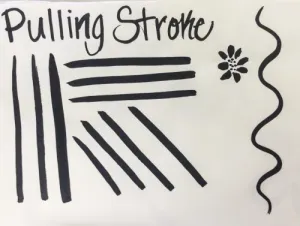
- 拖拉笔法: 笔杆保持垂直,自上而下或自左向右拖拉运笔。运笔时需调动整条手臂,而非仅靠手腕。此法适用于绘制:树枝、花茎、叶脉、猫须、水流等。*切记:动作源自肩部,而非手腕!
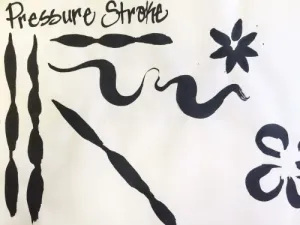
- 按压笔法: 笔杆保持垂直,拖拉运笔过程中,有意识地变化施加于笔端的压力,使线条粗细产生变化。此法适用于绘制:竹叶、柳叶、草叶、香蒲、鸢尾、菊花等。
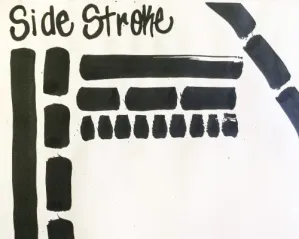
- 侧锋笔法: 笔杆倾斜约45度角,以笔腹侧面接触纸面拖拉运笔(形成较粗的线条)。此法适用于绘制:竹竿、花瓣、叶片、云朵、山巅等。
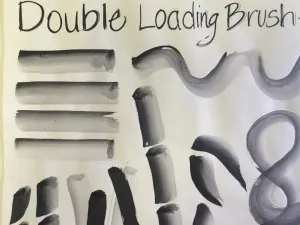
- 双明度蘸墨法: 先将毛笔浸入浅色墨汁中,稍作吸拭;再将笔尖末端浸入浓黑墨汁中。随后运笔作侧锋笔法,即可呈现丰富的明度变化。此举增强画面趣味性。水墨画中,绝大多数笔法均采用此类双明度蘸墨方式。
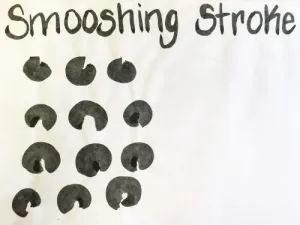
- 按压揉擦笔法: 笔杆保持垂直,放松笔杆使其略向一侧倾斜。向下按压毛笔,使笔尖与笔根同时接触纸面;随后以笔根为轴心,在纸面上微微旋转。此法适用于绘制:花瓣、熊猫耳朵等。
视频《水墨画入门》——美术教师伦德格伦先生讲解水墨画及“文房四宝”
https://www.youtube.com/watch?v=2sFj_WIekHw&list=PLIUuK-3d_PbMewJxvJ2qS5N49-lb4pXo4
若您选用本博客任何内容(图片或文字),请务必注明并链接回Create Art with ME!
Sumi-e Painting 4 Basic Brushstrokes: Lesson 2
Original: https://createartwithme.com/chinesse-bamboo-brush-4-basic-brushstrokes-lesson-2/
Date: 2014-12-10
Author: Michelle East
Categories: 3rd Grade, 4th Grade, 5th Grade, 6th Grade, Art Lessons, Asian Art Lessons, Cultural Art Lessons, Elementary Art, HS Art, MS Art, Painting Lessons, Pen & Ink, Sumi-e Painting
Tags: bamboo brushes, calligraphy, Chinese Brush Painting, Introduction to Sumi-e Painting", Japanese Ink Painting, pressure stroke, Pulling Stroke, Side Stroke, Smooshing Stroke, sumi-e techniques, The 4 Basic Strokes
It’s important to understand that artists study calligraphy & Sumi-e painting for many years before perfecting the techniques. We are just “dipping our toes in the water” to get started. It is always a challenge to learn new mediums, but persevere-it’s worth it!
Objectives:
- Students will learn 4 traditional Sumi-e or Chinese brush stroke techniques: pulling, pressure, side & smooshing.
- Learn & use the Four Treasures of Chinese Brush Painting: Ink, slate, brush, and paper to create a Chinese brush painting.
- Students will learn about painting bamboo, with an emphasis on the shape of the leaves and the stem.
- Students will learn how to use water-based art media, such as ink and watercolors on rice paper.
- Students will learn about the traditional Chinese brush painting concept “less is more”. They will apply this idea to their own compositions.
Materials:Speedball India Ink, bamboo brushes, paper, water cups, paper towels
Resources for this lesson:
“Japanese Ink Painting” by Susan Frame “The Art of Chinese Brush Painting: Master the simple techniques and elegant strokes of this traditional art form”
by Lucy Wang
Day 2-3: Delivery/Activity: The 4 Basic Strokes (Teacher Guided Demonstration & practice)
- “The Brush Dances & the Ink Sings”-The goal of Sumi-e is to capture the essence, or spirit, of your subject matter.Don’t be as concerned with drawing extactly what you see. Sumi-e is a very spontaneous & expressive art form.
- How to hold the brush: Hold it upright (90 degrees), with your thumb on one side and the index & middle fingers on the other side.(It is a lot like holding chopsticks) Holding it in this position allows for a greater range of motion.
- Moving from the shoulder: Just like in drawing, you need to make your movements come from the shoulder in a loose motion.
- Loading the brush: Dip the brush into the ink cup. Use the side of the cup to shape the brush to a point & to remove extra ink.
- 4 Basic Brushstrokes: Sumi-e Techniques
- Pulling Stroke: Holding your brush straight upright, pull it across the paper. Use your whole arm as you move, not just the wrist. Use this stroke to paint: tree branches, flower stems, leaf veins, cat whiskers, water movements, etc. *Remember to move from your shoulder, not your wrist!
- Pressure Stroke: holding the brush upright, pull it across the paper, but as you pull vary the pressure you are placing on the brush so that the brush strokes vary in width. Use this stroke for: bamboo leaves, willow leaves, grass, cattails, irises, chrysanthemums, etc.
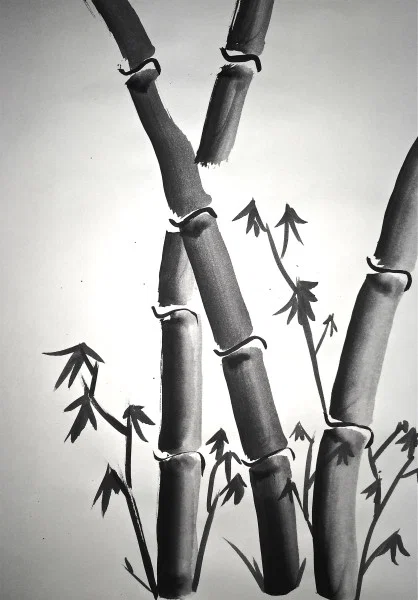
- Side Stroke: Hold the brush at a 45 degree angle, now drag the brush across the paper so that the ink comes from the side of the brush (this is a thick stroke). Use this stroke for: bamboo stalks, flower petals, leaves, clouds, mountain tops etc.
- Loading the brush with 2 values of ink: dip the brush into the light value ink first, dab it off slightly. Next dip just the end of the tip of the brush into the black/dark ink. Paint a side stroke, see the variation in values. This adds interest. Most of the time in Sumi-e painting, this is how the brush is loaded for all strokes.
- Smooshing Stroke: Hold the brush upright, relax the handle so it tilts a bit. Push down on the brush so that both the tip and heel are in contact with the paper. Now twist the heel of the brush into the paper. Use this stroke for: flower petals, panda ears
Video “Introduction to Sumi-e Painting“ – art teacher Mr. Lundgren explaining the Sumi-e Painting & 4 Treasures https://www.youtube.com/watch?v=2sFj_WIekHw&list=PLIUuK-3d_PbMewJxvJ2qS5N49-lb4pXo4
If you choose to use ANY part of this blog (pictures or written), please link back to Create Art with ME!
 教学目标:
