Cubism Instrument Oil Pastel and Collage Art Lesson
Date: 2015-04-26 Author: Michelle East Categories: 6th Grade, Acrylic Lessons, Art History Lessons, Art Lessons, Collage Lessons, Drawing Lessons, Dry Pastel Lessons, HS Art, Mixed Media Lessons, MS Art, non-objective, Oil Pastel Lessons, Painting Lessons, Tempera Painting Tags: Abstraction Techniques, art movements, Characteristics of Cubism Art, Collage Art Lesson, Cubism, Cubism Instrument, Cubism Instrument Oil Pastel and Collage Art Lesson, cubism lesson, Exaggerate size, geometric forms, Lesson for ms, little cubes, multiple light sources, nrealistic color, Oil Pastel, oil pastel techniques worksheet, Pablo Picasso Cubism, Picasso Lesson
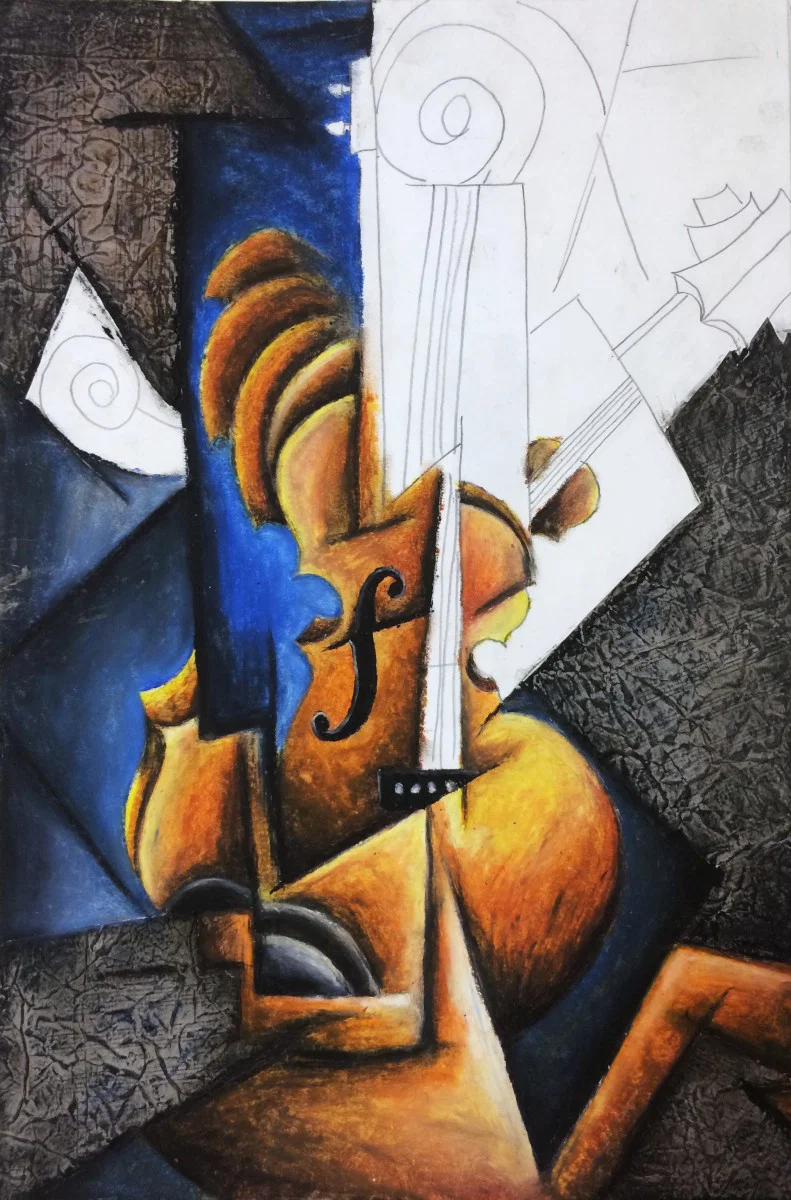
Cubism Instrument Oil Pastel and Collage Lesson
“They look like they were made out of little cubes…”
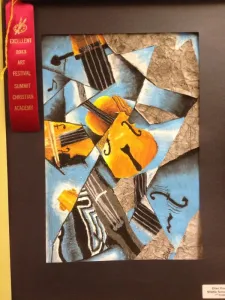
Cubism violin by Ju Han
Cubism is one of my favorite art movements to teach. There is so much artistic freedom when creating abstract art and for students this can be very liberating especially if they struggle with drawing skills. This project is taught using oil pastels and collage, but could be open to dry pastels or painting mediums (tempera, acrylic, or oil). Have fun-my students LOVE this project!! Check out my elementary abstract art lesson using guitars.
Objectives:
- Students will learn about the cubist art movement.
- They will understand and identify characteristics of cubist art.
- They will learn abstraction techniques.
- They will demonstrate understanding of cubist techniques by creating an original cubist style artwork.
Delivery:
- Non-Objective Art- Art that is not representational, containing NO recognizable figures or objects. The elements of art (lines, shape color, etc.) are the main subject.
- Abstract Art– In abstract art the artist takes recognizable objects or figures and changes them so they no longer looks realistic. The artist may leave out details, shift the point of view, exaggerate size, simplify or otherwise distort the image.
- Cubism- 1907 – 1914
- Cubism was a 20th century art movement that revolutionized European painting and sculpture, and inspired related movements in music and literature. It was a short but highly significant and influential artistic movement.
- Cubism was developed originally in France by Pablo Picasso and Georges Braque around 1906.
- The” Cubist” period is characterized by emphasizing the process of construction, and converting the represented forms into the essential geometric shapes: the cube, the sphere, the cylinder, and the cone.
- Cubism is a painting of a normal scene but painted from multiple views where the objects are distorted and sometimes looked scrambled.
- In cubist artworks, objects are broken up, analyzed, and re-assembled in an abstracted form — instead of depicting objects from one viewpoint, the artist depicts the subject from a multitude of viewpoints to represent the subject in a greater context.
- Hence the Name… When artist Henri Matisse was trying to describe a painting by Georges Braque to Louis Vauxcelles (an art critic), Matisse made a drawing of one of Braque’s landscapes, to show how they were made out of ‘little cubes‘ and from there on “cubism” stuck. (1908)
- Cubism Artists: Pablo Picasso (Spanish), Georges Braque (French, Marcel Duchamp (show examples)
- Show examples of art of Russian Cubists (what differences do you notice between the Spanish and French versus the Russian Cubist artists?)
- Characteristics of Cubism Art:
- Abstract Art– a recognizable object has been distorted in some way so it no longer looks realistic
- Fractured images
- Shading with black (instead of with blue in impressionism).
- Muted Colors of browns, blues, and blacks-Colors mixed with their compliments (muddy colors)
- Merging the object and background space so that forms and space are not separated but merge together
- Abandoning traditional perspective
- Combination of pattern, text and “found” collage objects such adding rope and newspaper
- Multiple light sources
Abstraction Techniques- Recognizable Objects/figures are Distorted by:
- Reducing object or figure to simple geometric forms: cube, cylinder, sphere, cone
- Draw from multiple points of view
- Use unrealistic color
- Exaggerate size
- Distort the image (squish, wiggle, elongate, etc.)
- Leave out details (Simplify)
- Shift the point of view
Activity #1: Oil Pastel Techniques Worksheet
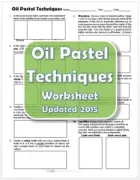
This project also works great with Dry Pastels! Here is the Dry Pastel Lesson Plan & Worksheet
Advanced Instruction:
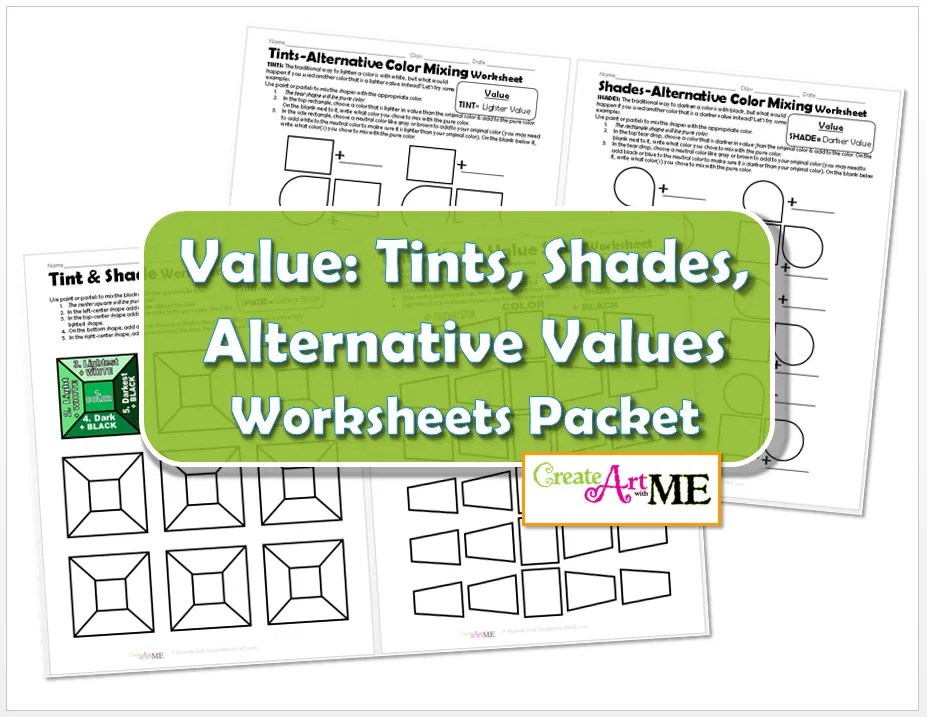
Color VALUE Tints and Shades 4 Worksheets PACKET
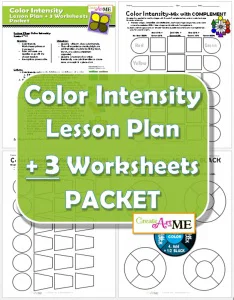
Color Intensity Lesson Plan + 3 Worksheets PACKET
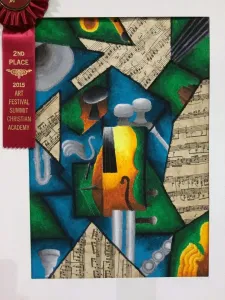
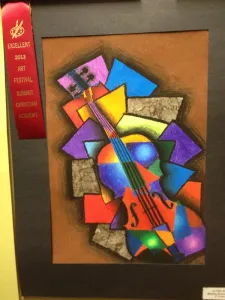
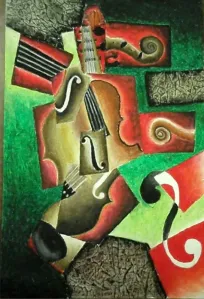
7-8th Grade Art Student Examples of Cubism Project:
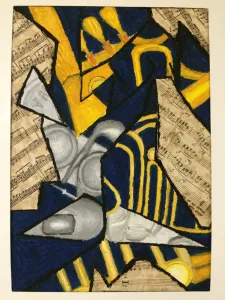
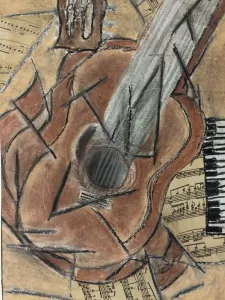
Activity #2: Cubism Instrument Oil Pastel and Collage Project
Project Objective: Create an original composition of instruments in the Cubism style using abstraction techniques and Cubism characteristics.
Instructions:
- Choose an instrument or two (Saxophone, guitar, violin, cello, piano, tuba, trumpet) to have as your main subject matter.
- On a 12×18 sheet of tagboard, draw 7-20 intersecting lines (horizontal, vertical & diagonal) so they look like broken up boxes, “L”or “[” shapes work well.
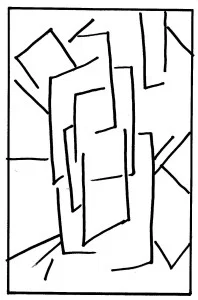
- Choose a few areas to collage some music sheets onto your drawing -glue on paper using glue stick.
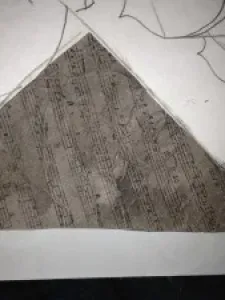
- Now begin drawing distorted parts of the instrument you choose in the blocked areas. Use abstraction techniques to change the drawing each time you come to a new area or line.
- Distort by:
- - Reducing object or figure to simple geometric forms: cube, cylinder, sphere, cone
- Add multiple points of view
- Use unrealistic color
- Exaggerate size
- Distort the image (squish, wiggle, elongate, etc.)
- Leave out details (Simplify)
- Shift the point of view
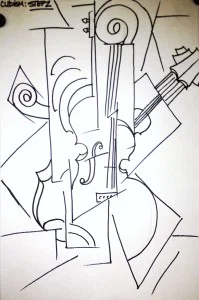
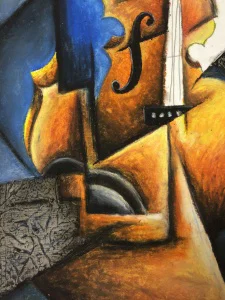
- Choose your colors, use complements to dull the intensity of the colors in most areas. Have only a few areas (your focal point) of bright colors. Color using oil pastels. Add Shading
](https://i0.wp.com/createartwithme.com/wp-content/uploads/2014/05/Cubism-Instrument-Project-4.jpg)


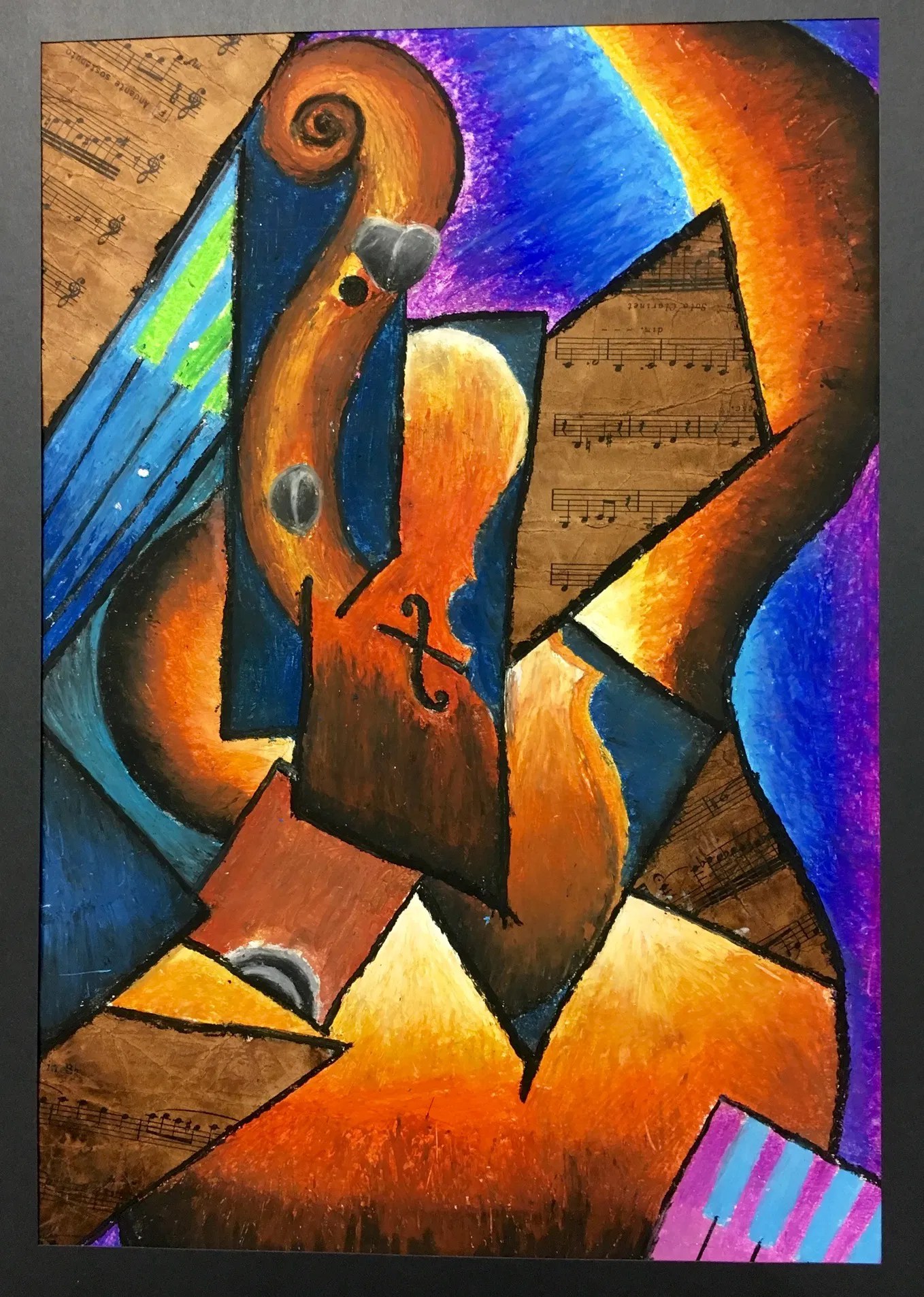
Here are a few great student examples from 2017:


If you choose to use ANY of this lesson (written or photos), please link back to this blog Create Art with ME!