爵士乐拼贴与版画:跨学科美术单元
原文链接:https://thatartteacher.com/2019/03/08/jazz-collage-and-printmaking-cross-curricular-art-unit/
日期: 2019-03-08
作者: Sierra Machado
分类: 长课时教案、版画
标签: 美术、美术教育、美术教案、美术教师、美术教程、艺术家、拼贴、跨学科、精选、高亮推荐、高中美术、初中美术、中学美术、版画、教学、教我如何绘画、教师、教学法、那位美术教师、thatartteacher
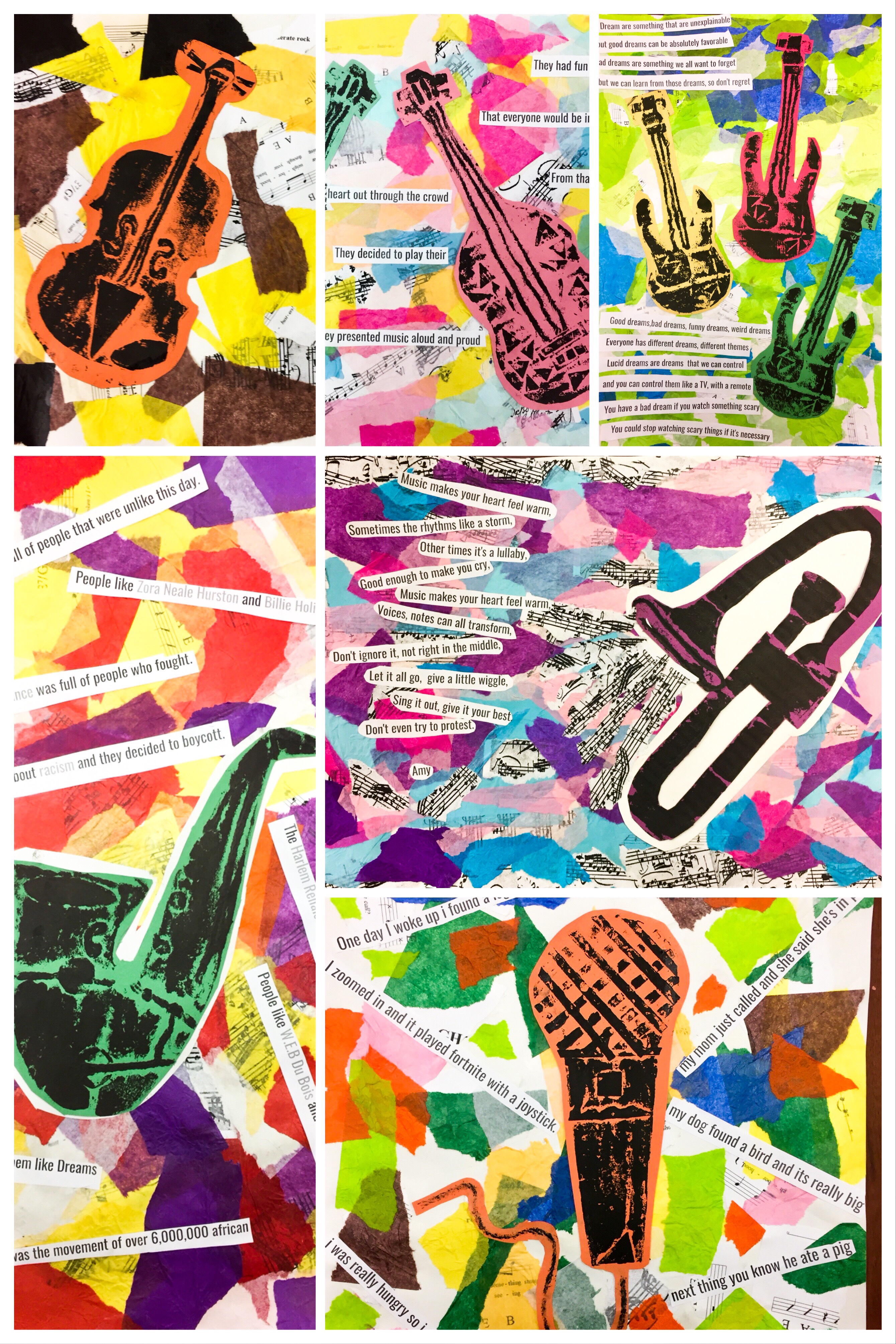
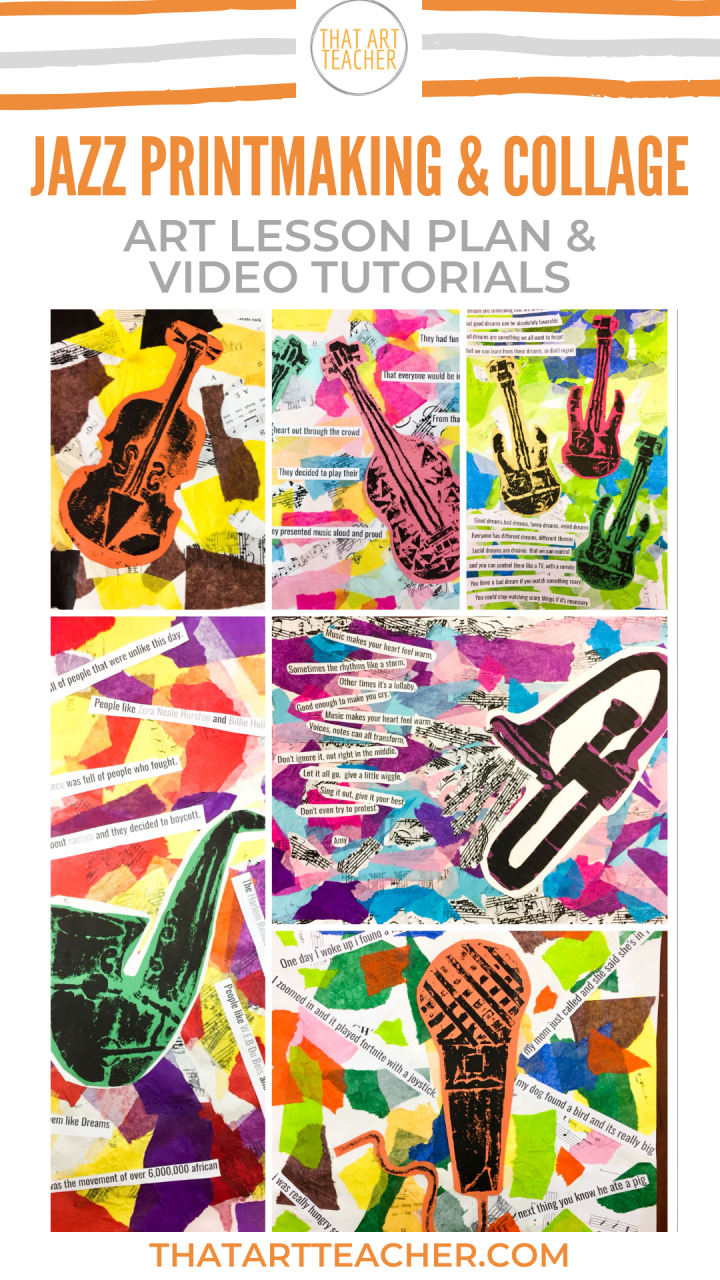
这一跨学科单元始于一个问题:如何在没有印刷机、也没有预算购买油毡板或刻刀的情况下,在我的美术课中融入版画教学?
版画一直是我教学中的薄弱环节。我总感觉它需要投入大量额外精力,却常收获不可预知的结果。请版画家们原谅!!!作为一名艺术家,我更倾向于用素描或绘画来表达想法。我天性偏执,而版画与我个人的创作风格始终难以契合。
在我此前执教高中的经历中,曾开发过一套扎实的油毡版画课。你见过学生用油毡刻刀刮破自己皮肤吗?鲜血四溅。我急需一种不致引发救护车出动的版画课——尤其面对这群十岁左右、行为完全不可预测的孩子:他们随时可能毫无征兆地呕吐,也可能冷不防从椅子上栽倒在地。
在YouTube上搜索后,我想起了“珂拉琪版画”(collagraph printmaking)。(顺带一提:如果你还没养成用YouTube解答所有艺术问题的习惯,现在就开始吧!)大学时我做过一次珂拉琪版画,但那只是随意拼贴一堆有肌理感的物件而已。(拼贴、大学。)我开始思考:怎样才能让这项技法更具意义、更富关联性?
我们的音乐老师非常出色。她指导的大型合唱团,声音宛如电视特别节目里一群孩童组成的天籁合唱团。她最近成功申请到一笔资助,为课堂购置了一整套尤克里里。我不知道你们学校的情况,但我们五年级音乐课连竖笛都没配齐!而学生们走进教室时,手里竟已拿着亲手绘制的尤克里里图纸,各部件全都标注准确——这让我深受触动。
我的构想由此诞生:一场音乐与美术的协作。
印版制作
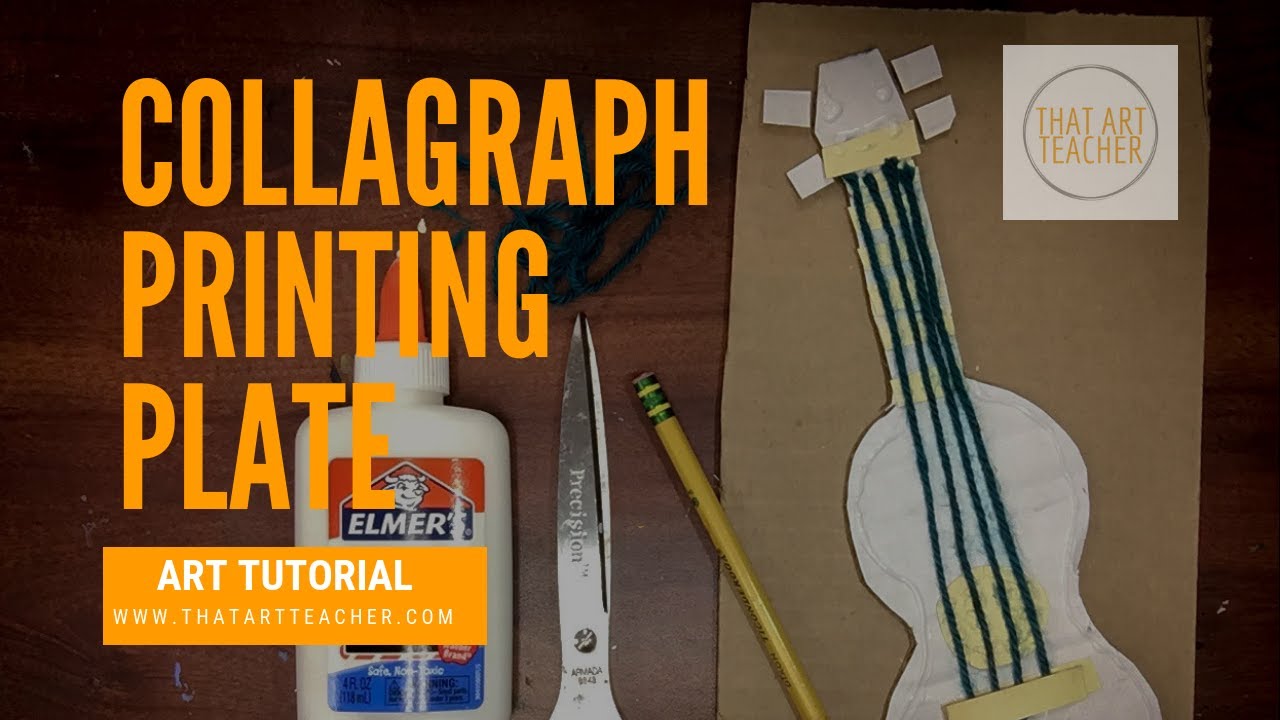
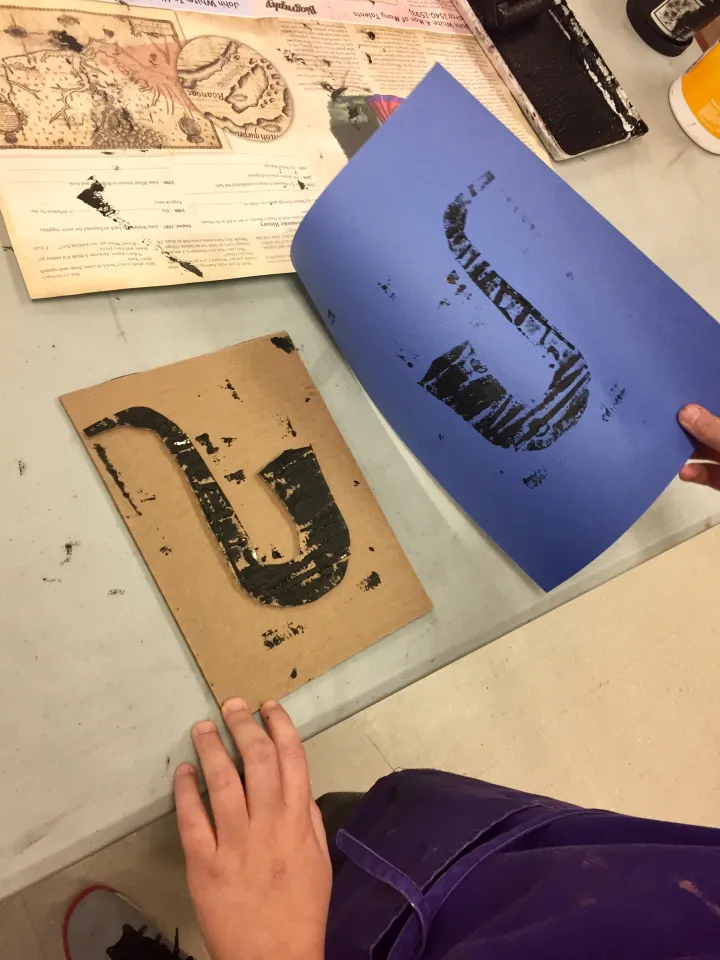
在整个单元中,印版制作无疑是学生压力最大的环节。和我一样,他们也很难理解印版如何将涂墨后的图像转印出来。这一次,我终于为本单元每种技法都录制了视频教程,效果极佳!向学生展示最终作品的实际制作步骤,真正帮助他们“顿悟”整个创作流程。“哦——原来如此!所以我们才要反向操作!”是课堂上最常听到的感叹。
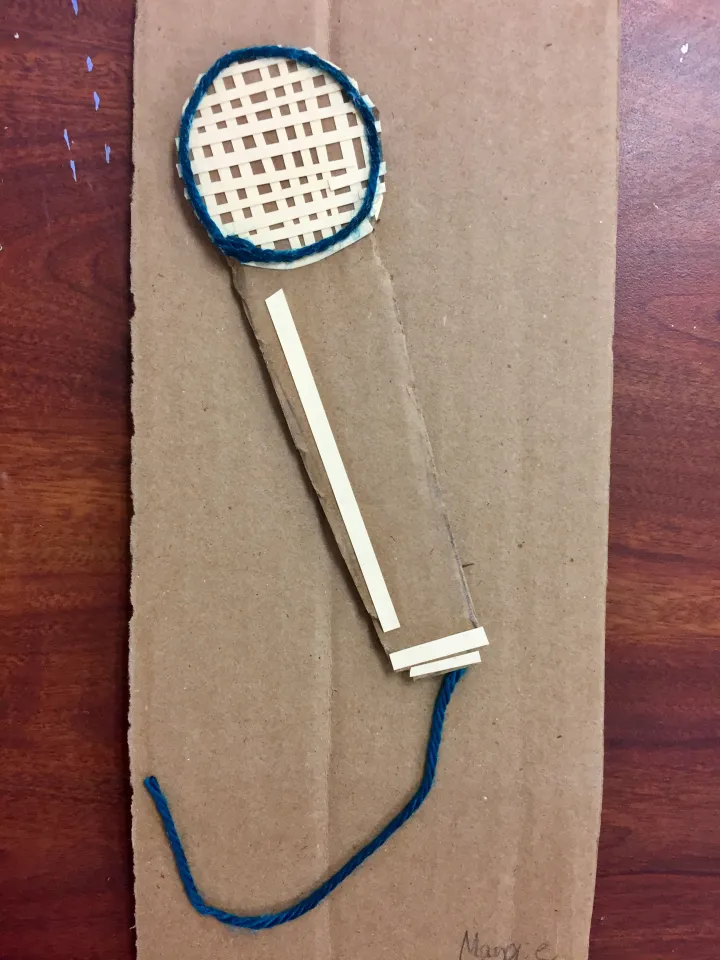
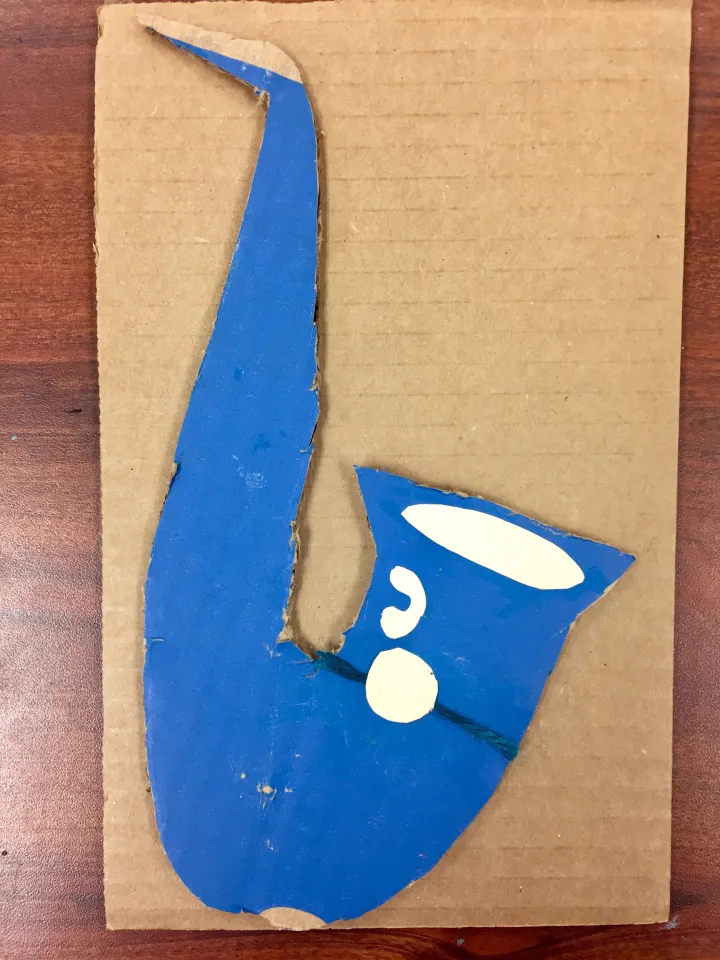
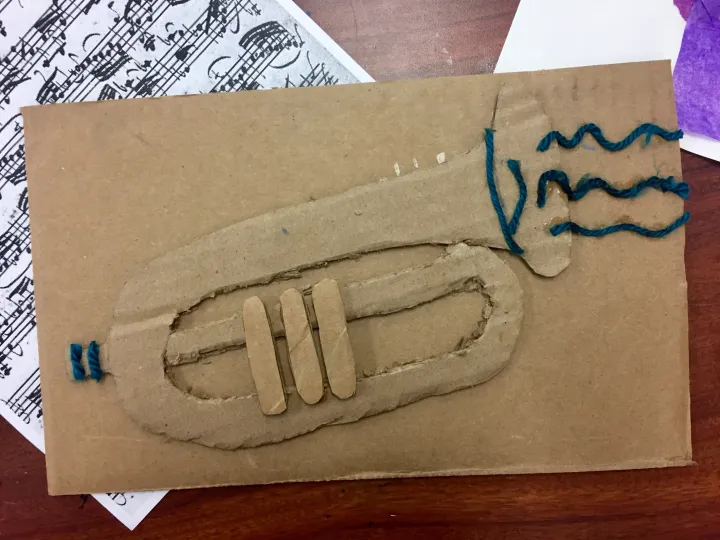
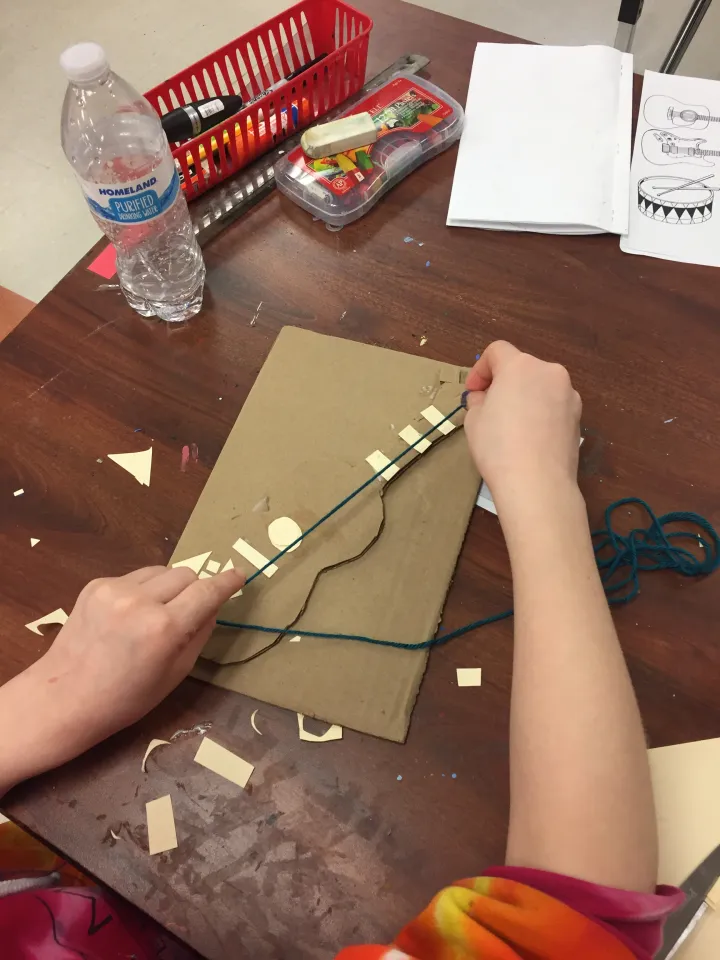
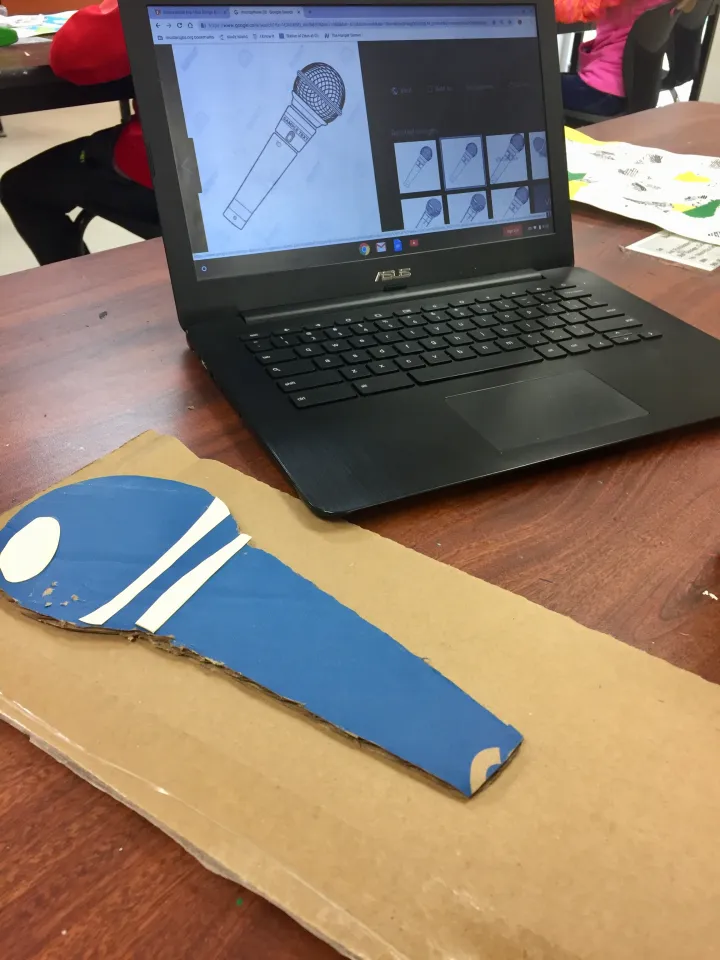
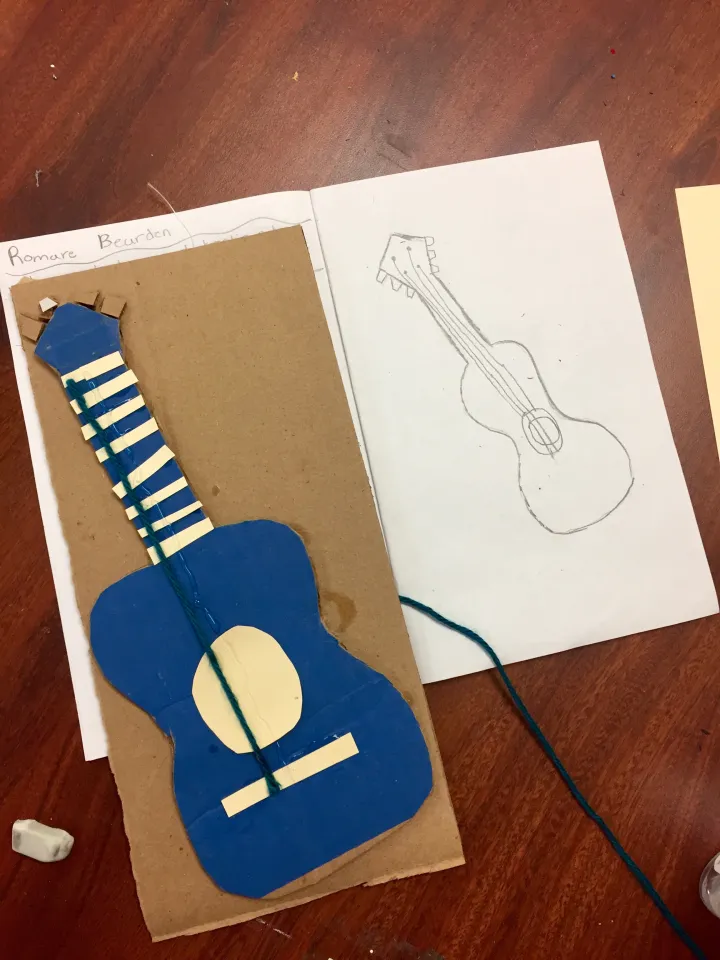
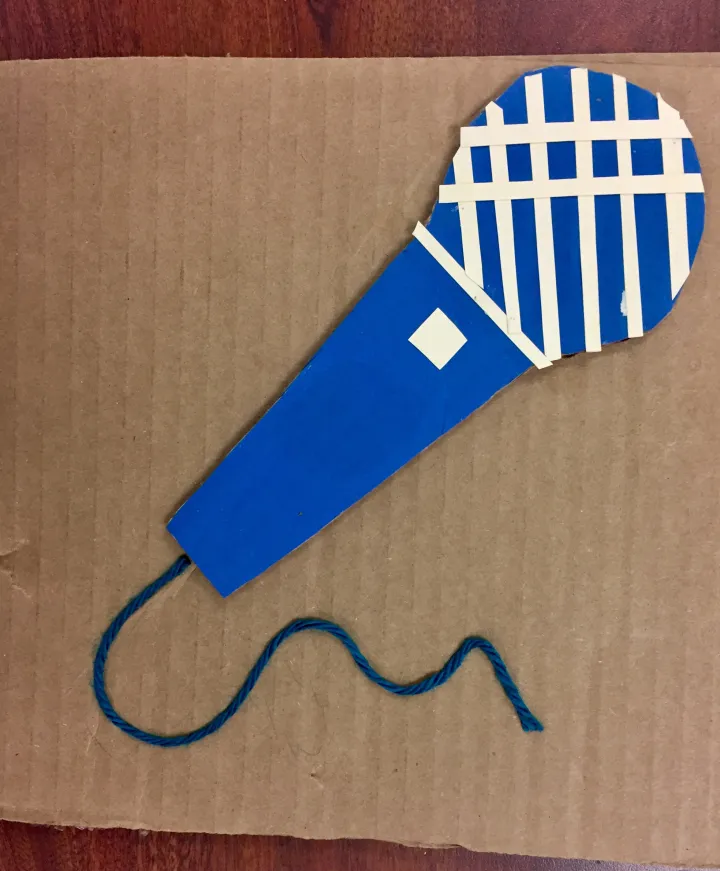
我让学生自主选择一种乐器。我告诉他们:“选一件让你心生灵感的乐器,同时也选一件你有信心画出来、并能用硬纸板剪裁出来的乐器。‘我会协助你,但动手必须靠你自己。’”
这次时机恰到好处:学生刚结束与乐队教师的面谈,确定了六年级将学习的乐器。再加上尤克里里的联结,孩子们对挑选一件自己未来真有可能学会演奏的乐器,表现出极大的热情!
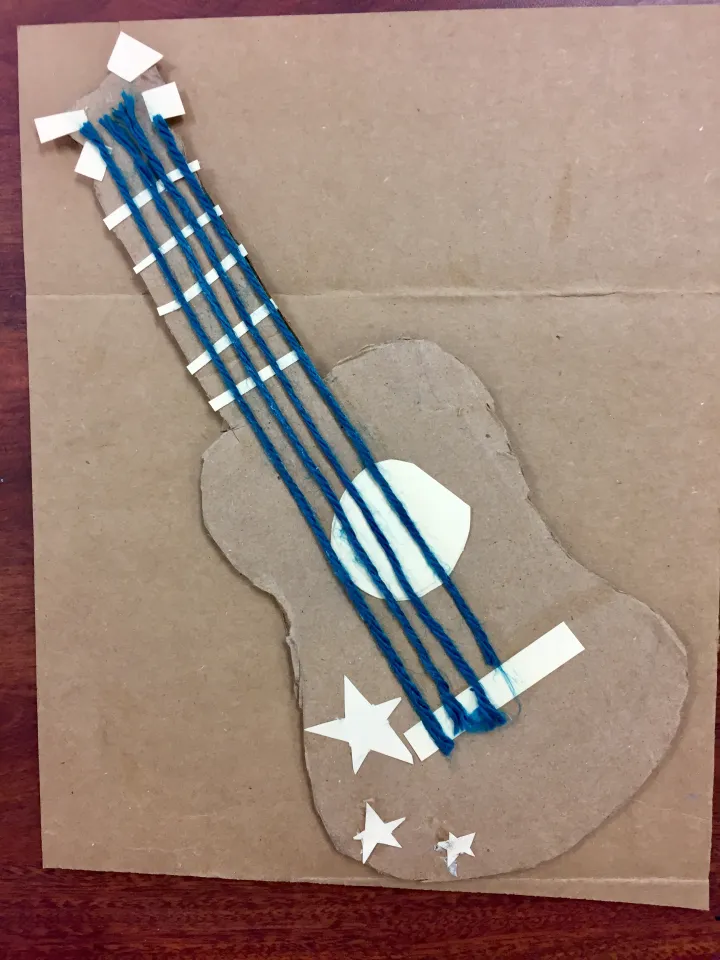
背景拼贴
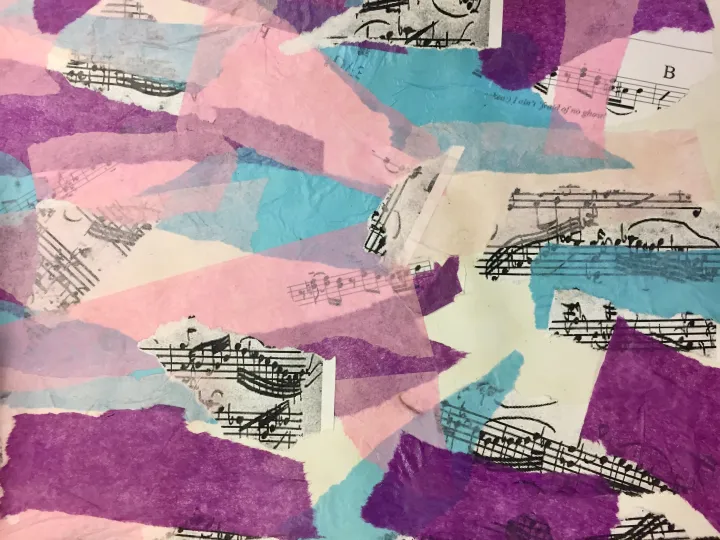
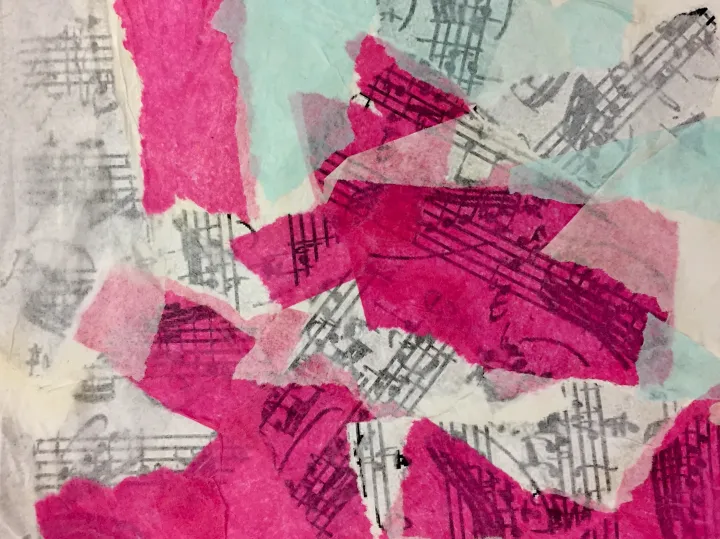
我们同步开展背景拼贴与印版制作。学生特别喜欢撕扯旧乐谱。部分乐谱由他人捐赠,其余则直接通过谷歌搜索打印获得。我给每位学生分发一张乐谱,此外还有无穷无尽的薄纸供应。
需引导学生撕出小块纸片(我给出的参考标准是:尺寸小于手掌宽度;若撕成长条形窄片,则可略长些)。
还需引导学生将拼贴覆盖至画面每一处边缘与角落,且每一片都必须完全压平、粘牢。我不得不重新示范如何充分使用胶棒——务必沿每一片纸的全部边缘均匀涂抹。
幸运的是,胶棒列入我校学生用品清单,我手头库存十分充足。即使学年末库存见底,其他科任教师也总是乐意慷慨分享!
创作歌词
这是我希望打造得格外精彩的单元之一。我教美术非常得心应手——这正是我每天从早到晚都在做的事。但写作呢?我本人热爱写作,却从未接受过如何教授写作的系统培训。第一次尝试融入写作教学时,我只给了学生一天时间,且仅要求完成四行。我允许他们结对合作,却未提供多少指导或范例。学生的水平参差不齐,而当天结束时,我唯一欣慰的是:至少我尝试了跨学科整合。
这一次,我与五年级英语语言艺术(ELA)教师共同研讨教学思路。他们建议使用Flocabulary(我们出色的家校联合会PTA已为学校购置了订阅服务)来引导学生的押韵模式与主题选择。当我发现Flocabulary恰好设有“哈莱姆文艺复兴”专题板块时,简直如获至宝——这正是我们当时正在探讨的艺术时期。学生们深受视频中音频与视觉元素的吸引,并提出了许多精彩却颇具挑战性的问题:
“为什么罗玛尔·比尔登作品中的音乐家全是非裔美国人?”
“种族隔离制度何时终结?”
“黑人和白人能否进入同一家爵士乐俱乐部?”
我既深受启发,又倍感挑战。此次创作的歌词内容更为深入;虽然我并未限定主题必须围绕哈莱姆文艺复兴,但许多学生仍主动选择探索身处这一美国历史时期的真实感受。
我们还共读了兰斯顿·休斯的诗作《梦想》(https://www.poets.org/poetsorg/poem/dreams),不少学生由此延伸,探讨“梦想”与现实或幻想之间的关系。一如其他学习任务,歌词创作能力同样呈现广泛梯度。一件令我忍俊不禁的事是:多名学生将“New York”(纽约)与“pork”(猪肉)押韵。原来Flocabulary内置的押韵生成器中,“pork”反复出现在推荐列表里,牢牢抓住了学生们的注意力——结果催生出不少无意间令人捧腹的歌词。
版画制作
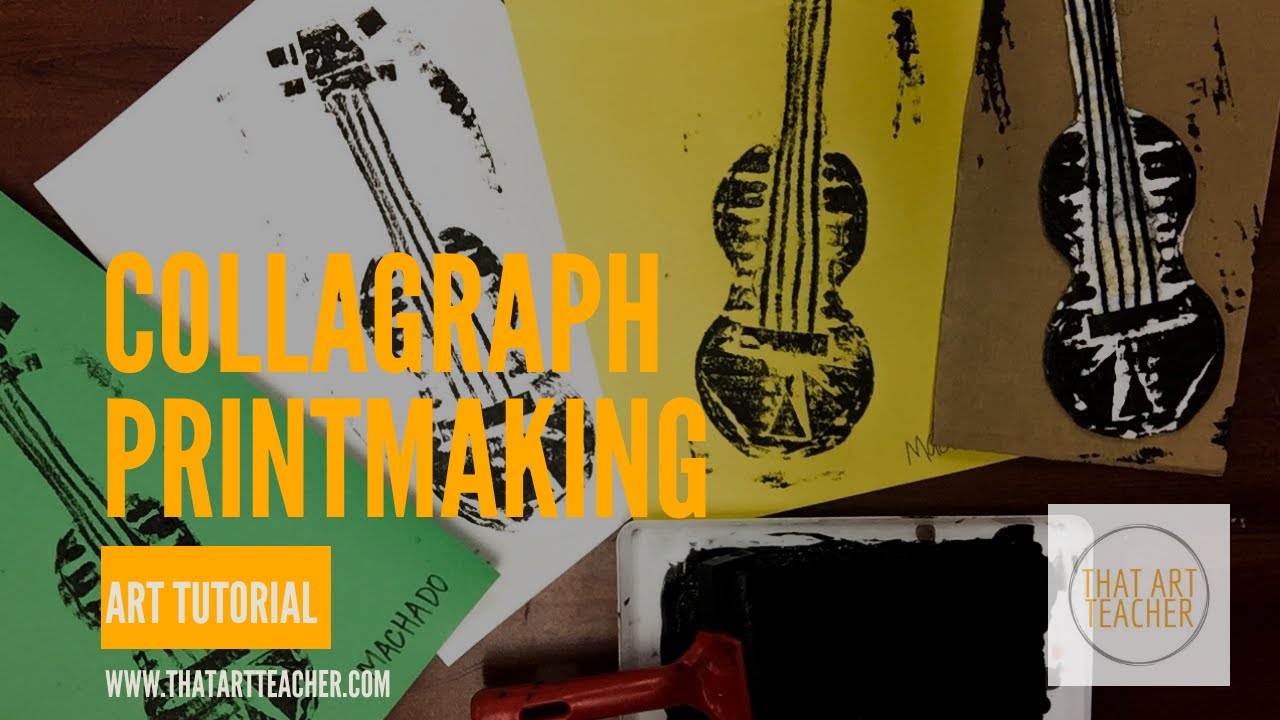
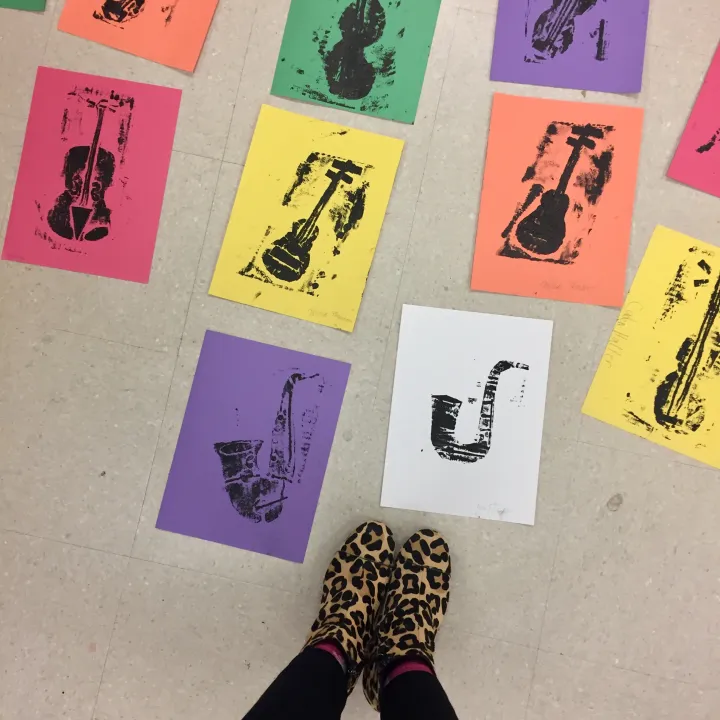
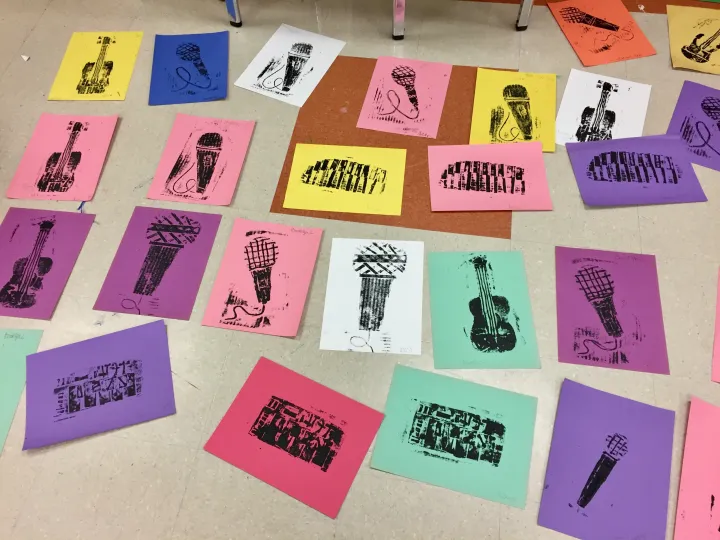
版画制作在课堂上趣味十足!我通常安排三天课时进行版画教学,确保每天仅5–8名学生完成印制。我已深刻体会到:放慢节奏、细致操作,远胜于仓促催促学生赶工以压缩课时。我让最先完成制版的学生优先印制,随后依学生完成印版的先后顺序依次排队。
印制完毕后,学生返回座位继续完善背景部分。这样的时间安排十分合理,尤其当你请先完成的学生担任印制站“小助手”时——他们乐于舀取油墨、指导新手,并协助管理这井然有序的“热闹场面”。这不仅大大减轻了我的工作负担,也让教学过程更富乐趣。我一边用手机抓拍精彩瞬间,一边送上鼓励话语,而真正的“重活”则由学生们亲手完成。
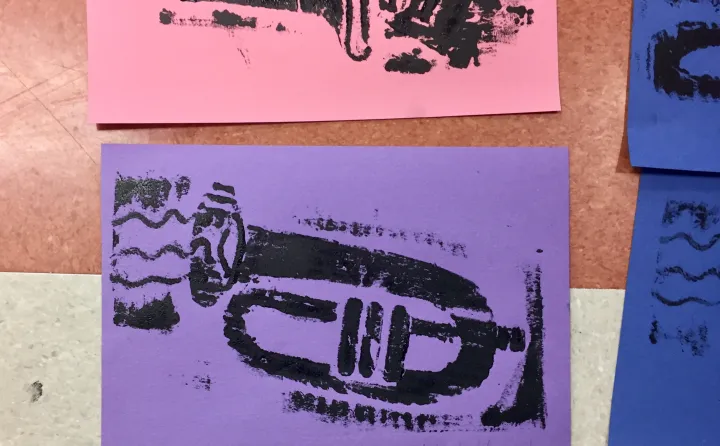
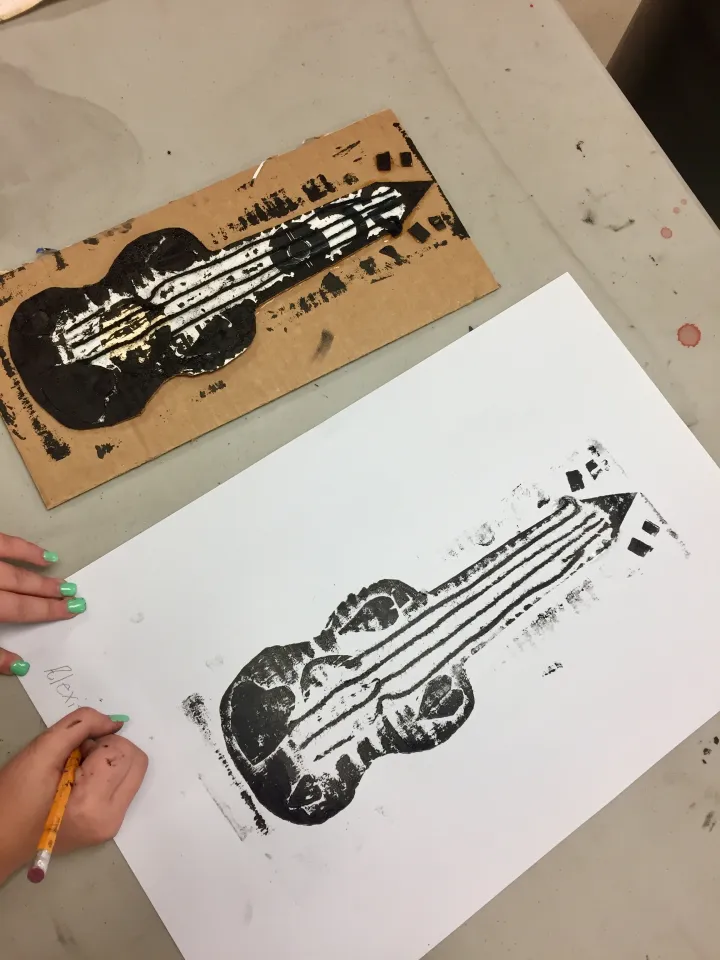
若您想尝试些新意,不妨试试这种泡沫塑料版画方案!它成本低廉、易于理解,且印制效果稳定可靠!
统整融合:
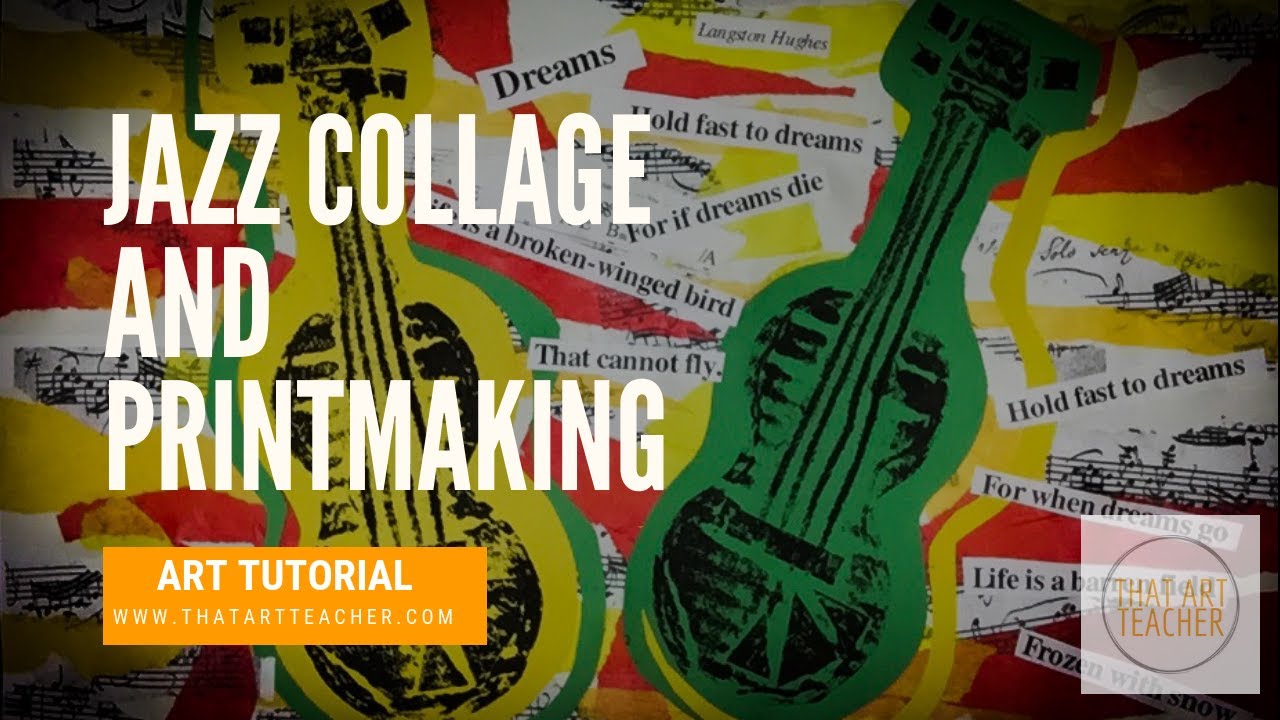
待全体学生完成印制后,便进入跨学科概念统整环节。上方视频向学生演示如何挑选最满意的印制作品(或若干佳作),并指导其如何排布歌词,作为最终点睛之笔。
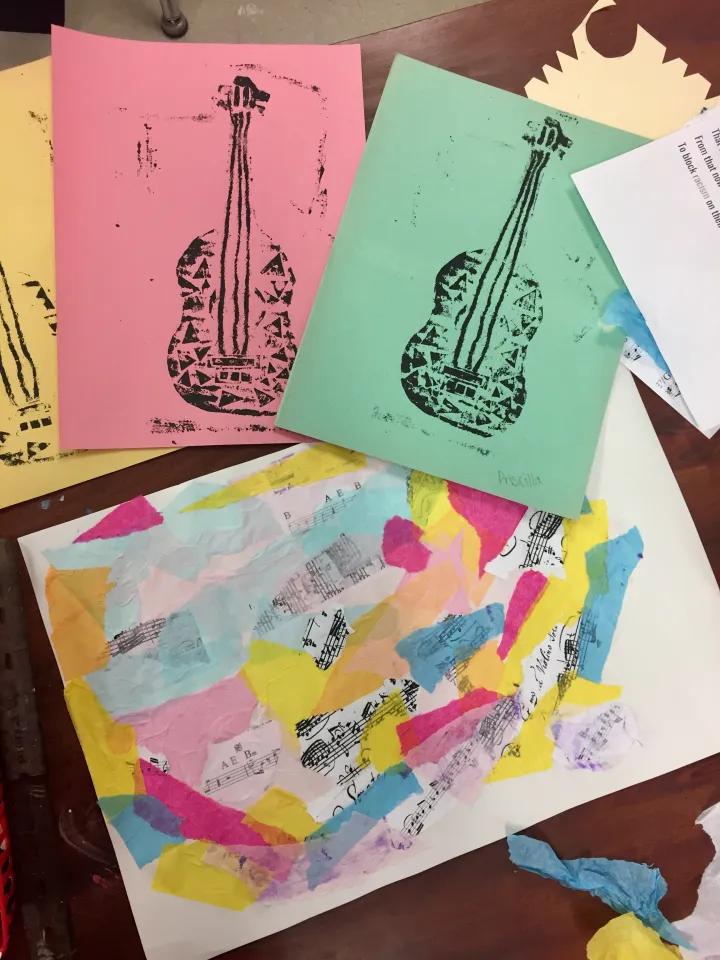
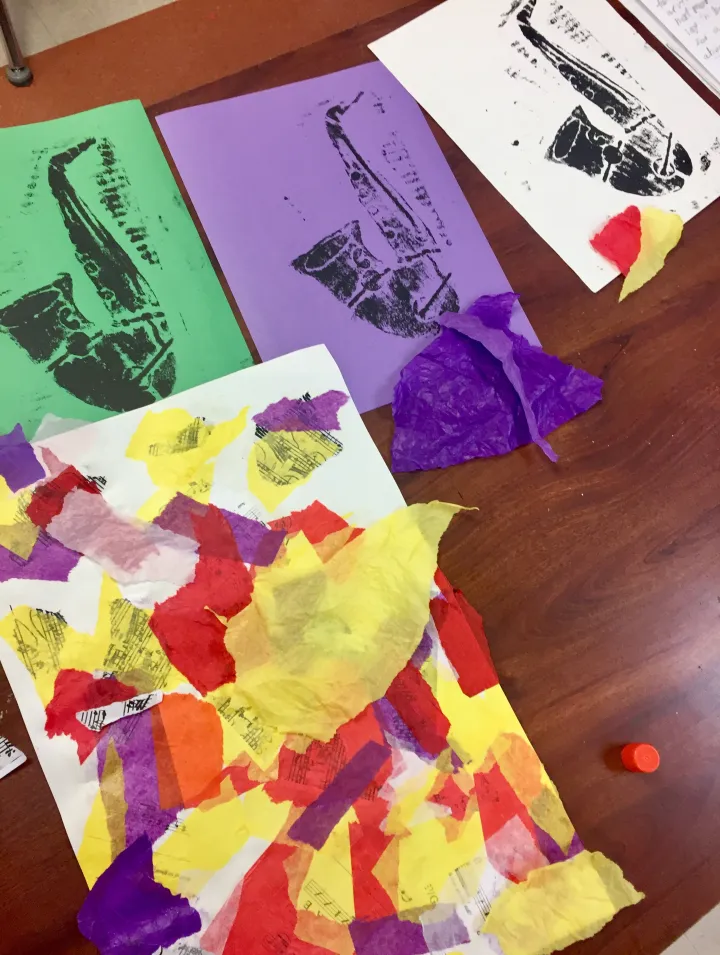
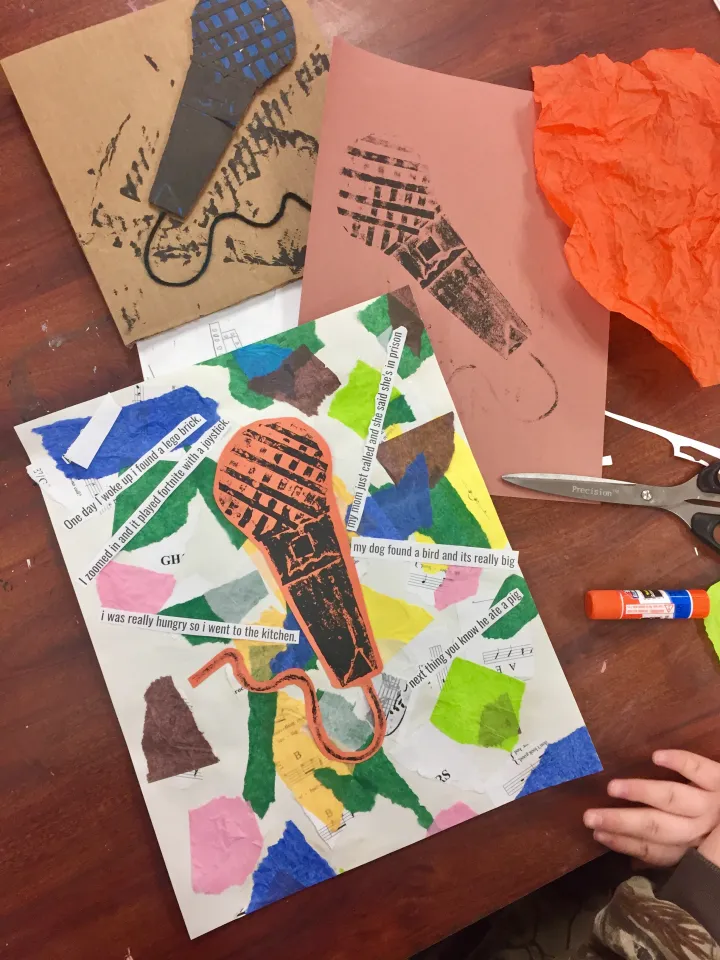
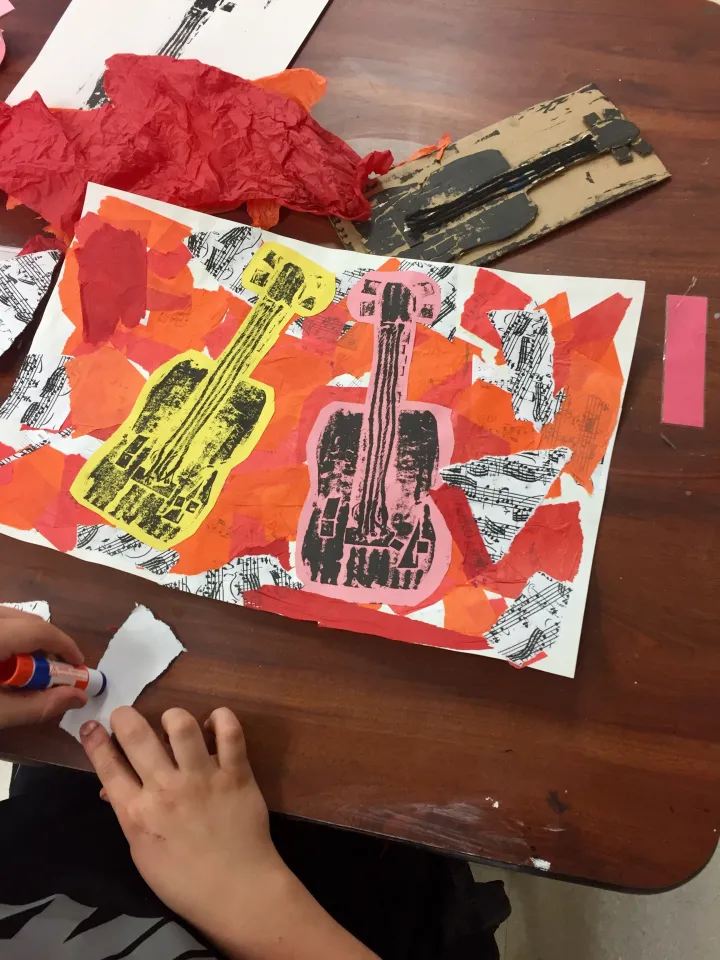
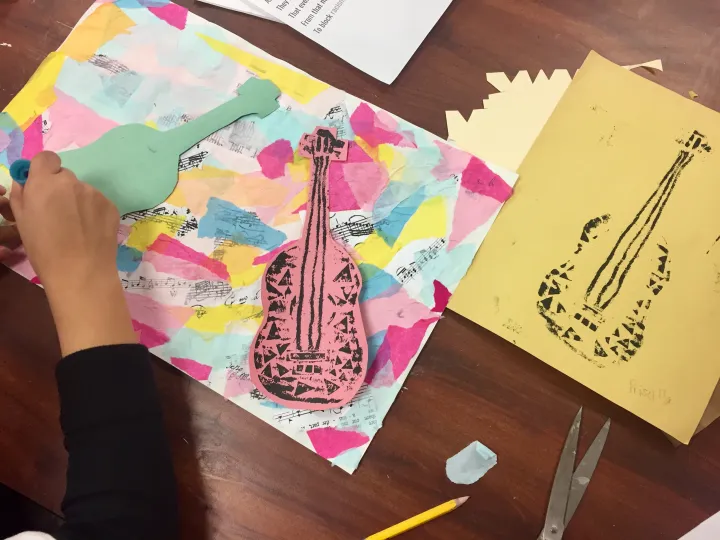
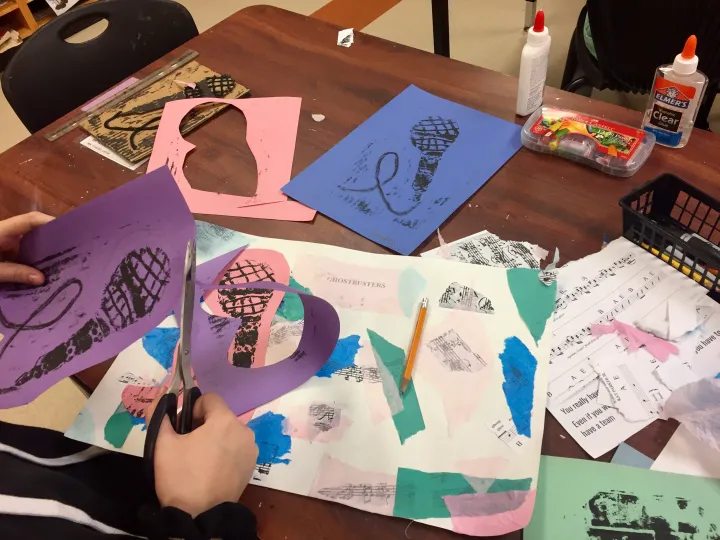
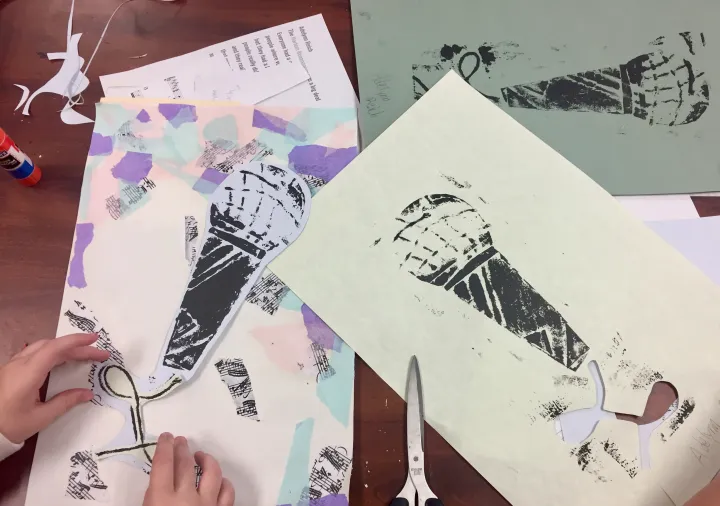
大功告成!
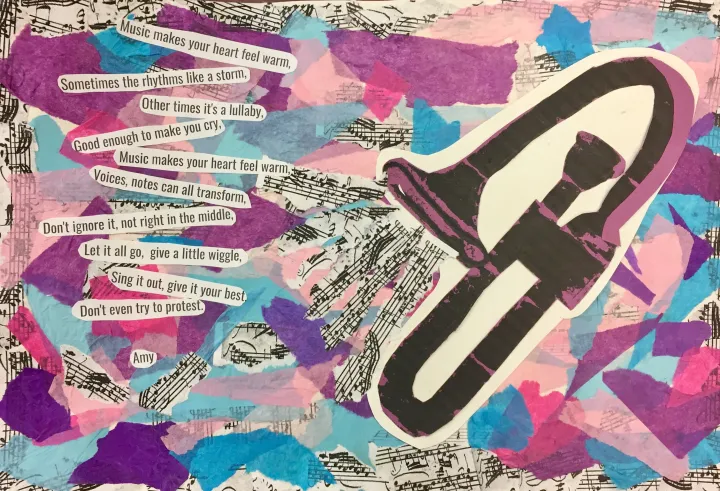
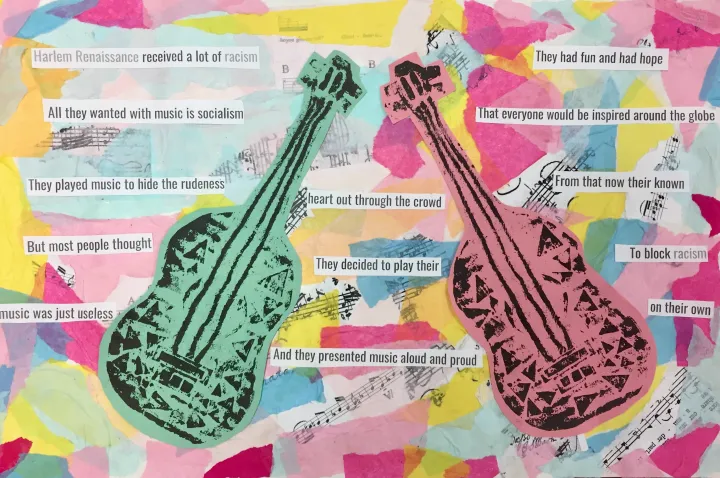
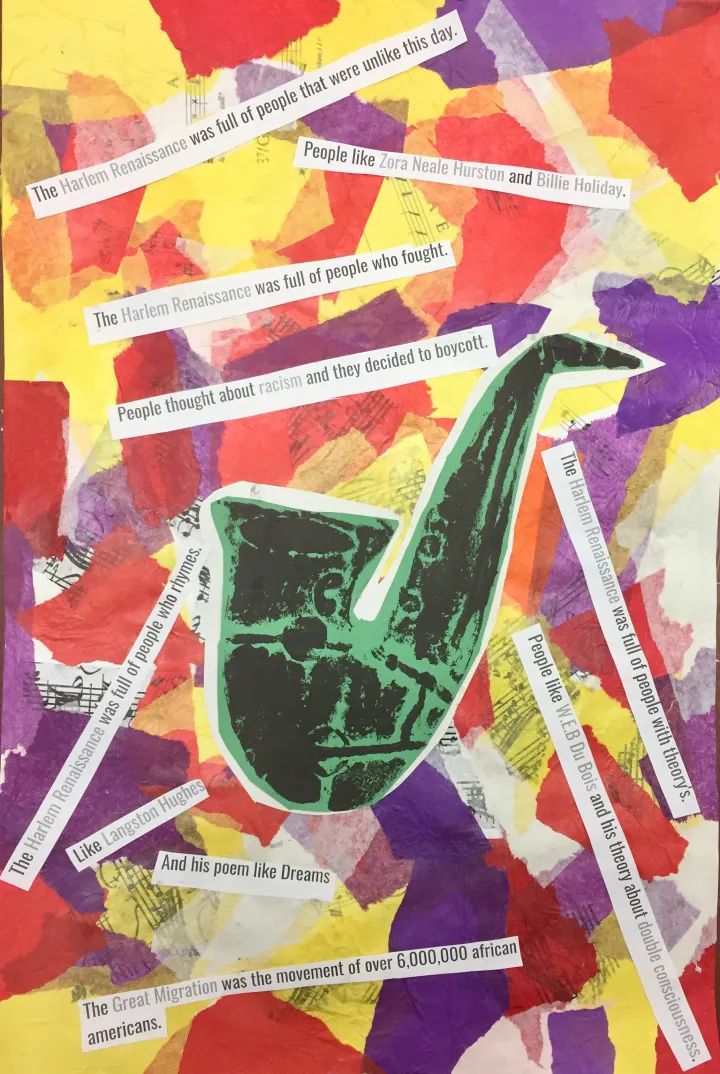
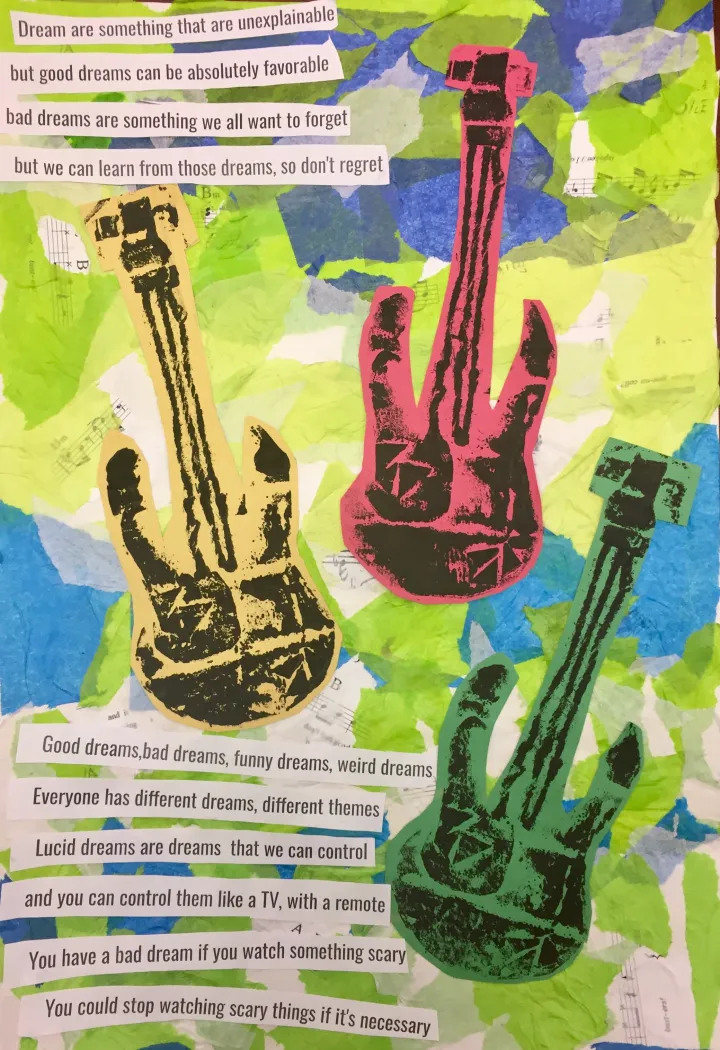
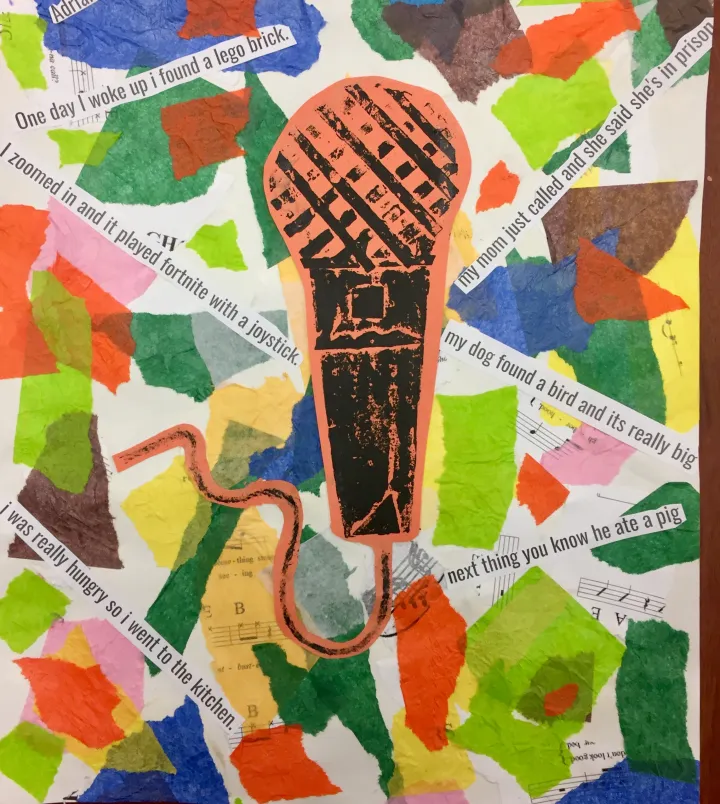
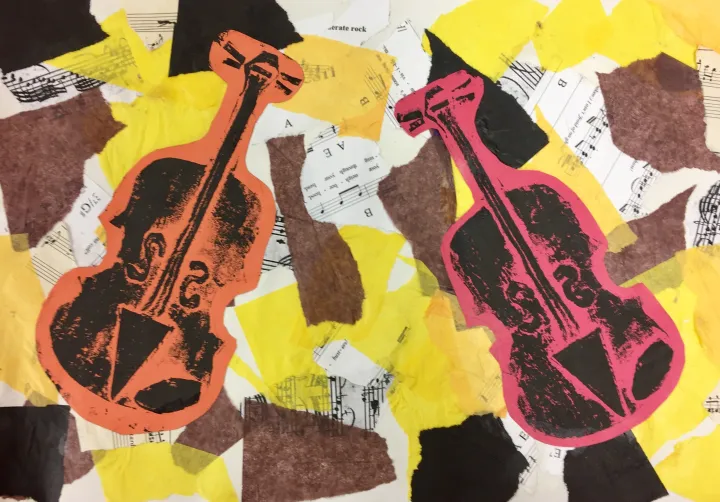
一个融合美国史、艺术史、版画制作、写作与音乐概念的跨学科单元计划。
想查看我的评分量规、每日艺术史热身练习及课堂讨论提示语吗?欢迎在下方留言!
订阅
Jazz Collage and Printmaking: Cross Curricular Art Unit
Original: https://thatartteacher.com/2019/03/08/jazz-collage-and-printmaking-cross-curricular-art-unit/
Date: 2019-03-08
Author: Sierra Machado
Categories: long form lesson plan, printmaking
Tags: art, art education, art lesson plan, art teacher, art tutorial, artist, collage, cross curriculr, featured, feautured, high school art, intermediate school art, middle school art, printmaking, teach, teach me how to paint, teacher, teaching, that art teacher, thatartteacher
This cross curricular unit started with a question: How can I incorporate printmaking in my art class without a printing press and without the budget to buy linoleum or carving tools?
Printmaking has always been my weak area in my teaching game. I’ve always felt like it’s a lot of extra work for unpredictable results. Forgive me, printmakers!!!! As an artist, I prefer to draw or paint my ideas. I am obsessive by nature and printmaking didn’t make sense to my personal style.
In my former life when I taught high school, I developed a solid linoleum printmaking lesson. Have you ever seen a student gauge their skin with a linoleum cutter? Blood everywhere. I was in need of a printmaking lesson that wouldn’t involve ambulance rides for my all-over-the-place ten year olds. These are the kids who rocket puke without warning and crash to the floor from their chairs at any given moment.
YouTube searches reminded me about collagraph printmaking. (BTW if you aren’t searching YouTube for all of your artistic questions, START NOW!). I remember doing a collagraph print in college, but it was just a random collage of textured objects. (Collage, college.) I thought how can I make this technique more meaningful and connected?
Our music teacher is awesome. She has these gigantic vocal ensembles that sound like a chorus of children on a television special. She recently wrote a grant to get a class set of ukuleles for her classroom. I don’t know about you, but we didn’t even get recorders in 5th grade music class! I was inspired by students coming to class carrying drawings of ukuleles with all the parts correctly labeled.
My vision was born. A music and art collaboration.
Printing Plate
The printing plate will be students’ biggest stress during this unit, hands down. Like me, they have a hard time wrapping their head around how a printing plate will transfer an inked image. I finally made a video tutorial of each technique for this unit and it HELPED SO MUCH. Showing the actual steps of the finished project really helped “click” the steps of this artwork. “Ohhhh, that’s why we have to do things in reverse!” was a common reaction.
I had students select musical instruments of their choice. I told them pick an instrument that inspires you, but also one you feel comfortable drawing and cutting out of cardboard. “I will help you, but you will be the one doing the work.”
I was very lucky with my timing this go around, because students had just finished meeting with band teachers to pick their instruments for their 6th grade year. This along with the ukulele connection made students really excited to pick an instrument they might actually learn to play!
Background Collage
We worked on our background collage simultaneously with our printing plate. Students loved ripping into old sheet music. I had some sheet music donated to me and the rest I simply printed from a google search. I gave each student one piece and I have an endless explosion of tissue paper.
Students need to be coached to tear SMALL pieces (I gave them a guideline of smaller than the width of your hand, unless you are doing a longer and skinnier piece).
Students also need to be coached to go all the way to each edge and corner and to GLUE DOWN EACH PIECE FLAT. I had to re-teach how to generously use a glue stick to go around all of the edges.
Luckily glue sticks is on our school supply list and I have a really large supply on hand. Classroom teachers have always been willing to share if I get low at the very end of the year!
Writing Lyrics
This was part of the unit I wanted to make amazing. I’m very comfortable teaching art, it’s what I do all day every day. But writing? I love to write, but I have no training on how to teach it. The first time I incorporated writing I gave them one day and a four line requirement. I let them work with a partner and I didn’t give much instruction or examples. I had a wiiiiddddeee variety of levels, and at the end of the day I was just happy I could say at least I tried integrating writing.
This time, I talked out my ideas with 5th grade ELA teachers. They suggested using Flocabulary (which our fabulous PTA purchased a subscription for our school) to help guide their rhyming patterns and topic. I hit the jackpot when Flocabulary had a whole section on the Harlem Renaissance, which was the art era we had been discussing. Students really connected to the audio and visuals of the video and they asked some great, but difficult, questions.
“Why are all of the musicians in Romare Bearden’s art African American?”
“When did segregation end?”
“Could black people and white people go to the same jazz clubs?”
I found it inspiring and challenging at the same time. This time the song lyrics were much more in depth and although I didn’t require their topic to be the Harlem Renaissance, many students choose to explore what it might feel like to be a person during this time in American history.
We also read Dreams by Langston Hughes and many students choose to explore a dreams from reality or fantasy. Just like with anything else, the lyrics were a wide range of abilities. One thing I found humerous was that multiple students rhymed “New York” with “pork”. Flocabulary has a rhyme generator and that one just kept catching students’ eye. It made for some unintentionally hilarious lyrics.
Printmaking
Printmaking is so much fun in the classroom! I try to allow three days for printmaking so that 5-8 kids print each day. I have learned that slow and careful is much better than trying to rush the students through the process so that it takes up less class time. I have the early finishers printing first and then as students finish their printing plate they’re next in line.
Once finished, students are sent back to their seats to finish their backgrounds. The timing works out really well, especially if you get the early finishers to man the printing station. They love scooping ink, guiding the newbies and helping manage the organized chaos. It makes my job so much easier and fun. I snap pictures with my phone and say encouraging words while my students do the heavy lifting.
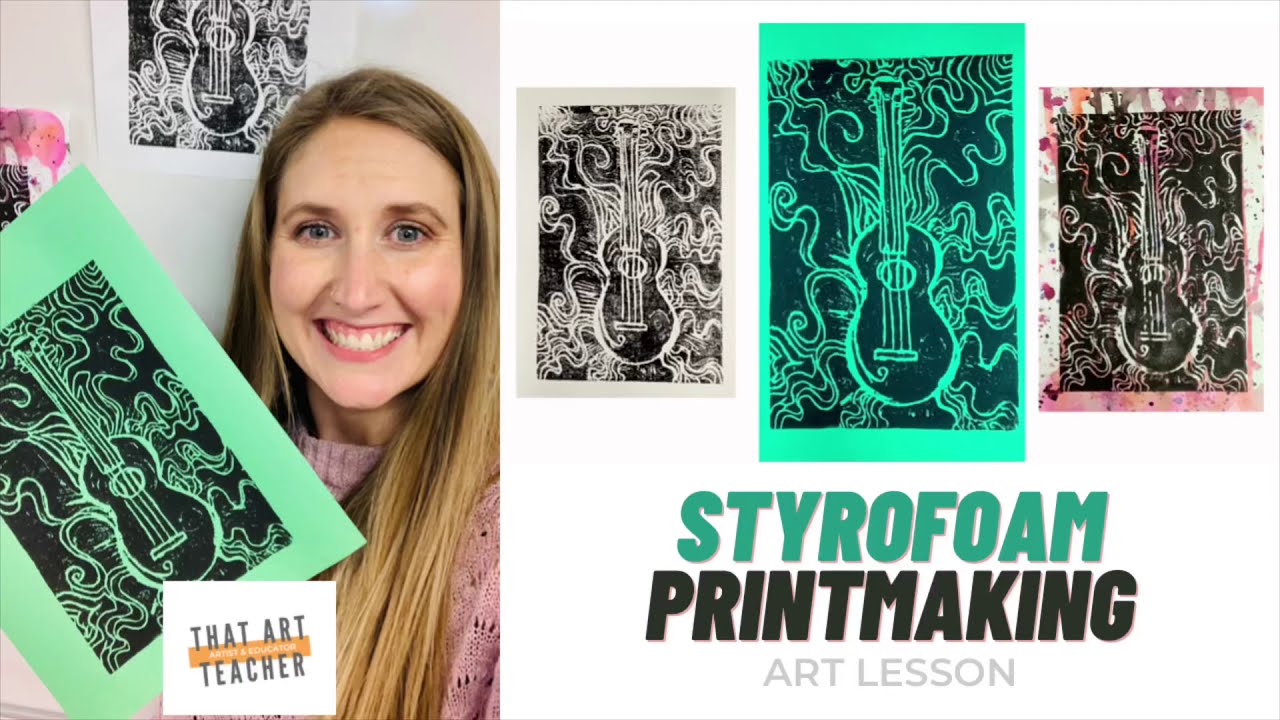
If you are looking to mix things up, try out this styrofoam printing option! It’s affordable, easy to understand and produces consistent results!
Putting it All Together:
Once everyone has printed, it’s time to bring all of the cross-curricular concepts together. The video above shows students how to pick their best print (or prints!) and how to arrange their song lyrics for the finishing touch.
Viola!
A cross curricular unit plan that incorporates American and art history, printmaking, writing, and music concepts.
Want to see my rubric and daily art history warm-ups and discussion prompts? Comment below!
Subscribe