未来主义奥运会:记号笔版本
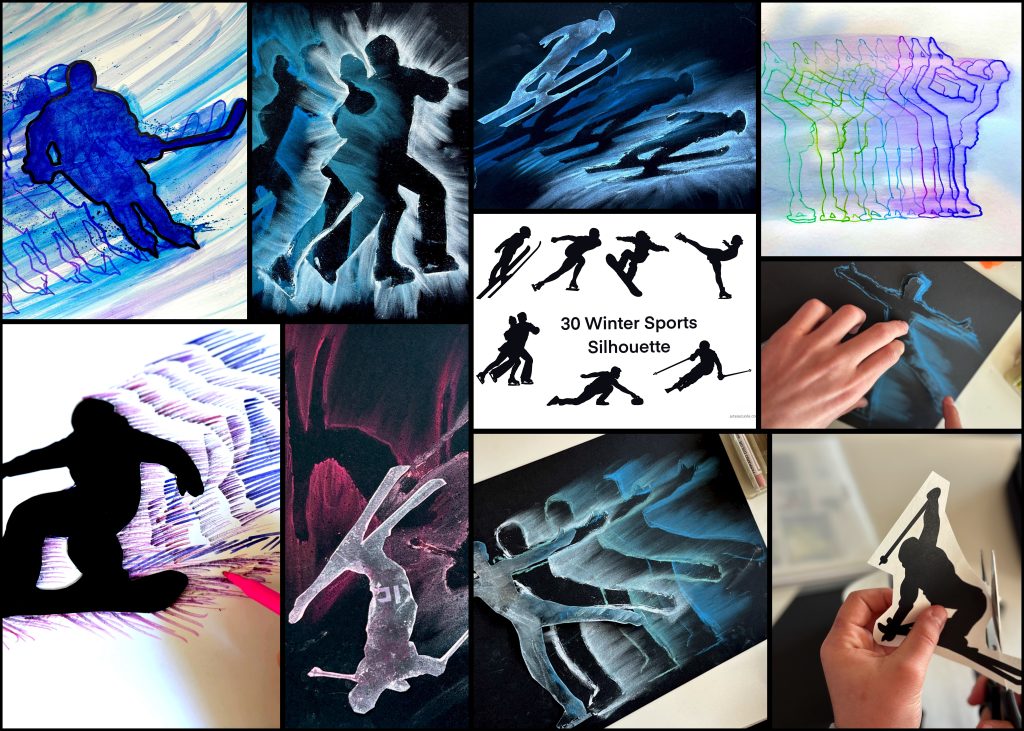
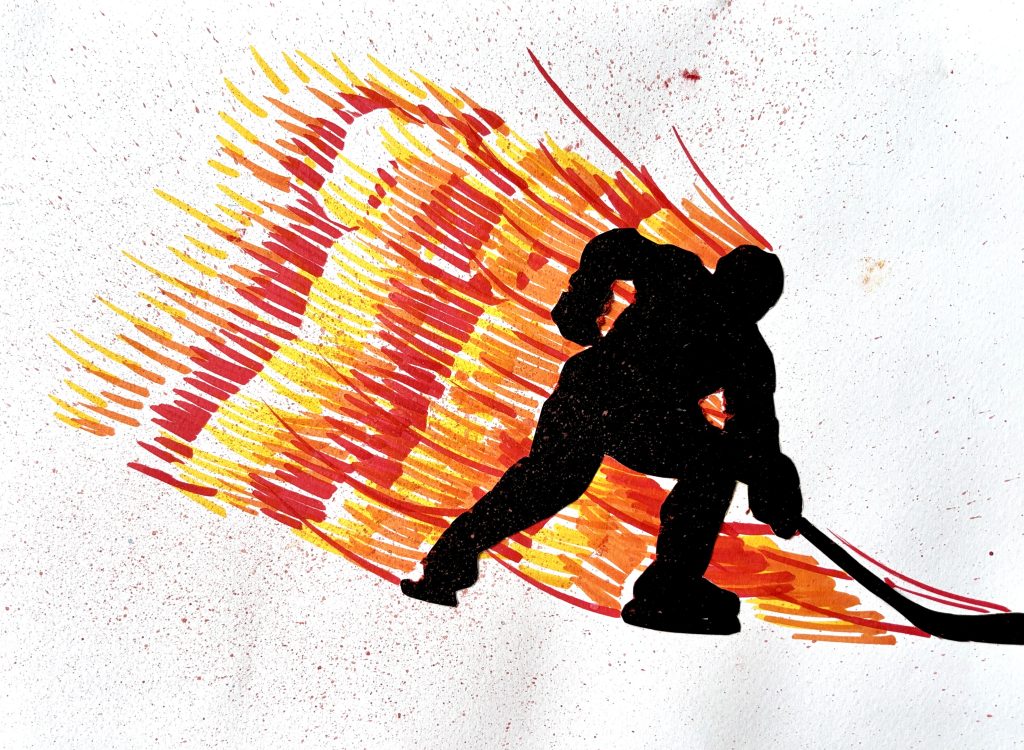
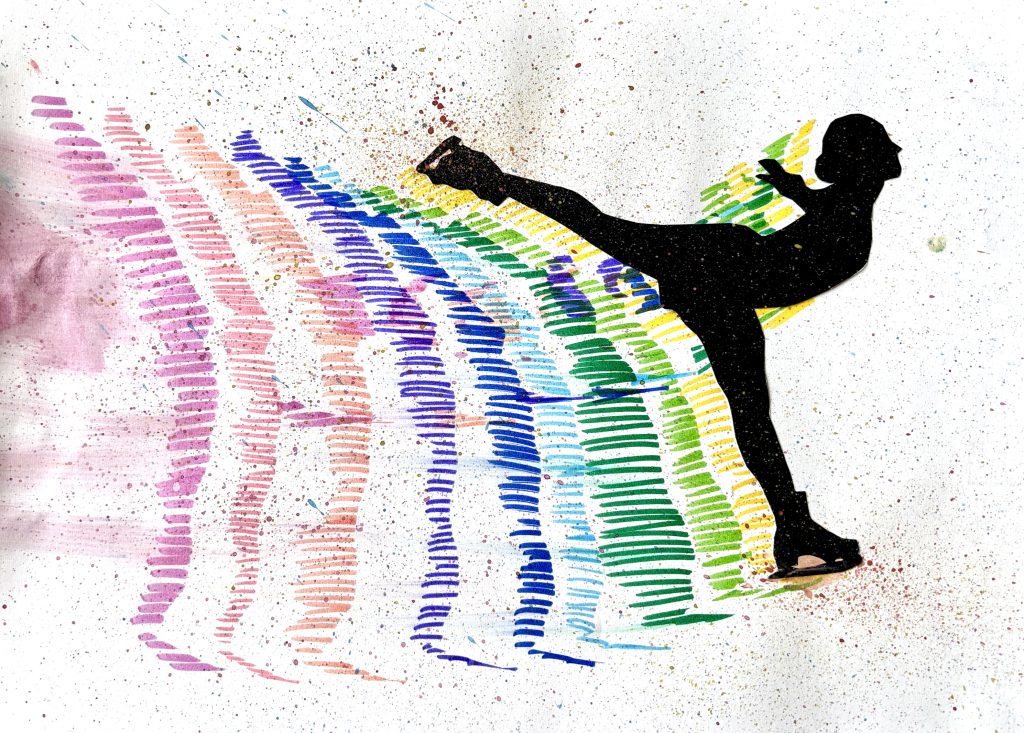
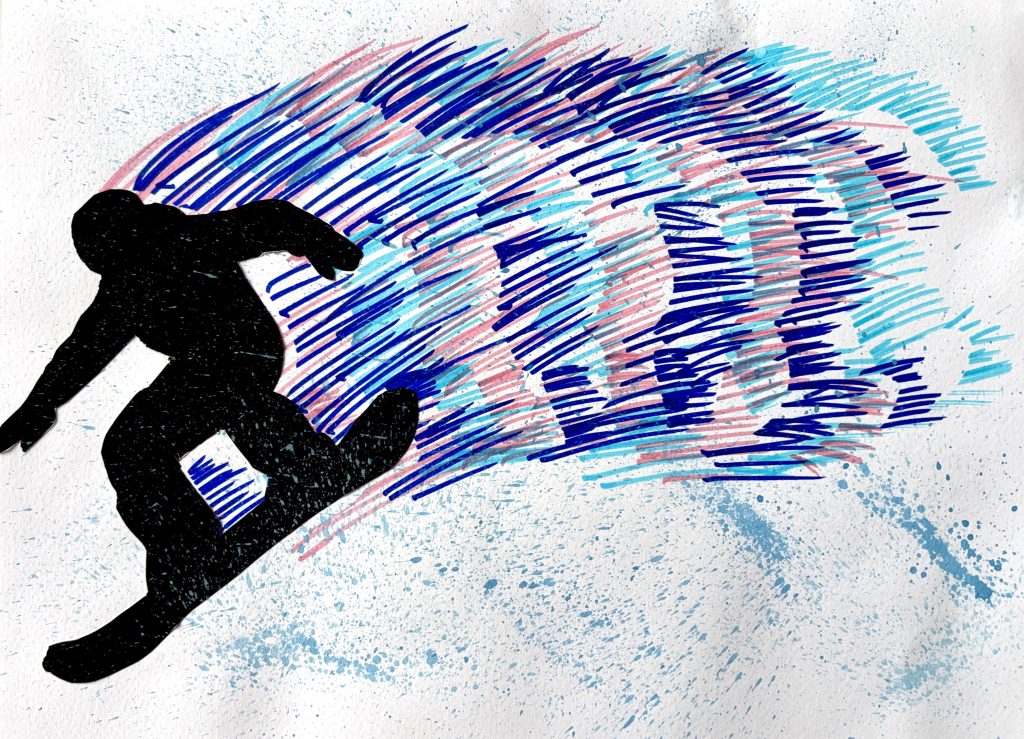
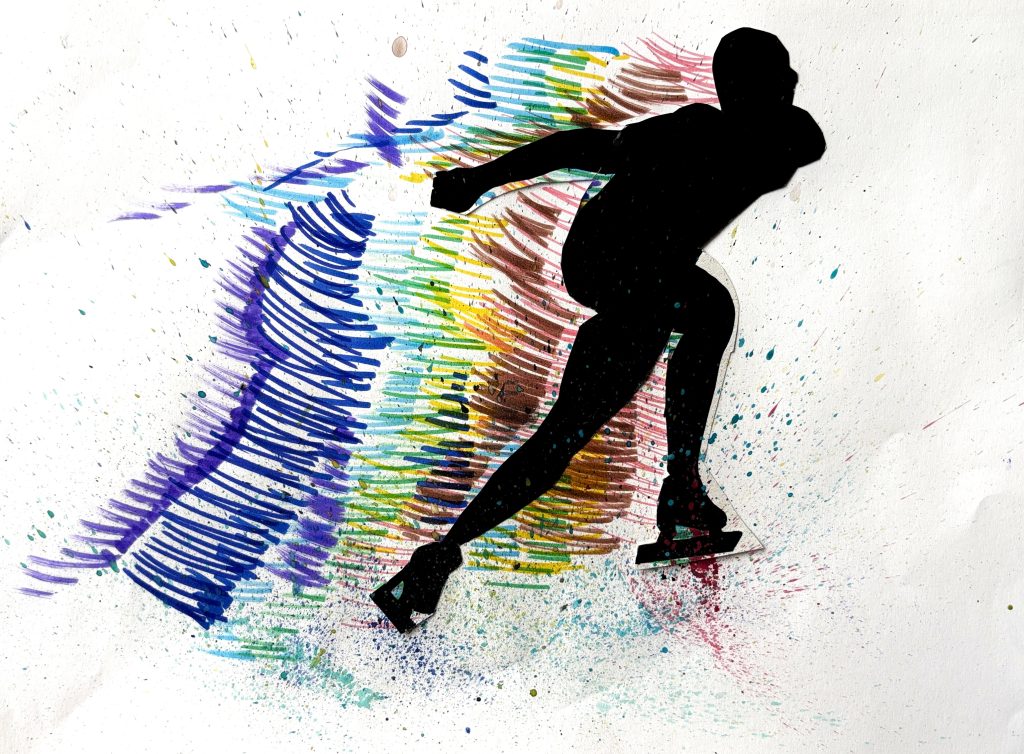
受贾科莫·巴拉作品启发,例如《小提琴手的手》或《拴着皮带的狗的动态》,我们在八年级课堂上探索了未来主义中典型的运动表现手法。值2026年冬季奥运会之际,我们选取了从事各类运动的运动员剪影,尝试通过连续性人物形象与力线来捕捉其动感,融合艺术、体育与视觉感知。参考图片如下:
所需材料:
- 白色绘图纸(约9×13英寸,或A4/信纸尺寸)
- 印在白纸上的运动员剪影
- 彩色记号笔(马克笔)
- 剪刀与美工刀
- 固体胶棒
首先,每人选择一张运动图像,沿边缘仔细剪下,制作出清晰的剪影。对于较小细节及内部结构,则使用小型美工刀处理。
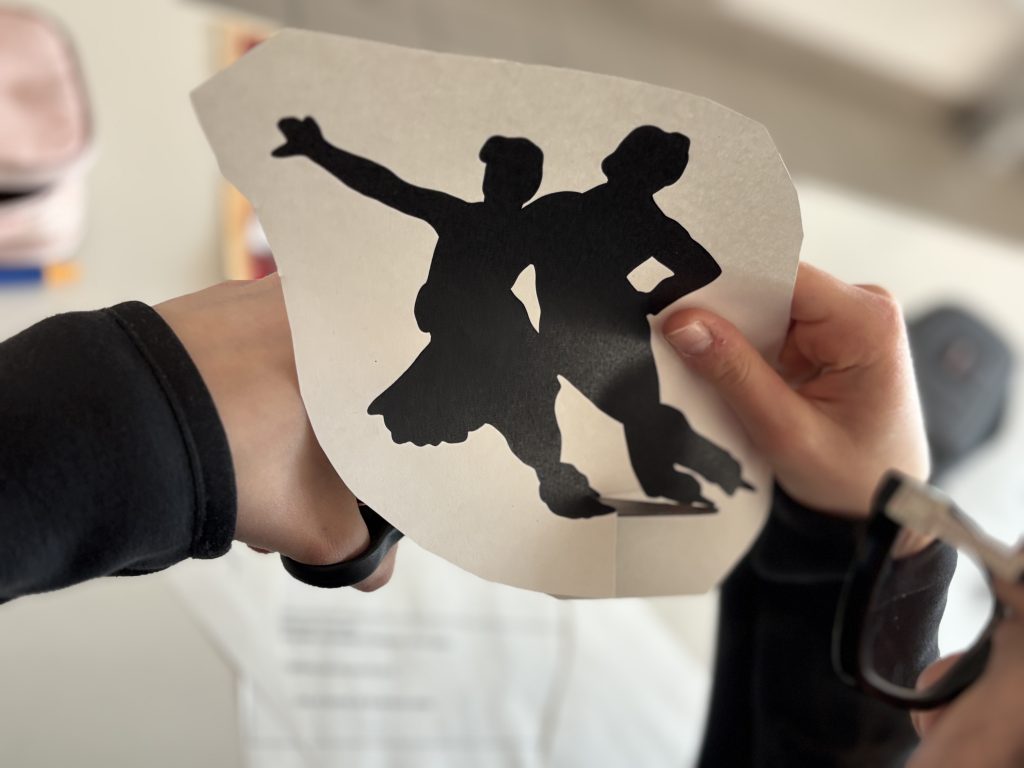
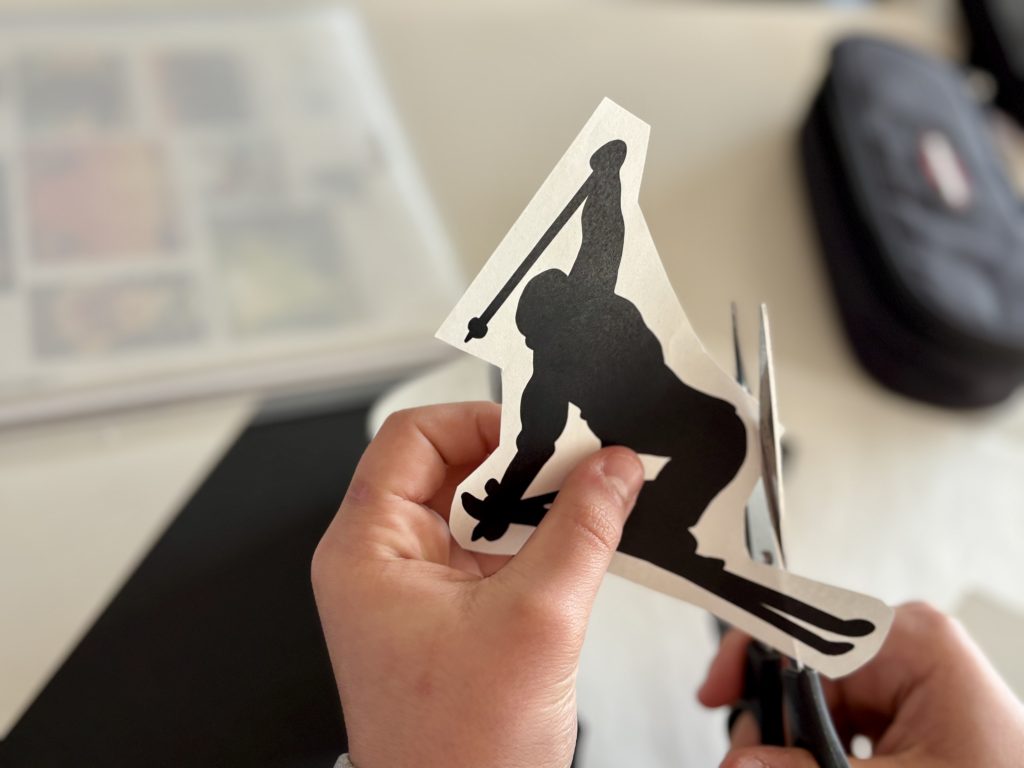
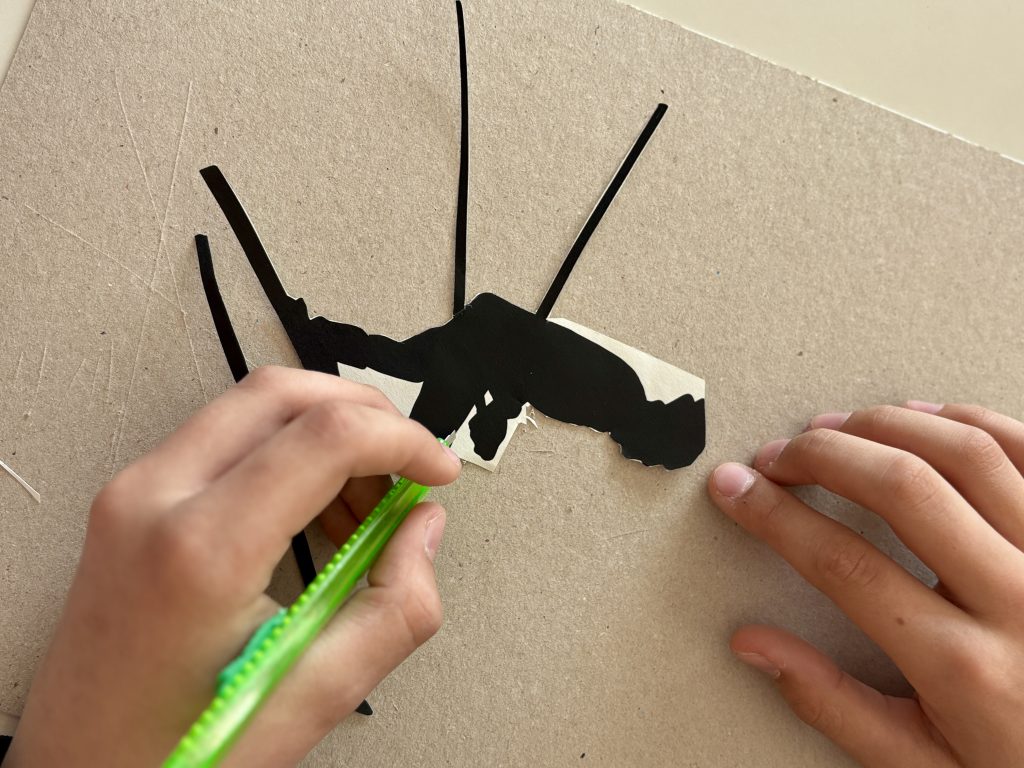
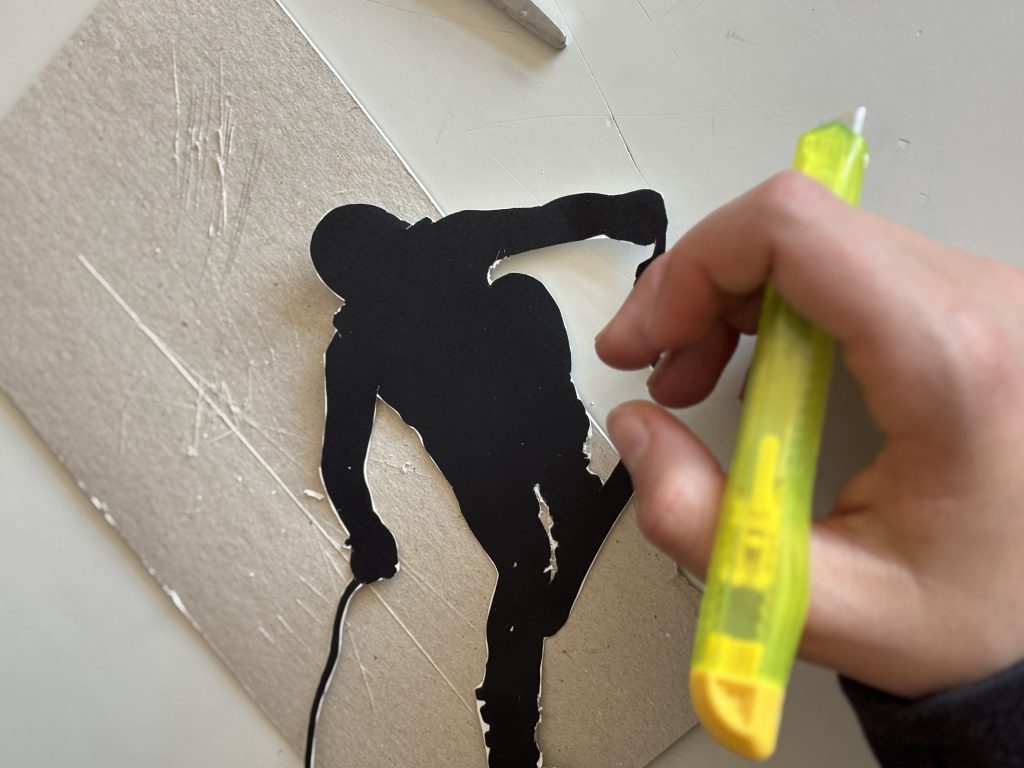
正式上色前,我们在白纸上研究构图:预先规划剪影人物的摆放位置,确保整套动作序列能完整容纳于纸面之内,模拟运动员在空间中的位移过程。
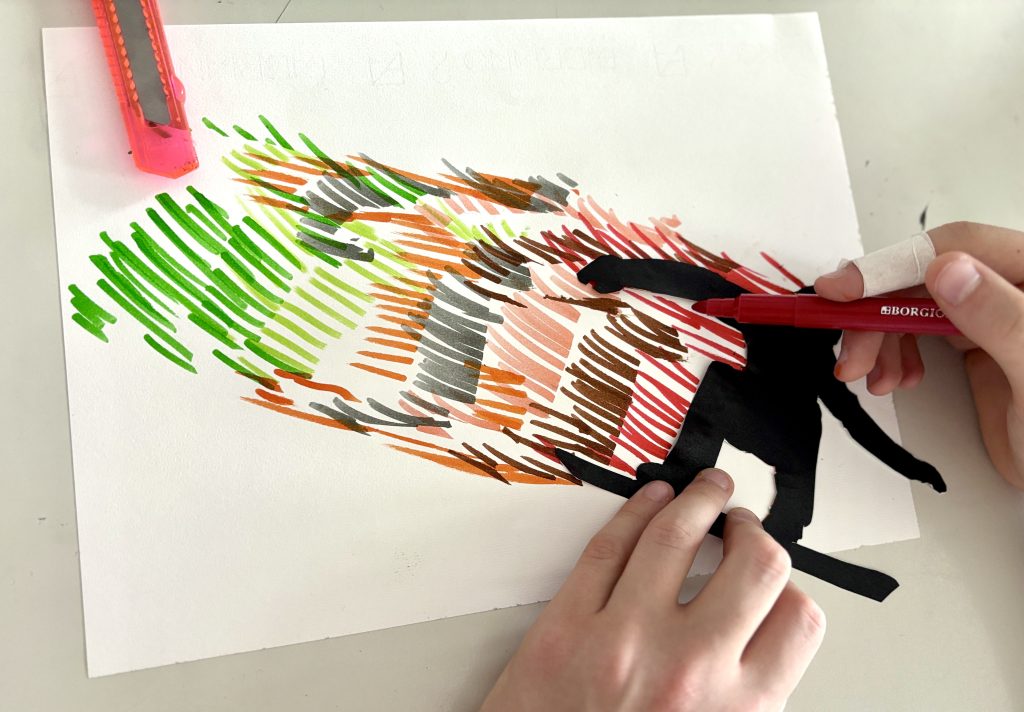
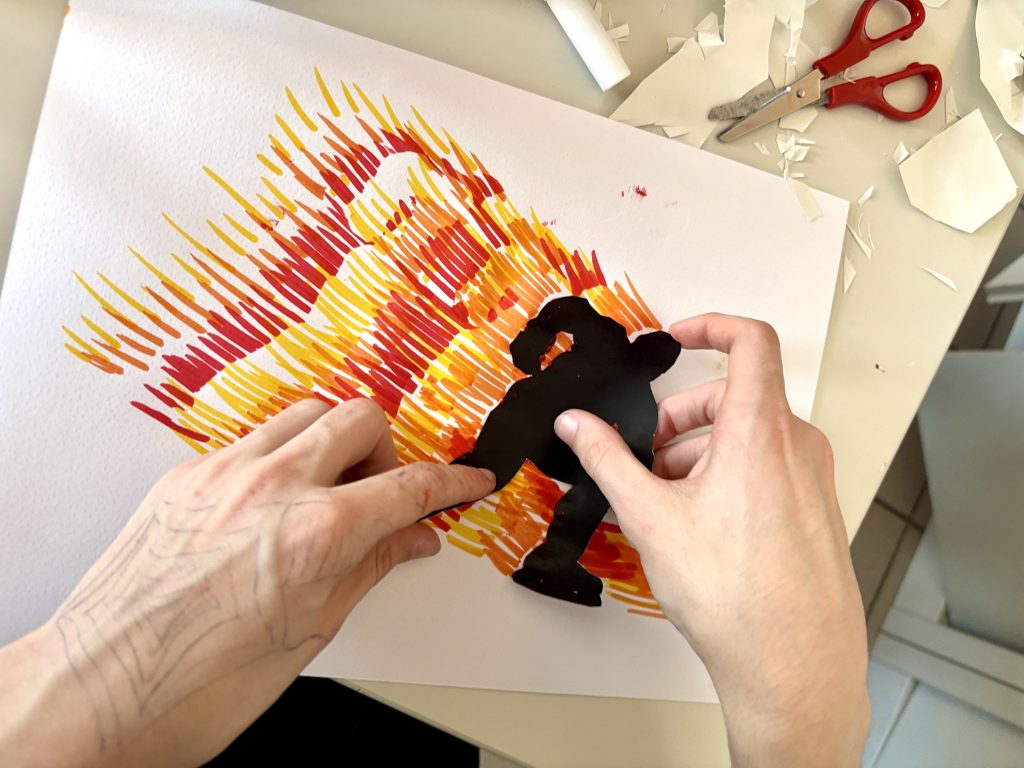
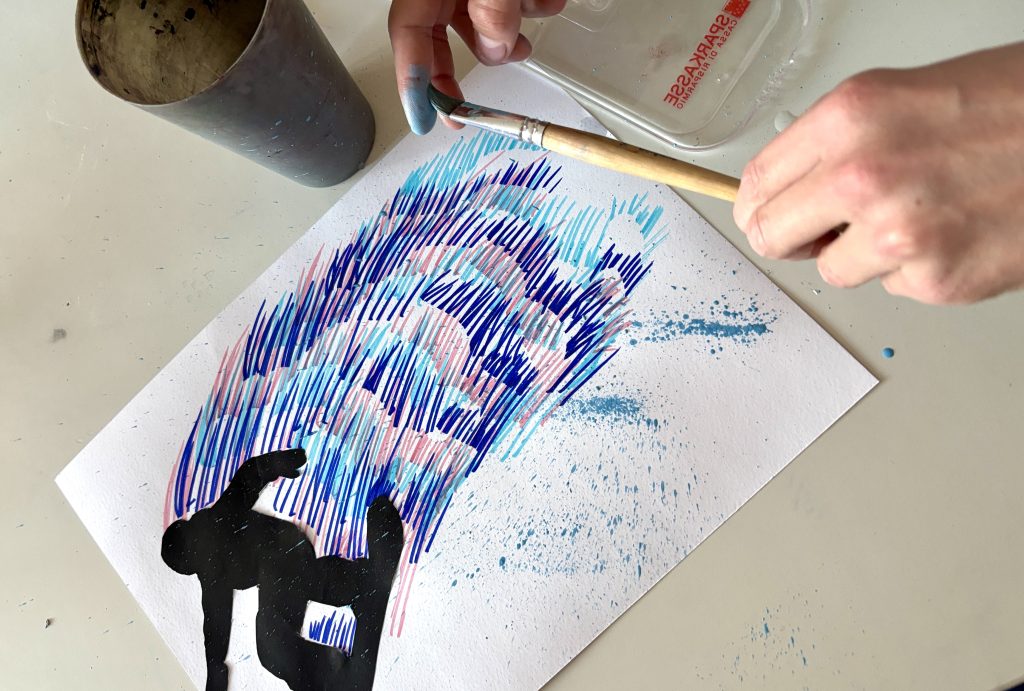
接着,我们挑选一组彩色记号笔——依个人喜好选择渐变色系或对比色调。将剪影牢牢按在白纸上,用记号笔朝单一方向(即运动员运动方向)画出一排排平行线条;这些彩色运动线需覆盖在剪影之上,此时剪影充当模板(STENCIL)。作画时,须用非执笔手稳稳固定剪影。
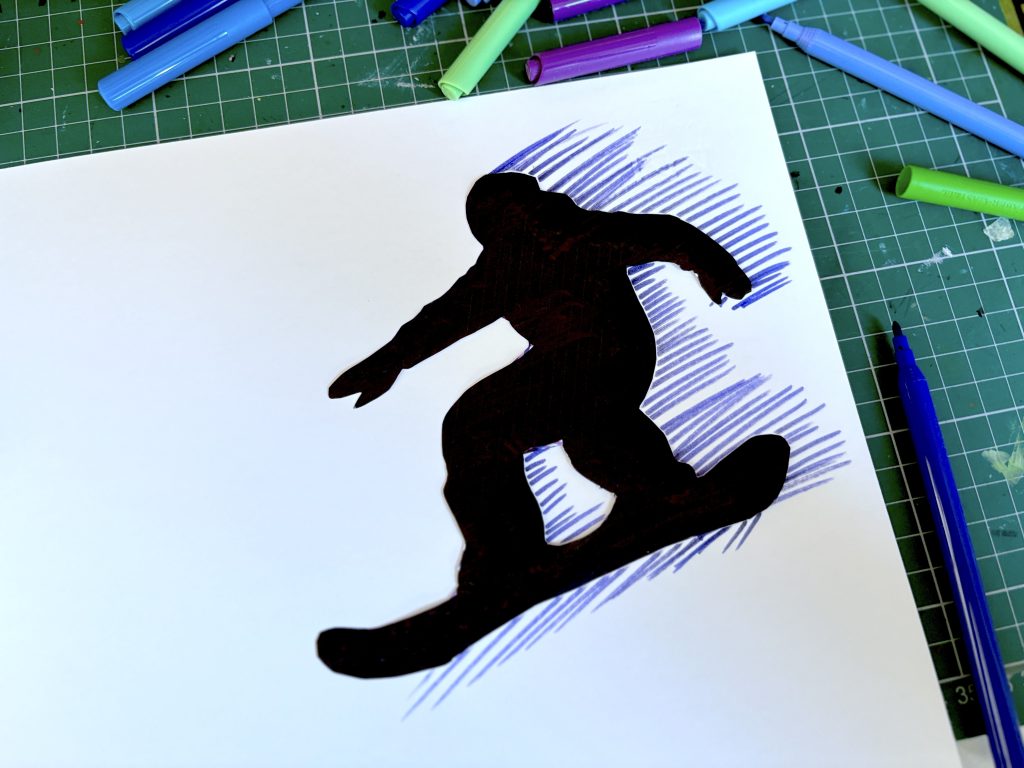
不抬起剪影,仅将其轻微横向平移,再以第二种选定颜色重复上述步骤:仍朝同一方向画线,从而营造位移感与速度感。持续以此方式推进,并使后续笔触稍作重叠,即可形成一条连续的彩色轨迹,生动传达人物穿越空间的意象。
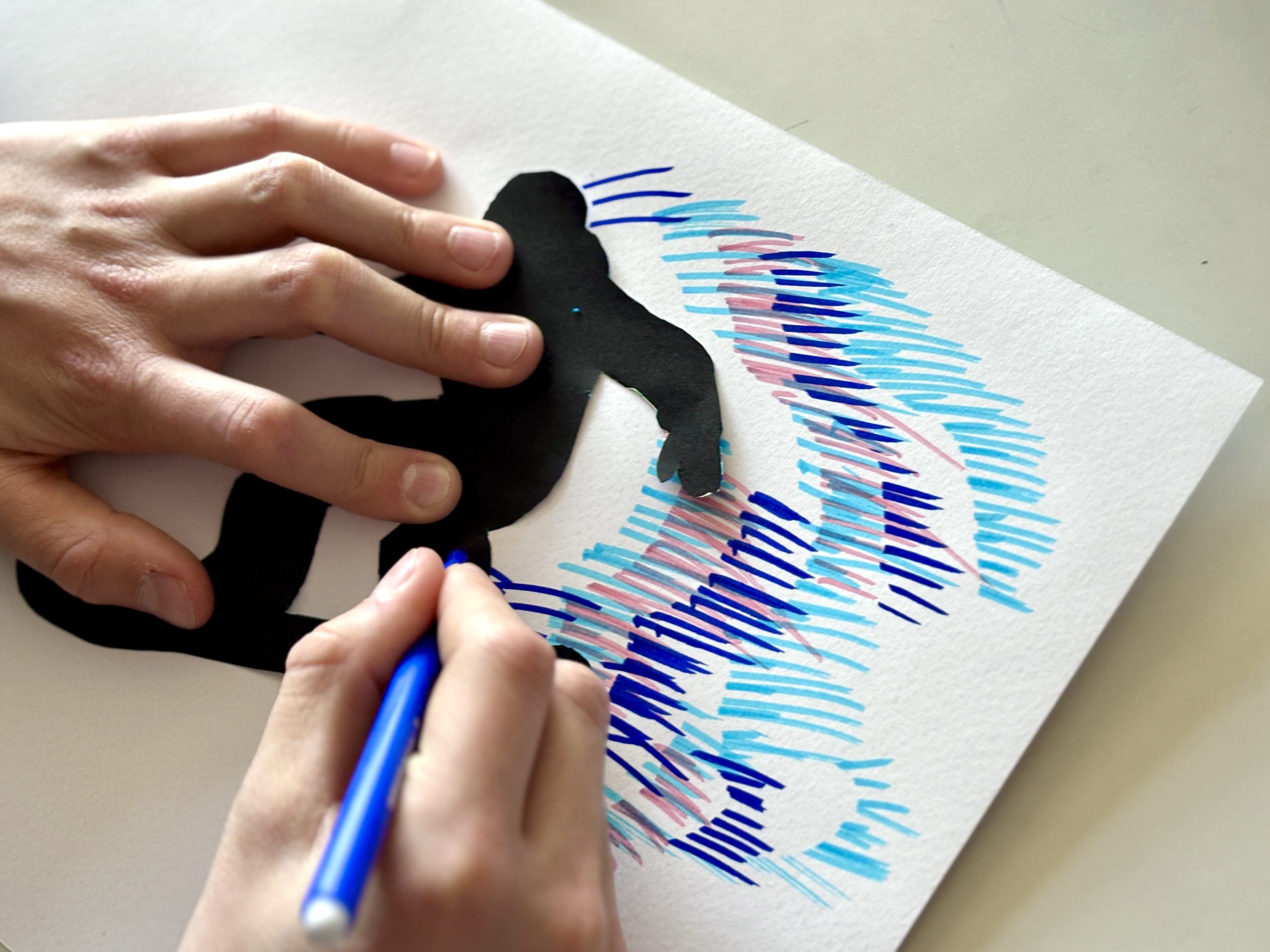
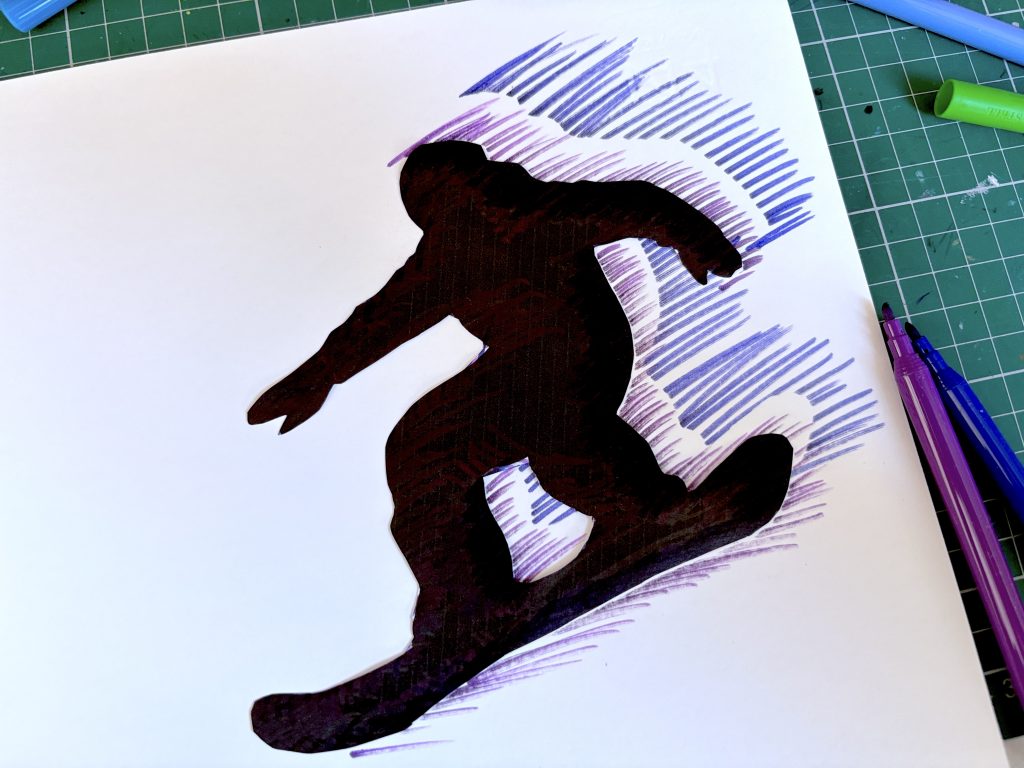
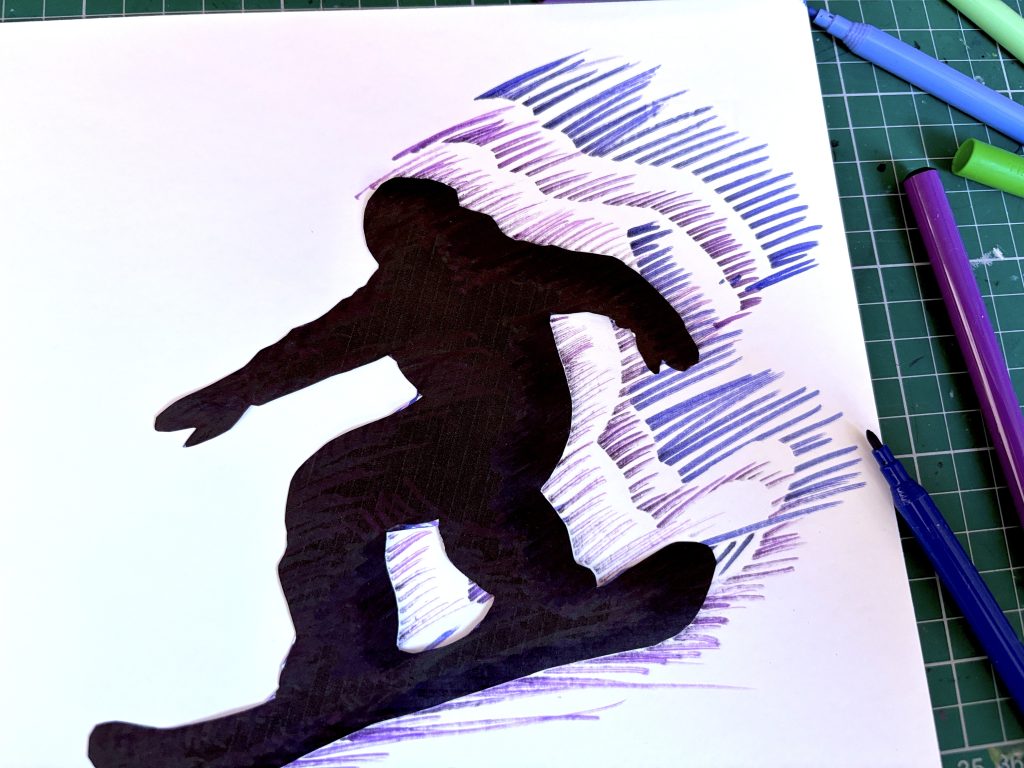
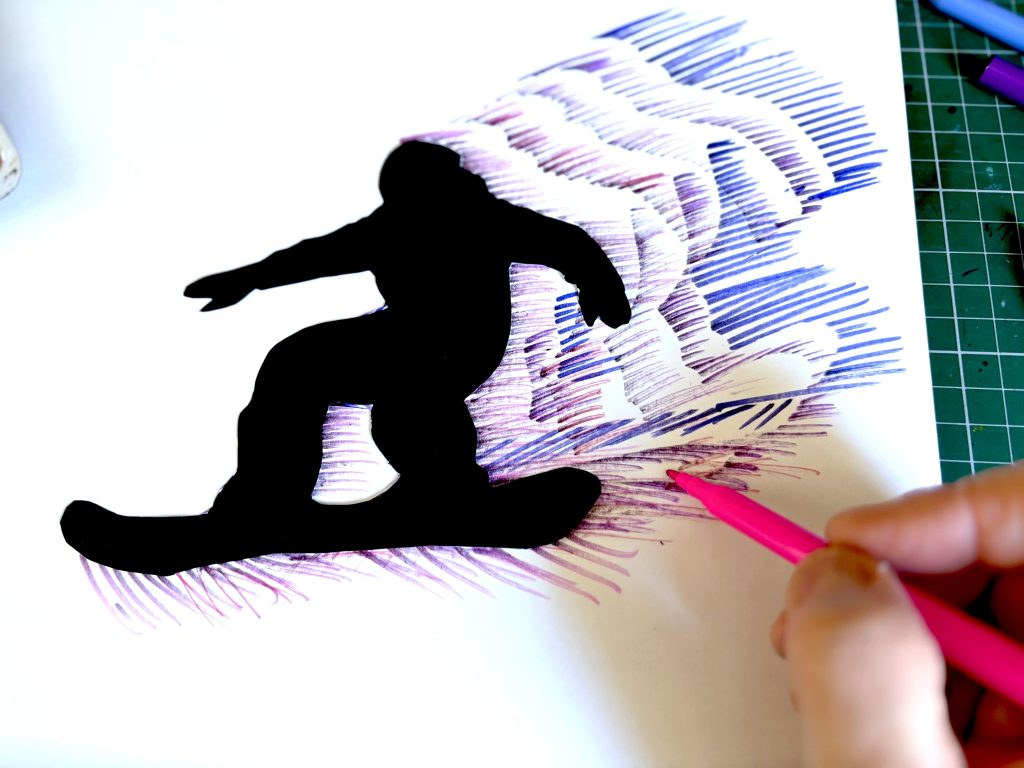
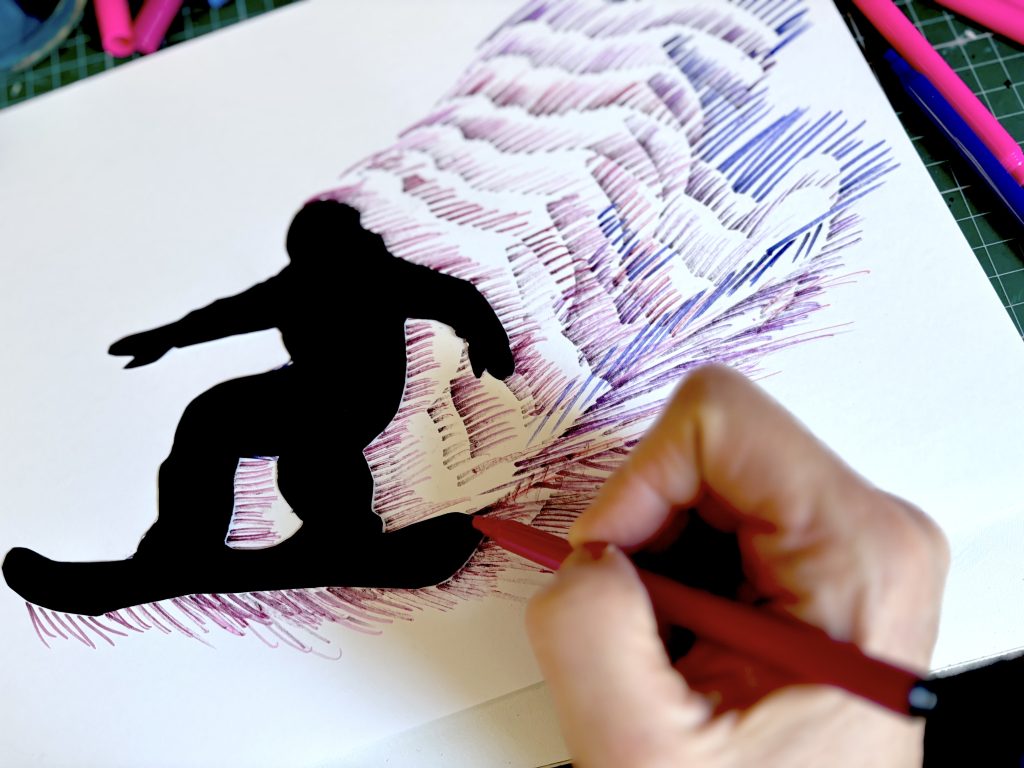
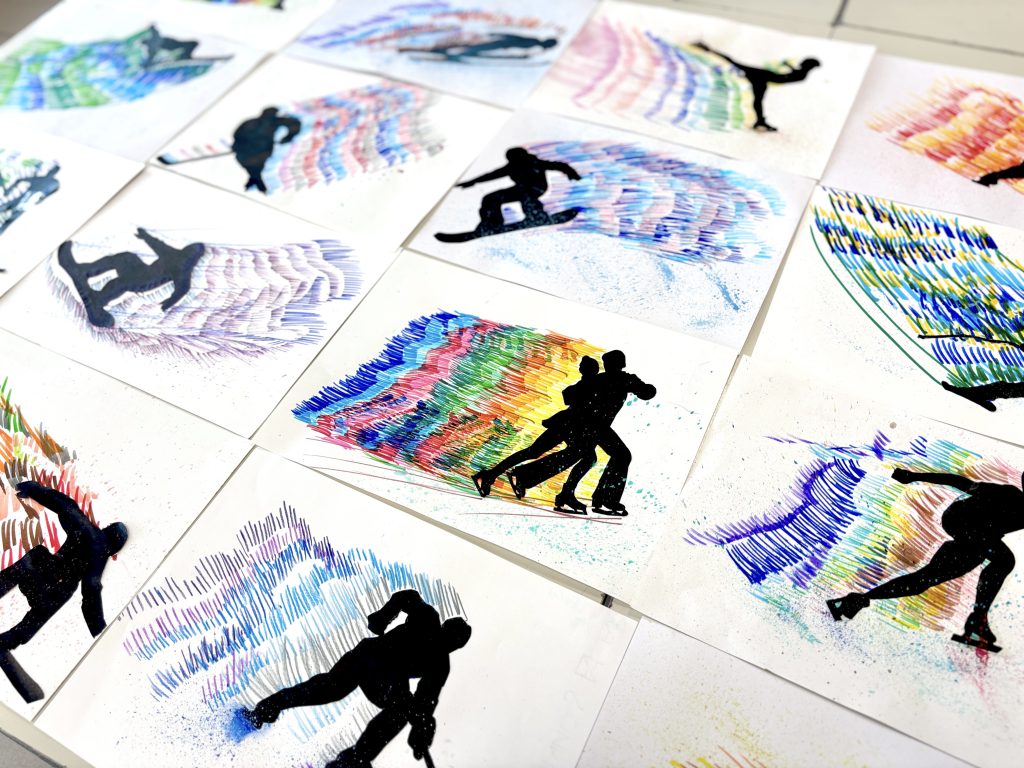
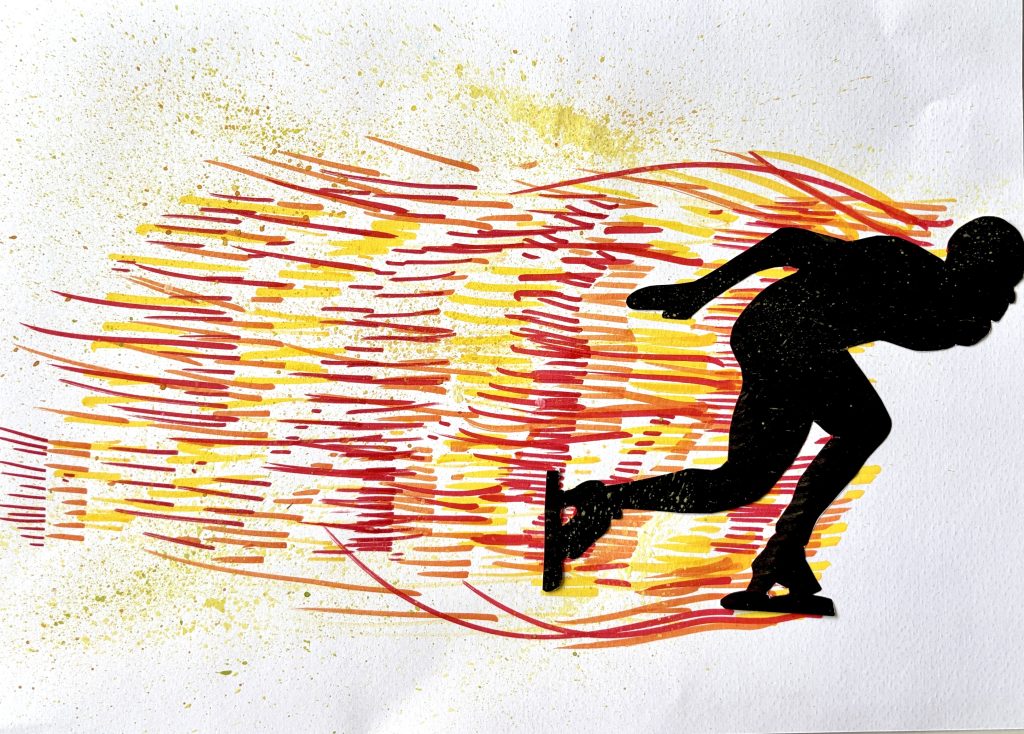
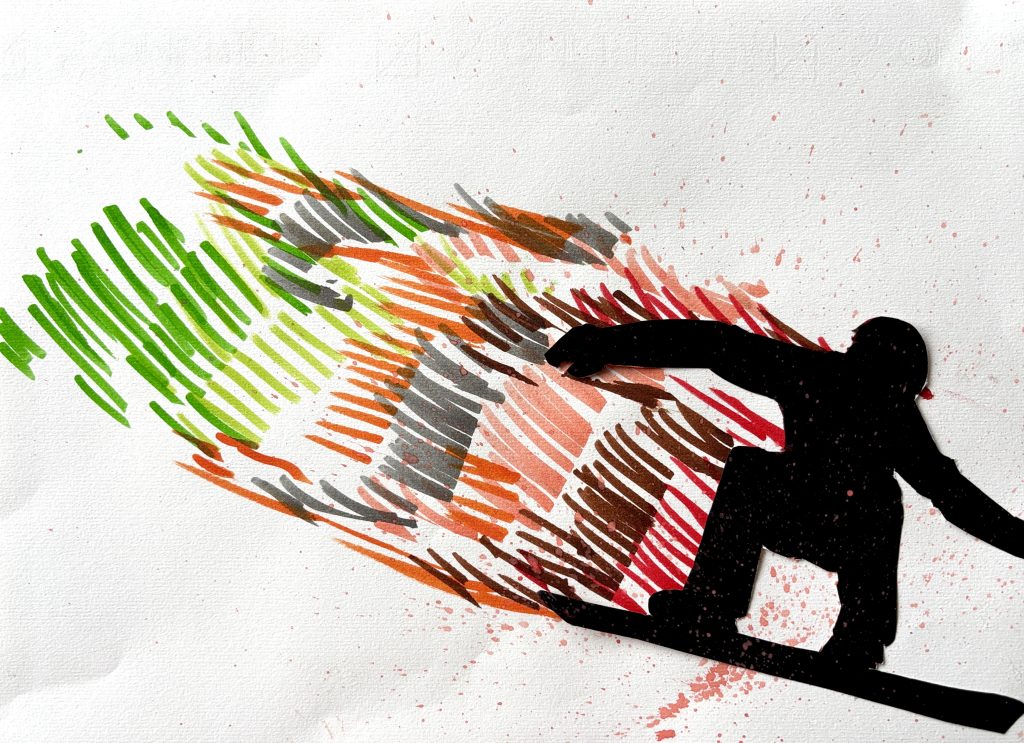
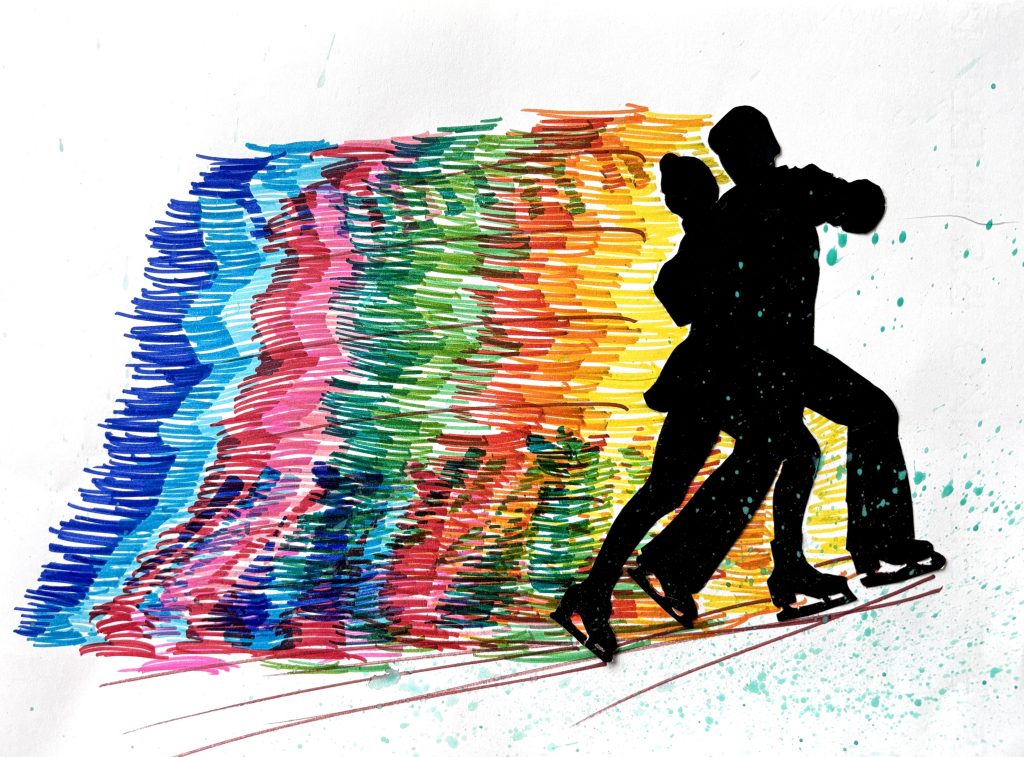
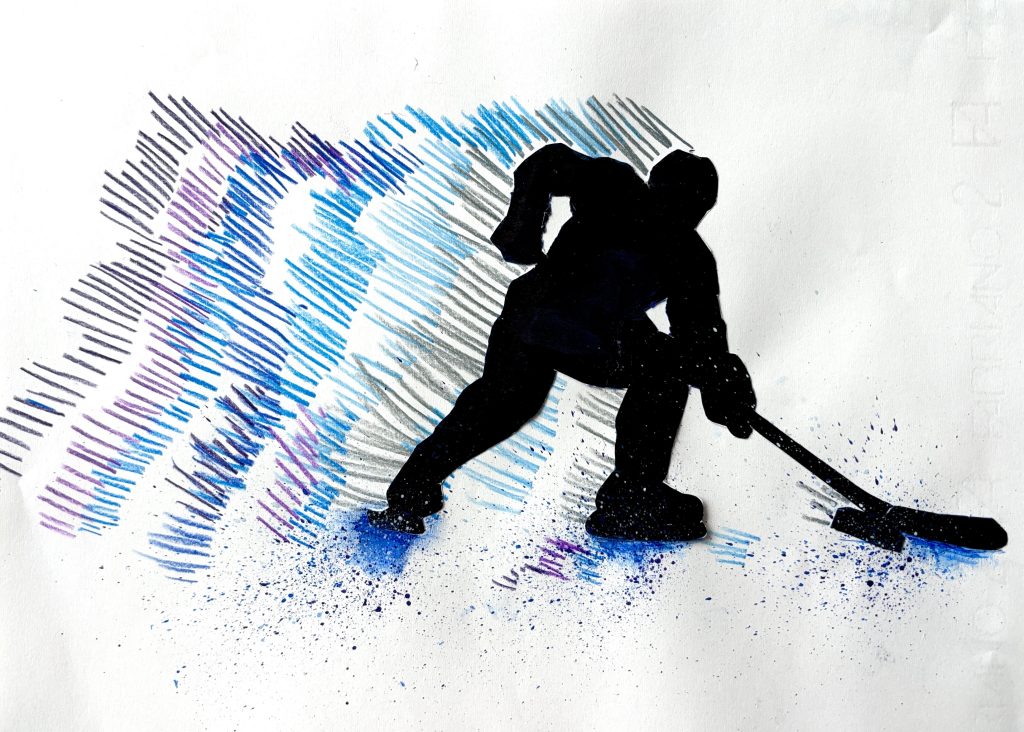
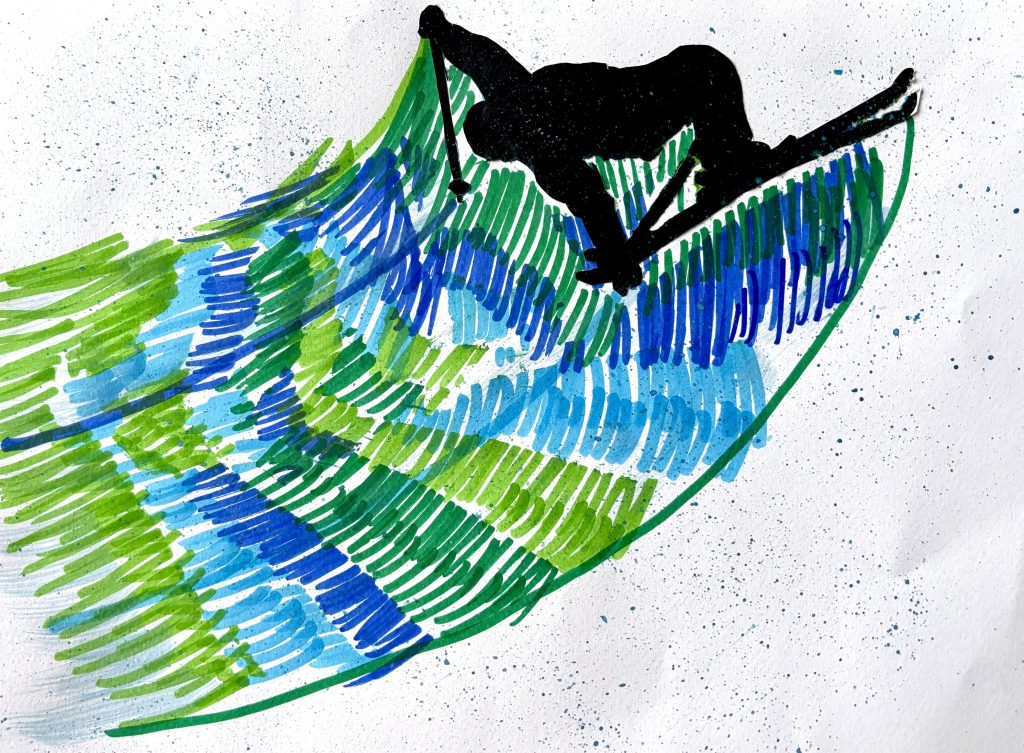
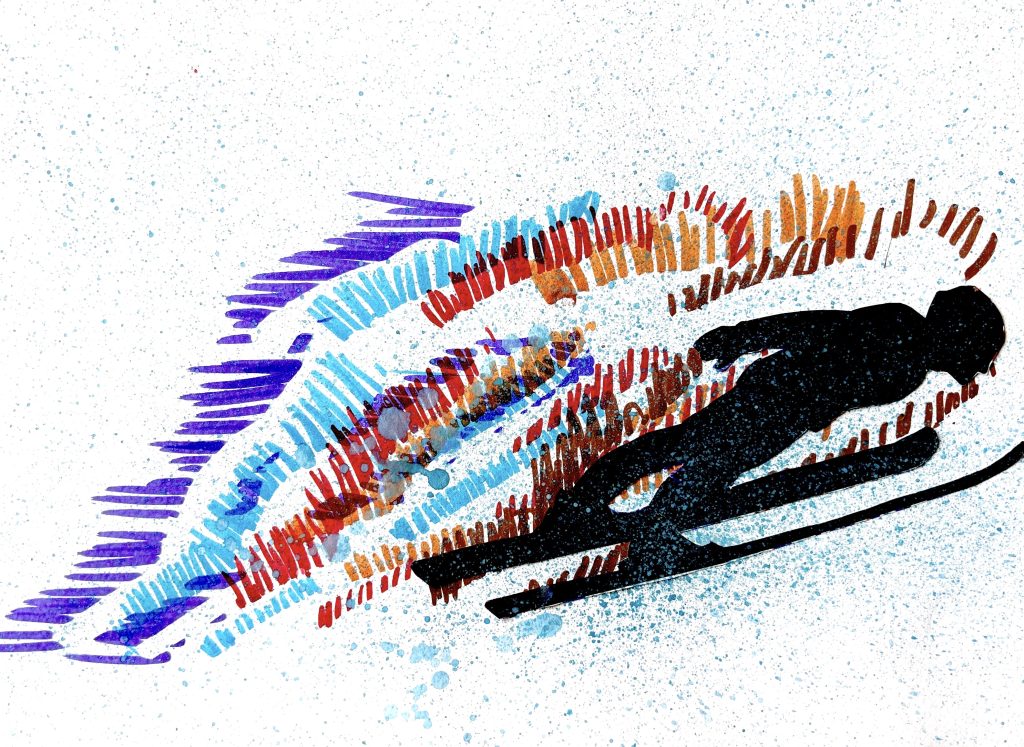
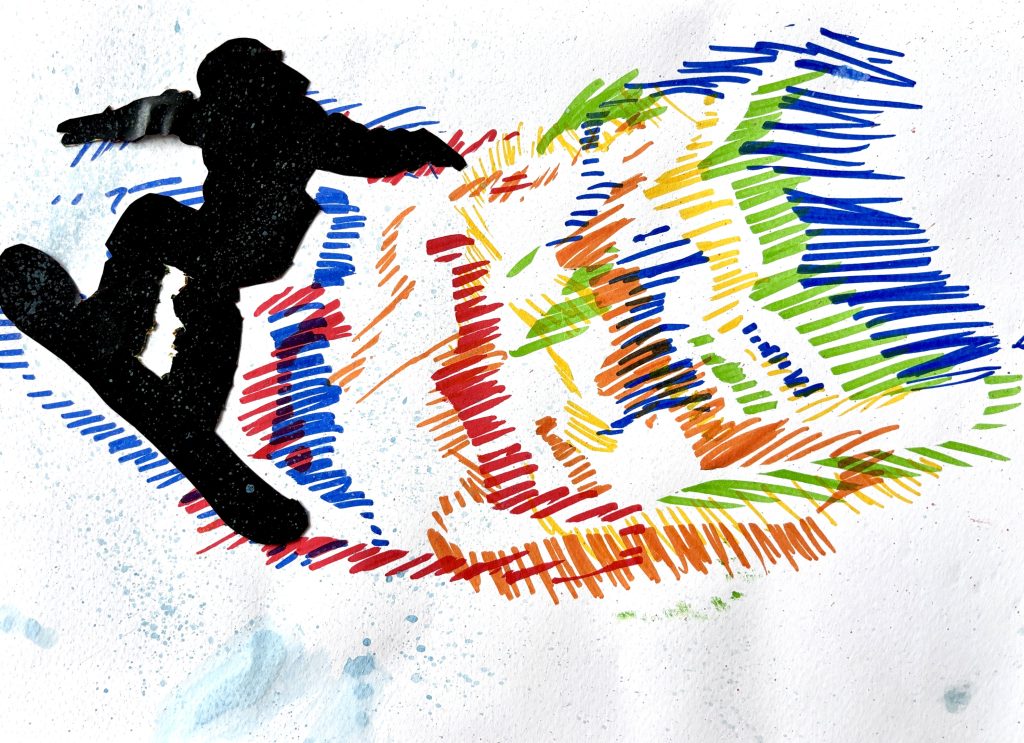
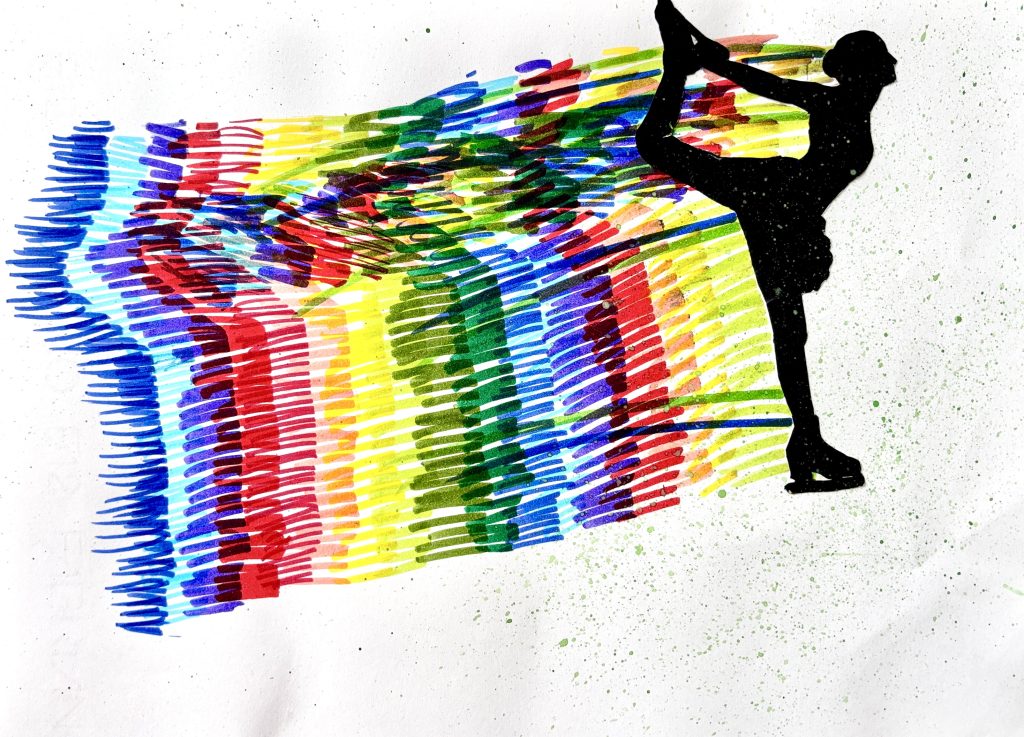
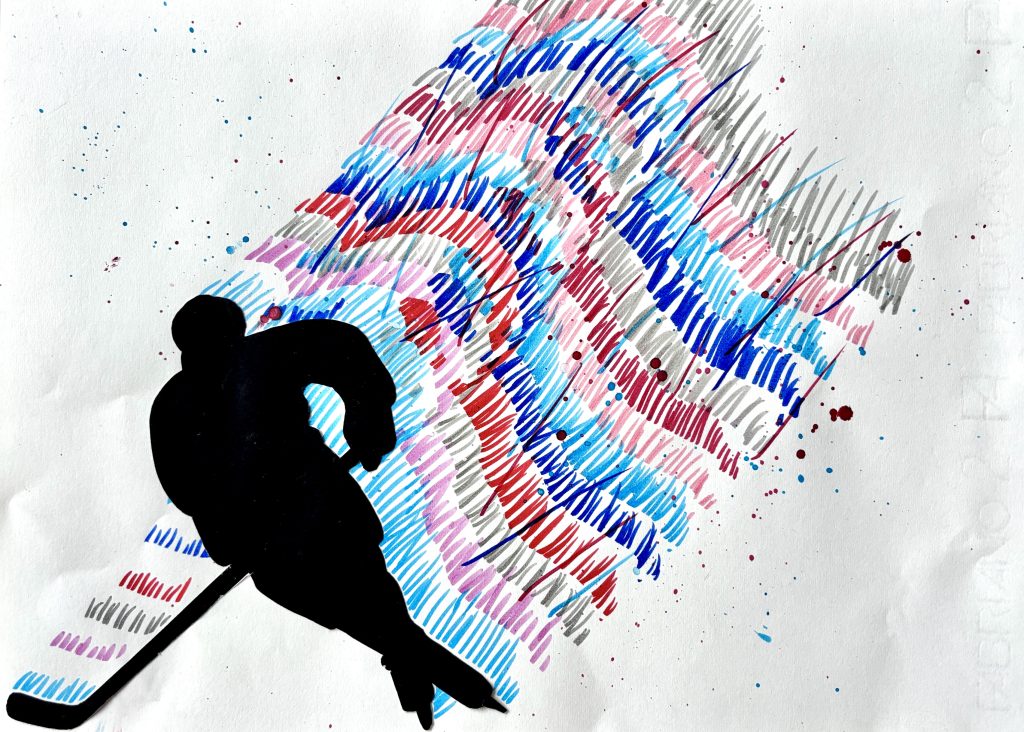
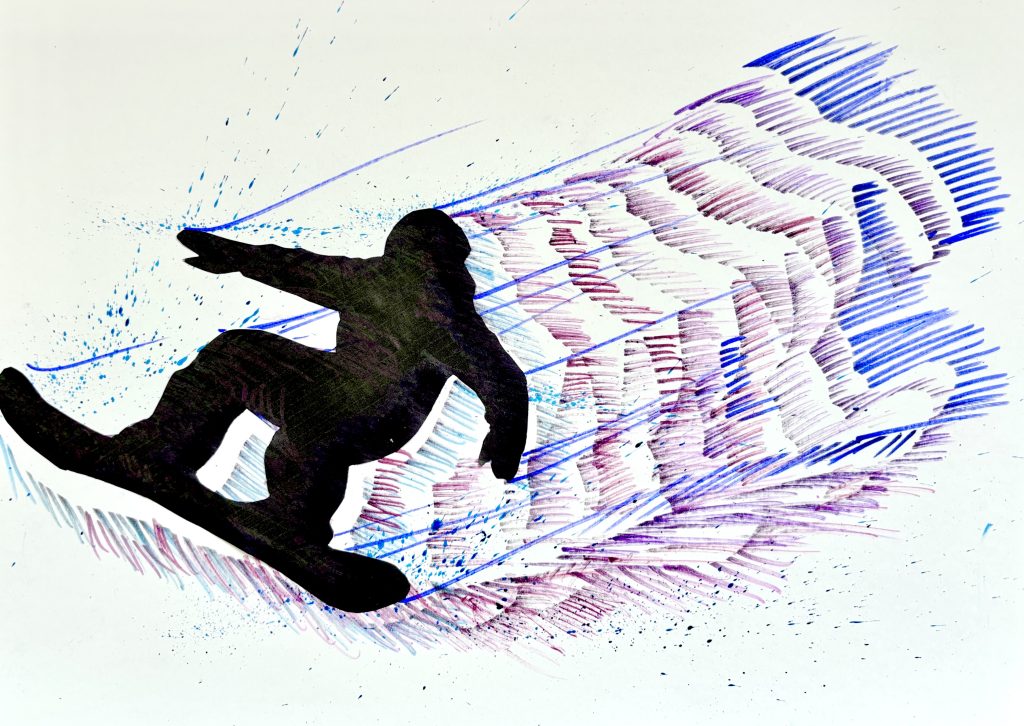
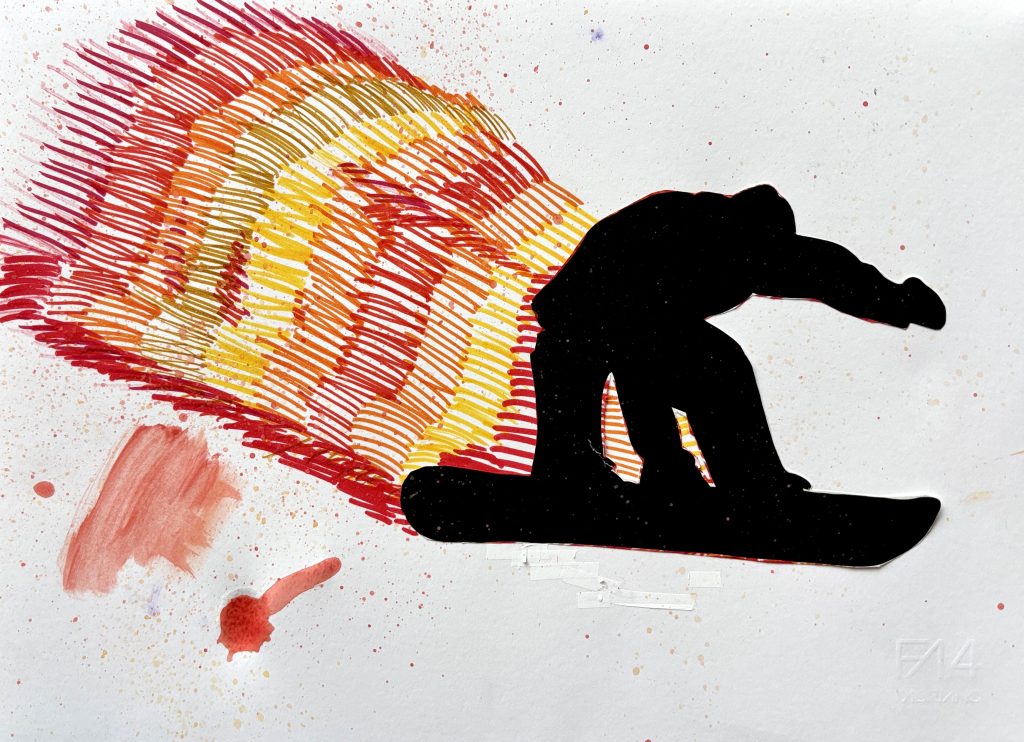
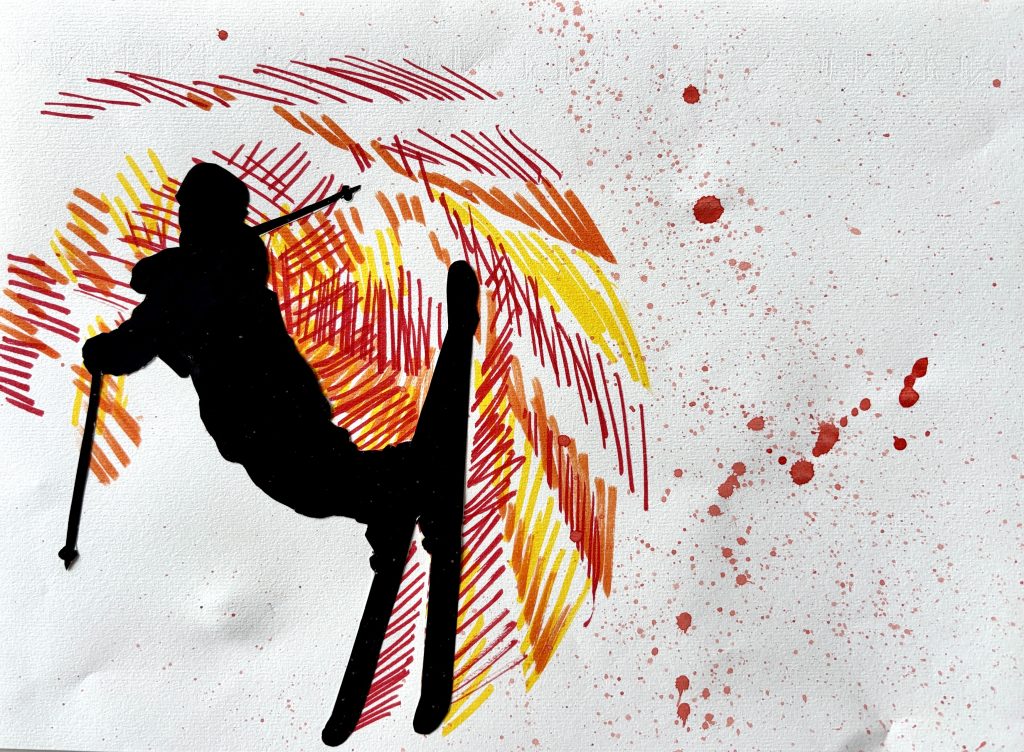
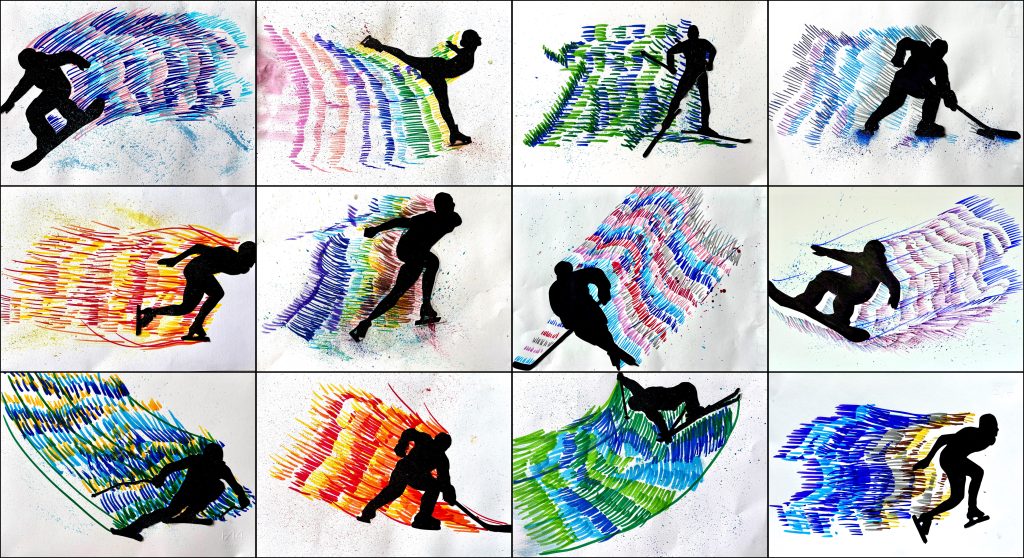
以下是其他若干以人物为模板(stencil)完成的记号笔画作示例:
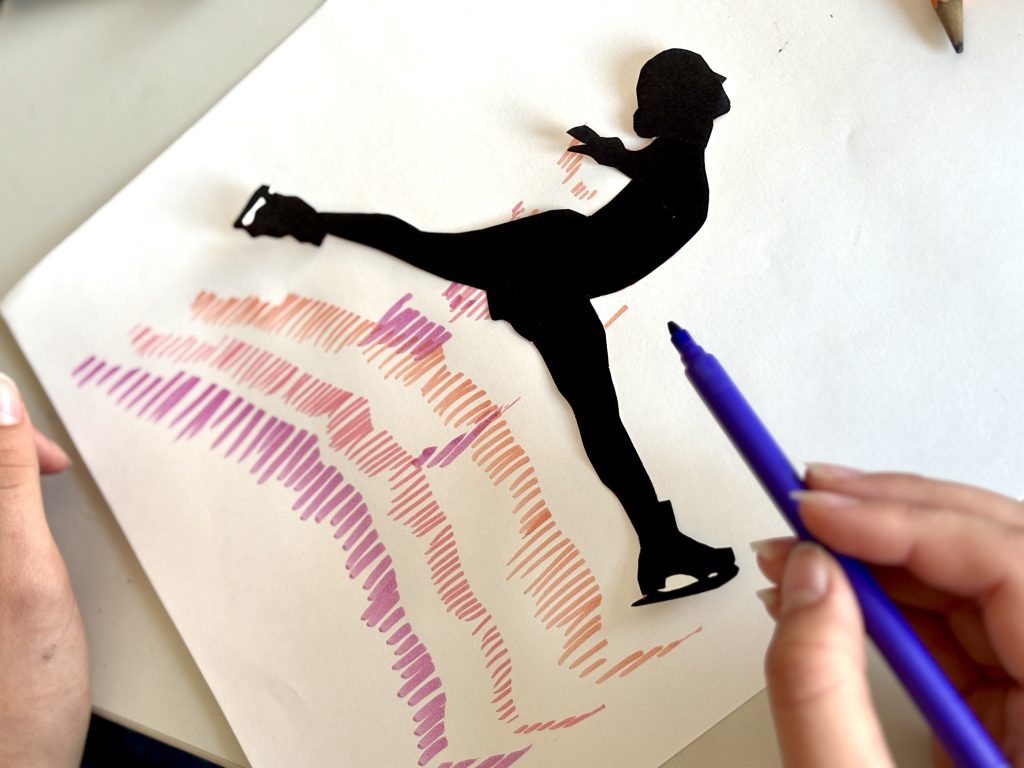
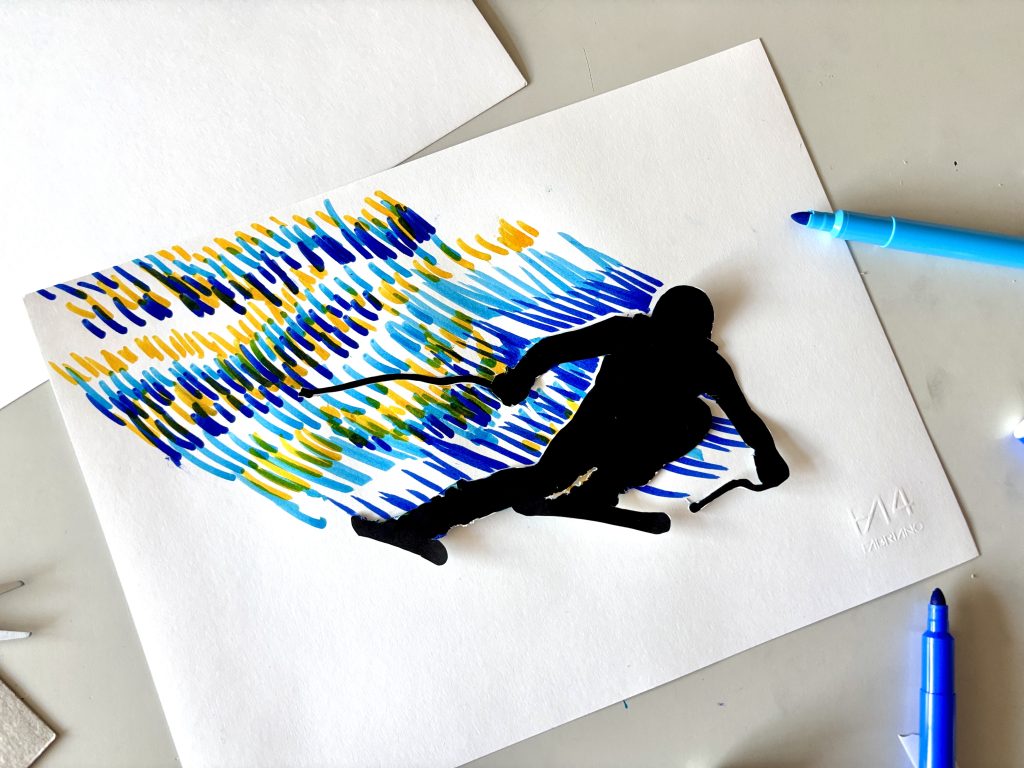
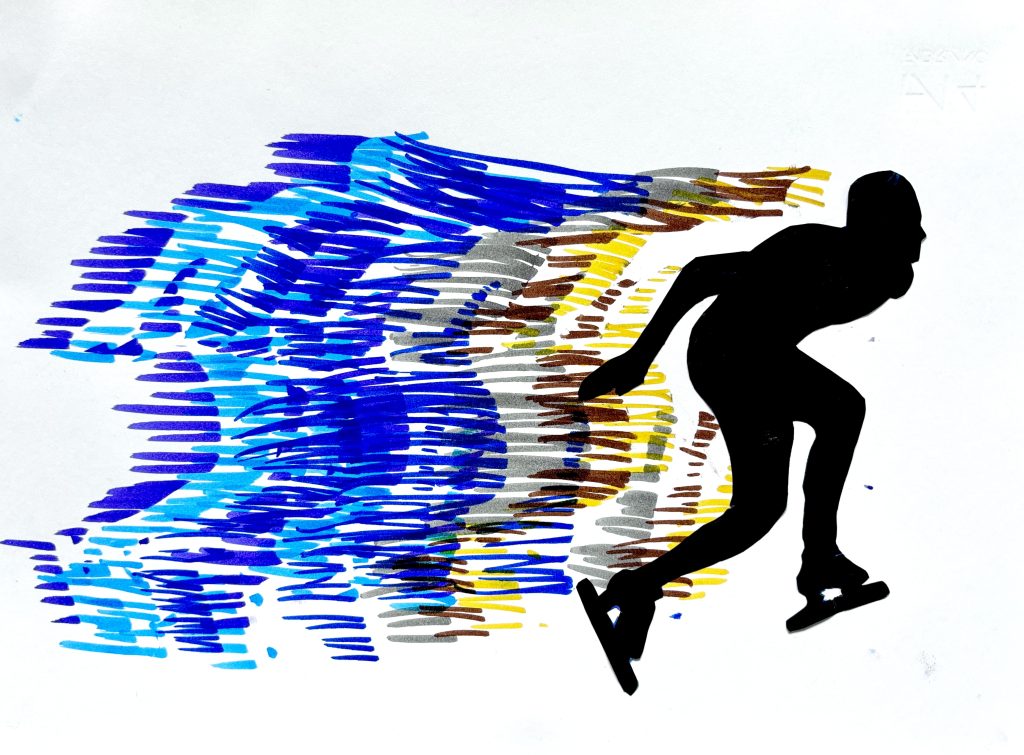
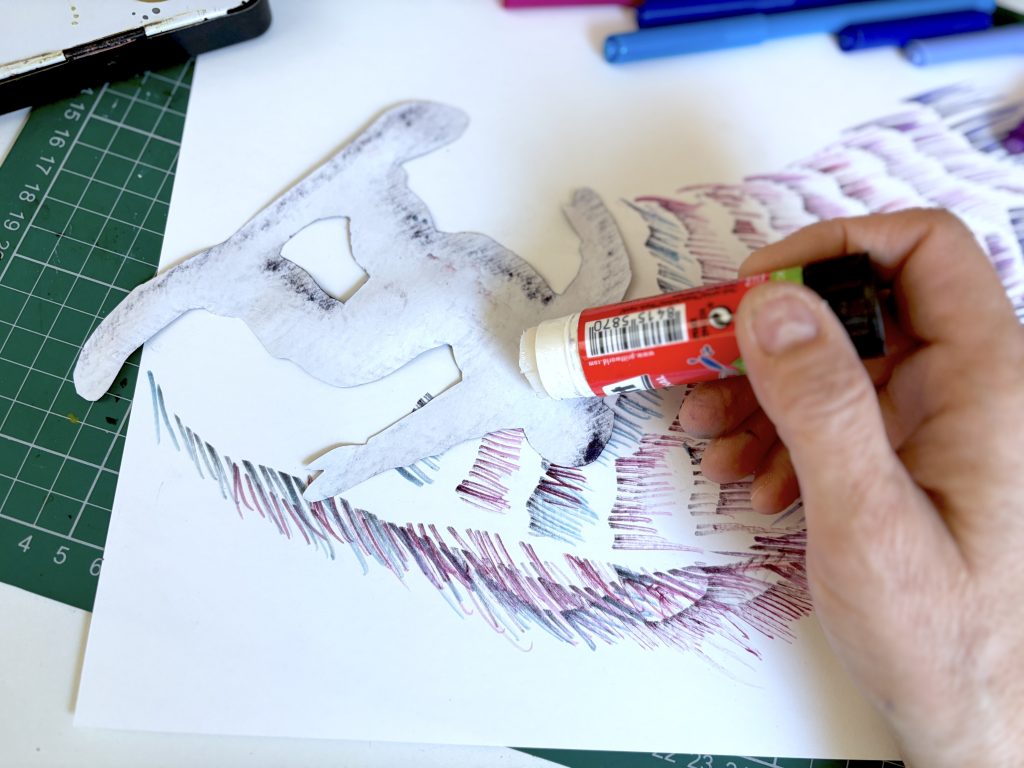
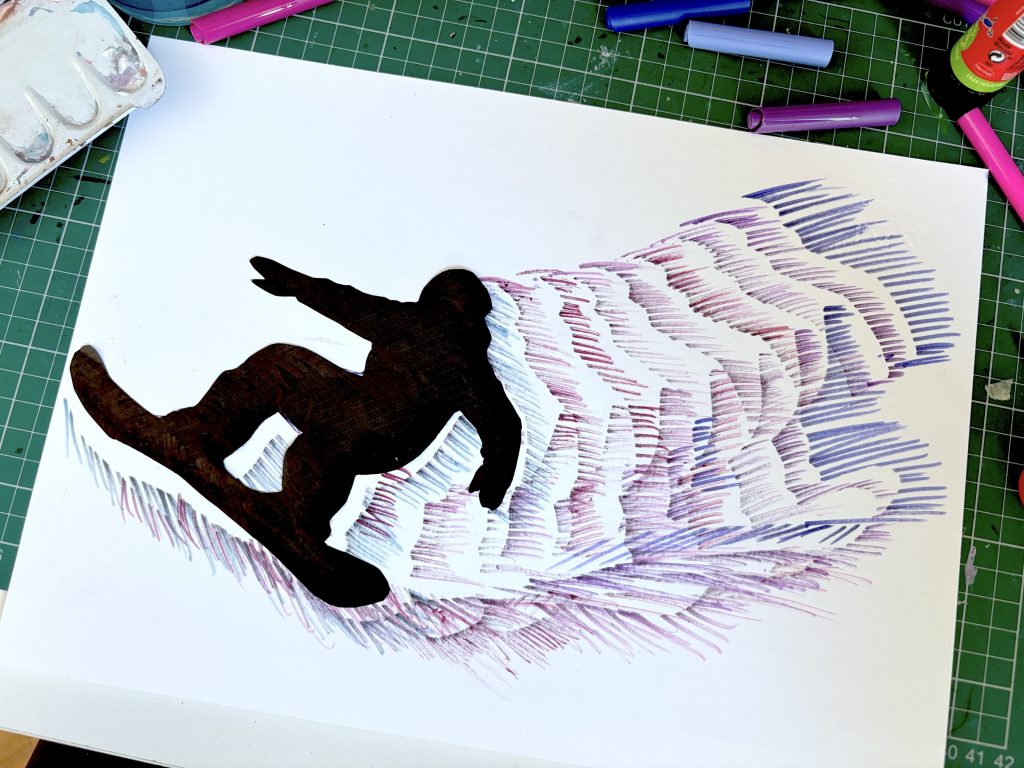
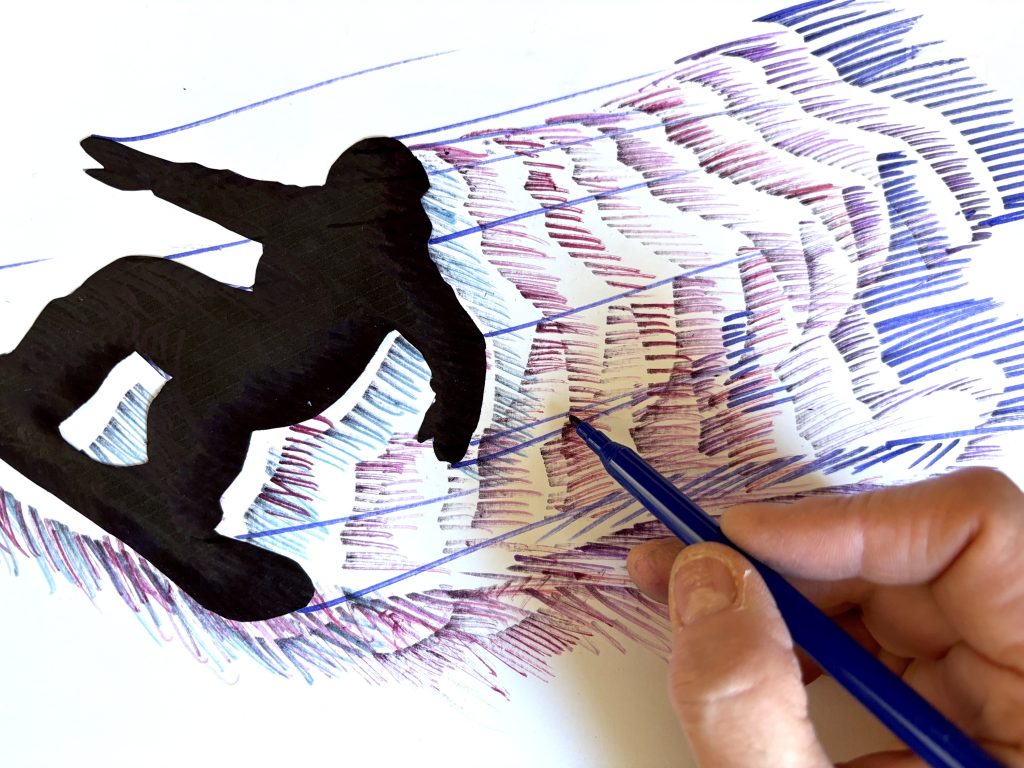
为完成整套连续性画面,我们将最初用作模板(STENCIL)的黑色剪影,粘贴于彩色轨迹的最终位置。最终效果极具冲击力:一幅静态图像却给人强烈运动之感,全赖层层叠叠、略带虚化的彩色轮廓线。为连接各帧图像,还可添加沿人物运动轨迹延伸的力线(FORCE-LINES)。
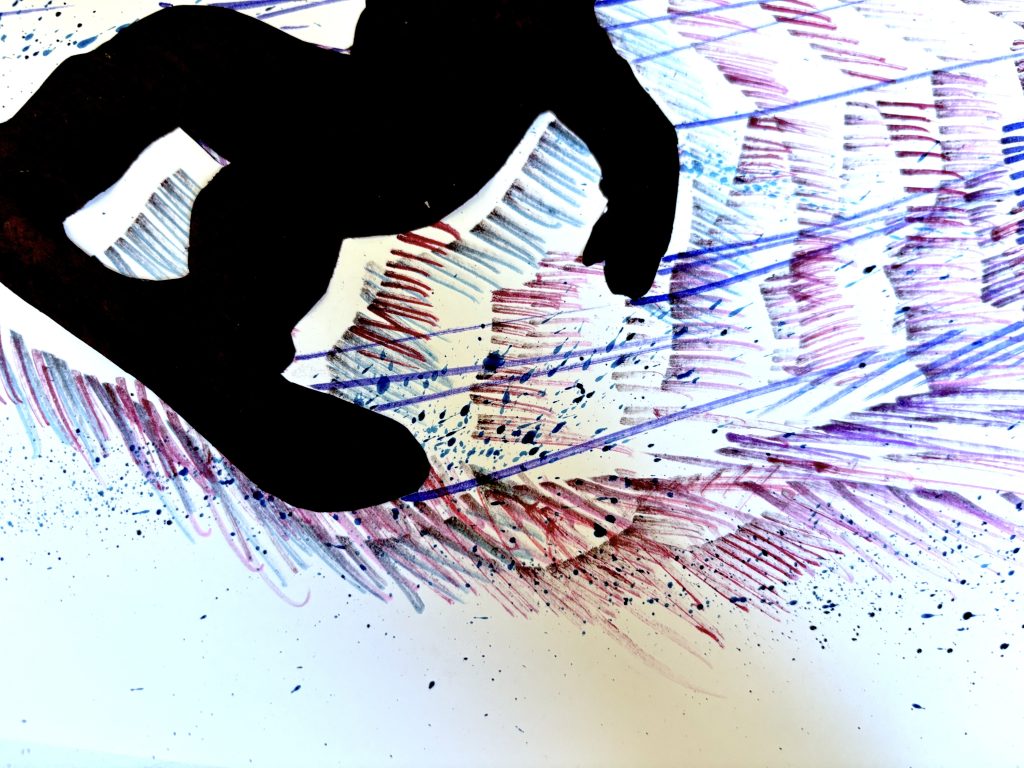
进一步强化动感的最后一步,是加入水彩飞溅效果,用以表现位移过程,或体现身体与雪地、冰面接触时产生的摩擦(FRICTION)。这一细节增添了画面的动态感(DYNAMISM)与清新气息。
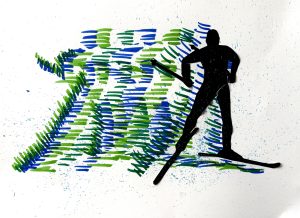
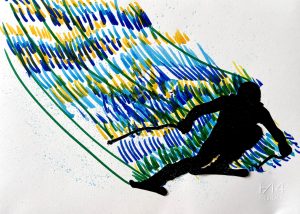
以下是更多运用模板技法完成的记号笔画作示例:
Futurist Olympics: Felt-tip Pen Version
Inspired by the works of Giacomo Balla, such as The Hand of the Violinist or *Dynamism of a Dog on a Leash, we explored the representation of movement typical of FUTURISM with our 8th-grade classes. On the occasion of the 2026 Winter Olympics*, we chose silhouettes of athletes engaged in various sports, trying to capture their dynamism through sequential figures and force-lines, combining art, sport, and visual perception. You can find the reference images below:”
Required Materials:
- White drawing paper (approx. 9×13 inches or A4/Letter size)
- Athlete silhouettes printed on white paper
- Colored felt-tip pens (markers)
- Scissors and craft knives
- Glue stick
First, each of us chose a sports image and carefully cut it out along the edges to create a clean silhouette. For the smaller details and inner parts, we used small craft knives.
Before starting with color, we studied the composition on the white sheet. We planned where to place our cutout figure to ensure the entire sequence of movements would fit within the paper’s format, simulating the athlete’s displacement across the space.
We then selected a set of colored markers, choosing either matching gradients or contrasting tones according to our personal taste. While holding the cutout figure firmly on the white paper, we drew a series of parallel lines, all in a single direction—the direction of the athlete’s movement. We drew these colored motion lines by overlapping them onto the cutout figure, which acts as a STENCIL. It was important to hold the silhouette steady with the hand we weren’t using to draw.
Without lifting the silhouette, but shifting it slightly to the side, we repeated the process with the second chosen color. We drew the lines in the same direction as the previous ones to create a sense of displacement and speed. By continuing this way and slightly overlapping the subsequent strokes, we created a sequential chromatic trail that captures the idea of the figure moving through space.
Here are some other examples of marker drawings where the figure was used as a stencil:
To complete the sequential drawing, we took the original black silhouette we used as a STENCIL and glued it over the final position of the trail. The final effect is very powerful: a static image that is perceived as being in strong motion, thanks to the sequences of colored and blurred outlines. To connect the sequences of images, you can add FORCE-LINES that follow the figure along its trajectory.
The final step to create an even greater sense of movement was adding WATERCOLOR SPLASHES to represent the displacement or the parts in FRICTION with the snow or ice. This detail adds DYNAMISM and a sense of freshness to the overall image.
Below are more examples of marker drawings using the stencil technique:


