以塔拉韦拉陶器为灵感的放射状均衡浮雕与绘画项目
原文链接:https://createartwithme.com/radial-balance-talavera-pottery-repousse-drawing/
日期: 2019-11-01
作者: 米歇尔·伊斯(Michelle East)
分类: 美术课程、高中美术、金属浮雕(repousse)、初中美术、非具象艺术、美术原理课程
标签: 六年级美术、七年级美术、金属浮雕、金属浮雕课、金属压花、墨西哥镜面装饰、墨西哥盘子、初中美术、初中美术课、非具象艺术、浮雕(repousse)、浮雕课程、塔拉韦拉陶器
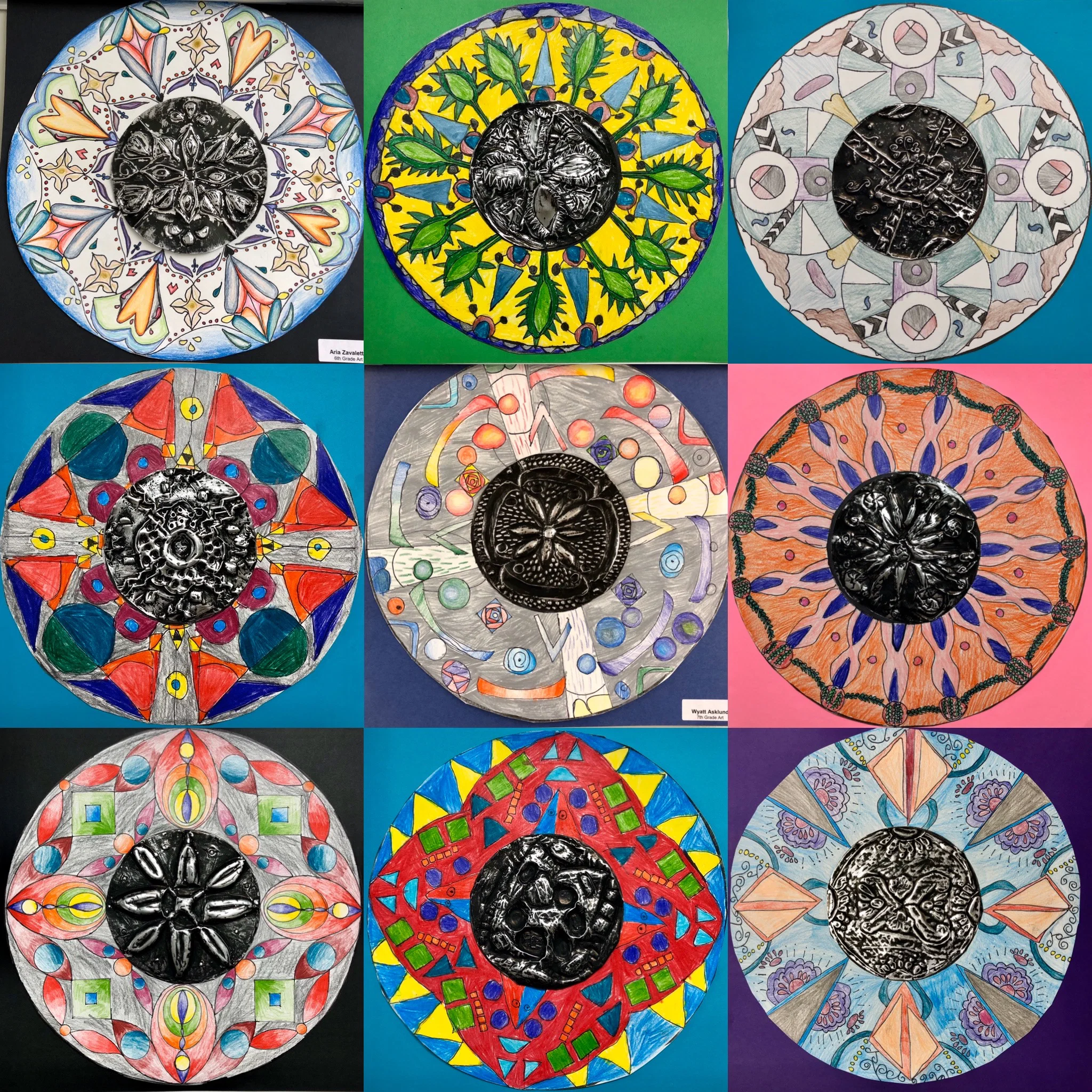
塔拉韦拉风格金属浮雕与绘画项目——初中美术课
我在为初中美术课寻找一个关于放射状均衡(radial balance)的项目时,偶然发现了Painted Paper网站推出的精彩课程——“墨西哥镜面装饰”。该教案原为四年级美术课设计,但我需将其调整为适合初中生的教学方案,重点加入如何精准重复地构建放射状均衡图案的方法。此外,我还希望更深入地讲解金属浮雕技法:浮雕(repousse)与追刻(chasing)。以下教案即体现了这些调整。
请向原教案作者Painted Paper致以敬意: http://paintedpaperintheartroom.blogspot.com/2009/09/mexican-mirrors.html
所需材料:
金属浮雕工具——锥形笔(stylus)、圣路易斯工艺铝箔卷——36号厚度,宽12英寸×长25英尺、Speedball超级黑印度墨水,1品脱装、Red Devil 0320 钢丝绒,0000超细型,8块装、预裁直径11.5英寸的“盘子”底板、铅笔、橡皮、直尺、细尖记号笔(Sharpie)、彩铅或马克笔、预裁直径5英寸的铝片圆片、金属工具、纸巾或旧报纸、手工胶水


教学目标:
- 了解均衡的类型:对称均衡与不对称均衡,重点学习放射状对称(radial symmetry)。
- 掌握金属压花(metal tooling)所需的正确工具与技法。
- 欣赏塔拉韦拉陶器(尤其是盘子),通过赏析典型作品,汲取灵感,自主设计放射状图案。
- 理解和谐与变化这两大美术原理,并将其运用于本项目的塔拉韦拉风格“盘子”创作中。
本项目融合了塔拉韦拉陶盘常见的放射状构图对称性,同时加以创新——将学生的“盘子”转化为带有金属压花效果的立体中心装饰件。
教师课前准备:
- 准备白色12×18英寸、90磅或更厚卡纸(海报板),为每位学生画一个直径11.5英寸的圆。
- 用细尖记号笔在每张铝片上描出一个直径5英寸的圆。(我使用了一个塑料盖作模板)
授课内容:放射状均衡与塔拉韦拉陶器
- 物理均衡(Physical Balance) 指重量的均等分布,使物体(们)保持稳定。该概念适用于三维艺术。
- 视觉均衡(Visual Balance) 是一项美术原理,定义为构图中视觉重量的均等分布,使画面中的艺术元素看上去稳定协调。该原理适用于二维与三维艺术。
- 中心轴线(Central Axis):一条假想的分割线,沿作品正中垂直或水平延伸。
- 均衡的三种类型
- 对称均衡(Symmetrical balance) 指轴线两侧完全相同(或几乎相同)。
- 不对称均衡(Asymmetrical balance) 指轴线两侧不同,但视觉重量相等。此类均衡更具观赏性,但实现难度更高。
- 放射状均衡(Radial balance) 指线条或形状从一个中心点向外发散生长。
- 塔拉韦拉陶器(TALAVERA POTTERY)(参考资料:塔拉韦拉陶器)
- “塔拉韦拉(Talavera)”一词源自西班牙小镇塔拉韦拉-德拉雷纳(Talavera de la Reina),这种独特的釉彩工艺即诞生于此。
- 塔拉韦拉陶器是西班牙塔拉韦拉-德拉雷纳所产马约利卡陶器(majolica)在墨西哥的变体。
- 这项工艺于16世纪西班牙殖民时期传入墨西哥,随普埃布拉城(Puebla)建立而扎根。
- 如今,塔拉韦拉陶器主要产自普埃布拉与多洛雷斯-伊达尔戈(Dolores Hidalgo)两地。
- 墨西哥塔拉韦拉陶器常可见摩尔式纹样影响,但更显著地受花卉图案、著名墨西哥绘画及墨西哥宗教艺术启发。
- 此类陶器早期多仅用蓝色装饰,后亦采用黄色、黑色、绿色、橙色及淡紫色(mauve)等色彩。
- 视频资料: https://www.youtube.com/watch?v=JaQRKPG9H_c
- 观察塔拉韦拉盘子范例,注意其放射状设计中常用的花卉纹样。思考你可设计何种花卉或羽毛纹样,并以放射状对称方式呈现。
-
使用“5英寸圆”模板,创作一个受塔拉韦拉陶器图案启发的、可重复的放射状设计。设计不宜过小或过于复杂,以免增加后续金属加工难度。
-
将圆片剪下。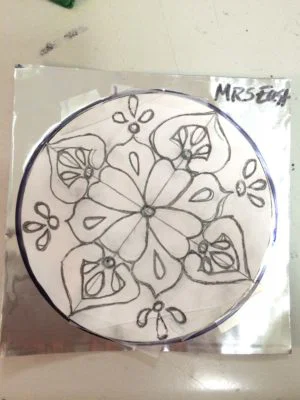
-
将你的设计转印至提供的金属片上(教师示范)。
- 在金属片下方垫一层泡沫板。
- 用胶带将画稿固定于金属片上。
- 用铅笔沿所有线条描摹一遍;若使用了图形模板,则直接用其描出相应形状。
- 运用金属浮雕技法(追刻与浮雕)使表面呈现三维效果。
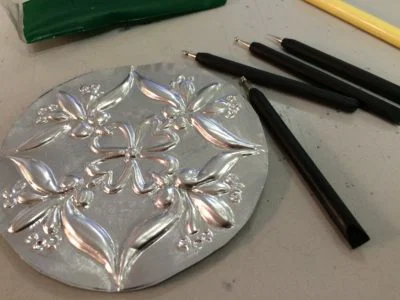
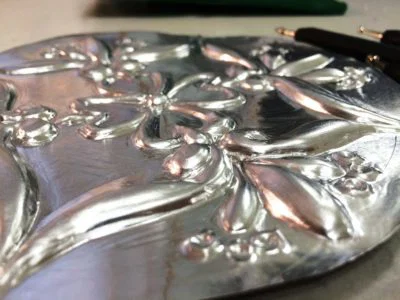
- 使用永久性彩色记号笔,或采用“做旧(antiquing)”技法为金属着色。
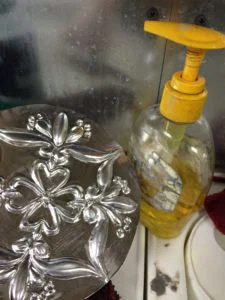
- 先用医用酒精或肥皂清洁金属表面,去除指纹。
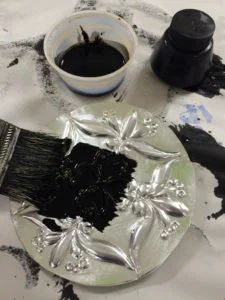
- 用画笔涂覆印度墨水,待其自然晾干。
-
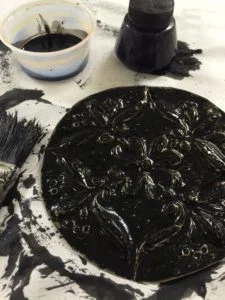
用钢丝绒打磨凸起部分,使其露出底层金属光泽。完成后暂置一旁,待全部工序结束再统一处理。
活动2:放射状绘图
- 利用所提供的模板绘制四分之一区域图案,创作一个受你的金属设计启发的重复性放射状图案。
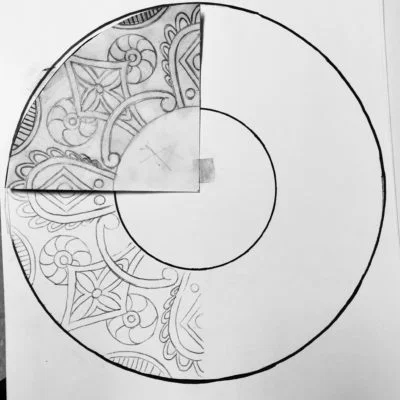
- 在给定的11.5英寸圆形纸上,将圆平均分为4等份,形如披萨或派。
- 用黑色“构图”铅笔将你的四分之一图案背面全部涂满。
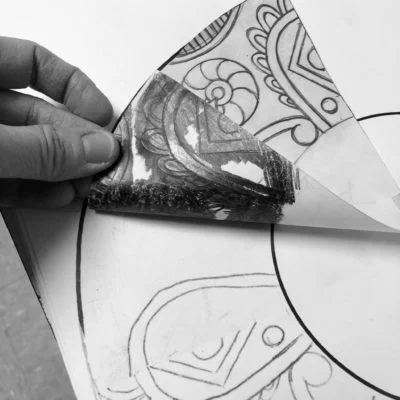
- 将你的四分之一图案用胶带固定在圆形纸上。
- 用铅笔沿所有线条描摹一遍。
- 在圆形纸的每个区域内重复上述步骤。
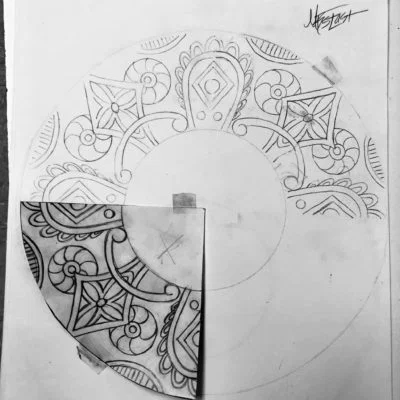
- 完成后,可用记号笔描边,或保留铅笔线,再用彩铅在上色时勾勒轮廓。
限用5种颜色。使用马克笔或彩铅为图案上色。注意保持色彩也遵循重复性的放射对称。
- 用双面胶将金属浮雕(repousse)作品粘贴于圆形纸中心。
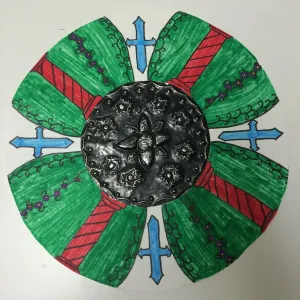
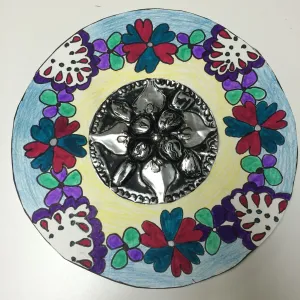
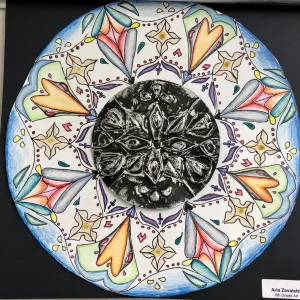
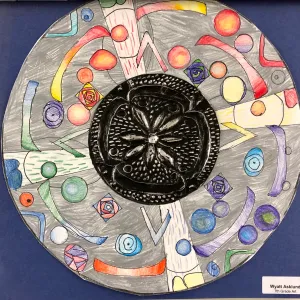
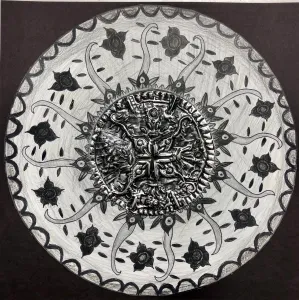
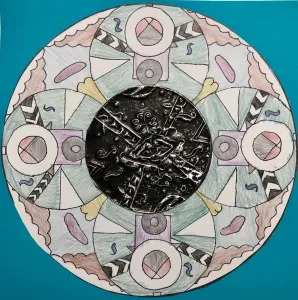
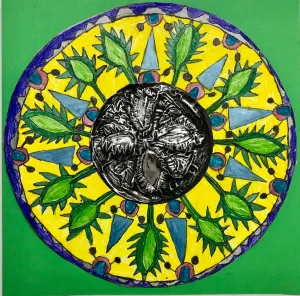
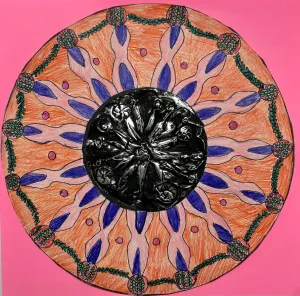
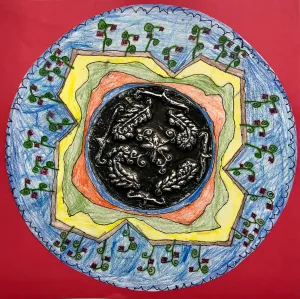
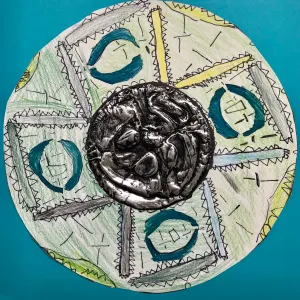
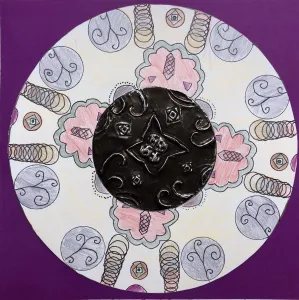
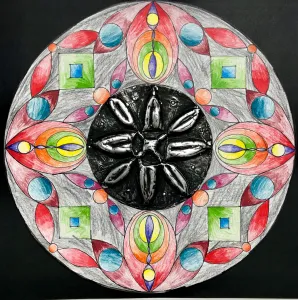
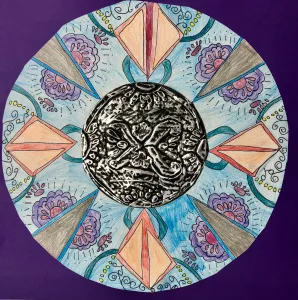
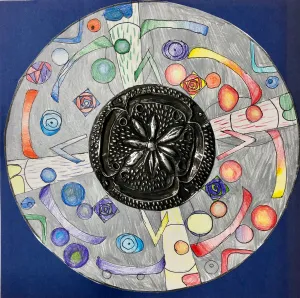
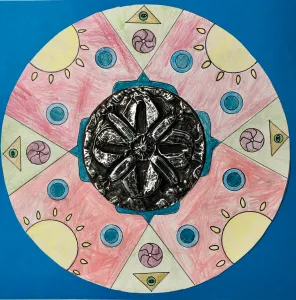
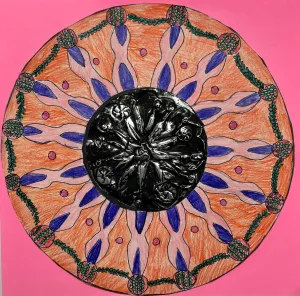
学生作品
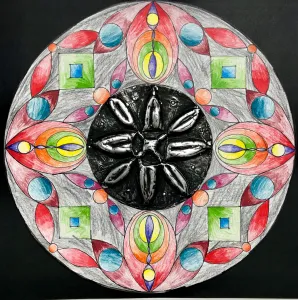
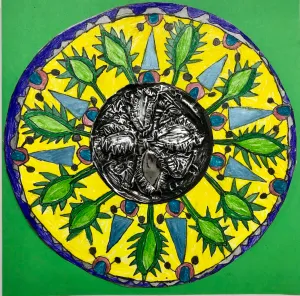
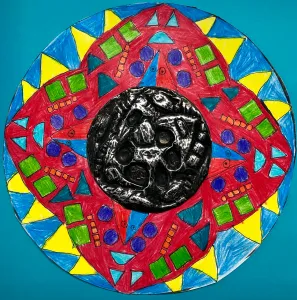
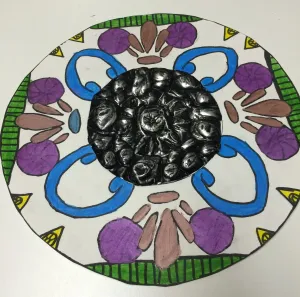
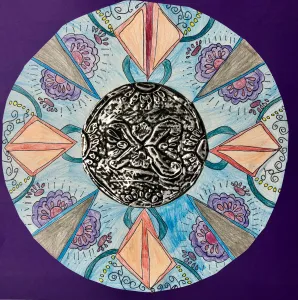
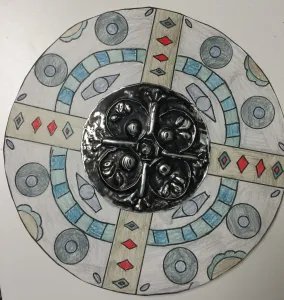
*亚马逊联盟链接——我仅推荐自己实际使用且喜爱的产品!
若您选用本博客中的任何内容(图形、图片或文字),请务必注明并回链至“与我一起创作艺术!”(Create Art with ME!)

塔拉韦拉风格金属浮雕与绘图综合课程——初中美术
Radial Balance with Talavera Pottery Repousse and Drawing Project
Original: https://createartwithme.com/radial-balance-talavera-pottery-repousse-drawing/
Date: 2019-11-01
Author: Michelle East
Categories: Art Lessons, HS Art, Metal Embossing Repousse, MS Art, non-objective, Principles of Art Lessons
Tags: 6th grade Art, 7th Grade Art, Metal embossing, metal embossing lesson, metal tooling, mexican mirrors, mexican plate, middle school art, middle school art lesson, non-objective, repousse, Repousse Lesson, talavera
Talavera Repousse Metal and Drawing Project – Middle School Art
While searching for a project on radial balance for my middle school art classes I came upon this fantastic lesson from Painted Paper called “Mexican Mirrors“. Her lesson plan was done with her 4th grade art classes, but I needed to adapt it to middle school students to include how to create a repeated precise radial balance design. I also wanted to go deeper with the techniques of metal embossing: repousse and chasing. The changes are reflected in the lesson plan below.
Please give credit to Painted Paper for the original lesson: http://paintedpaperintheartroom.blogspot.com/2009/09/mexican-mirrors.html
Supplies:
Metal Embossing Tools Stylus, St Louis Crafts Aluminum Metal Foil Sheet Roll – 36 Gauge – 12 inches x 25 feet, Speedball Super Black India Ink, 1 Pint, Red Devil 0320 Steel Wool, 0000 Super Fine, 8 Pads, Pre-cut 11.5 inch diameter “plates”, Pencil, Eraser, Ruler, Sharpie – Fine Tip, Colored Pencils or Markers, Pre-cut 5″ aluminum circles, Metal Tools, Paper Towels or Newspaper, Craft Glue
Objectives:
- Learn about types of balance: symmetrical & asymmetrical balance, with focus on radial symmetry.
- Demonstrate how to use the proper tools and techniques for metal tooling.
- Gain appreciation for Talavera pottery (particularly plates), and pull inspiration for their own radial designs by exploring examples.
- Understand how the principles of harmony and variety and therefore apply to these Talavera “plates”.
This project combines the radial design symmetry seen in many Talavera plates, but adds a twist by turning their “plate” in to a metal centerpiece with the added metal tooling.
Teacher Preparation:
- White 12×18″ 90lb. or thicker paper (poster board), draw a 11.5 inch diameter circle for each student.
- Trace a 5″ circle in sharpie onto aluminum one for each student. (I used a plastic lid)
Delivery: Radial Balance Talavera
- Physical Balance is the equal distribution of weight that causes an object(s) to be stable. This applies to 3D art.
- Visual Balance is a principle of art that is defined as the equal distribution of visual weight in a composition so the artistic elements in that composition look stable. This applies to both 2D and 3D art.
- Central Axis: An imaginary dividing line that runs down the middle of a piece of art either horizontally or vertically.
- 3 Types of BALANCE
- Symmetrical balance means both sides of an axis line are the SAME (or almost the same).
- Asymmetrical balance means each side of an axis line are different yet visually equal. This type of balance is more interesting to look at, but harder to achieve.
- Radial balance means lines or shapes grow from a center point.
- TALAVERA POTTERY (resource: Talavera pottery)
- The term “Talavera” comes from the town in Spain named Talavera de la Reina. It is here where this unique style of glazing came to be.
- Talavera pottery is the Mexican variation of the Spanish majolica produced in Talavera de la Reina.
- The craft arrived in Mexico after the Conquest (1500’s) when the city of Puebla was settled.
- Today Talavera pottery is made in the towns of Puebla and Dolores Hidalgo.
- You can often see the influence of Moorish designs in Mexican Talavera but it is strongly influenced by floral designs and copies of famous Mexican paintings and Mexican religious art too.
- Much of this pottery was decorated only in blue, but colors such as yellow, black, green, orange and mauve have also been used.
- Video: https://www.youtube.com/watch?v=JaQRKPG9H_c
- Look at the examples of Talavera plates. Notice how radial designs use floral motifs. Think about a floral or feather motif you can create in radial symmetry.
- Using the “5” circle template, create a repeated radial design that is influenced by Talavera pottery patterns. Don’t make the design too small or complex as this will make the metal working process more difficult.
- Cut the circle out.
- Transfer your design onto the metal sheet provided (demo).
- Place a foam sheet under your metal.
- Tape your drawing to metal sheet.
- Trace over all your lines with a pencil. If you used a shape template, use that to trace the shapes.
- Use metal repousse techniques (chasing & repousse) to make the surface 3D.
- Use permanent colored sharpies or the “antiquing” technique to give color to your metal.
- Clean the metal first with rubbing alcohol or soap to get rid of finger prints.
- Apply India ink with paint brush, let dry.
-
Burnish the raised areas with steal wool to reveal the metal beneath. Set aside until the end.
Activity 2: Radial Drawing
- Using the template provided to make your quarter section design, create a repeated radial design that is influenced by your metal design.
- On the given 11.5” circle, divide your circle in to 4 equal sections, like a pizza or a pie.
- Apply black “layout” pencil all over the BACK of your quarter-design.
- Tape your quarter-design onto the circle.
- Trace over all your lines with pencil.
- Repeat in each section of your “circle.”
- Once complete, you can trace your lines with a sharpie, or leave in pencil and outline with the colored pencil as you color in your design.
LIMIT TO 5 COLORS. Color your design in with markers or colored pencils. Remember to keep your colors in repeated radial symmetry as well.
- Use double-stick tape metal repousse to the center of your circle.
Student Work
*Amazon Affiliate Links- I only link products I use and love!
If you choose to use ANY part of this blog (graphic, pictures or written text), please link back to Create Art with ME!
Talavera Repousse Metal and Drawing Project – Middle School Art


