寻找合适的颜色,修复画作
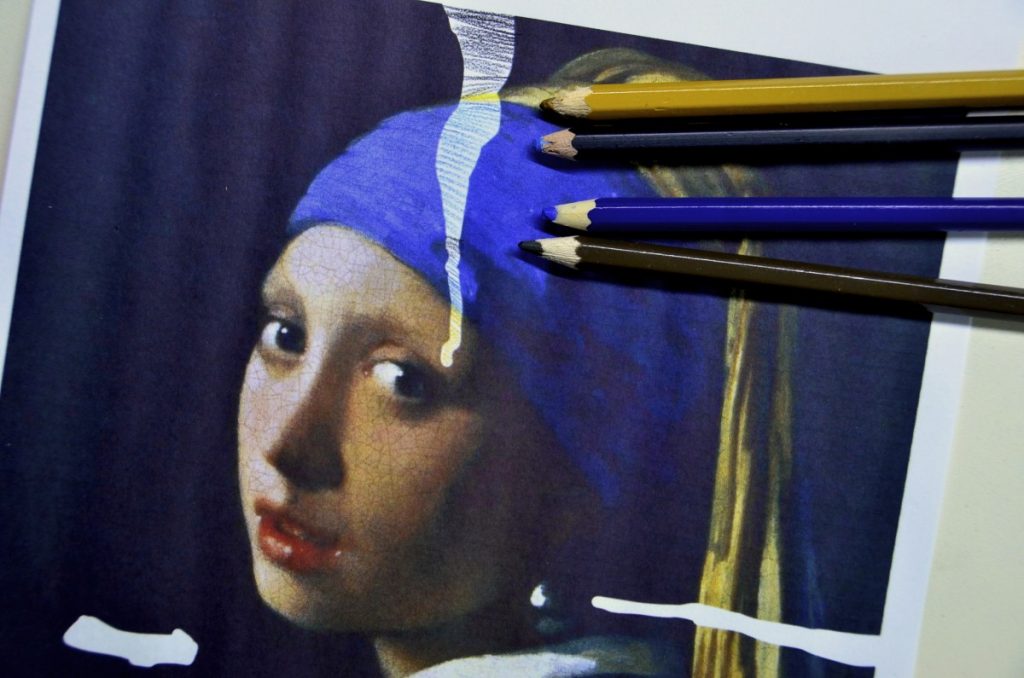
艺术品修复是一个课堂上很少讨论的话题。在成为教师之前,我曾担任修复师十余年,工作于威尼斯、佛罗伦萨等意大利最美丽的城市。如今在学校里,我一直在寻找一种方式,向学生讲授修复的历史、技法与基本原理。
修复这一分支学科及修复师这一职业历史非常短暂,相关行业规范仅在数十年前才正式确立。1972年制定的《修复宪章》(Paper of Restoration)提出若干重要准则,例如:每件艺术品在修复前、修复中与修复后均须拍照存档;另一条准则指出:不得补全或重绘艺术品缺失的部分——如今,对原作的重绘即被视为伪造!
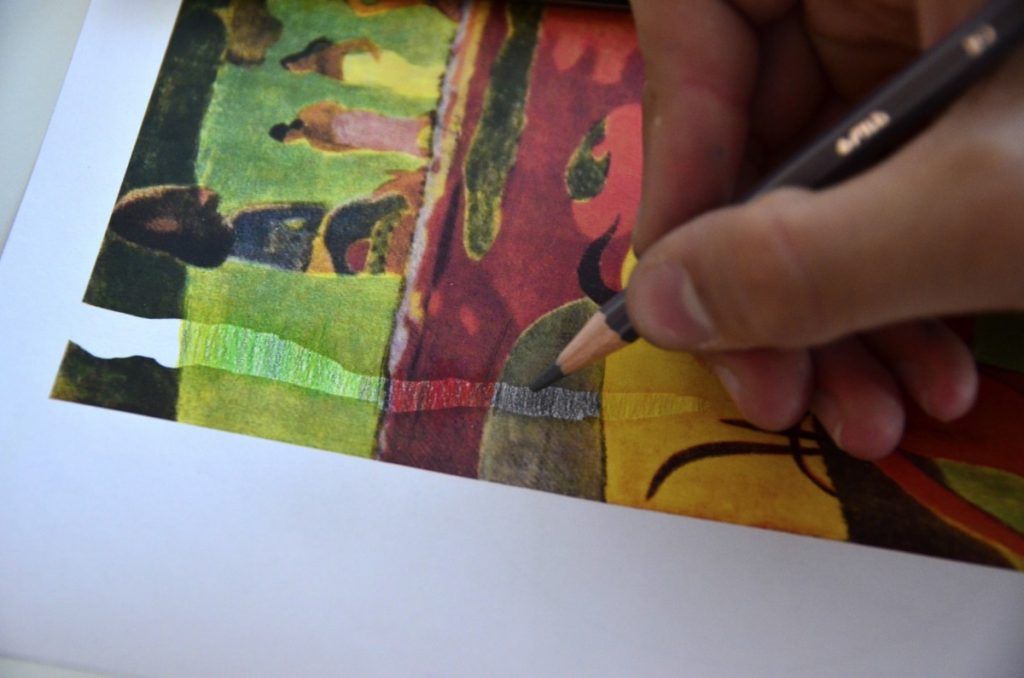
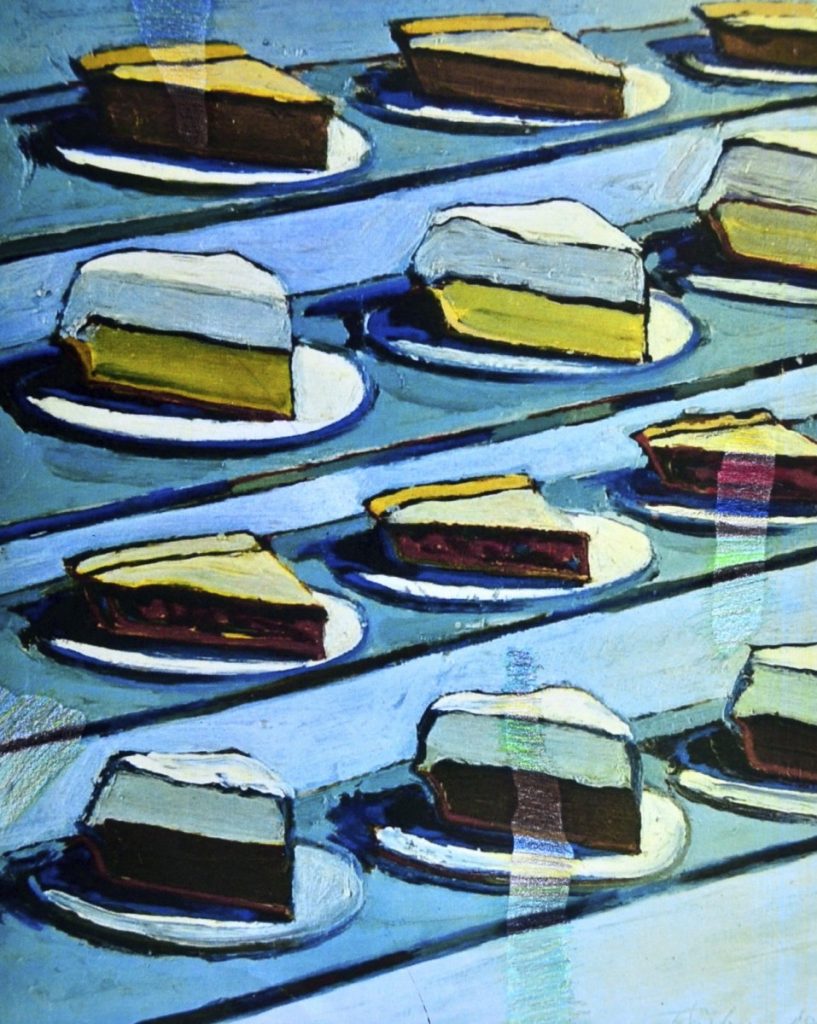
修复的基本原则之一是“可识别性”:当我们修补缺失部分时,修补处必须能与原作区分开来。采用大量细密短线条进行局部润饰,便可在近距离观察时清晰辨识出修复师的干预痕迹。我向学生们发起挑战:我们能否化身小小修复师?面对一幅受损艺术品,我们该如何行动?
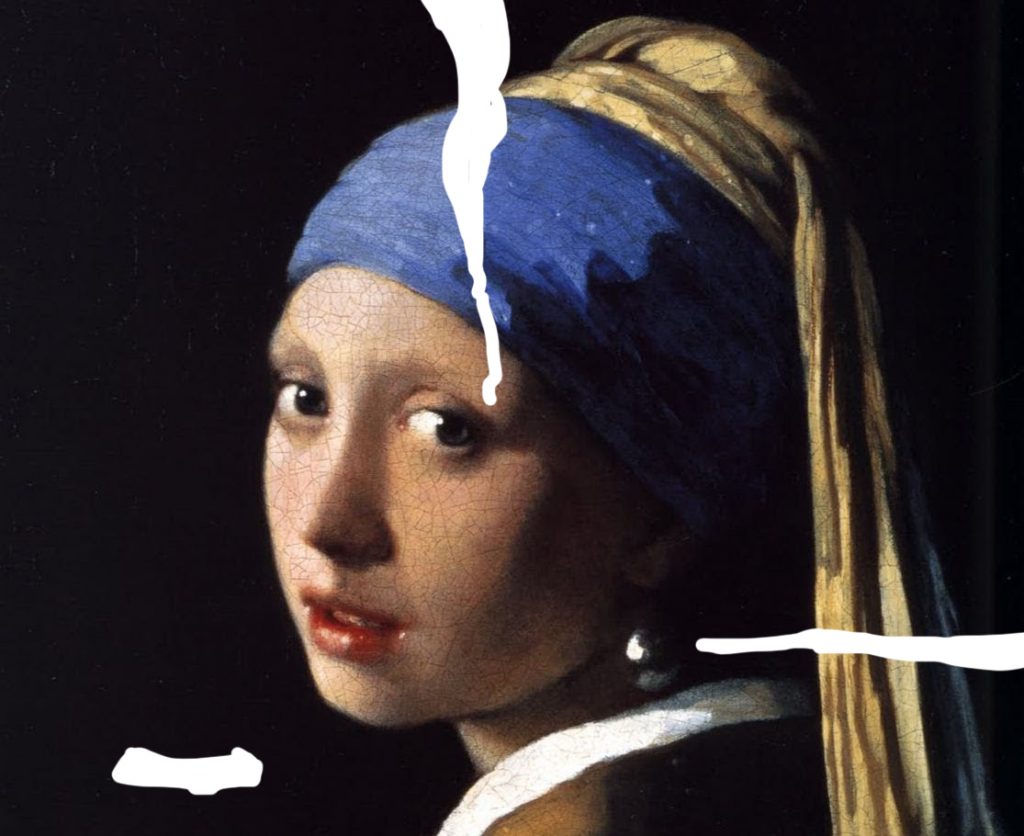
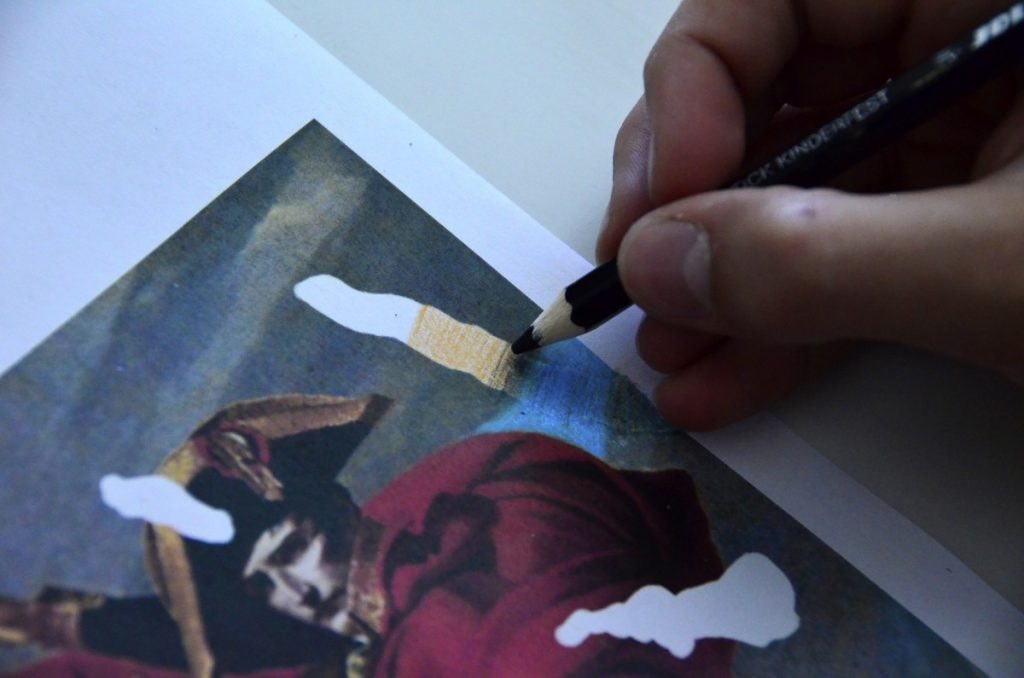
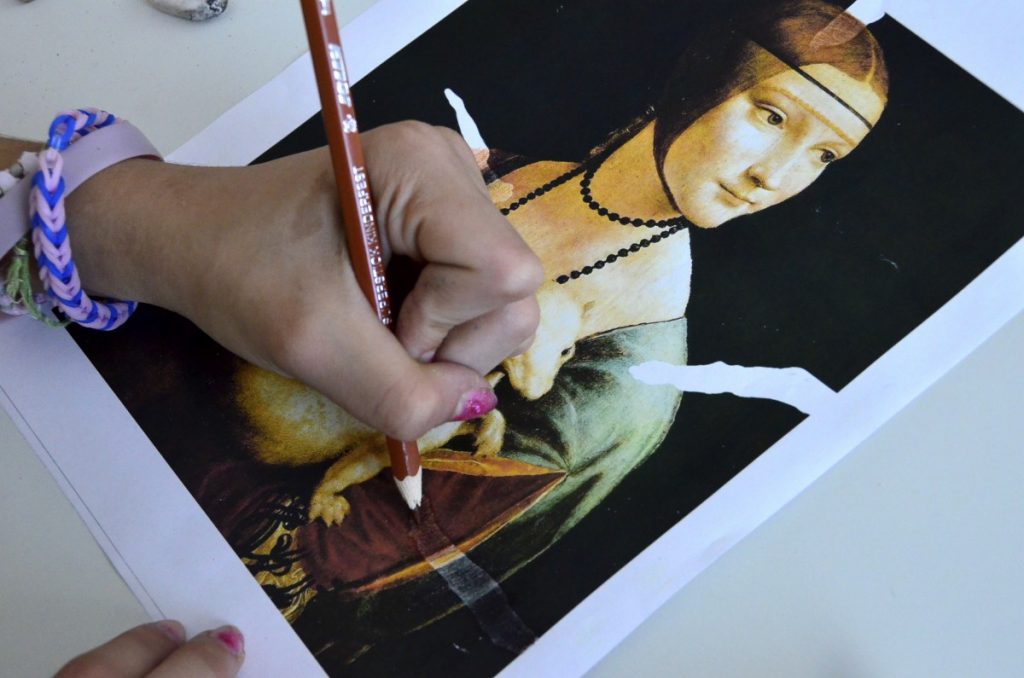
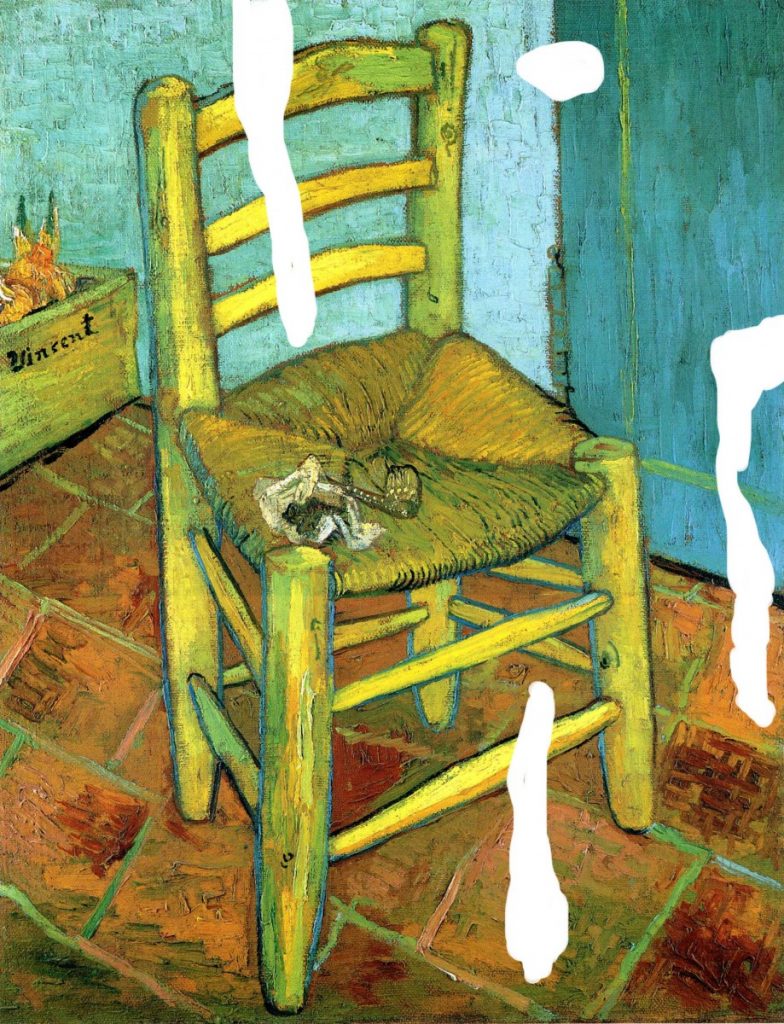
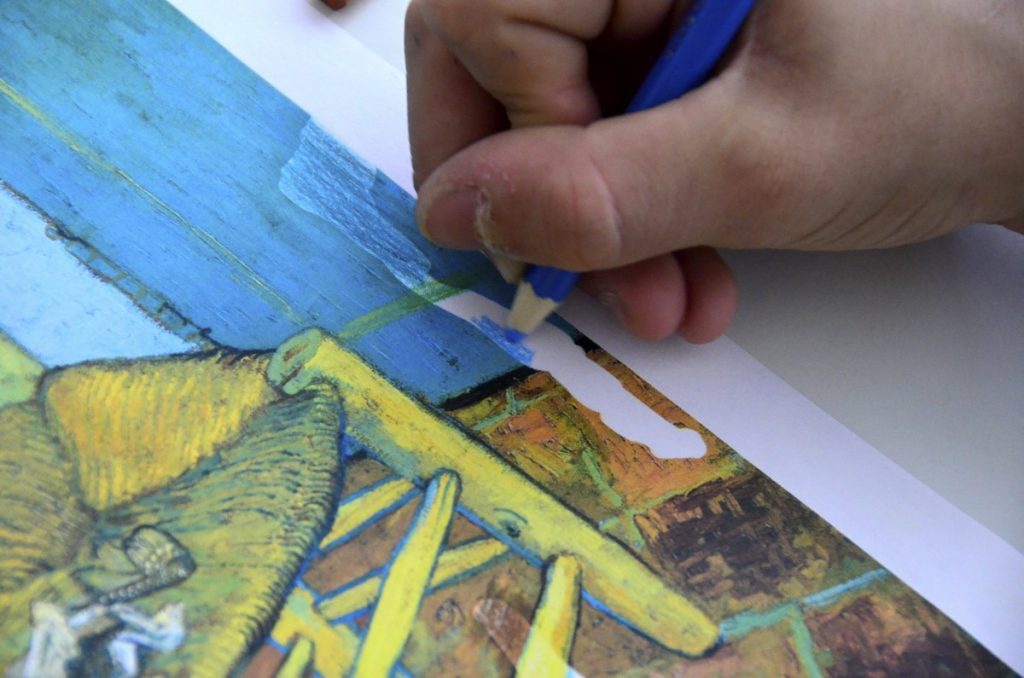
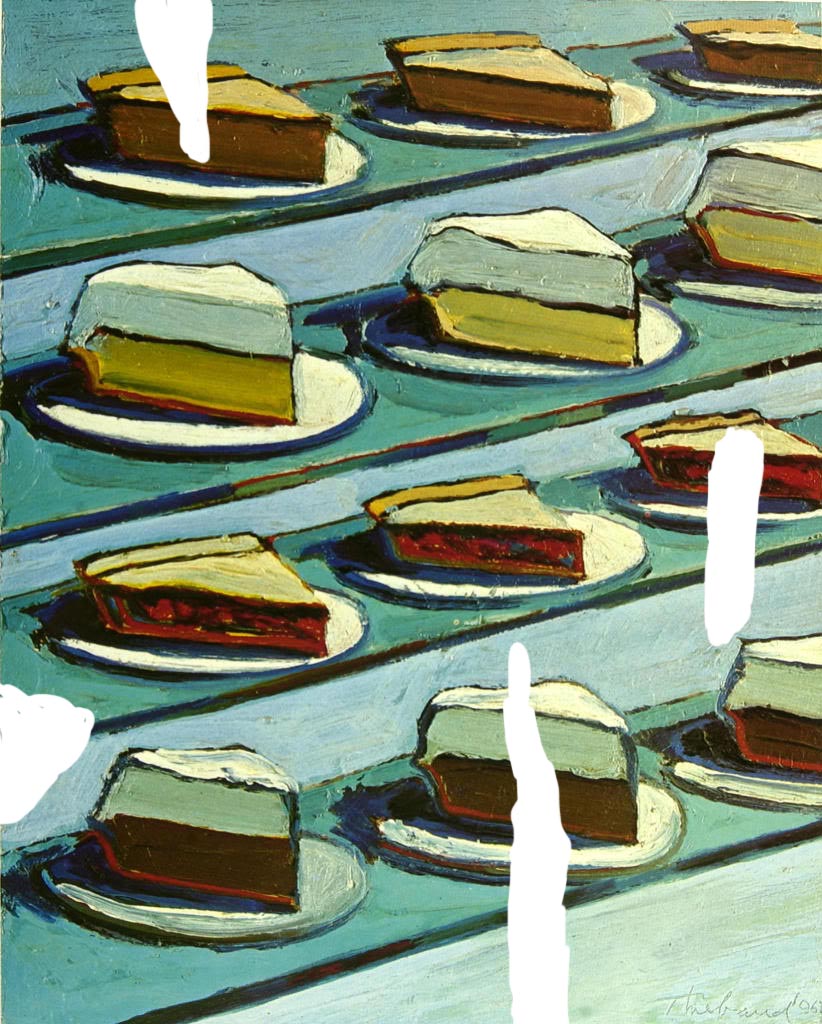
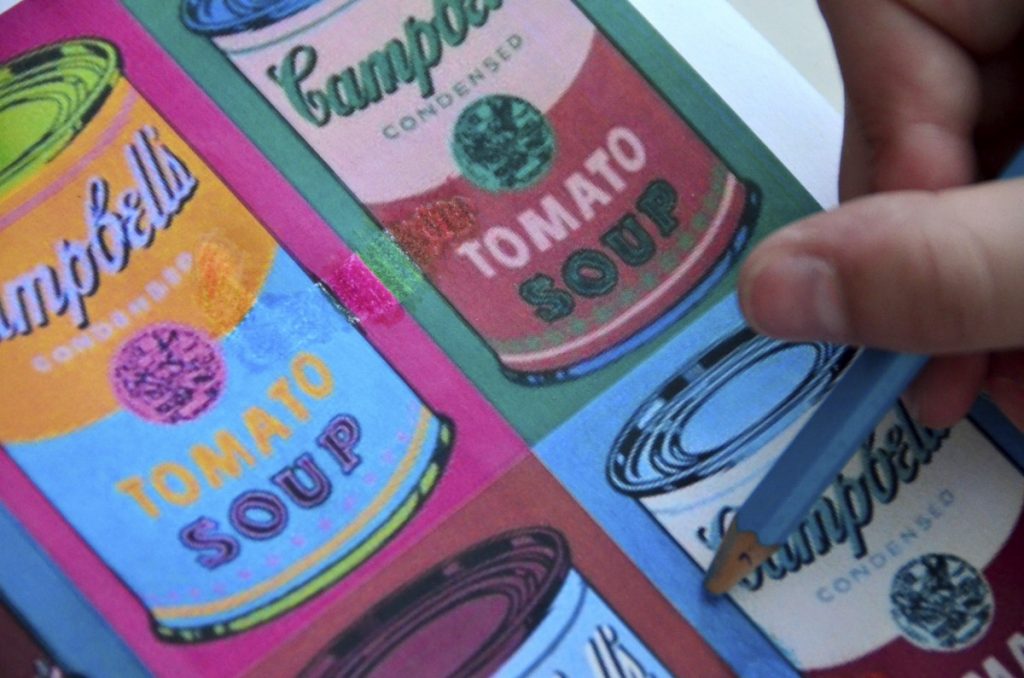
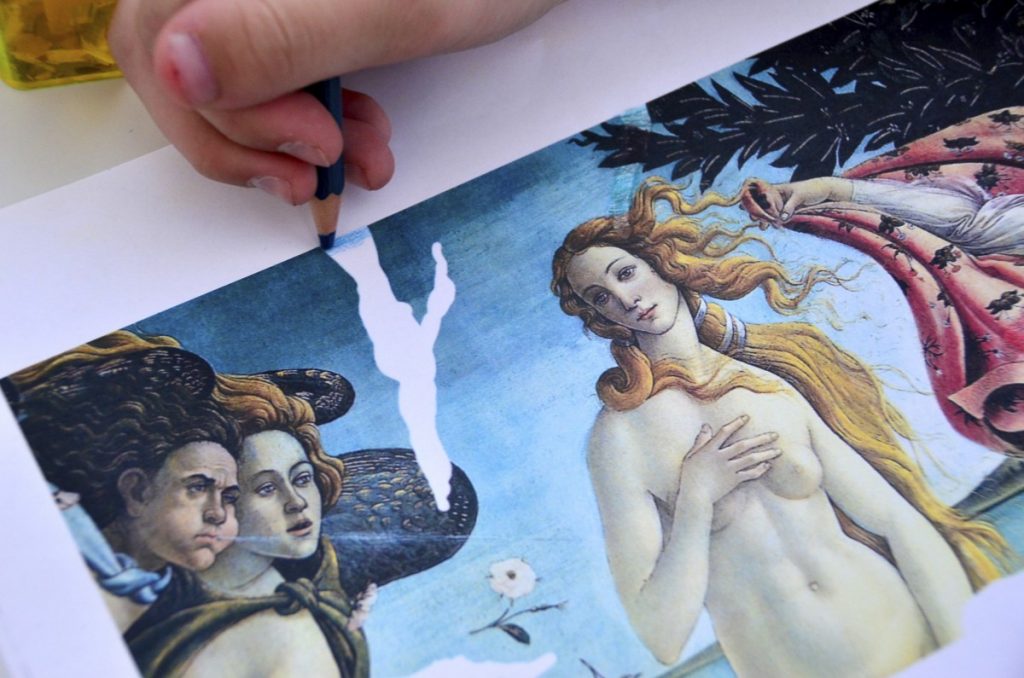
我在课堂上分发了一些“受损”的画作,其明显缺色区域清晰可见,亟待修复。挑战任务是:找出最匹配的色彩,并尽可能用彩铅模仿原作色调。但请注意:修复痕迹须近距离可辨,远观则须浑然天成!为实现这一效果,我们采用短小线条技法,使修复干预痕迹在近观时清晰可辨。
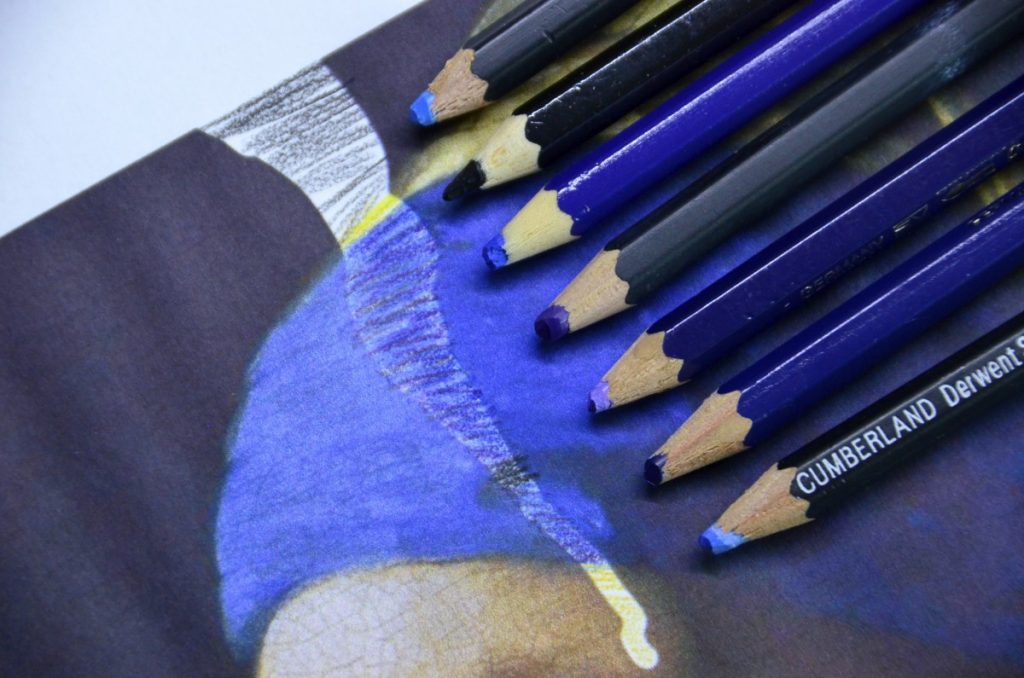
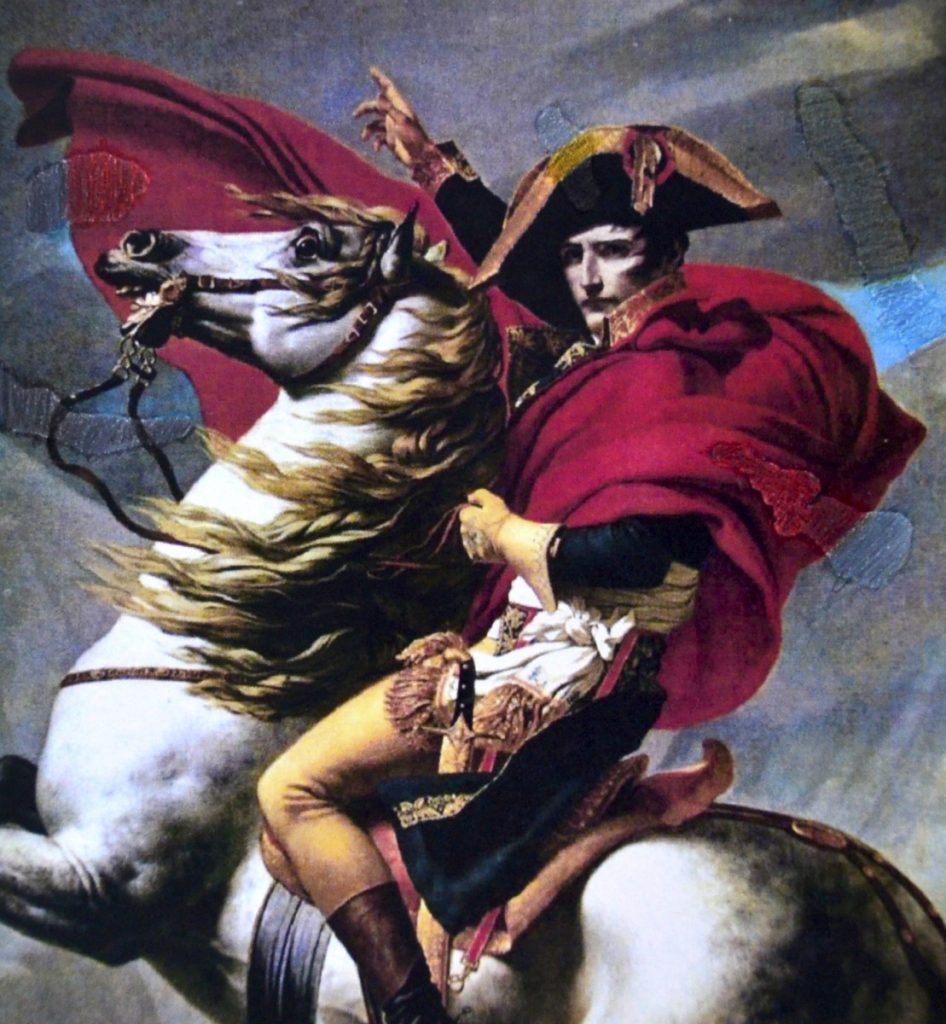
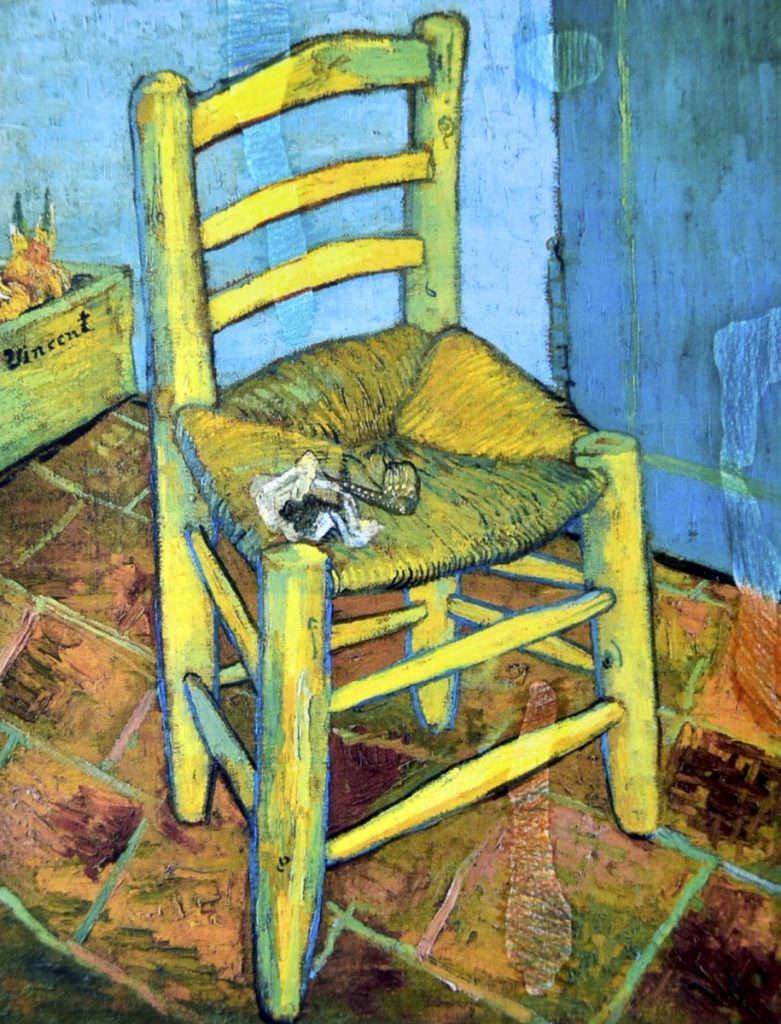
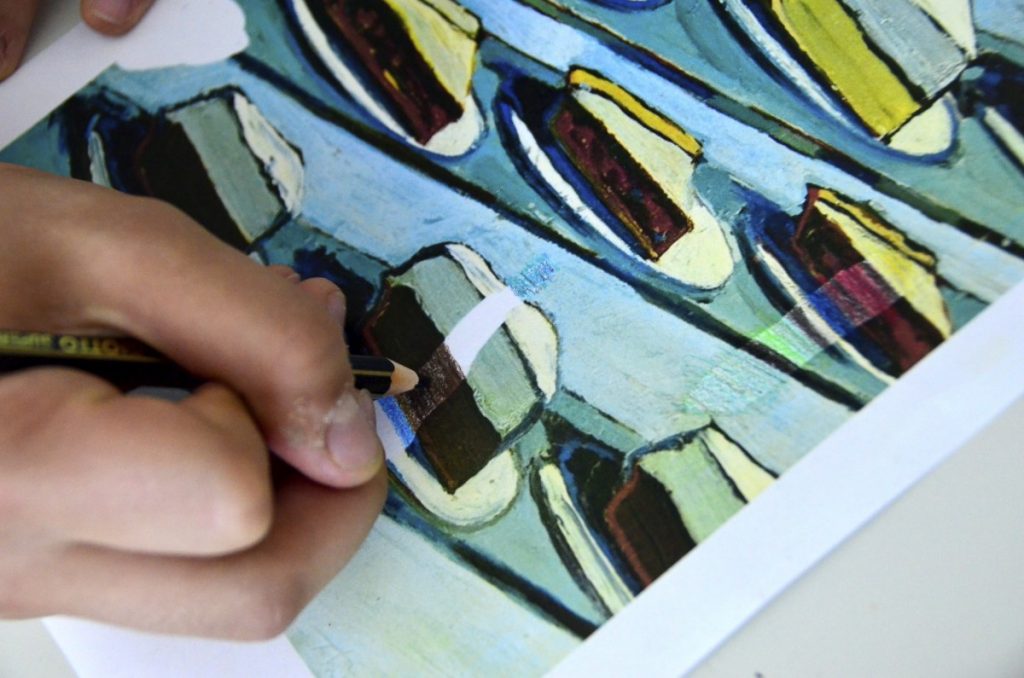
仅靠彩铅要呈现如此饱和的色彩并不容易,诀窍在于逐层叠加不同颜色,以逼近原作的色相。正如真实修复工作一样,我们也在修复前、修复中与修复后对作品进行了拍摄记录。
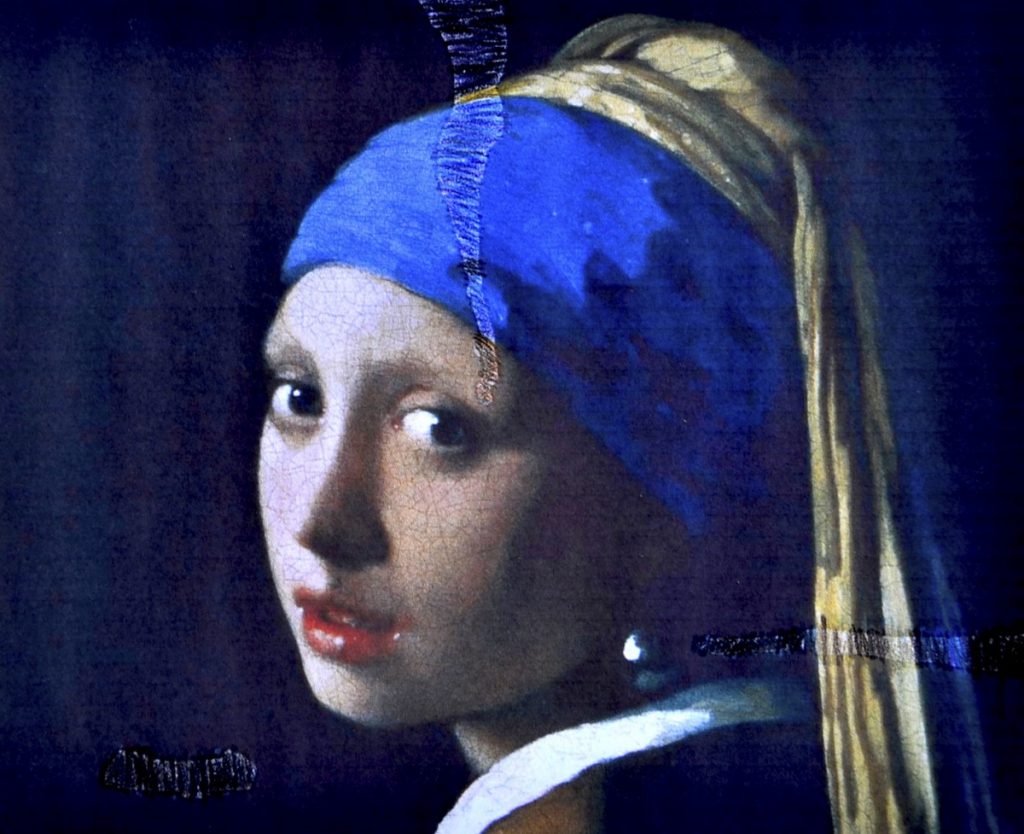
本课帮助我们认识到:修复是一门严谨的科学,绝不可凭经验随意而为,它建立在明确的规则之上,旨在最大限度地长久保存艺术品。我们共同领悟到:对艺术的热爱,亦包含对其深切的尊重。正因这份尊重,我们今天才能在全世界欣赏到如此众多精彩绝伦的艺术杰作。通过尊重、保护与修复艺术品,我们确保将这份美传递给未来的人类!
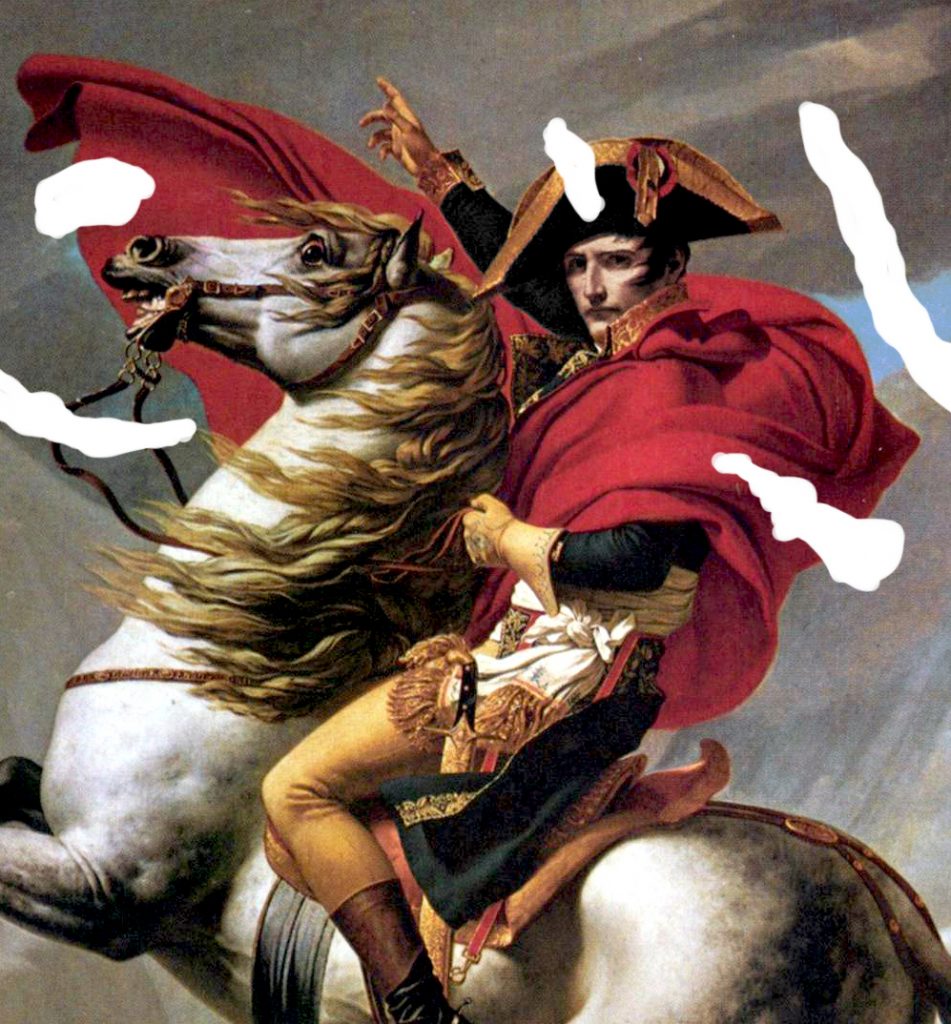
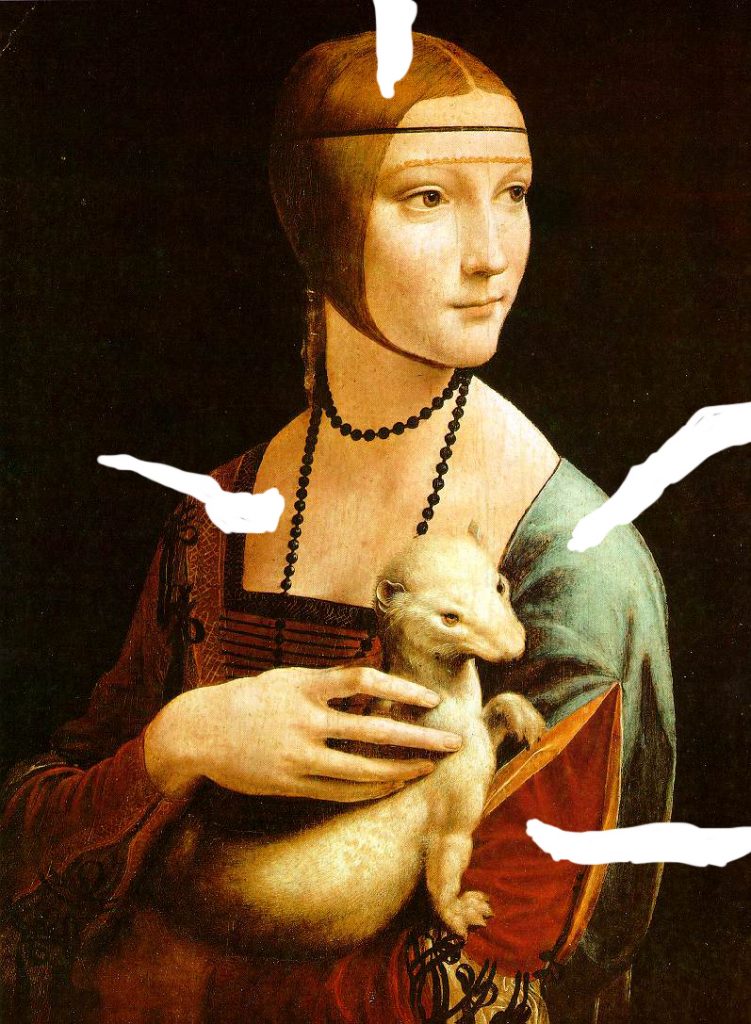
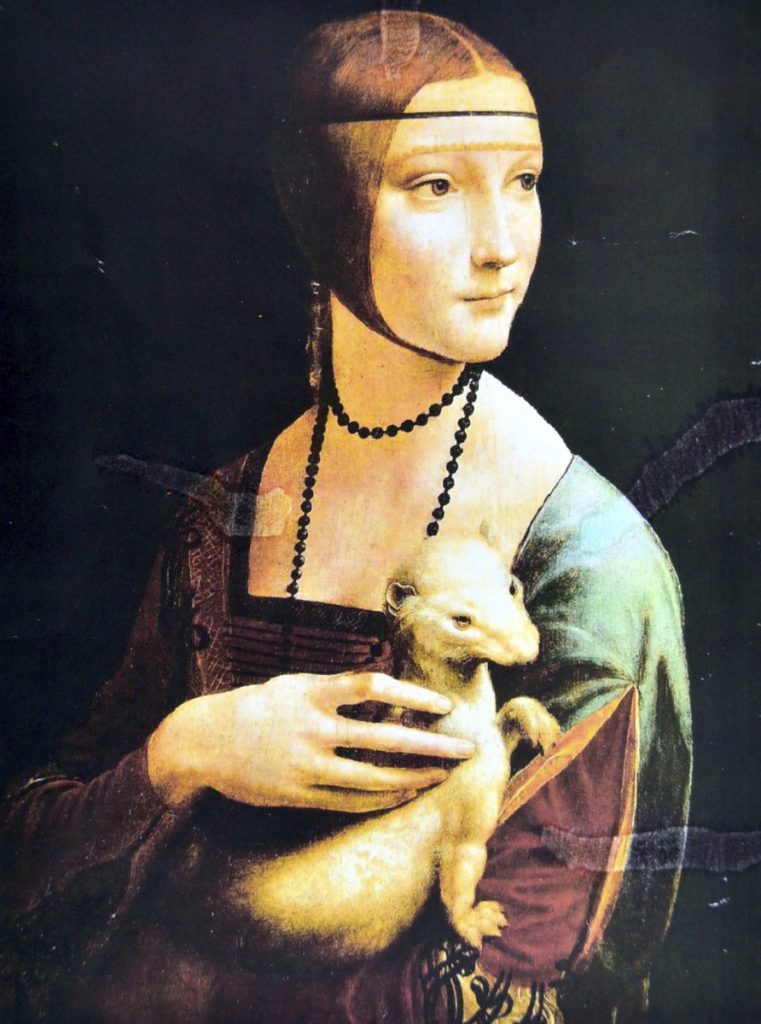
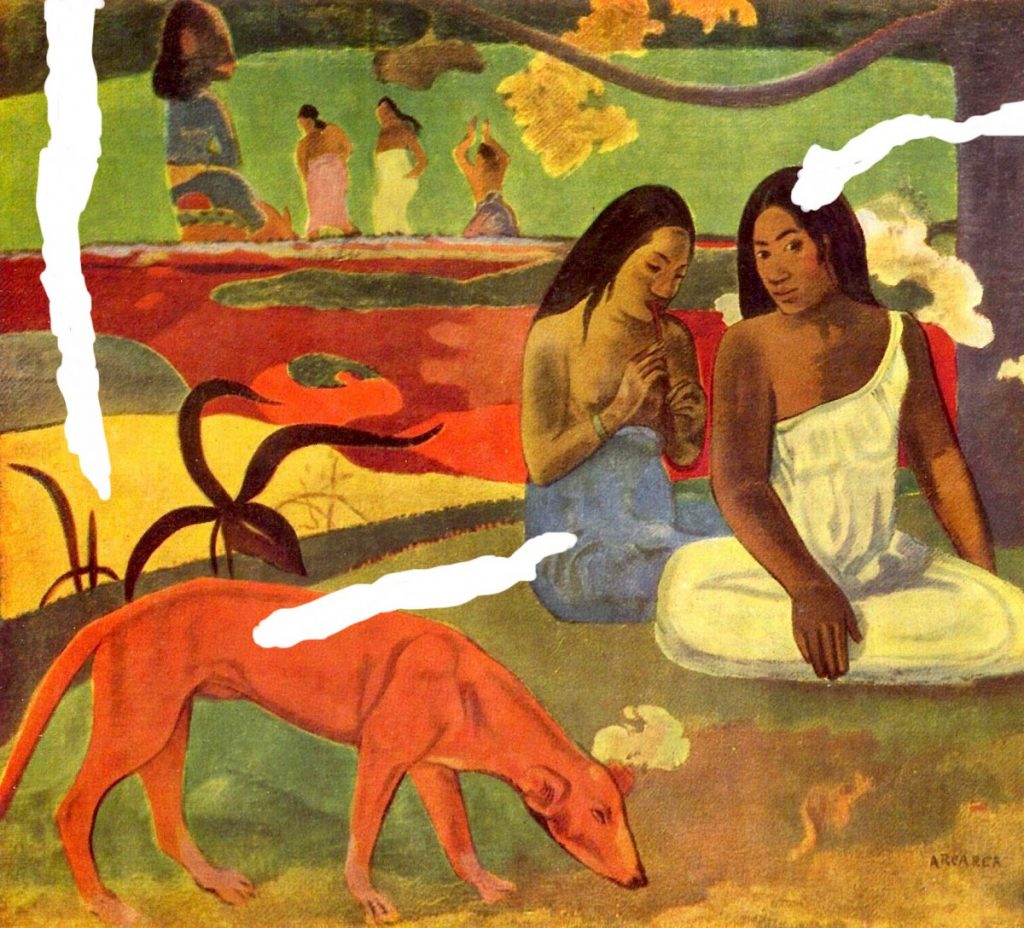
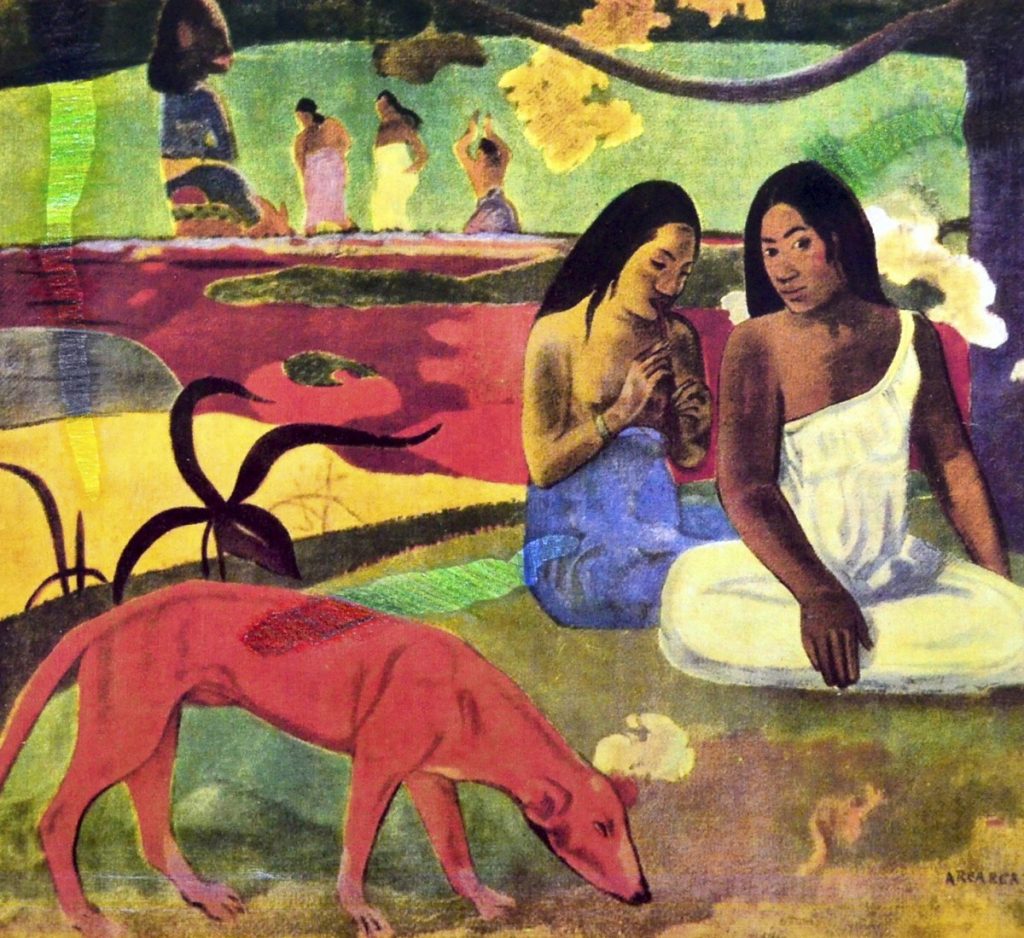
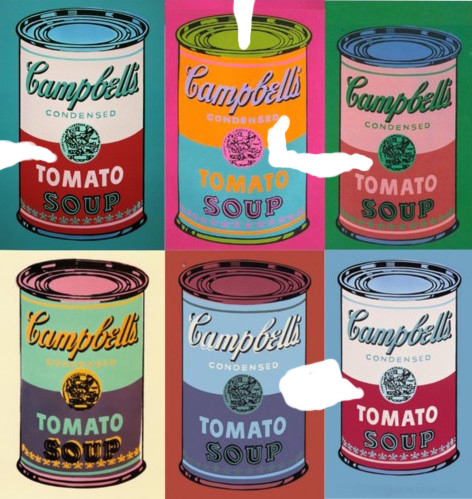
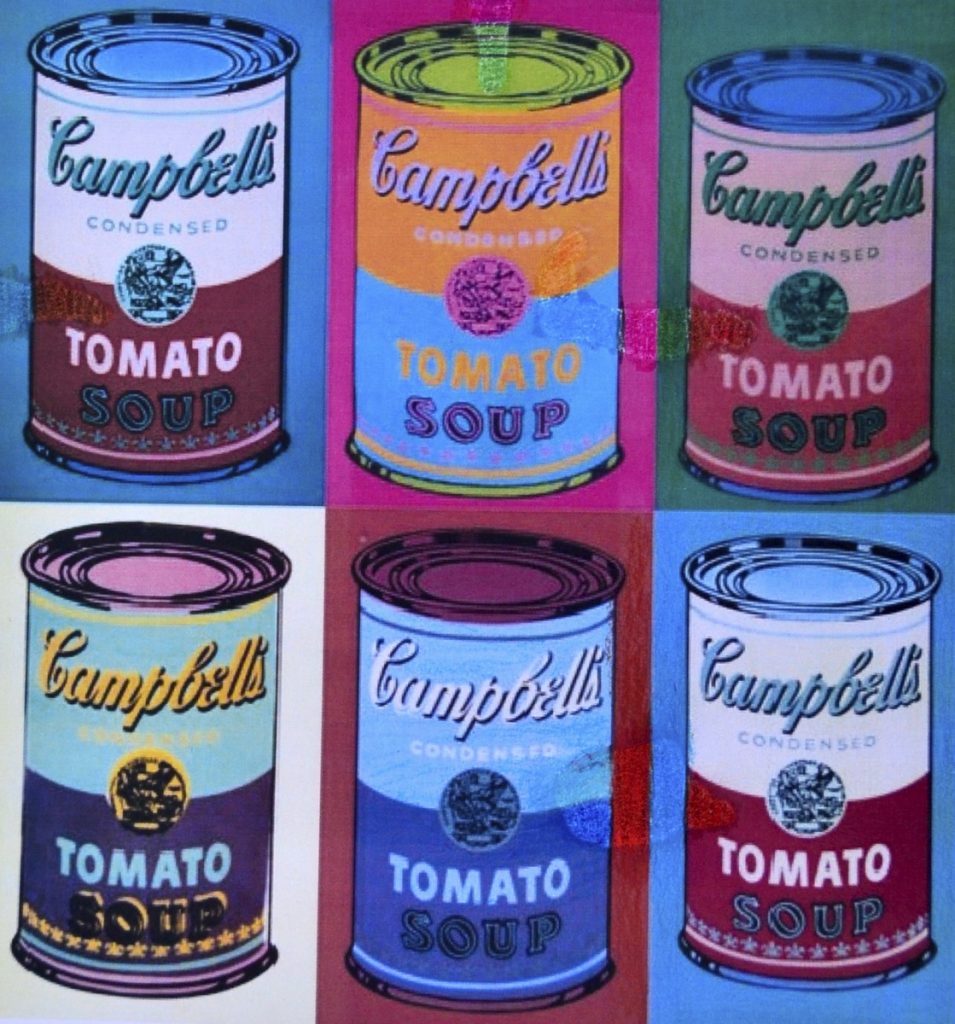
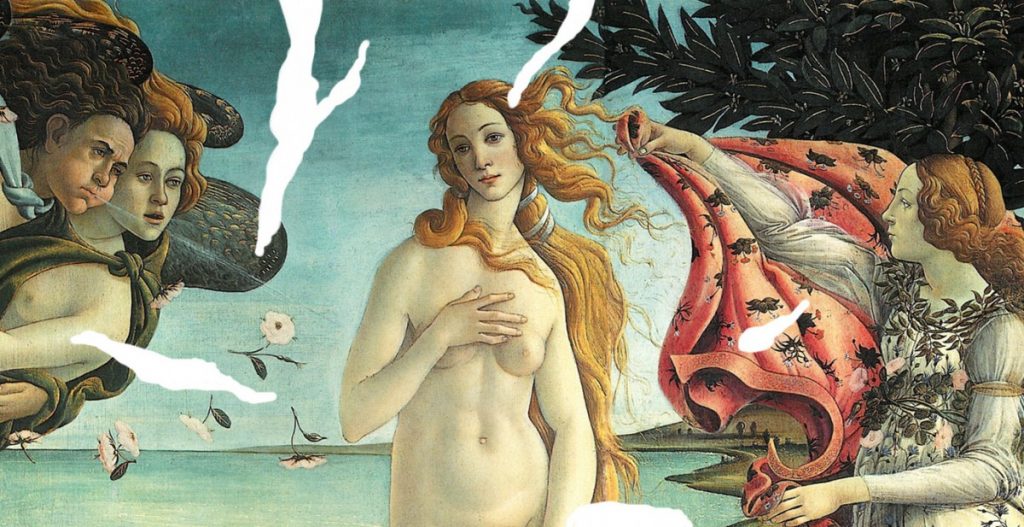
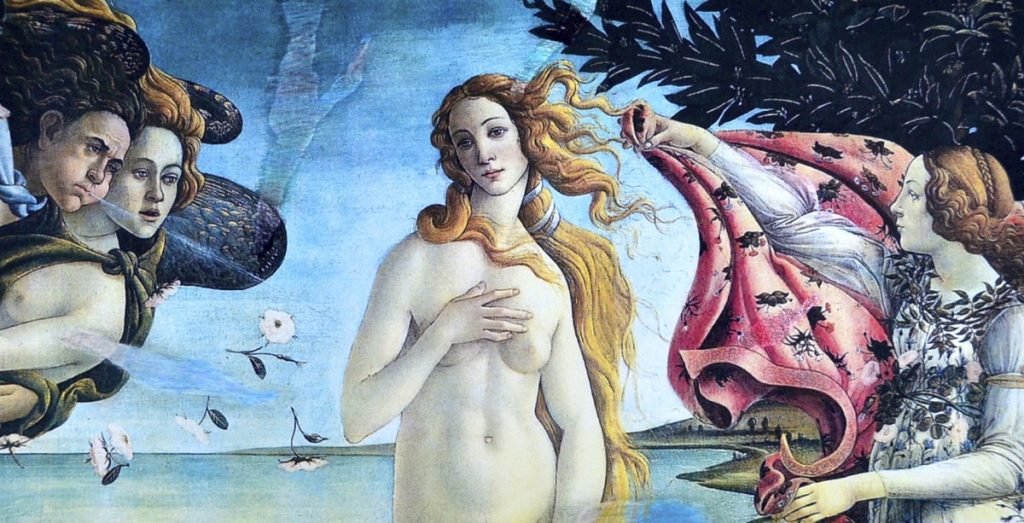
以下为其他几幅待修复的“受损”画作,你愿意尝试吗?
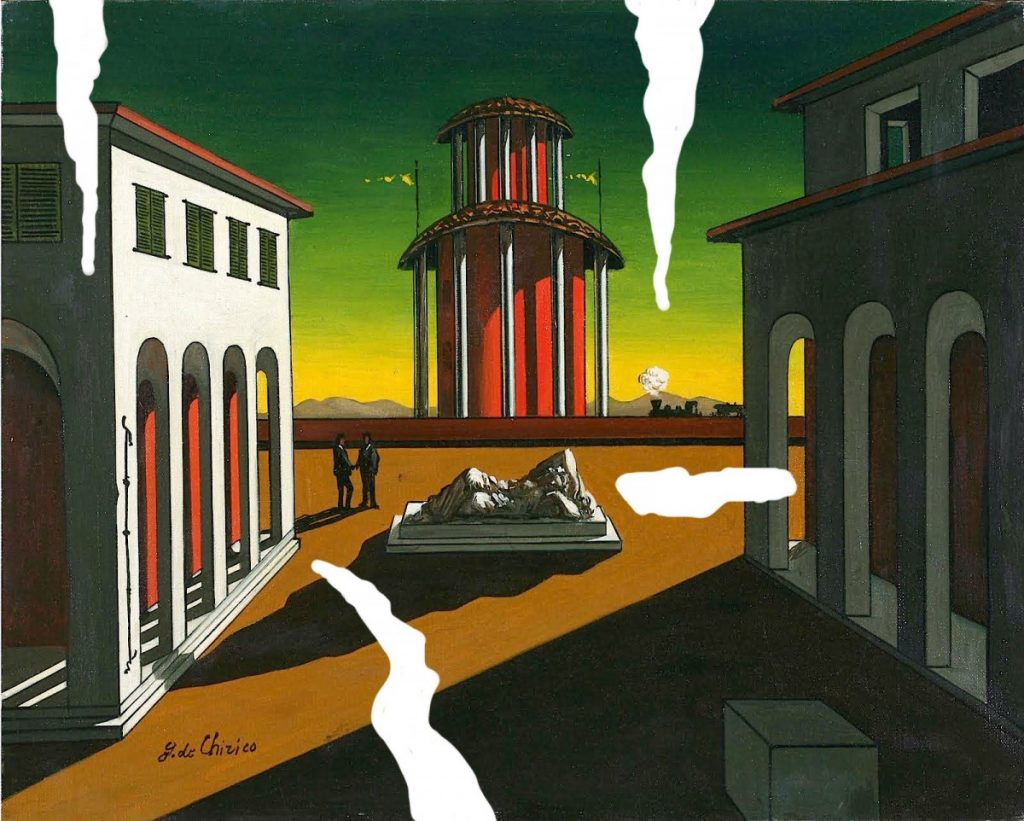
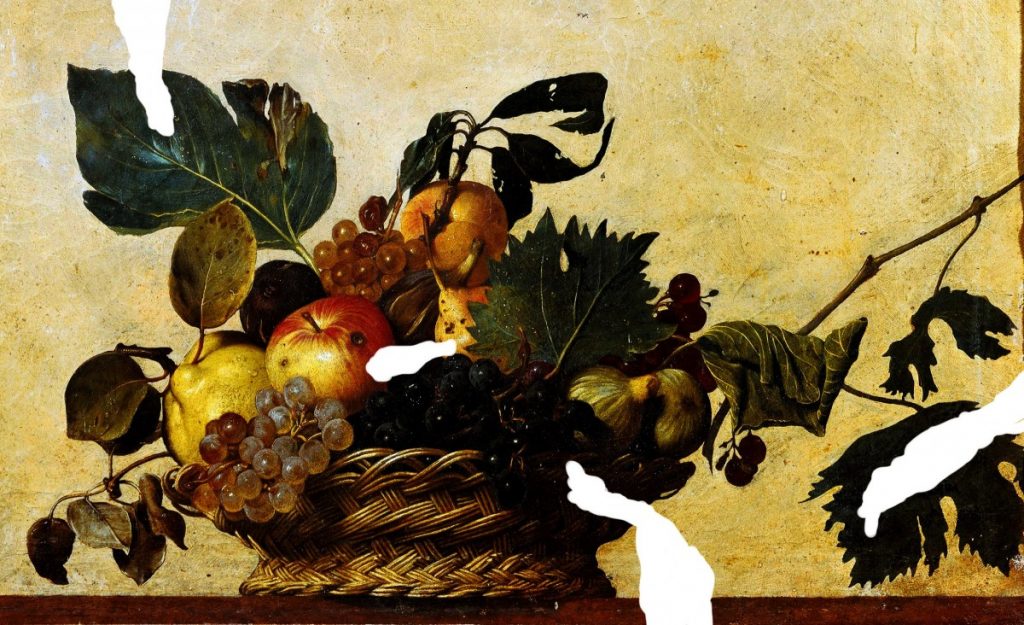
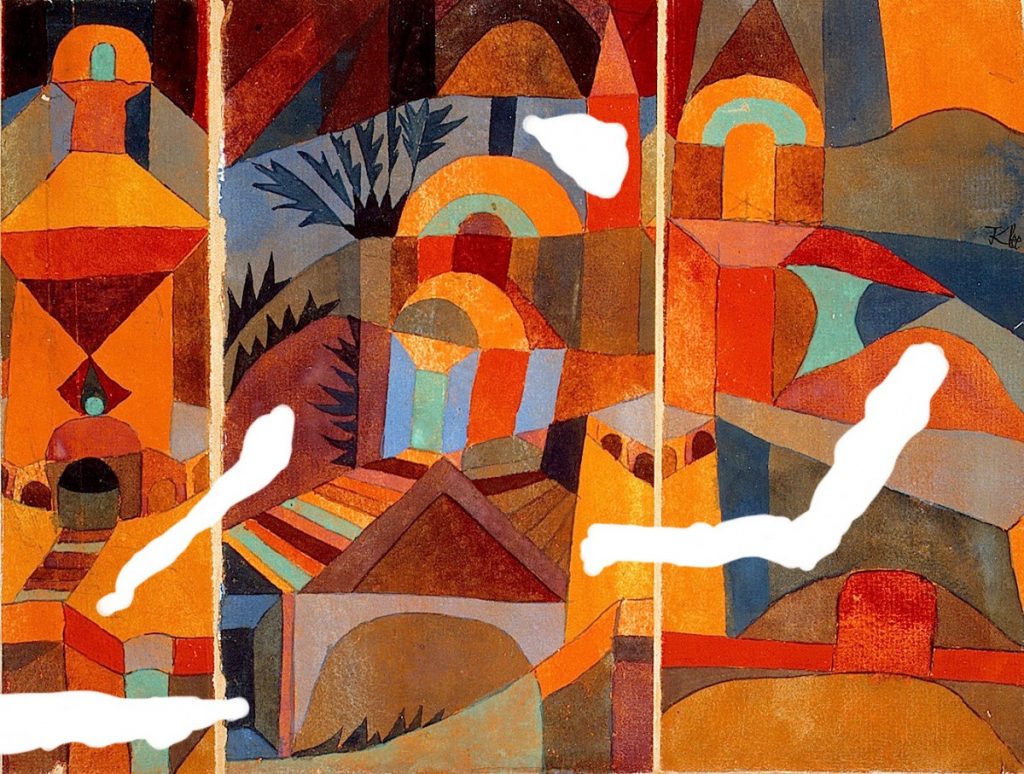
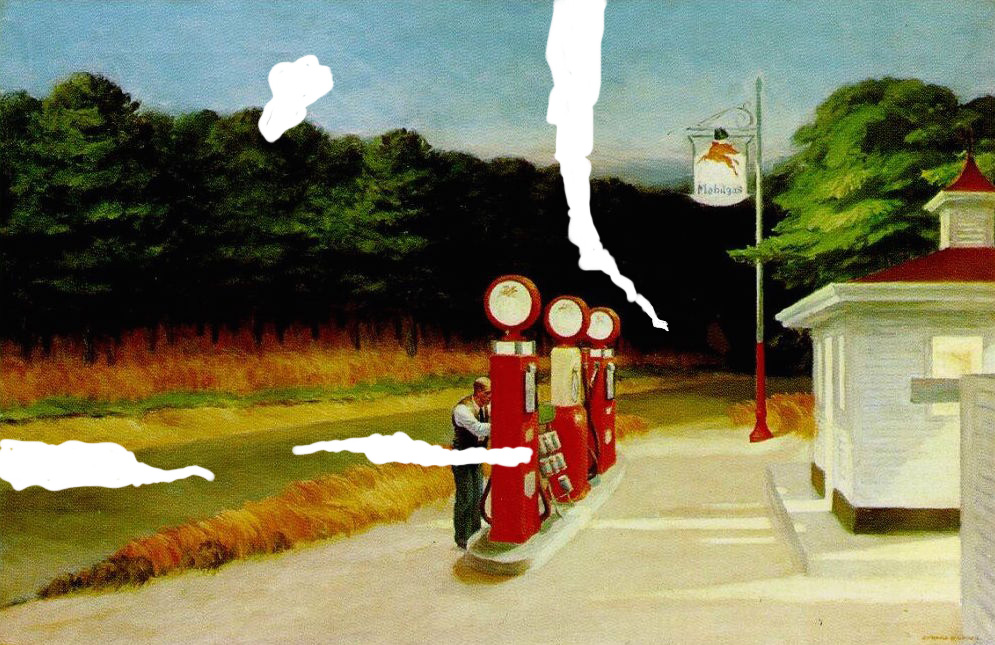
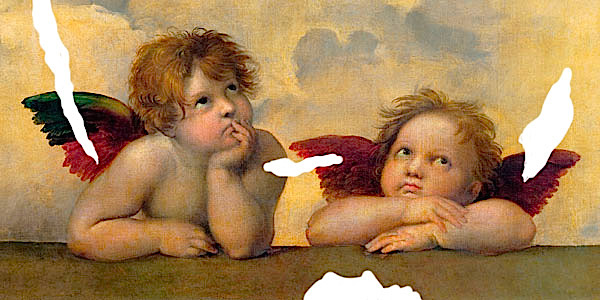
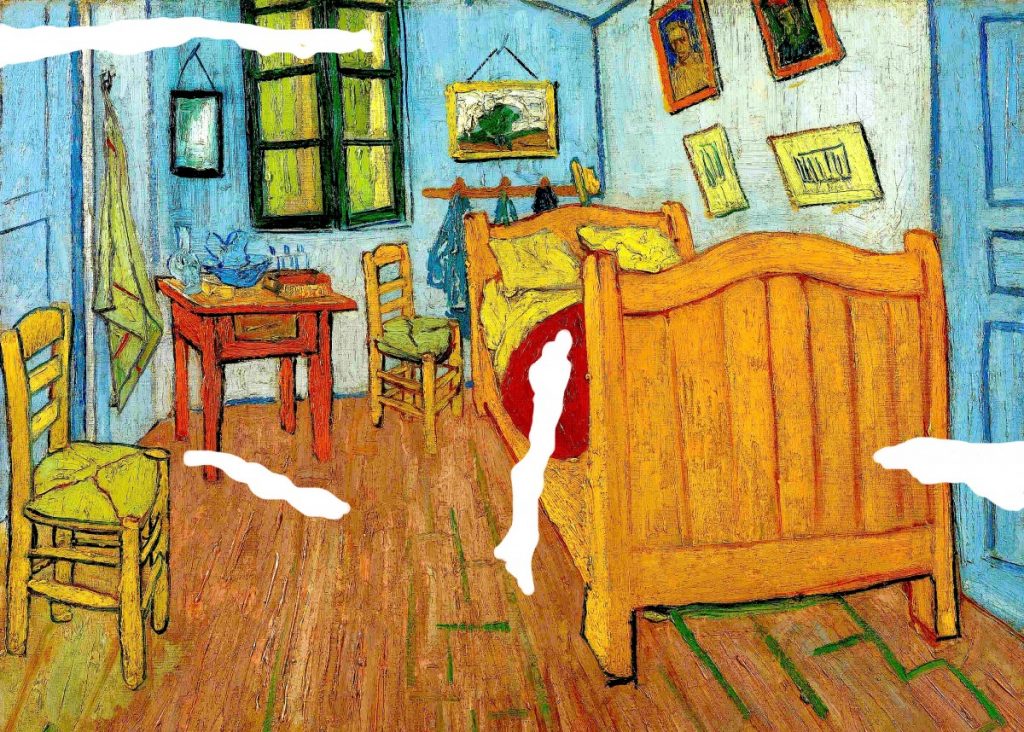
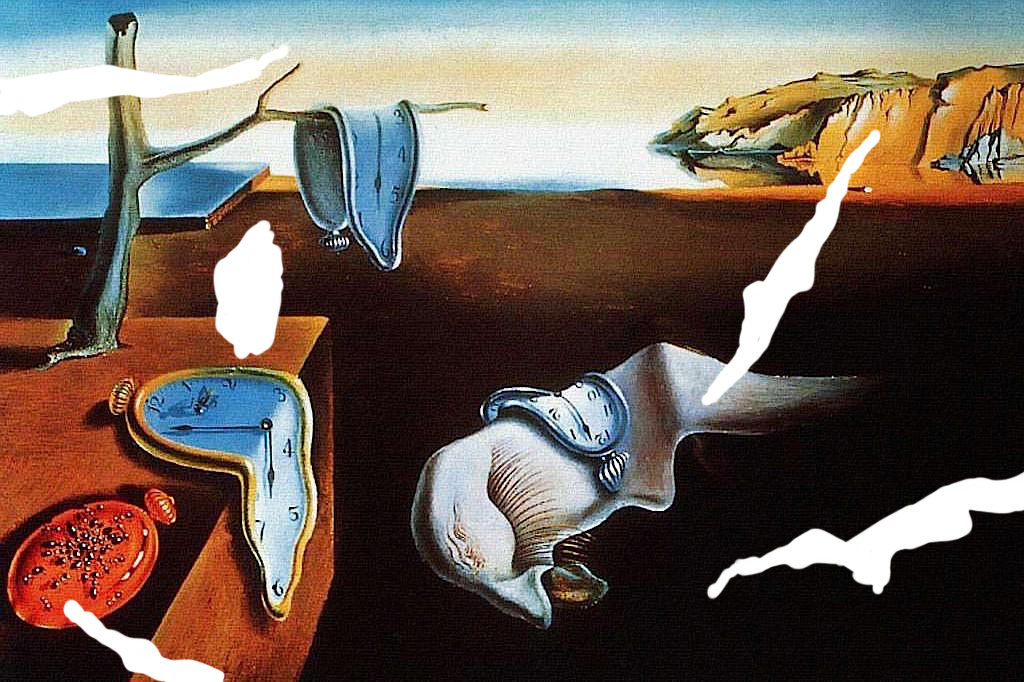
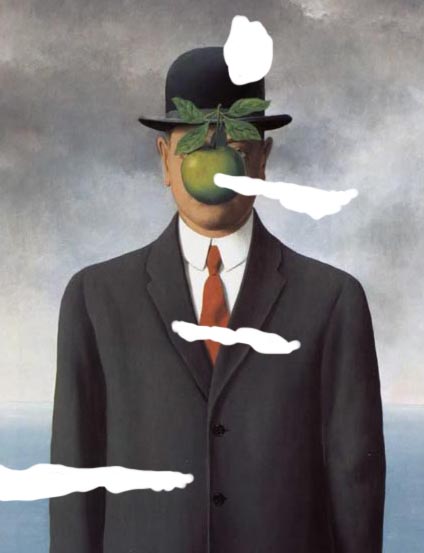
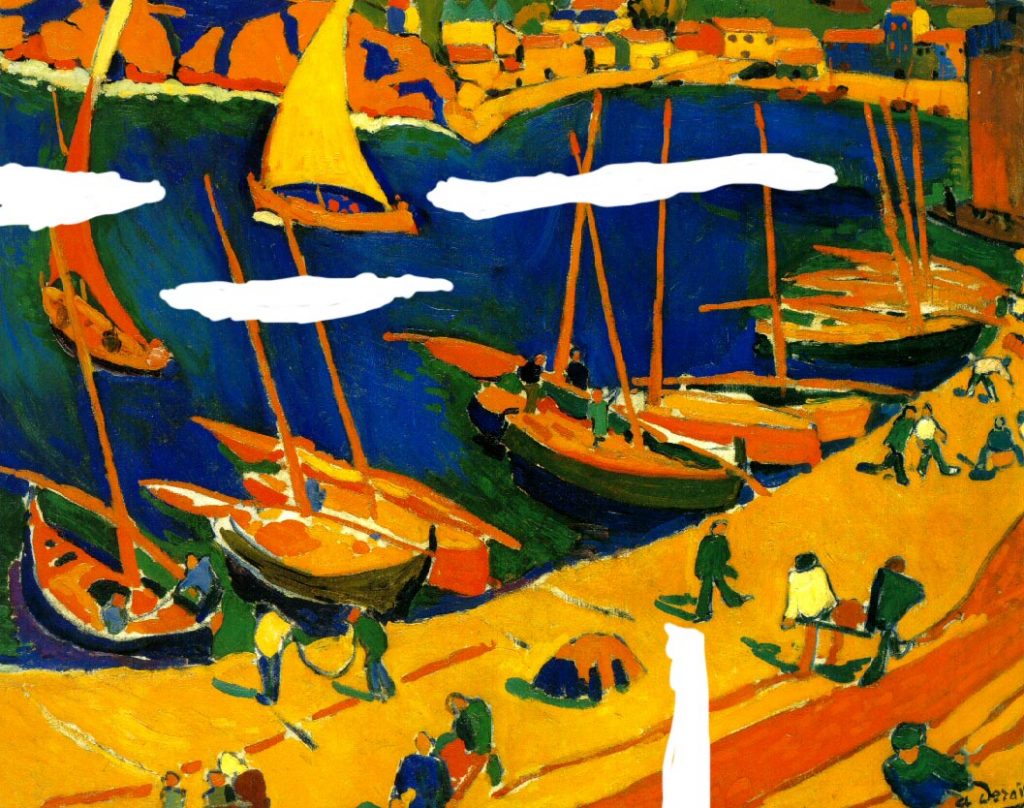
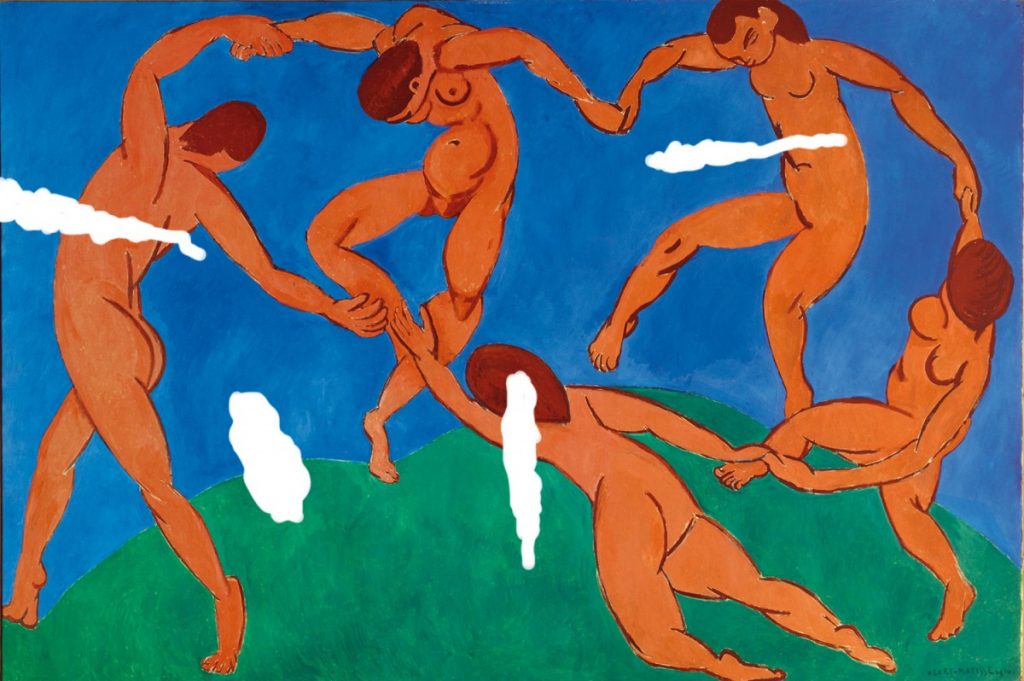
Find the right colors and restore the painting
Restoration of works of art is a topic that is seldom discussed in class. Before being a teacher I have been restorer for more than ten years, working in the most beautiful italian cities as Venice and Florence. Now, at school, i looked for a way to teach to my students the history, the technique and basic principles of restoration.
The branch of the restoration and the profession of the restorer are very recent, and it is only a few decades that we have been established a regulation in the restoration. The “Paper of Restoration”, drew up in 1972, sets out some important rules, for example, that every artwork restored, must be photographed before, during and after the restoration. Another rule says that you can’t complete or remake missing parts of an artwork. The remake in a work of art, today is considered a forgery!
Among the the fundamental principles of restoration there is the recognizability: when we retouch a missing part, it must be distinguishable from the original. With the retouch done with many small lines, we can identify the intervention of the restorer looking at up close. I challenged my students. Can we become small restorers? How we act in front of a damaged artwork?
I handed out in class some artwork “damaged” that needed to be repaired, with obvious blanks where the color has been missed. The challenge was to find the right colors, and to imitate as much as possible the original colors with colored pencils. But be careful: the restoration has to be recognizable from near but invisible from a distance! To achieve this effect we use the technique with short small lines, that allows us to recognize the intervention of the restorer.
It is not easy to obtain these colors so saturated with colored pencils,
the secret is to proceed for superimposed layers of colors, in order to achieve
the hue closer to the original. As in authentic restorations we photographed
the work before, during and after restoration.
This lesson has helped us to understand that the restoration is a proper science, which can not be improvised, because it is based on clear rules in order to preserve the works of art as long as possible. We understand together that love for art also involves his deep respect. Thanks to this respect, we can now enjoy so many wonderful works of art in all the world. Through respect, conservation and restoration of artworks, we make sure to pass on this beauty to the humanity’s future!
Here below other “damaged” paintings, ready to be restored. Would you try?