我的岛屿:通往自我认知的地图
本工作坊旨在帮助六年级学生反思自身身份、个人喜好与情绪,将这些抽象元素转化为可见且具体的景观——即他们的“内心岛屿”。这是学年伊始或开展身份认同类导向课程的理想活动。本活动的目标涵盖多个教育主题:
- 培养自我分析能力与情绪觉察力。
- 理解并运用地图绘制的基本原则(可读性、命名、色彩使用)。
- 尝试混合媒介创作(彩铅与“湿画法”水彩)。
- 运用形状作为表现性元素(以姓名首字母为原型)。
材料与方法
- A4 或 A3 绘画纸
- 彩铅
- 铅笔、橡皮
- 水彩颜料、画笔、水
- 细头黑色记号笔
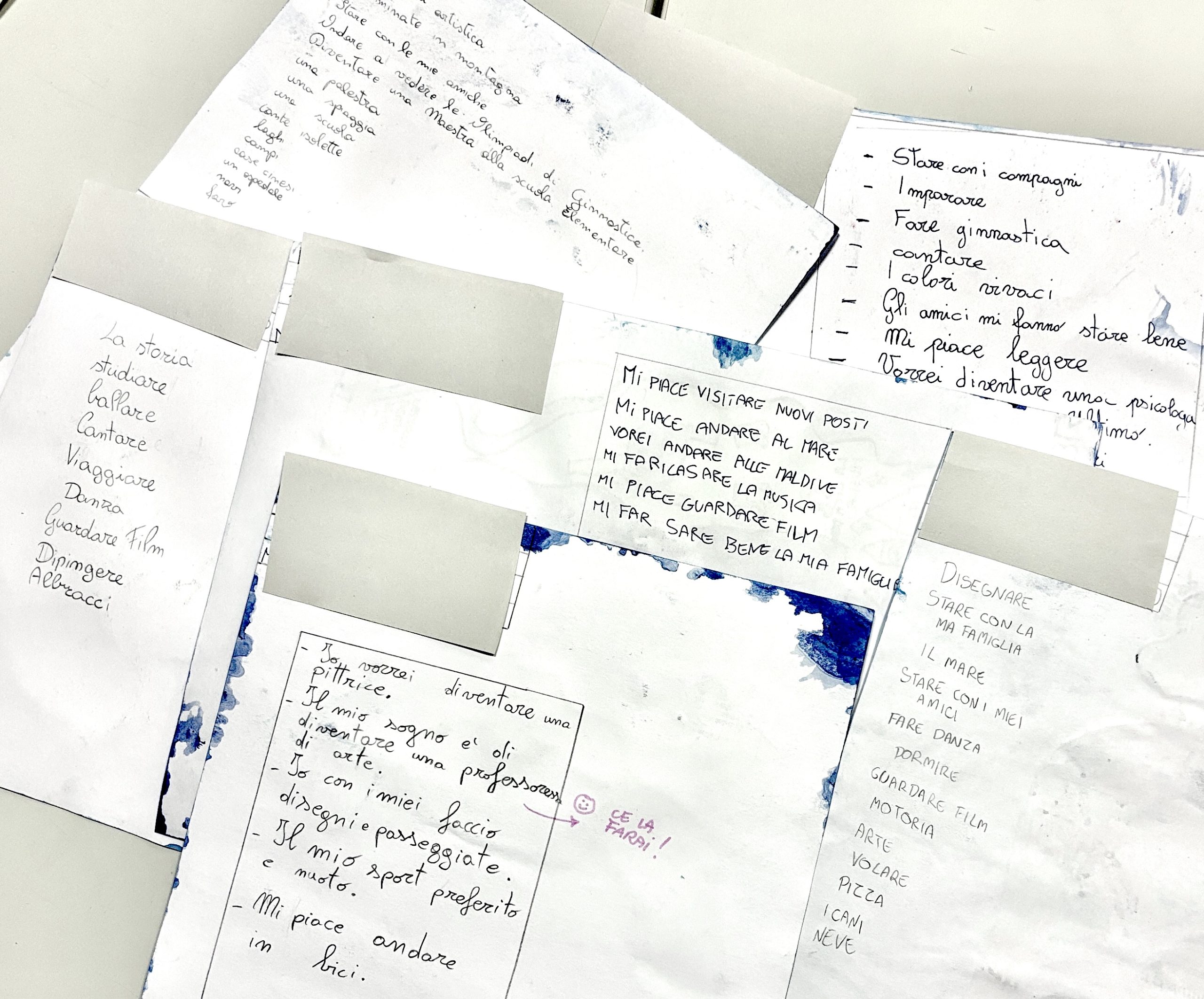
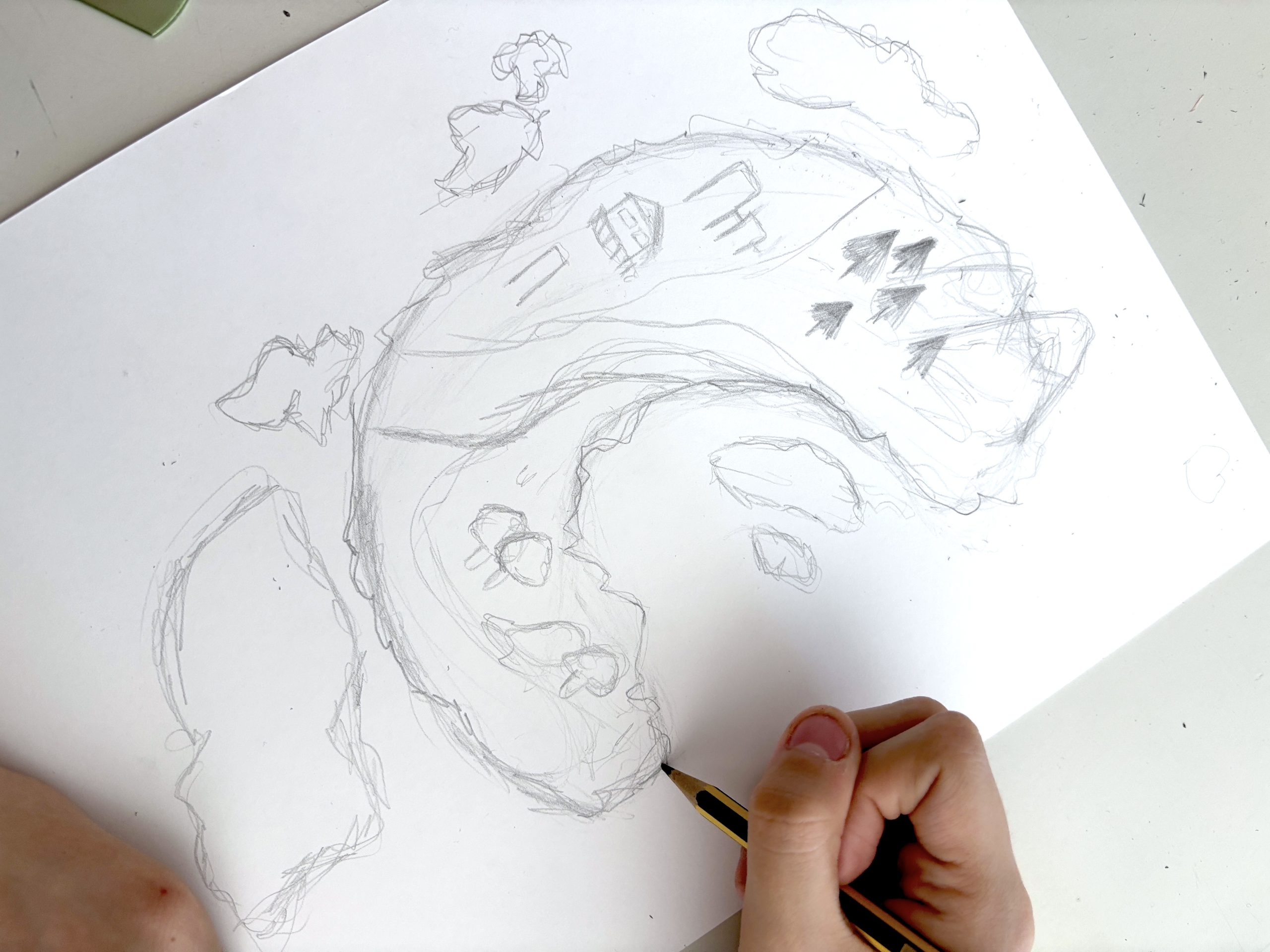
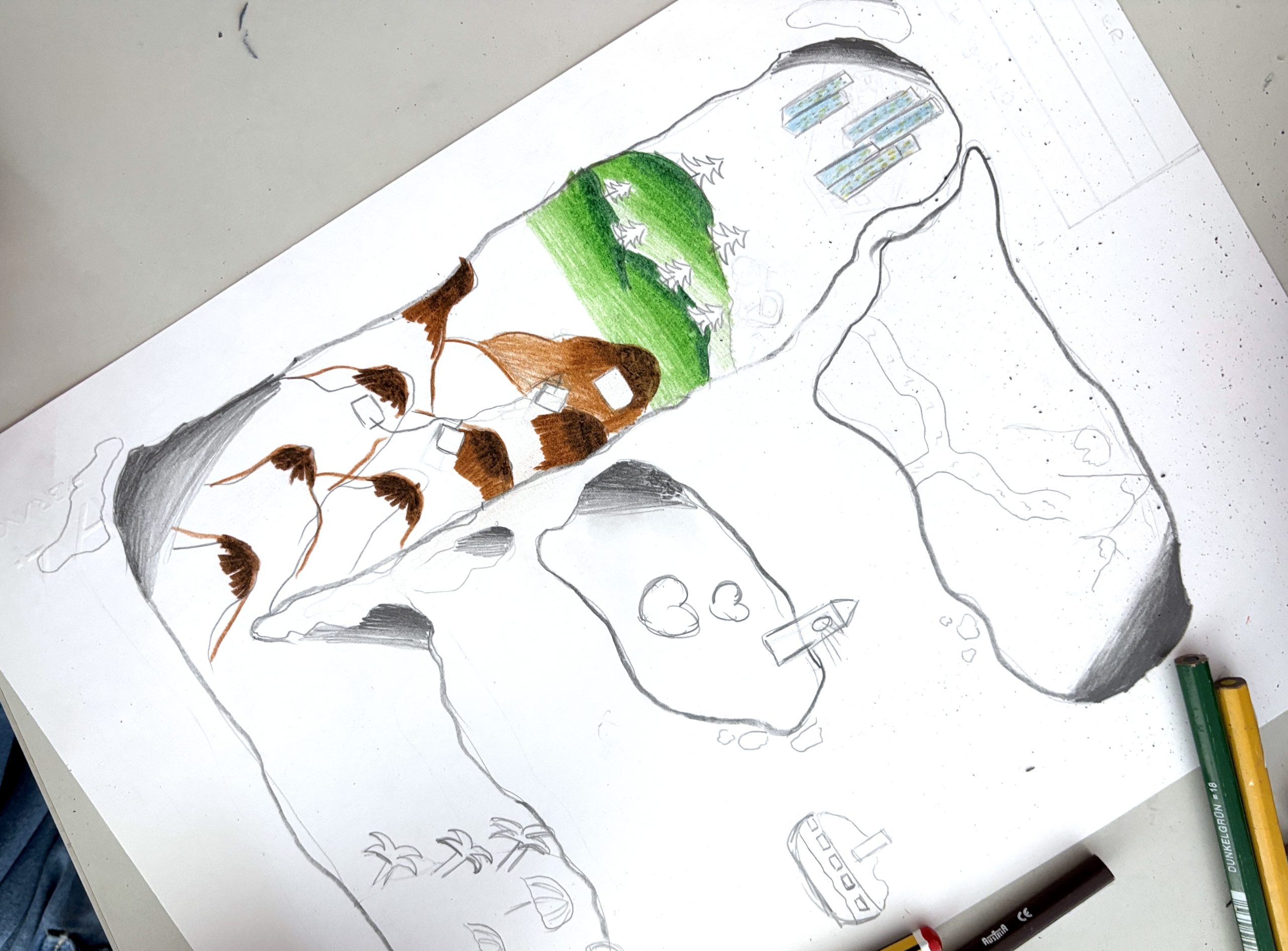
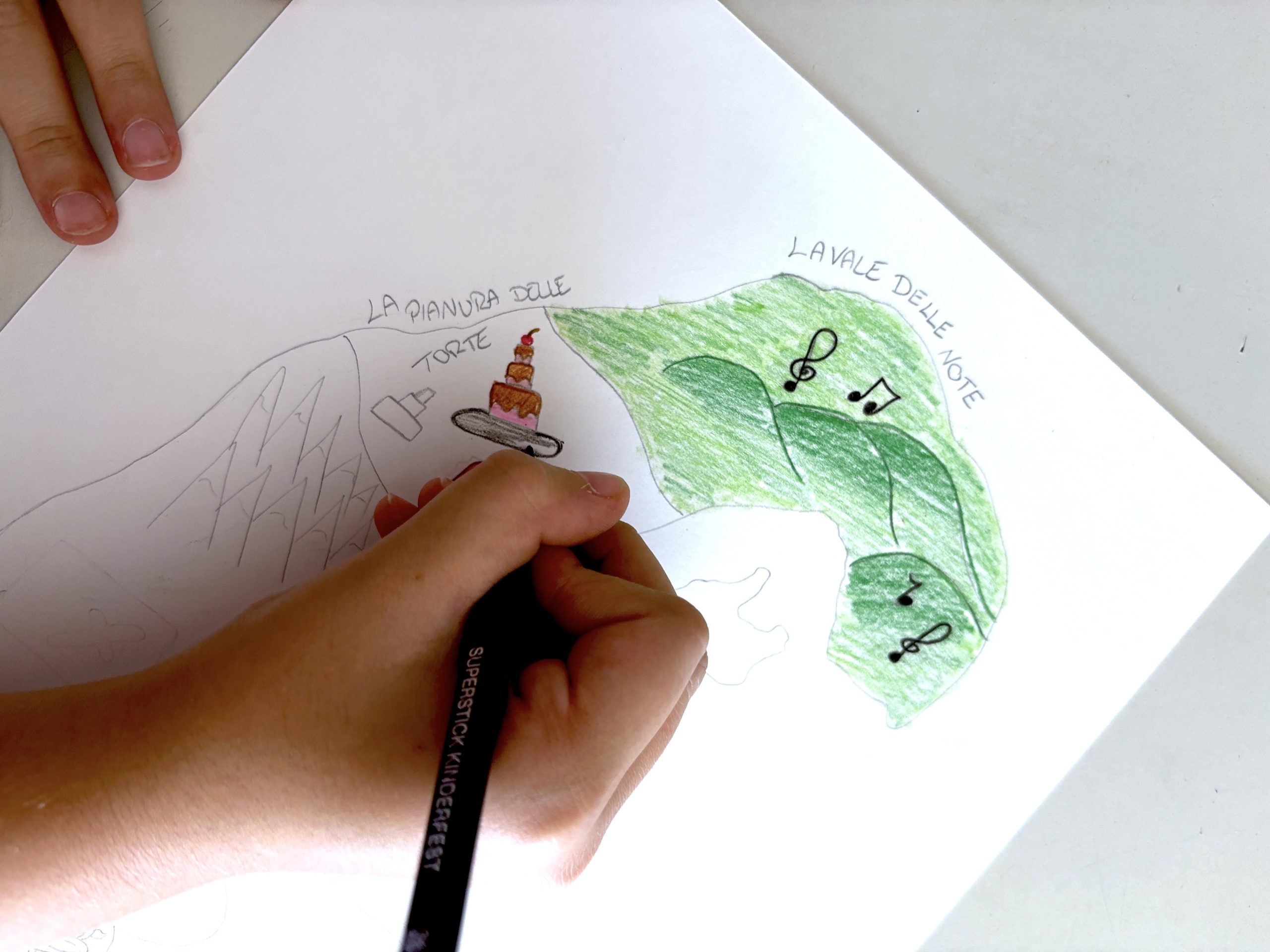
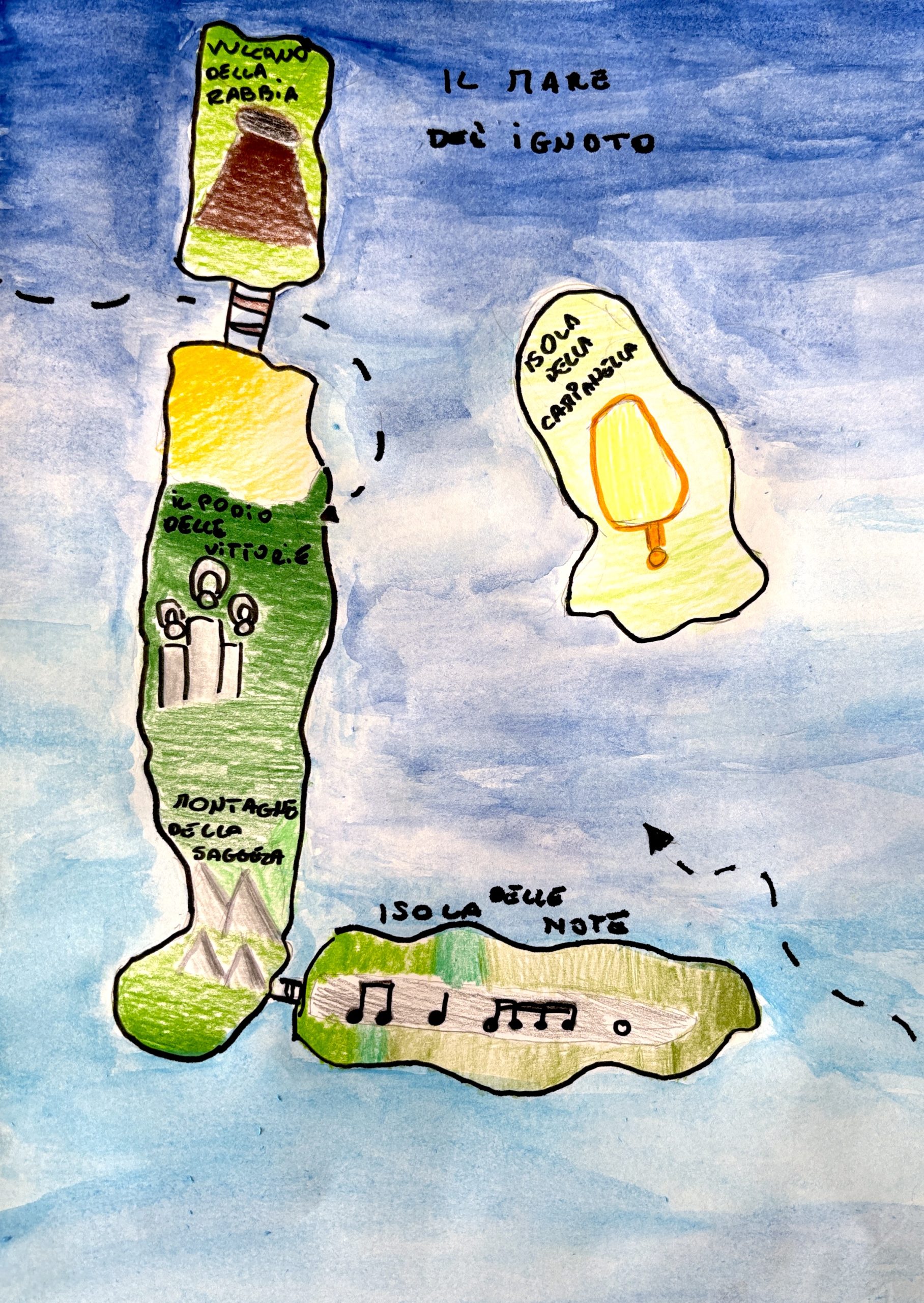
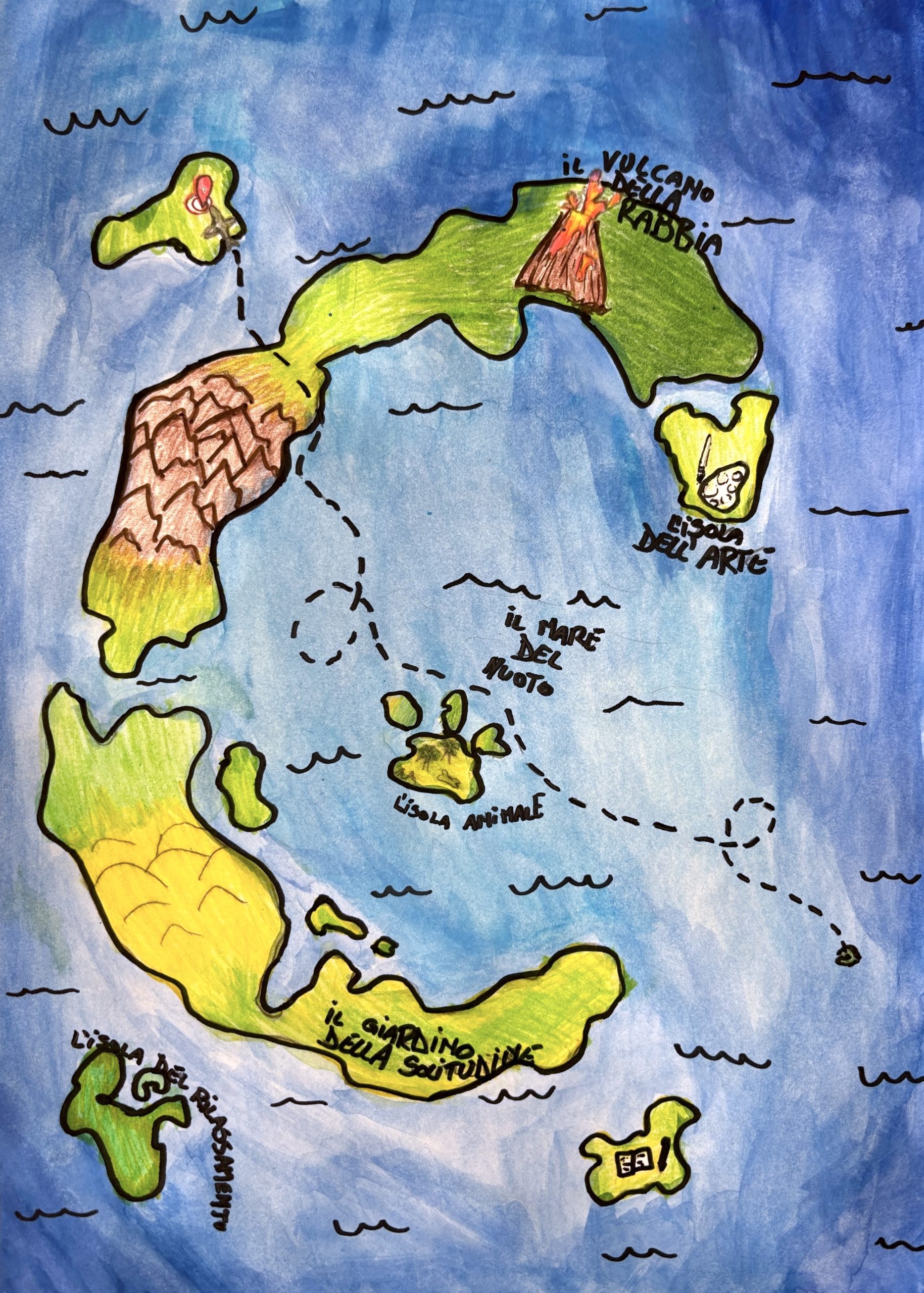
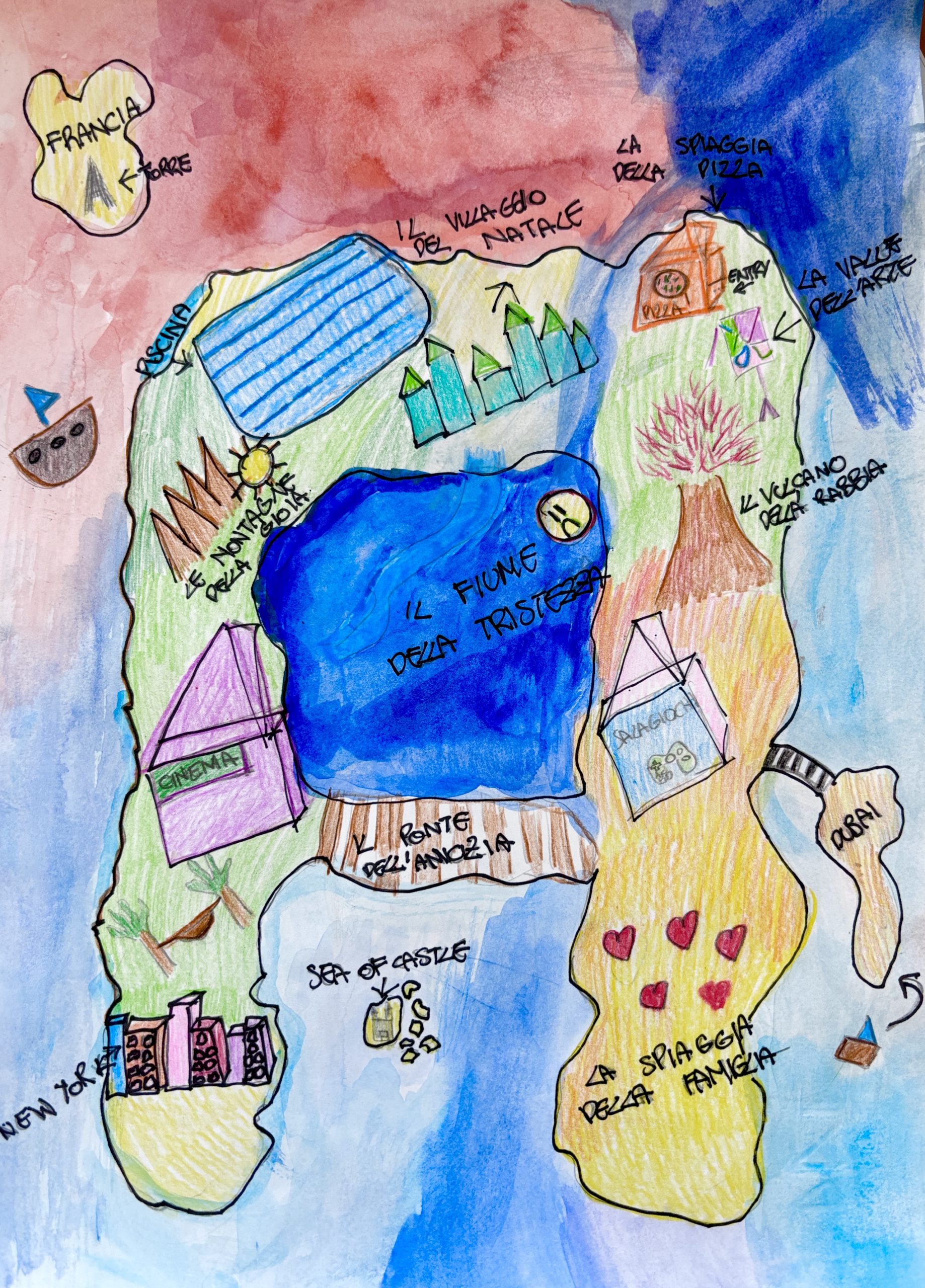
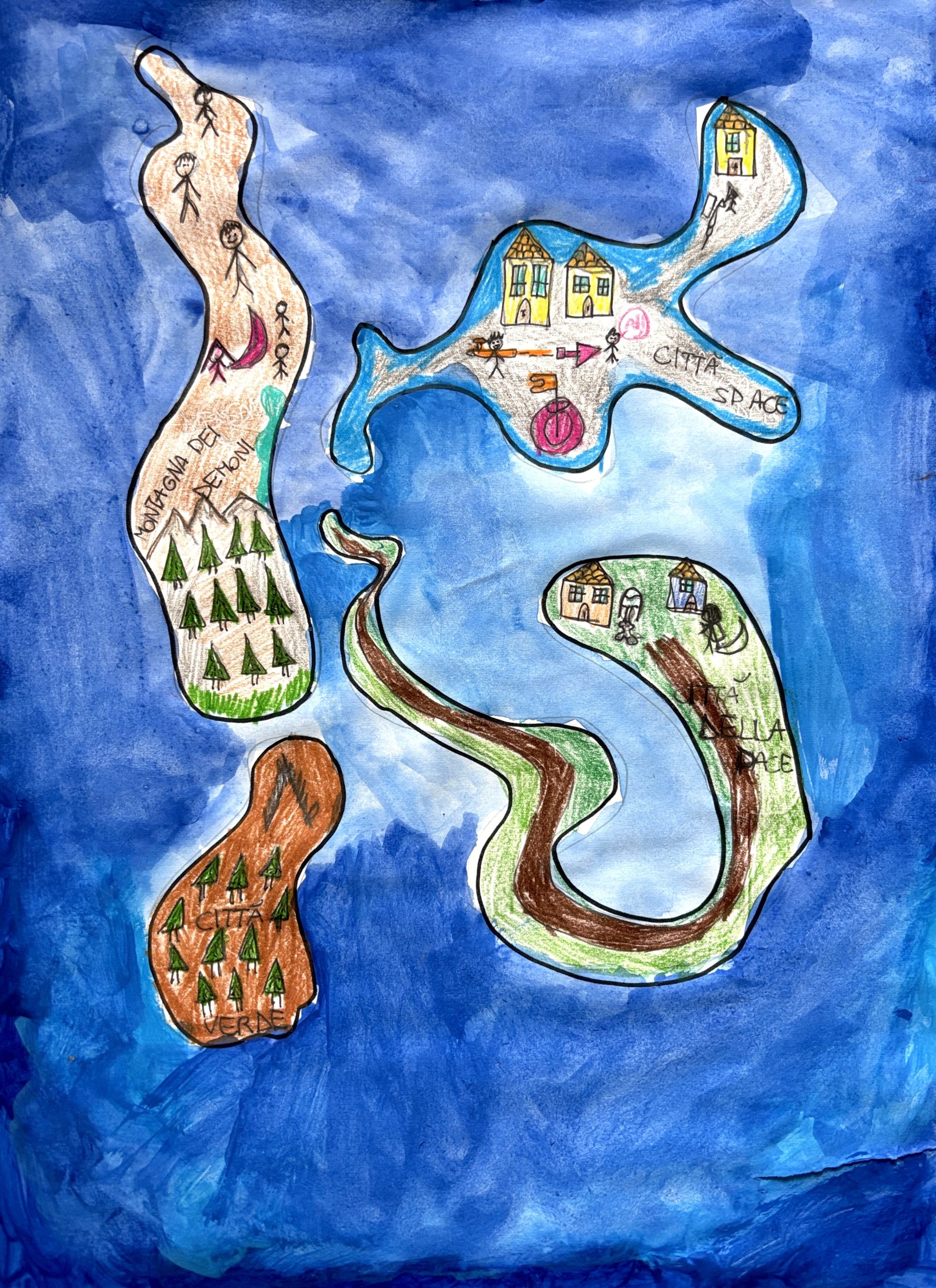
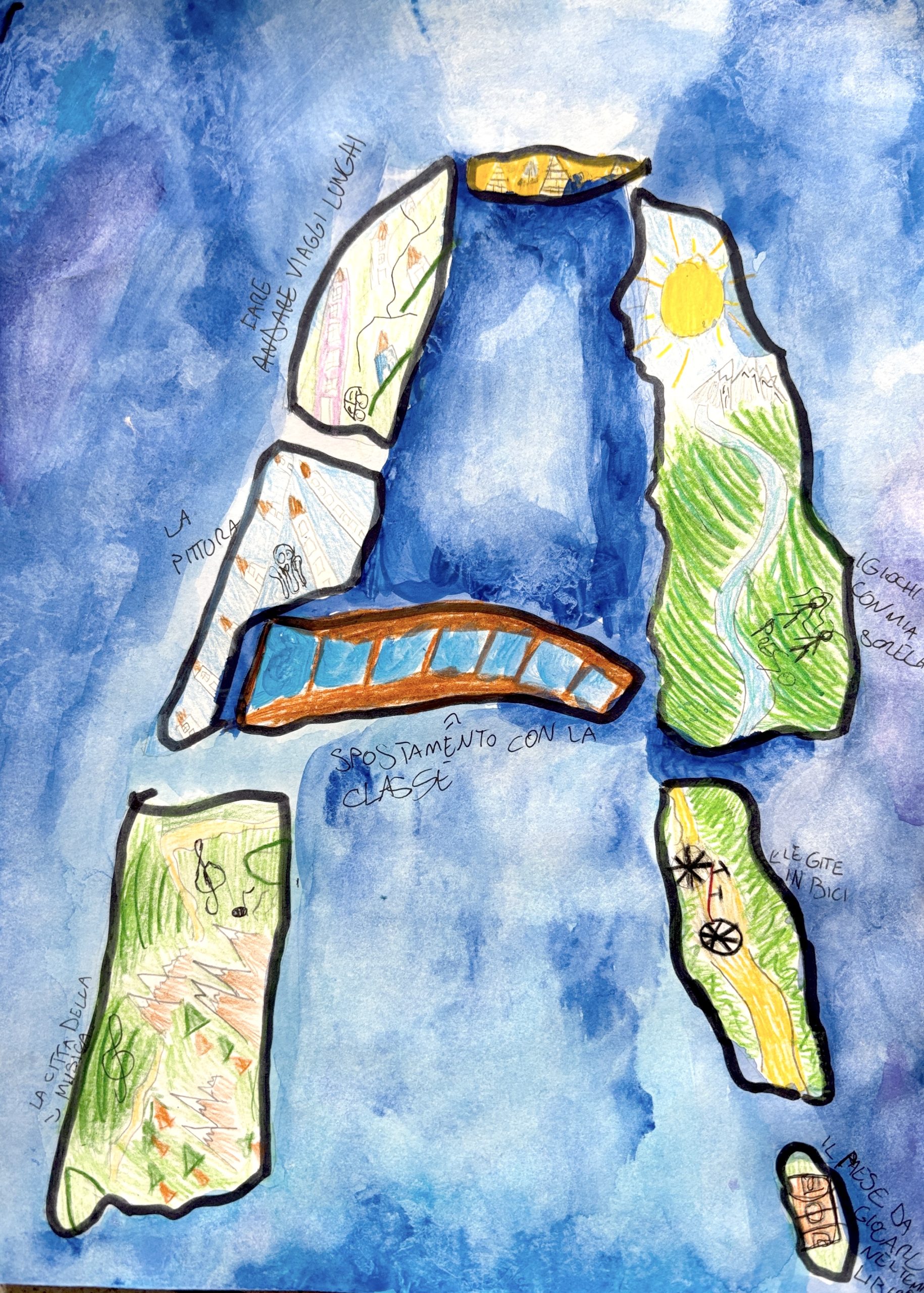
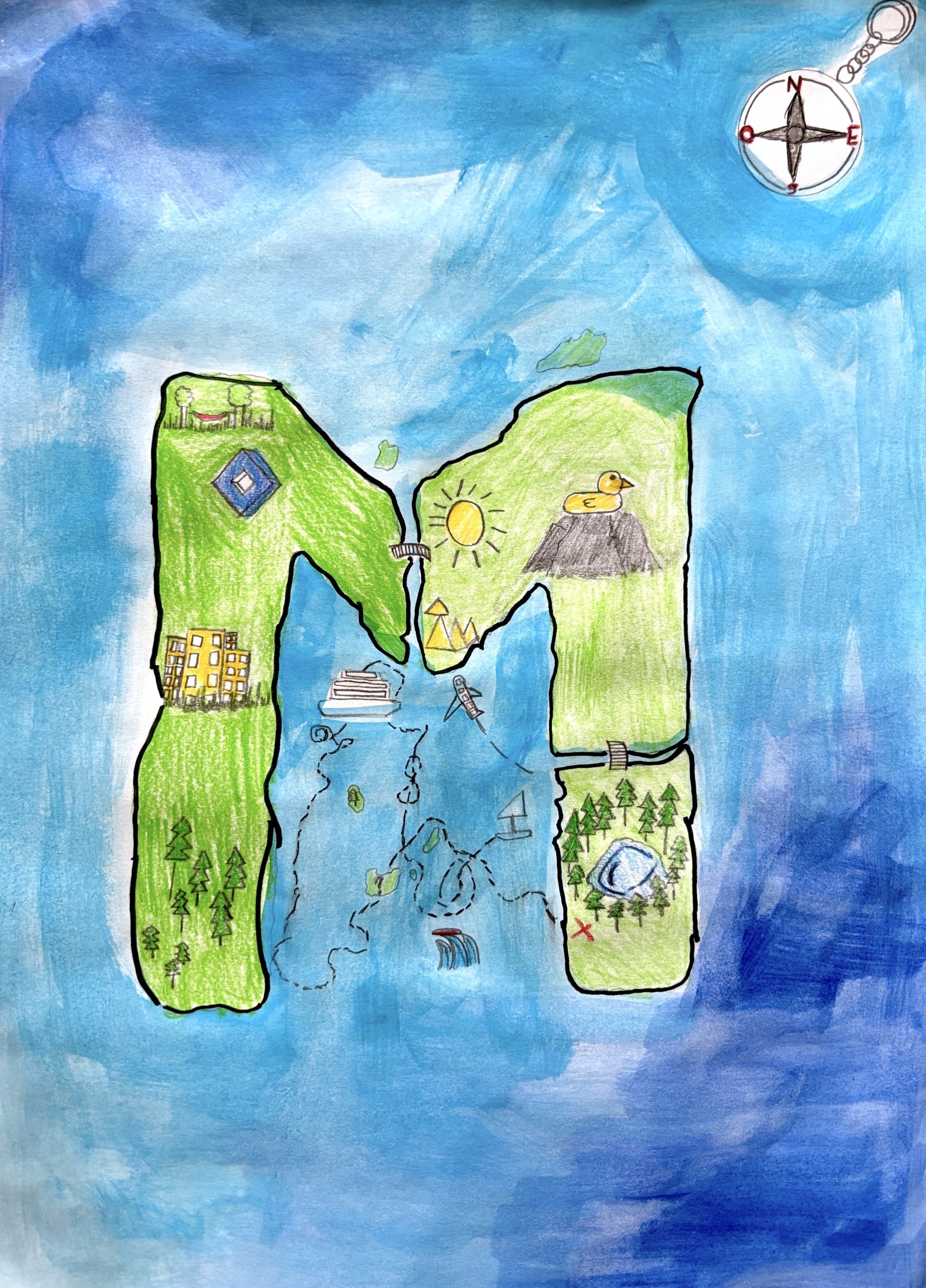
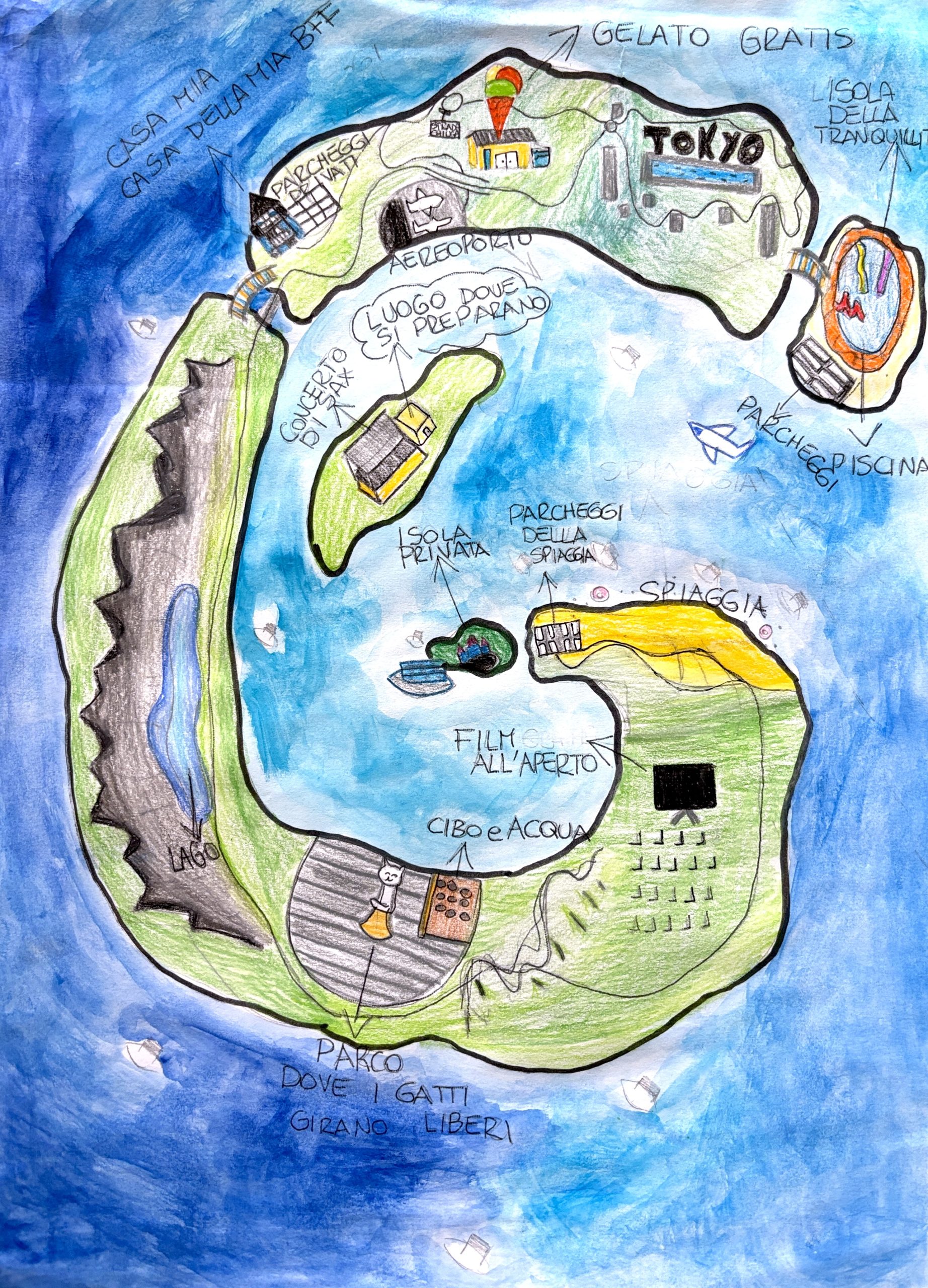
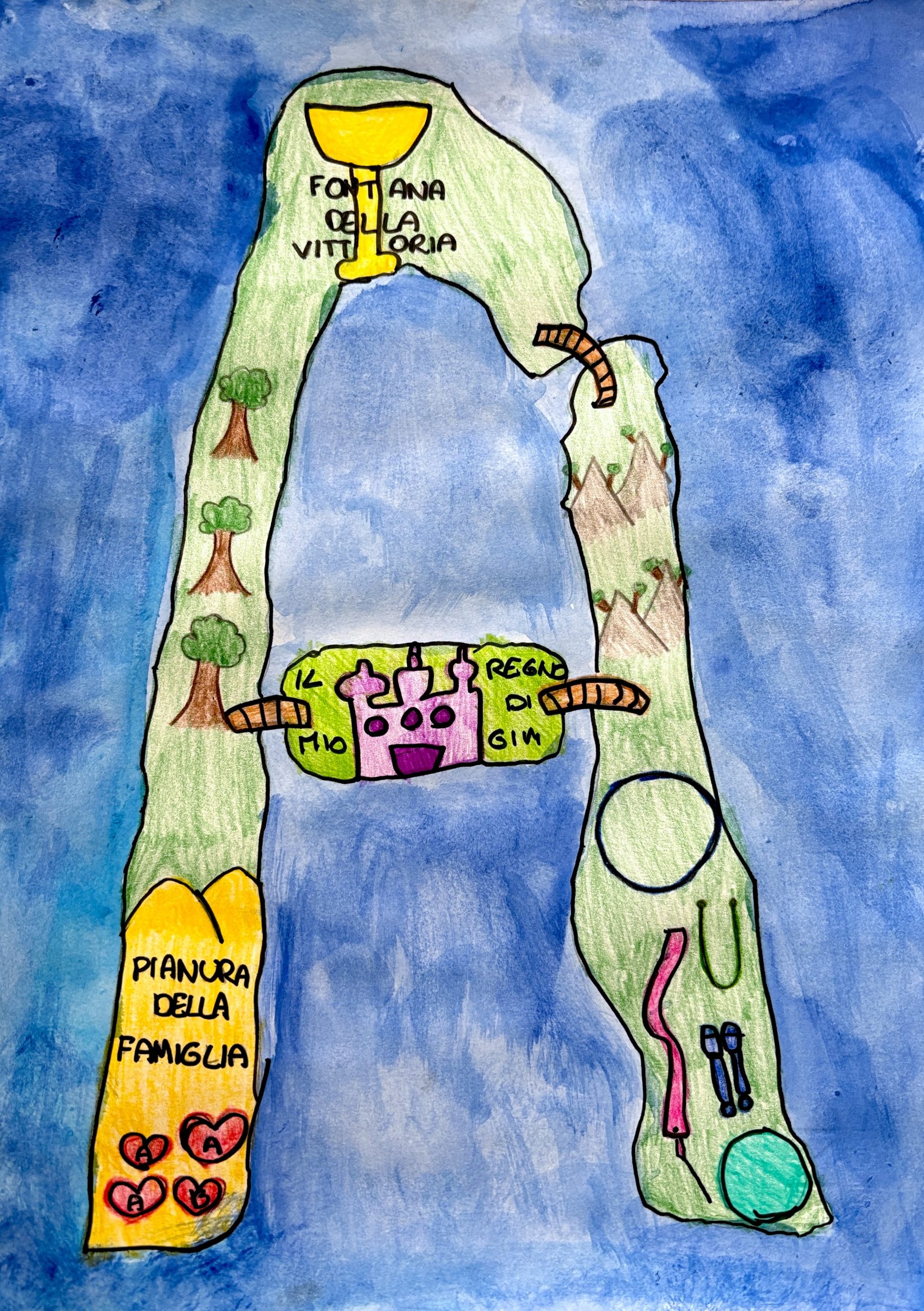
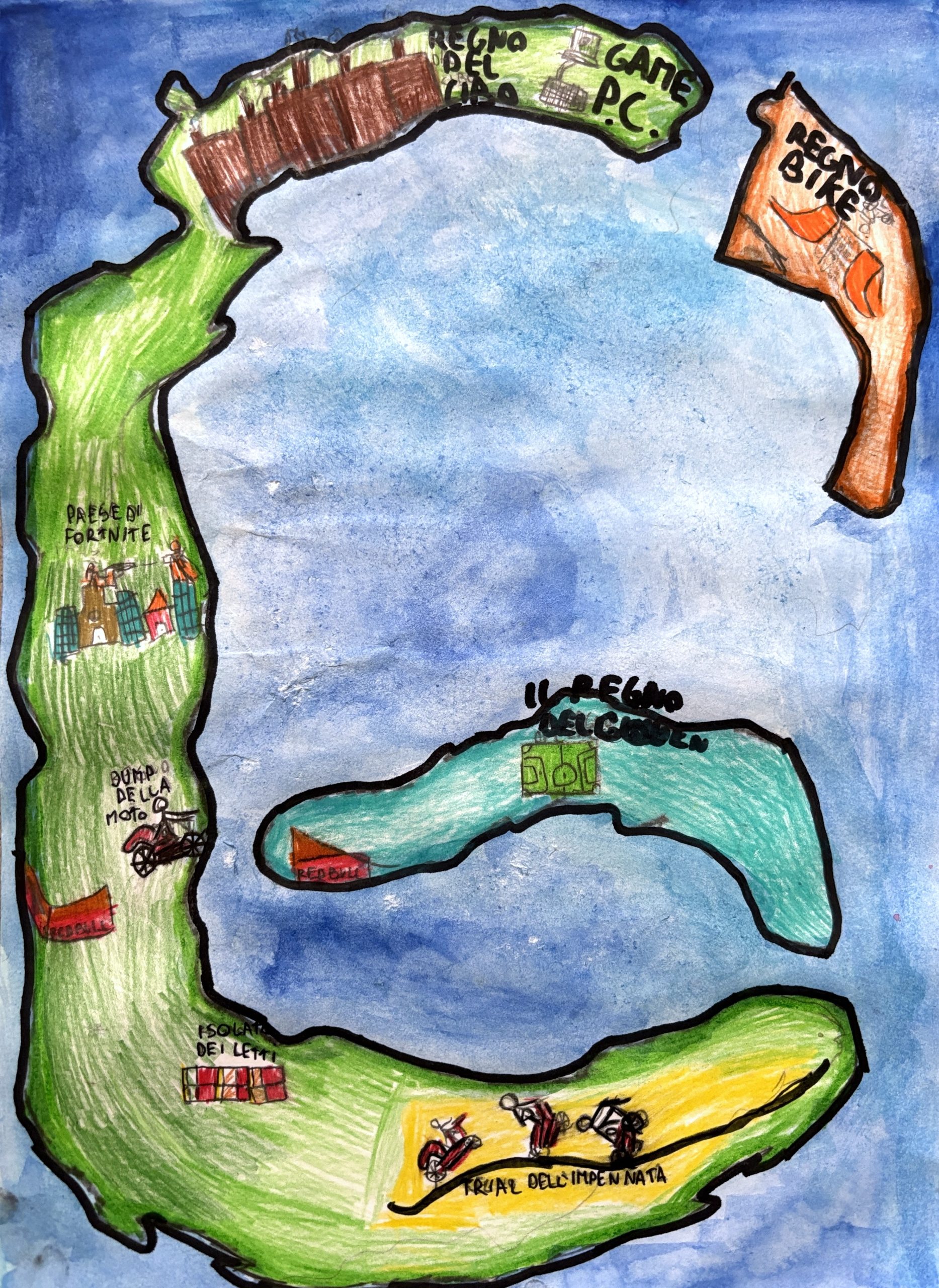
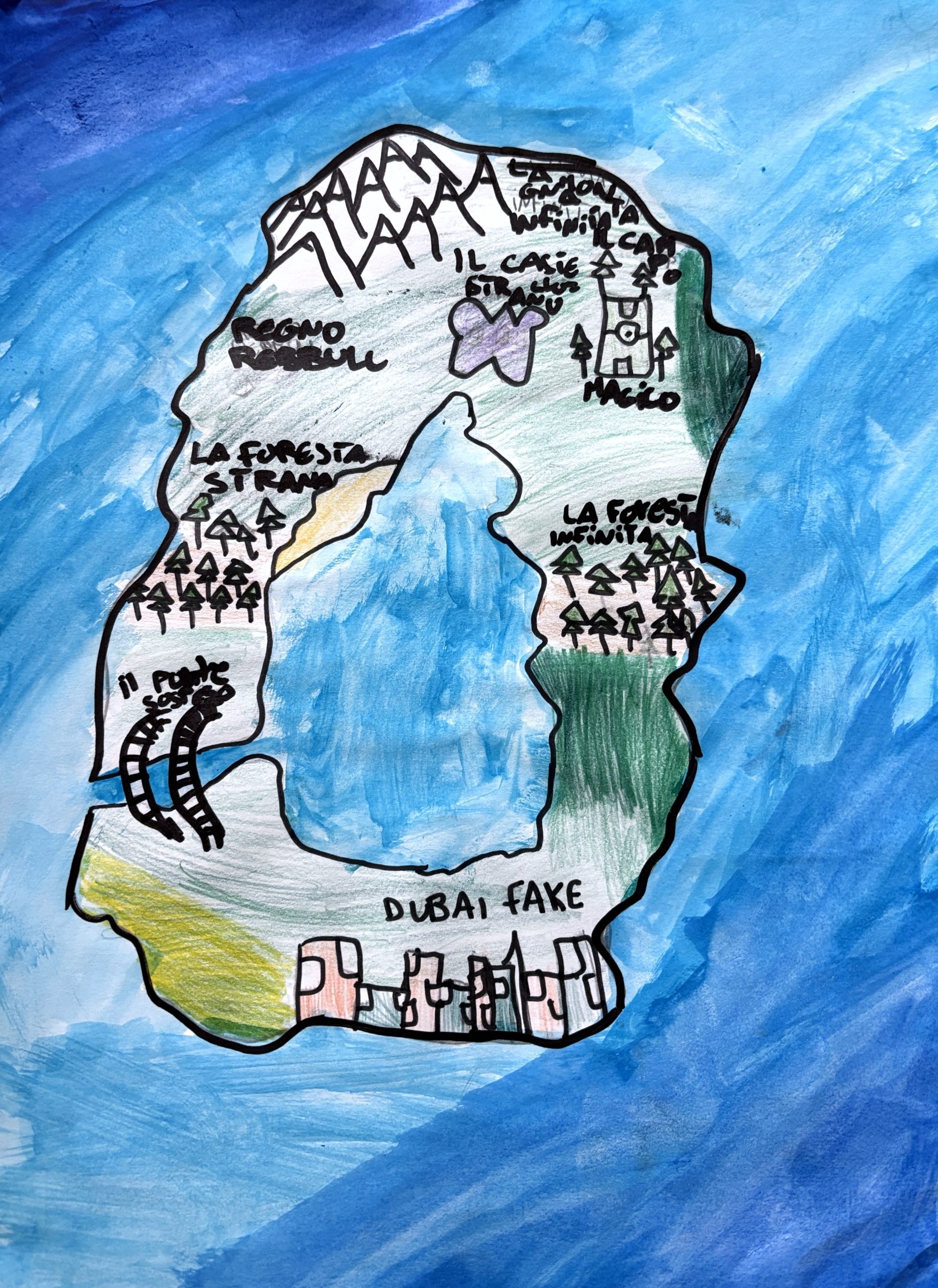
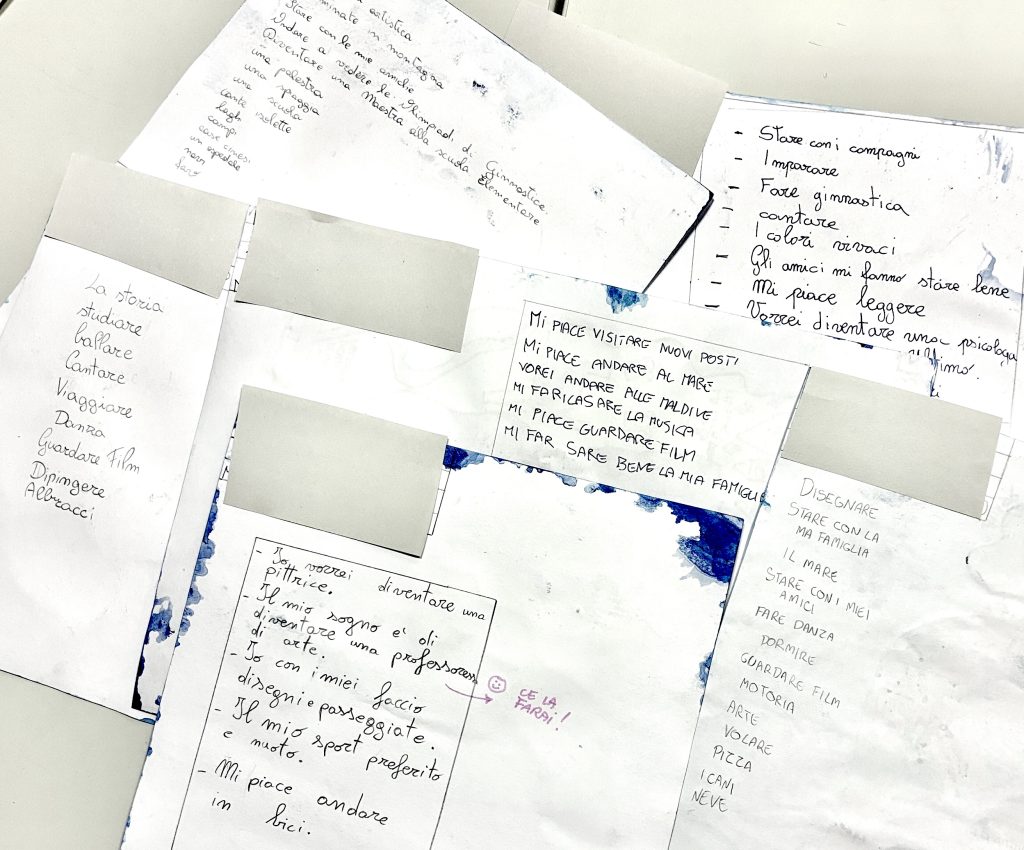
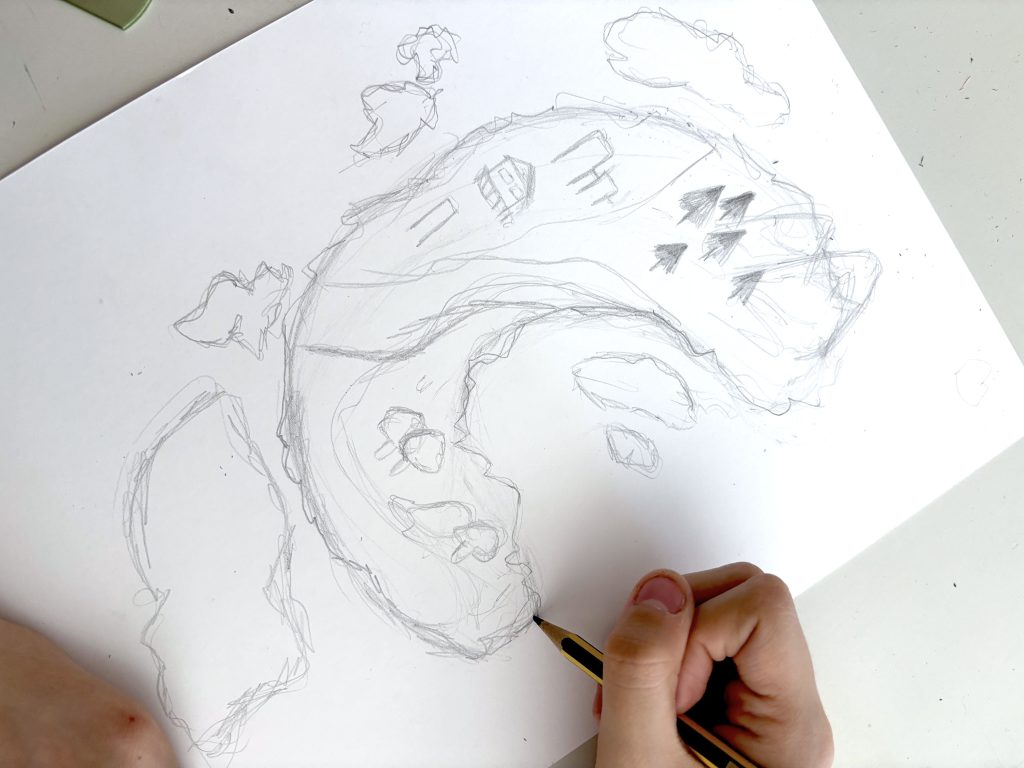
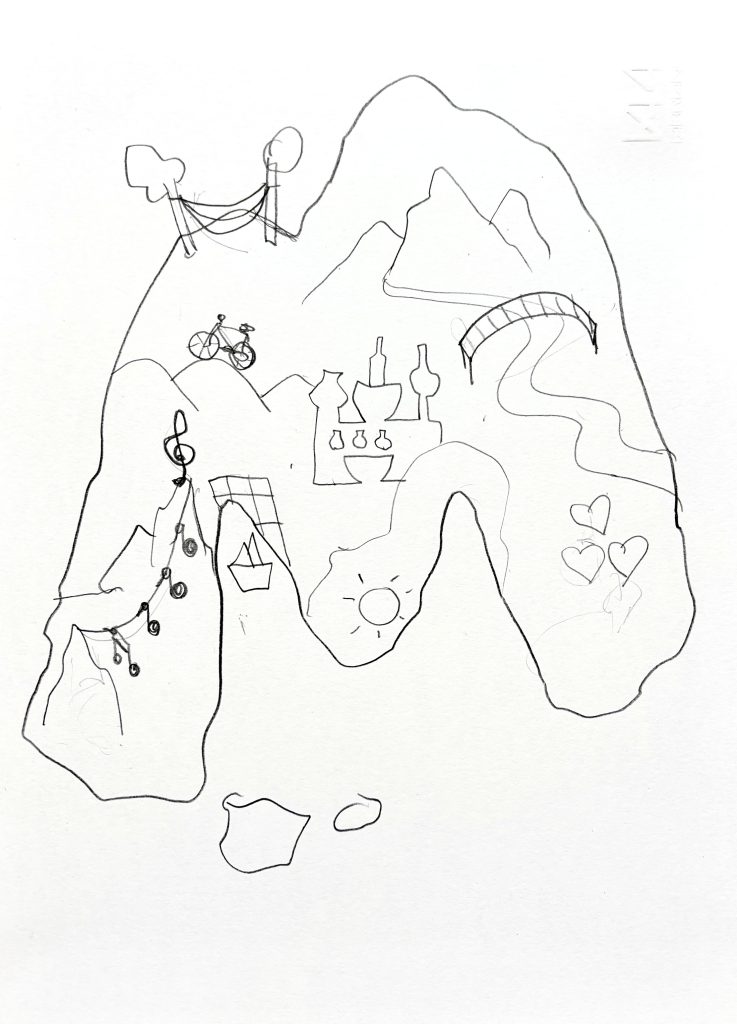
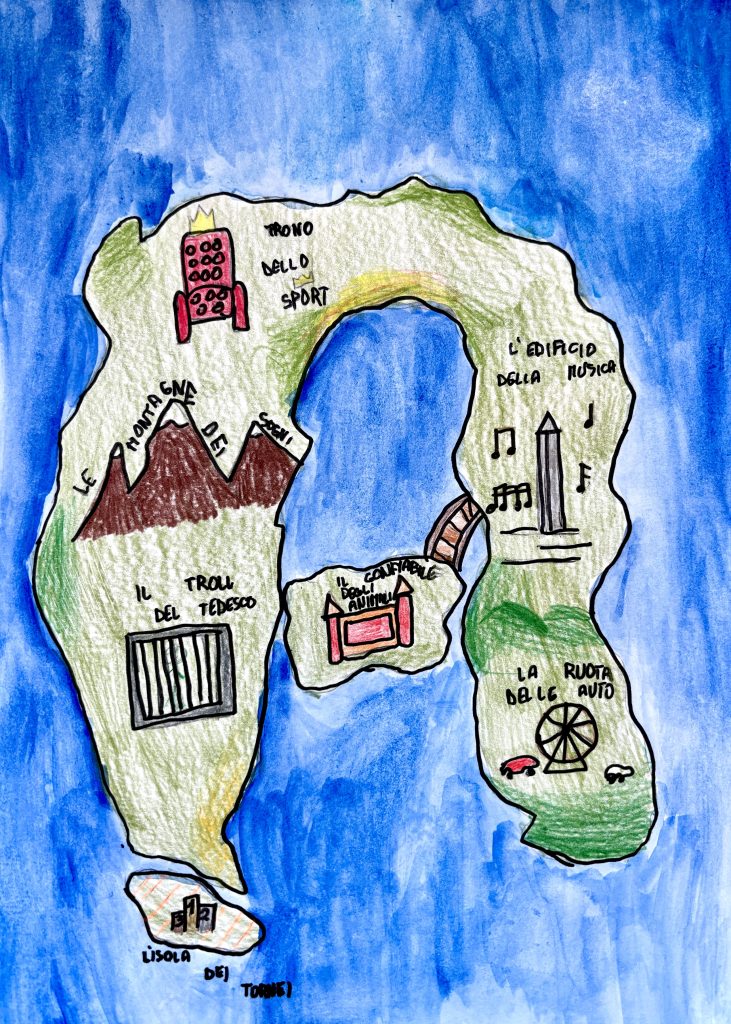
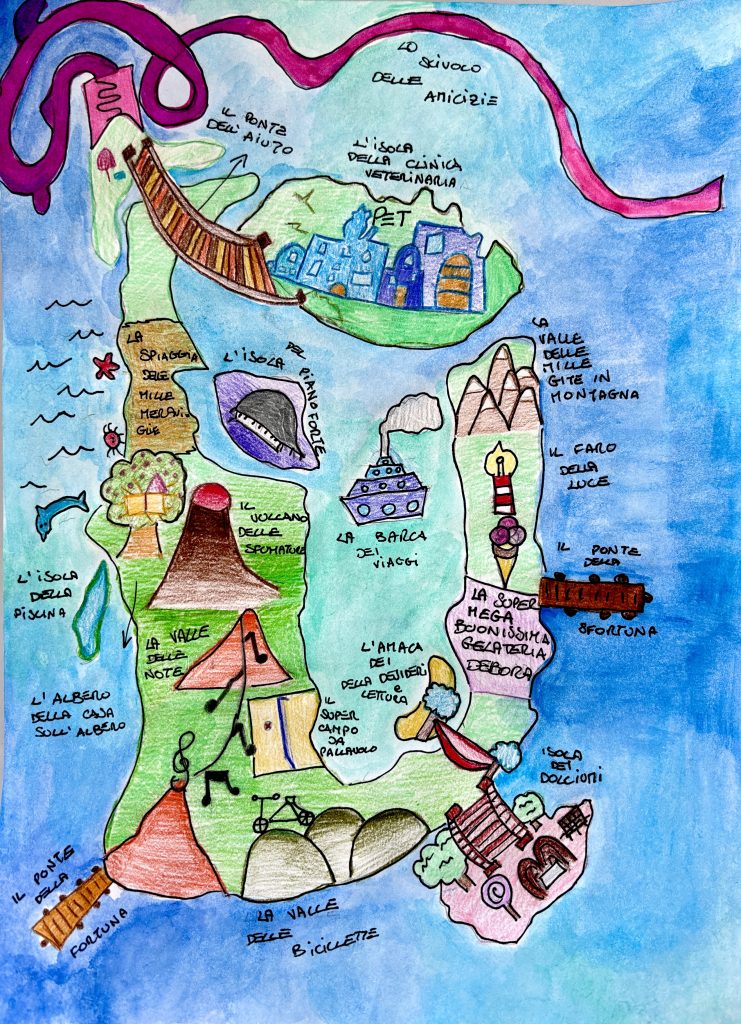
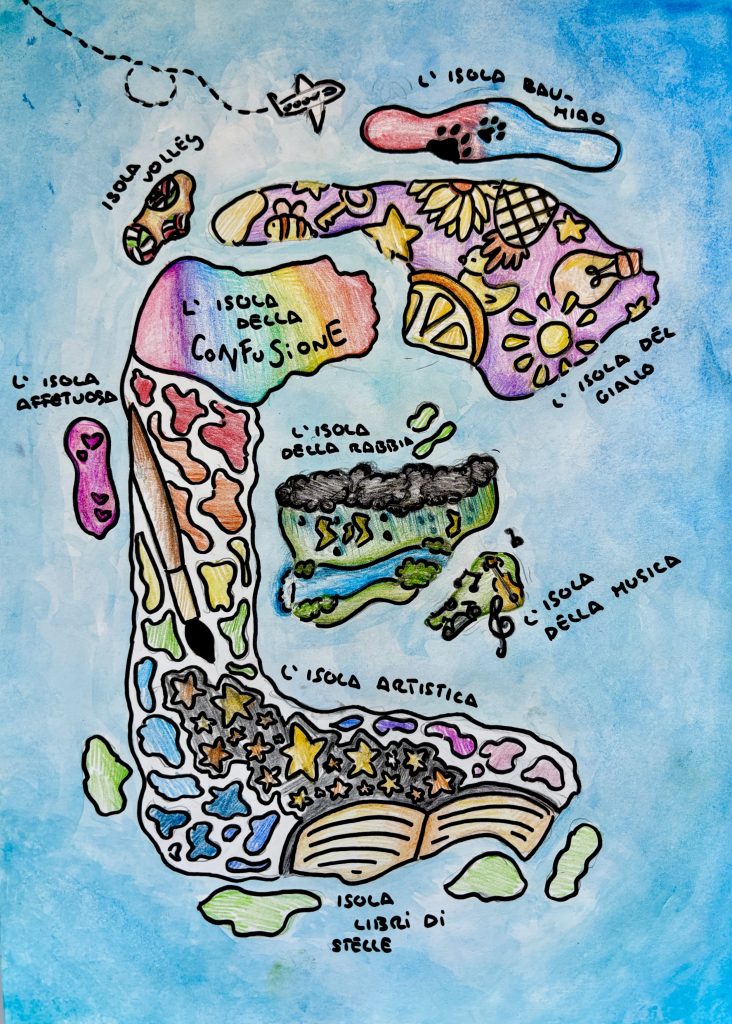
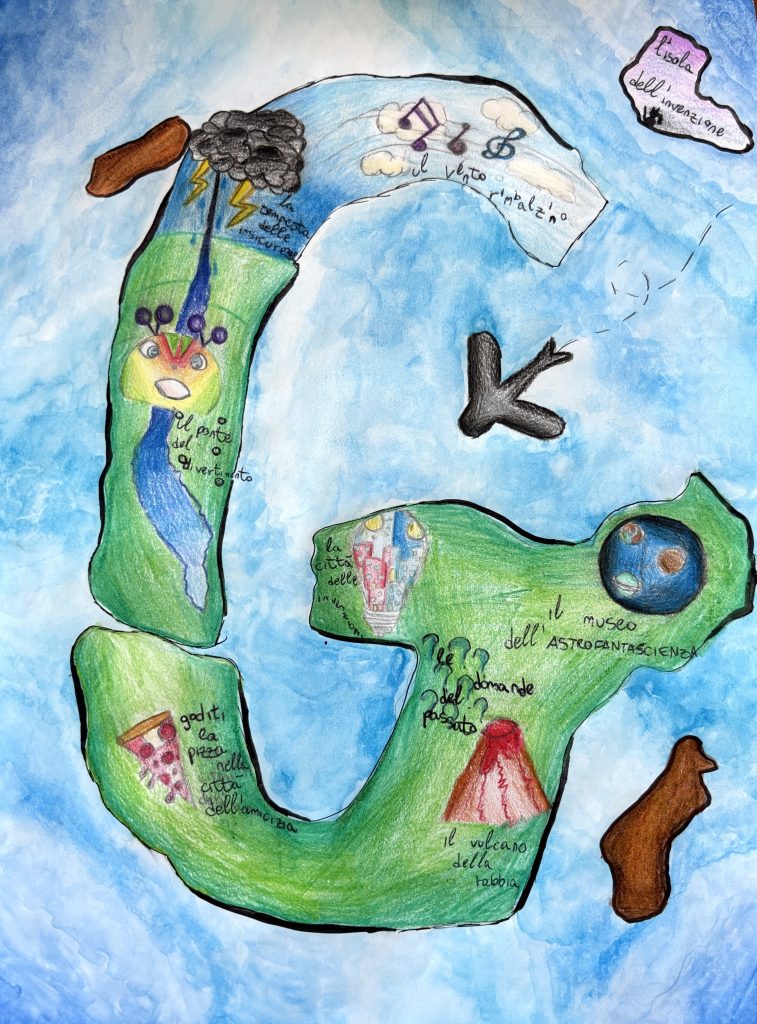
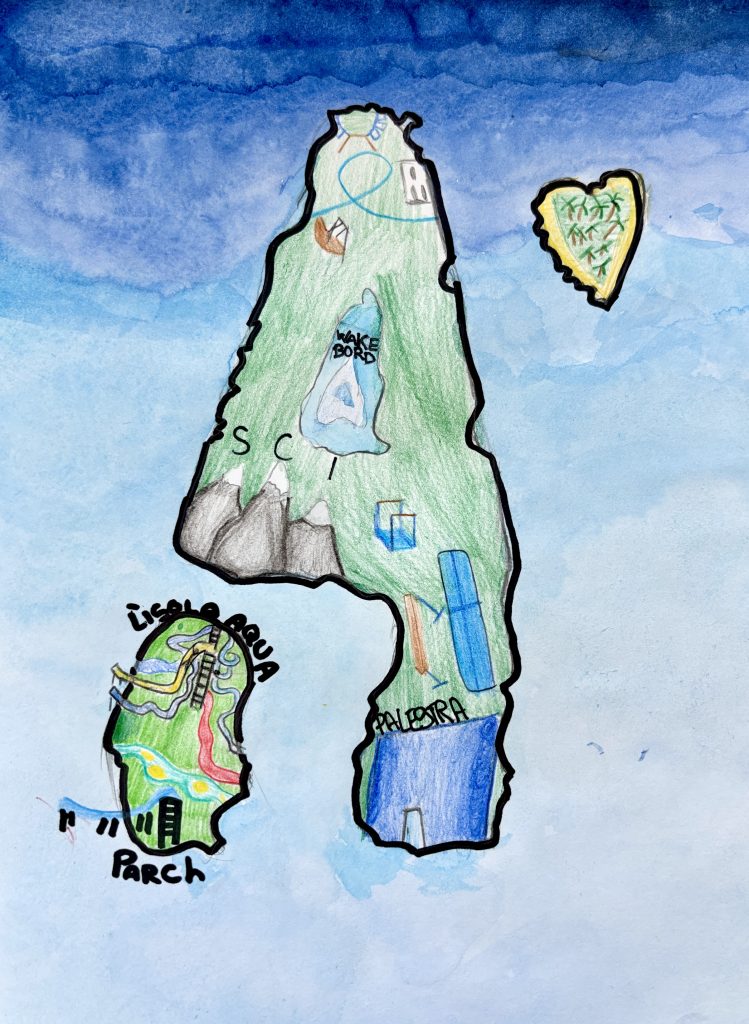
我们首先进行一段静思时间。在纸张背面,写下所有自己喜欢且对自己而言重要的事物:热爱之事、朋友、梦想、最喜爱的食物、校内及校外的兴趣、与朋友/家人的共处活动、带来幸福感的来源、梦想、情绪(悲伤、愤怒、喜悦)等。这份通过回答个人问题而生成的清单,成为我们岛屿的核心。随后进入创意阶段,将这些词语对应为地理区域或地貌特征:尝试将每一种热爱转化为地图上的一个要素或地名(如一座山、一道山谷、一片海湾、一栋建筑),为每项兴趣匹配一处地点(自然或人造),并赋予其富有创意的名称。例如,“自行车谷”“音符山”或“体操城”便由此诞生于我们的岛屿之上。
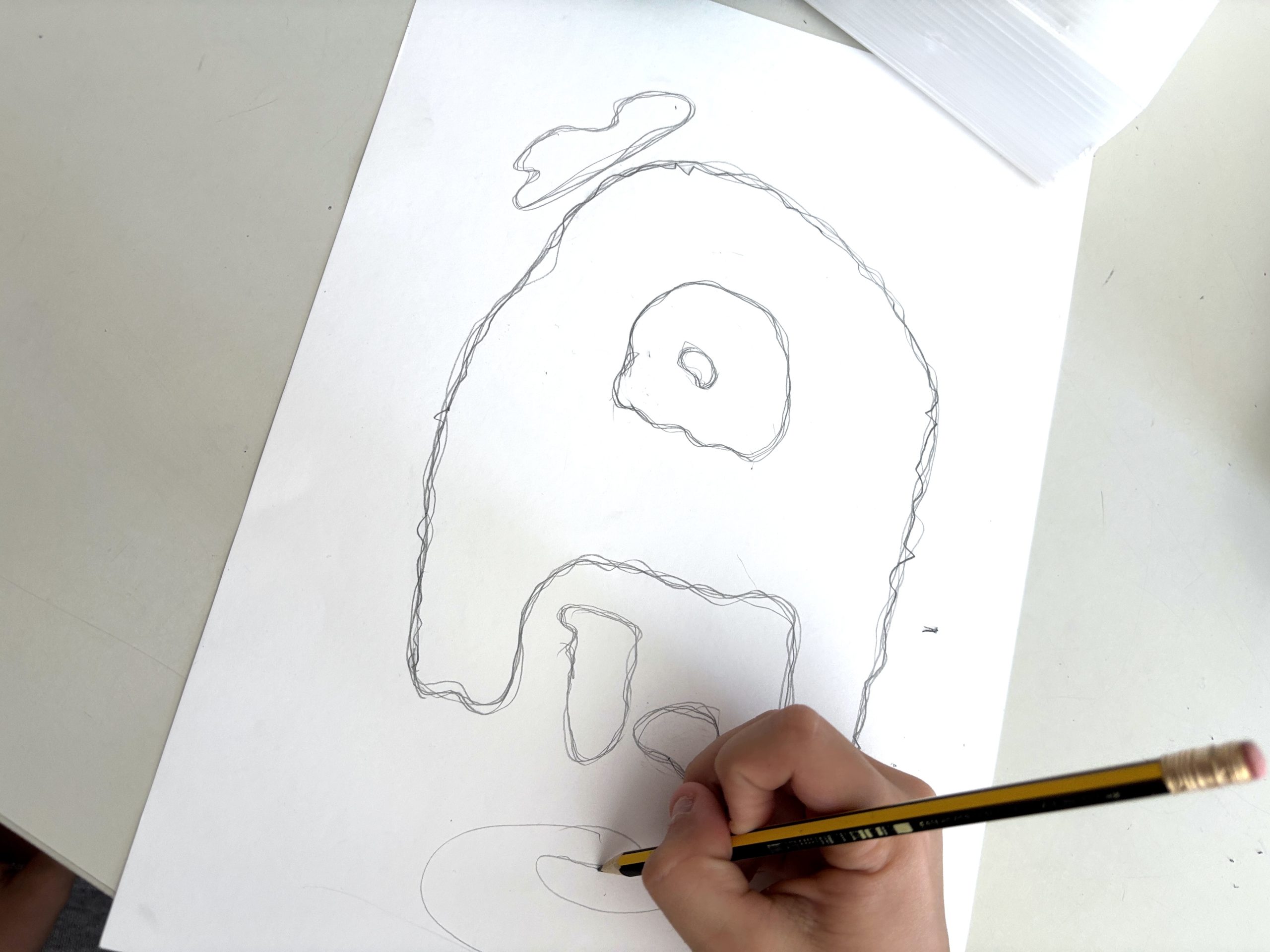
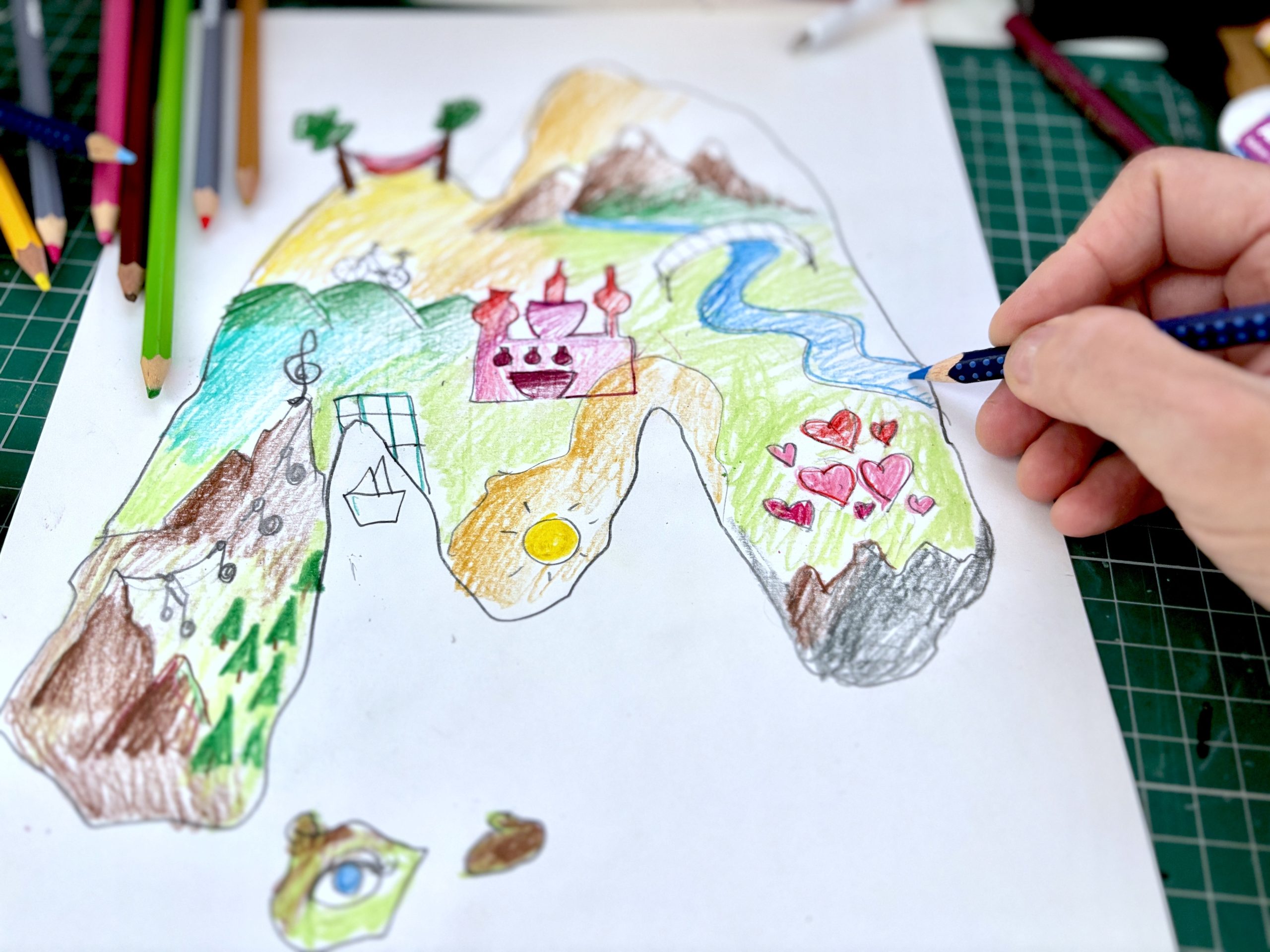
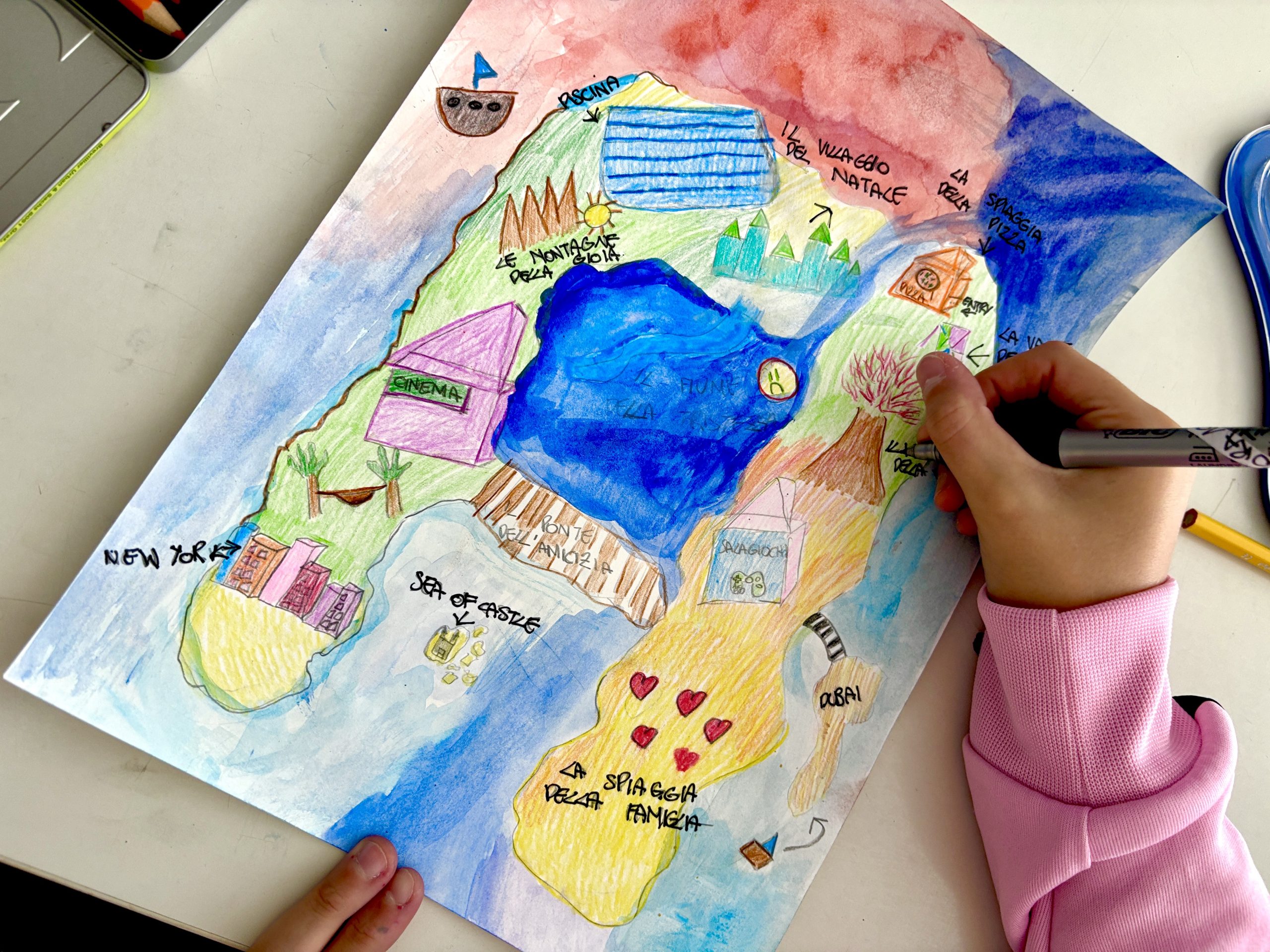
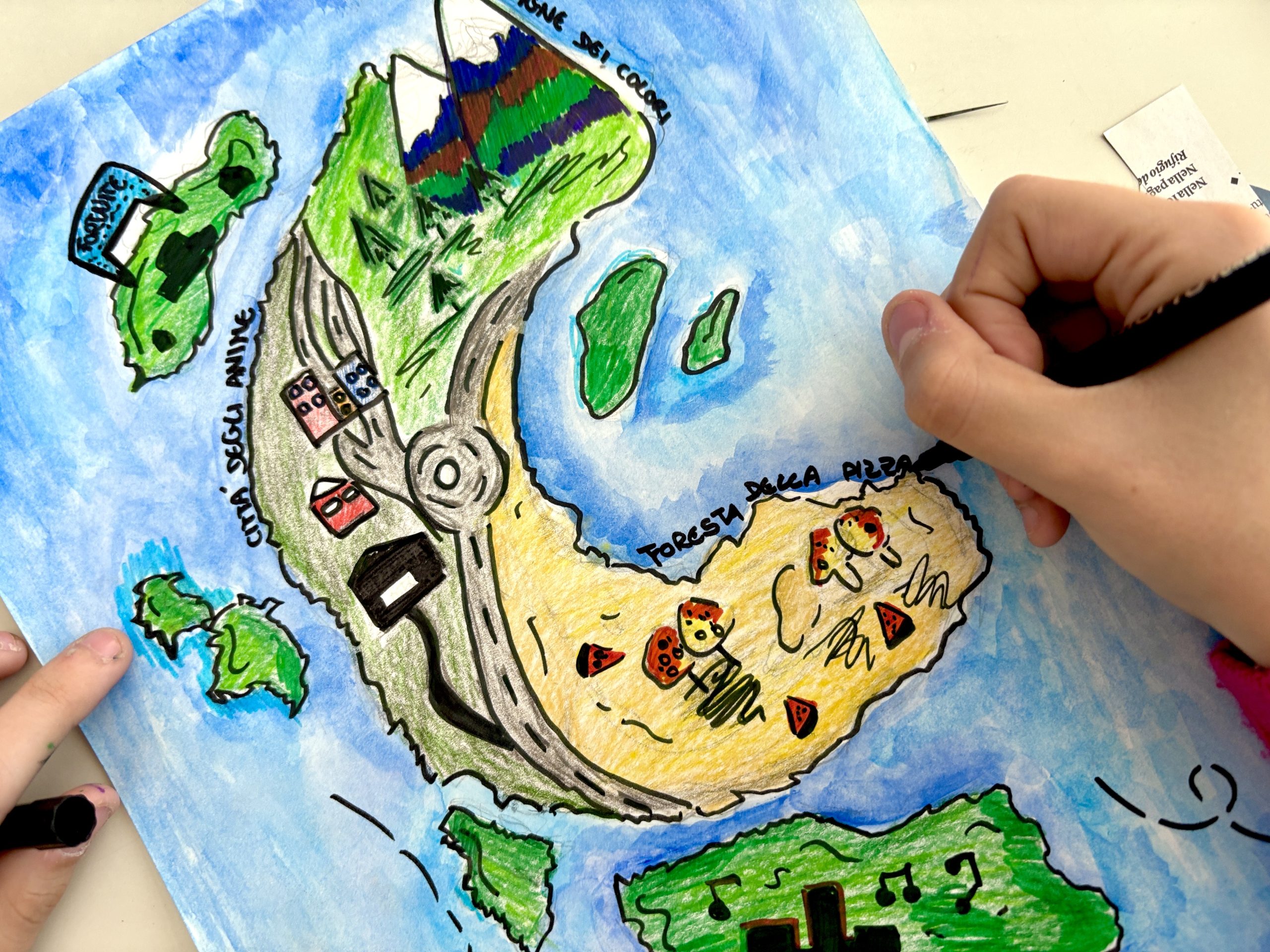
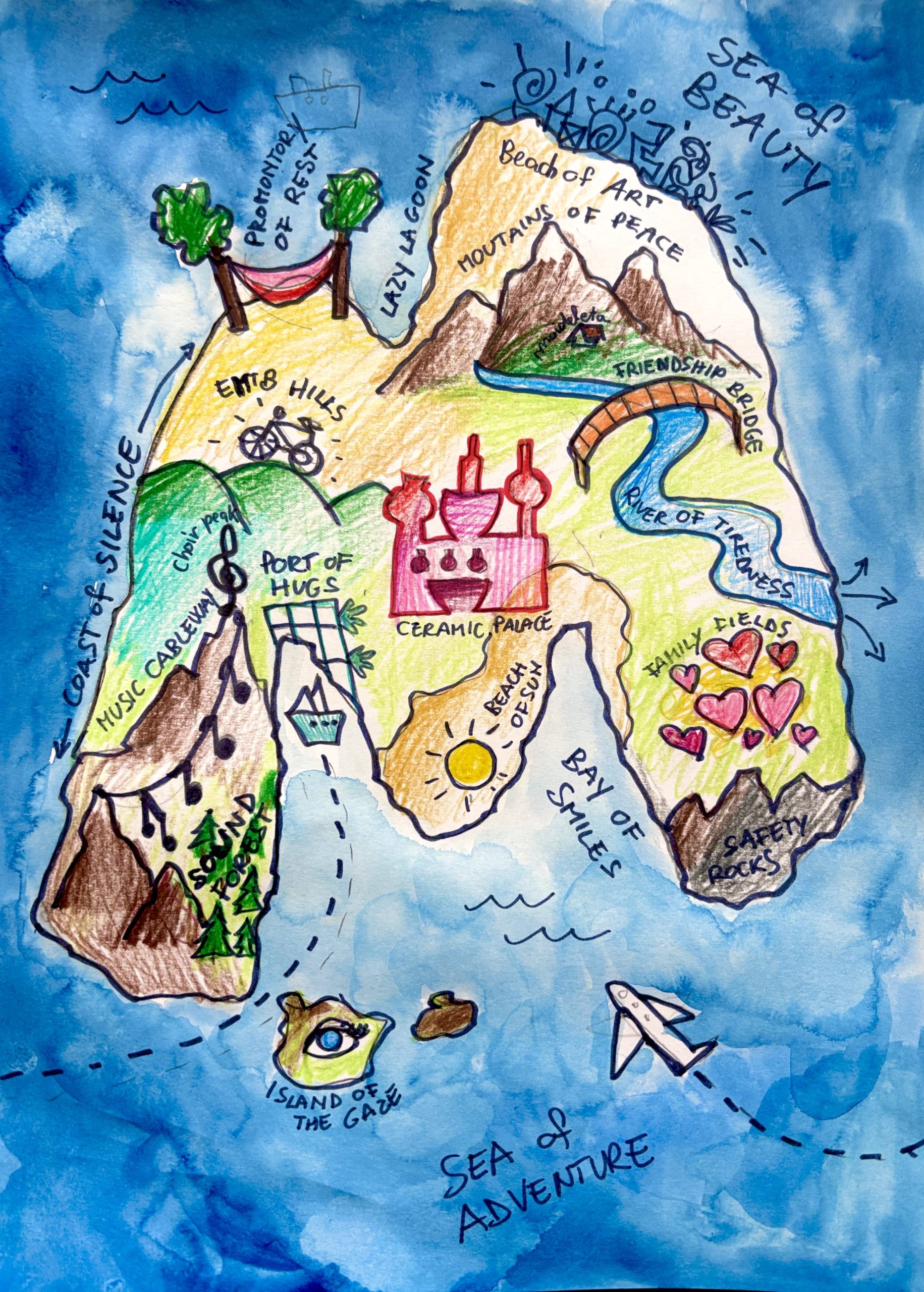
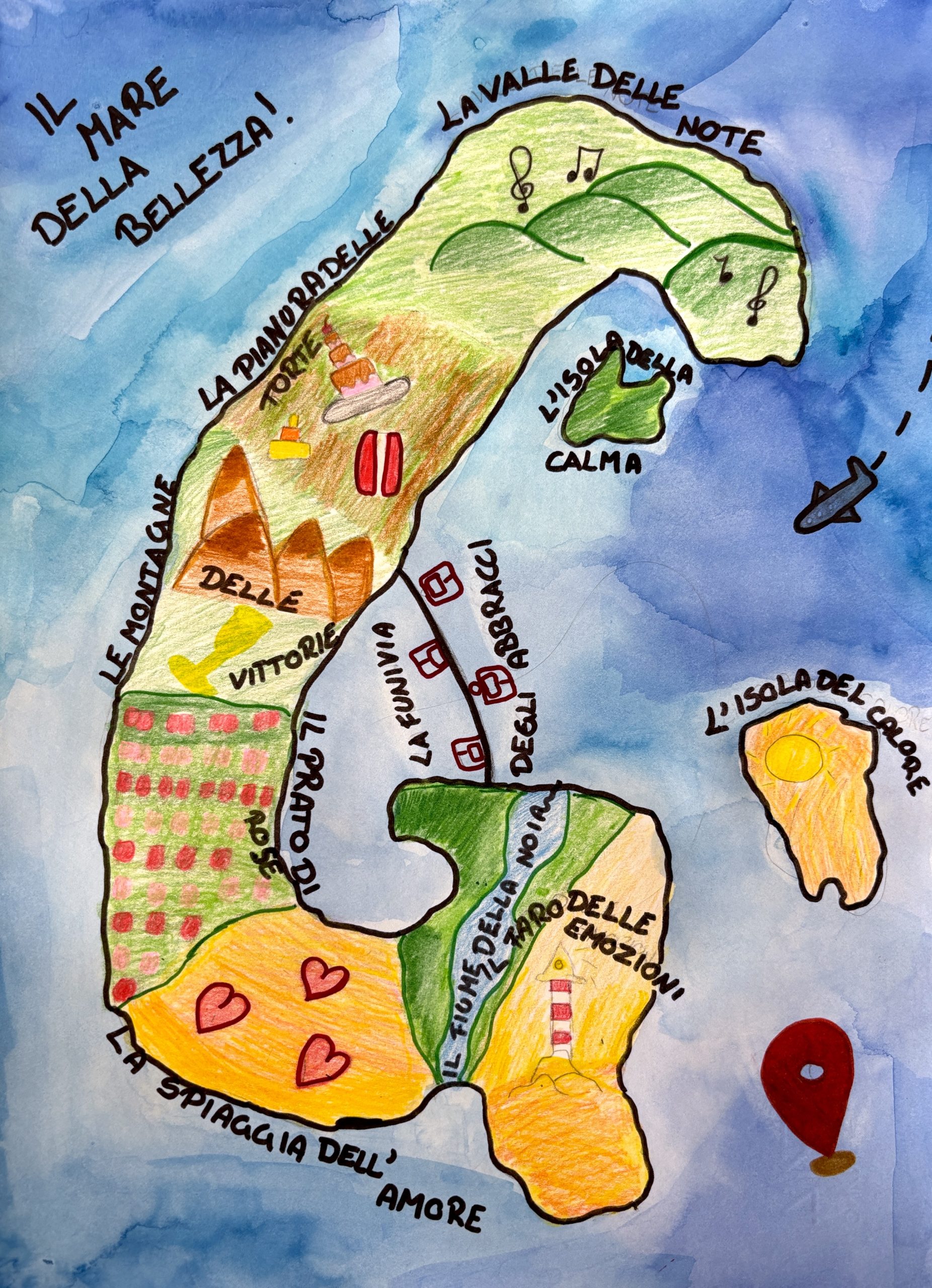
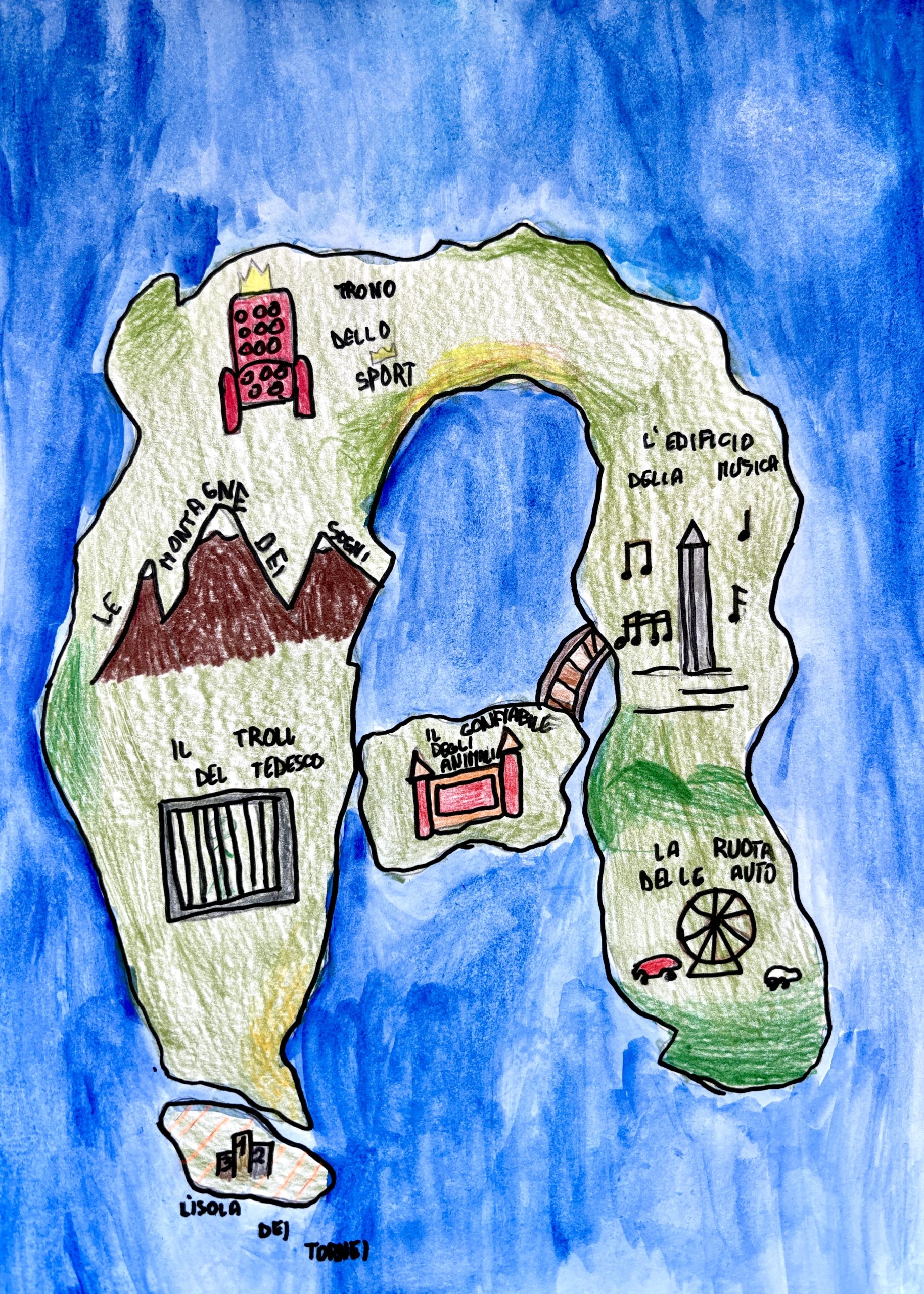
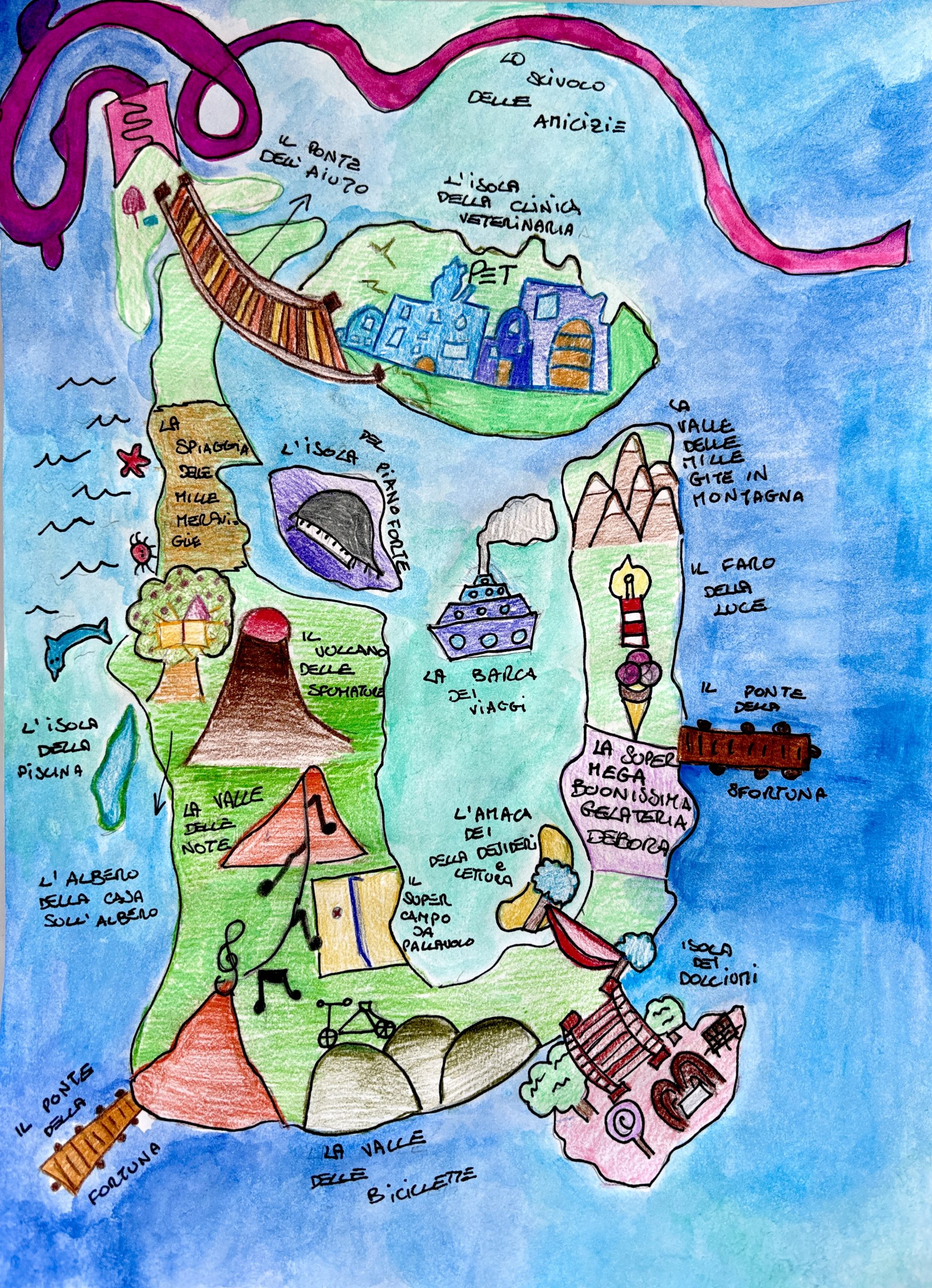
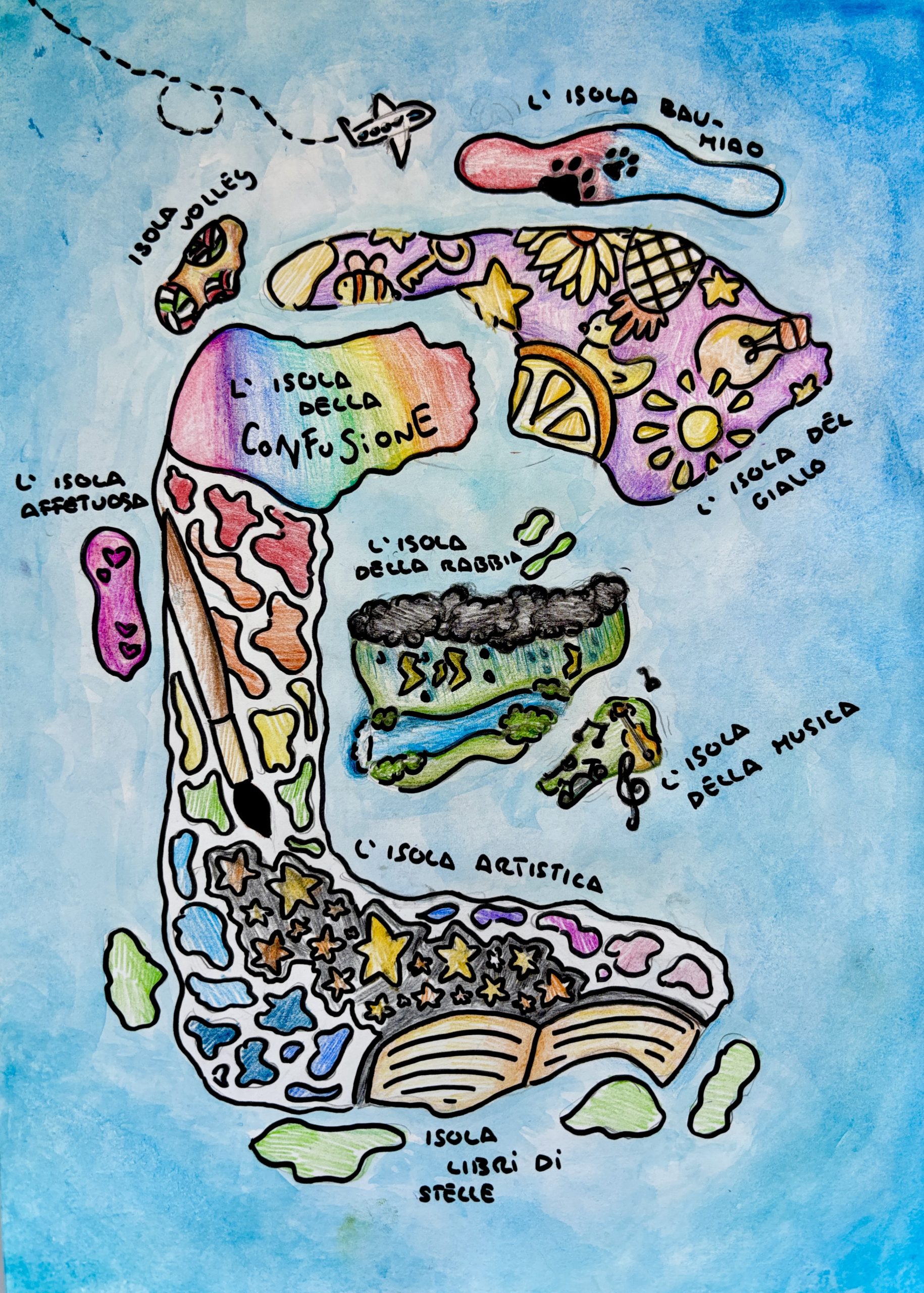
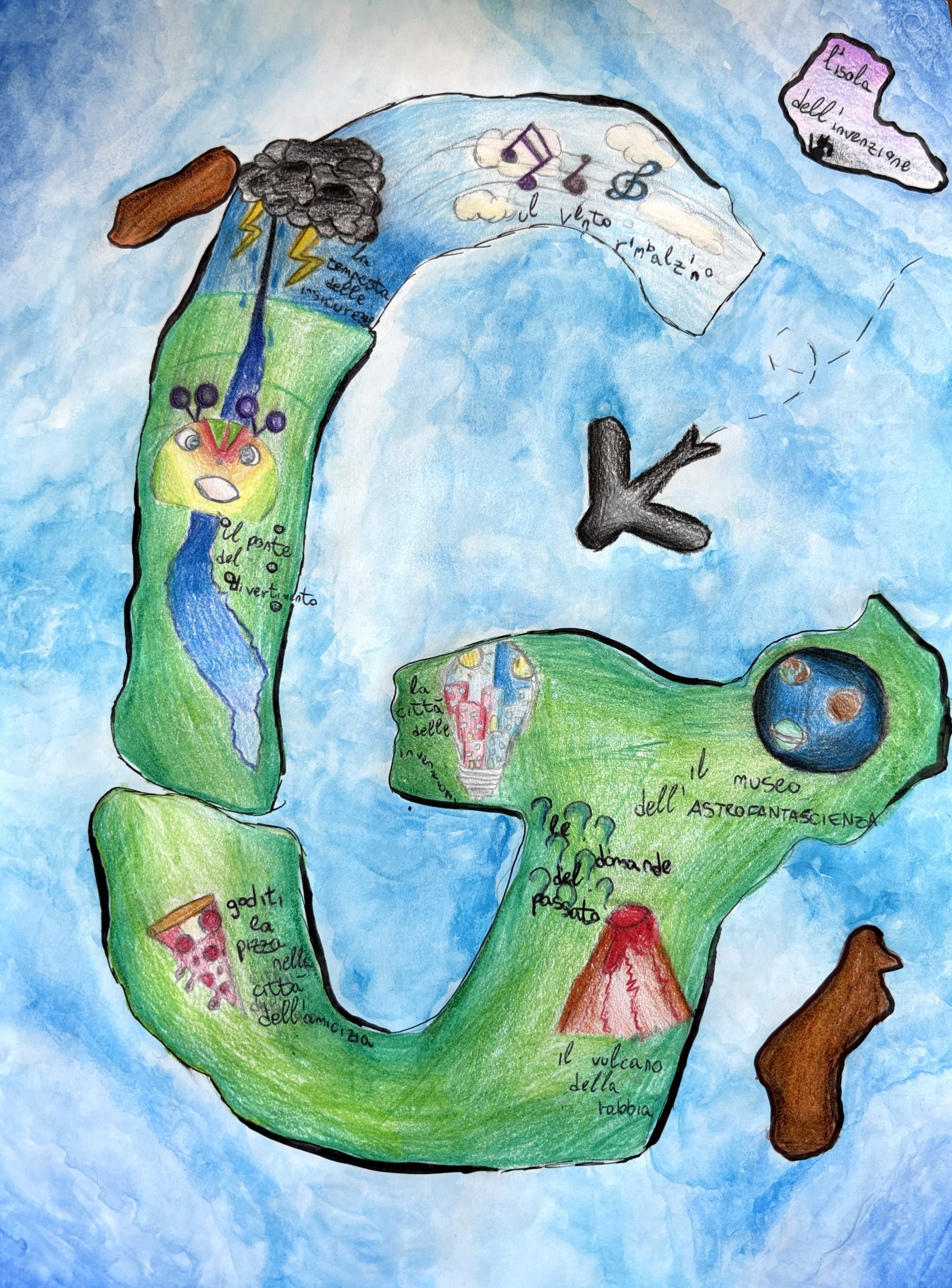
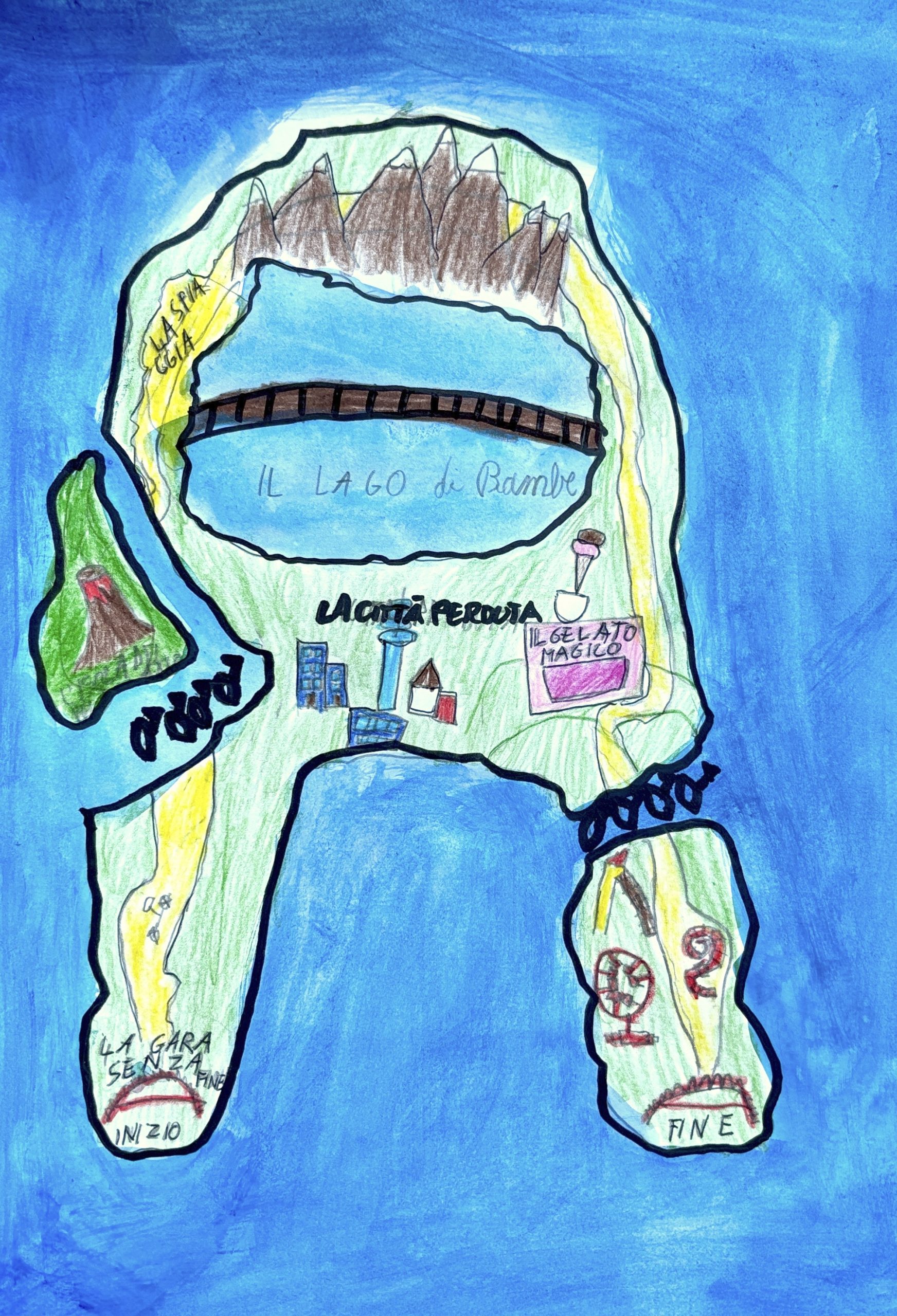
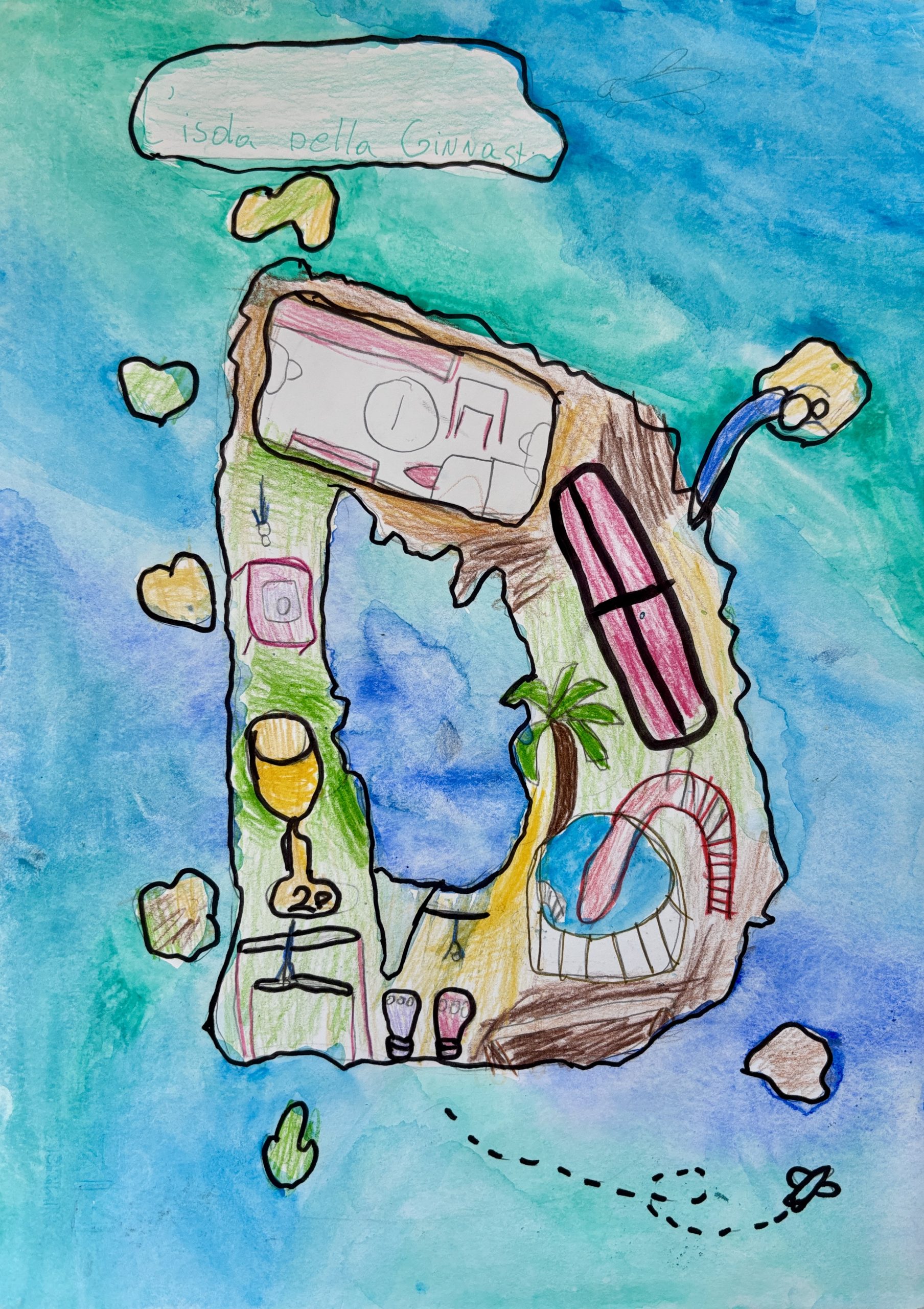
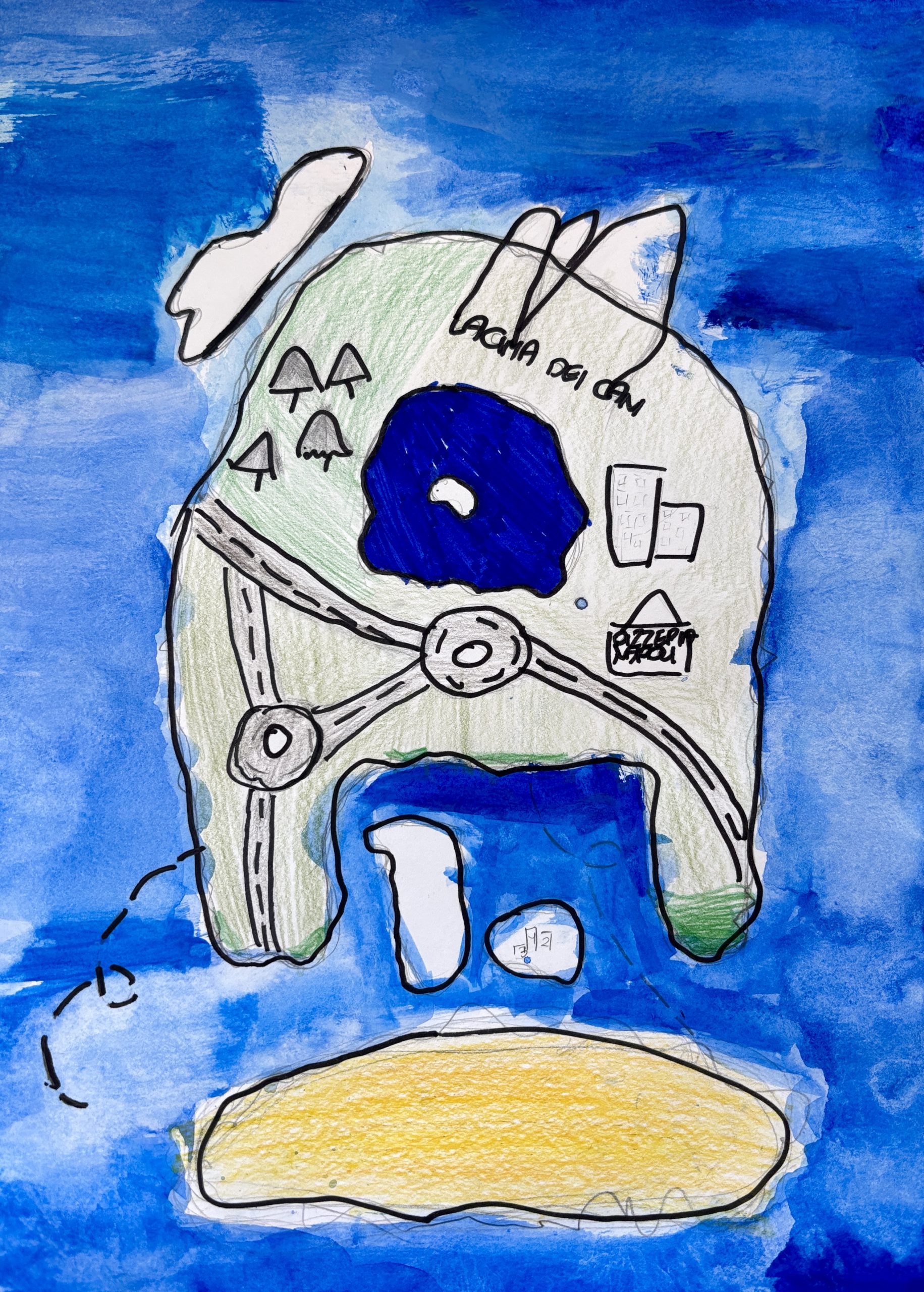
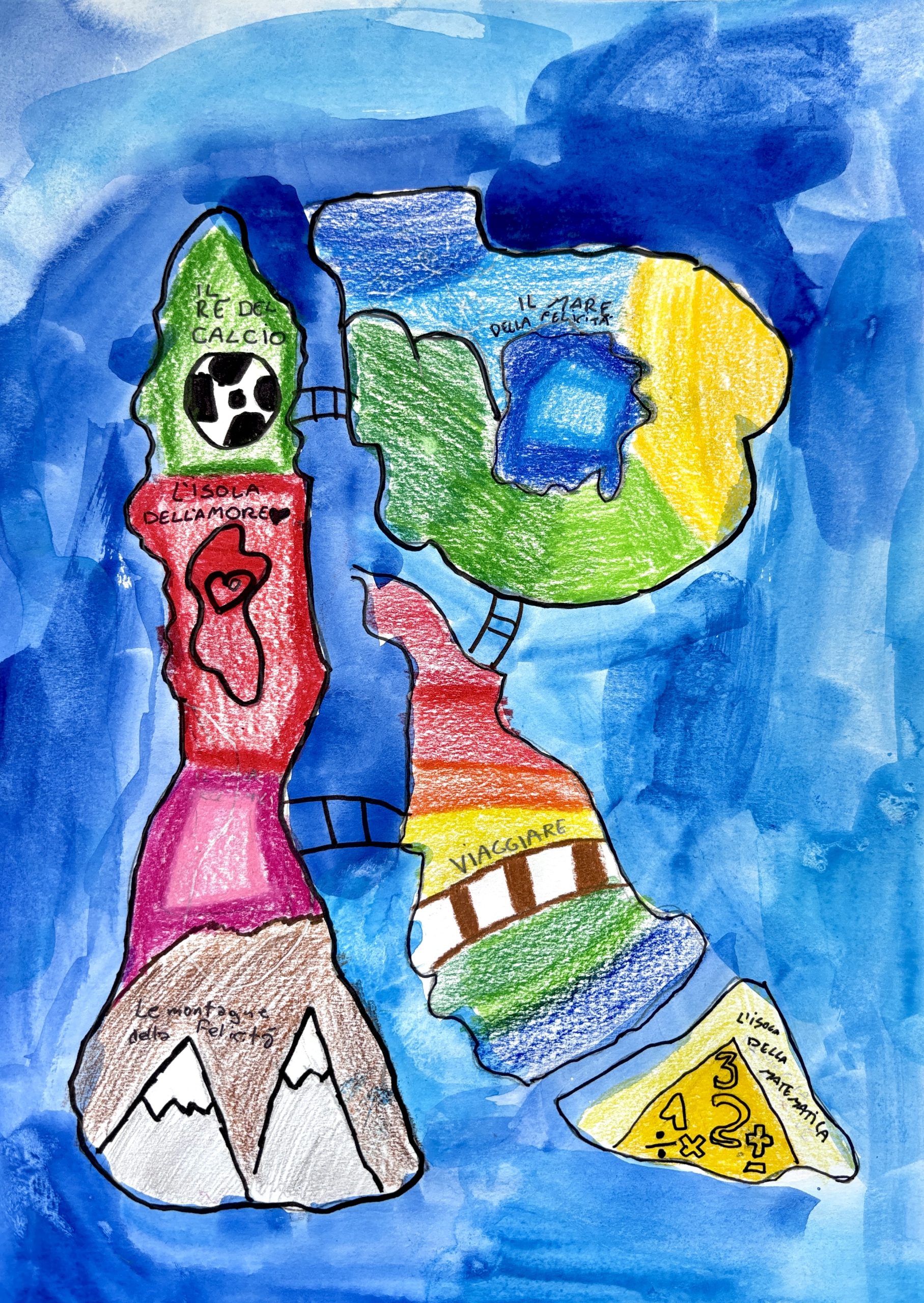
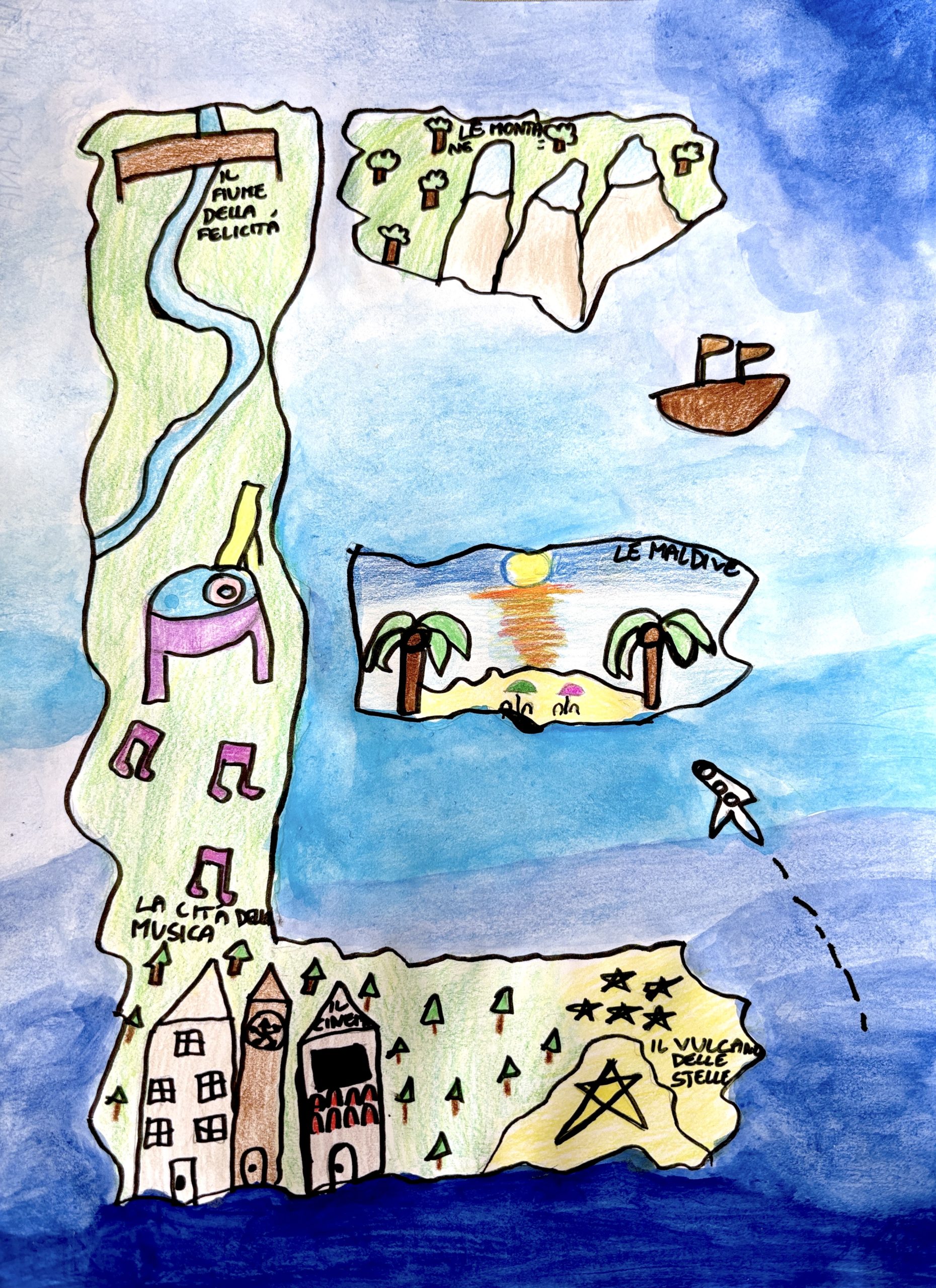
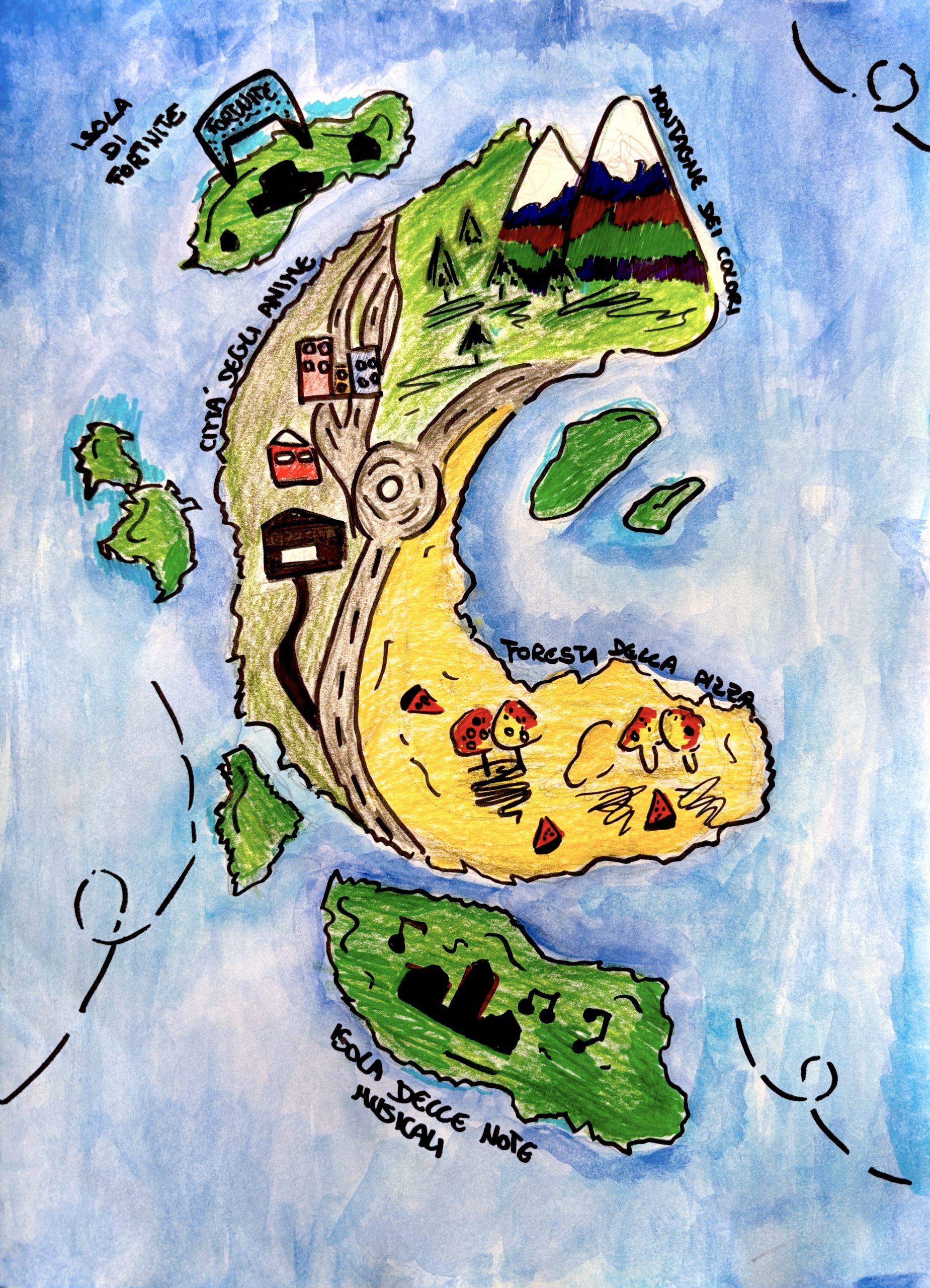
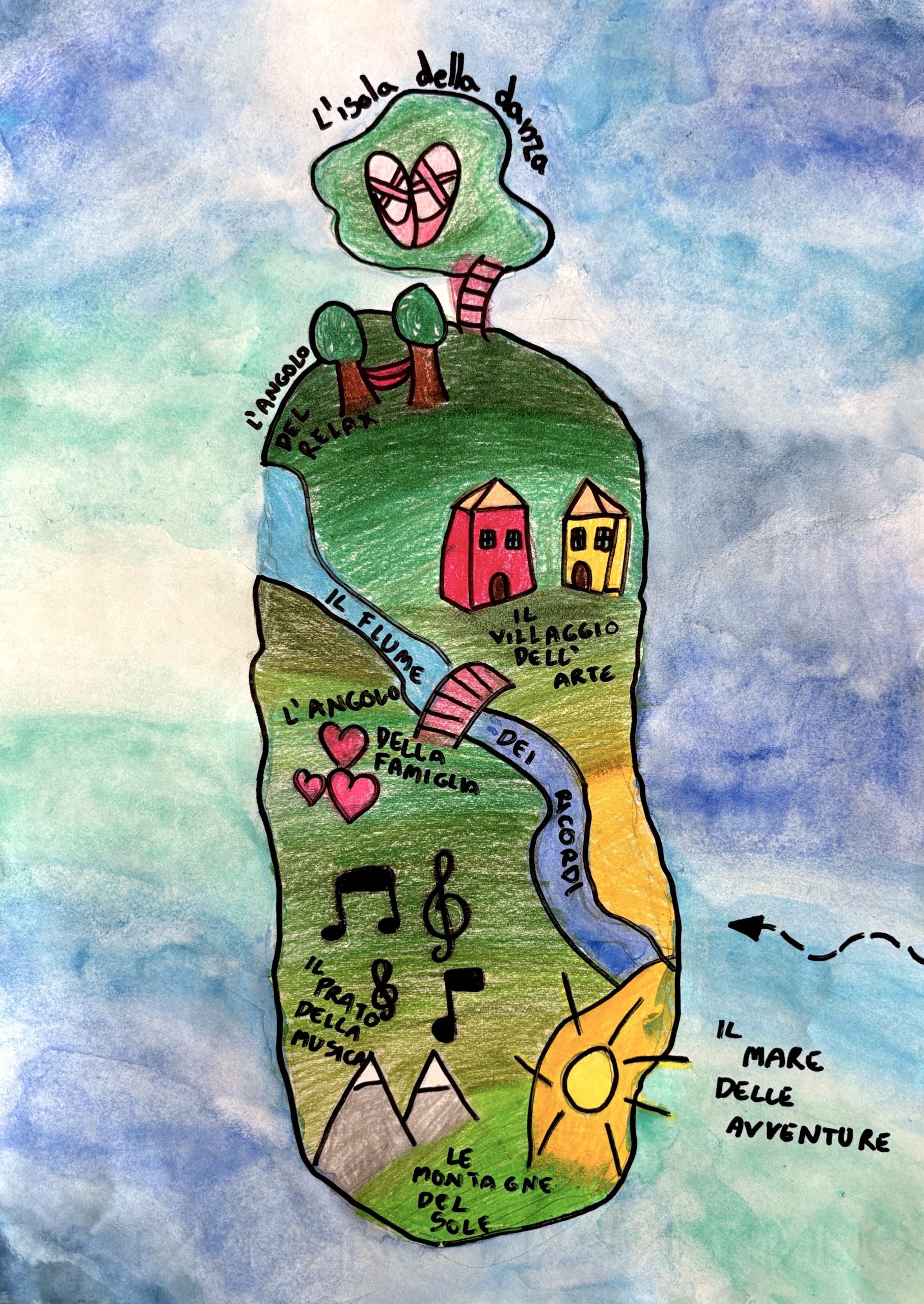
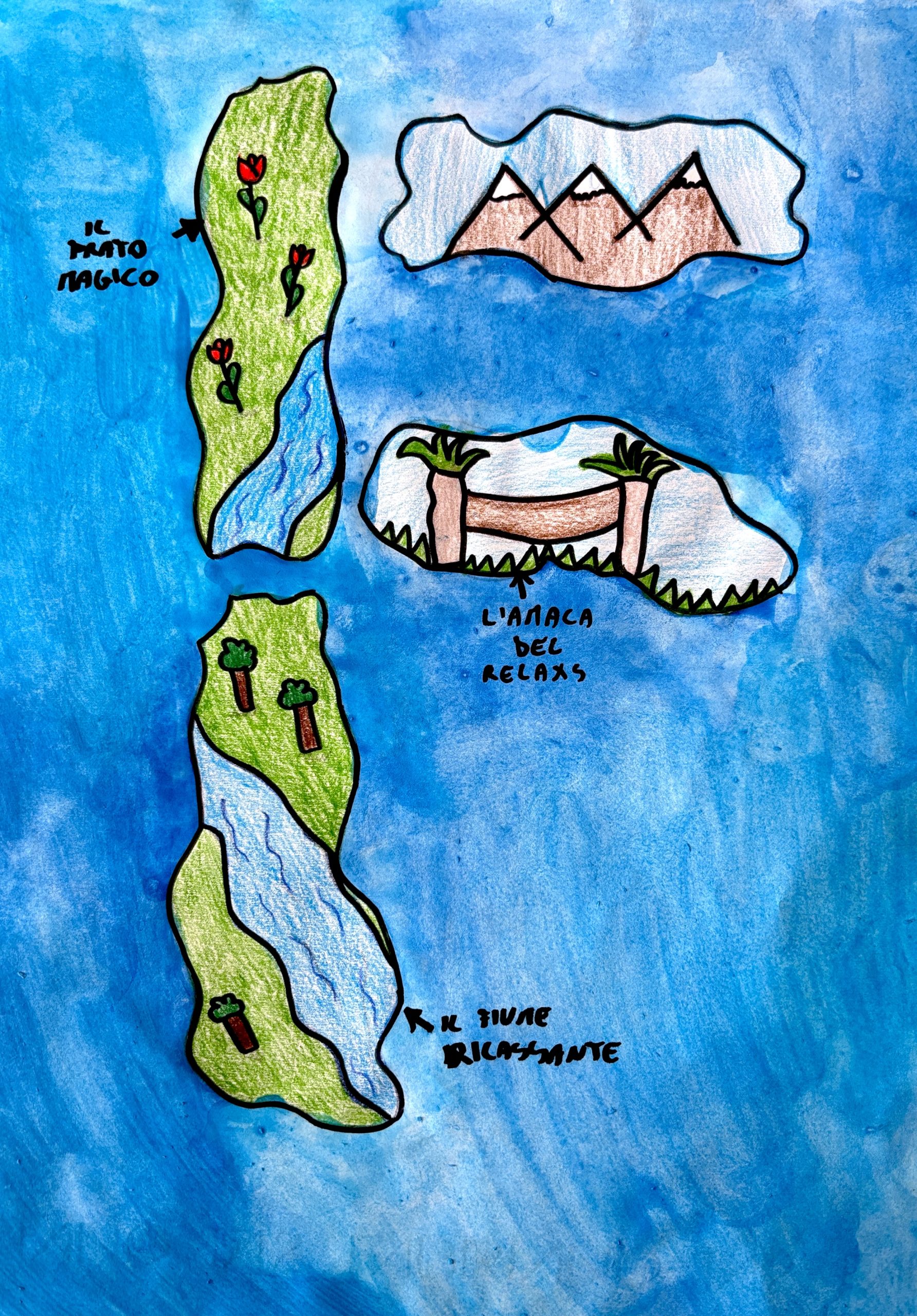
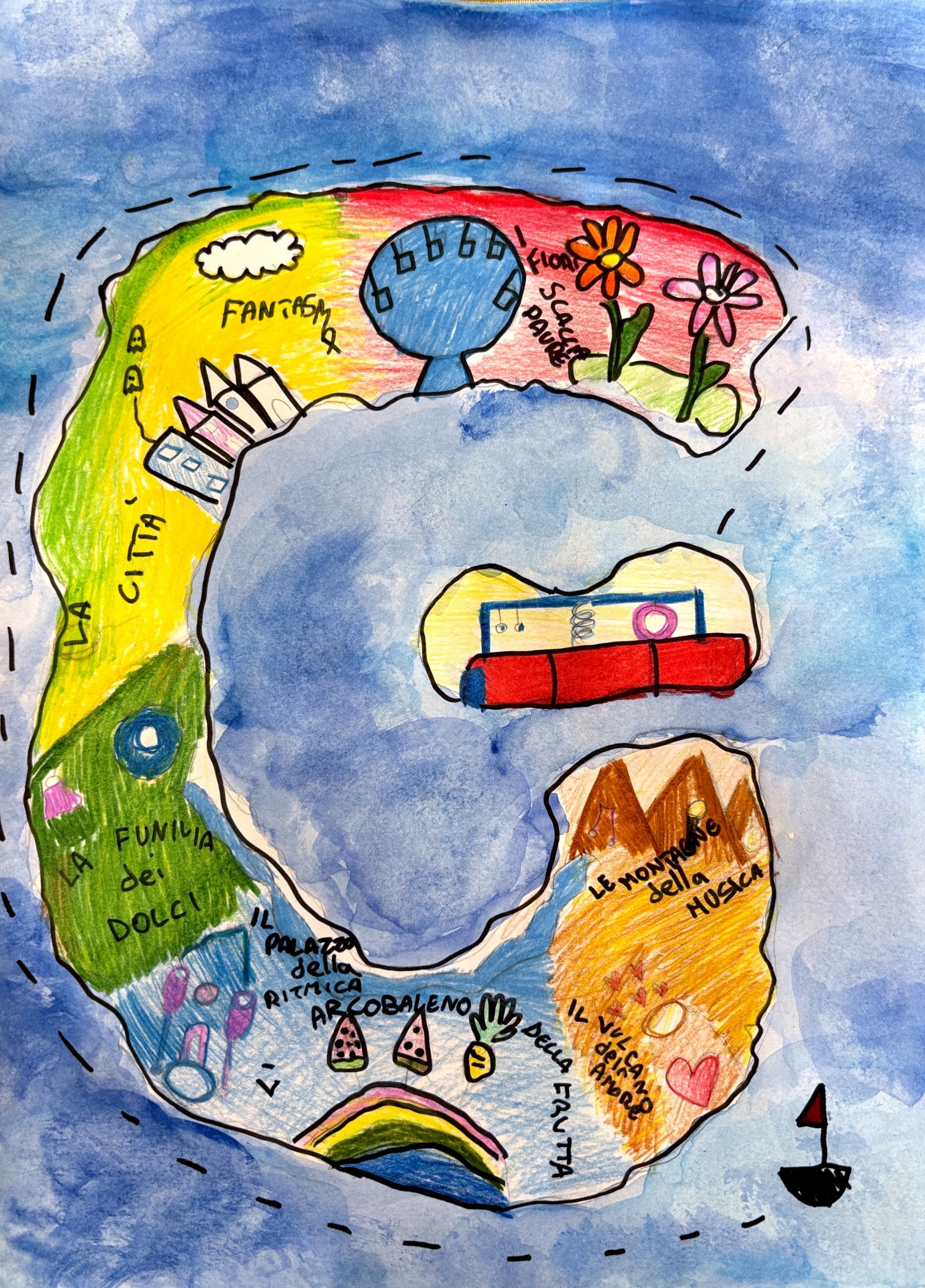
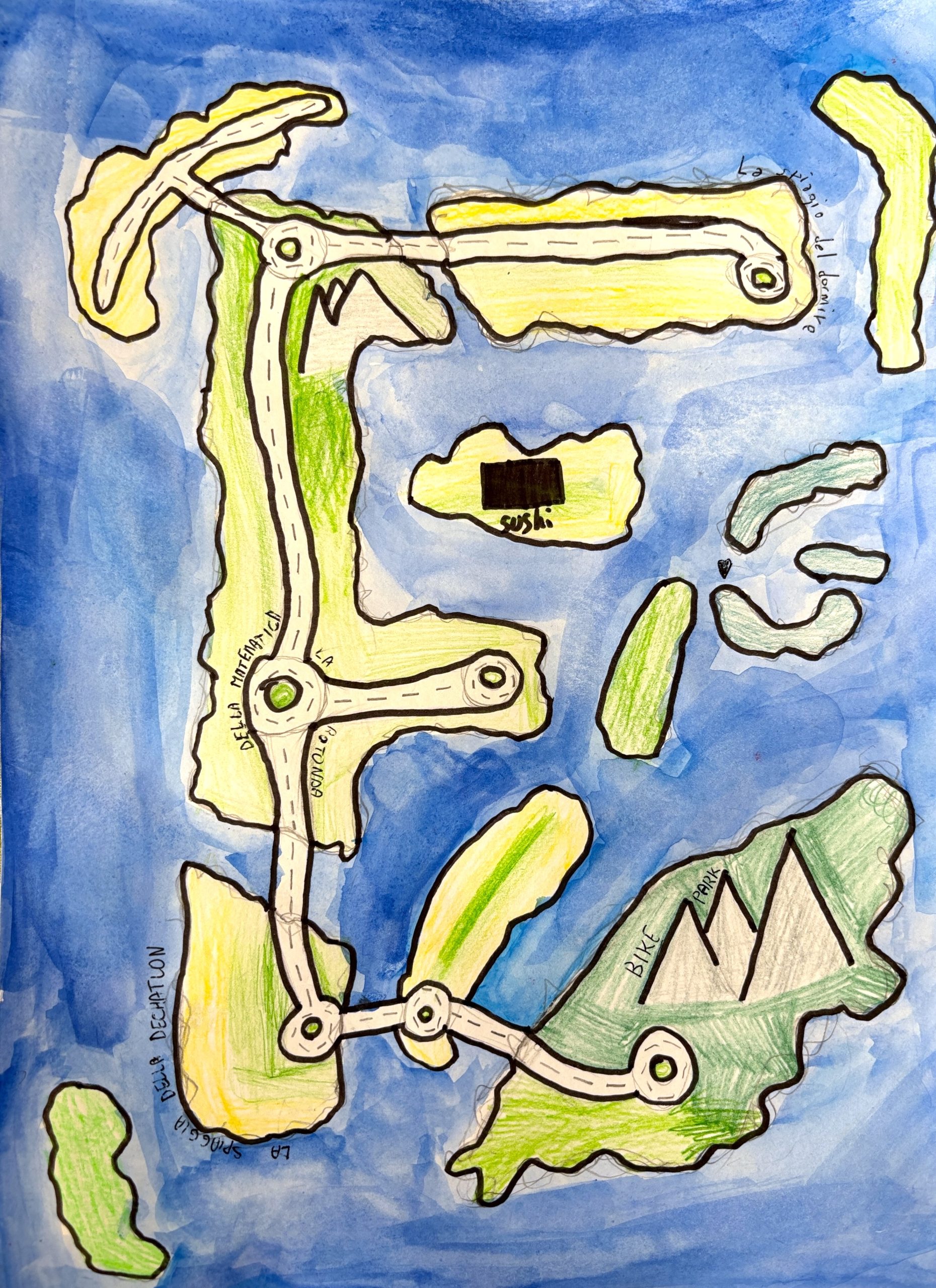
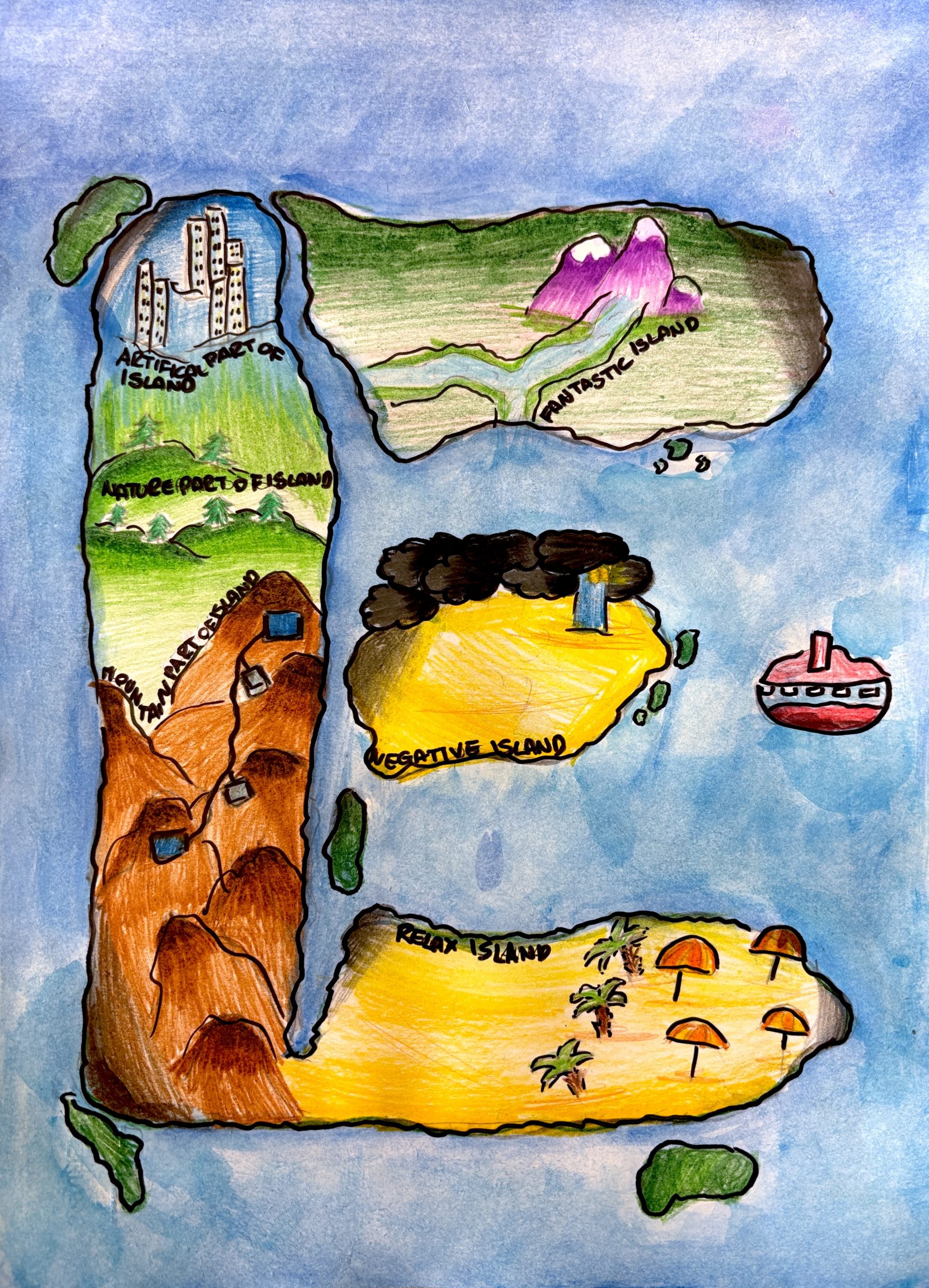
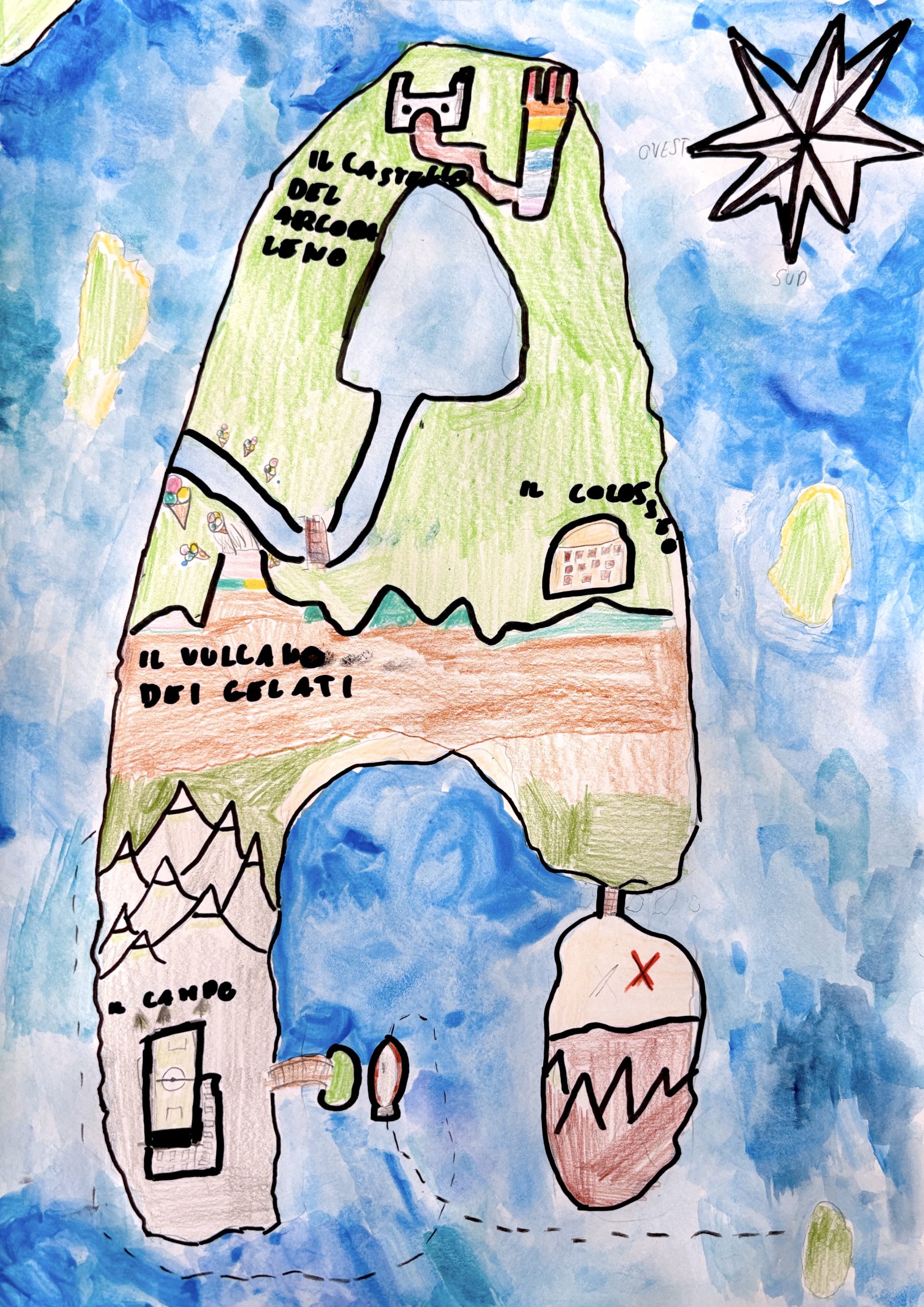
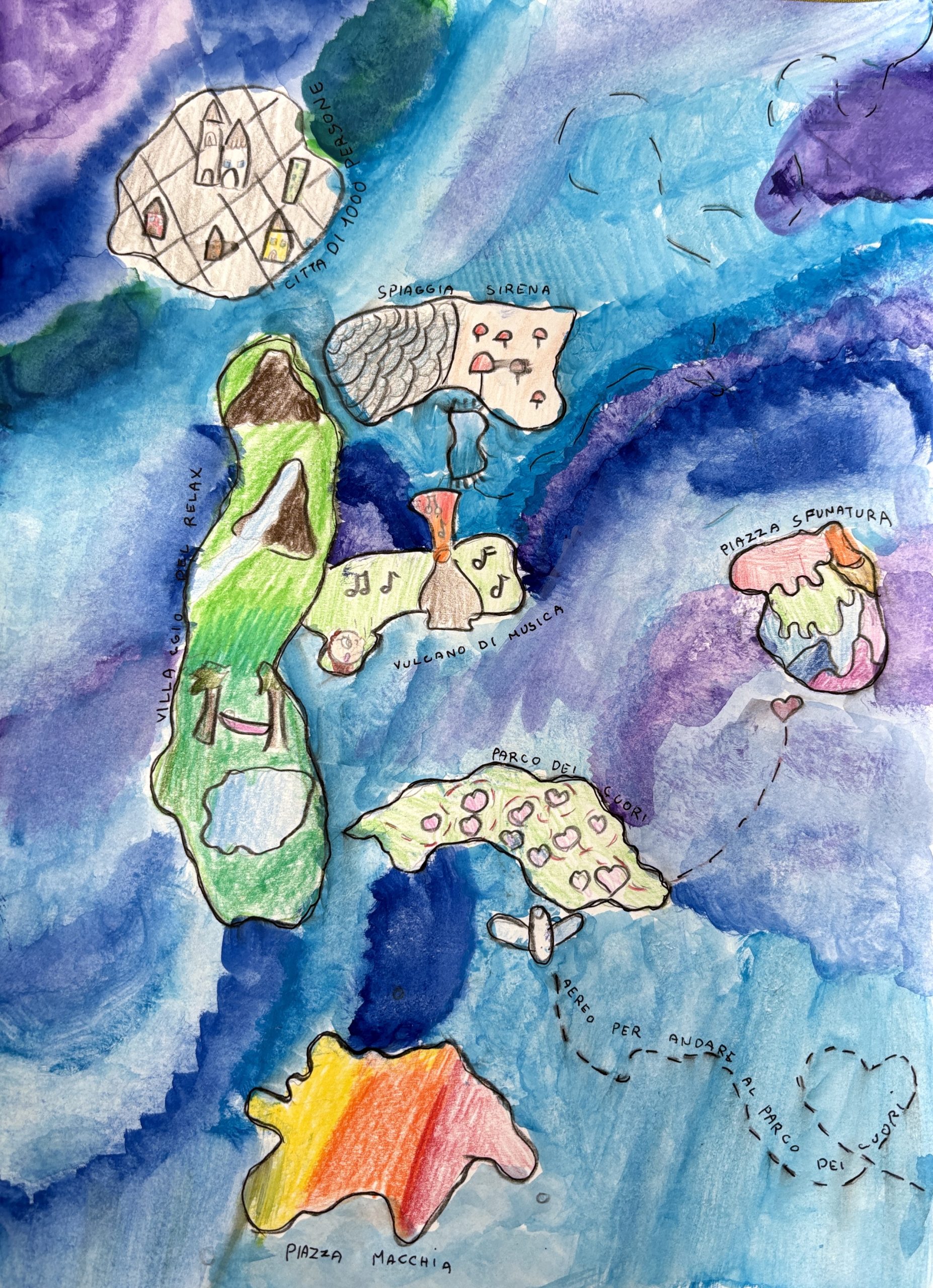
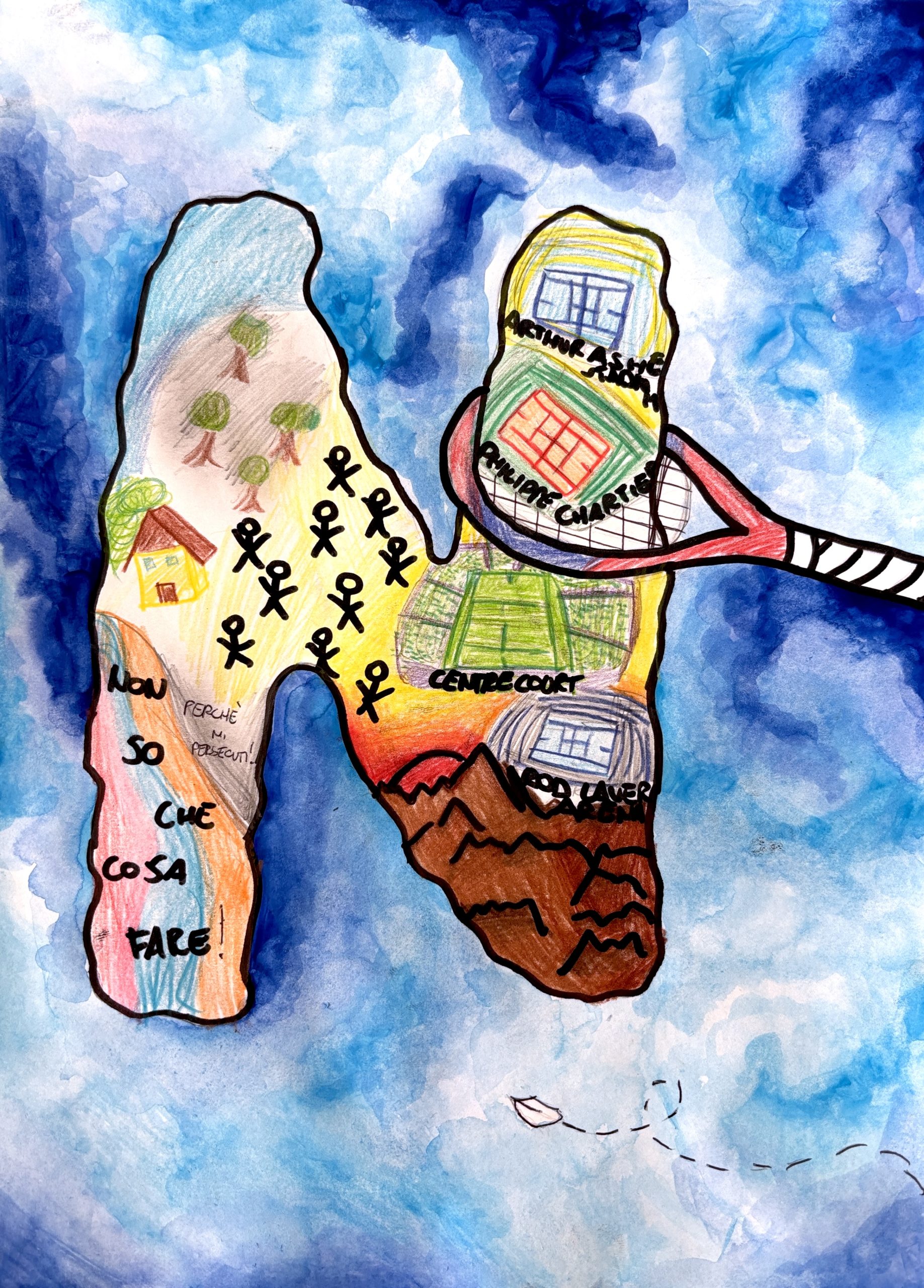
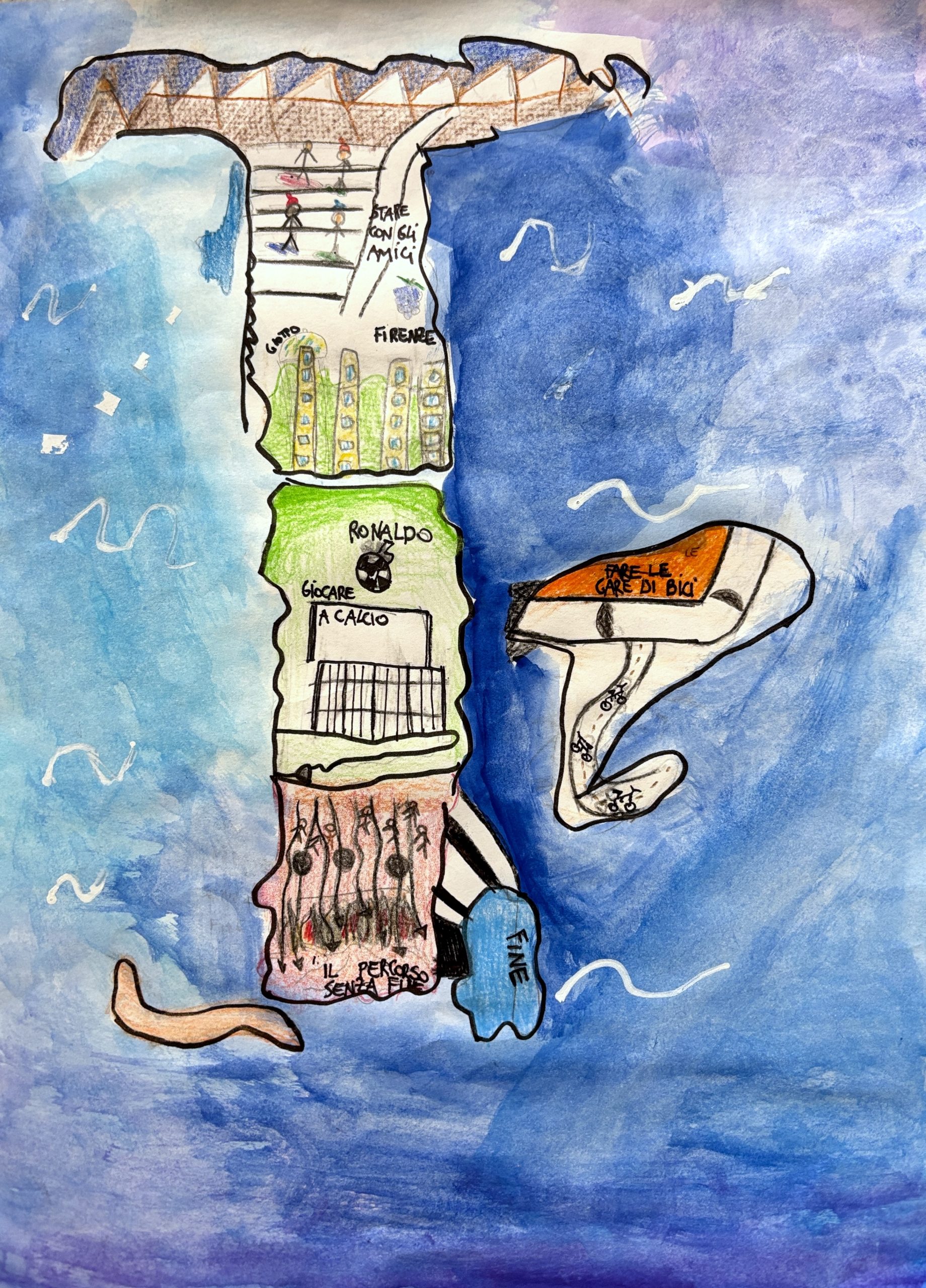
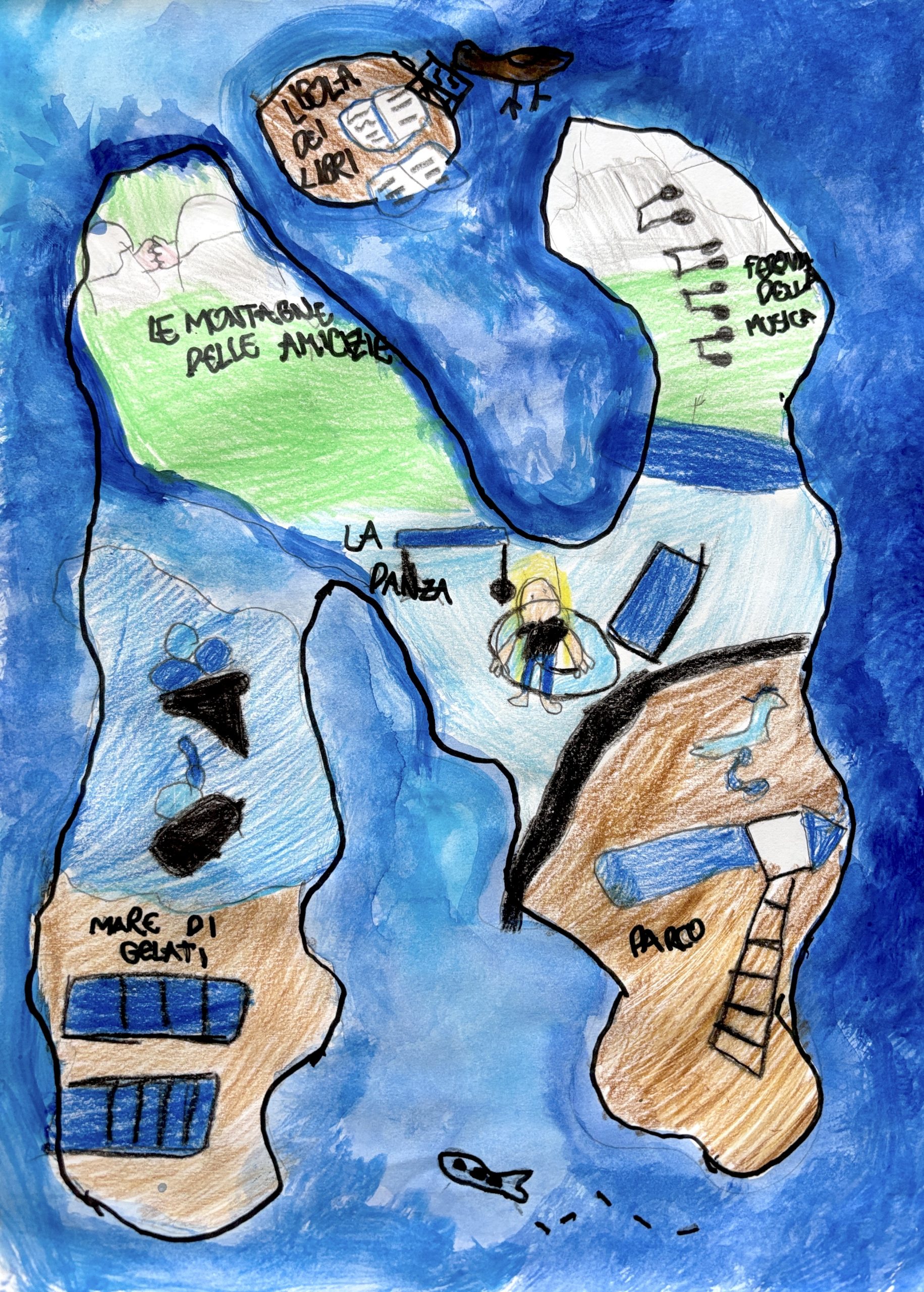
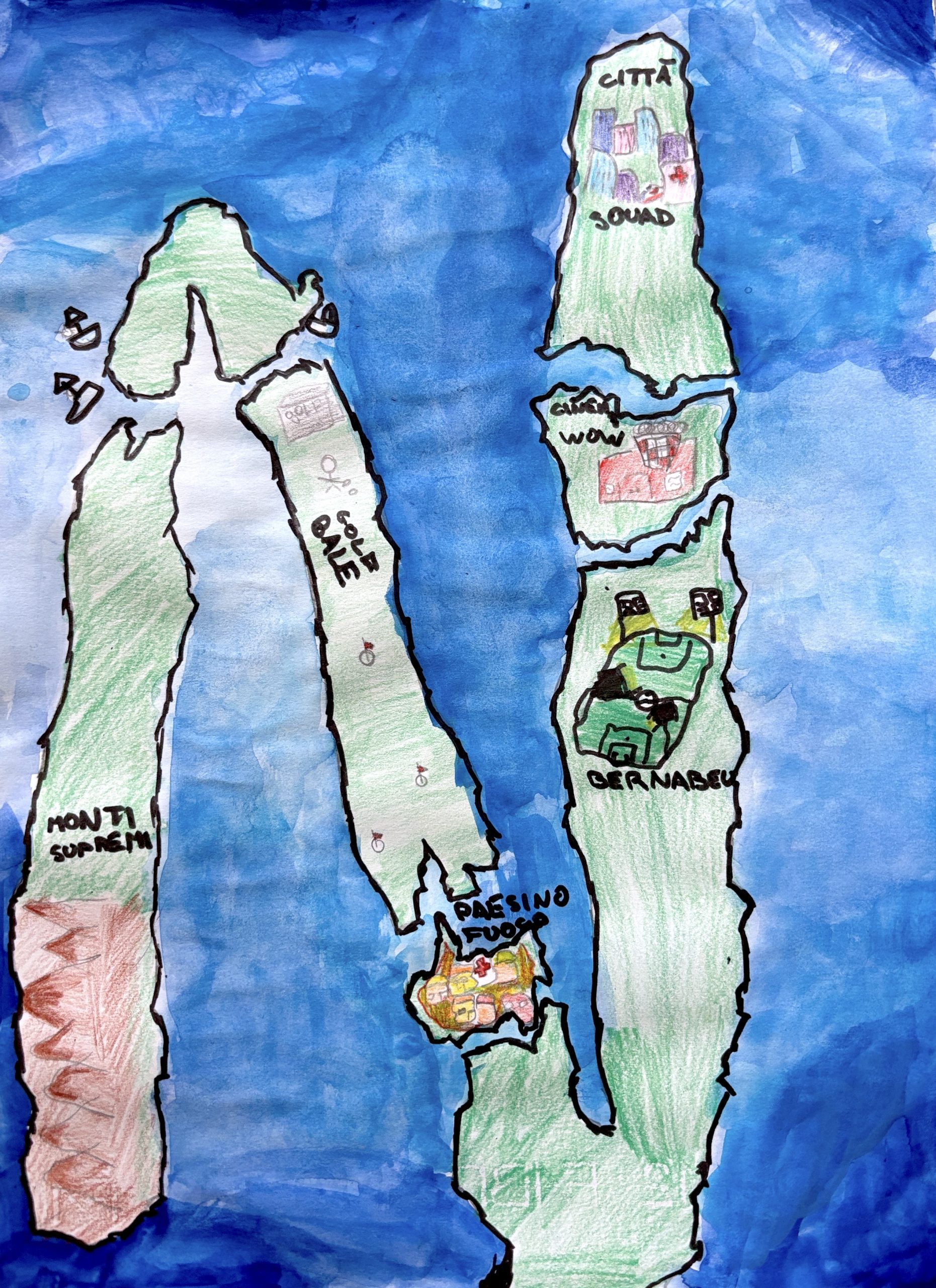
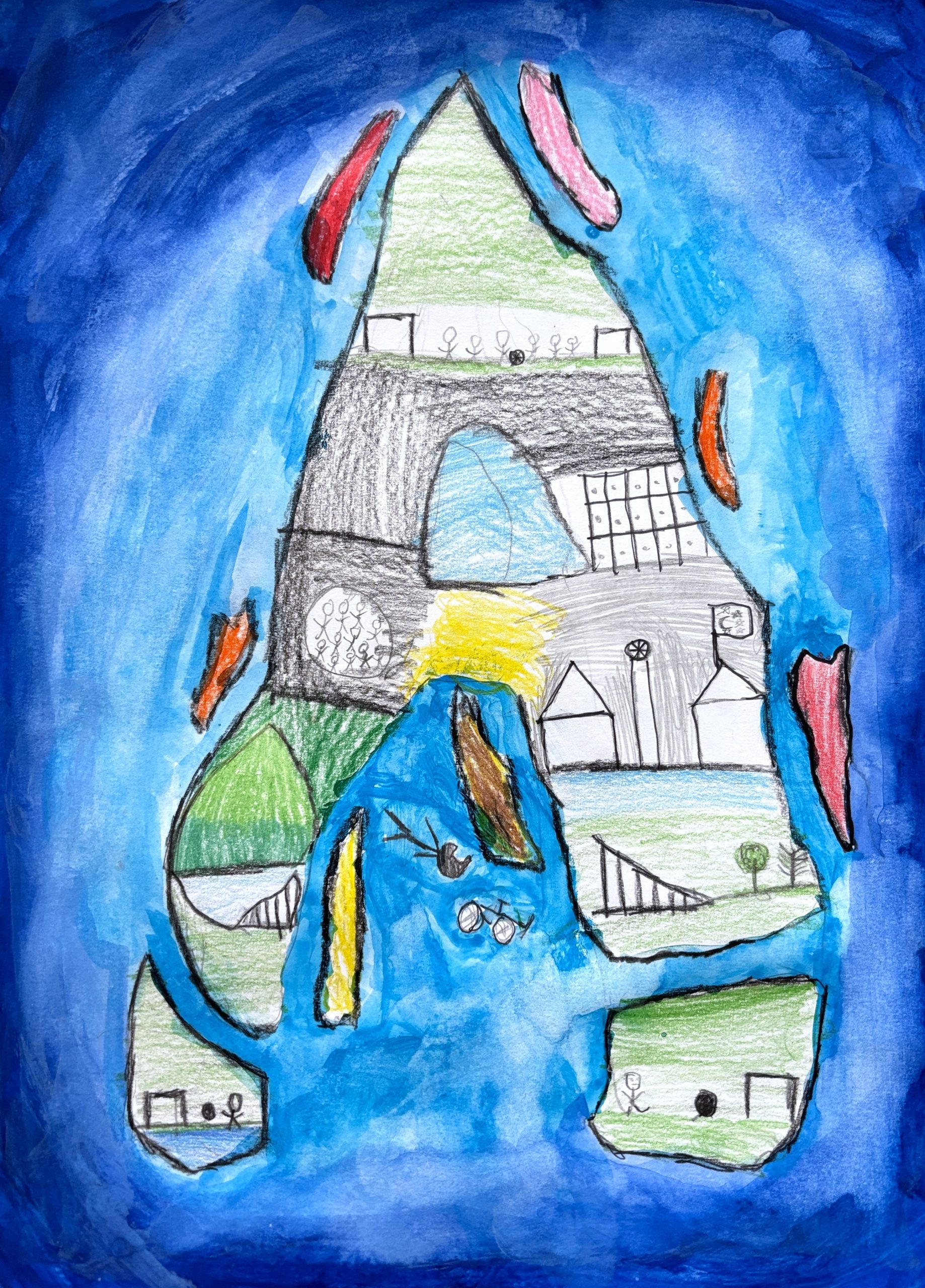
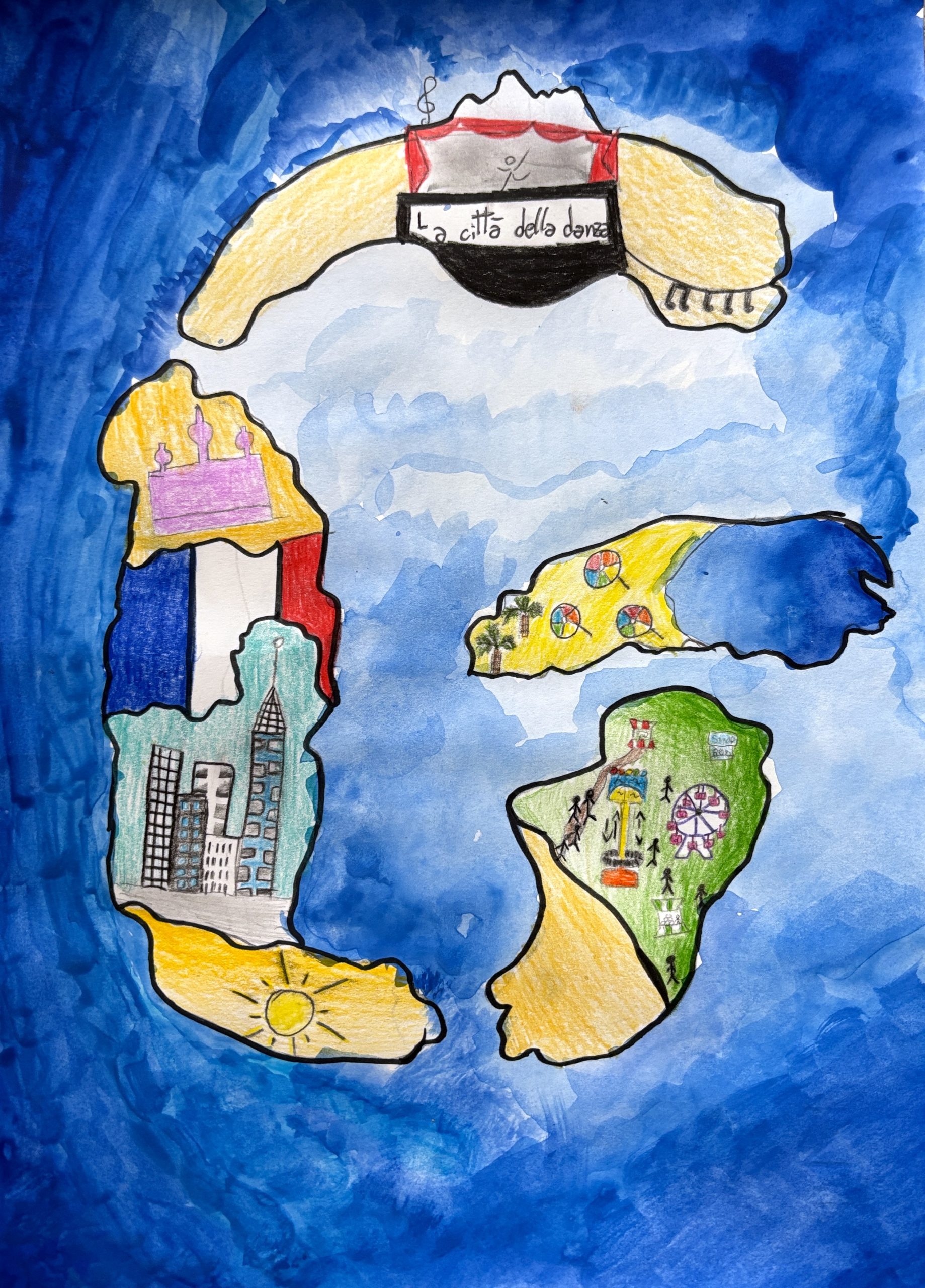
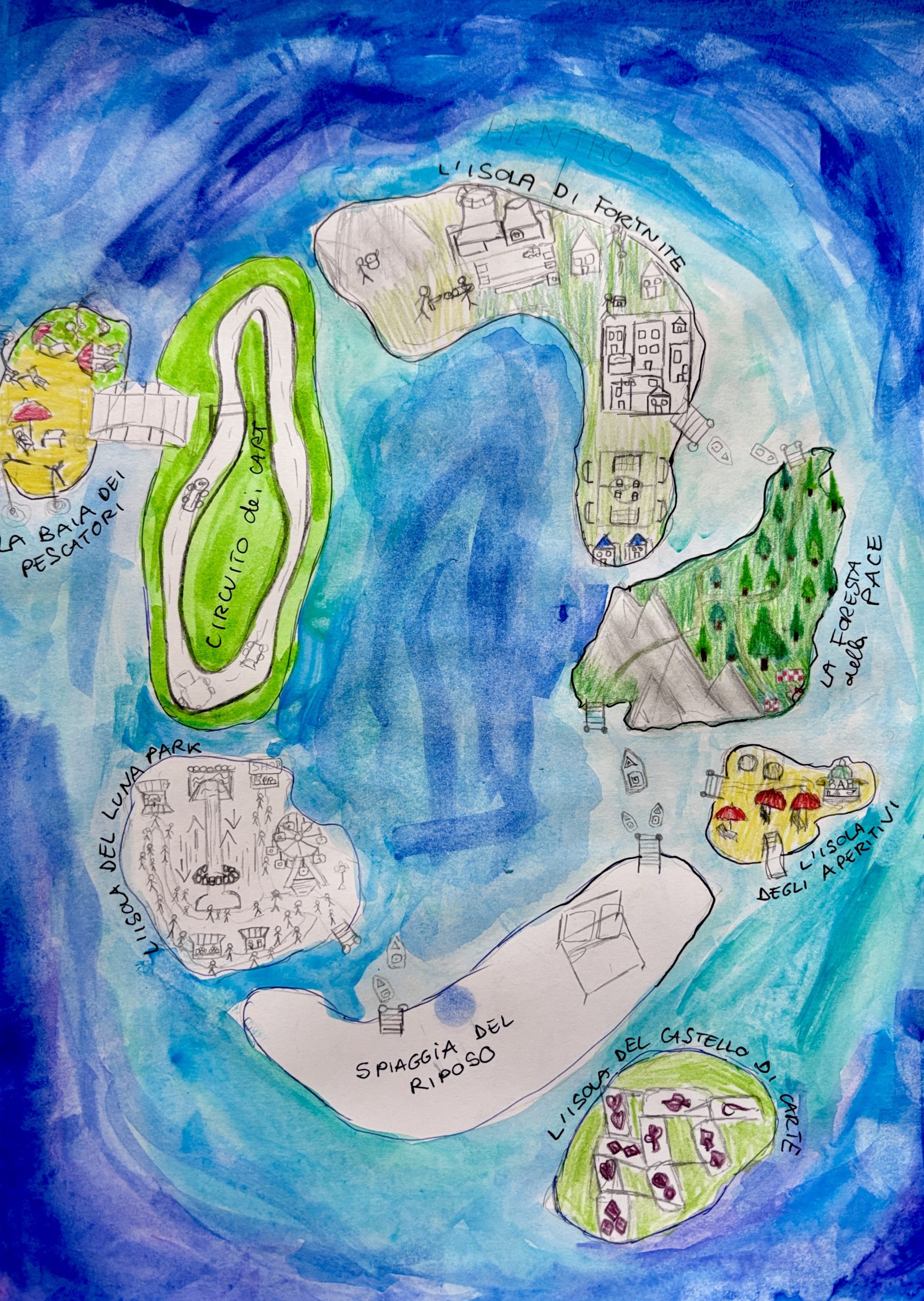
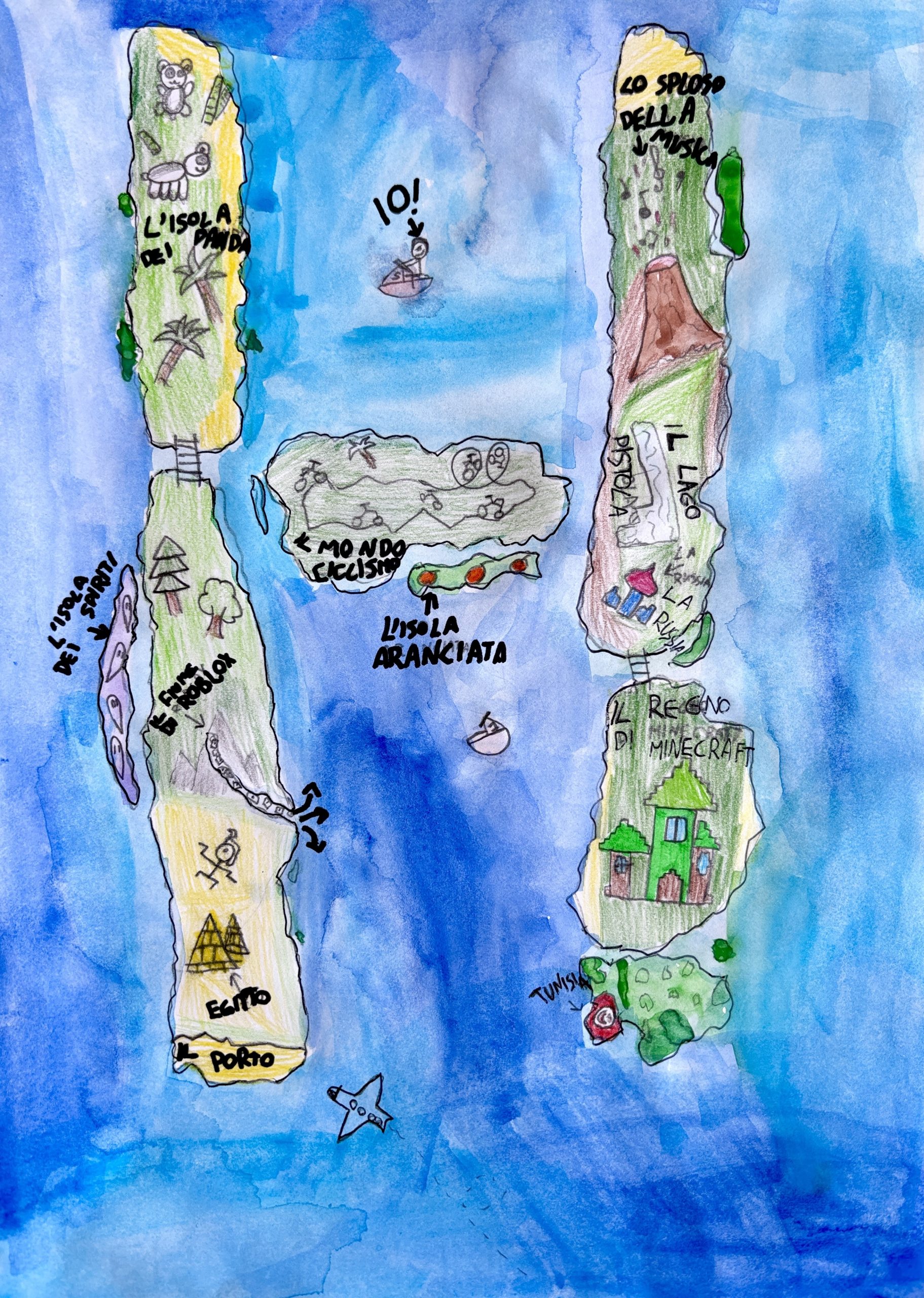
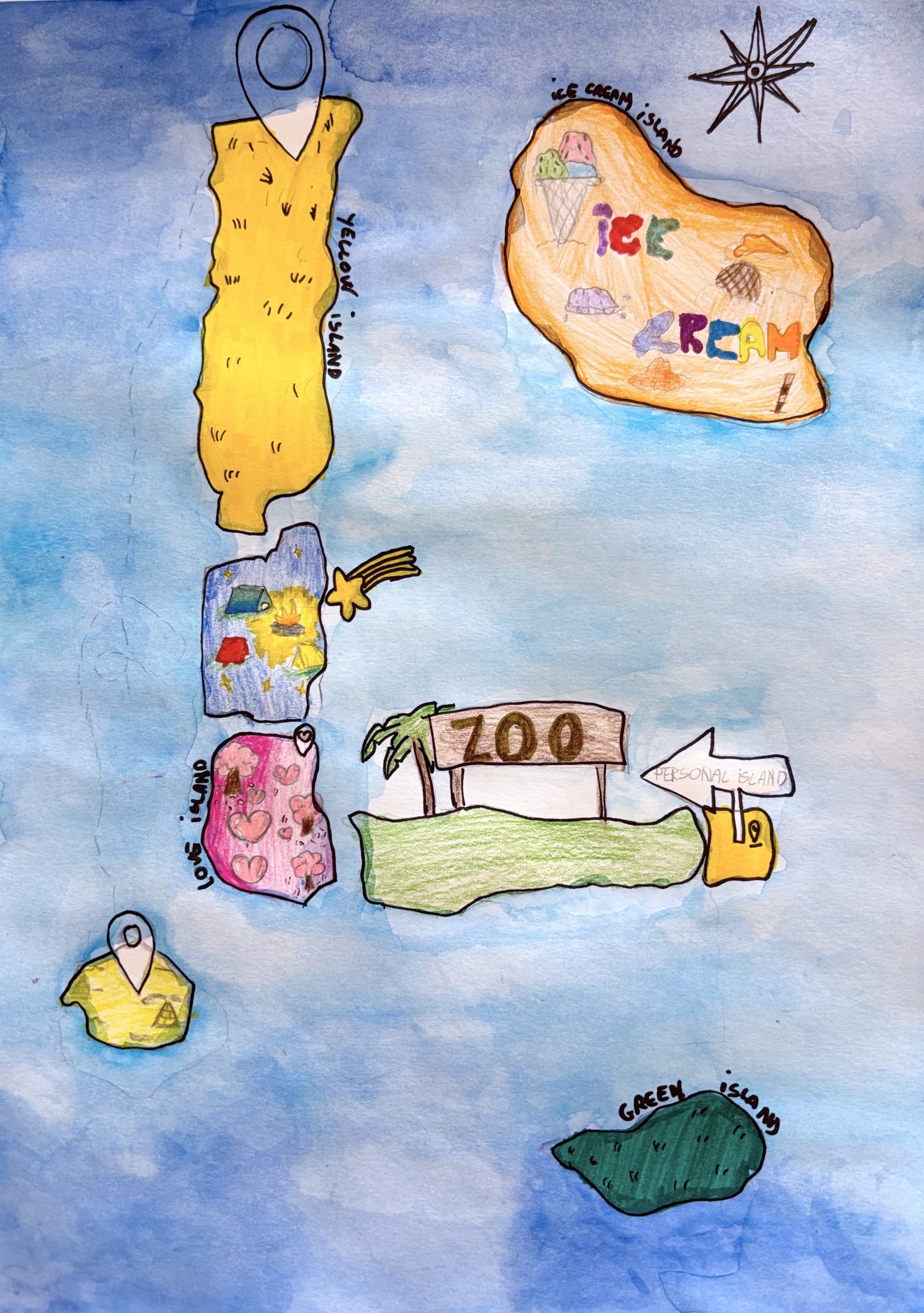
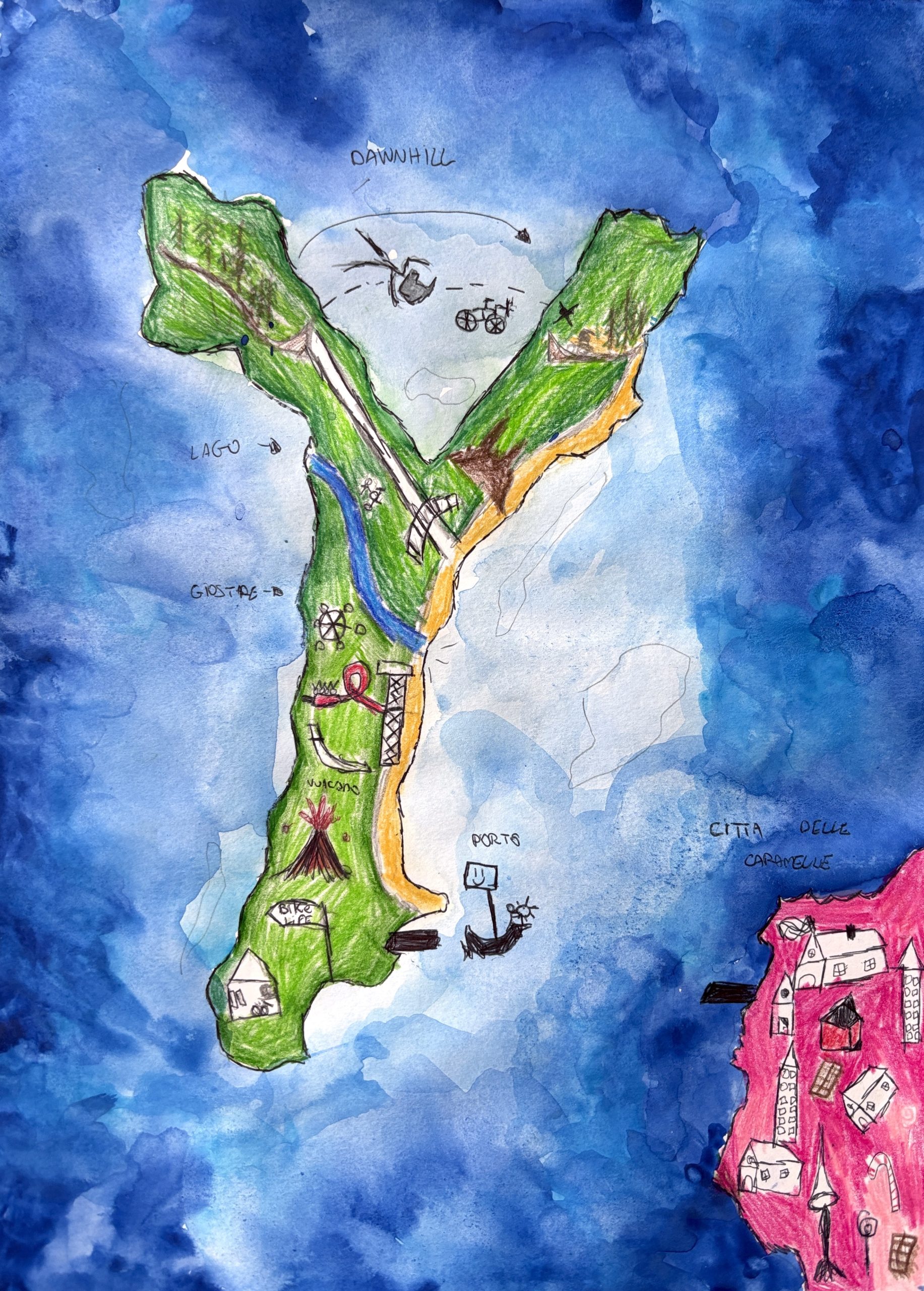
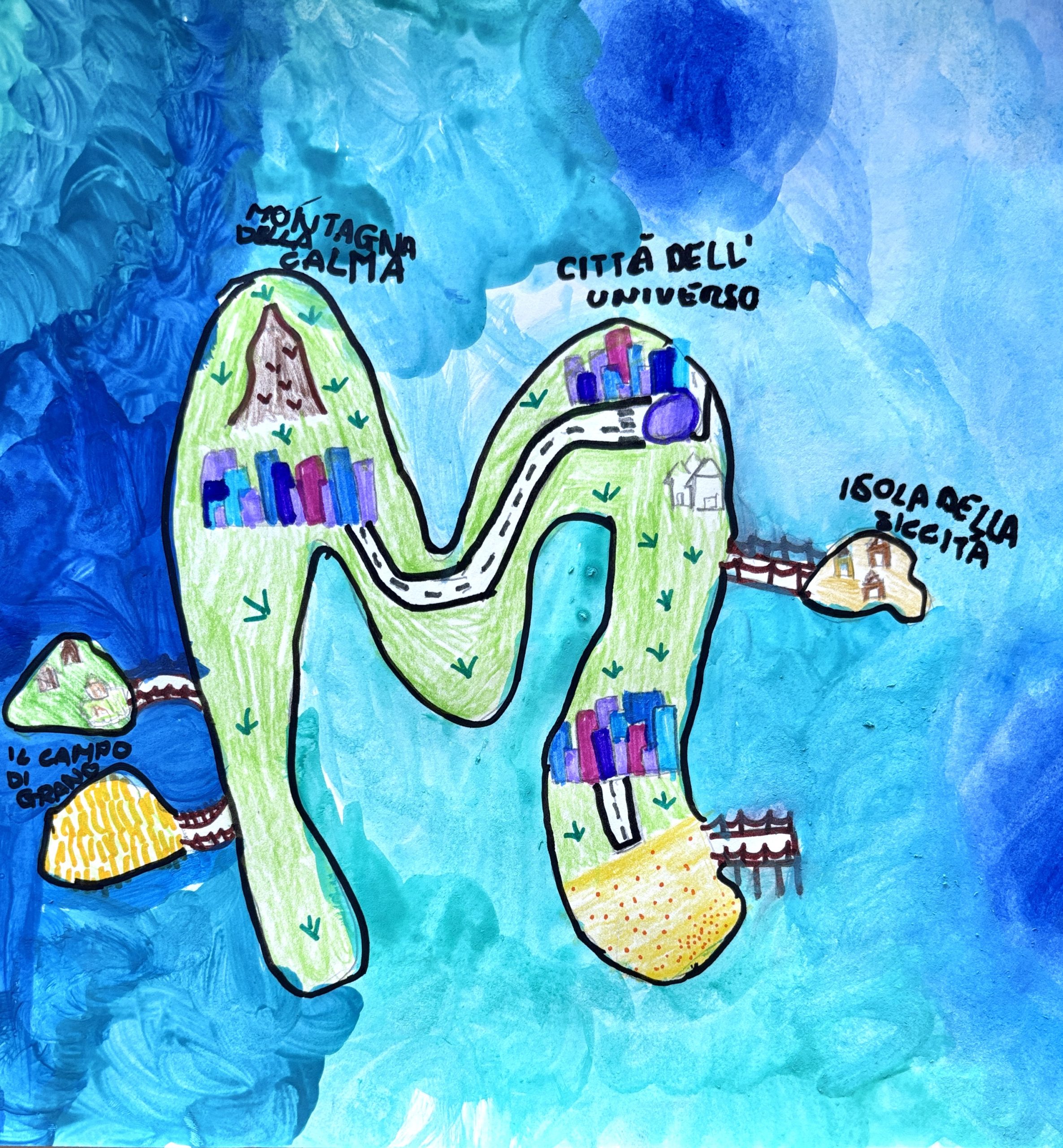
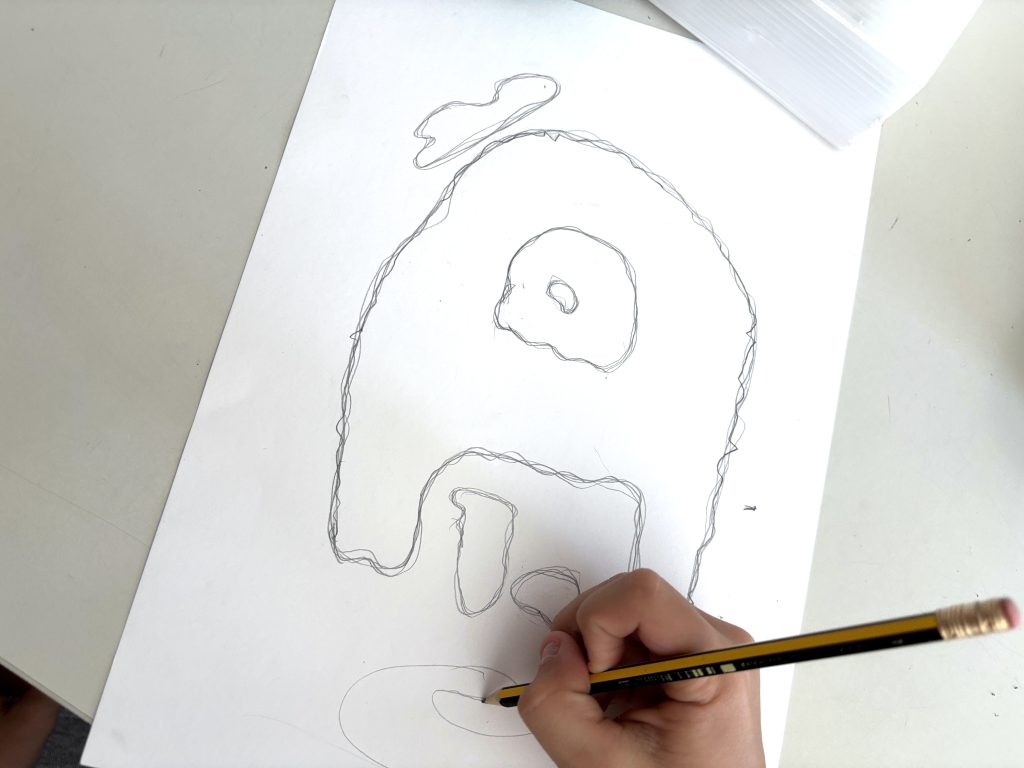
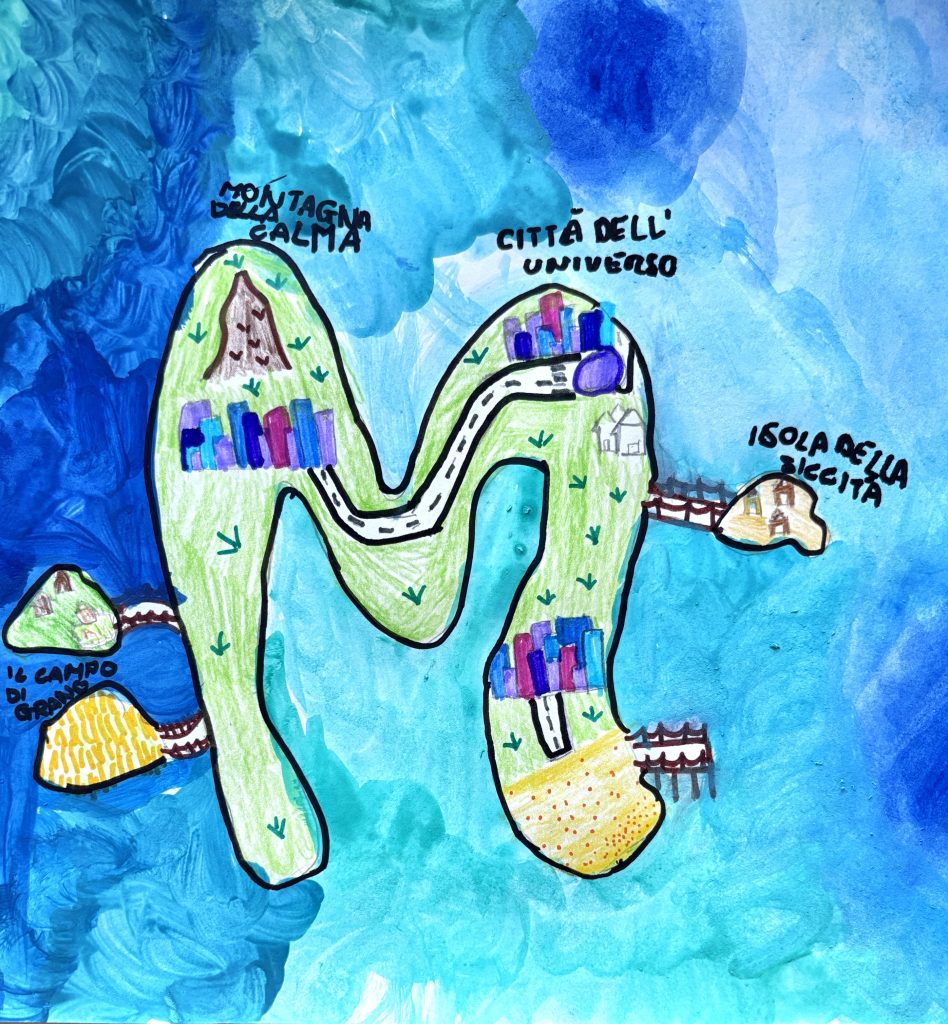
为勾勒岛屿的轮廓与外形,我们选择使用自己名字的首字母(例如字母“C”或“M”),并用铅笔将其绘于纸上。在此独特轮廓之内,我们描绘出代表自身的各类元素。
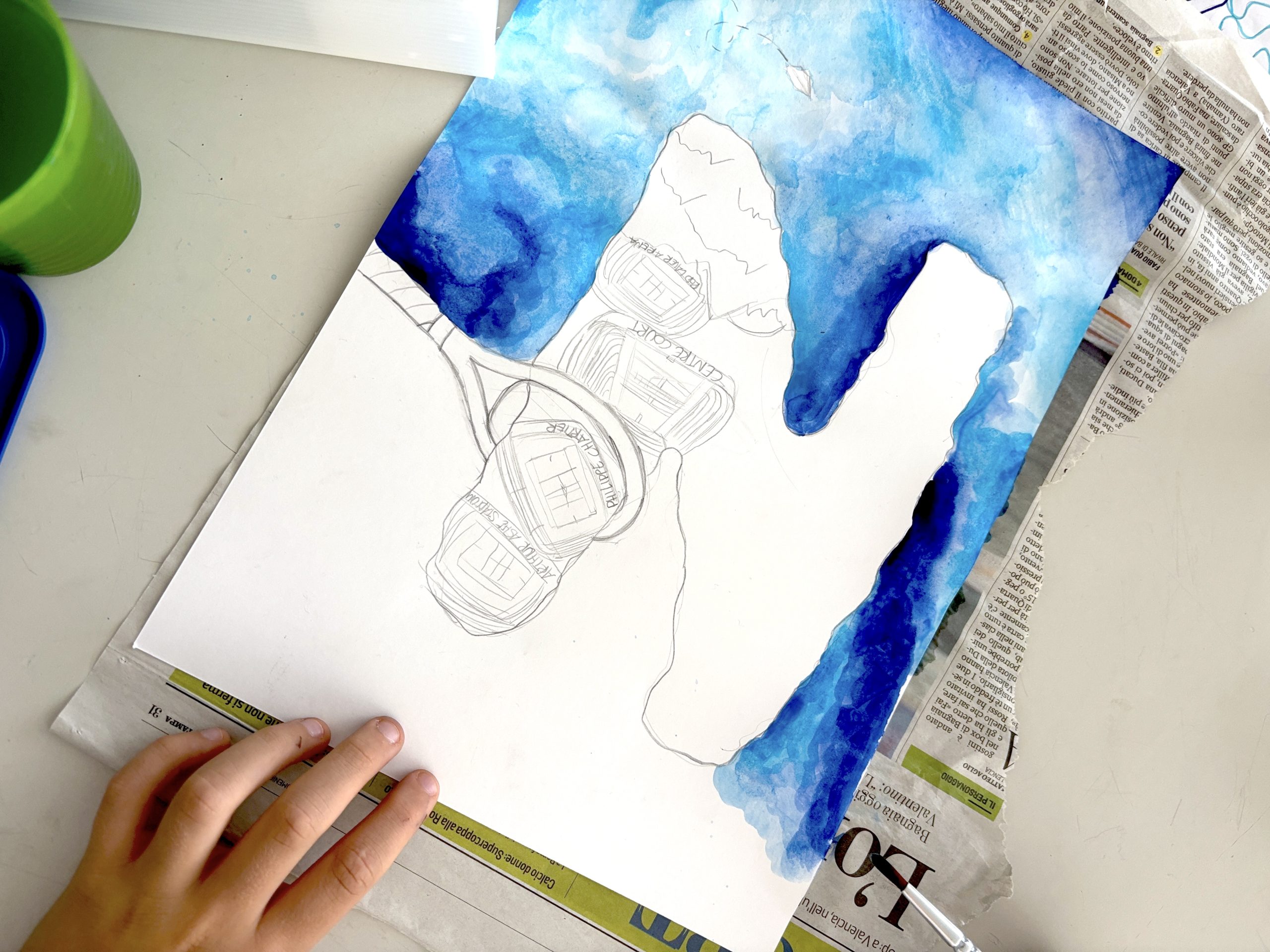
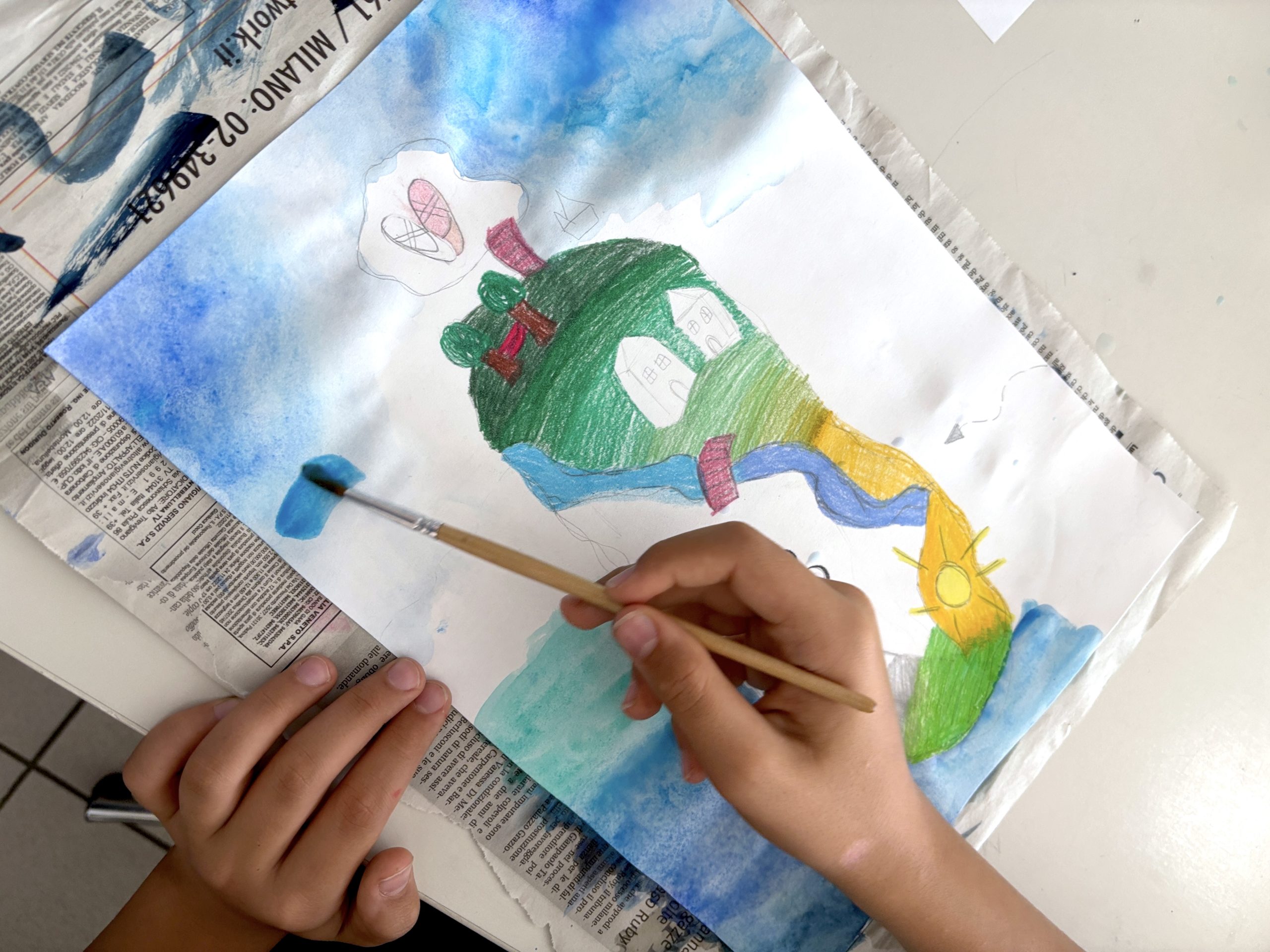
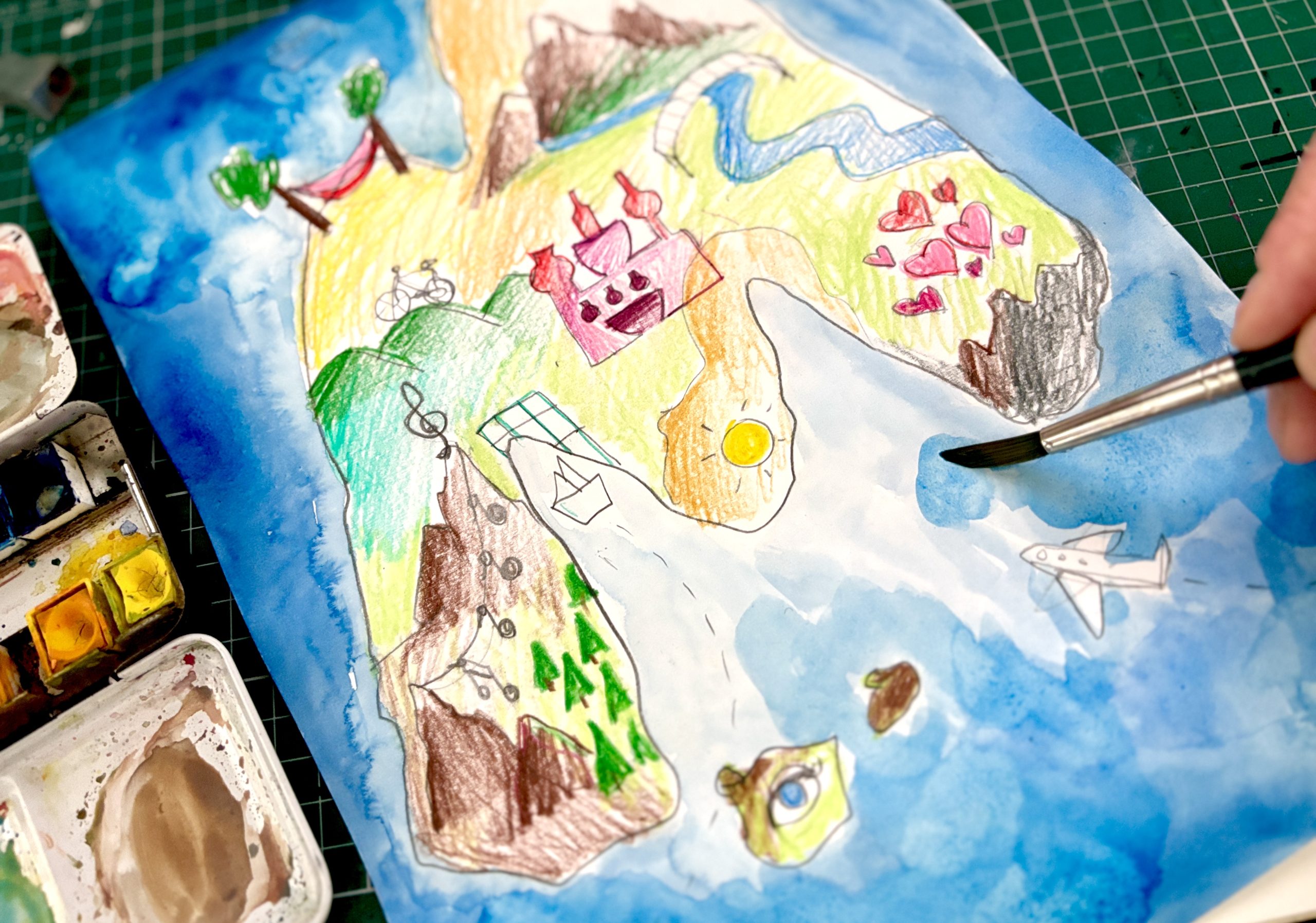
为给画面着色,我们采用了两种不同技法:用地貌地图的经典配色(绿色、棕色、黄色)以彩铅涂绘地形与要素(山脉、建筑等);而对海洋部分,则采用“湿画法”水彩:先在海面区域均匀铺上清水,再叠加蓝色或浅蓝色颜料,从而获得细腻丰富的色调变化。
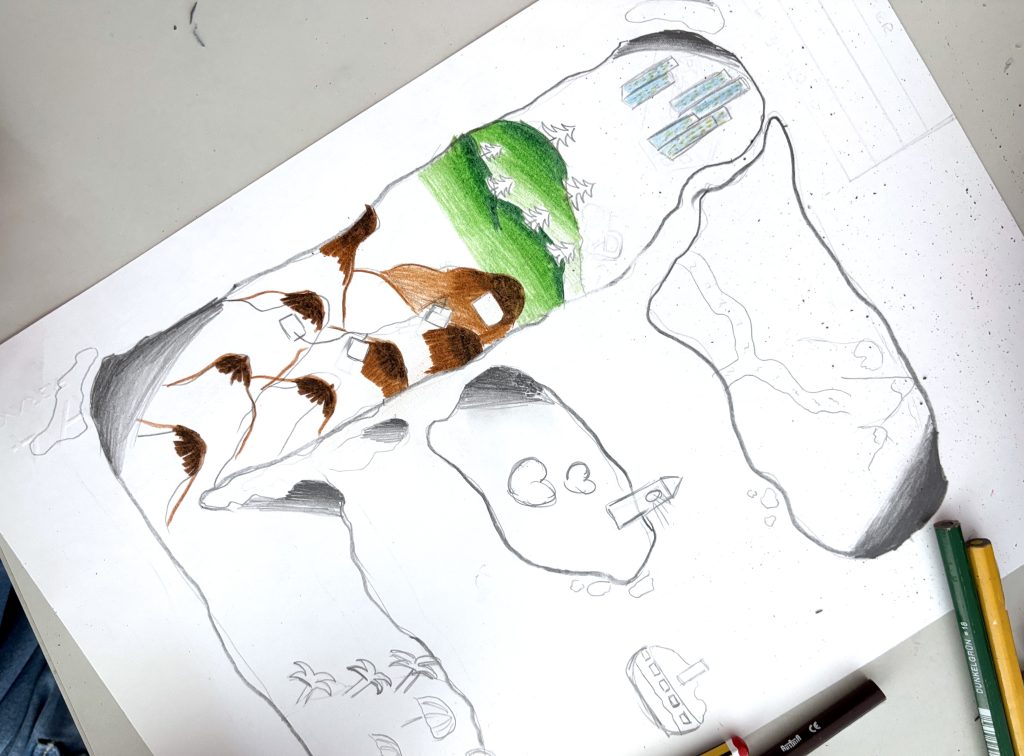
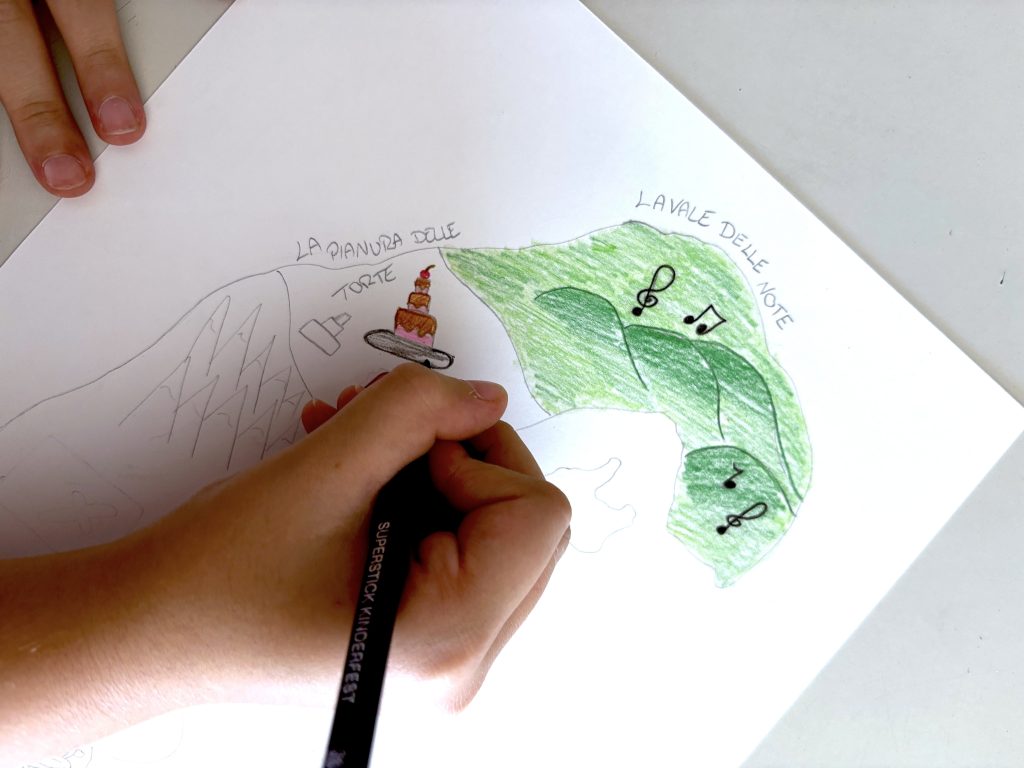
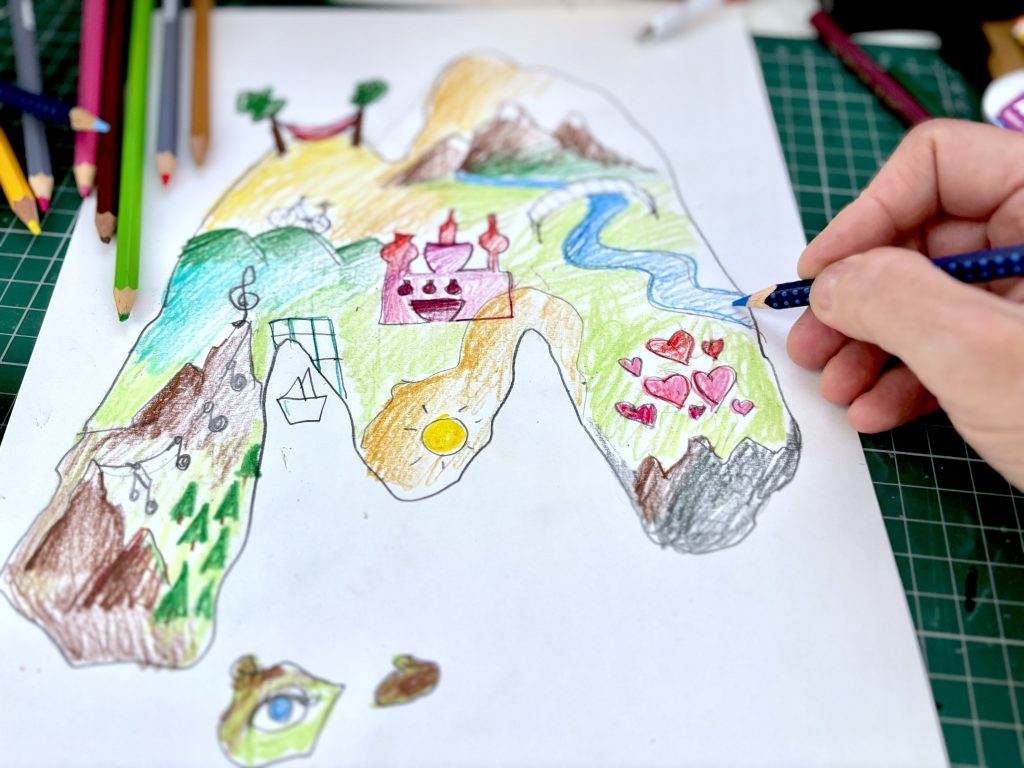
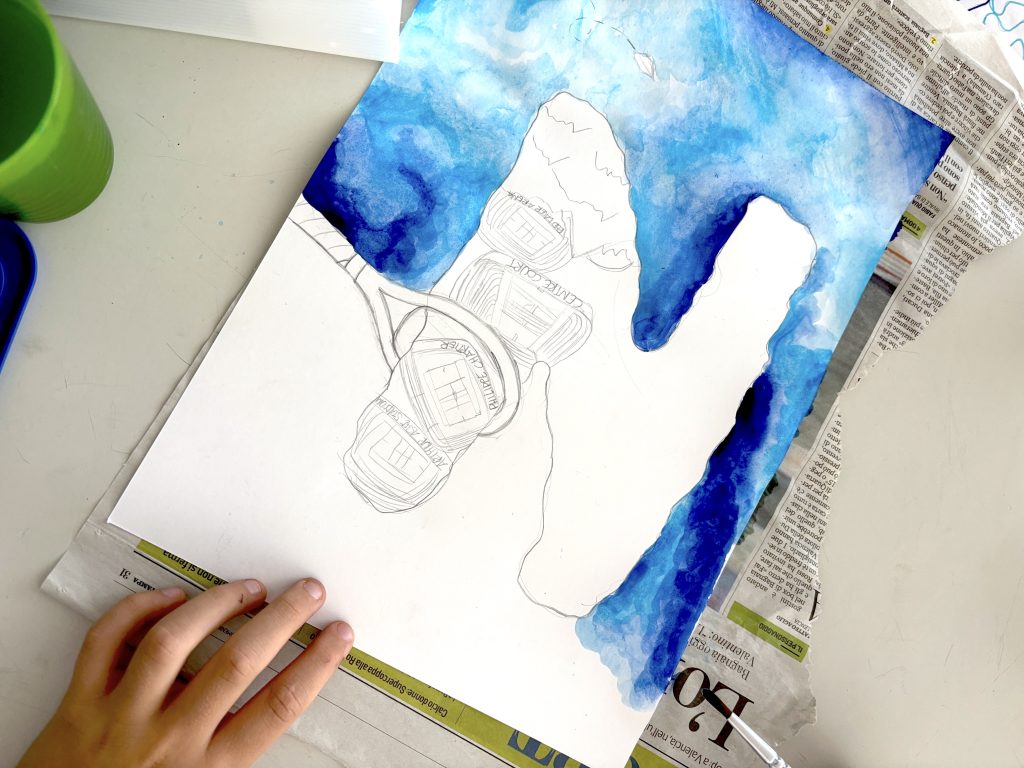
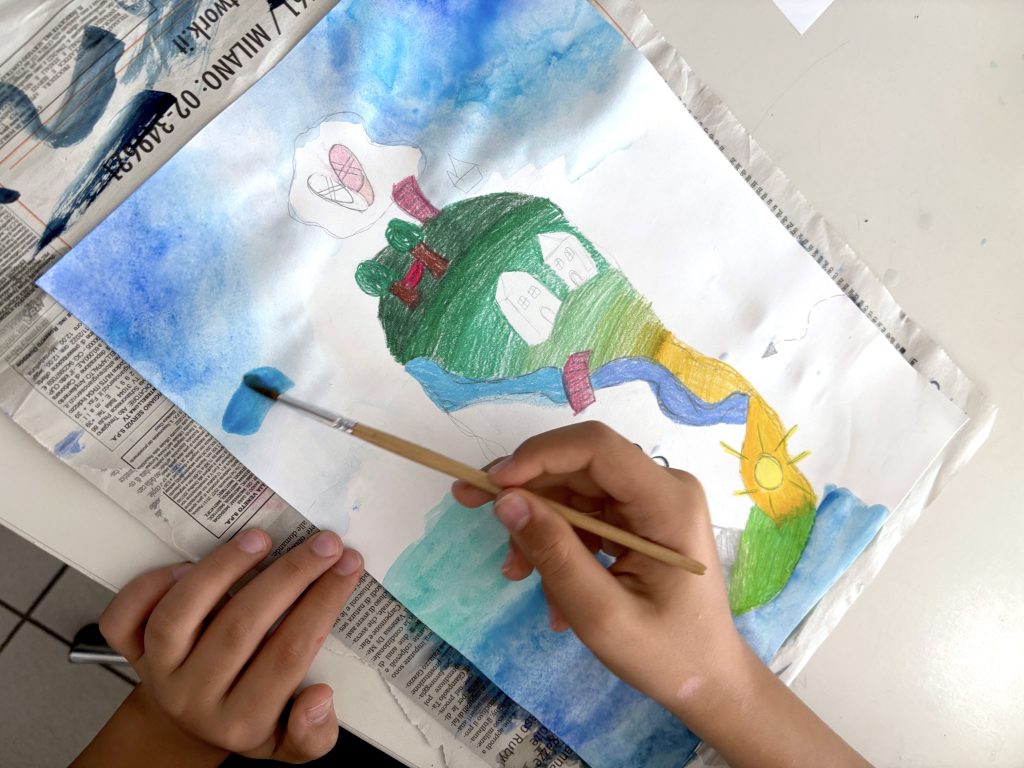
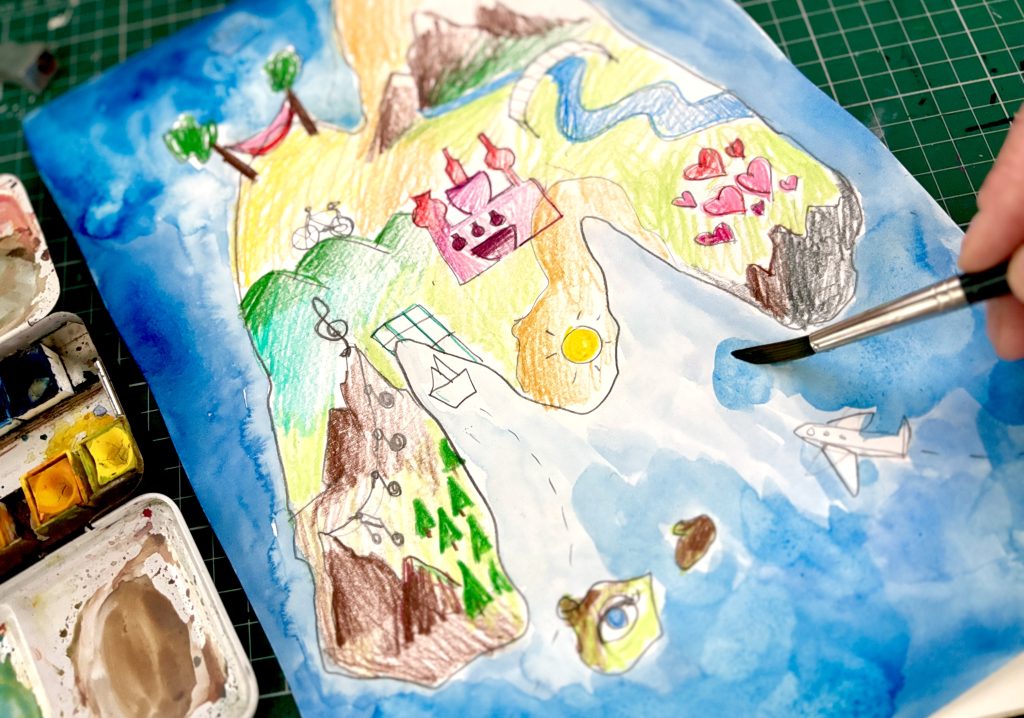
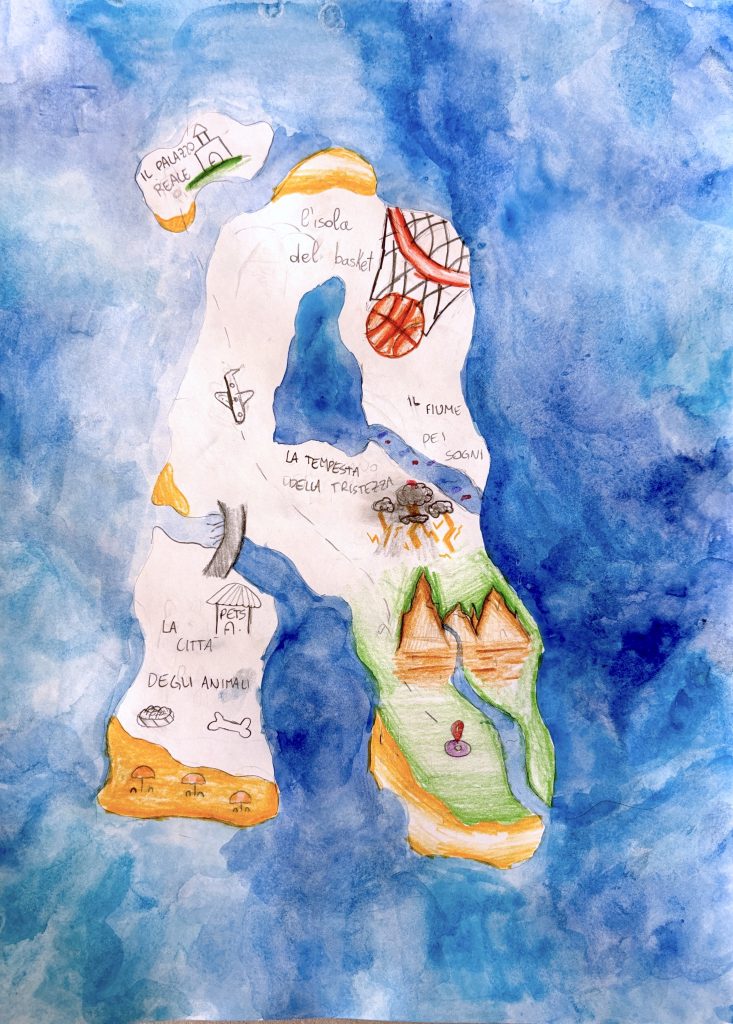
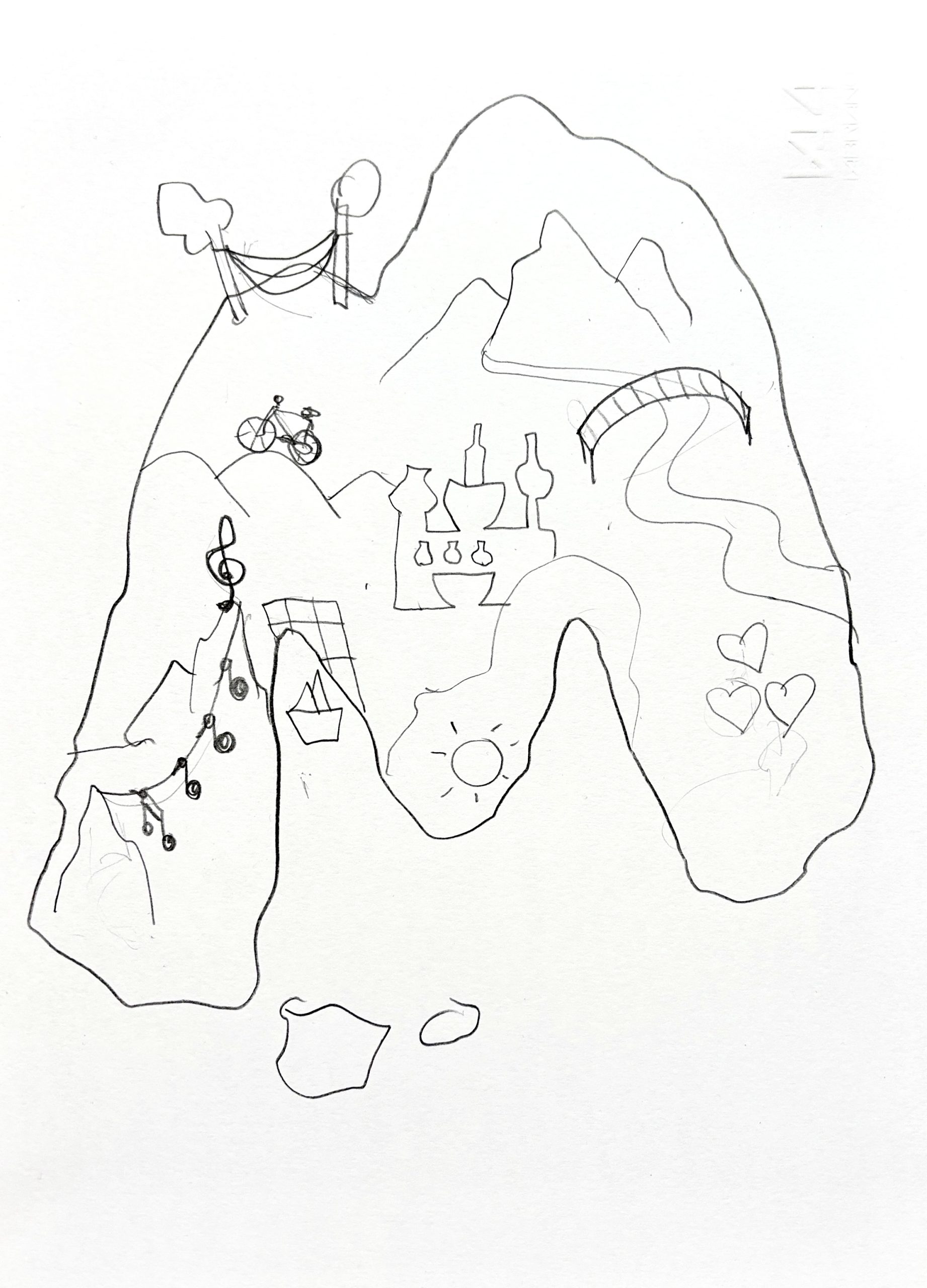
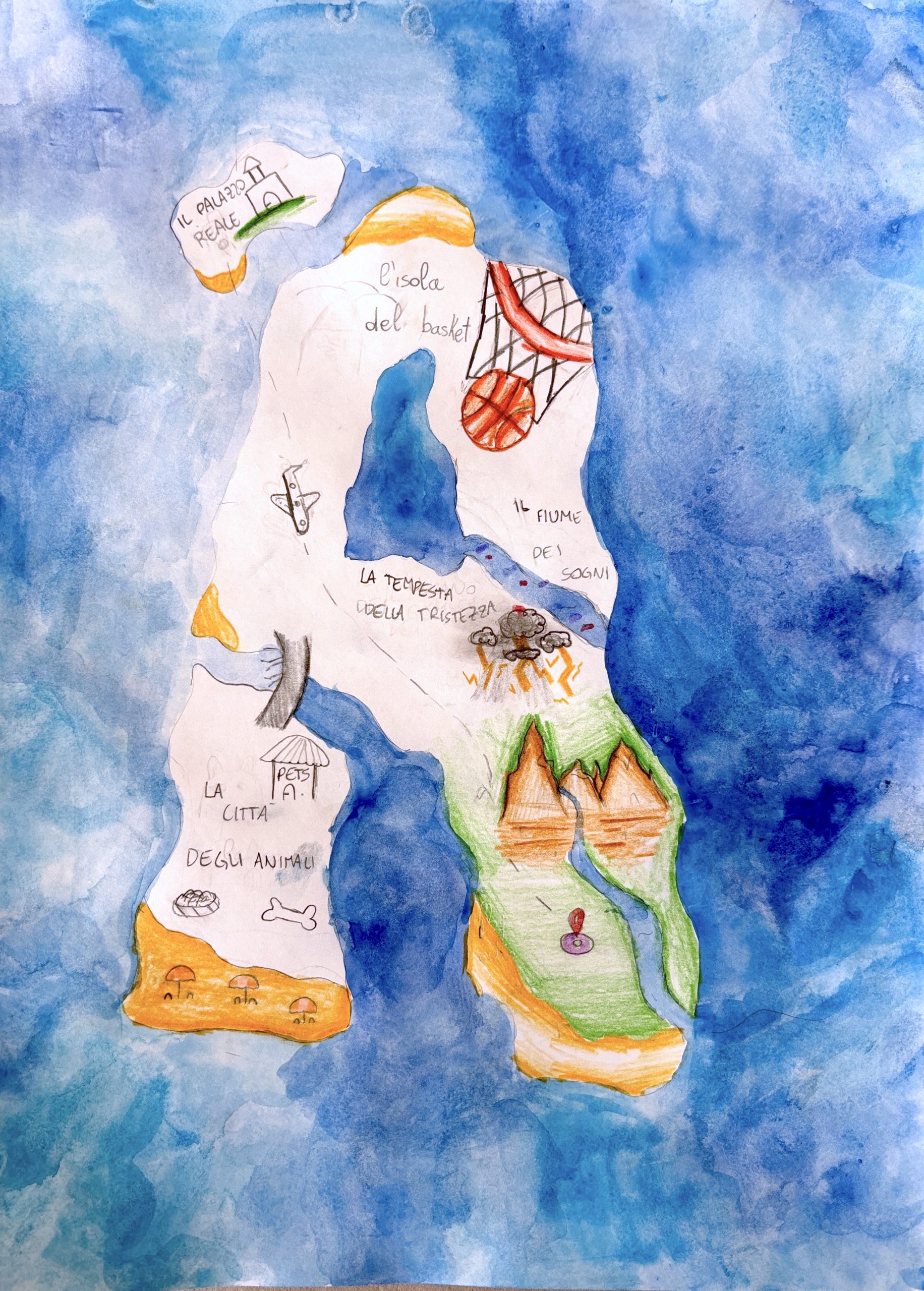
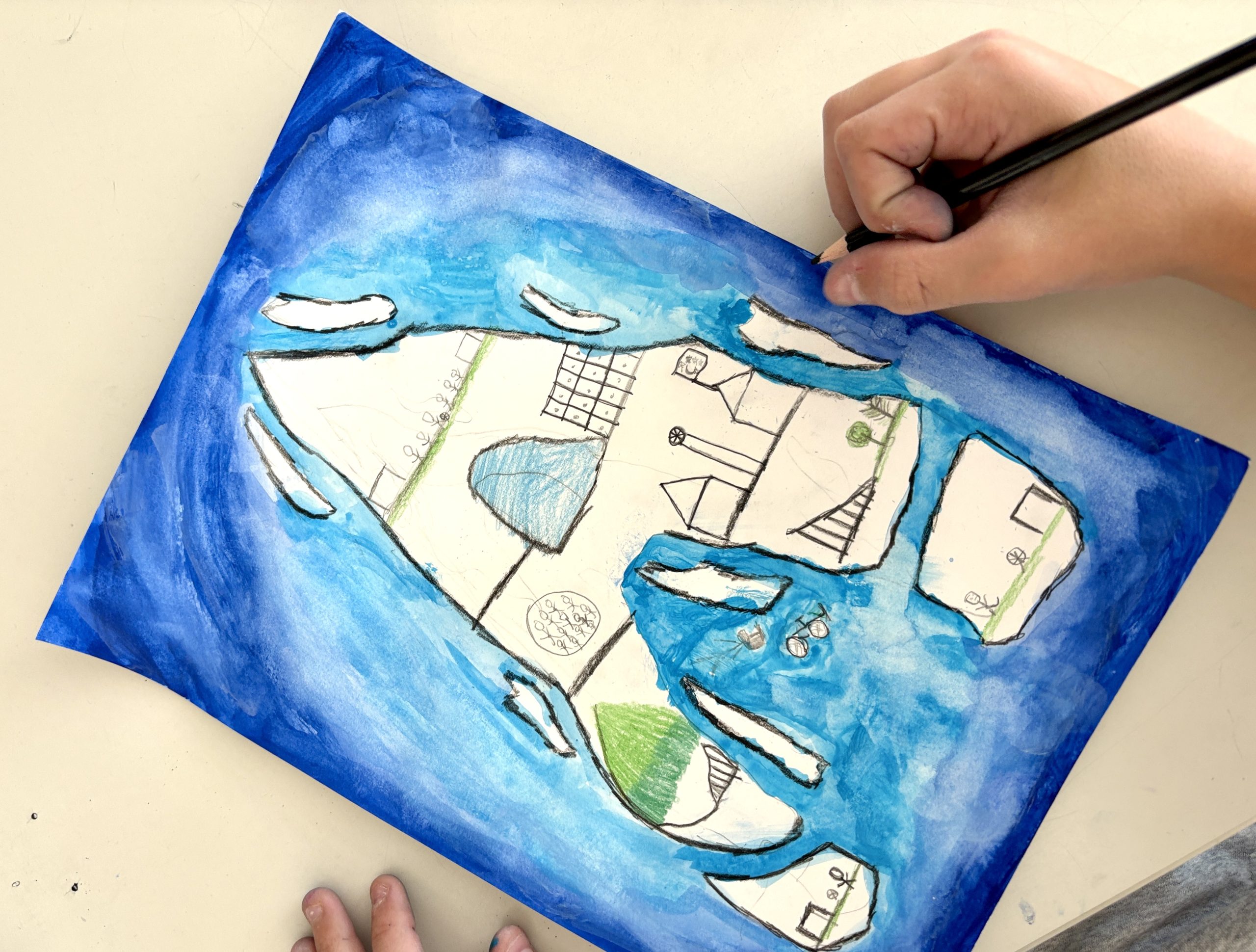
待画面完全干透后,我们进入收尾阶段:用细头黑色记号笔描摹全部轮廓线与细节,使线条更清晰明确。最后,为岛屿上每一处区域与地点添上我们自主创设的名称。
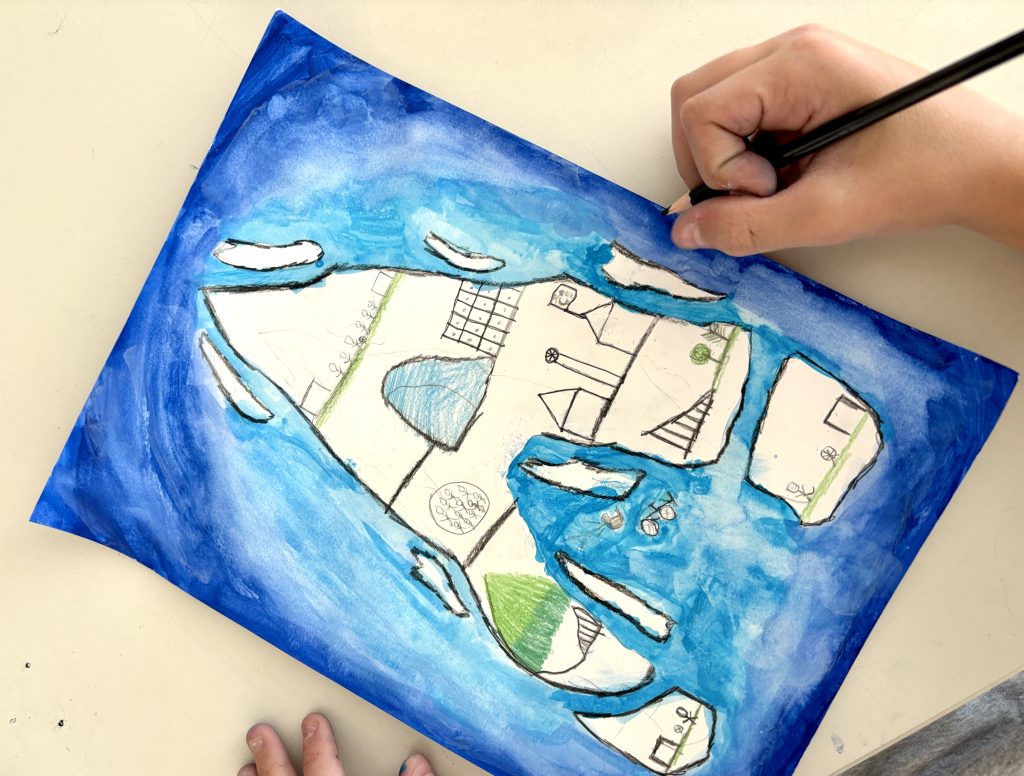
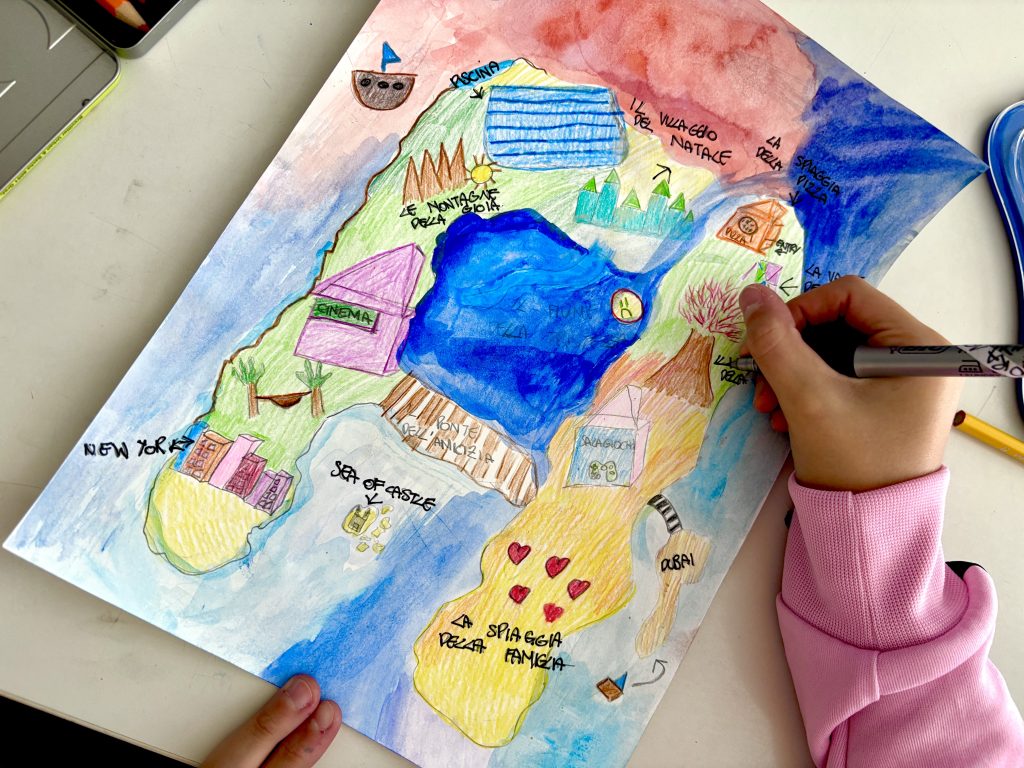
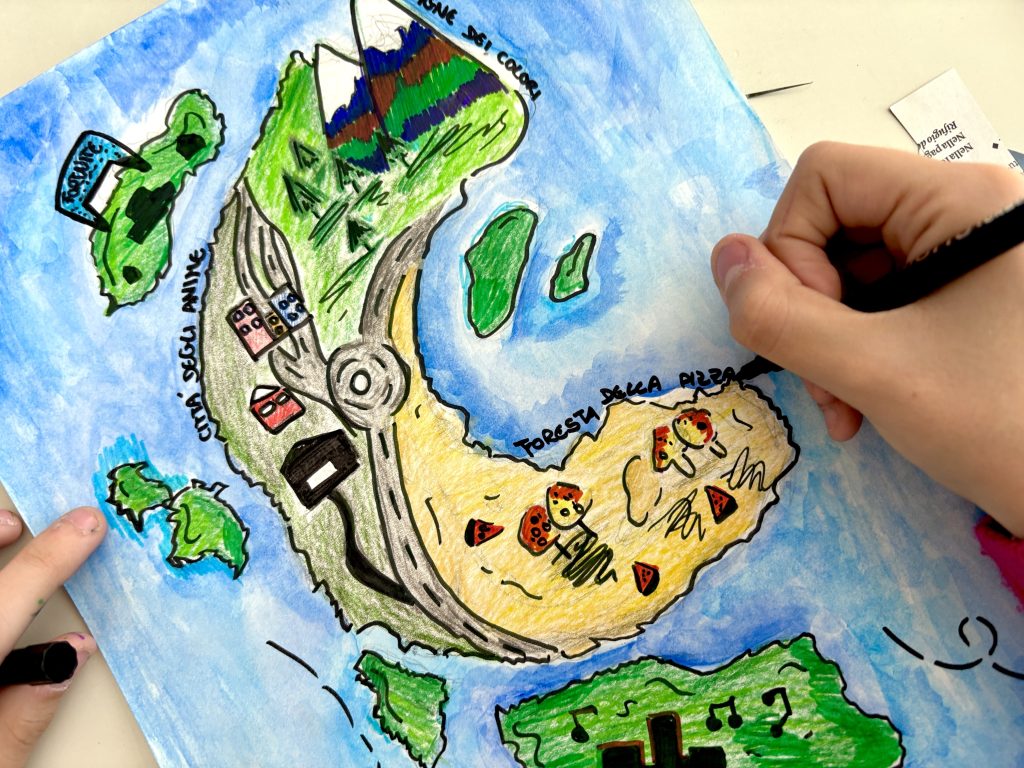
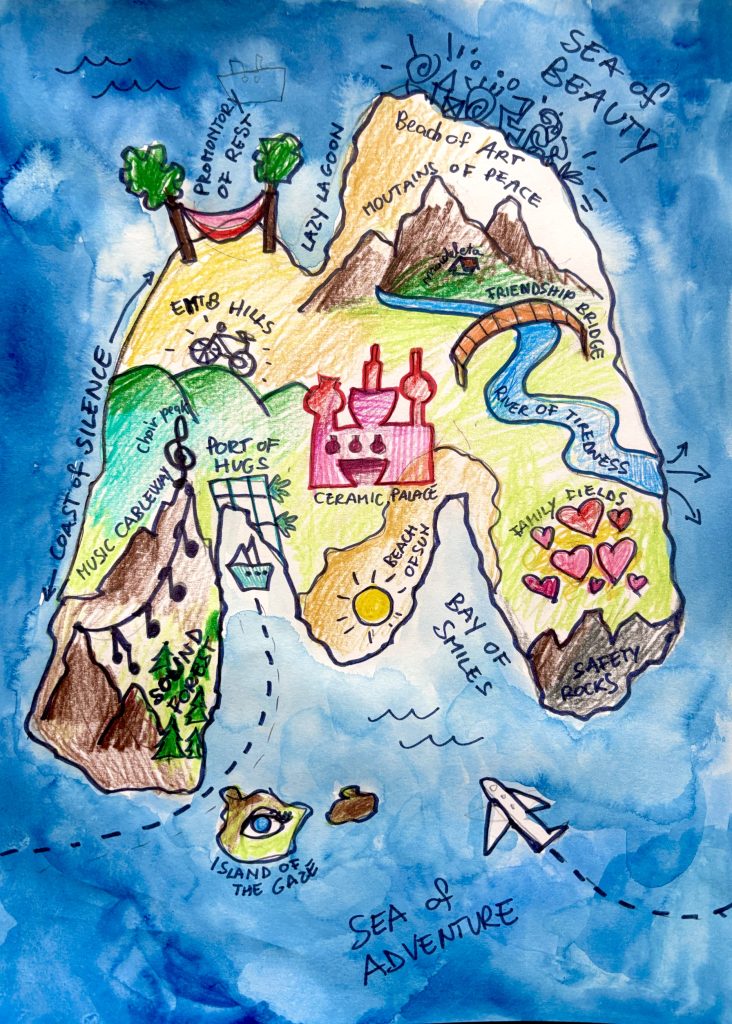
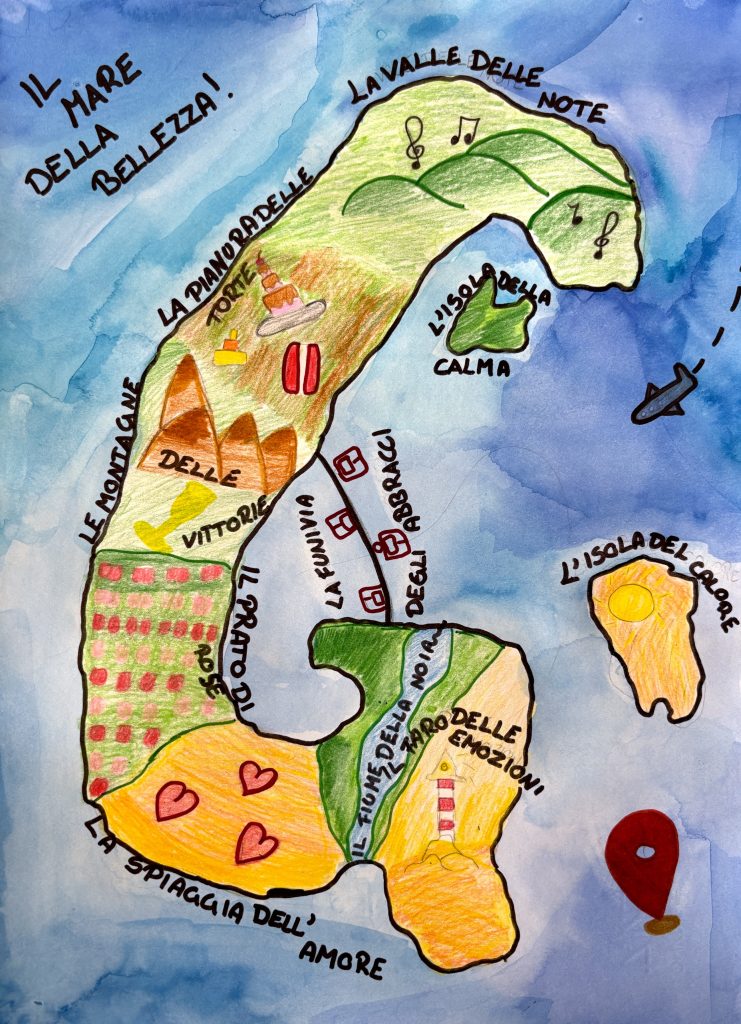
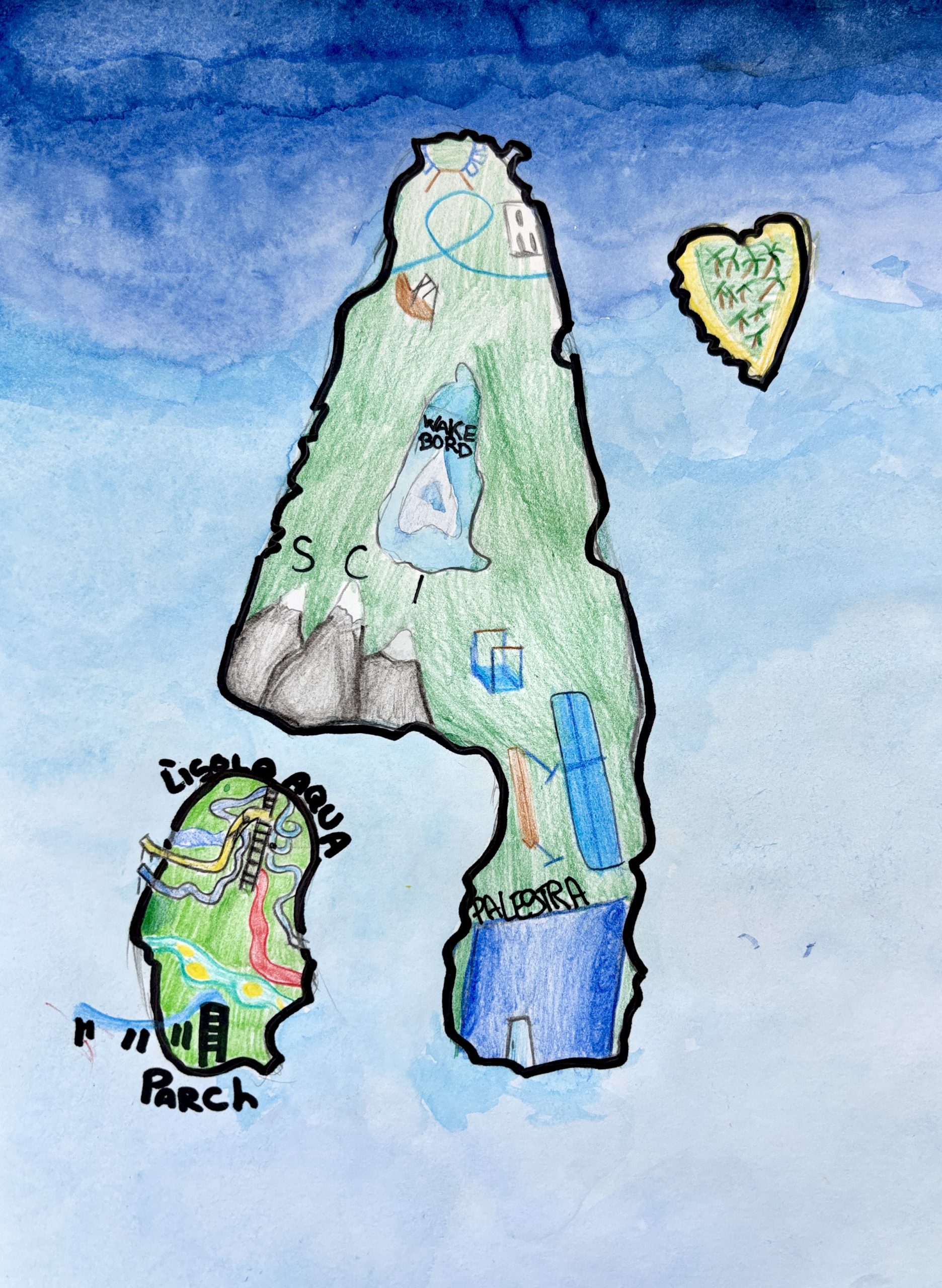
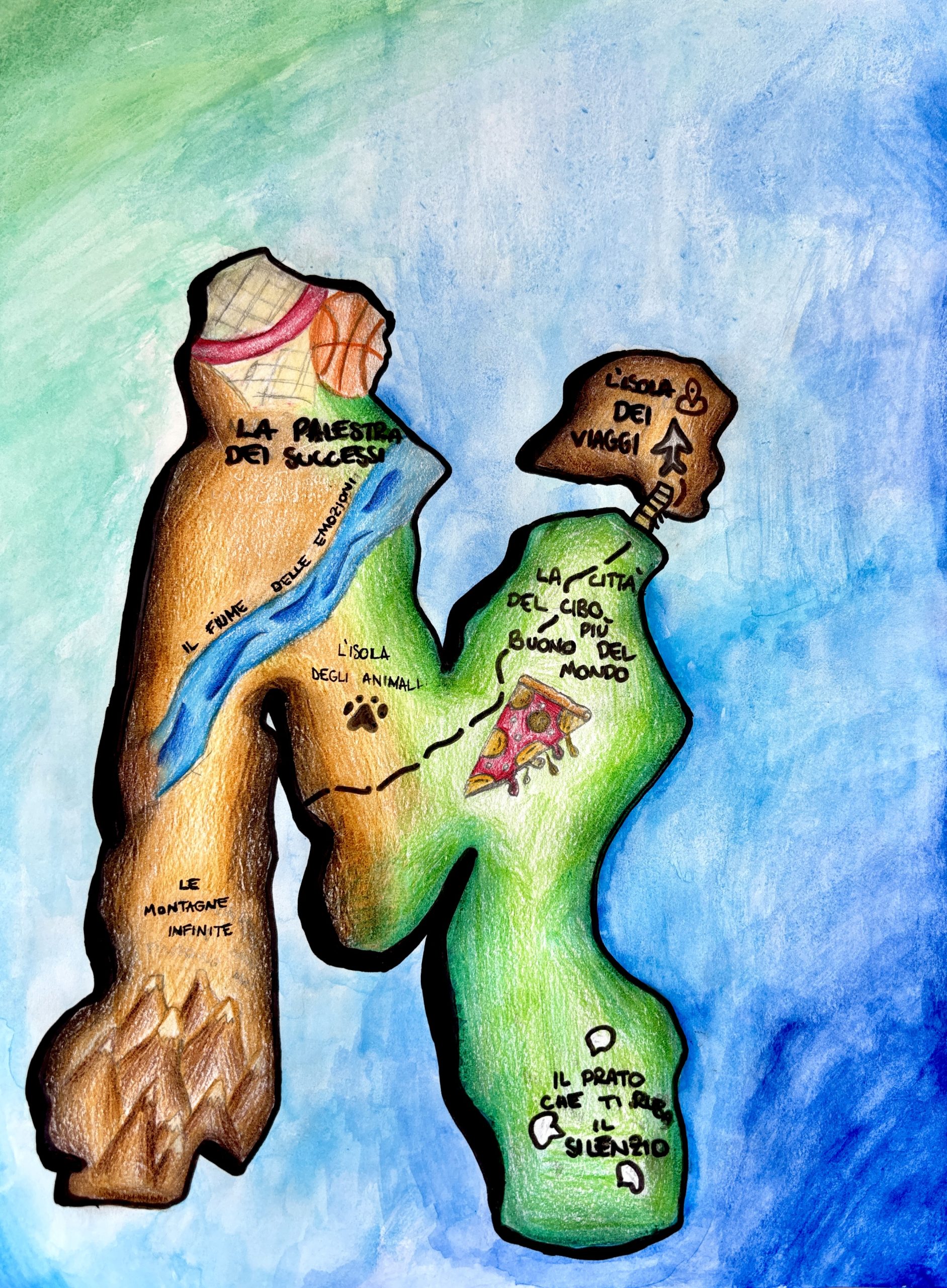
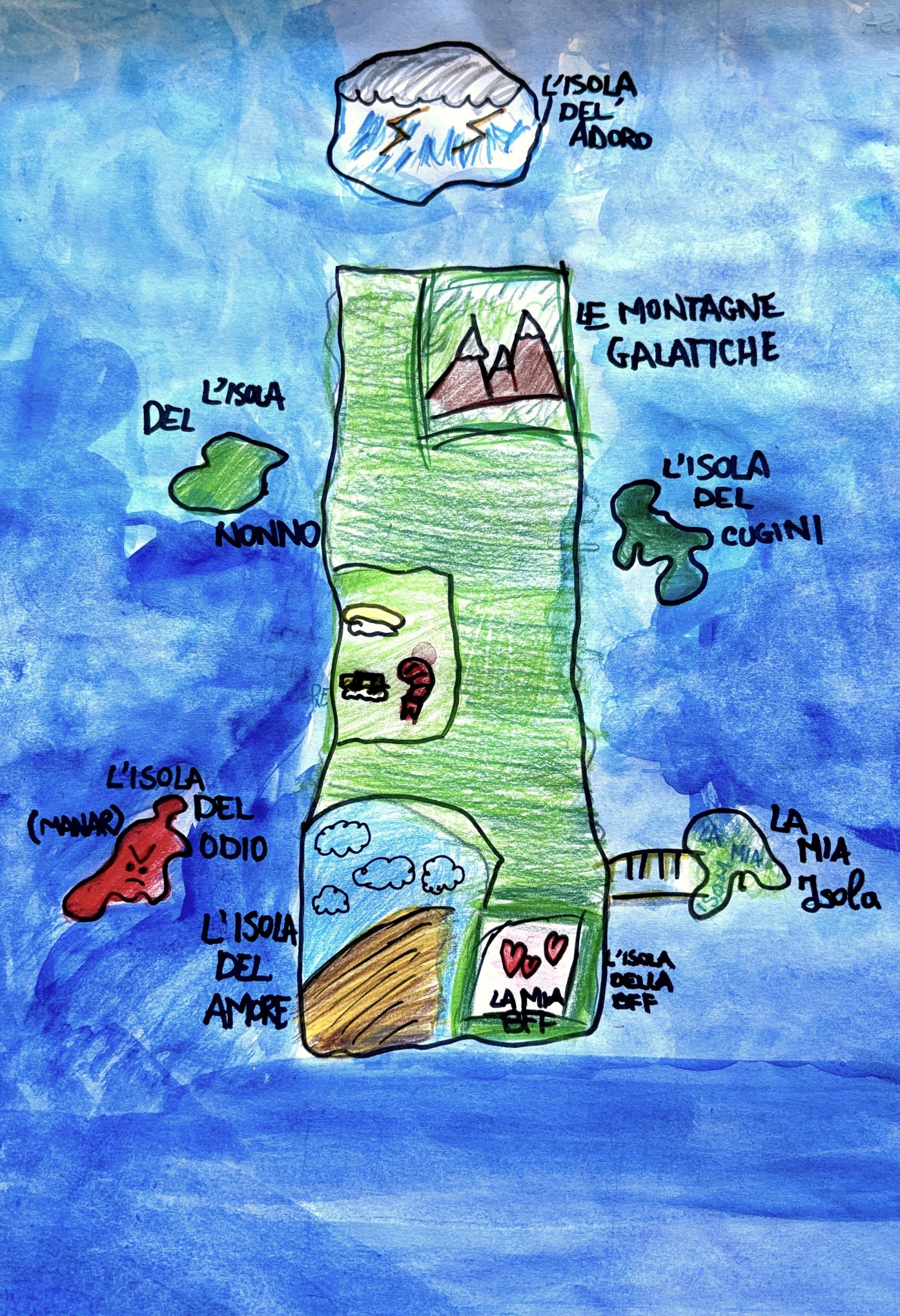
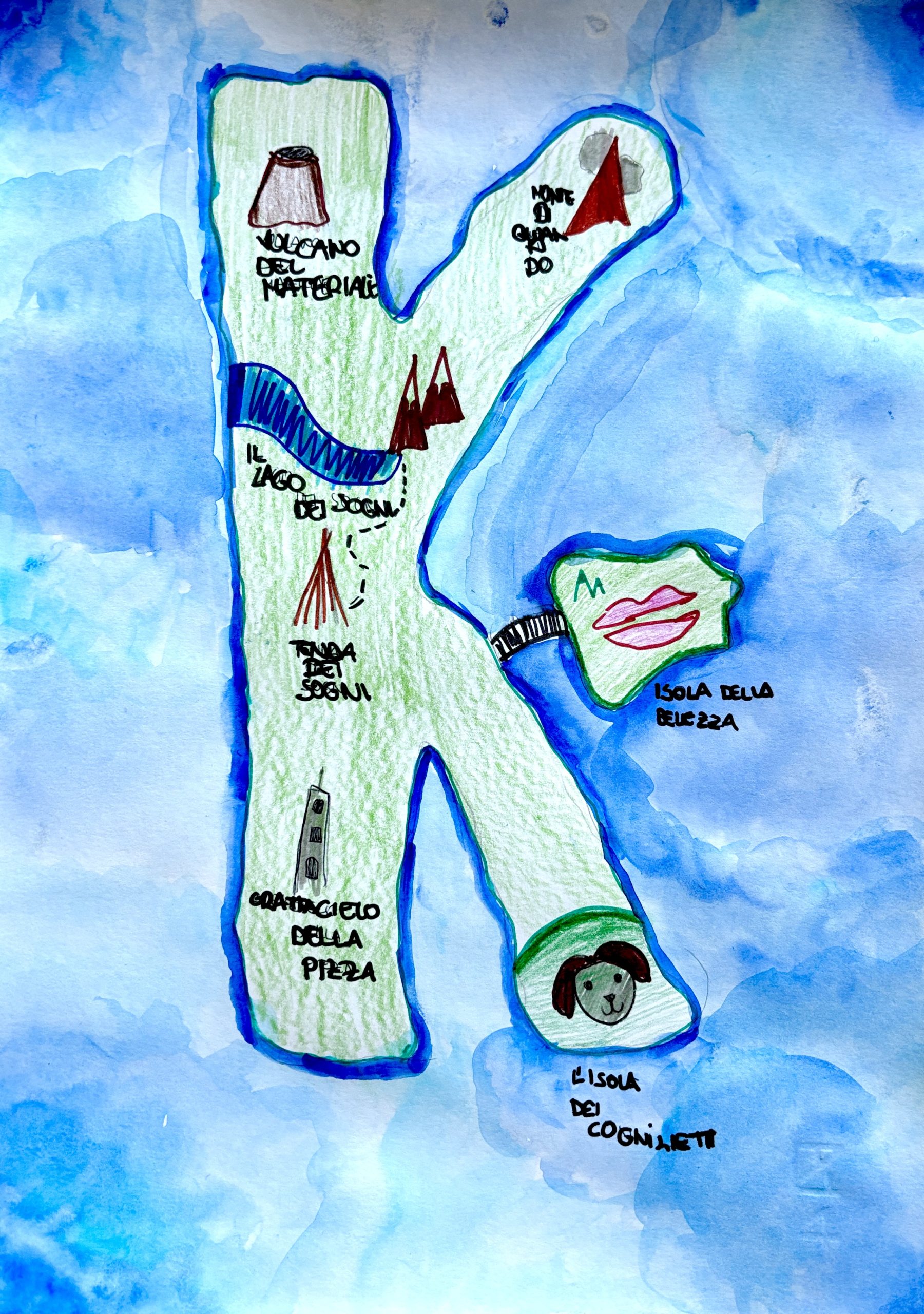
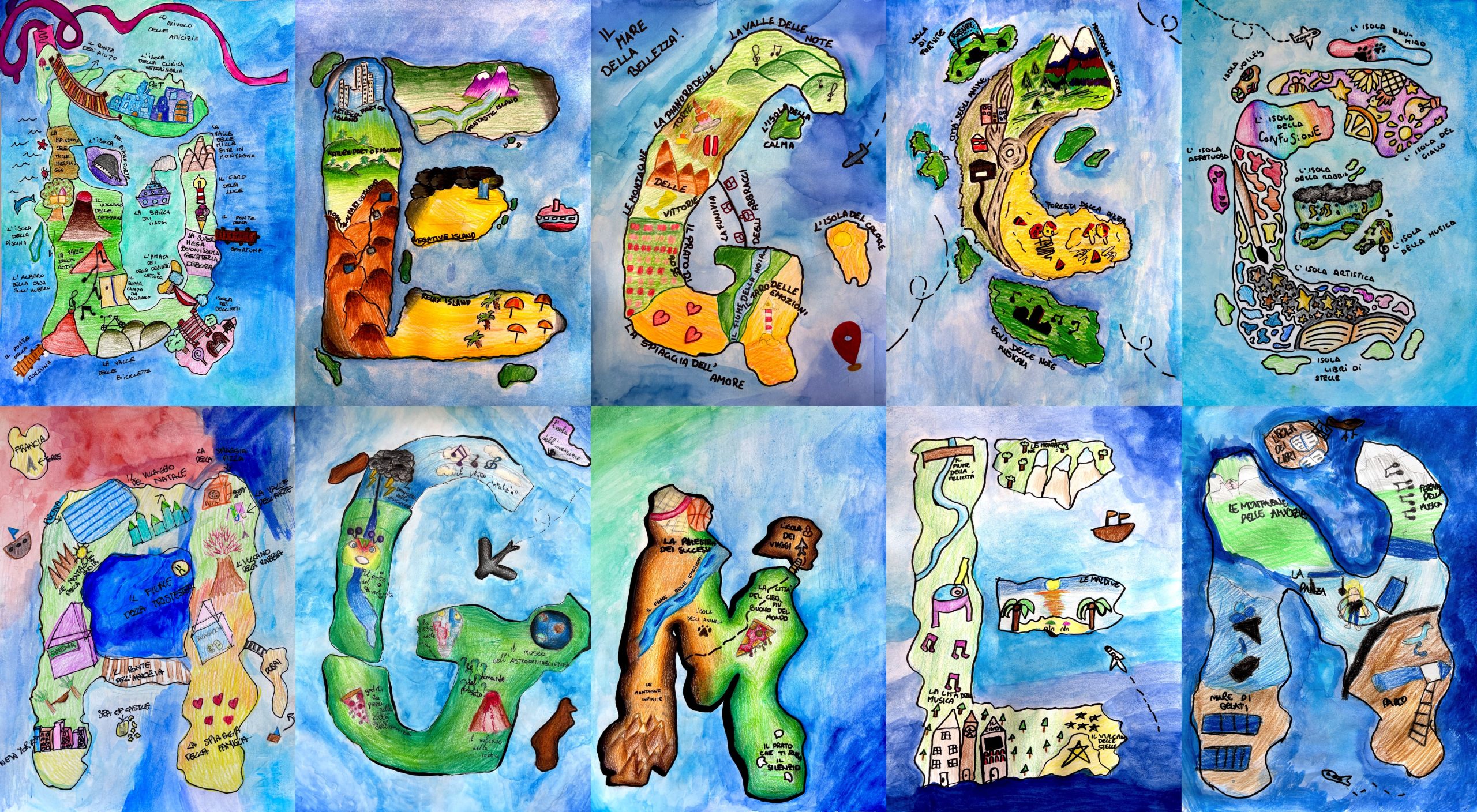
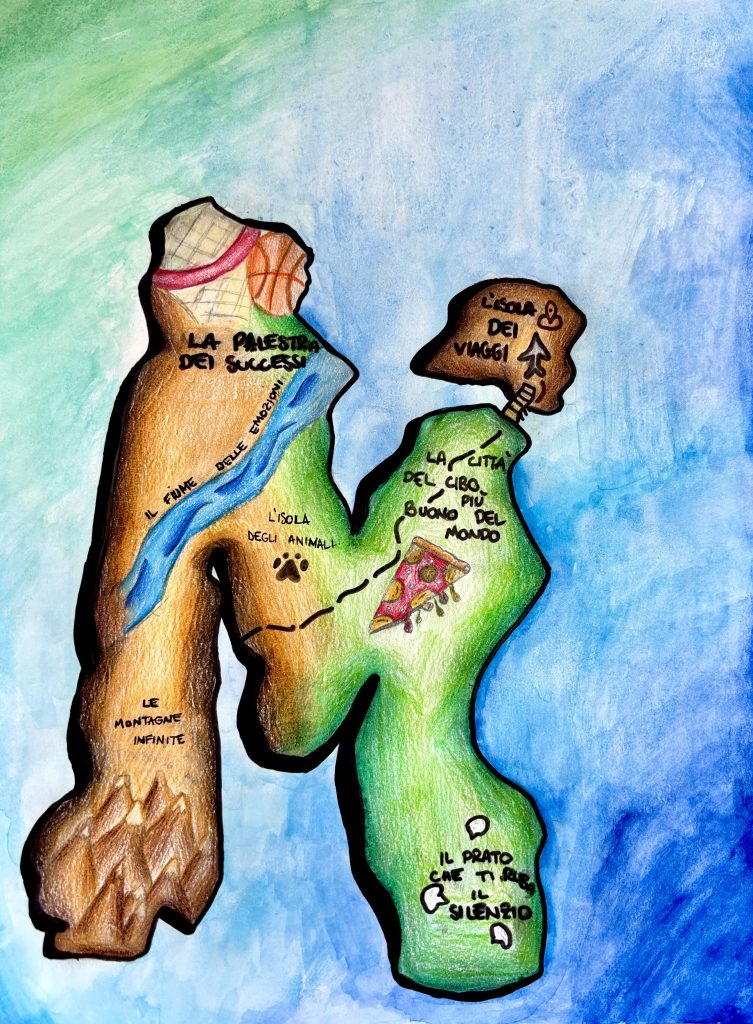
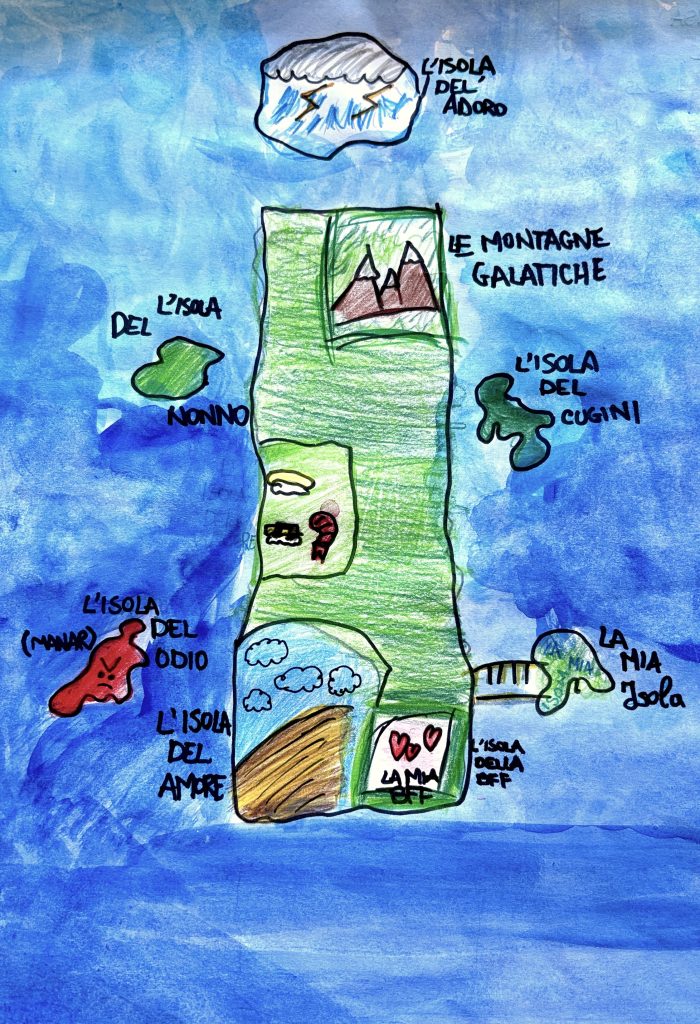
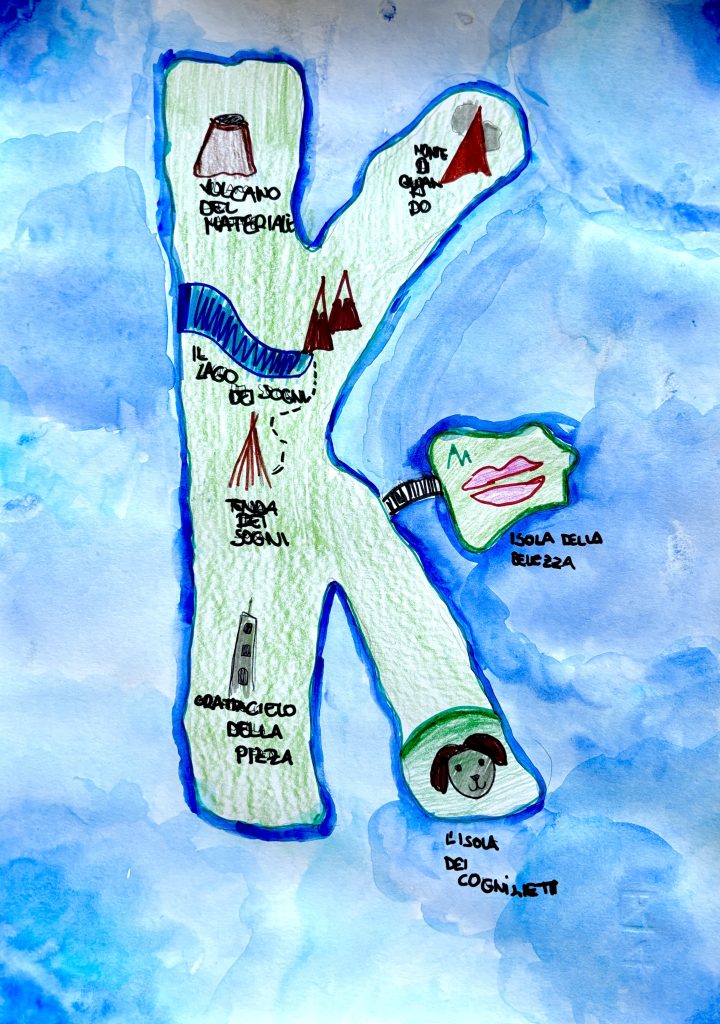
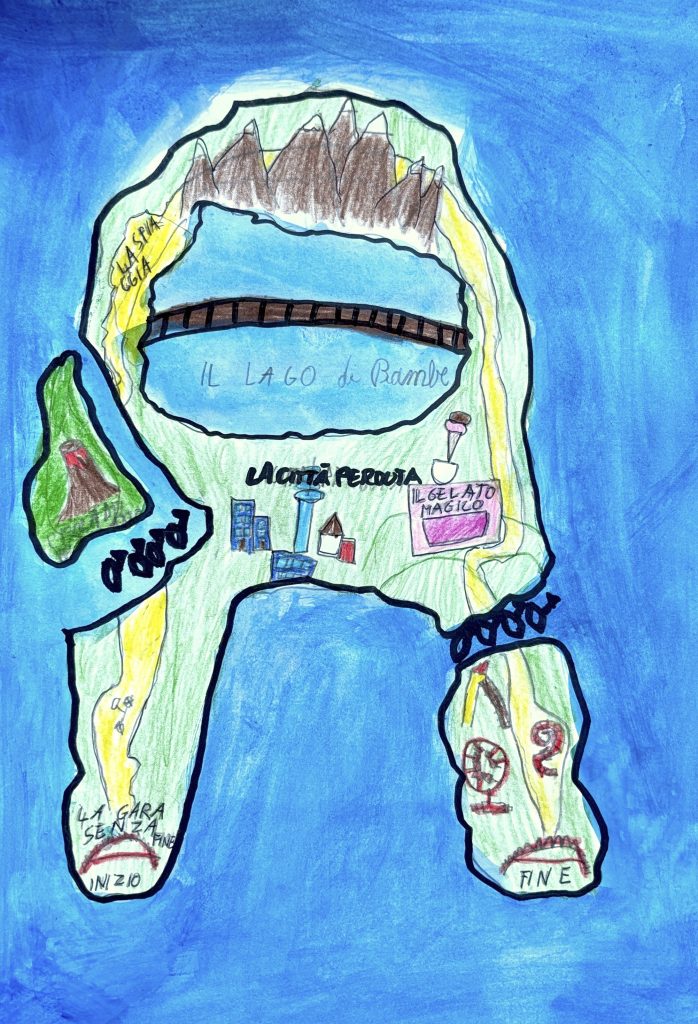
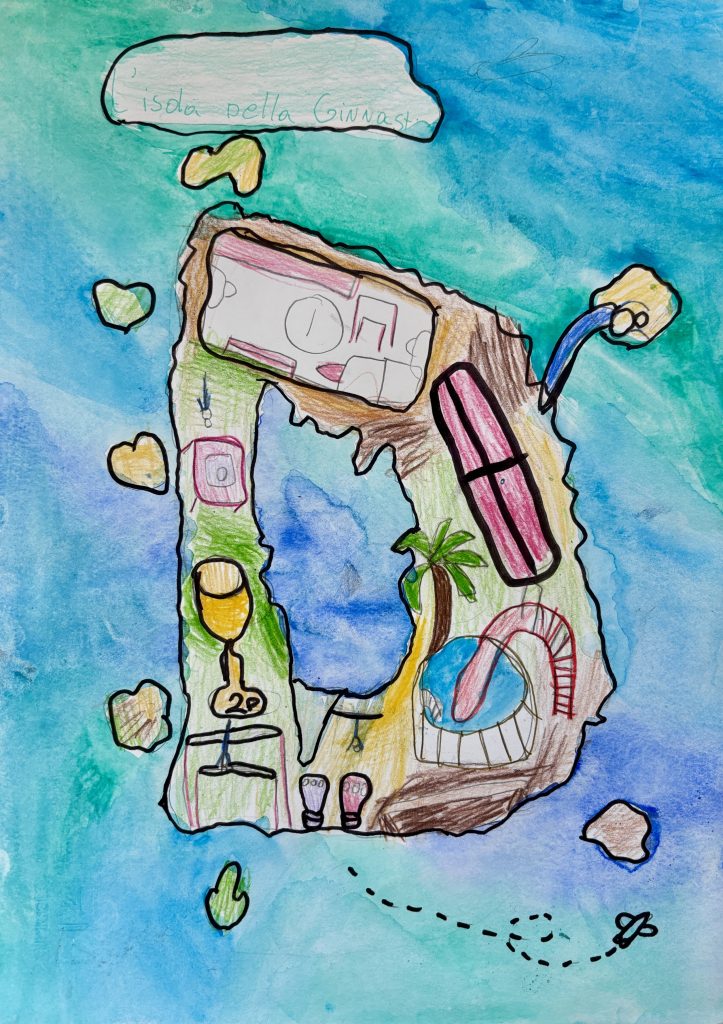
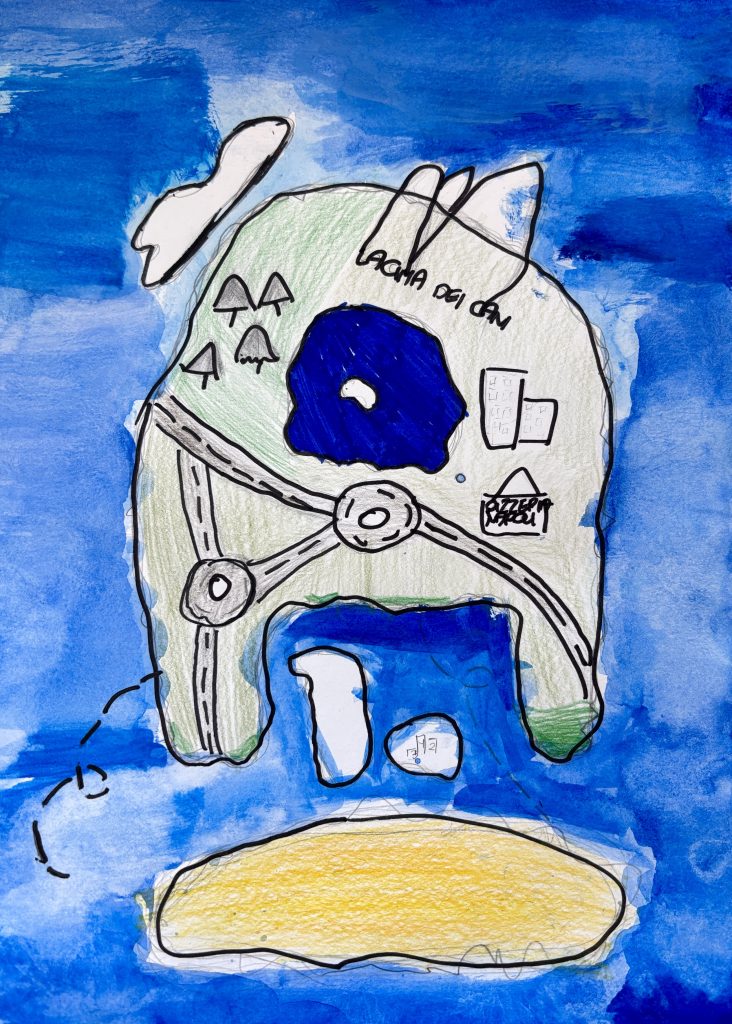
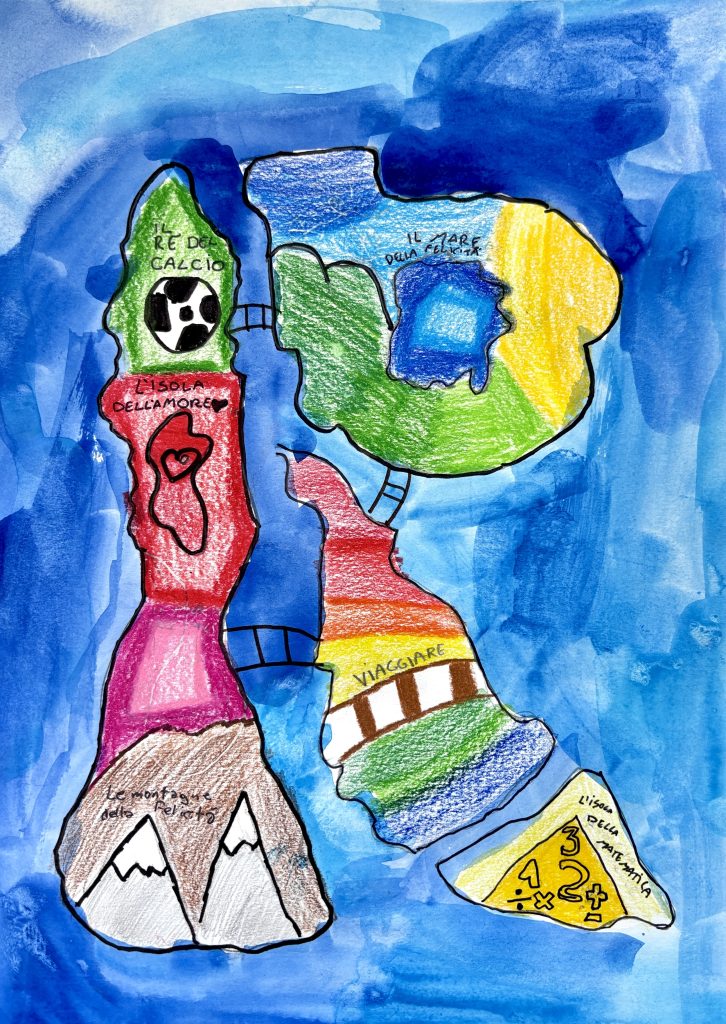
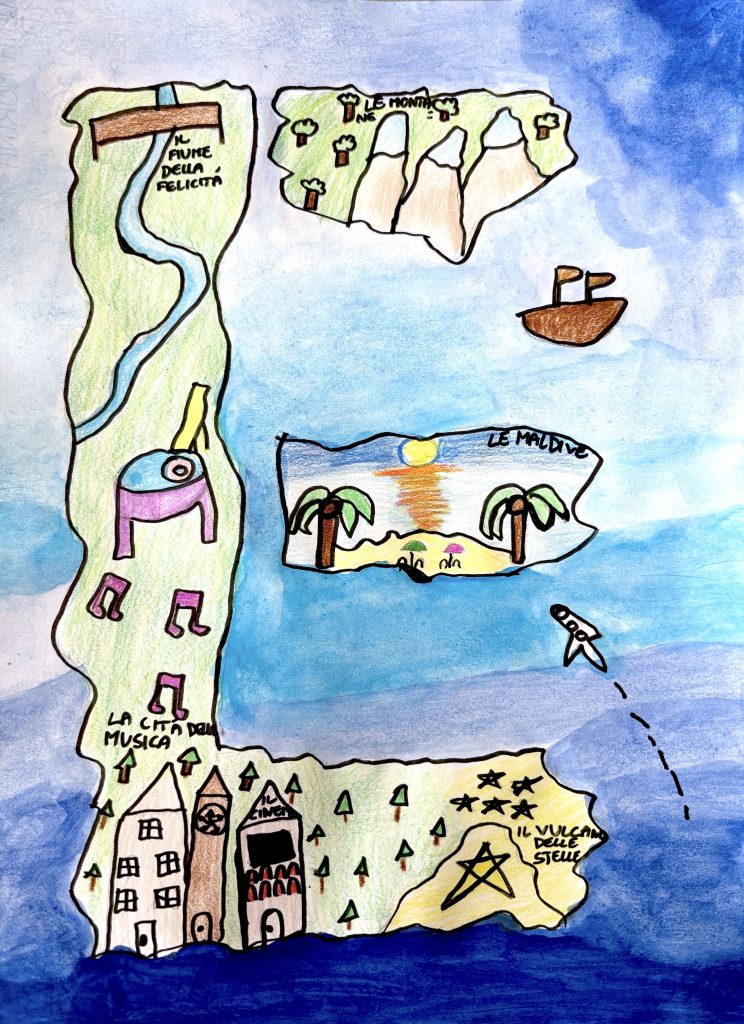
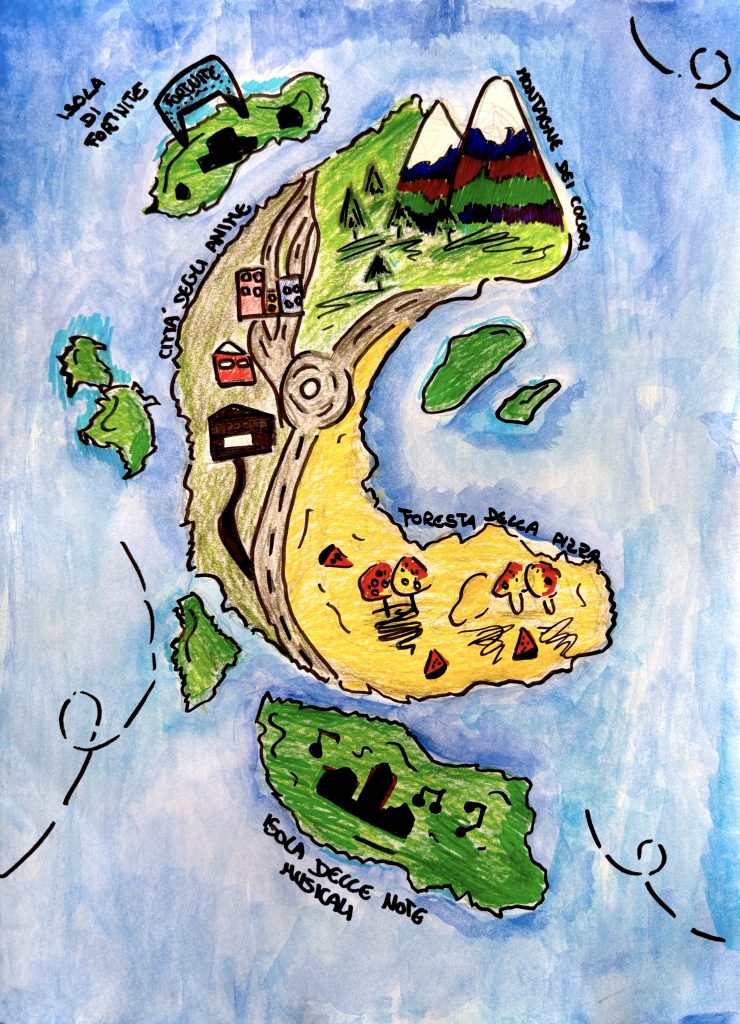
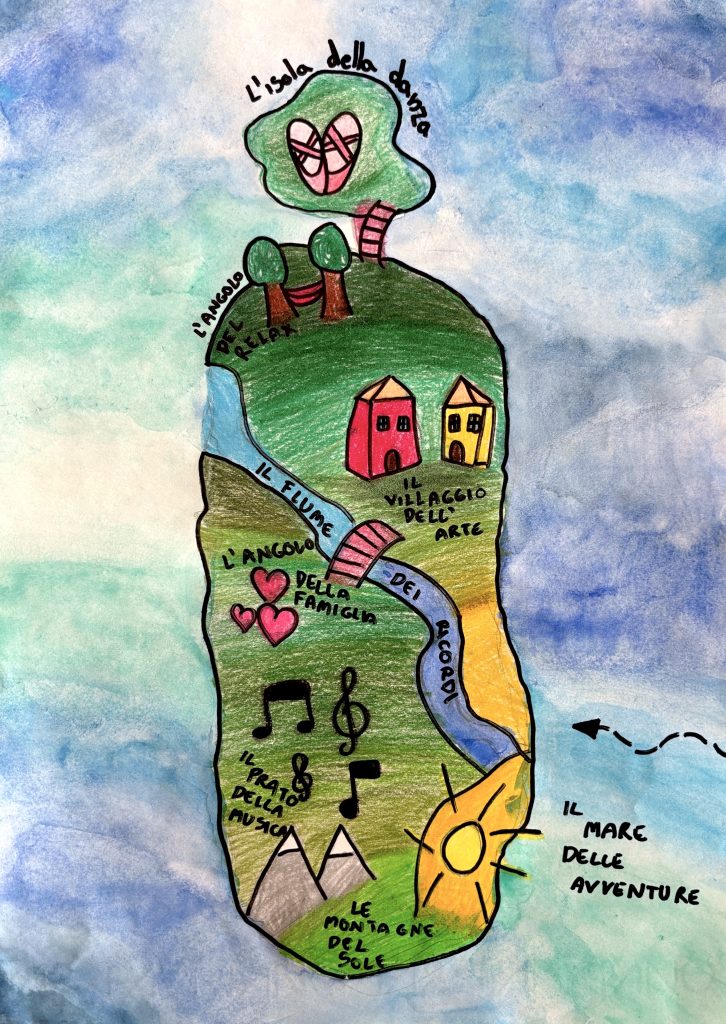
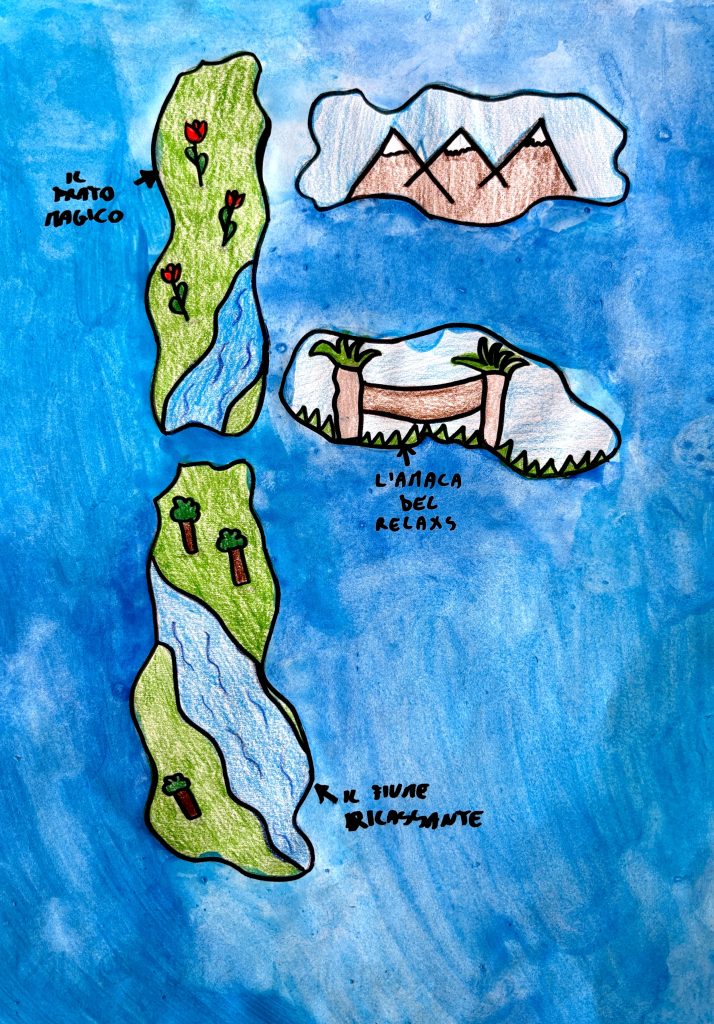
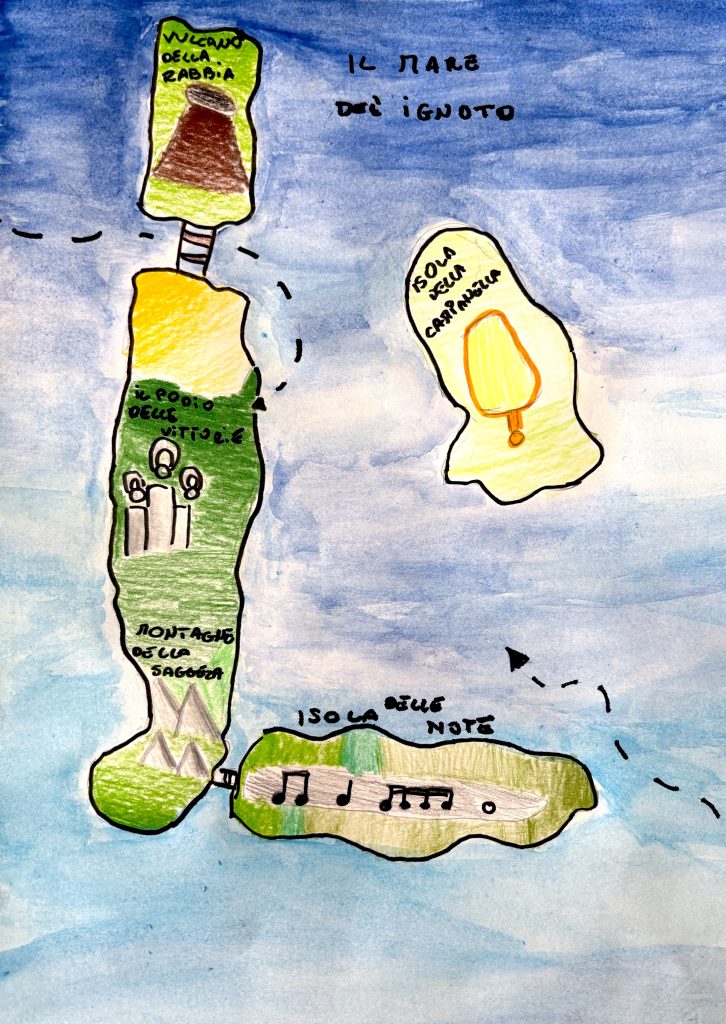
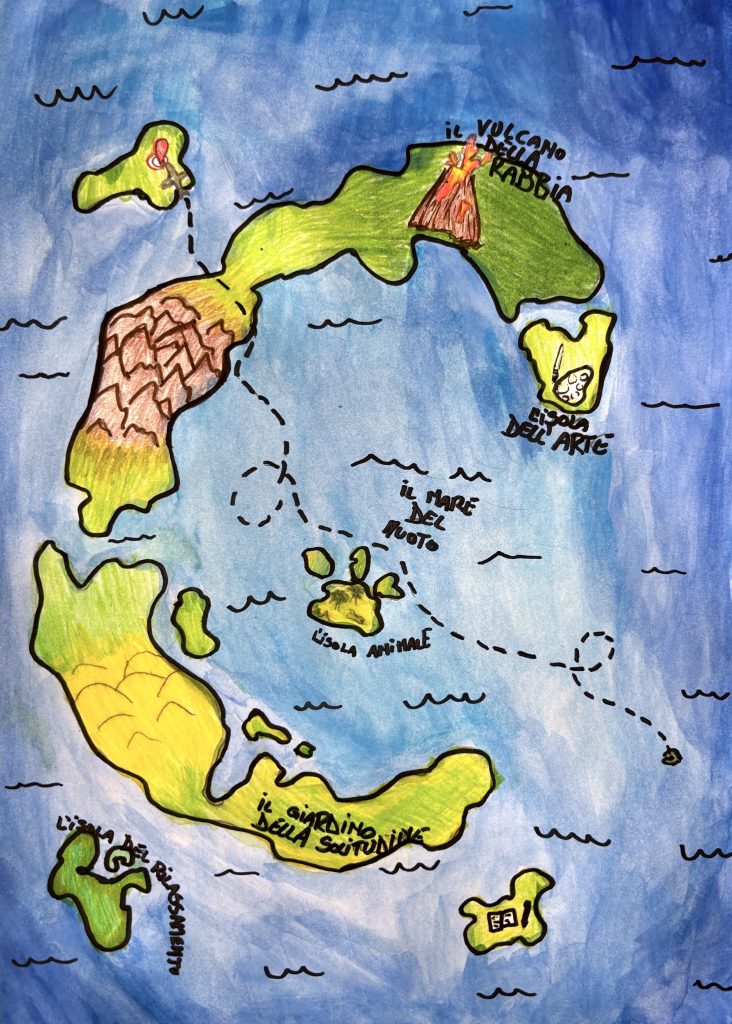
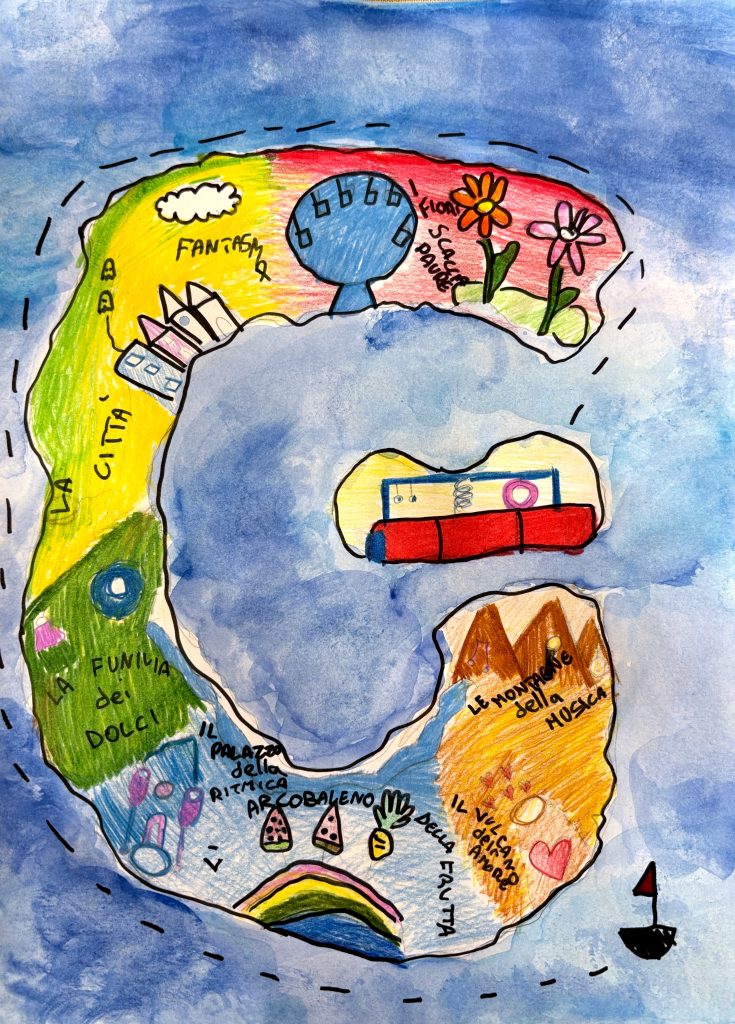
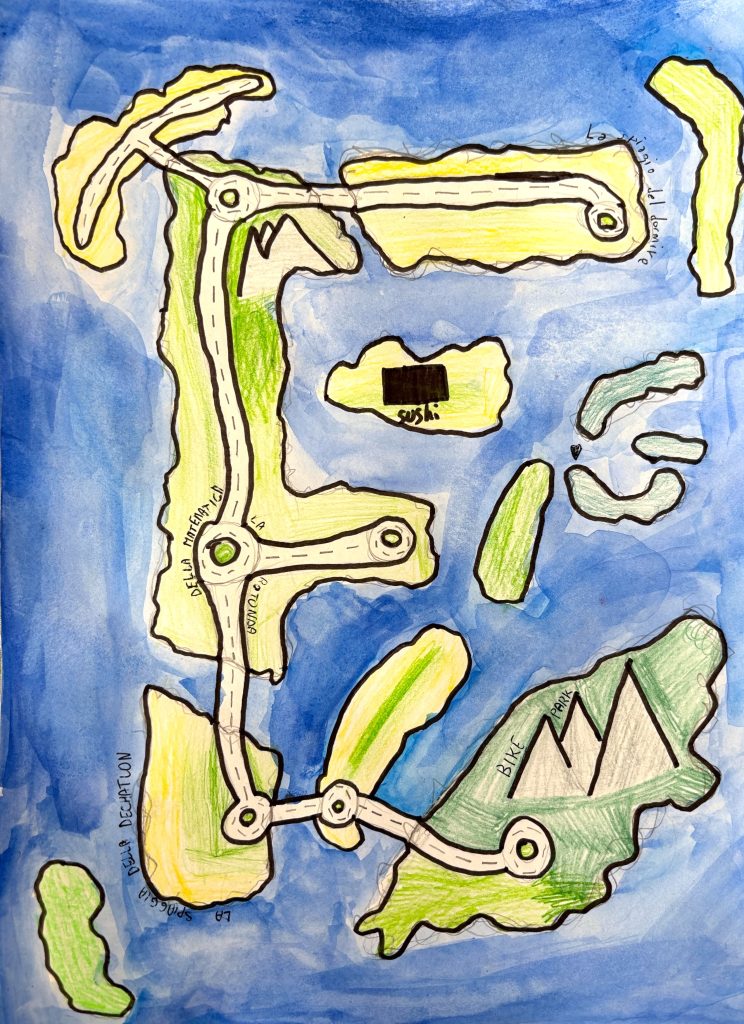
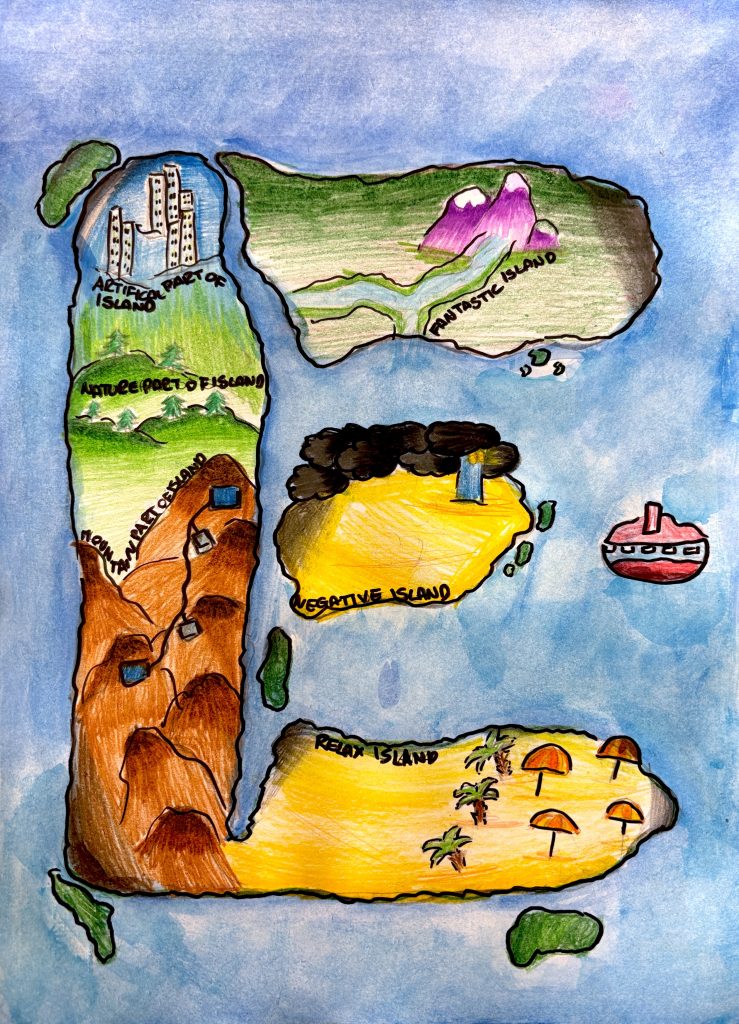
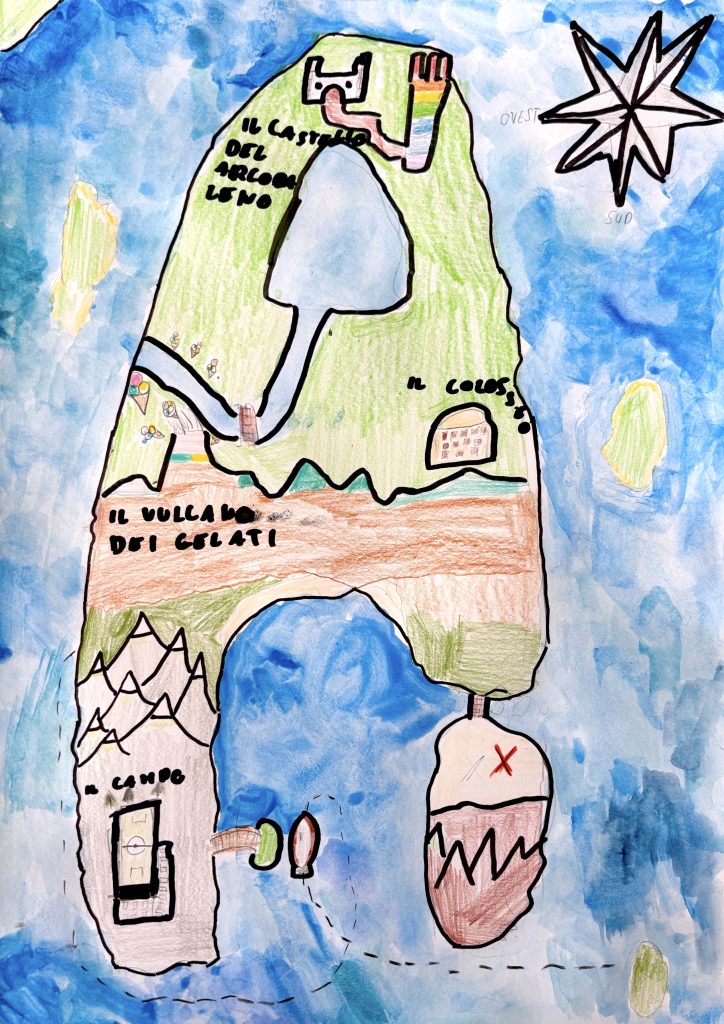
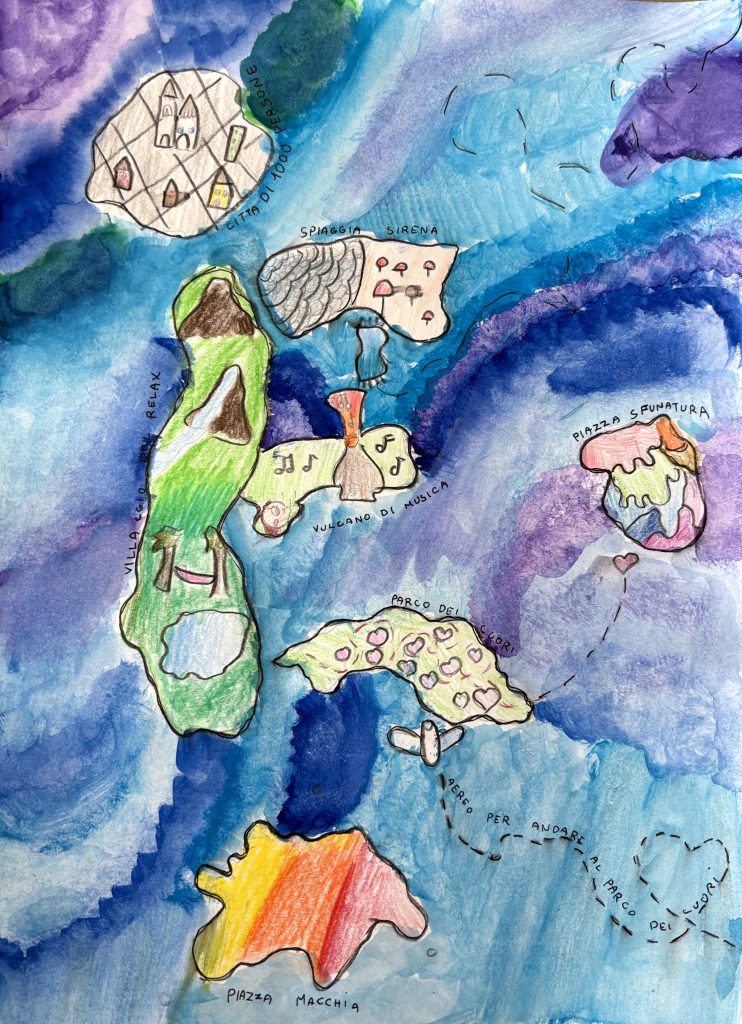
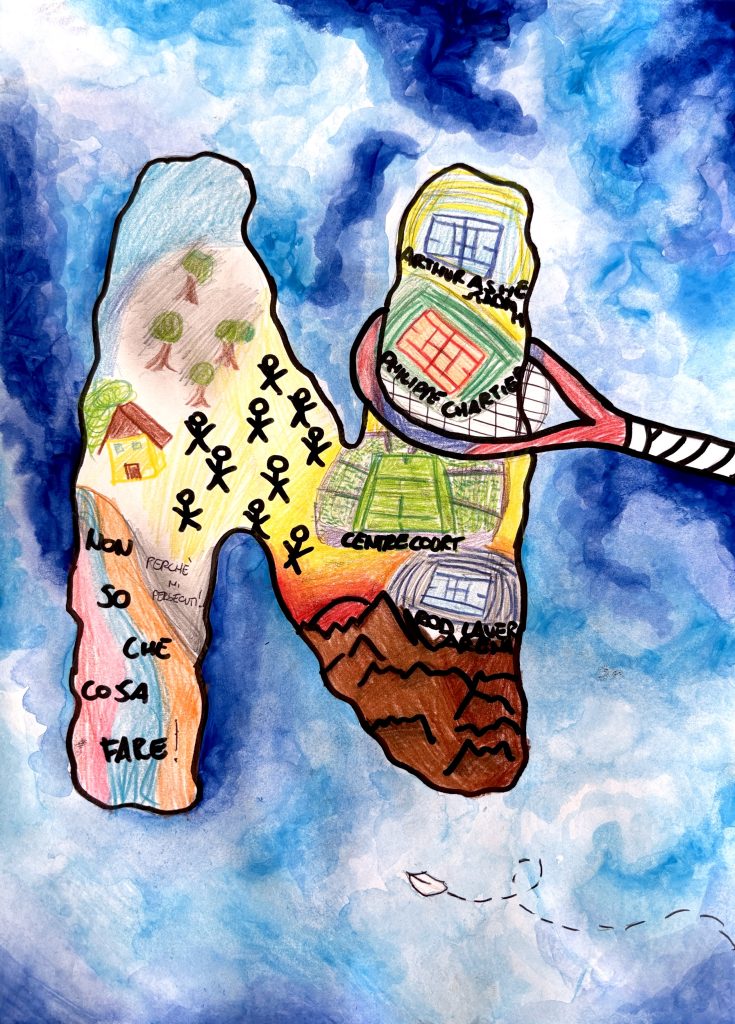
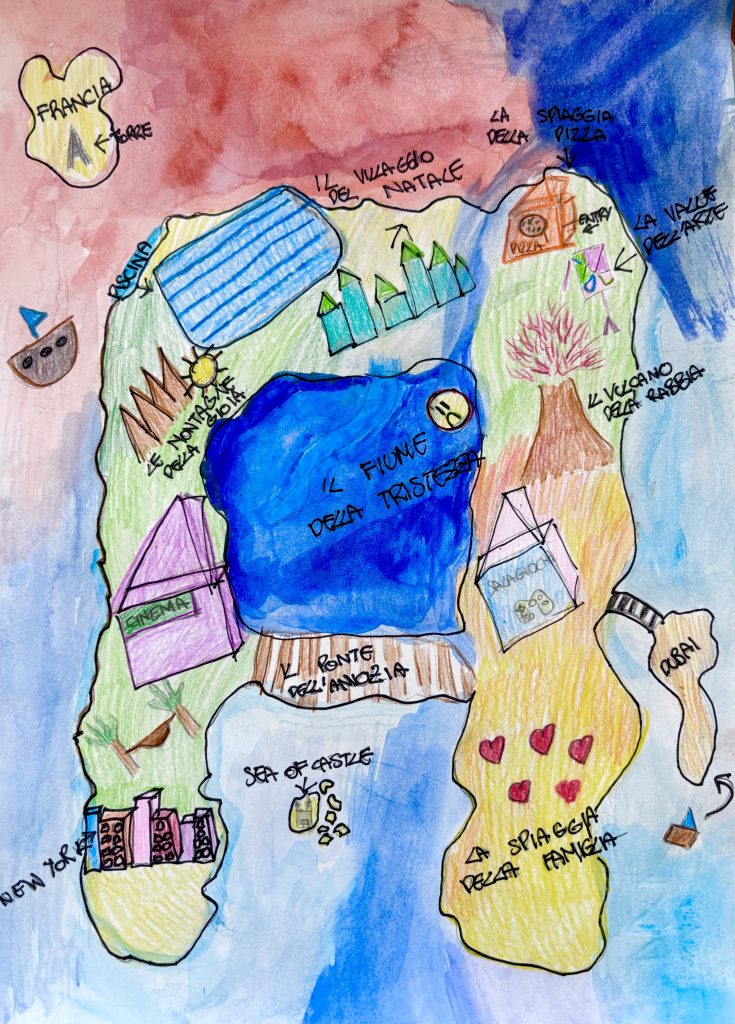
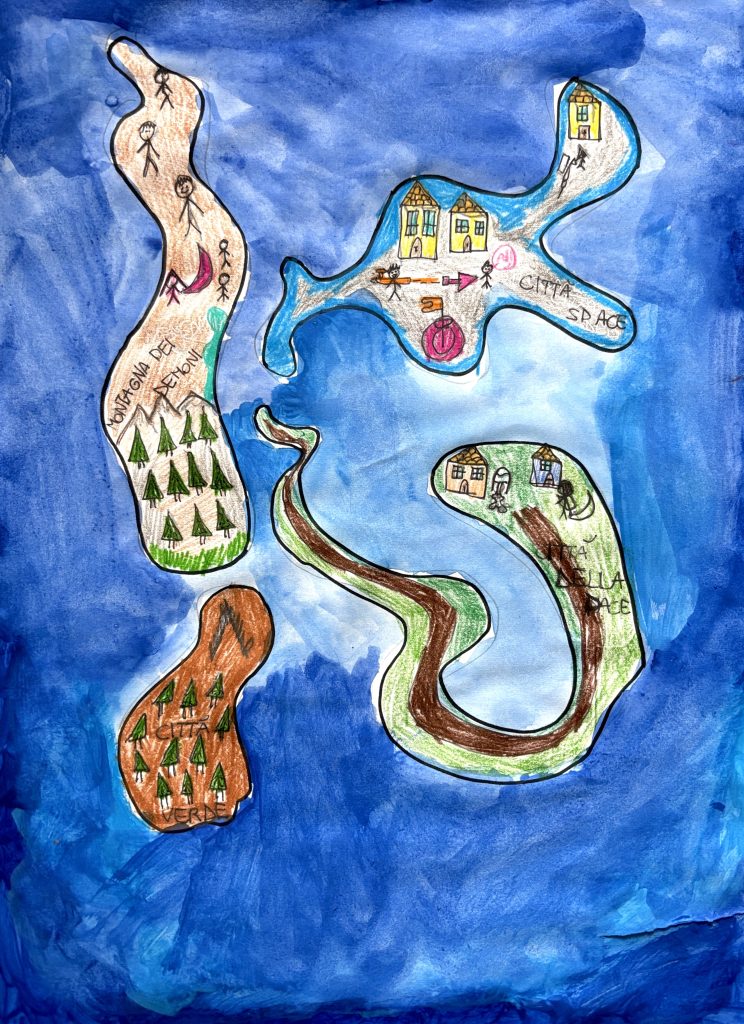
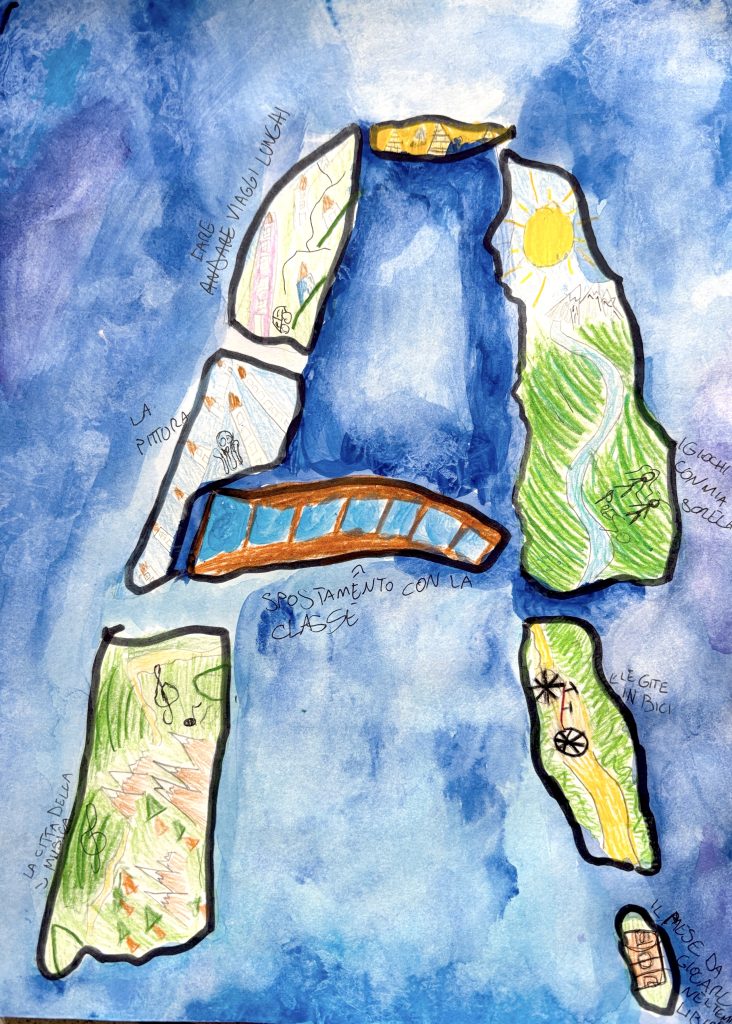
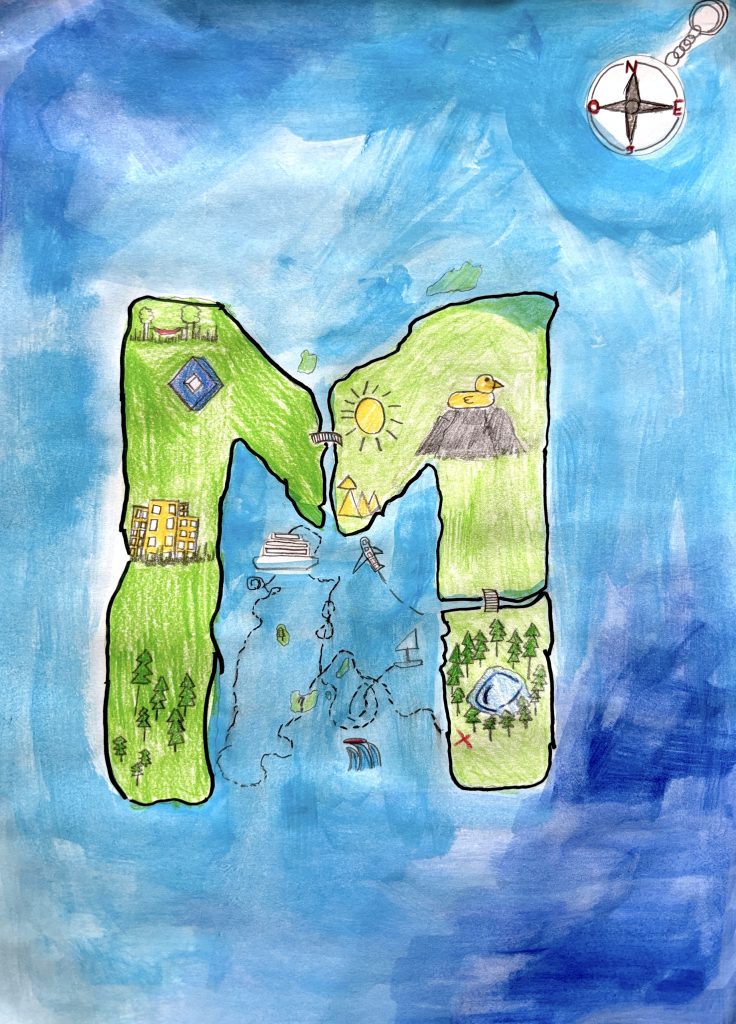
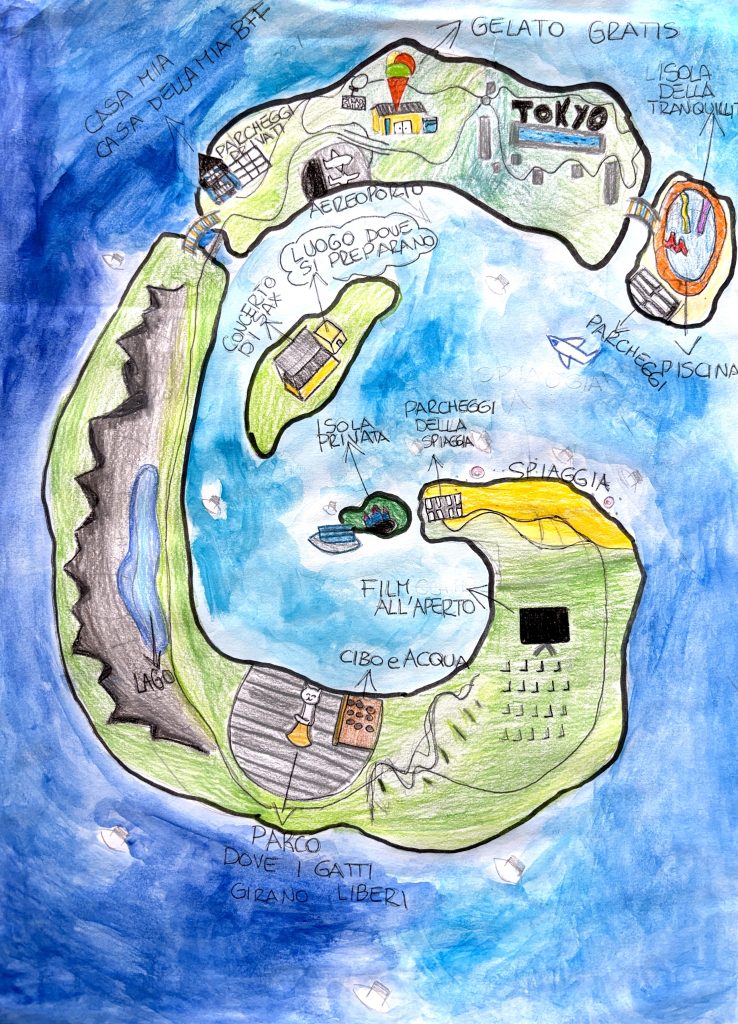
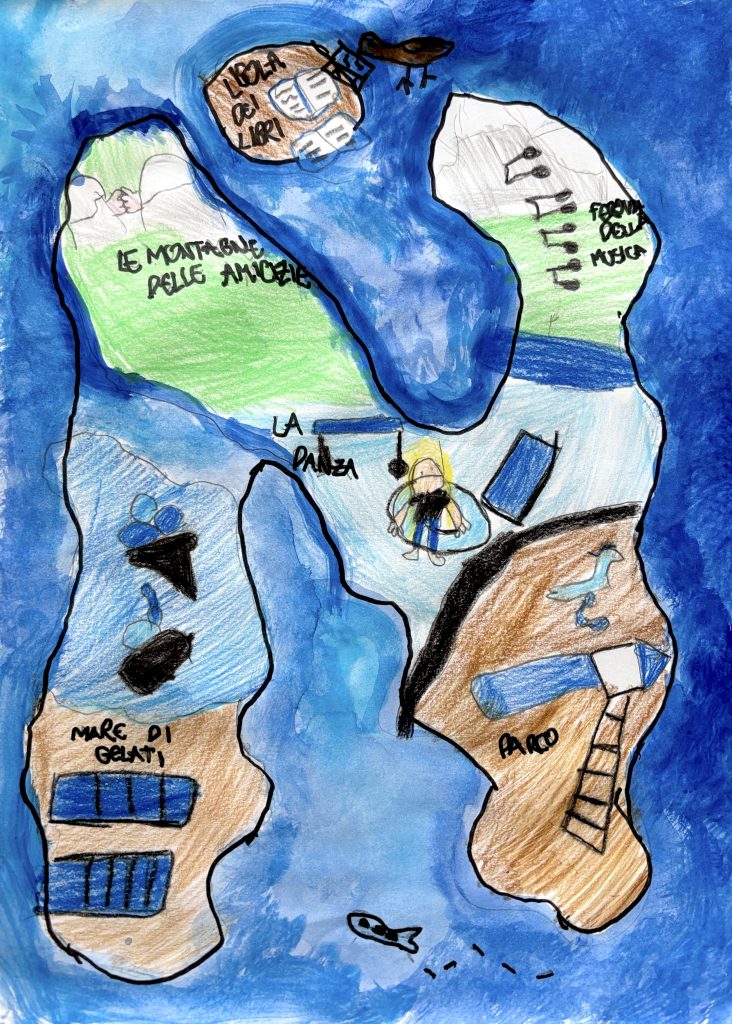
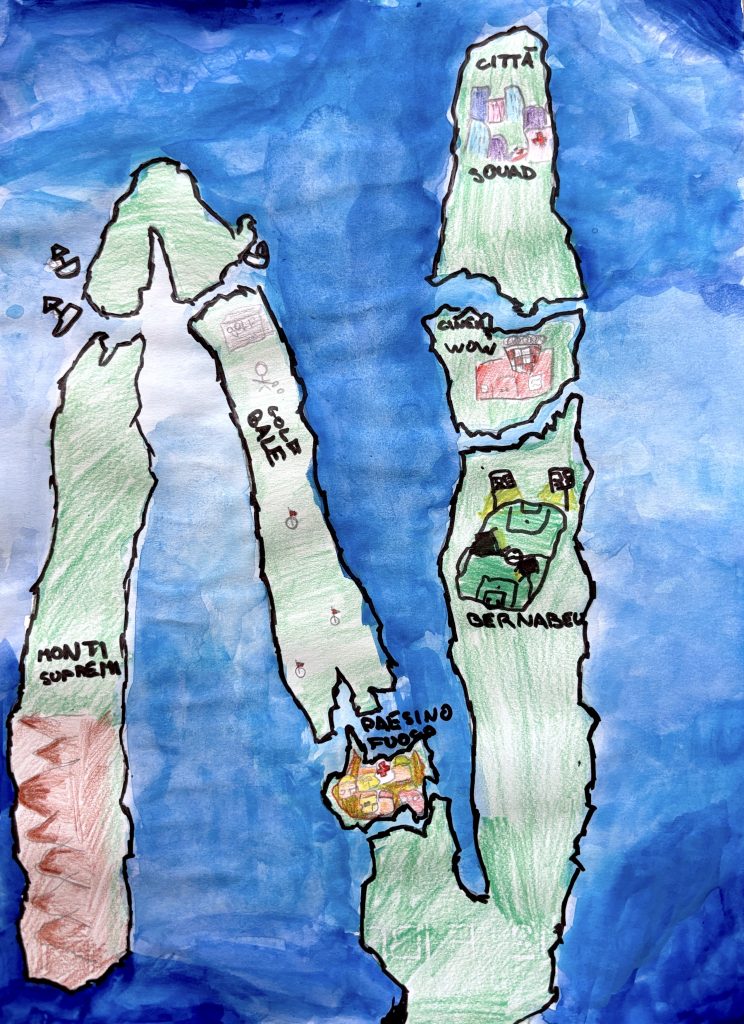
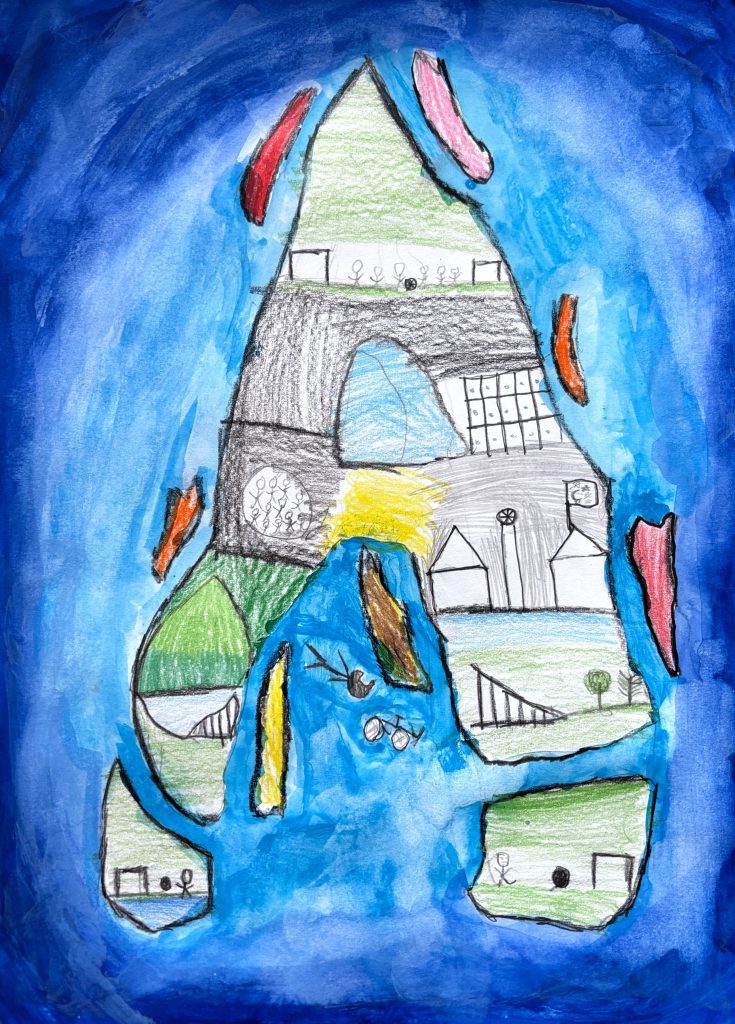
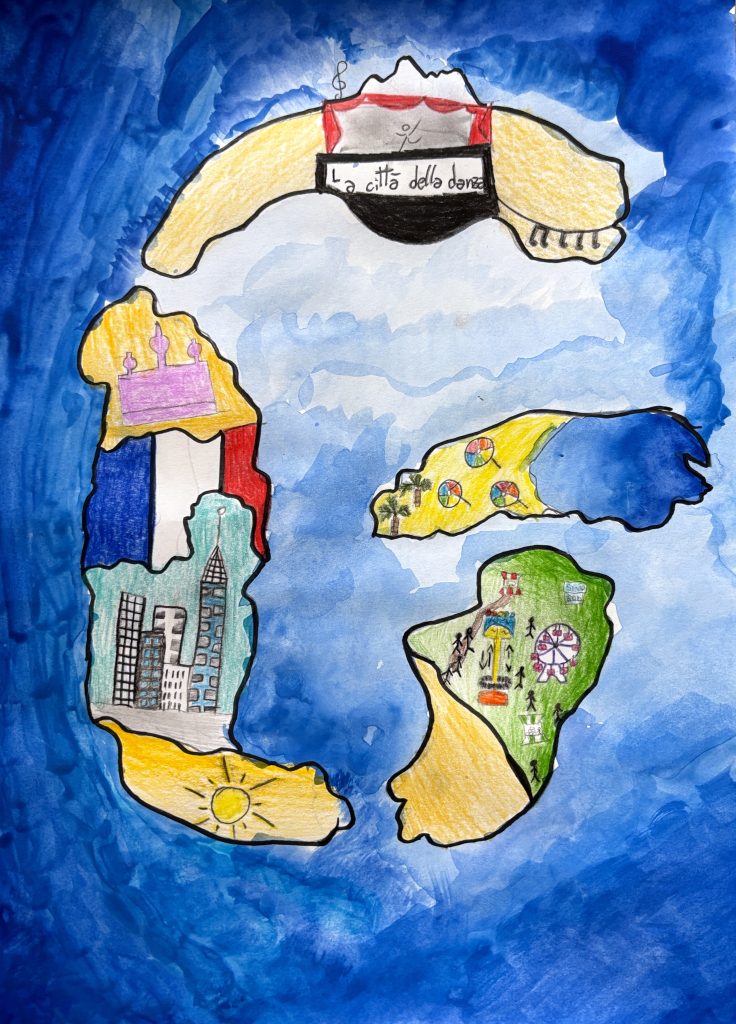
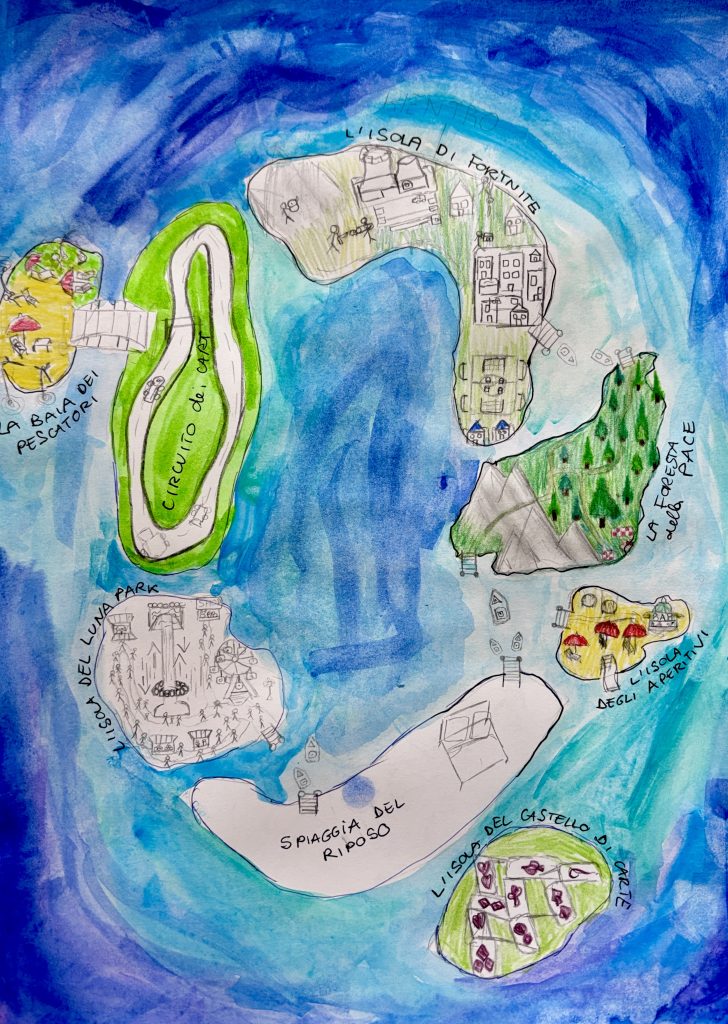
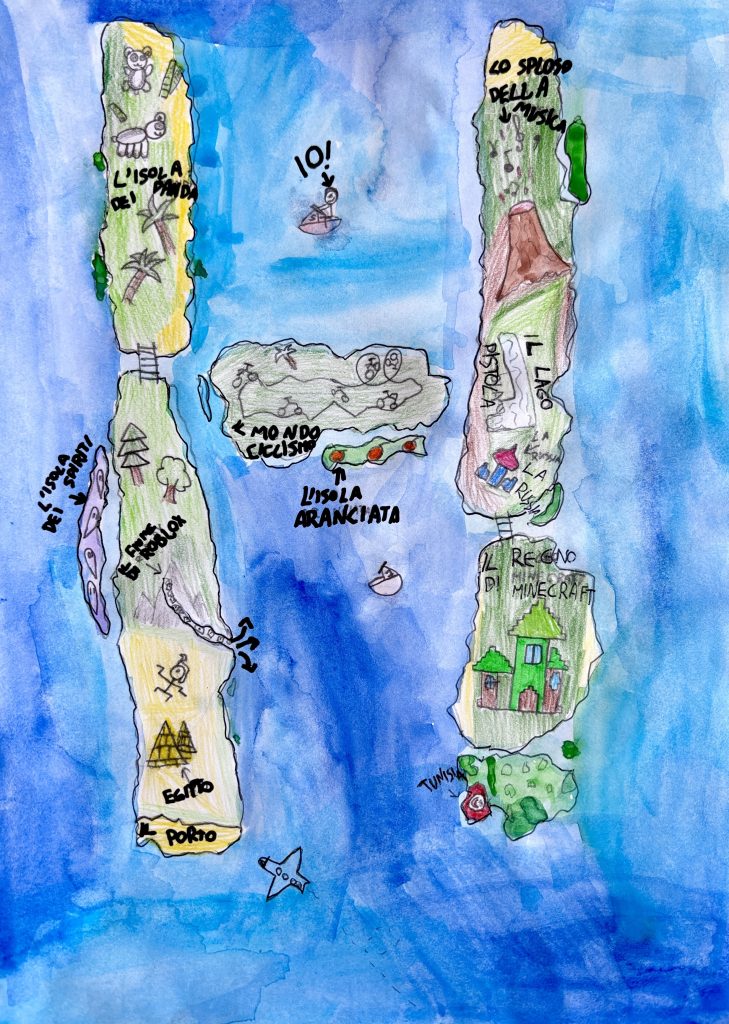
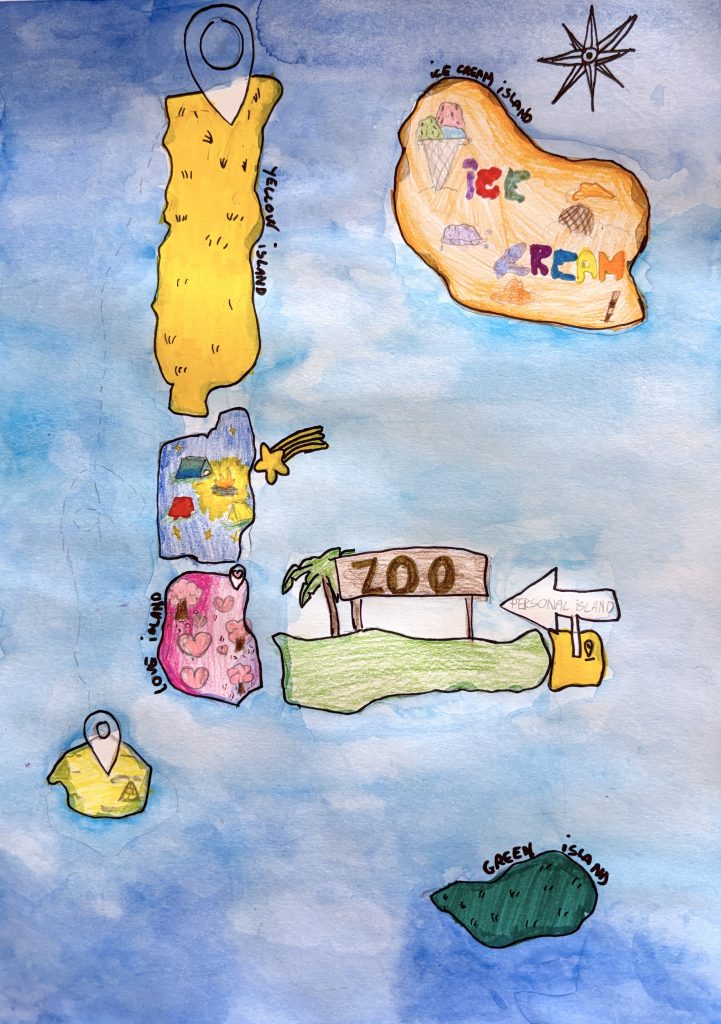
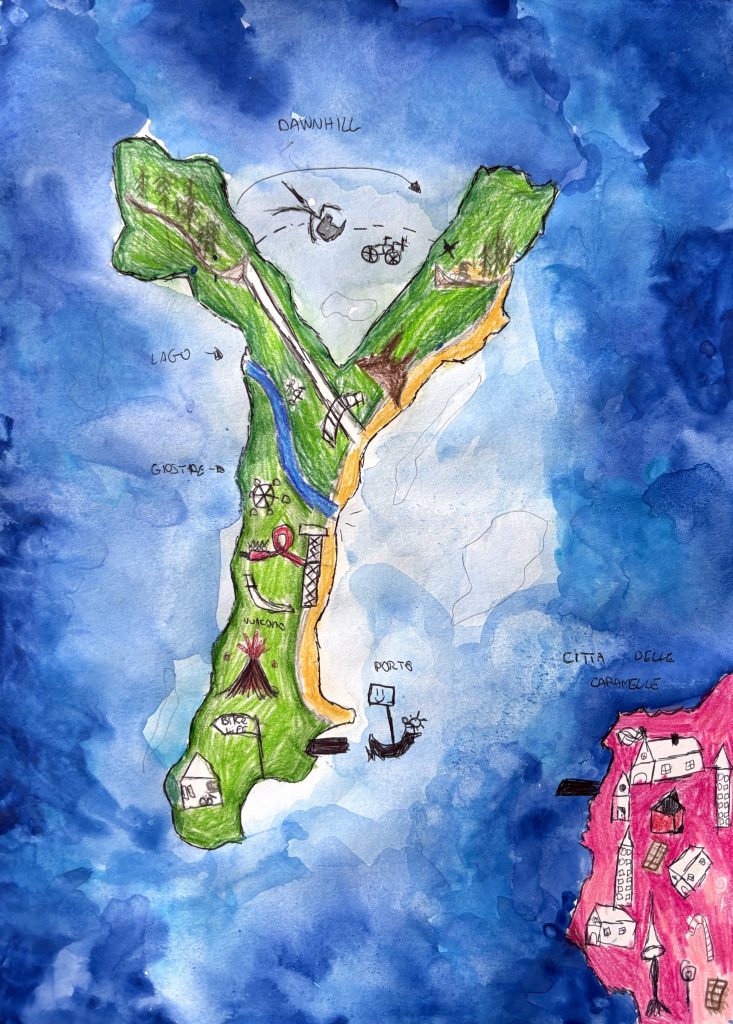
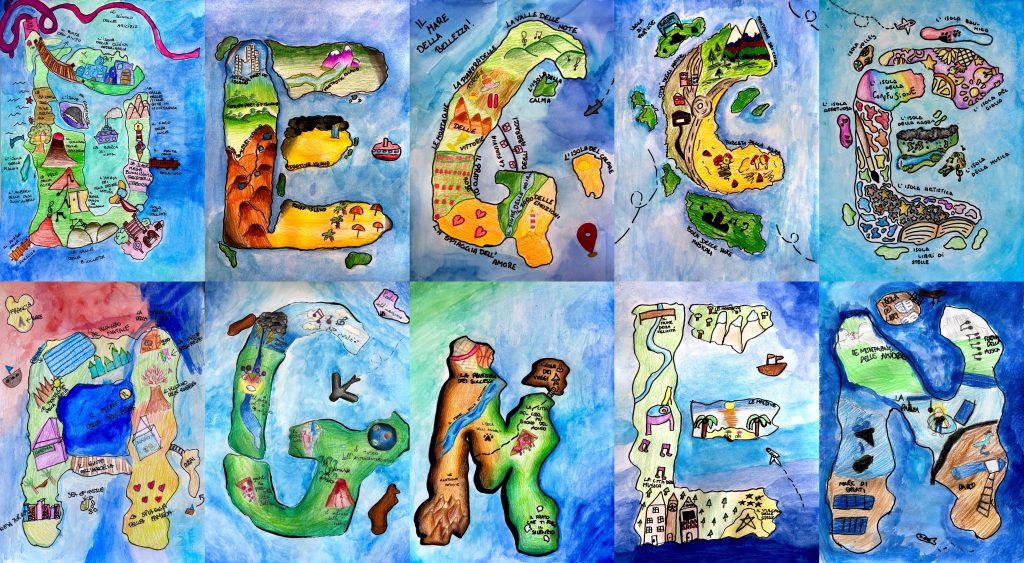
来看一看我们的个人岛屿吧——它们汇聚一堂,共同组成一片由独特而多元个性构成的群岛!
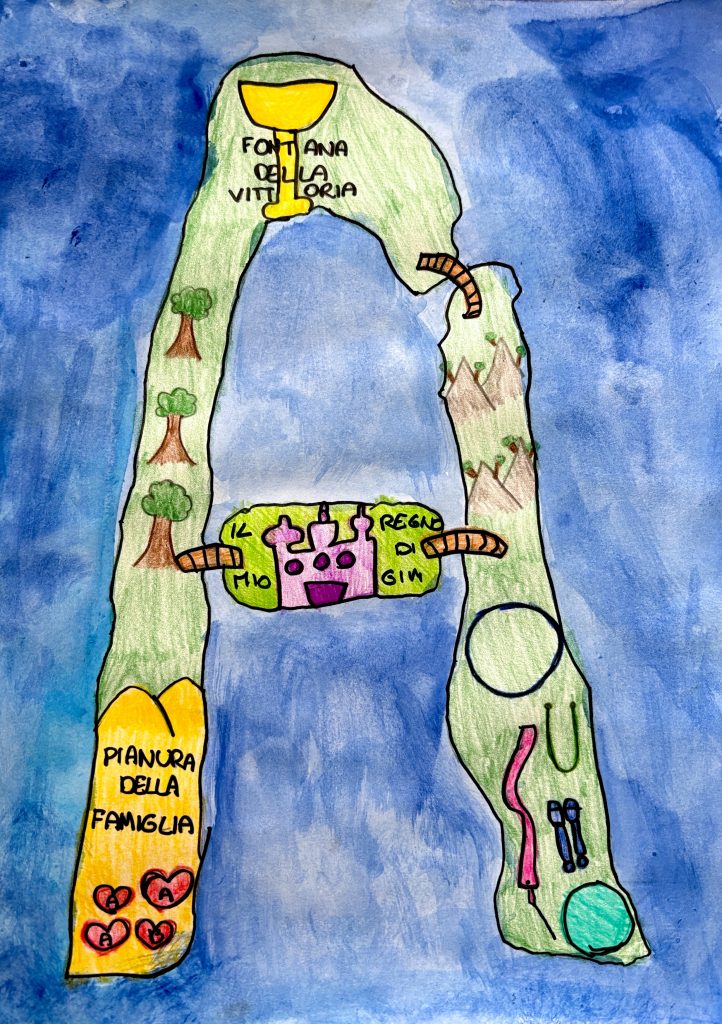
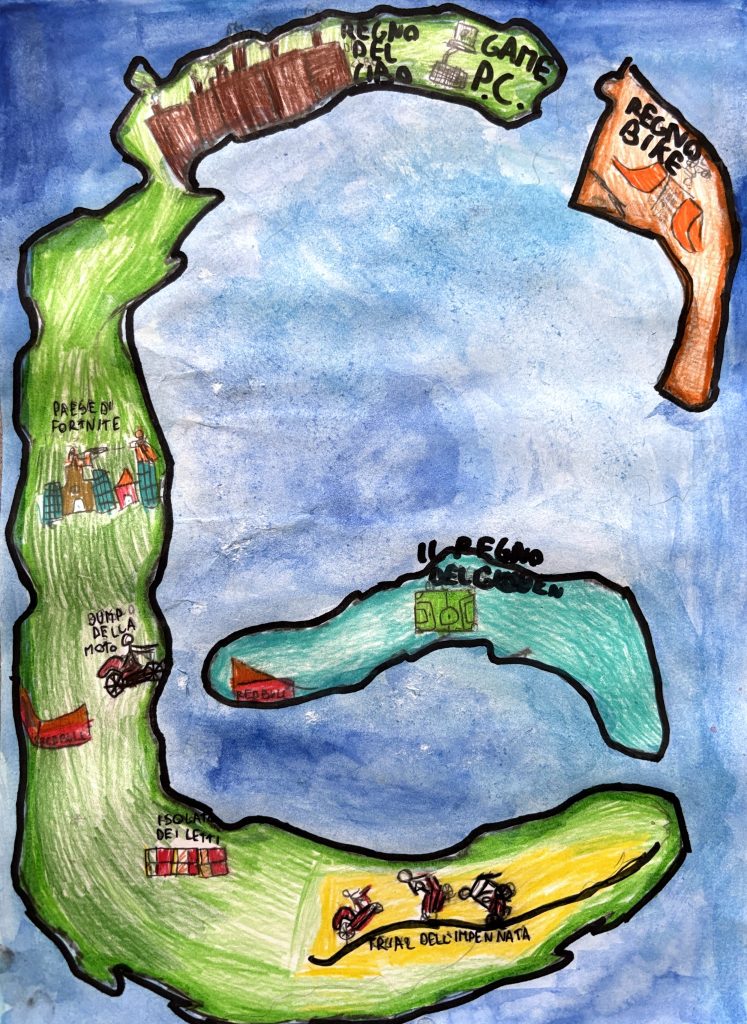
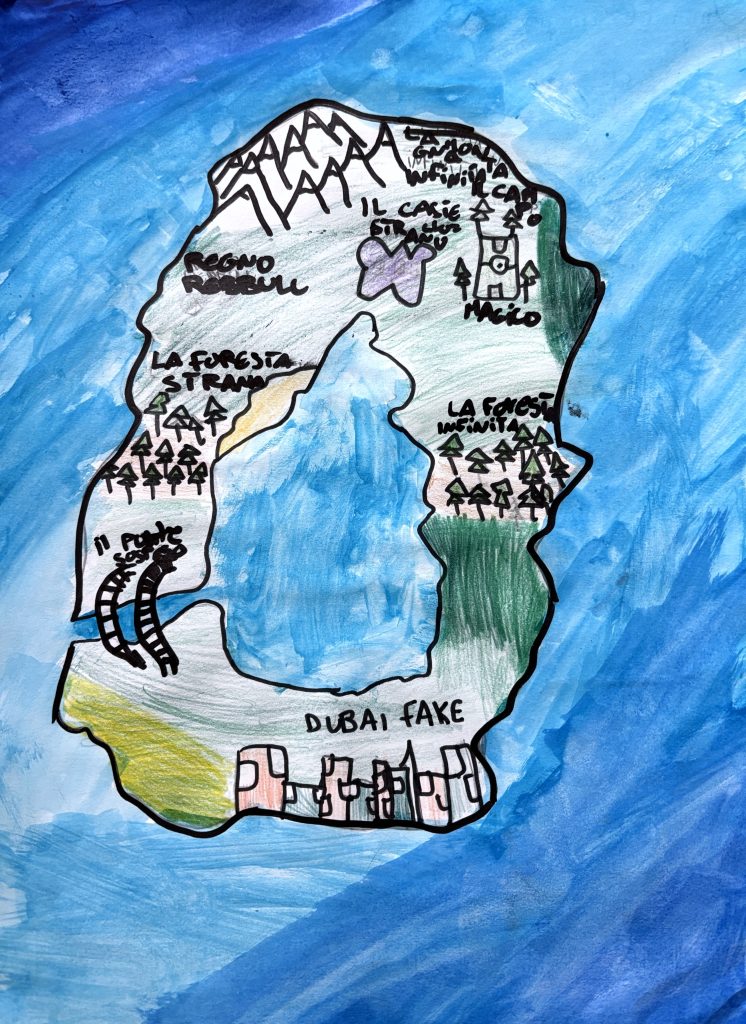
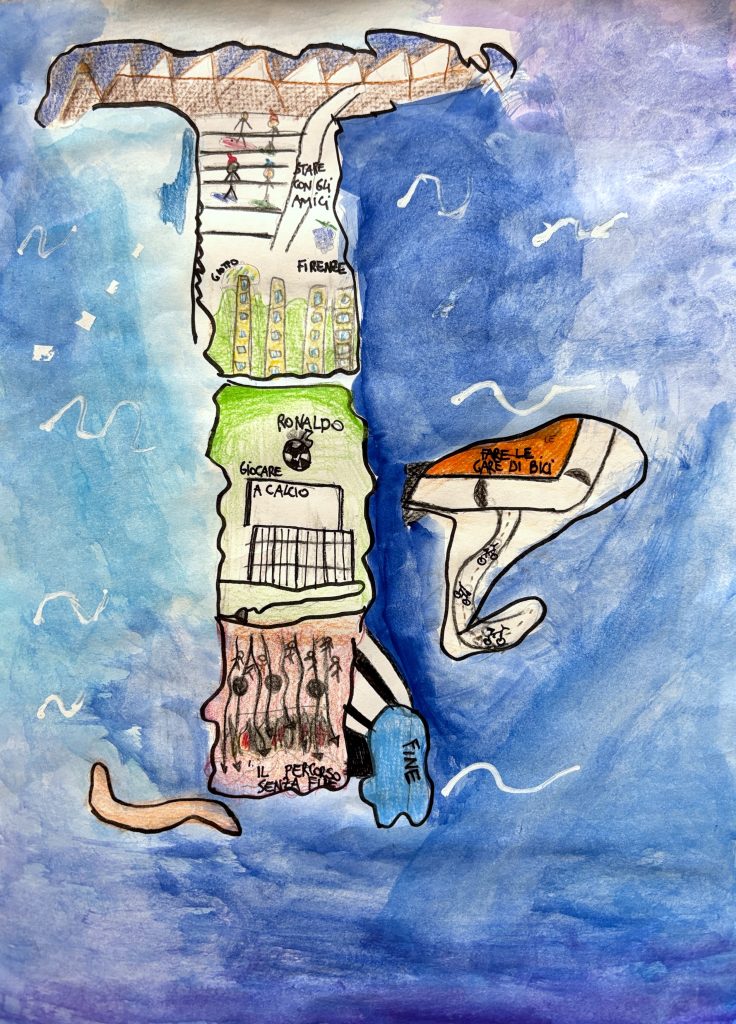
My Island: a Map to knowing Yourself
This workshop was designed to help 6th grade students reflect on their identity, tastes, and emotions, transforming these abstract elements into a visible and concrete landscape: their “inner island.” It’s a perfect activity for the start of the school year or for identity-related orientation programs. The objectives of the activity touch on various educational themes:
- Develop self-analysis and emotional awareness.
- Understand and apply the basic principles of cartography (readability, naming, use of color).
- Experiment with mixed media (colored pencils and “wet-on-wet” watercolors).
- Use shape as an expressive element (the initial letter of the name).
Materials and methods
- drawing paper A4 or A3
- Colored pencils
- Pencils, eraser
- Watercolors, paintbrushes, water
- Fine-tip black marker
We began with a moment of reflection. On the back of the sheet of paper, we wrote down all the things we like and that are important to us: passions, friends, dreams, favorite foods, interests at school and outside of school, activities with friends/family, sources of well-being, dreams, emotions (sadness, anger, joy). This list, which we created by answering personal questions, became the heart of our island. Then we moved on to the creative phase, matching these words with geographical locations or landscape features. We tried to transform each passion into a piece of map or toponym (such as a mountain, a valley, a bay, a building), matching each interest with a place (natural or man-made) and giving it a creative name. Thus, for example, “The Valley of Bicycles,” “The Mountain of Notes,” or “The City of Gymnastics” were born on our island.
For the outline and shape of the island, we chose to use the initial of our first name (for example, the letter “C” or “M”) and drew it in pencil on the paper. Within this unique outline, we traced the elements that represent us.
To color the drawing, we used two different techniques. We colored the landforms and elements (mountains, buildings, etc.) with colored pencils, using the classic colors of physical maps (green, brown, yellow). For the sea, we applied watercolors using the “wet-on-wet” technique: we first applied clean water to the sea, followed by blue or light blue paint, to achieve nuanced tones.
Once the drawing was completely dry, we moved on to the finishing touches. We traced all the outlines and details with a fine-tipped black marker to make the lines clearer. Finally, we added the names we’d invented for each location and area of our personal island.
Here’s a look at our Personal Islands, all coming together to form an archipelago of unique and diverse personalities!