我的数字立方体
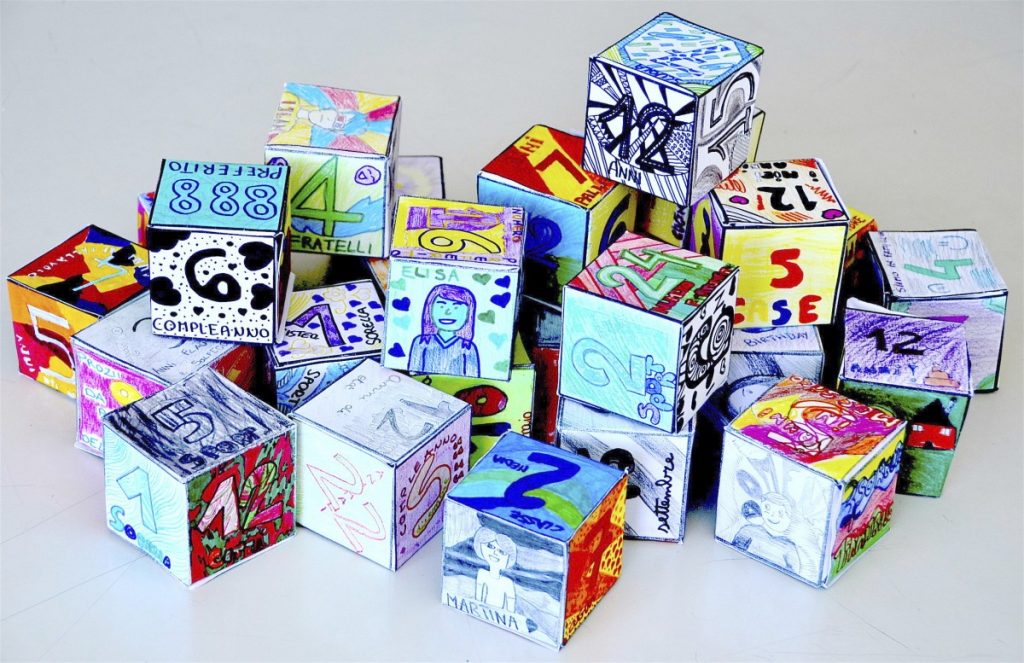
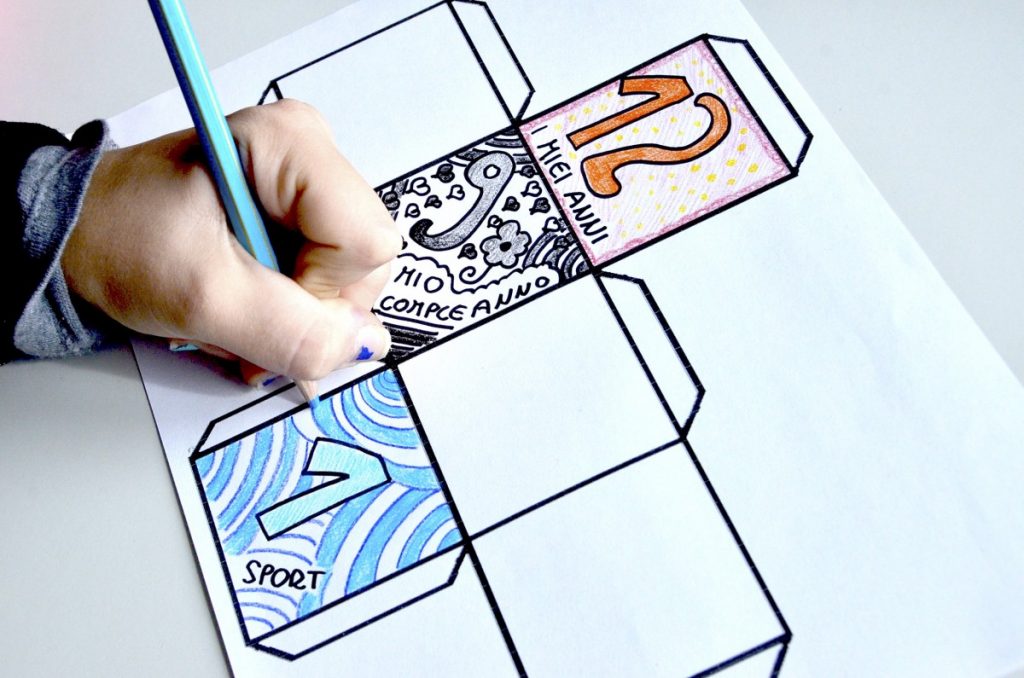
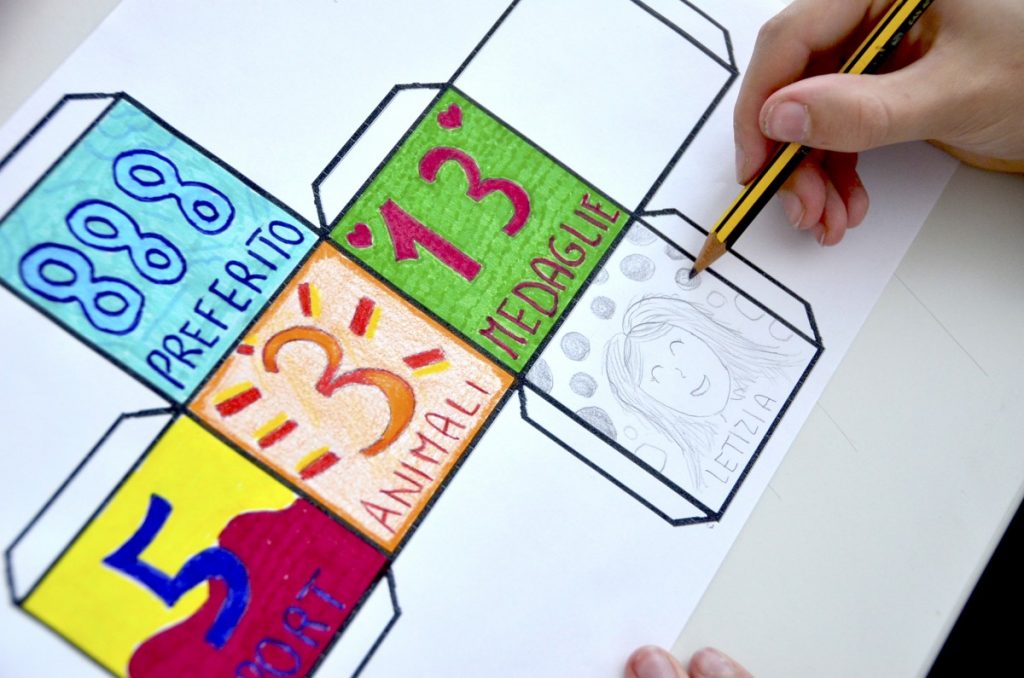
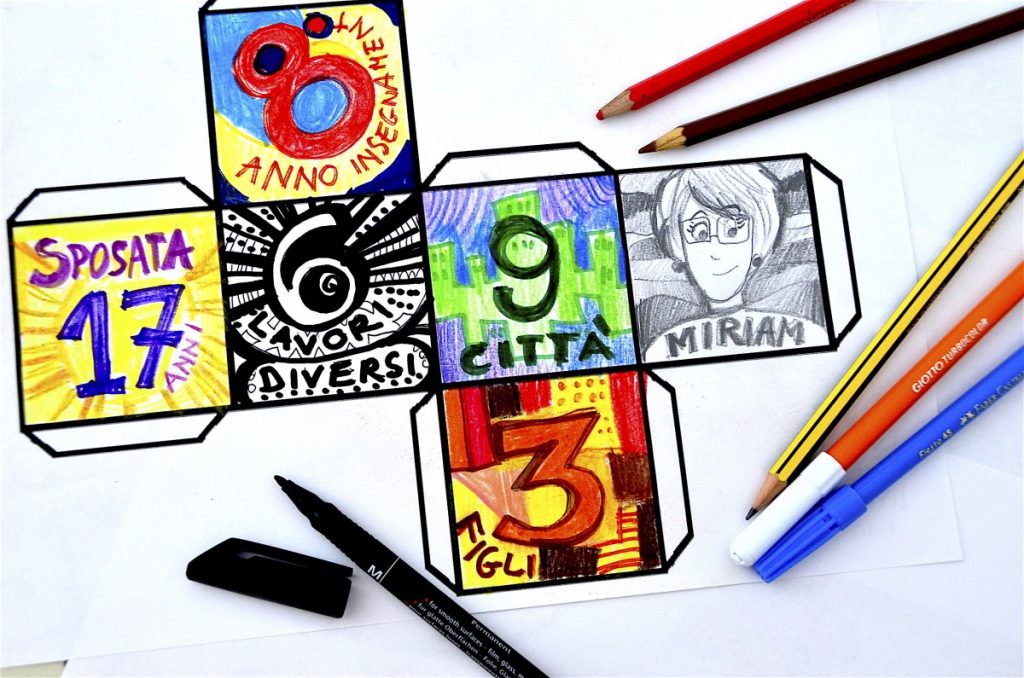
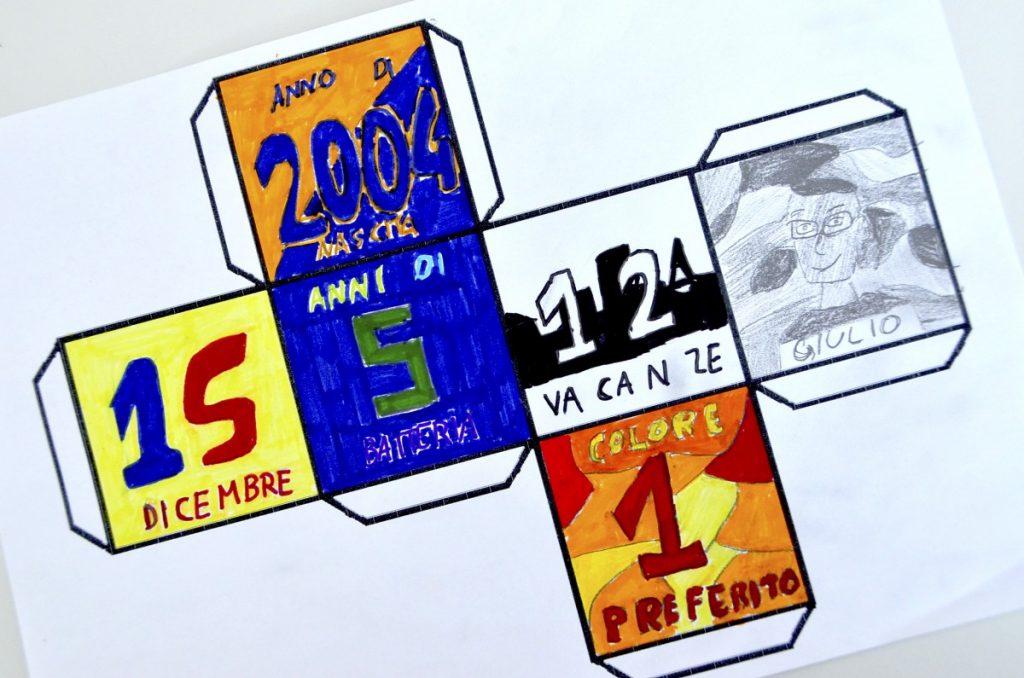
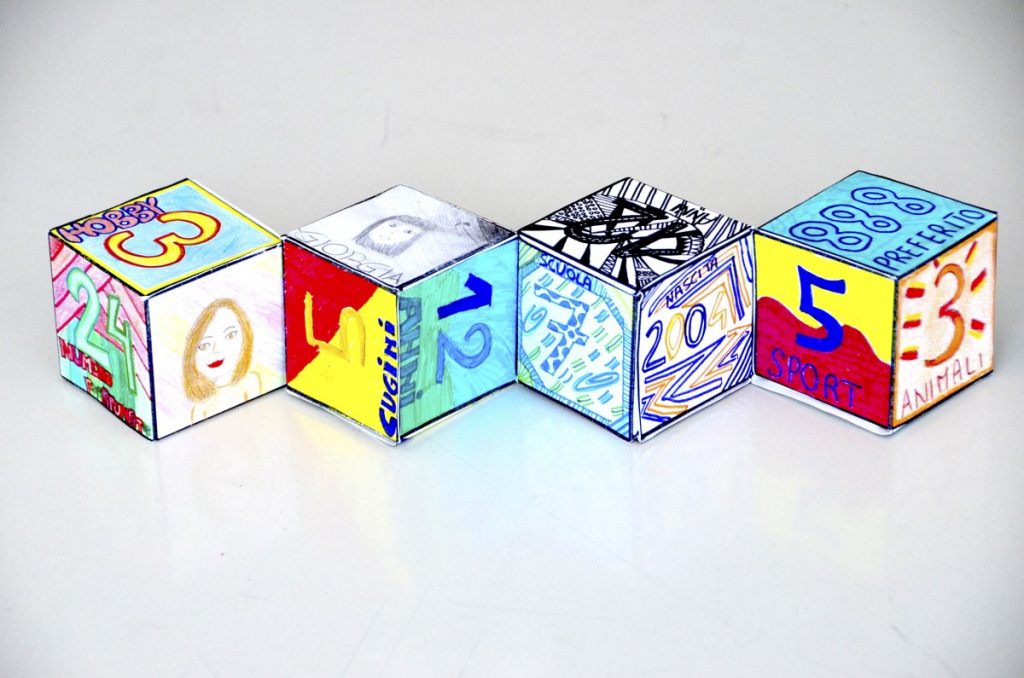
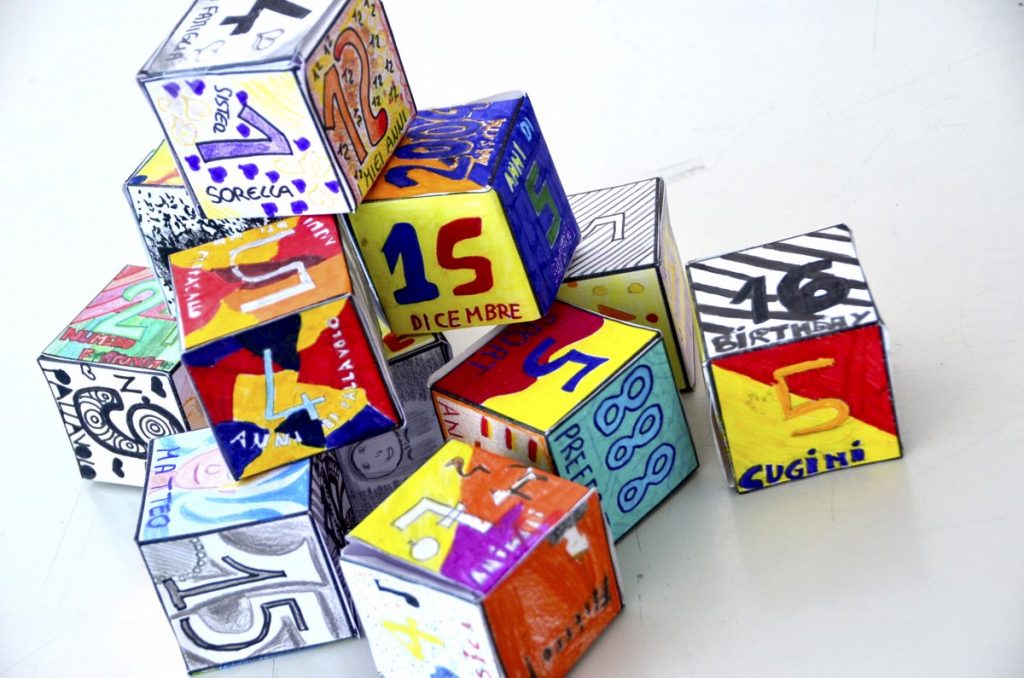
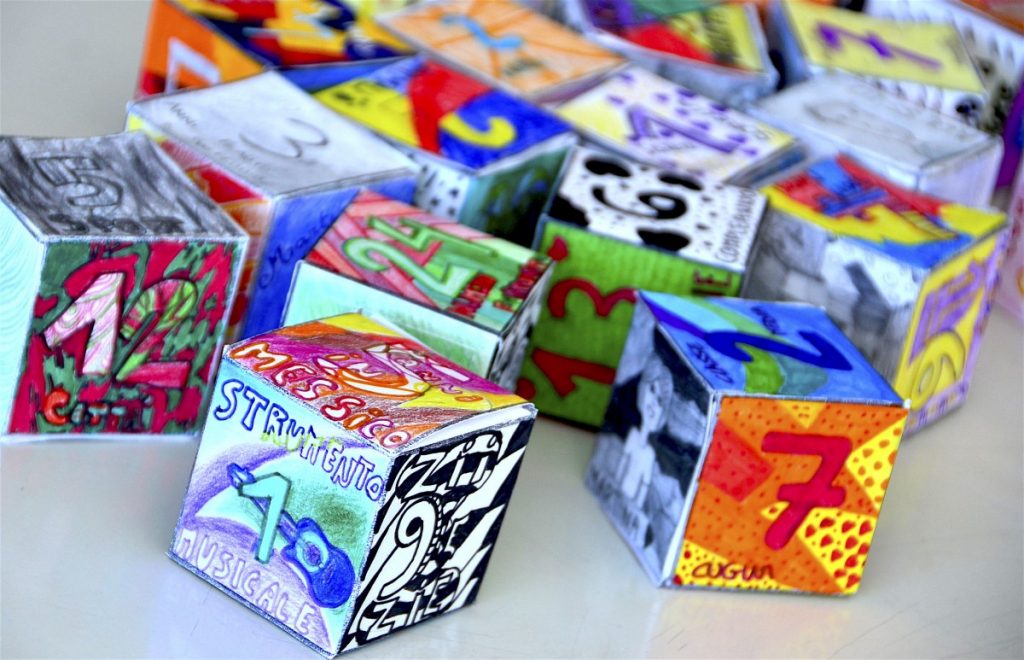
我们能否用数字来介绍自己?当然可以——在立方体的六个面上!我们将这项活动命名为 “我的数字立方体”(I-cube),并用数字来呈现各自的兴趣爱好、专属数字、家庭成员以及最喜爱的运动项目。
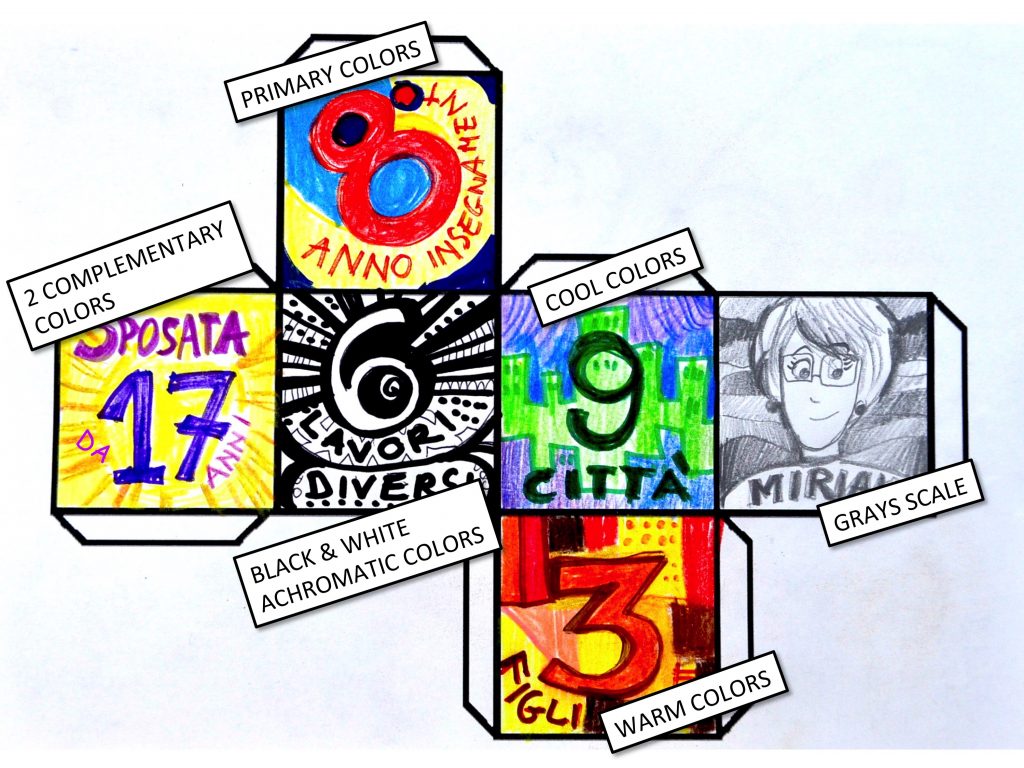
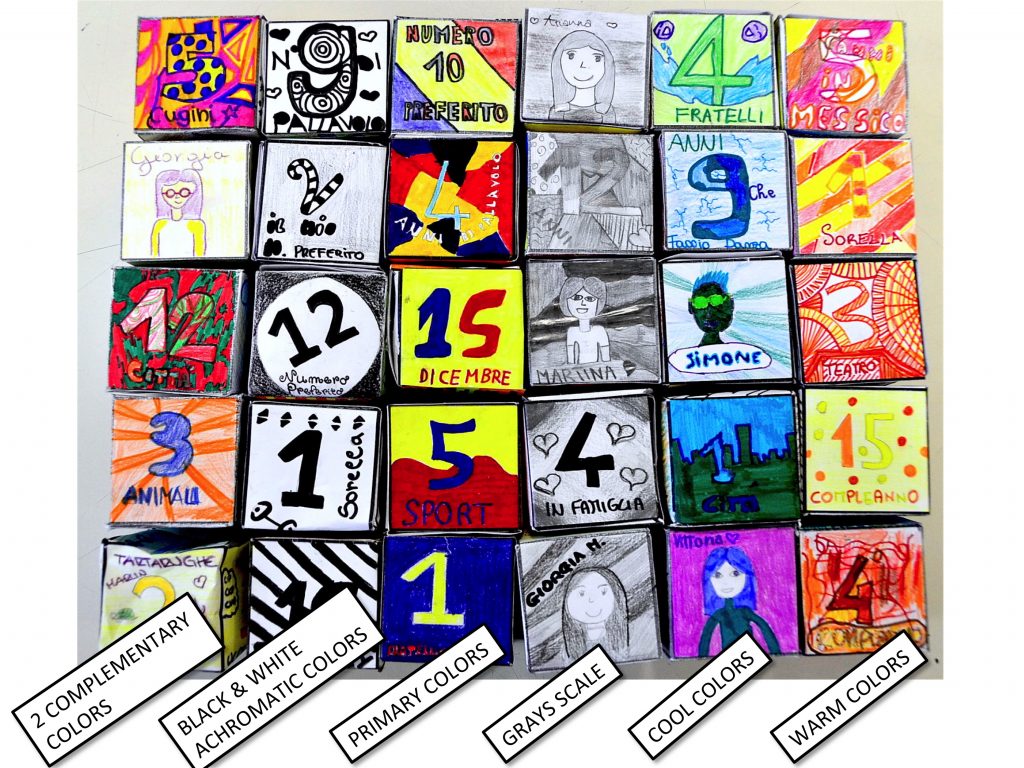
实际上,我还将它用于复习色彩理论的核心内容:立方体的每一面都绘有一个代表作者自身的数字,同时又以六组不同的色彩进行装饰。每一面上分别体现以下一个主题:
- 原色
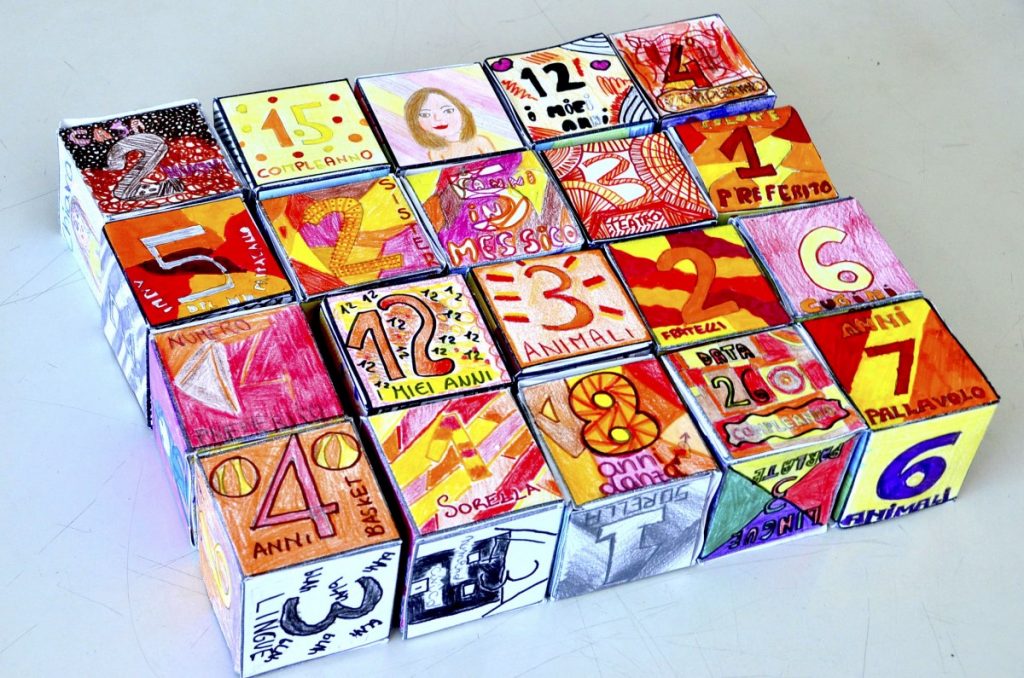
- 暖色
- 冷色
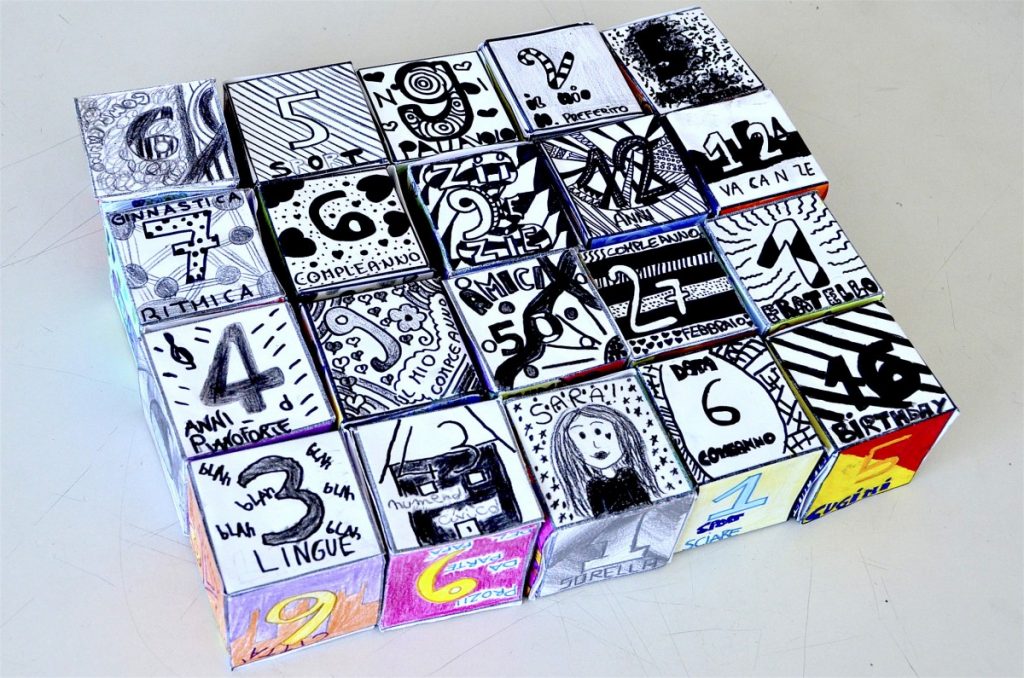
- 无彩色(黑与白)
- 一对互补色
- 一条灰度渐变带
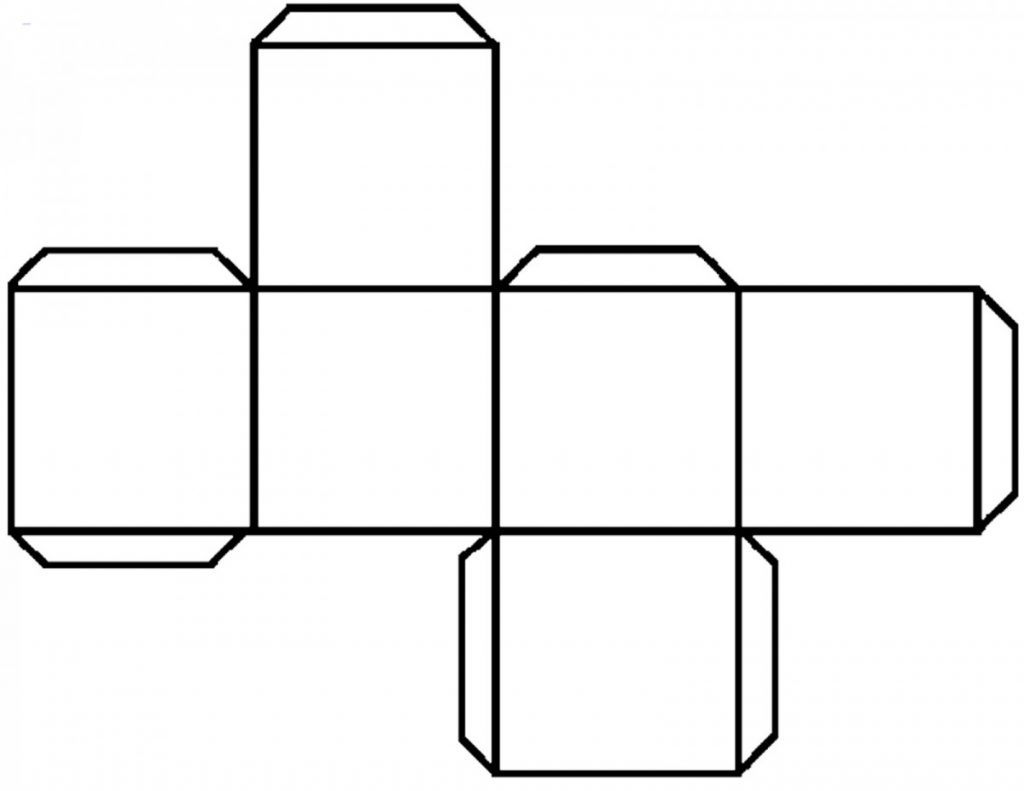
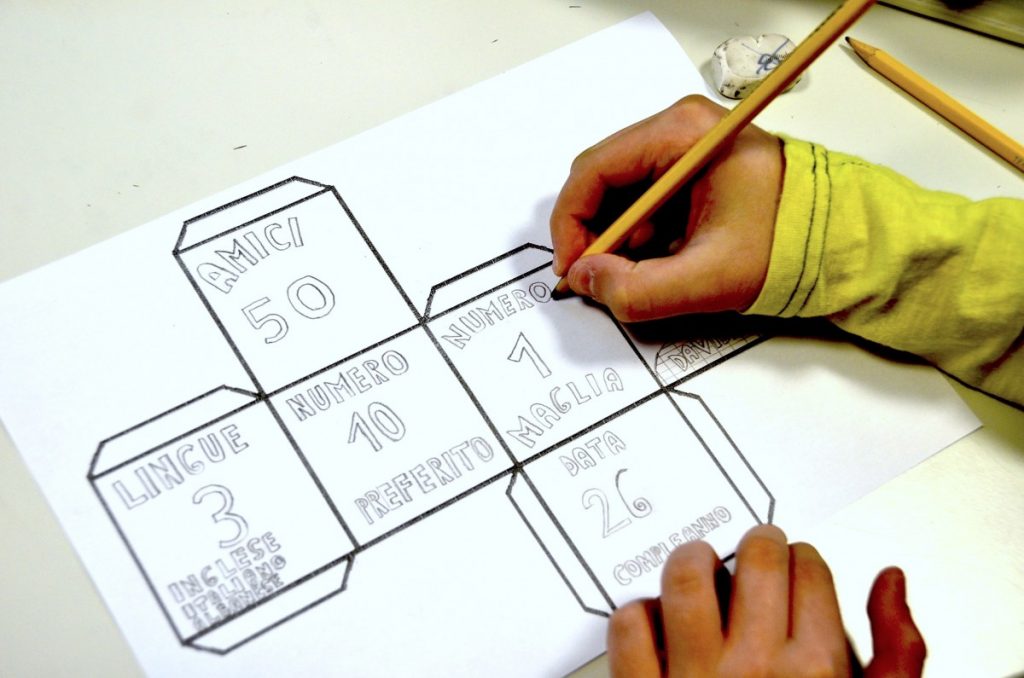
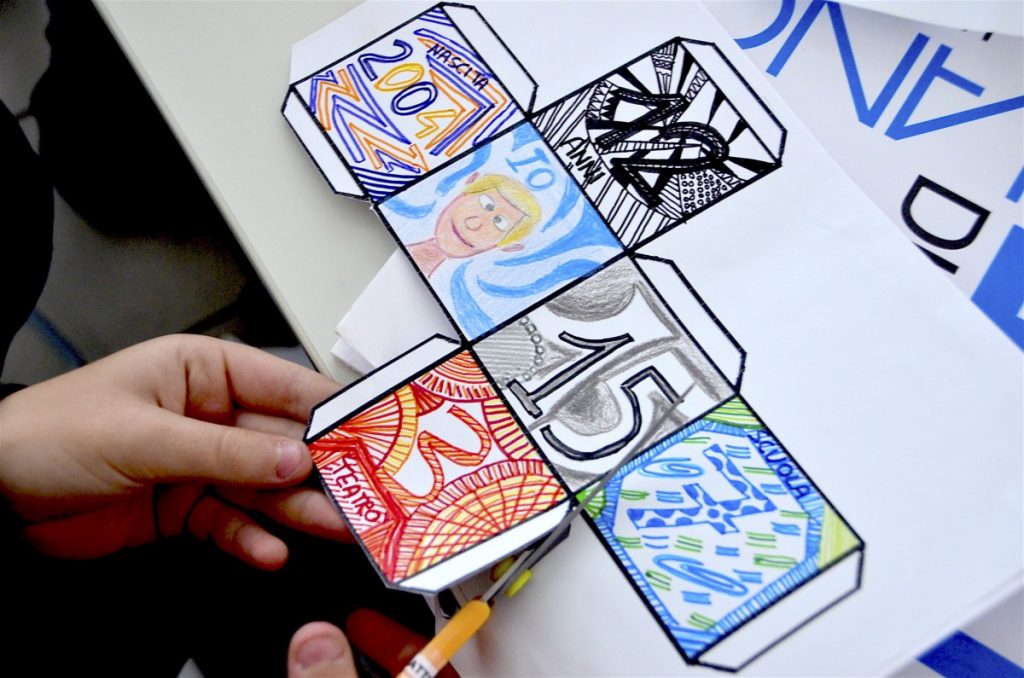
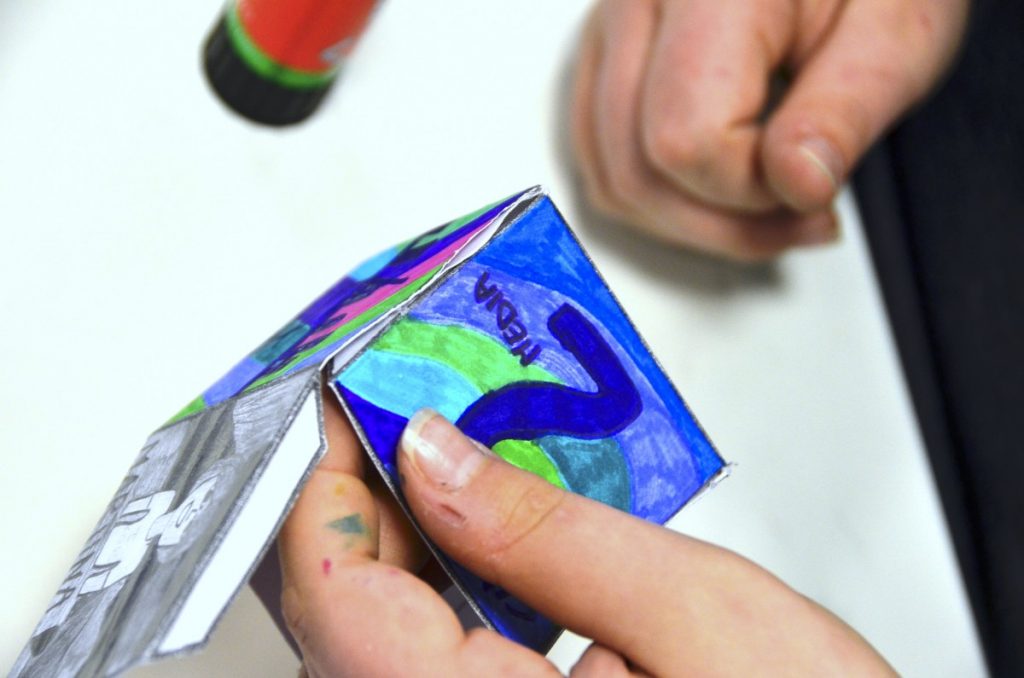
立方体使用蜡笔和记号笔上色。每位学生需在六个面上填入五个能代表自身特征的数字,并在其中一面绘制一幅小幅自画像,写上自己的名字。数字与色彩的布局安排完全由学生自主决定。绘制完成后,学生们将立方体图样粘贴到硬纸板上,沿轮廓剪下;最后一步是将各面涂胶、折叠并组装成立方体。以下是可供打印与装饰的立方体展开图模板。
无彩色
暖色
冷色
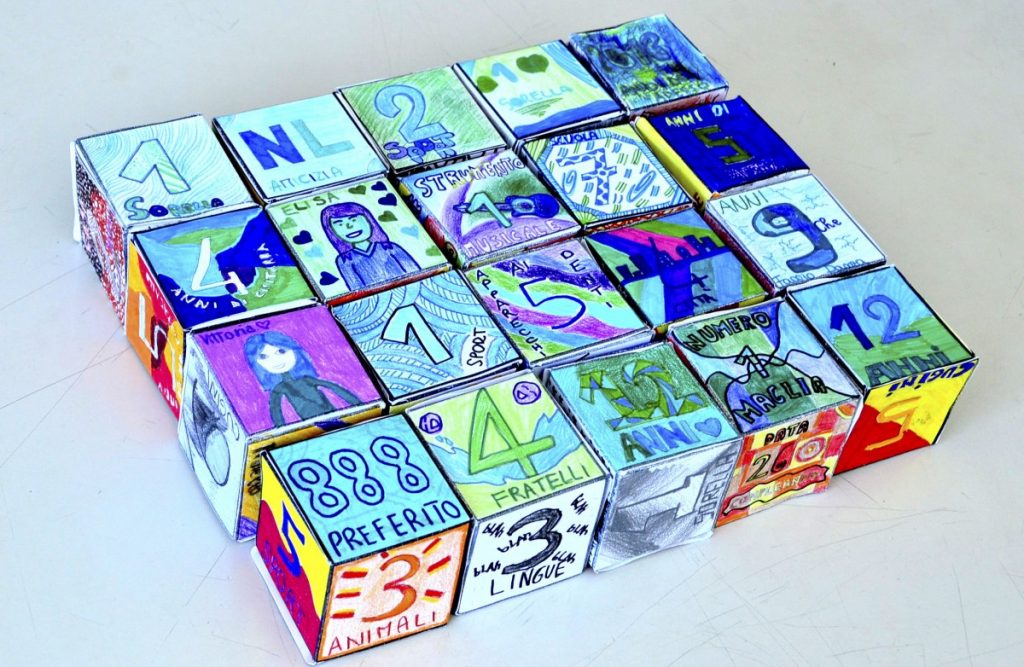
原色
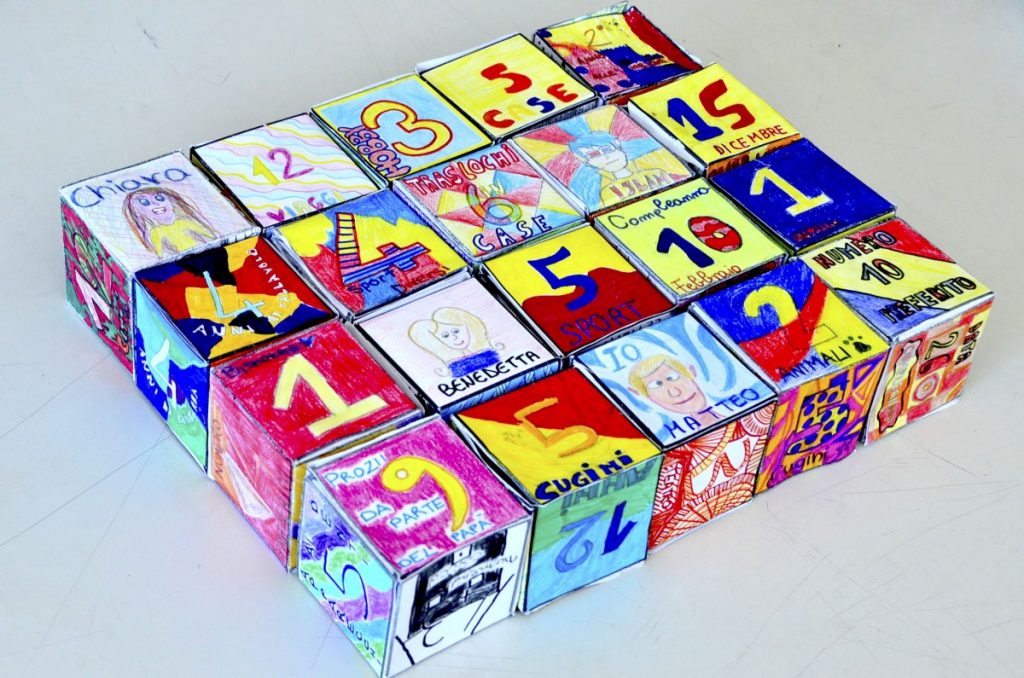
灰度渐变带
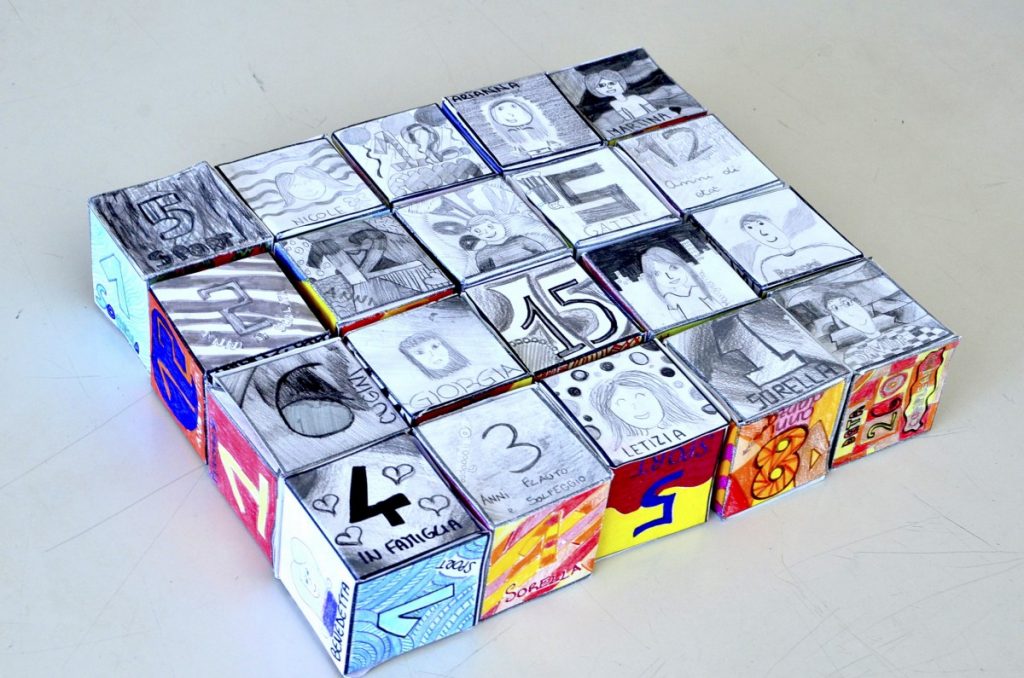
一对互补色
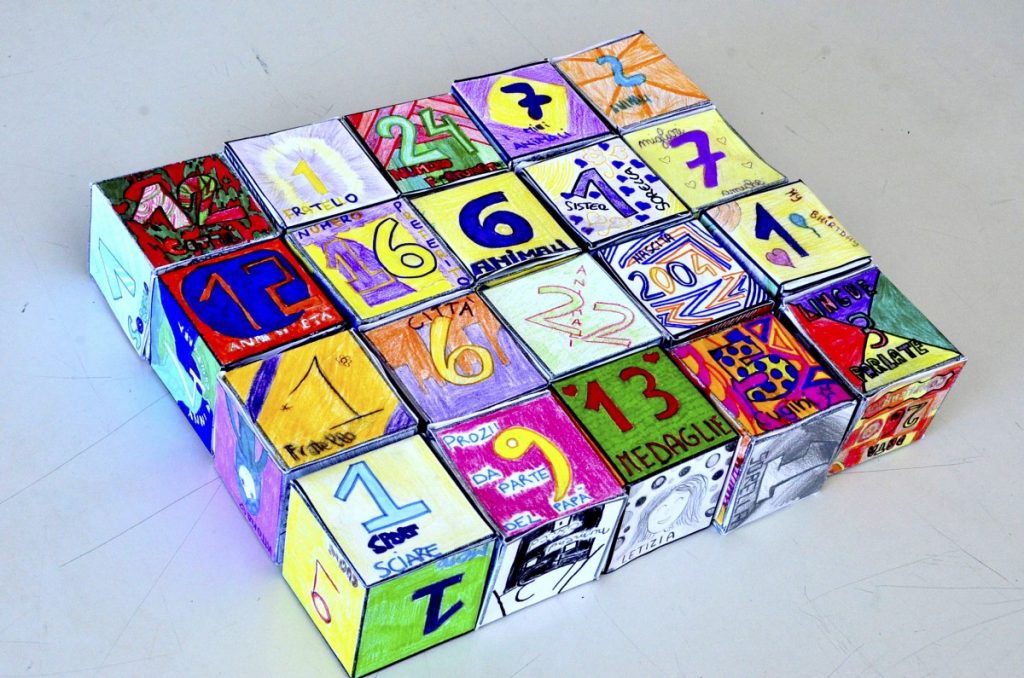
I-cube: me in numbers
Can we introduce ourselves with numbers? We can do it on the 6 sides of a cube! We called this activity I-cube and we used numbers to explain our hobbies, our special numbers, our relatives and our favorite sports.
Actually, I have used it to review the main subjects of Color Theory: every side of the cube is decorated with a number which represent the author, but is also colored with six different groups of colors. On every side we can find one of these subjects:
- primary colors
- warm colors
- cool colors
- achromatic colors (black &white)
- 2 complementary colors
- a scale of grays
The cube is colored with crayons and felt-tip pens. Every student has colored the sides with 5 different numbers that characterize him, and a little portrait with his own name. The choice of where to put numbers and colors was free. After drawing the cube, the students have pasted it on a cardboard, and have cut it out. The last step was to glue the sides and assemble the cube. Here we have the template of the cube, ready to be printed and decorated.
ACHROMATIC COLORS
WARM COLORS
COOL COLORS
PRIMARY COLORS
GRAYS SCALE
2 COMPLEMENTARY COLORS


