我们同舟共济!
六年级课堂上,我们以一场为期三年的远行想象活动开启新学年。全班构成一艘航船的“船员”,由老师担任船长。我有幸拥有一间漂亮的美术教室,因此我把这间专属于美术学科的教室视作一艘载着乘客的船——它需要被悉心照料、用心守护、尽最大可能维护完好,以确保一段安全而难忘的旅程。
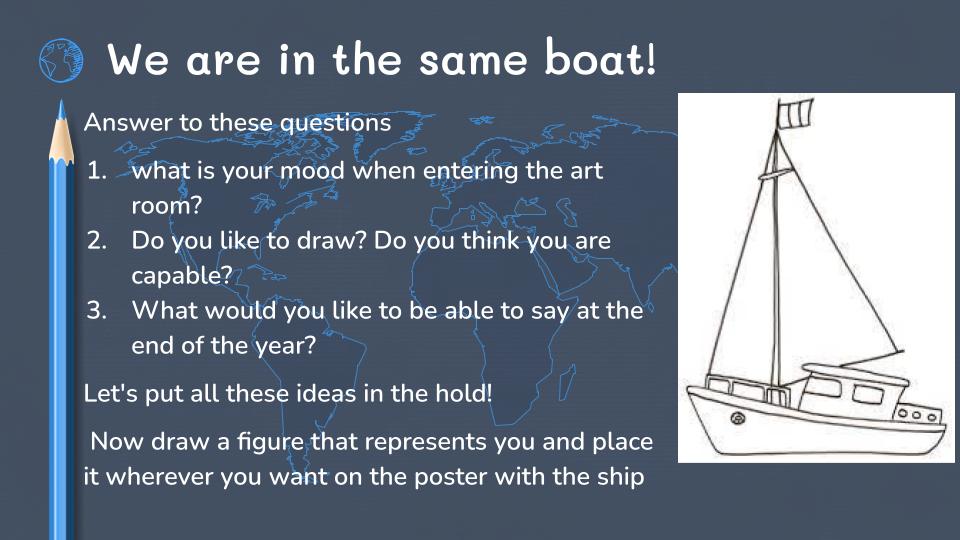
首先,我请学生们在便签纸上写下自己进入美术教室时的情绪状态。大多数学生写下了积极的情绪,例如:快乐、热情、好奇、感动、惊讶。
第二问的语调发生了变化:“你喜欢画画吗?你觉得自己能画好吗?”:有人写道,绘画是他最喜爱的科目,而且他也很擅长;也有人表示并不太喜欢画画;但绝大多数人写的是“我喜欢画画”,后面却跟着一个大大的“但是……”。
“我喜欢画画,但我画得不好;我喜欢,可我不够胜任;我喜欢,但我想画得更好;我喜欢,可我还不够好;我画不好;我做不到;我觉得自己根本不会画画……”
我对这些答案早有预期,随即告诉学生:艺术追求的未必是完美、逼真,或不惜一切代价的美!通过学习艺术,我们将发现,对艺术家而言,最重要的是如何传达,而传达的方式无穷无尽。
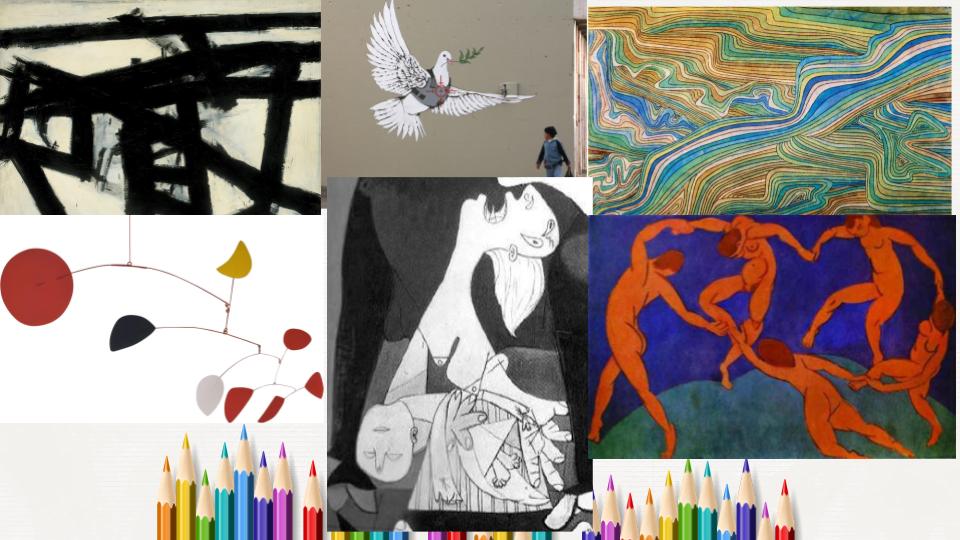
我向学生展示了一些艺术作品,并提问:这些图像中,哪一幅更能表达喜悦?哪一幅更能传递绝望?接着,我请他们从情感角度自主解读这些作品。焦虑、愤怒、平静、自由、不公、轻盈、狂怒、悲伤、欢快等情绪词汇被一一记录下来。
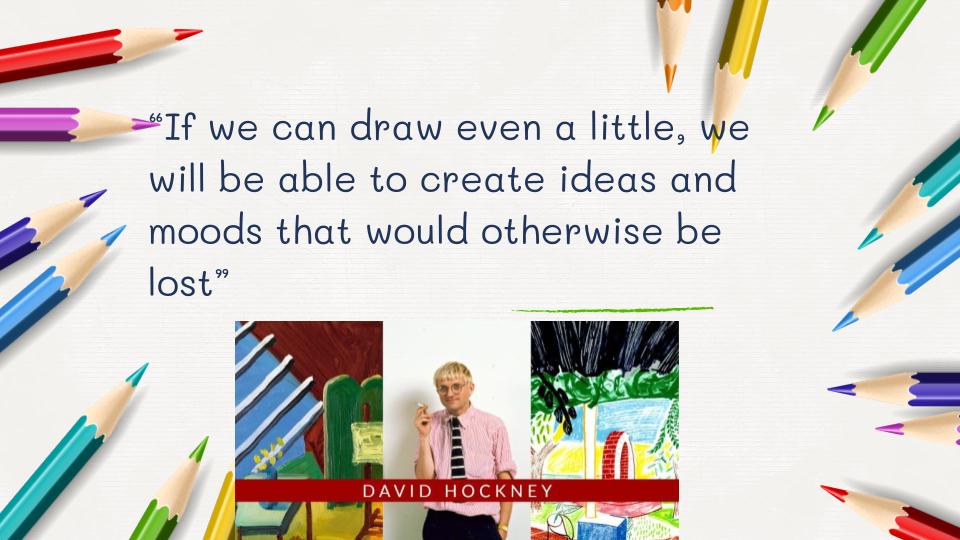
我们一起朗读了大卫·霍克尼(David Hockney)的一句话——引自亚历山德罗·博纳乔尔西(Alessandro Bonaccorsi)所著《丑陋素描之道》(The way of the ugly drawing)。我们共同探讨了人们通常对“美”“精准”“完美”所抱持的那种敬畏态度。倘若我们转而只需一点自发性与实验精神,不再拘泥于最终成果,又会如何?
我还让学生写下:“到学年末,你希望自己能说出怎样一句话?”其中最打动我的回答无疑是:“我希望为自己所做的一切感到自豪。”
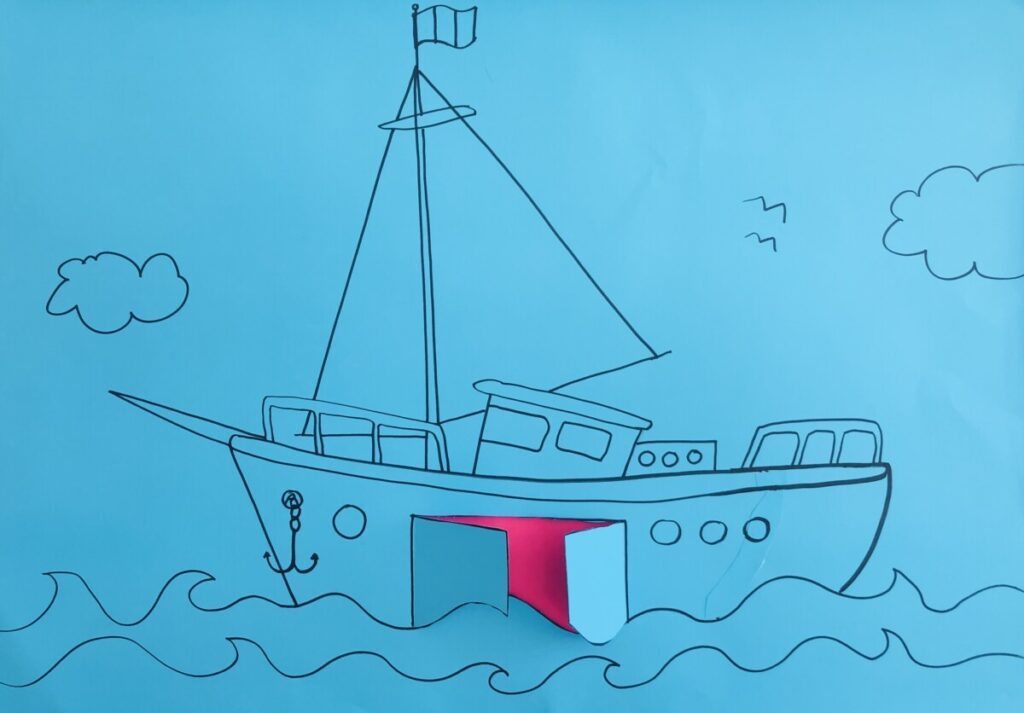
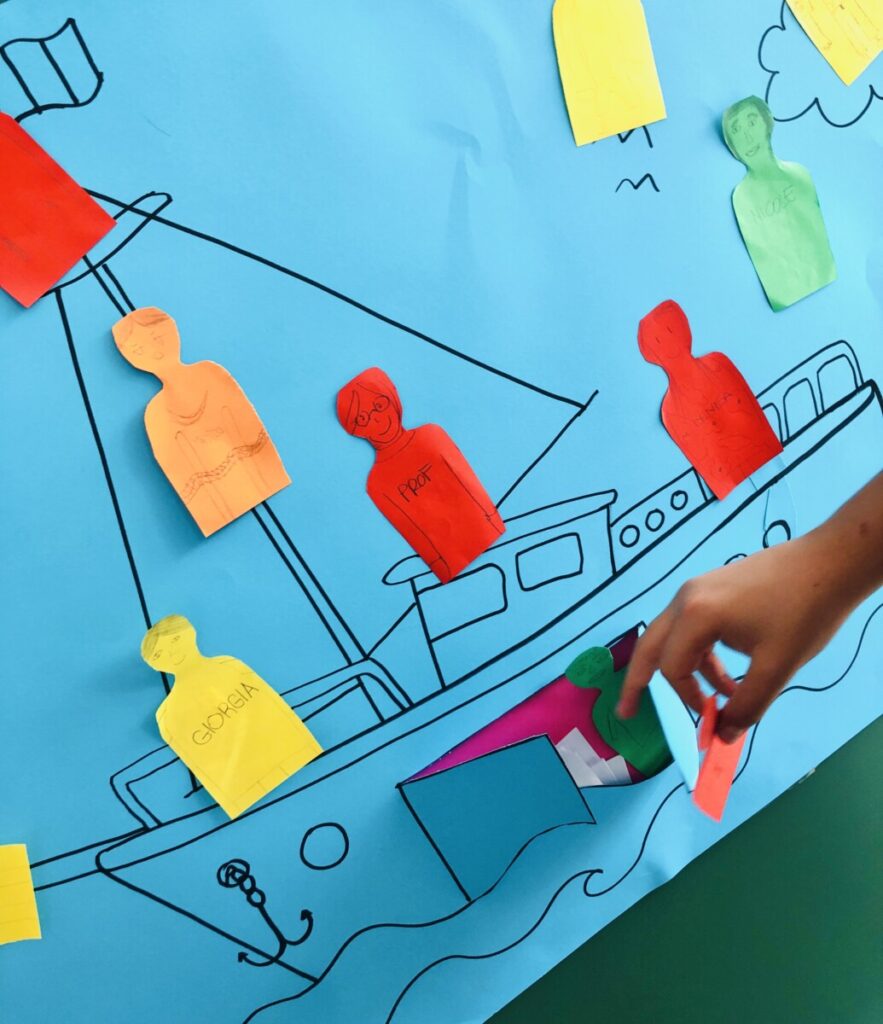
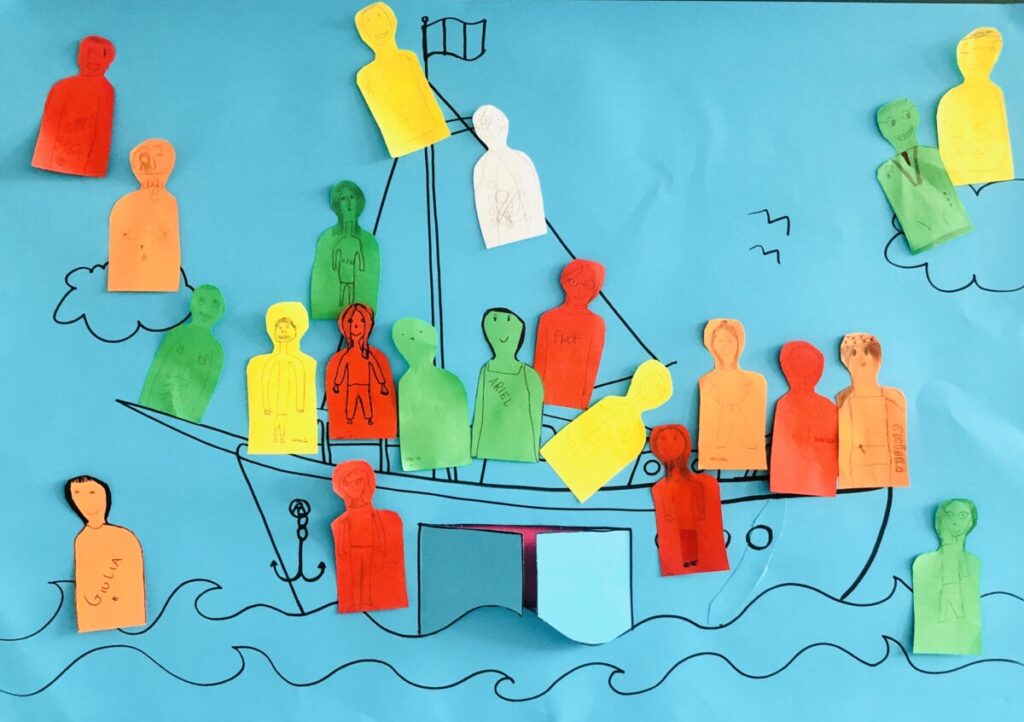
我绘制了一块巨大的告示牌,上面是一艘船,并将所有学生的答案统统放进“船舱”——我在船身侧面开了一扇带口袋的舱口。待到学年结束时,我们将再次打开这扇舱门,看看当初的愿望是否已然实现。
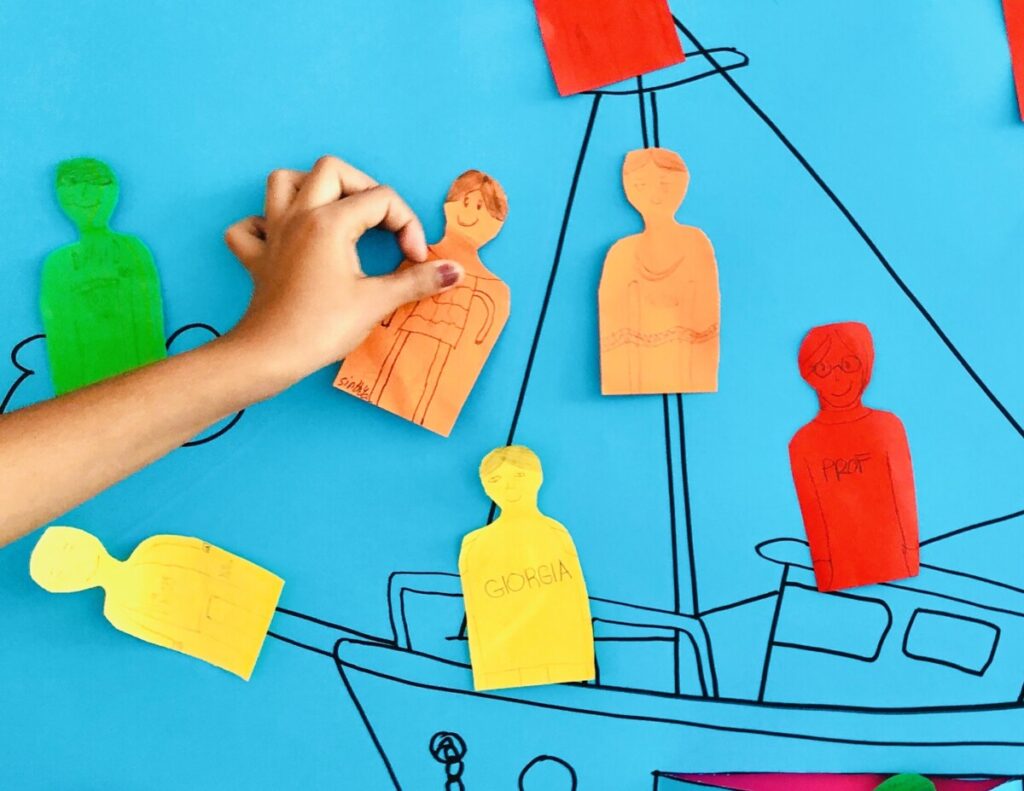
随后,每位学生都在一张剪裁成形的纸上画下自己,并将这个小人像贴到船的画面上。接着,我们共同讨论:为何有人跃出船舷、有人攀上桅杆横桁、有人钻入船舱、有人立于桅顶、有人浮在云中、还有人坐在驾驶舱里我的身旁?每个人选择的位置各不相同,理由各异,但我们已整装待发, ready for our journey。
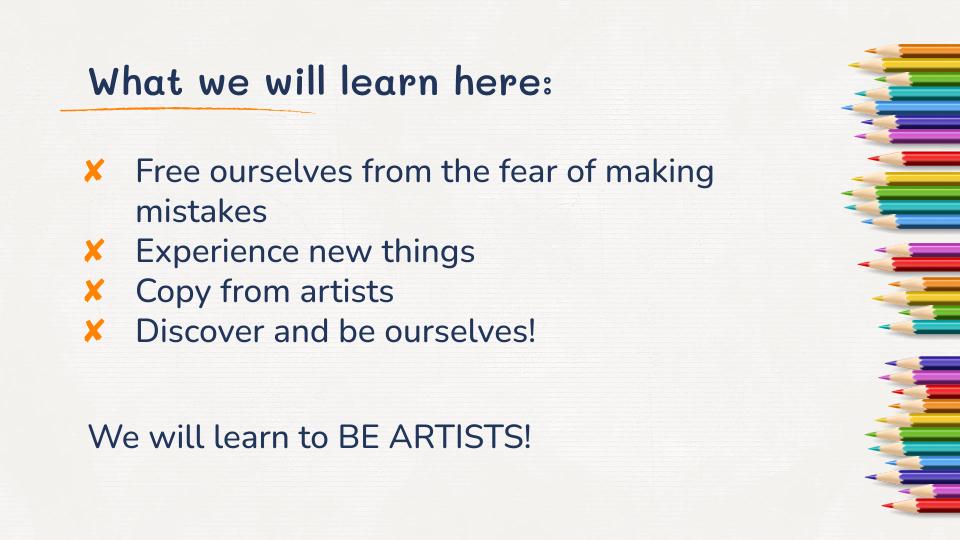
最后,我揭晓了我们将在本教室共同学习的内容,以及我们如何扬帆启程,驶向浩瀚的艺术之海!
We are all in the same boat!
In the 6th grade classes we did an activity to start the school year by imagining leaving for a trip that will last three years. The class group is a “crew” of a ship captained by the teacher. I am lucky to have a beautiful art room, so I consider the classroom dedicated to my discipline like a ship with its passengers, a ship that must be cared for, looked after and preserved in the best possible way to ensure a safe and unforgettable journey.
First of all, I asked my students to write on a note in what mood they entered the art classroom, and most of them wrote positive moods such as happiness, enthusiasm, curiosity, emotion, surprise.
The tone has changed to the second question “Do you like drawing? Do you think you are capable of it?”: someone wrote that drawing is his favorite subject and that he is also good, someone wrote that he does not really like drawing, but most part wrote “I like to draw” with a big BUT ….
“I like to draw but I’m not good, I like it but I’m not capable, I like it but I would like to draw better, I like it but I’m not good enough, I’m not good at it, I’m not able, I think I can’t draw etc … ” I was expecting these answers and then I told how art is not necessarily sought in perfection, in verisimilitude, in beauty at all costs! By studying art we will discover how the most important thing for an artist is how to COMMUNICATE, and there are infinite ways to do this.
I showed the students some works of art, and asked them which of these images expressed more joy or more despair. Then I left them the interpretation of these works from an emotional point of view. Anguish, anger, calm, freedom, injustice, lightness, fury, sadness, cheerfulness were noted.
Together we read a sentence by David Hockney taken from the book “The way of the ugly drawing” by Alessandro Bonaccorsi, and we reasoned about the reverential attitude we usually have towards the beautiful, the accurate, the perfect. What if instead we just needed a little spontaneity and experimentation, free from the final product?
Among the things I asked to write was also the question “What would you like to be able to say at the end of the year?” the best answer was surely “I would like to be proud of what I have done”. I drew a large billboard with a ship and put all their answers in the “hold”, a hatch with a pocket that I opened on the side of the ship. We will reopen the hold at the end of the year to see if our hopes have been fulfilled.
Each student then drew himself on a shaped paper, and placed the figure on the drawing. Then together we discussed why someone went overboard, someone on the yard, someone in the hold, on top of the mast, in the clouds or in the cockpit next to me. Everyone has chosen his place for various reasons, but we are all ready for our journey.
Finally, I revealed what we can learn together in this classroom and how we can face the journey into the sea of ART!


