学期第一周——用“B.A.N.G.”开启精彩学年!
原文链接:https://createartwithme.com/first-week-of-school-start-the-year-with-a-bang/
日期: 2018-07-11
作者: 米歇尔·伊斯特(Michelle East)
分类: 美术课第一天、二年级、三年级、四年级、五年级、六年级、AP美术工作室课程(高中高阶美术)、美术课堂管理、美术游戏、美术教案、小学美术、精选内容、高中美术、幼儿园至一年级、初中美术
标签: 接力添画(Add-to-It Drawing)、肯定学生、美术课堂管理、美术课堂管理工具、美术课堂规则、美术游戏卡、美术教室常规、美术教室寻宝游戏(Art Room Scavenger Hunt)、B.A.N.G.、BANG、“BANG”首字母缩略词、用神秘物品创作美术作品(Create Art From Mystery Objects)、下课任务(End of Class Tasks)、趣味练习课堂常规、给我五(Give Me 5)、练习课堂常规、真假判断(procedures true or false)、图片揭晓(Reveal a Picture)、音量计(voice-o-meter)
所有教师都深知:无论教授哪门学科,开学第一天乃至第一周都至关重要!学生必须从一开始就理解并实践各类课堂常规——例如美术课堂规则、调色盘课堂管理系统、美术岗位职责、给我五、下课任务以及音量计,并开始设定学习目标。若跳过这些关键环节,你的课堂管理必将陷入困境。学生必须清楚了解你课堂中的行为边界与期望标准;而你,必须在学年伊始就明确告知他们你的具体要求。讲授并复习这些重要内容,绝非只能枯燥乏味——完全可通过生动有趣的活动,让美术教室常规的学习过程充满乐趣!请以一场震撼的“B.A.N.G.” 开启新学年!
B:
激发参与热情——用趣味活动点燃课堂! 将重要的课堂管理内容融入美术创作及其他趣味活动中,使常规教学变得引人入胜!我特别喜欢《一位不太怯场的小学教师日记》(Diary of a Not so Wimpy Teacher)博客中题为趣味练习课堂常规的创意点子——这对小学生尤为适用!我的免费资源:美术课堂常规与规则游戏卡,以及可编辑的“真假判断”陈述题。
尽管技术手段富有趣味性且效果良好,但你完全无需依赖复杂的电脑游戏平台或现成的棋盘游戏来复习规则与常规——保持简洁即可。
接力添画(Add-to-It Drawing)
在黑板上张贴两张大幅纸张,或把白板平均划分为左右两半。规则是:每支队伍每次答对一道题,便可为本队图画增添一个新元素。将全班分为两组。向其中一组提出一个问题;若回答正确,该组即可为本队图画添加一个新内容。当问题全部用完时,两幅图画即告完成。
美术教室寻宝游戏(Art Room Scavenger Hunt)
学生使用手机上的数码相机,或其他可用设备,拍摄教室中指定物品的照片。(示例物品:水槽、画笔、水彩颜料、彩铅、记号笔、剪刀、胶水、卷笔刀、纸张、教师讲台、教室规则标牌、走廊通行卡等。)
我超爱这个点子! 在回顾完课堂常规后,为每位学生分发一只午餐纸袋,内装多种美术材料;各袋所含材料应各不相同。(例如:纸筒、蛋托分格、铝箔纸、玻璃纸、布料、礼品包装纸、羽毛、亮片、毛线、气泡膜、纸盘、泡沫塑料杯、铁丝、贴纸、胶棒、剪刀、记号笔和蜡笔。)
向学生说明:每人将收到一只装满美术材料的“惊喜袋”。告诉他们,可利用袋中材料自主创作一件独特的美术作品——形式不限:既可以制作平面拼贴画,也可以搭建立体雕塑。
另一种配合该理念的活动是:发放材料袋,但学生需为其中某一条课堂规程或规则制作一张海报或告示牌。
揭开图片
将全班分为两组。使用两张现成的名画海报,或制作一张印有艺术名言或鼓励语句的海报。用胶带或蓝丁胶将6–8张彩色卡纸(数量依需复习的规程或规则条数而定)覆盖在每张海报上。开展“对错判断”游戏,朗读关于课堂规程的陈述句(例如:“美术馆策展人的职责是在课后捡起地上的纸屑。”——错误)。每组答对一题,即可揭去海报上的一张卡纸。最先完整揭开整张海报的小组,可赢得一张额外的毕加索通行证。毕加索通行证对学生而言堪比黄金!!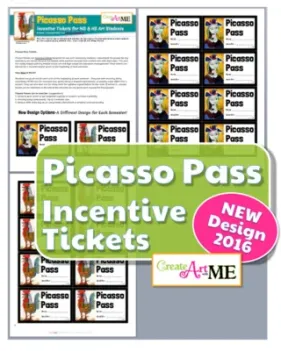
肯定你的学生! 营造积极的学习与技能练习环境!从第一天起,就让他们知道:你相信他们,你随时准备帮助他们取得成功,他们完全具备成就非凡的潜力。 艺术家是C.R.E.A.T.I.V.E.海报。你与学生之间积极关系的建立,始于他们初次见到你的那一刻。
从第一天就开始行动——学生进门时主动向他们问好!开始记住他们的名字。我喜欢让学生在第一天就把名字写在作业纸正面,这样我能一眼看到;随后我会口头鼓励他们的作品,例如说:“约翰尼,你对色彩的运用方式真有趣!” 每当我读到名字后大声念出来,有助于我更快记住。是的,我知道我们每位老师都面对成百上千的学生,但他们需要真切感受到:在你的课堂里,每个人都重要、都被珍视。
这也是学生开始与同伴建立积极关系的契机。以一些破冰活动开启课程,帮助学生彼此认识。由此,你将逐步在班级中营造出一种“家庭感”。
N:
培育积极的课堂环境:在课堂中确立积极态度,并立即制止一切负面评论与消极情绪。积极的课堂氛围不仅体现于语言互动或主观感受,也体现在物理空间与教室布局之中。
精心设计教室动线,确保流畅运行。思考各类物品的摆放位置:美术材料、水槽、晾干架、美术用品储物区等。学生如何以最小干扰完成取用?例如,学生应朝哪个方向行走才能有序归还自己的作品?若空间动线规划不当,学生便可能相互碰撞。当学生熟知规程并自觉遵守时,积极的课堂环境自然形成。 马文·巴特尔(Marvin Bartel)撰有一篇关于美术教室布置的优秀文章:《美术教室设计》。
G:
目标设定:与学生共同制定目标,并协助他们追踪自身成长轨迹。 他们当前处于什么水平?学期末、学年末、学年结束时,你期望他们达到何种程度?目标须符合学生年龄特点,且清晰可测,应遵循SMART原则。《艺术教育之道》(The Art of Ed)刊载了一篇关于美术课堂目标设定的佳作:《为何必须引导学生设定个人目标》,并附有可下载的工作表!为学生提供一种工具,使其直观看到每日学习体验如何汇聚成更高远的总体目标,十分有益。针对其作品给予具体反馈,能直接助力学生达成目标——通过指出待提升之处与突出优势,切实推动进步。在项目或TAB(自主选择式艺术工作室)站点中讨论学习目标,亦能帮助学生明确你所教授及期望他们掌握的具体技能。
设定艺术类目标的一些思路:
- 提升运用美术术语与艺术史知识,对美术作品进行准确、有深度的口头与书面评述能力;
- 在特定美术媒介技法上取得进步:炭笔、铅笔、油画棒、绘画、雕塑、陶艺、版画、摄影、马赛克等;
- 在色彩理论、构图、写生、透视与肖像画等方面的运用能力得到提升;
- 能够辨识艺术史各时期的主要艺术家与艺术风格;
- 形成一套能体现自身艺术成长轨迹的作品集;
- 能在自己及他人的作品中识别出美术的元素与原理;
- 发展个人艺术风格,并能以文字或口头形式阐述自己的艺术主张。
因此,无论你是新教师还是资深教师,学年伊始的方式始终如一——始于一份周密计划! 切记以一场精彩开场开启新学年:BANG——激励(Boost)、肯定(Affirm)、培育(Nurture)、目标(Goals)。
*亚马逊联盟链接——所有推荐产品均为本人亲自使用并真心喜爱!
若您选用本博客中的任何内容(含图示、图片或文字),请务必回链至与我共创艺术!
美术课堂管理工具
(欢迎查看套装资源)
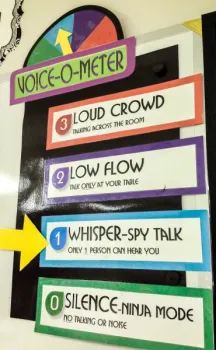
音量指示器
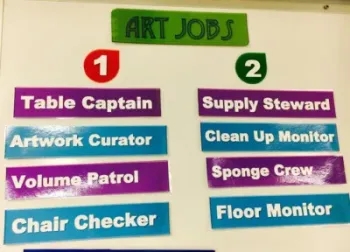
美术小岗位
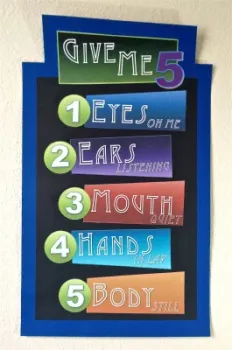
“给我五秒”(Give Me 5)
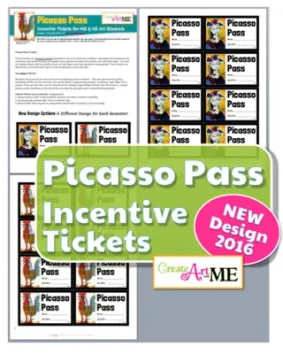
毕加索通行证——正向激励票券
本文是《美术教育博主网络:美术教师博客每月教学妙招与灵感集锦》系列的一部分。每月第二个星期二,这些美术教师博客将围绕同一主题,各自发布最精彩的教学创意。
参与的美术教师博客:
First Week of School – Start the Year with a BANG!
Original: https://createartwithme.com/first-week-of-school-start-the-year-with-a-bang/
Date: 2018-07-11
Author: Michelle East
Categories: 1st Day of Art Class, 2nd Grade, 3rd Grade, 4th Grade, 5th Grade, 6th Grade, AP Studio Art (Advanced HS Art), Art Classroom Management, Art Games, Art Lessons, Elementary Art, Featured, HS Art, K-1st Grade, MS Art
Tags: Add-to-It Drawing, Affirm your students, Art classroom management, Art Classroom Management Tools, art classroom rules, art game cards, art room procedures, Art Room Scavenger Hunt, B.A.N.G., BANG, Bang Acronym, Create Art From Mystery Objects, End of Class Tasks, First Week of School, Fun Ways to Practice Classroom Procedures, give me 5, Practice Classroom Procedures., procedures true or false, Reveal a Picture, voice-o-meter
Anyone who teaches knows how important the first day and first week of school is – no matter what subject you teach! It is VITAL that students begin to understand and practiceprocedures-like art classroom rules, Palette Classroom Management System, Art Jobs, Give Me 5, End of Class Tasks and Voice-O-Meter, and begin to set goals. Skipping these important items will lead to management failures in your classroom. Your students must understand the boundaries and expectations in your classroom and YOU must be the one to tell them what is expected of them from the very start of the year. Teaching and reviewing these important items doesn’t have to be bland and boring-make learning about the art room procedures fun with engaging activities! Start the year with a BANG!
B:
BOOST engagement with fun activities! Infuse important classroom management with art and other fun activities to make teaching procedures much more engaging! I love this idea from Diary of a Not so Wimpy Teacher’s post Fun Ways to Practice Classroom Procedures. This is great for elementary students! Freebie from ME– Art Classroom Procedures and Rules Game Cards and Truth or False Statements (editable).
While using technology is fun and good, you don’t need any fancy computer game board or pre-made board game to review the rules and procedures-keep it simple.
Add-to-It Drawing
Place two large pieces of paper on a board or divide a white board into two halves. The idea is that each team will add to their teams drawing each time they get an answer right. Divide the class into 2 teams. Give one team a question to answer. If they answer correctly, they get to add something to the drawing. The drawings are complete when you run out of questions.
Art Room Scavenger Hunt
Students will use the digital cameras on their phones or any other device that would work to take pictures of a list items in the classroom. (Ideas: sinks, paint brushes, watercolor paints, colored pencils, markers, scissors, glue, pencil sharpener, paper, teacher’s desk, classroom rules, hall passes, etc.)
I LOVE THIS IDEA! After reviewing classroom procedures, give each students a lunch sack with a variety of art materials, bags should include different materials. “(Ex: paper tubes, sections of egg cartons, foil, cellophane, fabric, gift wrap, feathers, sequins, yarn, bubble wrap, paper plates, Styrofoam cups, pipe stems, stickers, glue sticks, scissors, markers and crayons)
Explain to children that they will each get a surprise bag full of art materials. Tell them that they can use the materials to create their own special art project. They can create whatever they want. It can be a flat collage or they can make a sculpture.”
**Another idea to go along with this concept would be to give the bag of supplies, but the students make a poster or sign of one of the procedures or rules.
Reveal a Picture
Divide the class into 2 groups. Use two existing posters of a famous paintings or make a poster with an art quote or encouraging statement on it. Tape or use sticky tack to attach 6-8 pieces of construction paper over each poster (depending on how many procedures or rules you want to review). Play true or false with the classroom procedure statements (EX: The Art Curator’s job is to pick up scraps of paper off the floor at the end of class-False). As each team guesses correctly, they get to remove one of the pieces of the poster. First team to reveal the whole poster wins an extra Picasso Pass. The Picasso Pass is like GOLD to the students!!
AFFIRM your students! Create a positive environment for learning and practicing new skills! From day one, let them know that you believe in them, that you are there to help them succeed, and that they have potential to do great things. Artists are C.R.E.A.T.I.V.E. Poster. Building a positive relationship with your students begins as they first meet you.
Start on the first day-greet them as they come in! Begin to learn their names. I like them to write their names on the front of their papers on the first day so I can see it and then verbally encourage their artwork saying something like “Johnny, you have used color in such an interesting way“. Saying their names out-loud after I read it helps me to memorize their names. Yes, I know we all have a gazillion kids, but they need to know you think each one is important and valued in your classroom.
It is also a time for students to begin to grow positive relationships with their peers. Start off with some icebreakers for the students to get to know each other. As a result, you will begin to develop of a feeling of family with your classes.
N:
NURTURE a Positive Classroom Environment: Establish a positive attitude in the classroom and squash negative comments and attitudes immediately. A positive classroom is more than verbal interaction or just a feeling, it is also has to do with the physical space and arrangement of the room.
Design your room to flow smoothly. Think about placement of supplies, sinks, drying racks, art storage, etc. How will the students access all these things with minimal disruption to the students around them. For example, what direction should students walk in order to do put away their artwork? You don’t want students bumping into each other because the flow of the space was not planned out appropriately. When students know the procedures and follow them it leads to a positive classroom environment. Marvin Bartel has an excellent article on setting up an art room: “Art Classroom Design”.
G:
GOALS: Set goals with your students and help them track their growth. Where are they now, where do you want them to be by the end of the term, semester and year! Goals should be age appropriate and clearly measurable, they should be designed to be SMART. The Art of Ed has a great article on setting goals in the art classroom called “Why Helping Students Set Personal Goals is a Must Do” and downloadable worksheet! It is helpful for students to have a tool to see how their daily experiences lead them to a bigger, overarching goal. Giving them specific feedback on their artwork can be directly impactful in helping students meet their goals by discussing where they might need to improve and what they are excelling at. Discussing learning goals for projects or TAB stations also helps them identify what skills you are teaching and expect them to learn.
Here are some ideas on setting artistic goals:
- Improve the ability to verbalize and write intelligently about pieces of art using art vocabulary and knowledge of art history.
- Growth in specific art medium techniques: charcoal, graphite, pastel, painting, sculpture, ceramics, printmaking, photography, mosaics, etc.
- Growth in use of color theory, composition, observational drawing, perspective and portraiture.
- Be able to identify periods in art history with major artists and art styles.
- Develop a body of work that shows artistic growth.
- Identify elements and principles of art in your own work and the work of others.
- Develop your own style and write or verbalize your art statement.
Therefore, whether you are a new teacher or veteran teacher, beginning the year starts the same way-With a plan! Remember to start the year off right with a BANG: Boost, Affirm, Nurture, & Goals.
*Amazon Affiliate Links- I only link products I use and love!
If you choose to use ANY part of this blog (graphic, pictures or written text), please link back to Create Art with ME!
(Check out the bundle)
Voice-O-Meter
Art Jobs
Give Me 5
Picasso Pass Incentive Tickets for positive reinforcement
This post is a part of The Art Ed Blogger’s Network: Monthly Tips and Inspiration from Art Teacher Blogs. On the second Tuesday each month, each of these art teacher blogs will post their best ideas on the same topic.
Participating Art Teacher Blogs:


