用羊毛与布料拼贴创作抽象画
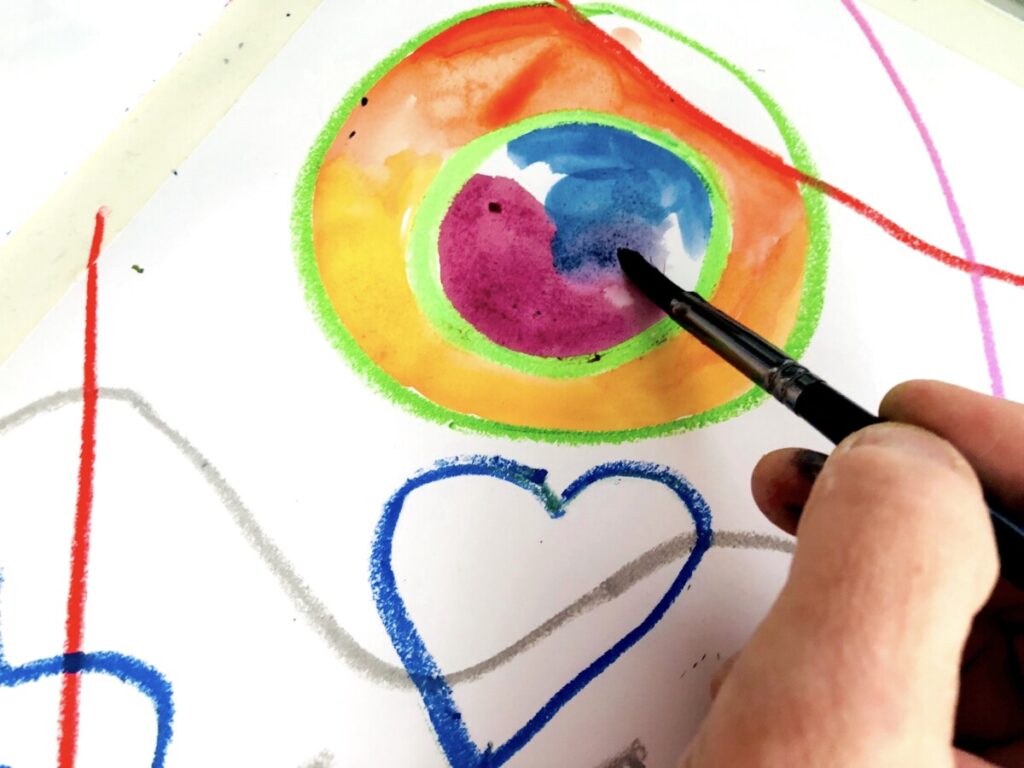
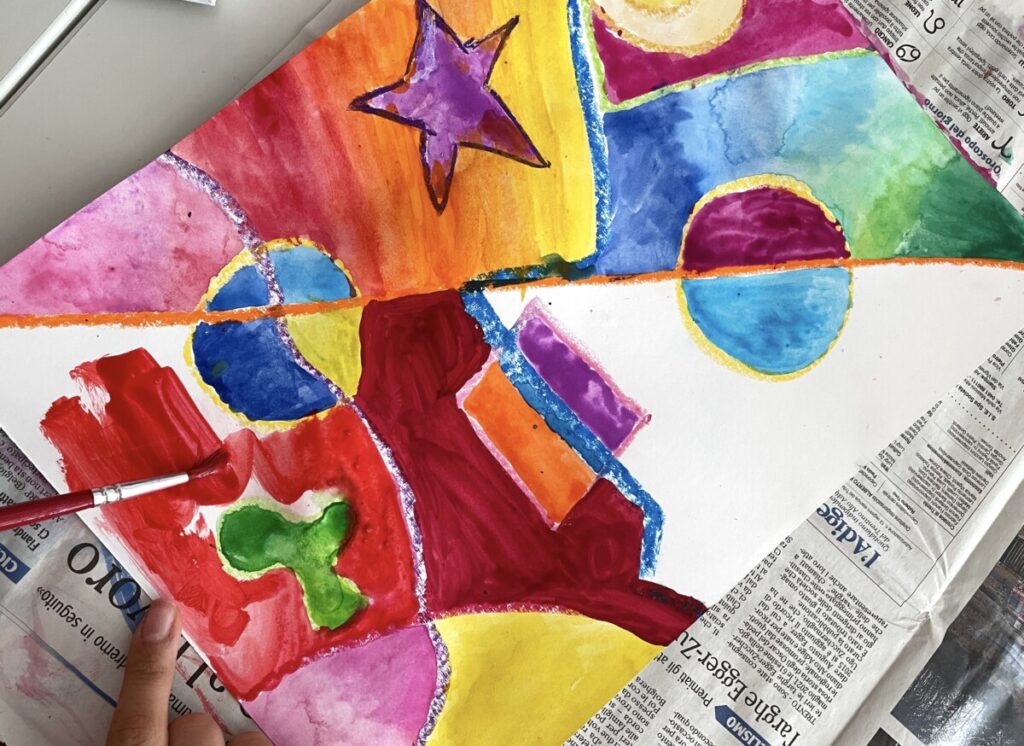
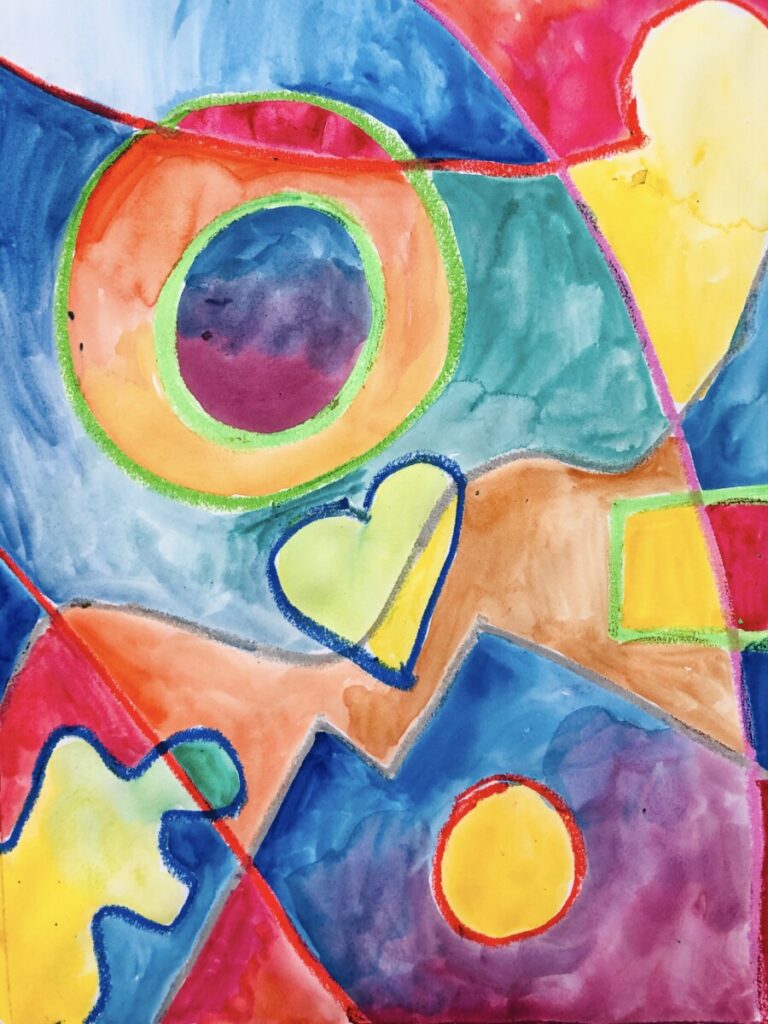
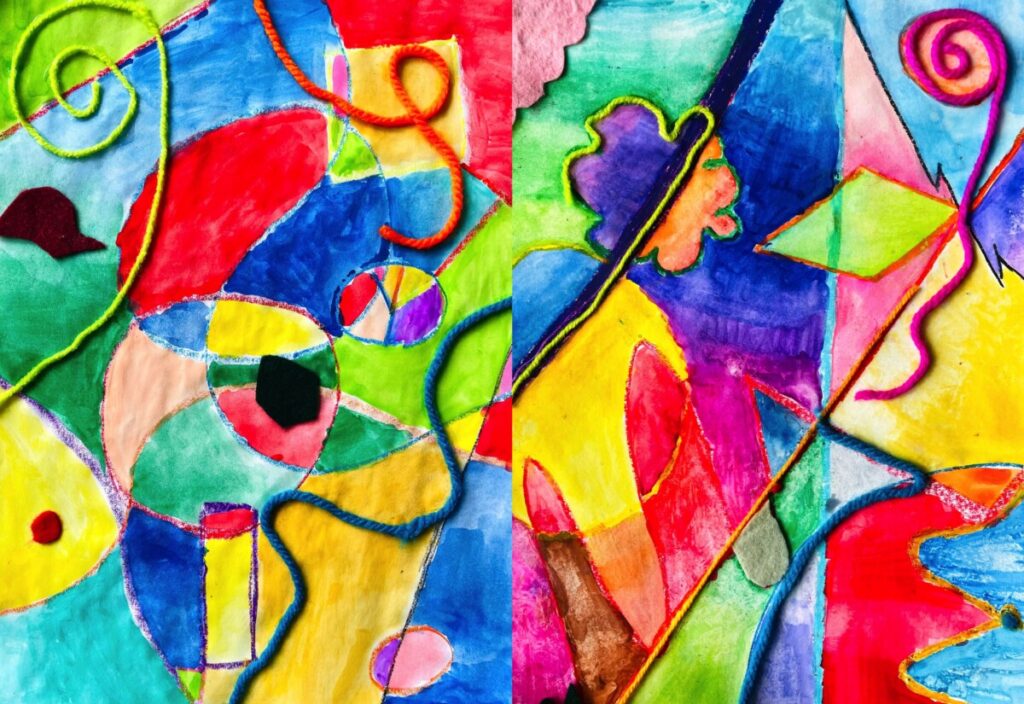
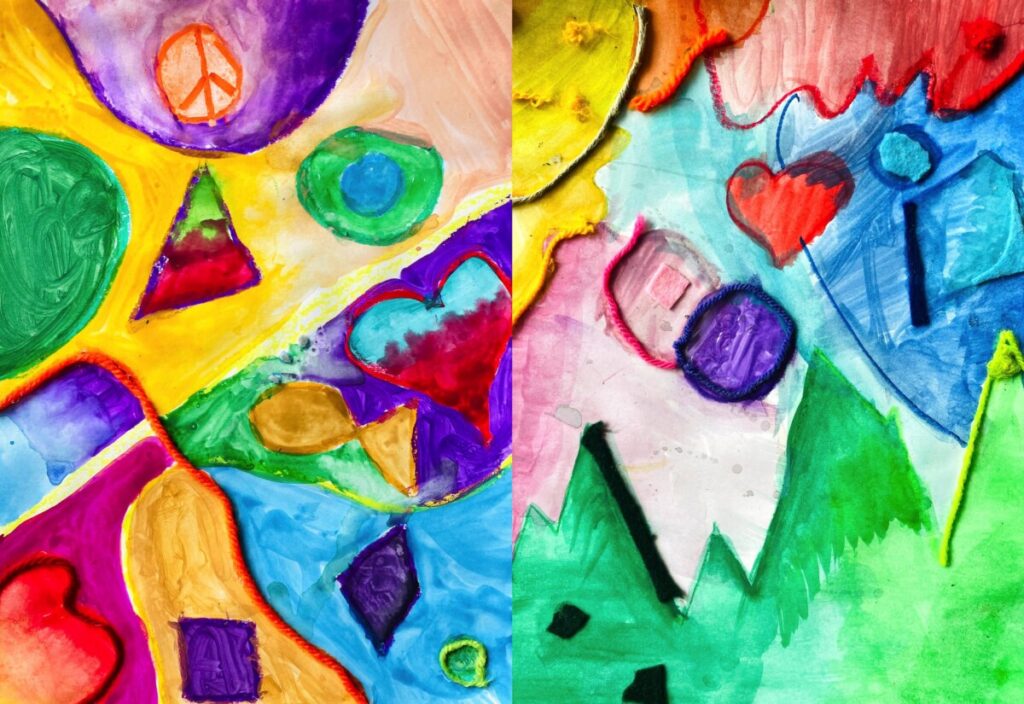
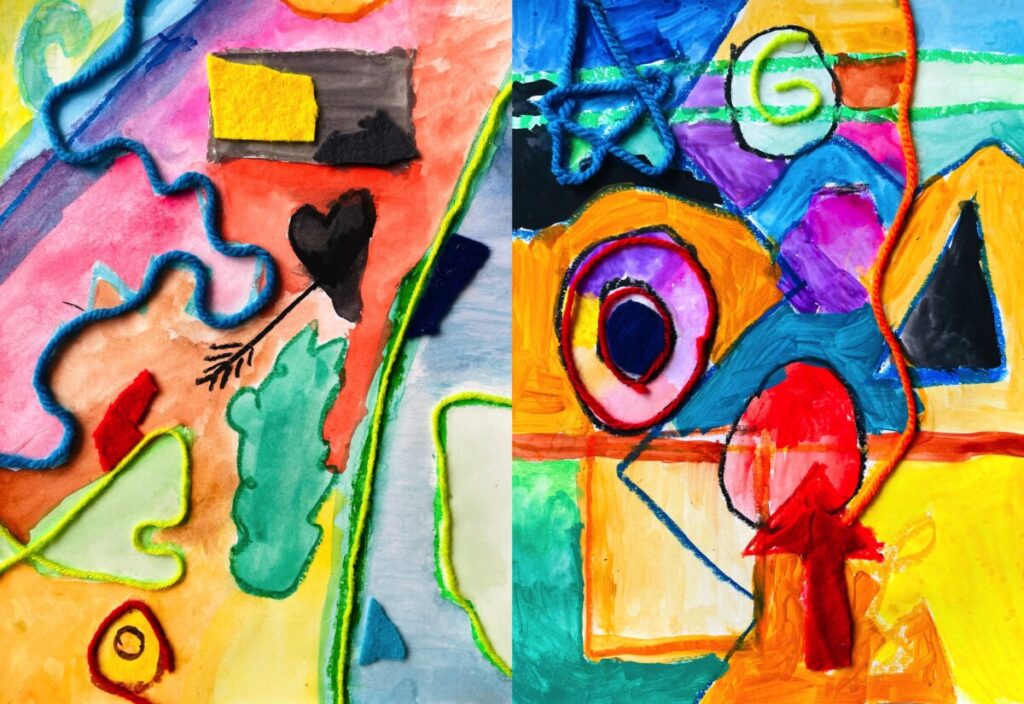
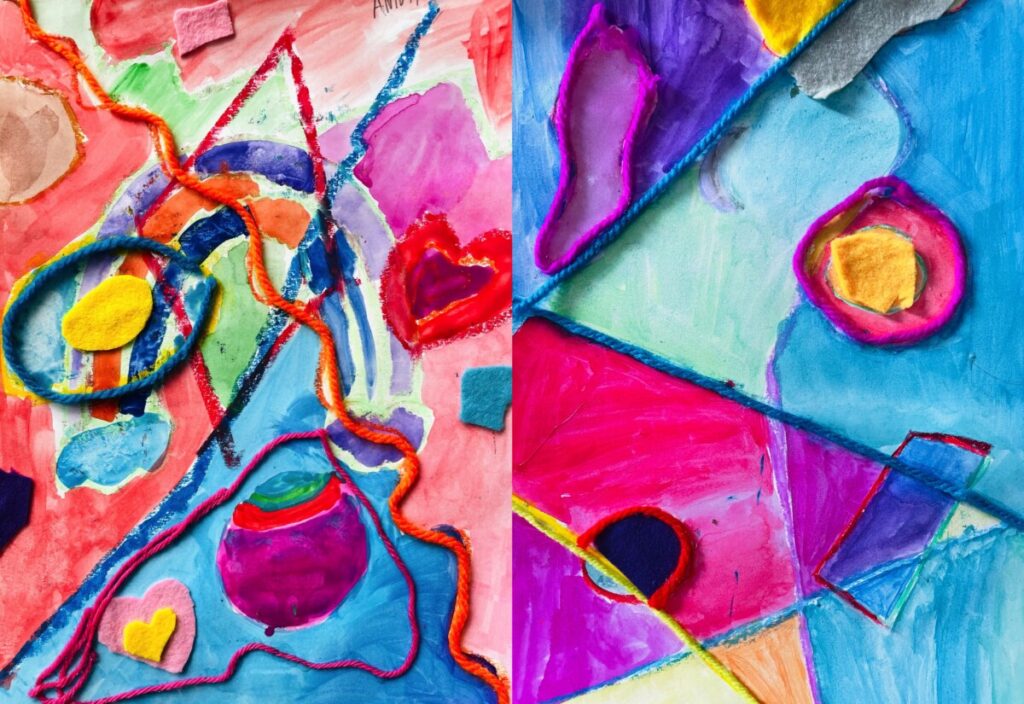
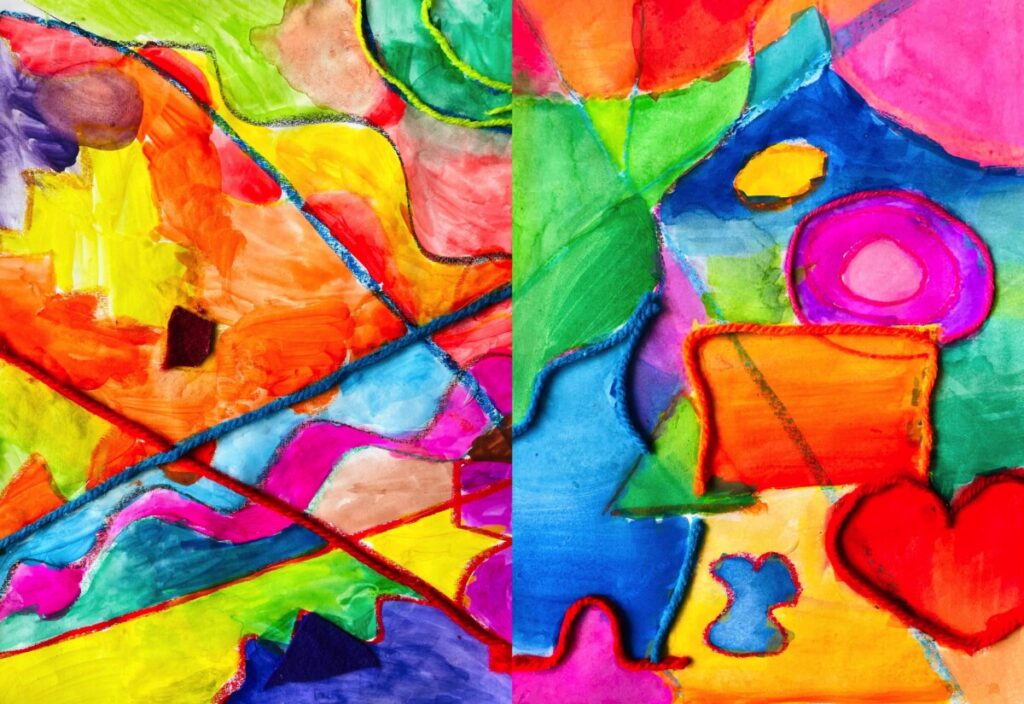
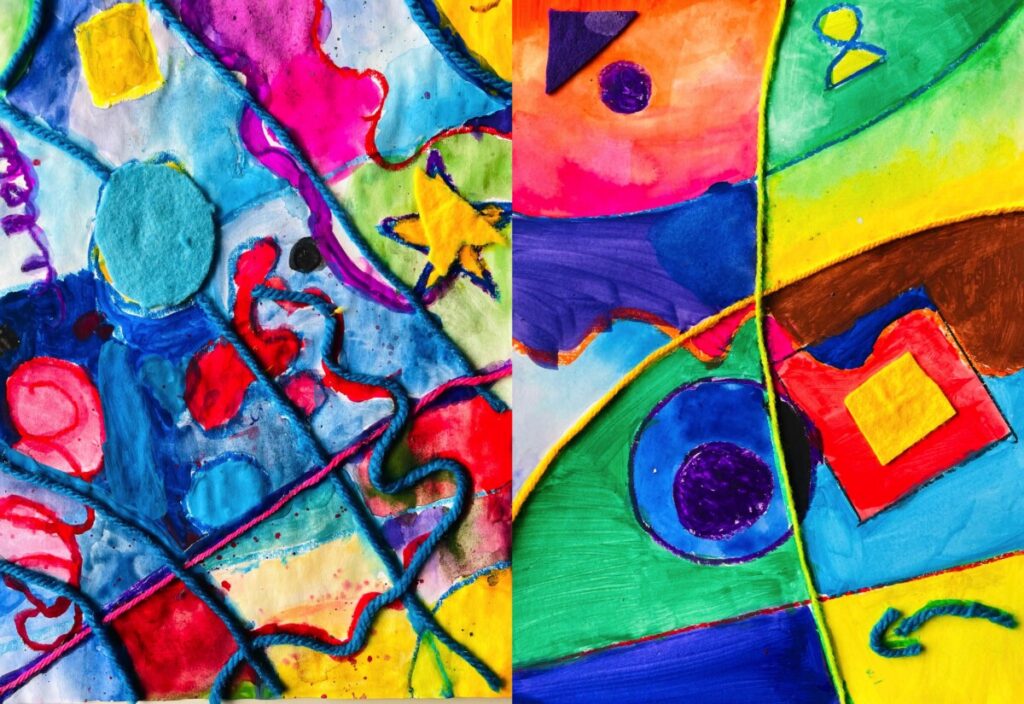
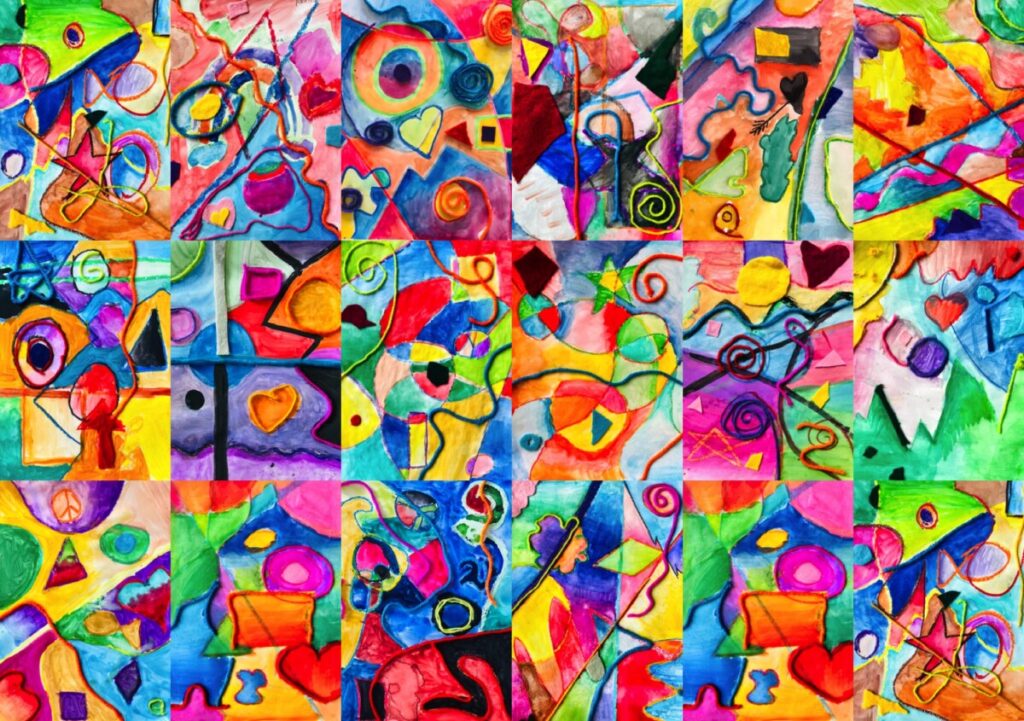
通过这种方式,你创造出可供水彩填充的空间。线条将界定出若干区域,使色彩浅色调得以渐变、混合或重叠。以下是我们的抽象水彩作品。
在六年级美术课上,我们探讨了美术的基本元素:线条(LINE)、形状(SHAPE)与色彩(COLOR)。通过欣赏瓦西里·康定斯基和保罗·克利等艺术家的作品,我们讨论了这三种元素如何被运用于构建具有强烈视觉与情感冲击力的抽象构图。
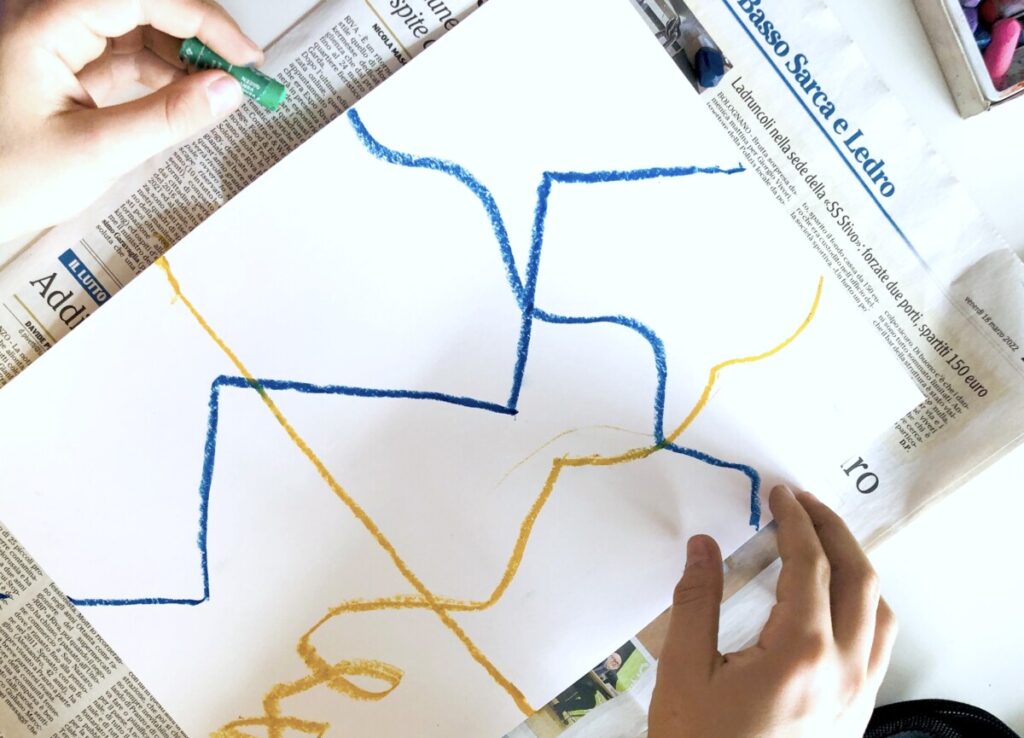
为完成这幅抽象综合材料绘画,我们严格遵循以下步骤:首先,用油画棒徒手绘制若干元素——
– 五种不同的线条
– 三个圆形,其中部分为同心圆
– 一个几何形
– 一个有机形态
– 一个象征符号
绘制的线条可自由交叉穿插,形状亦可突破纸张边缘。
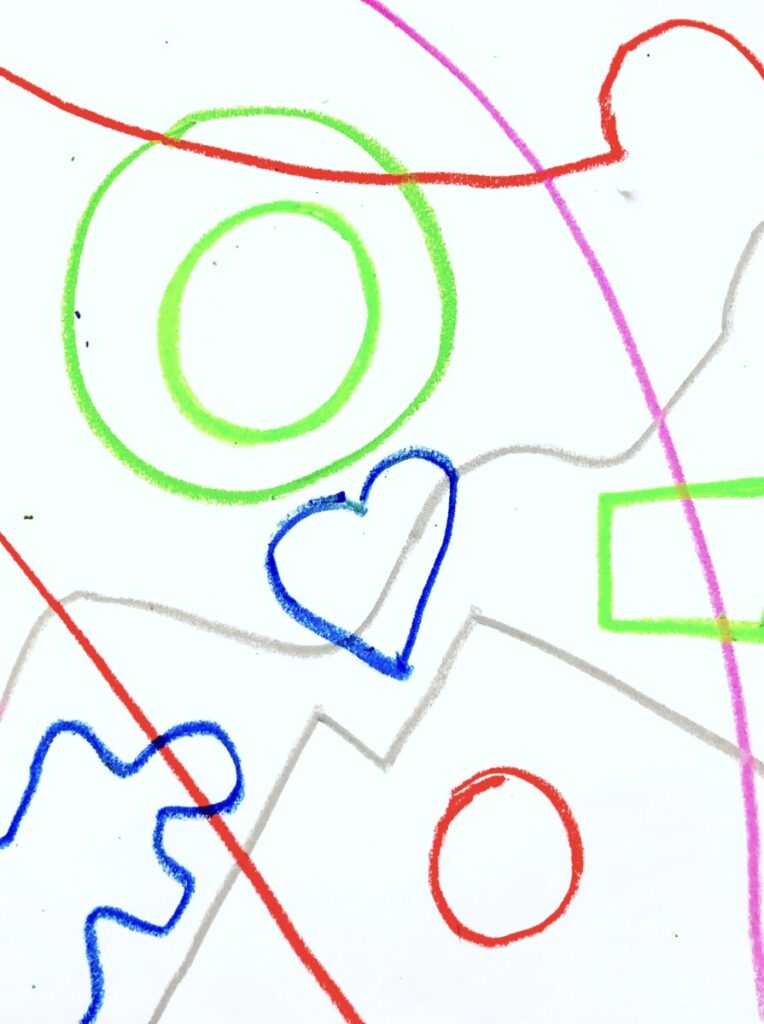
所绘线条与形状构成若干封闭区域,供以水彩涂绘:色彩可晕染、调和或叠加。此绘画练习要求学生细致地沿轮廓着色,并尝试营造平涂与明暗/排线并存的背景区域。
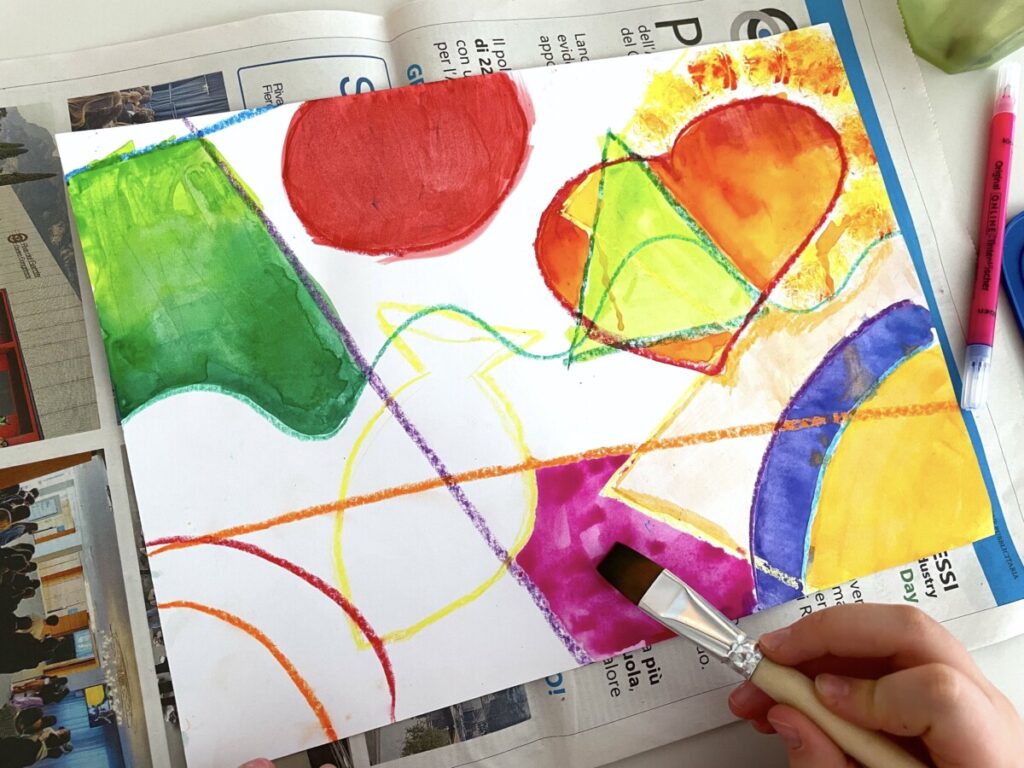
最后,为使画面表面产生“动感”,我们嵌入彩色羊毛线及小块布料造型,借此引入更多不同材质与厚度的表现元素。
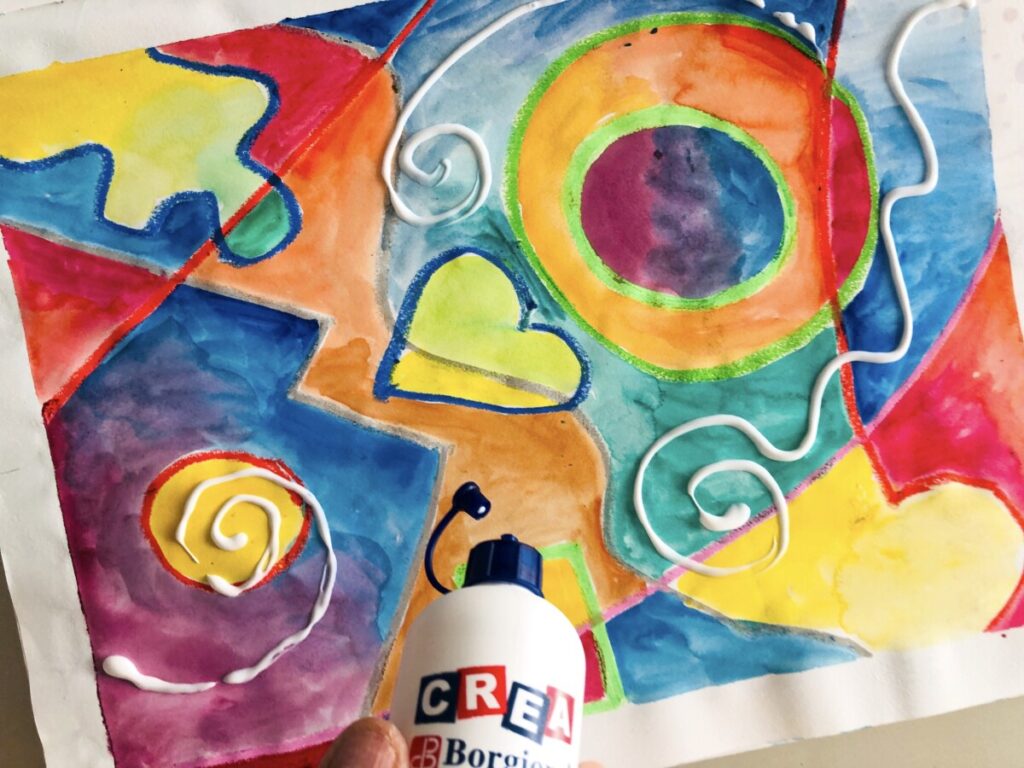
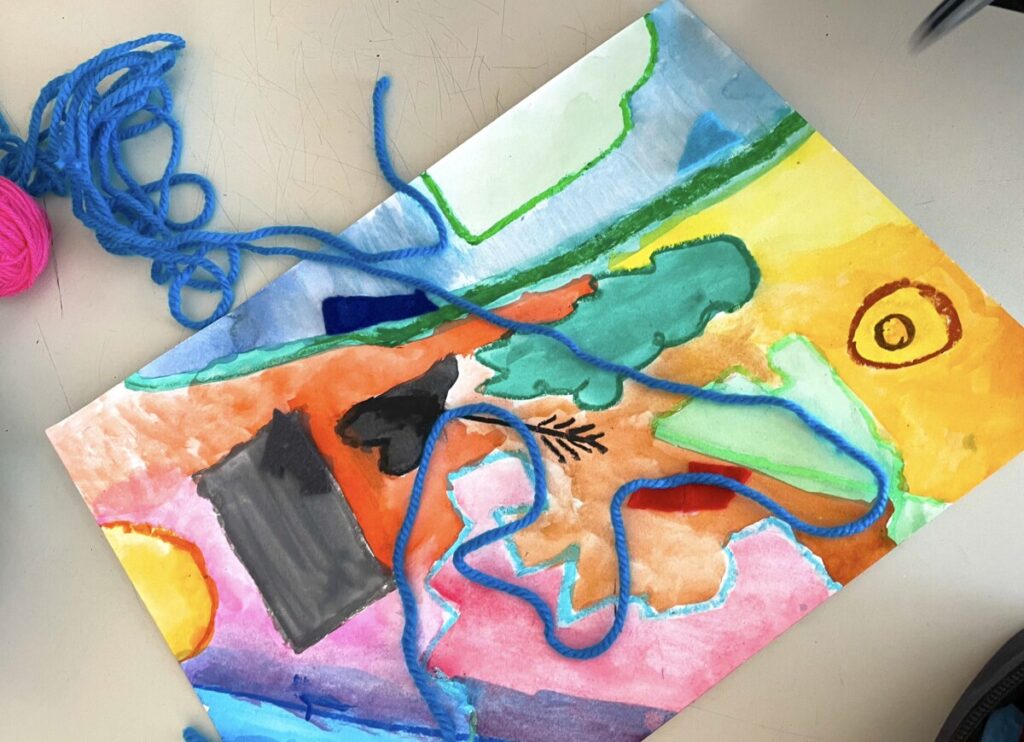
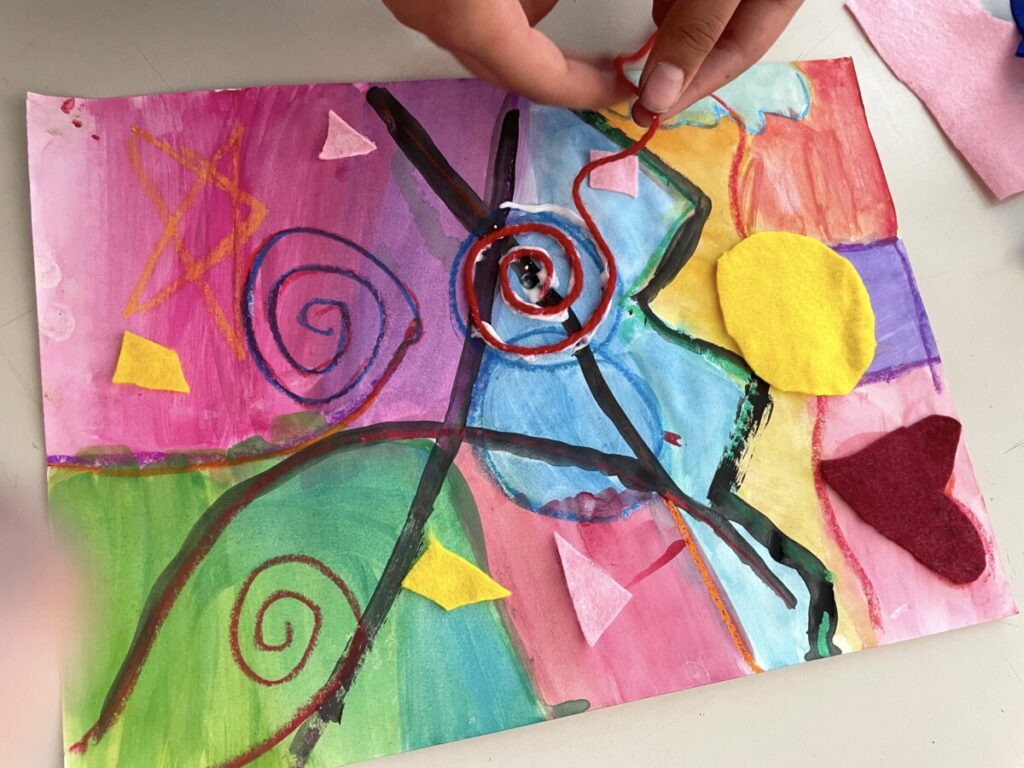
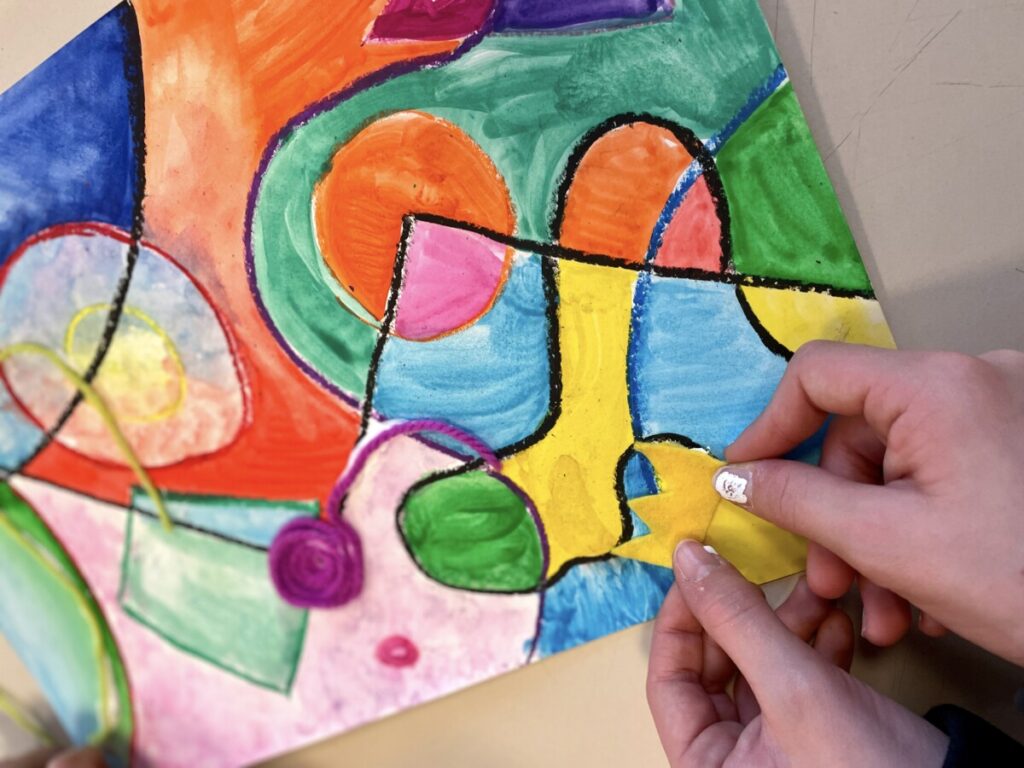
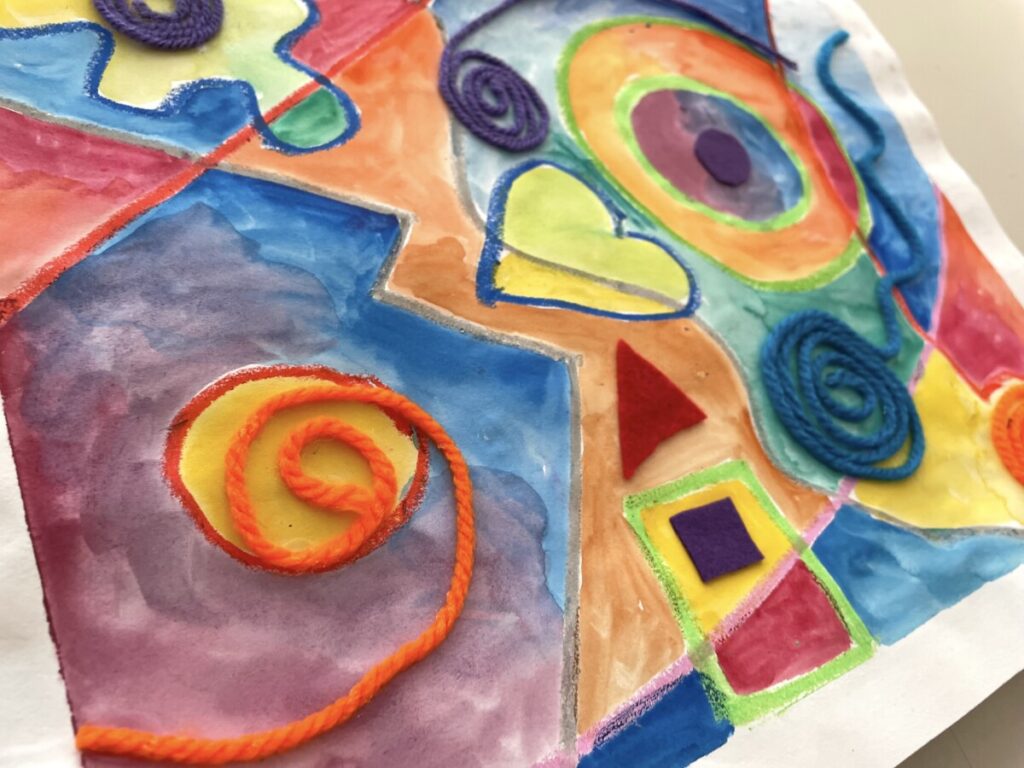
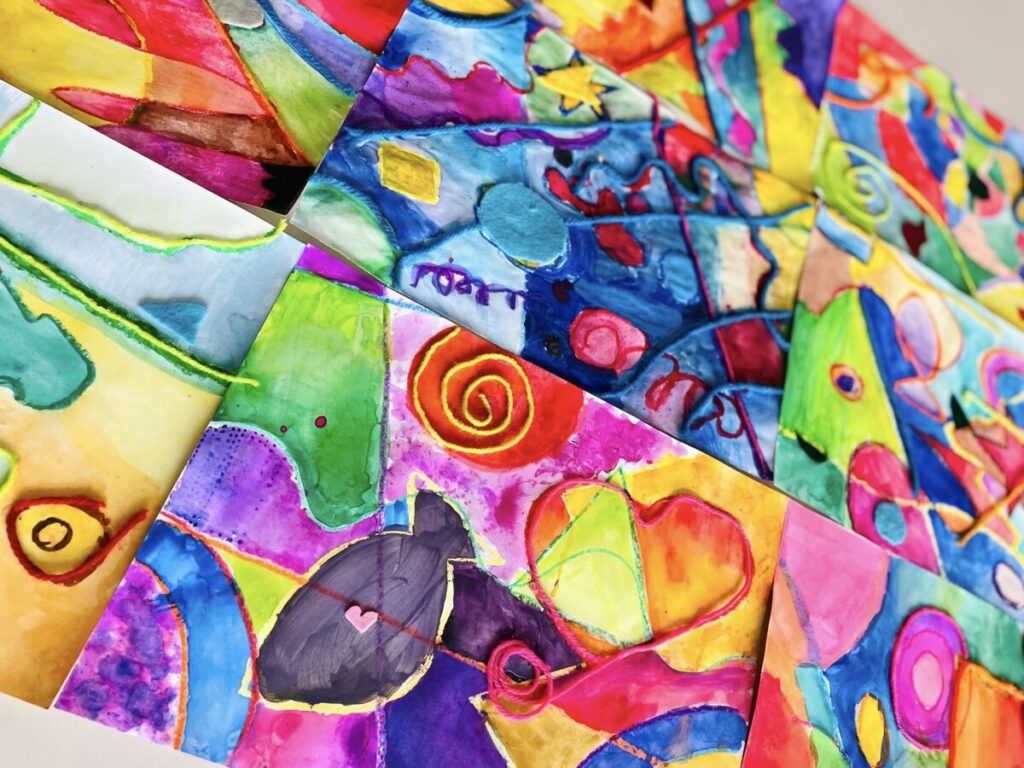
以下是我们的综合材料绘画作品:
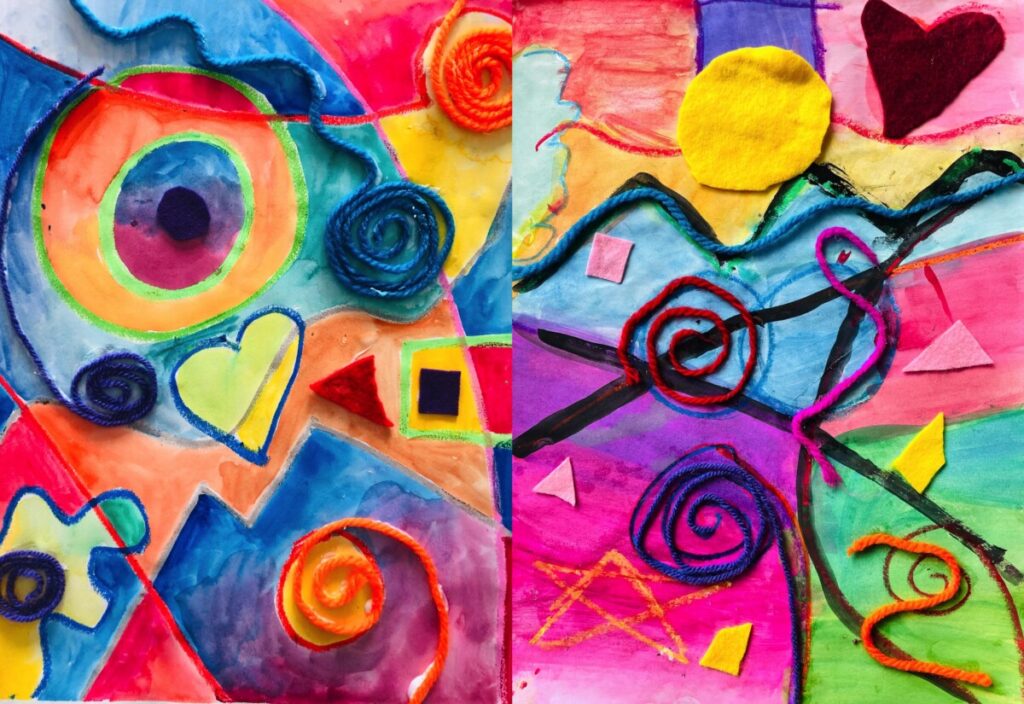
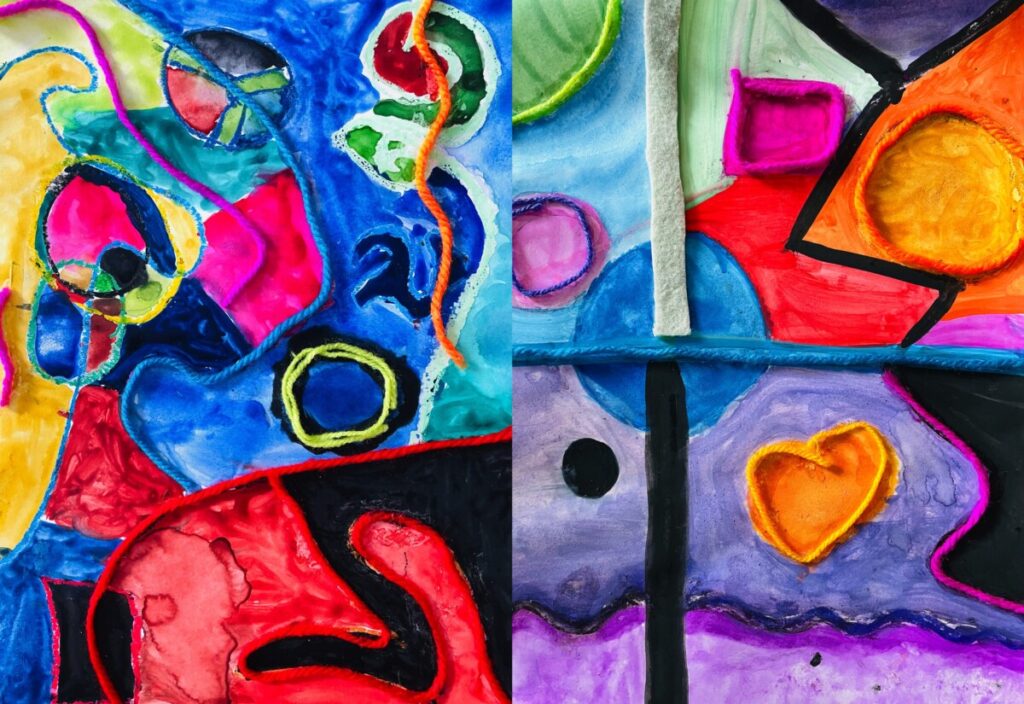
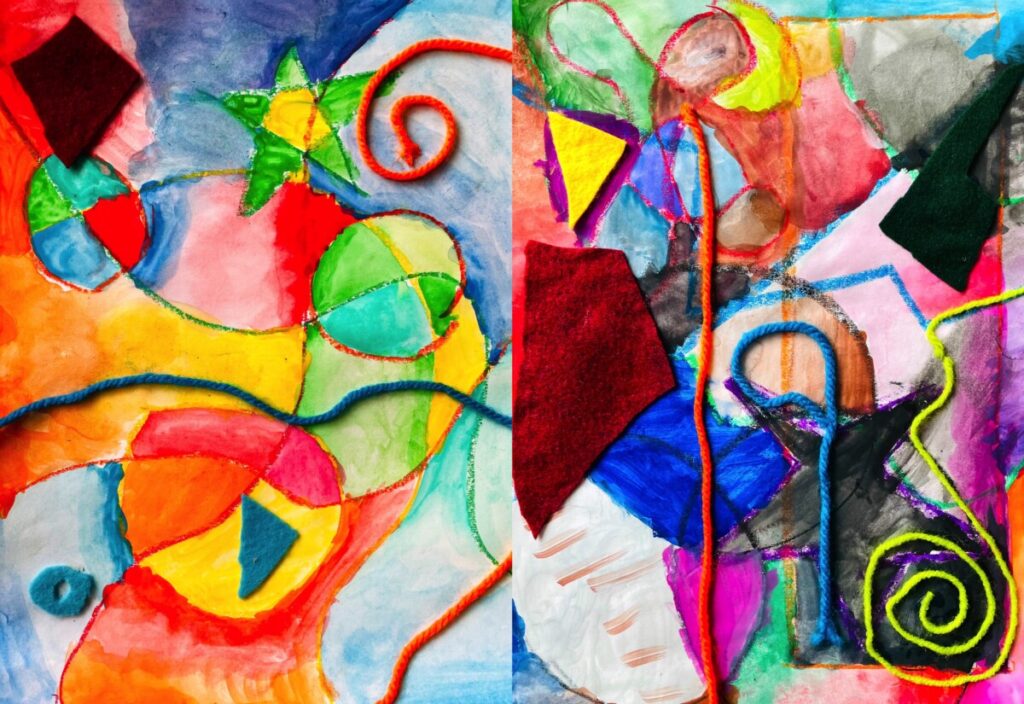
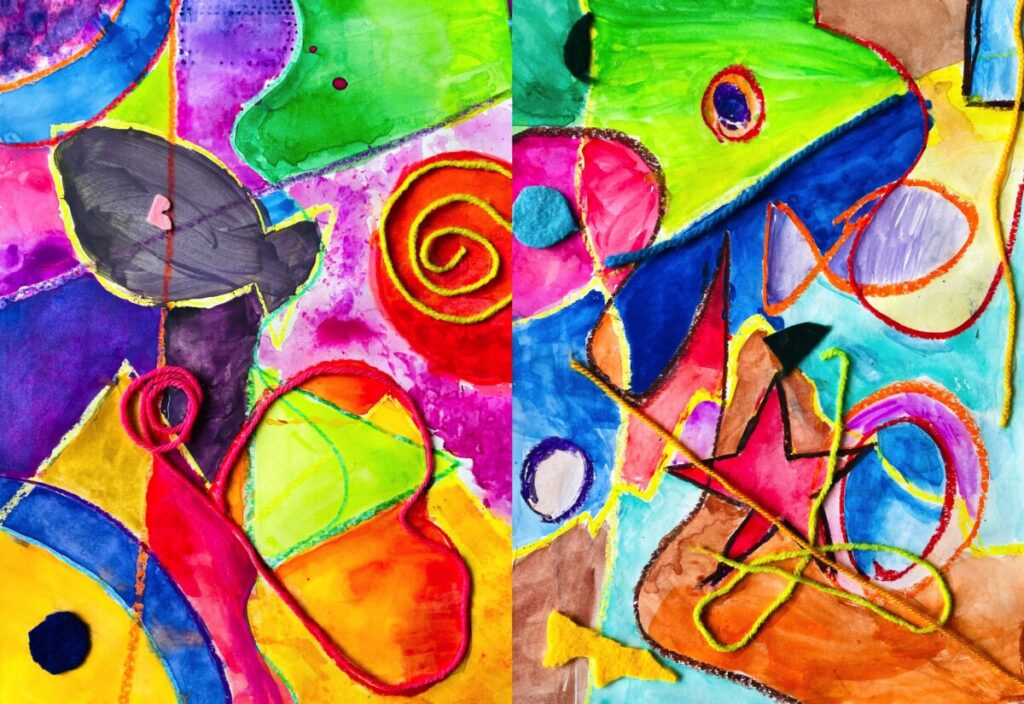
Abstract painting with wool and cloth inserts
In this way, you create spaces to be filled with watercolors. The lines will define fields where color tints can fade, mix or overlap. Here are our abstract watercolors
In the 6th grade classes we talked about the elements of art such as LINE, SHAPE and COLOR. Looking at the works of artists such as Wassily Kandinsky and Paule Klee, we discussed how these three elements are used to create abstract compositions of great visual and emotional impact.
To make this abstract mixed media painting we followed precise instructions: first of all, some elements are drawn freehand with oil pastels
– Five different lines
– Three circles, some even concentric
– A geometric shape
– An organic form
– A symbol
The lines of the drawing can interbreed with each other freely and shapes can get out of edges of the sheet.
The drawn lines and shapes create closed areas to be painted with watercolors: the colors can be blended, mixed or superimposed. The painting exercise involves some care in coloring within the borders and in creating areas with both flat and shaded backgrounds.
Finally, to “move” the surface of our painting, we inserted colored wool threads and small cloth shapes, in order to create further elements with different media and thicknesses.
Here are our mixed media paintings


