为棋盘游戏设计的纸币,以我们的建筑为主题
我们与瓦莱罗塔利亚纳-科宁斯贝格社区合作开展了这项有趣的活动,该社区即是我们学校所在地。
社区请我们为一款棋盘游戏设计若干纸币。
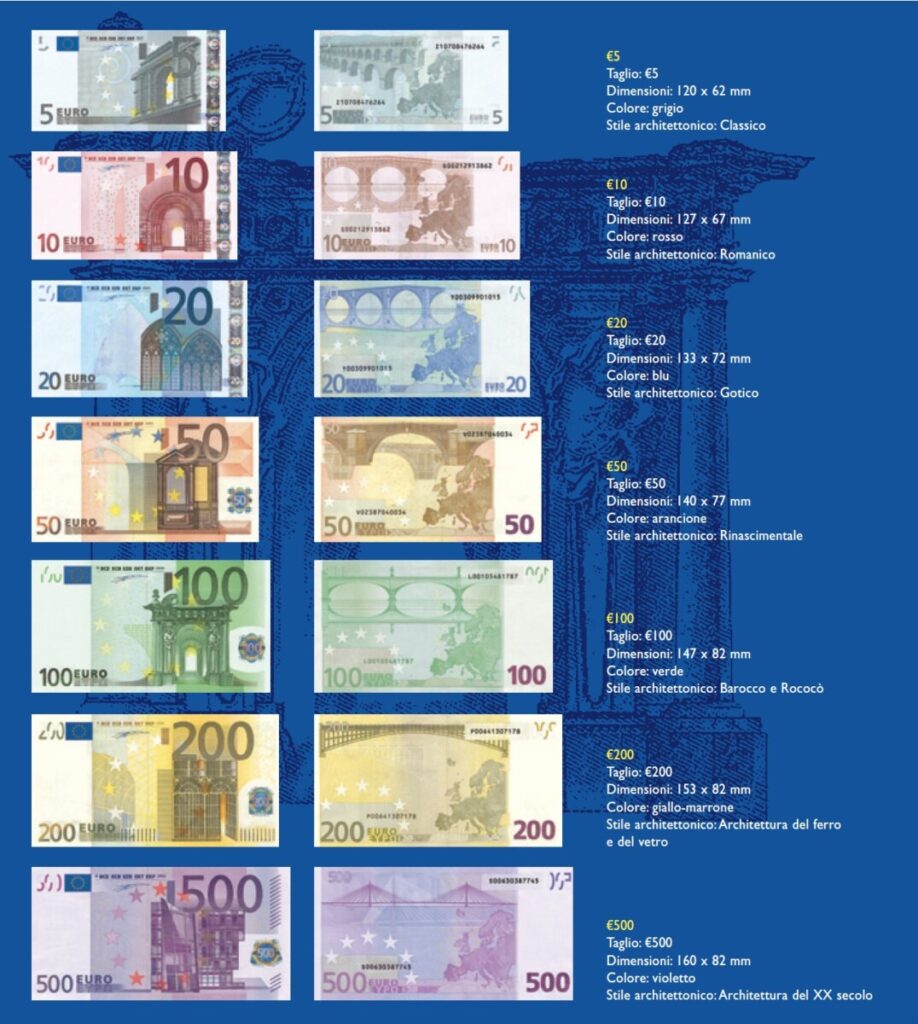
在设计纸币时,我们参考了欧元纸币的样式——其图案取材于不同历史时期的代表性建筑。我们注意到每张欧元纸币均具备以下特征:
- 特定尺寸:对应5、10、20、50、100、200、500欧元面额
- 特征色彩
- 建筑风格:对应某一历史时期,从最古老(5欧元)到最现代(500欧元)
- 正面为建筑,背面为桥梁
- 国徽、装饰纹样、地图及欧洲旗帜
我们沿用了欧元纸币的配色方案与历史分期(如下图所示),仅略去200欧元与500欧元两种面额。
整个创作过程分为四个步骤:
- 收集本地区建筑的摄影图像。学生们拍摄了家乡及周边地区的民居、宫殿、教堂、桥梁与纪念碑。
- 针对这些建筑开展历史研究,并按历史时期(从最早至最新)对图像进行分类。
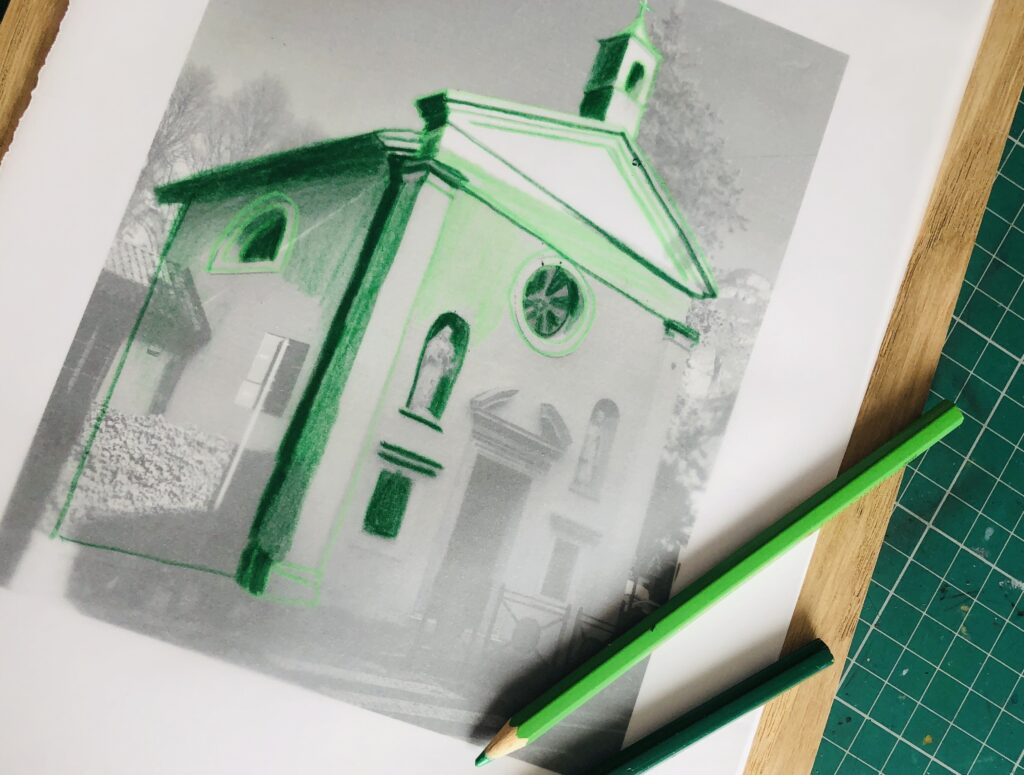
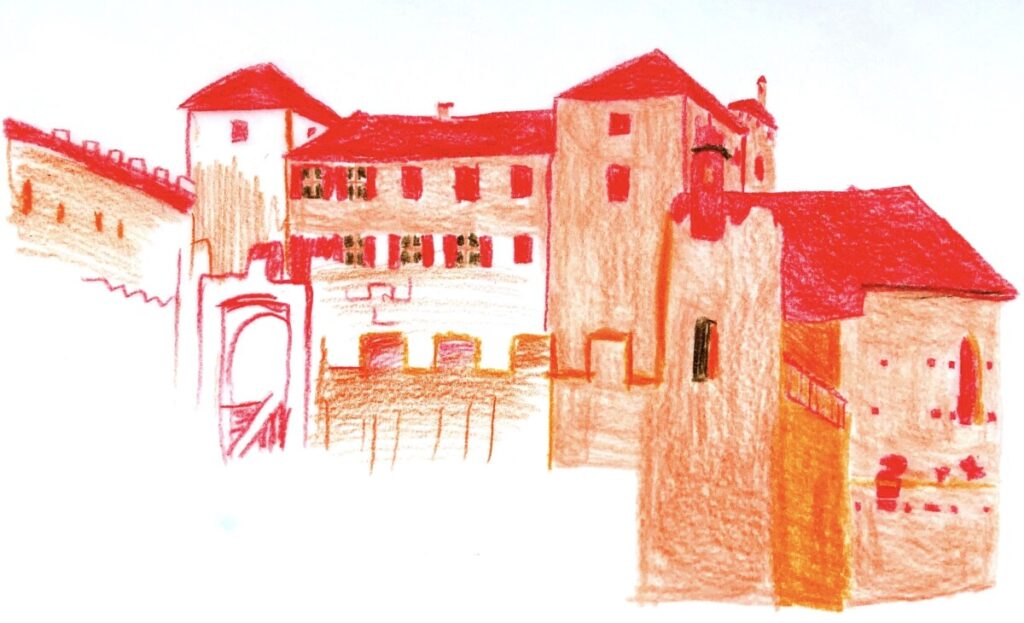
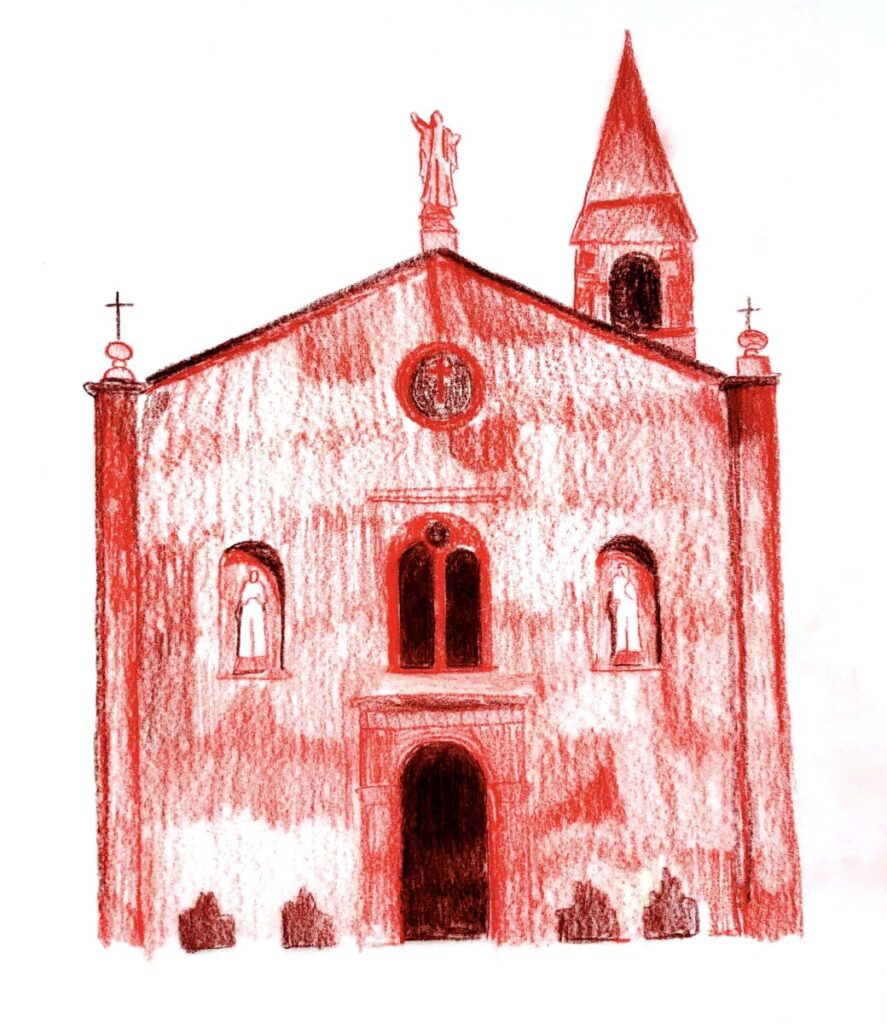
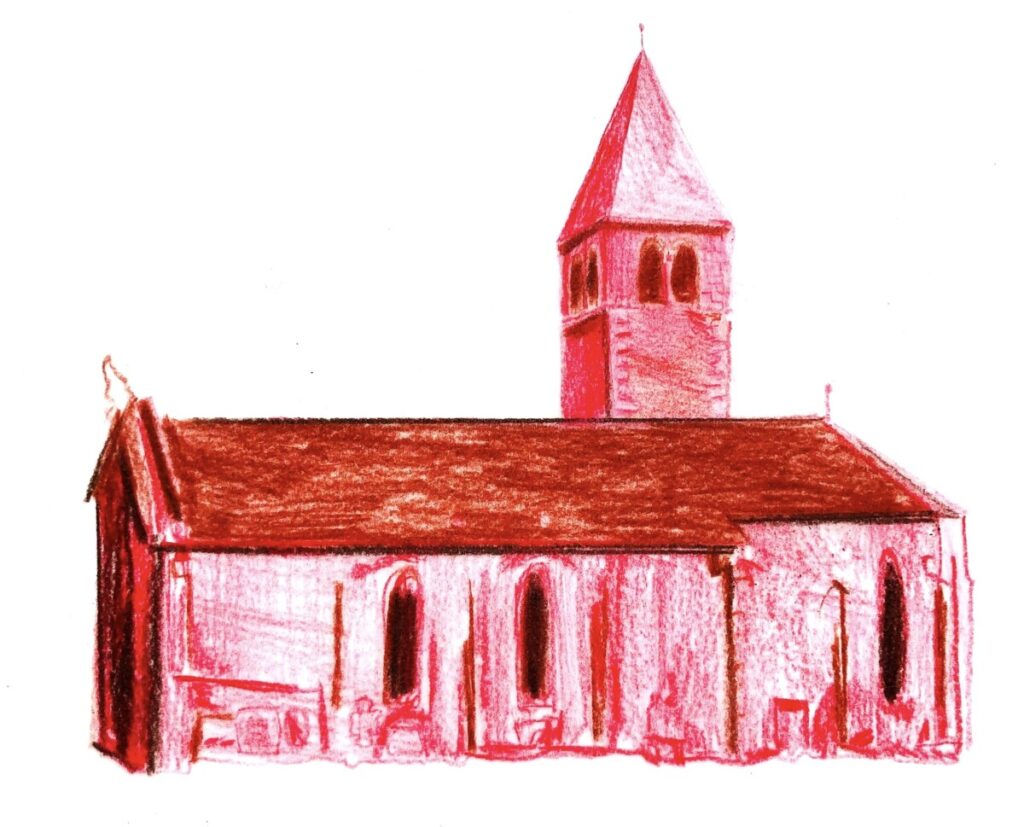
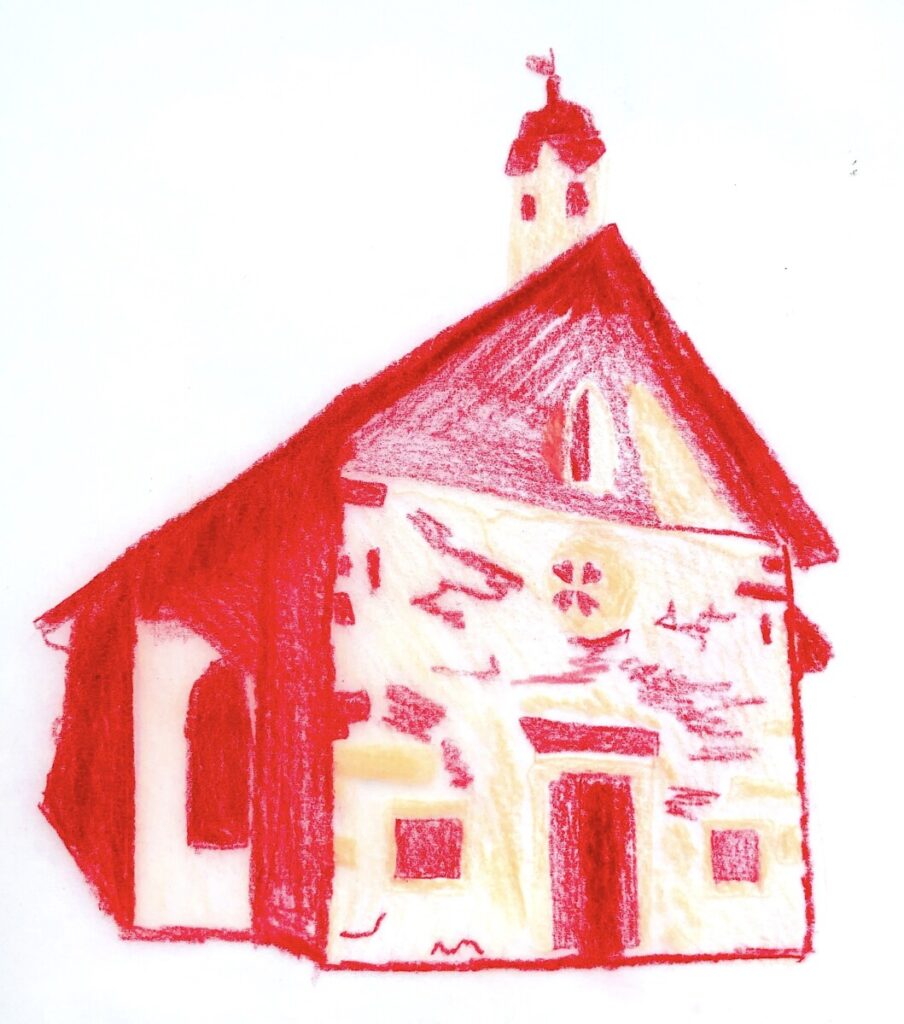
- 根据纸币面额与对应历史时期,用彩铅在描图纸上完成单色素描;作画时以照片为范本,准确表现形体、光影与明暗。
- 运用学校GSuite平台共享的Google绘图工具,进行数字图形编辑,最终完成纸币设计。
在实地拍摄周边名胜古迹后,学生们对每一处纪念碑、建筑、教堂或桥梁展开历史调研;继而按历史时期对建筑图像进行归类,以便为不同时期赋予特定色彩:
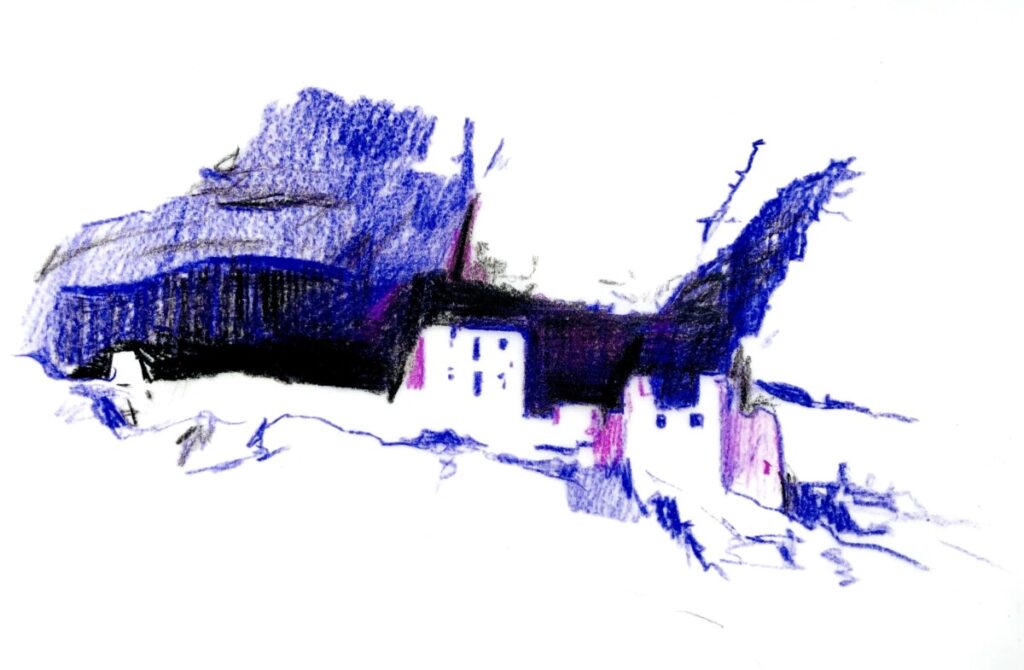
- 5欧元:灰/紫,公元1000–1400年
- 10欧元:红/粉,公元1500–1600年
- 20欧元:蓝/浅蓝,公元1700–1800年
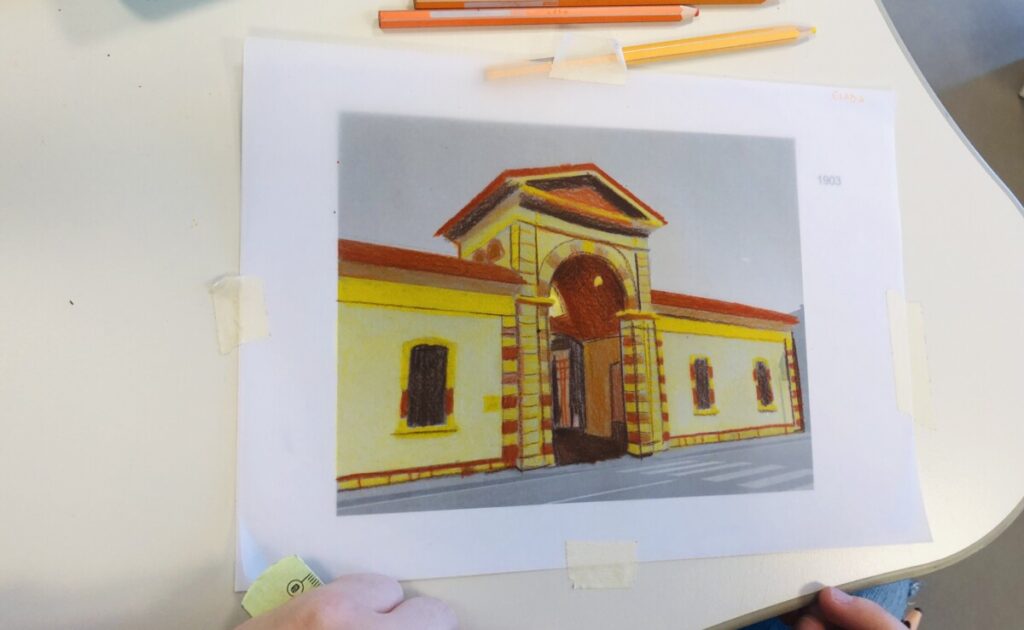
- 50欧元:橙/黄,20世纪初
- 100欧元:浅绿与深绿,1950–2000年
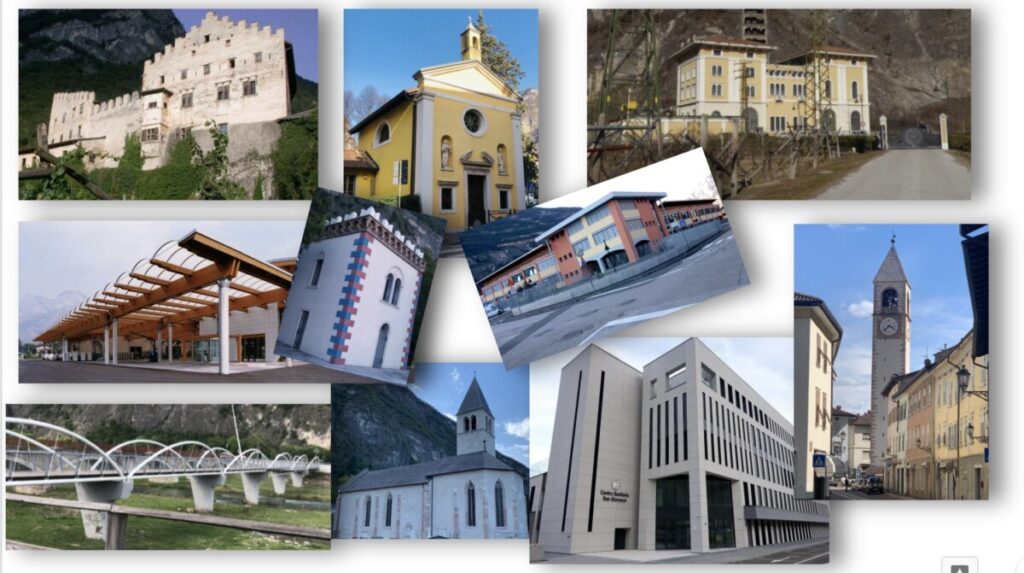
学生所选部分名胜古迹图片
素描使用彩铅绘制于描图纸上,严格参照照片中的形态、受光与阴影关系。
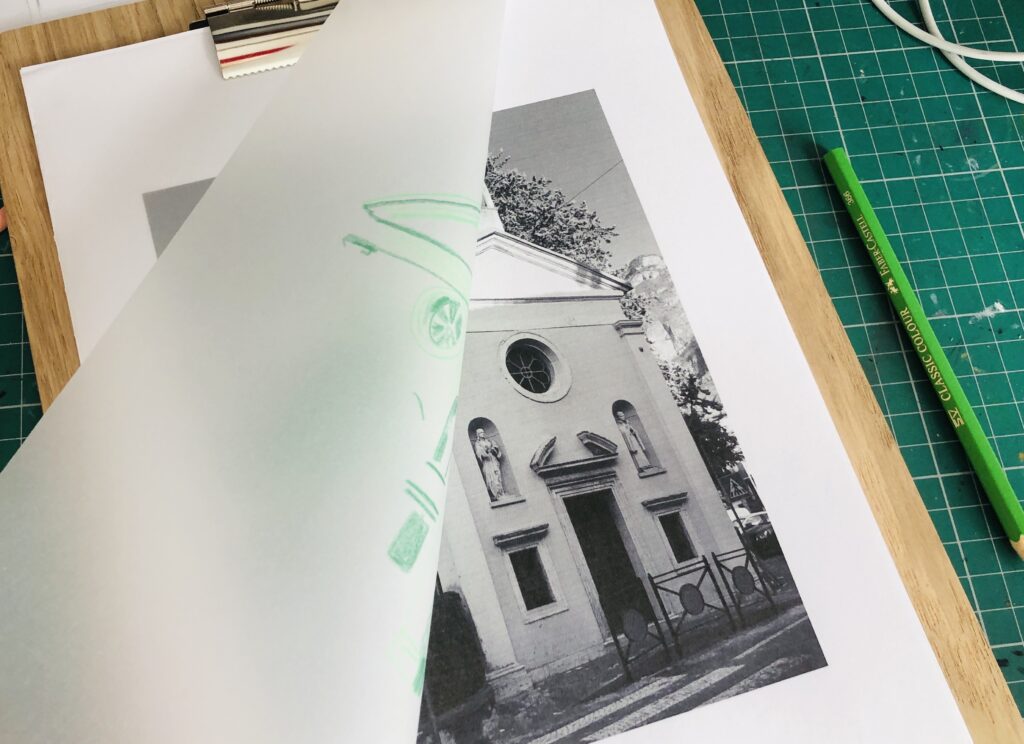
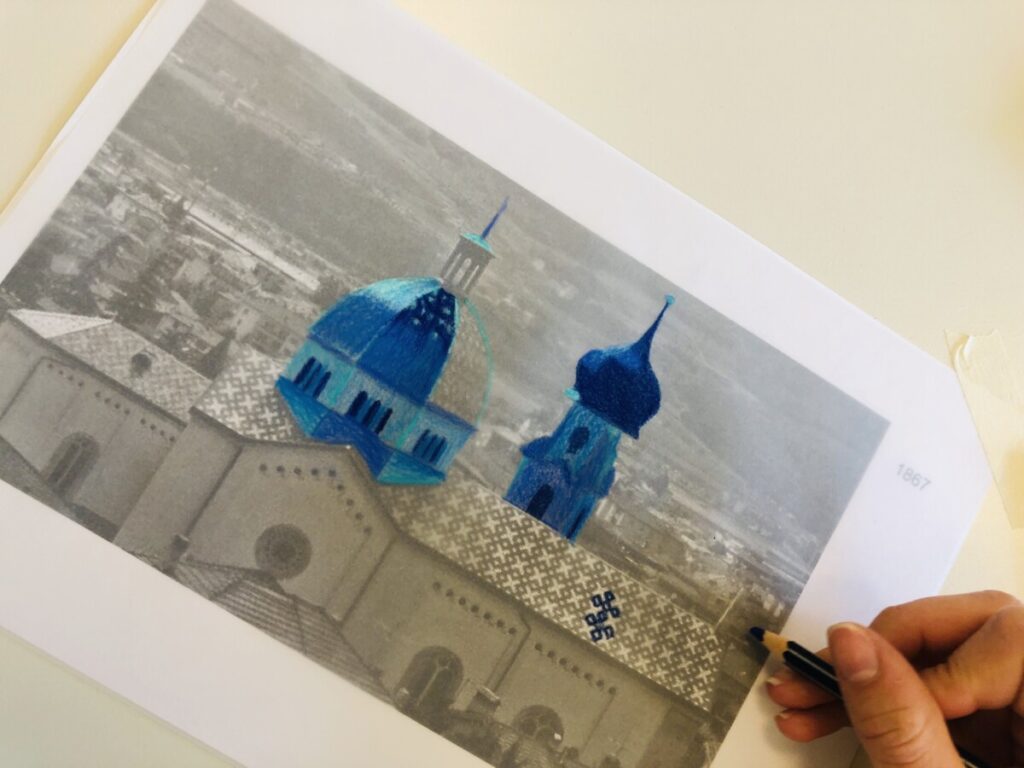
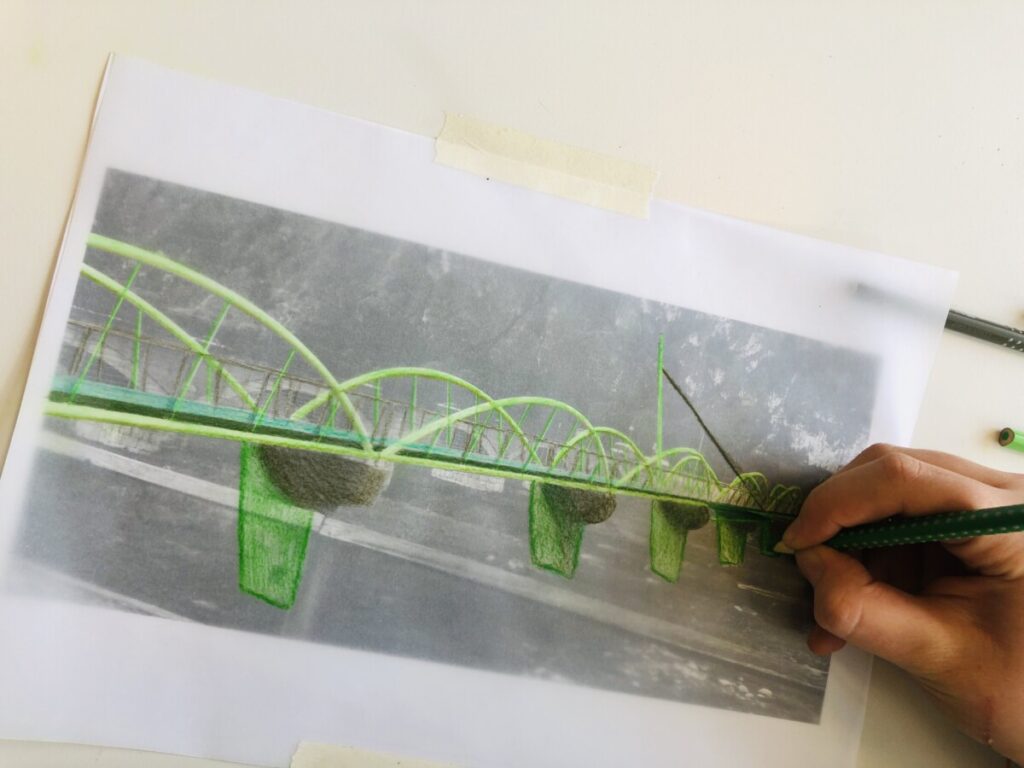
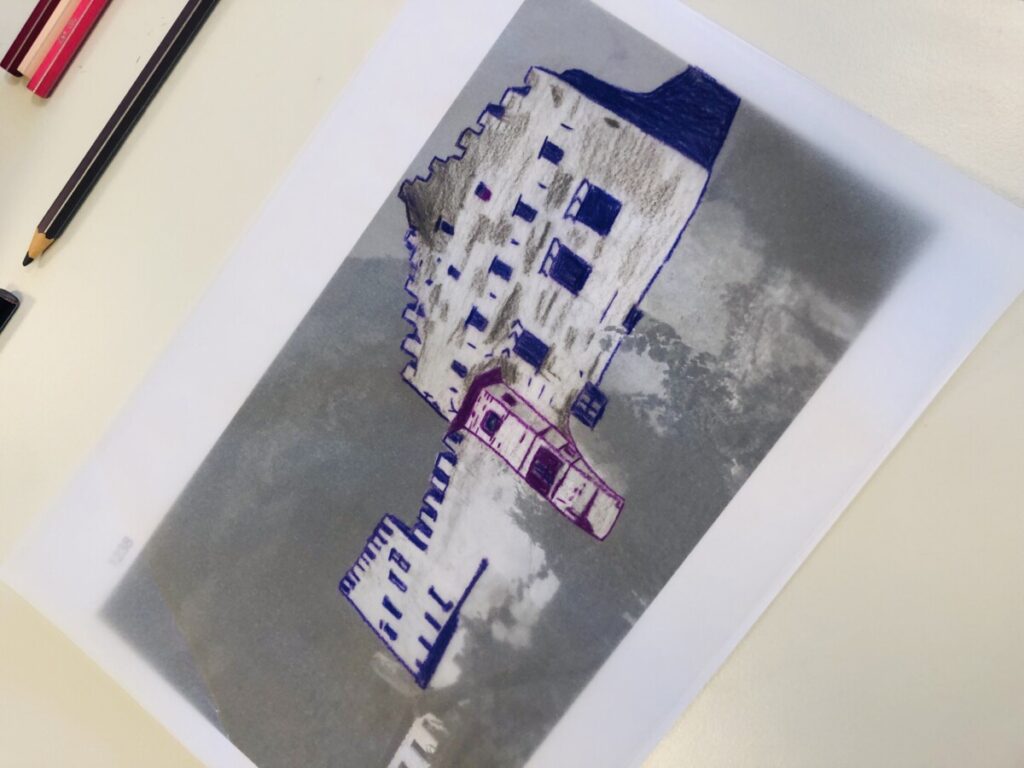
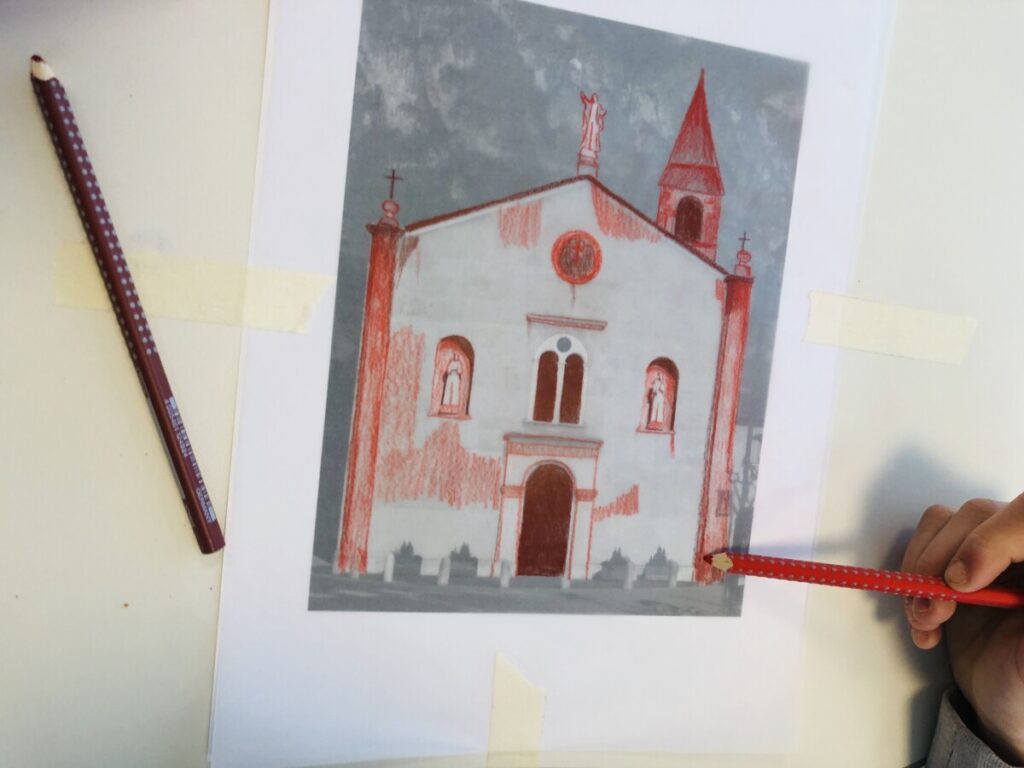
素描作品经拍照后,在数字环境中“抠图”,以便导入Google绘图软件,用于纸币的后期编辑。
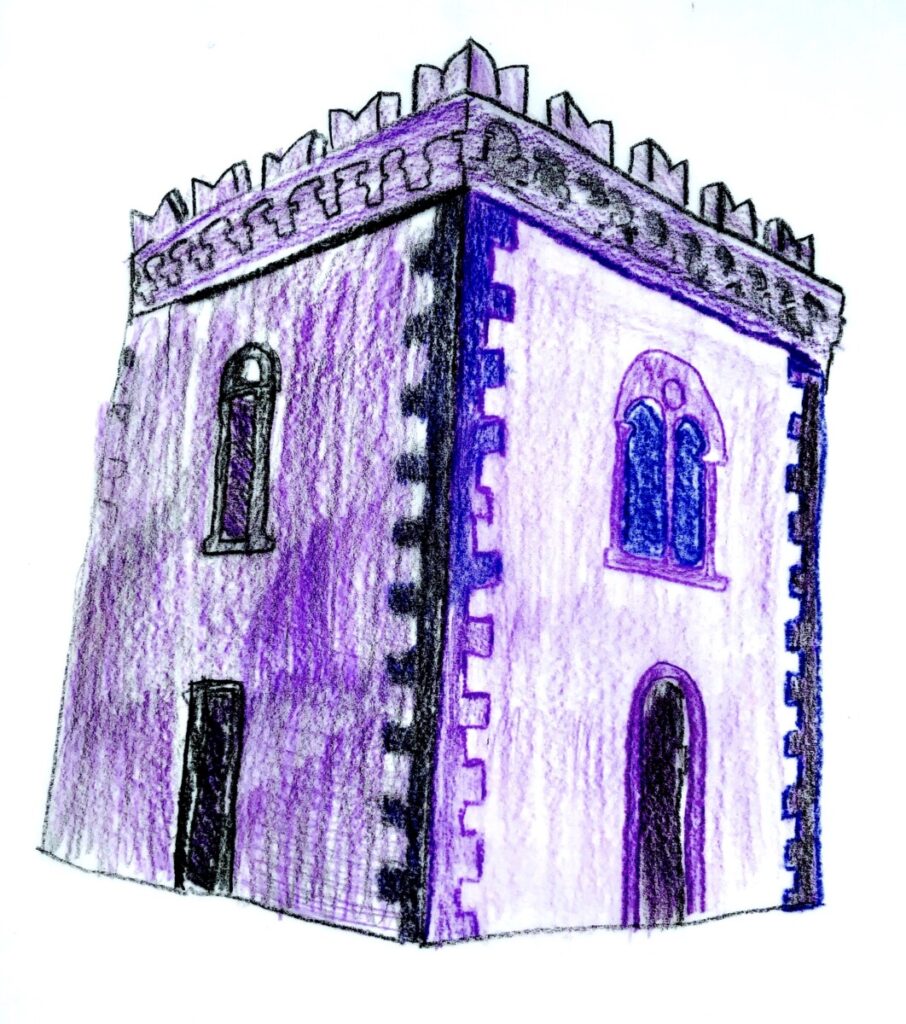
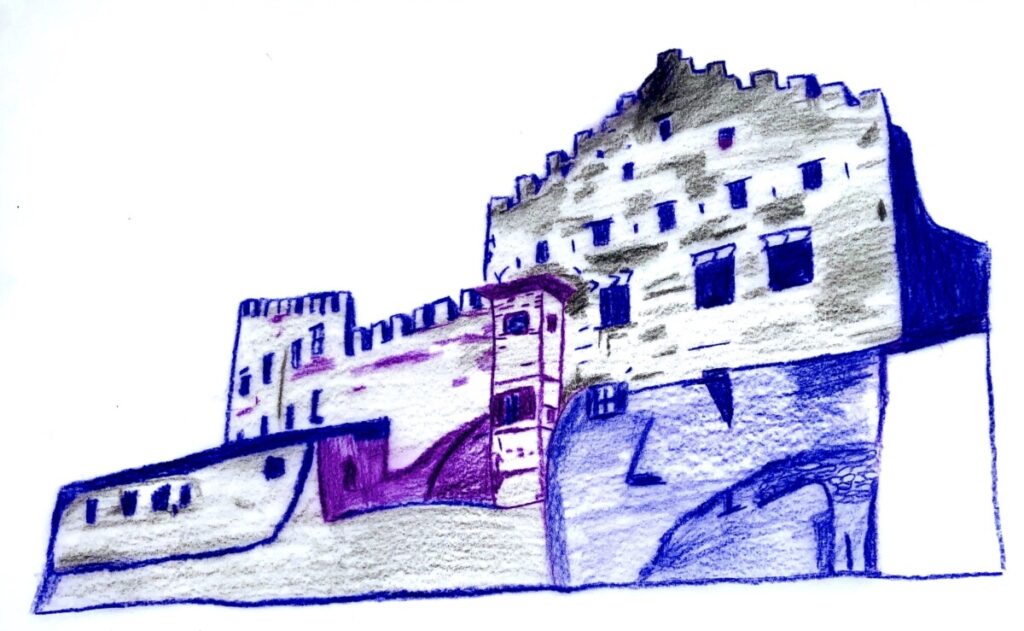
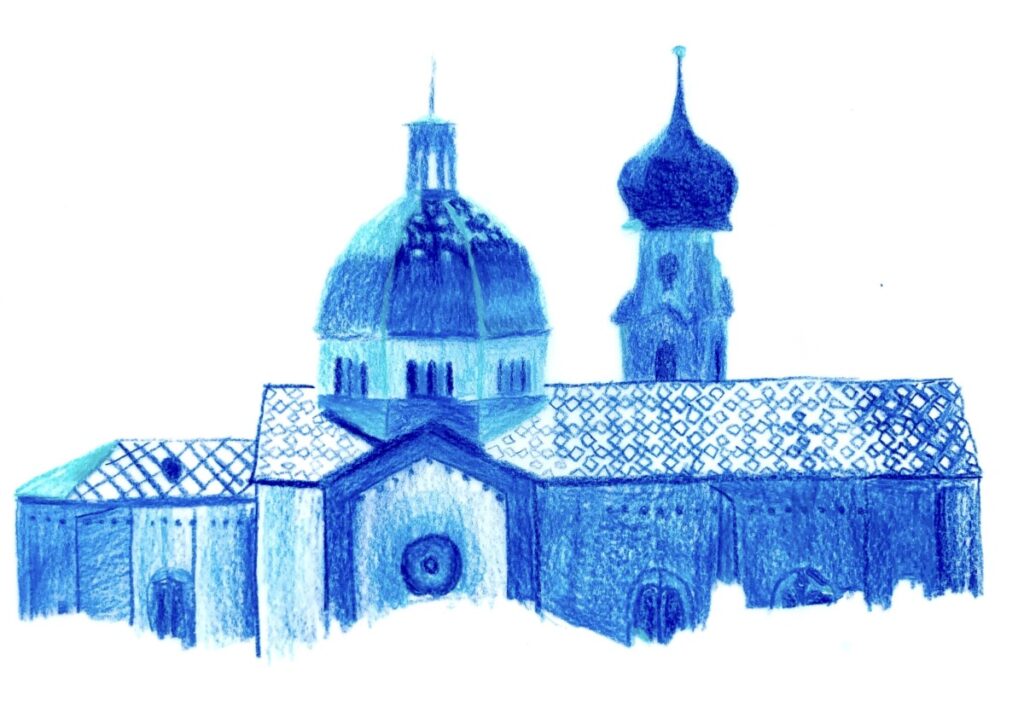
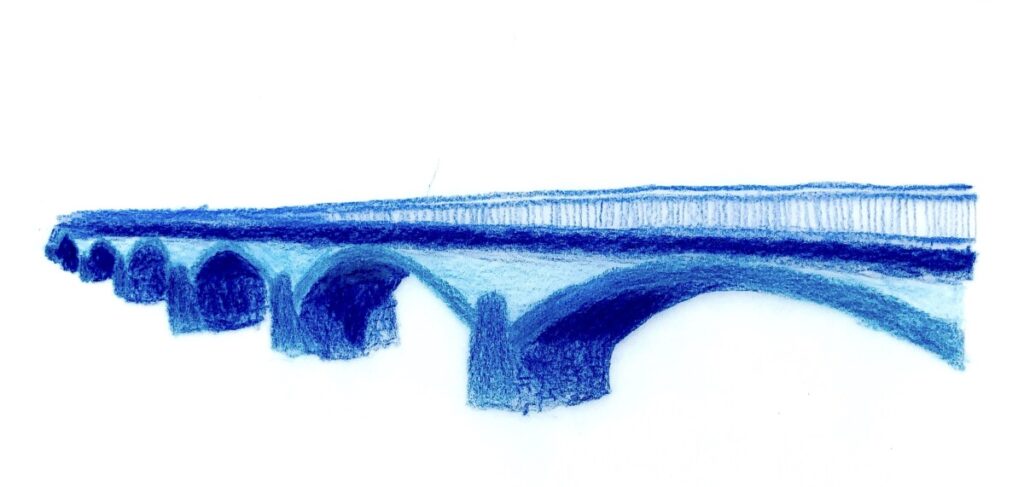
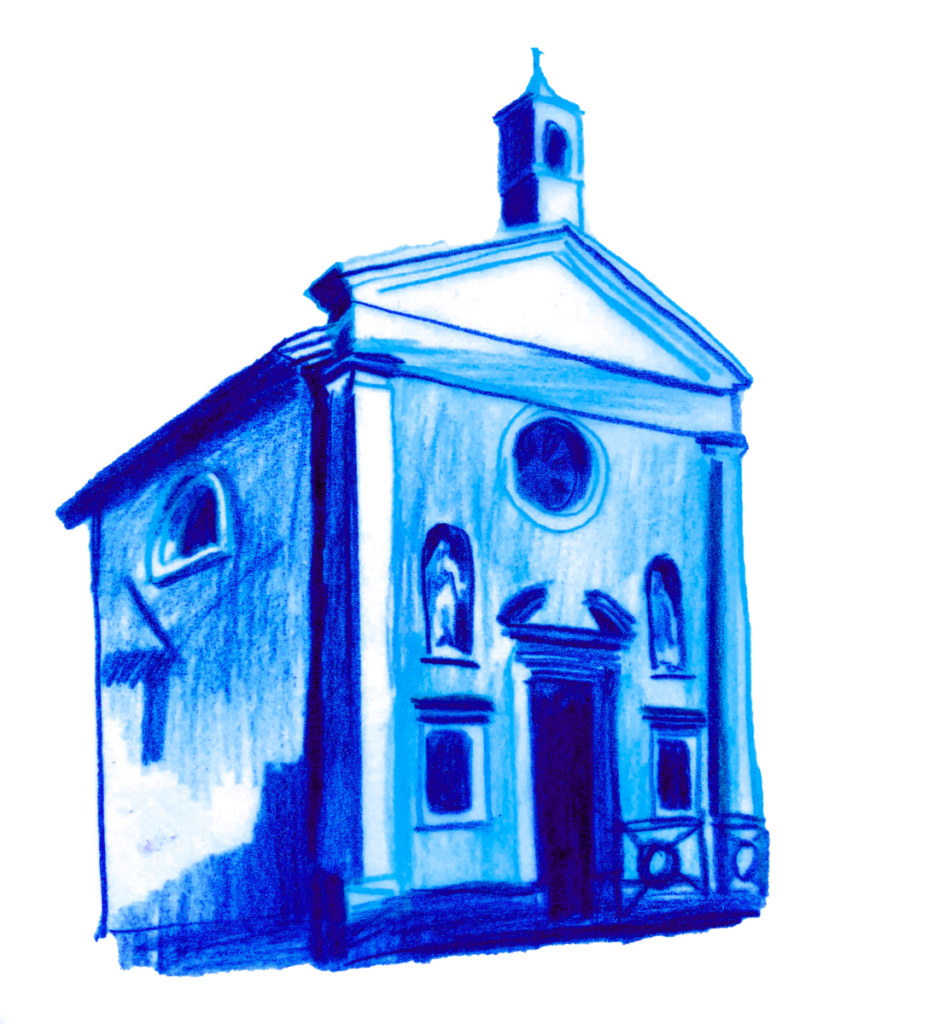
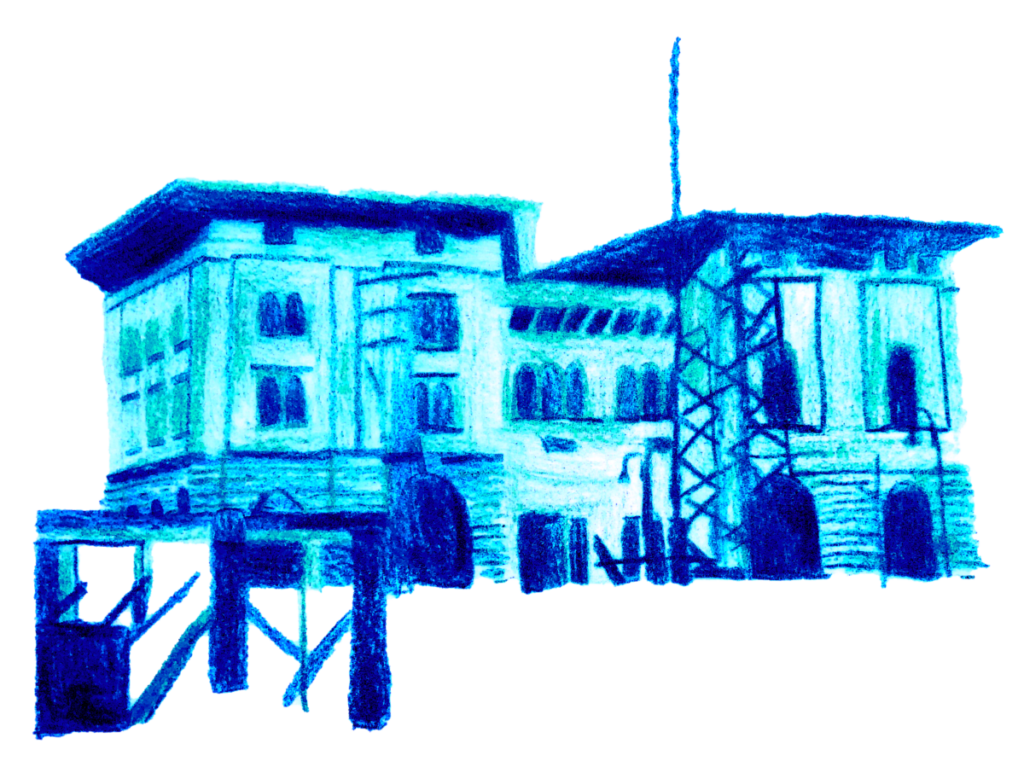
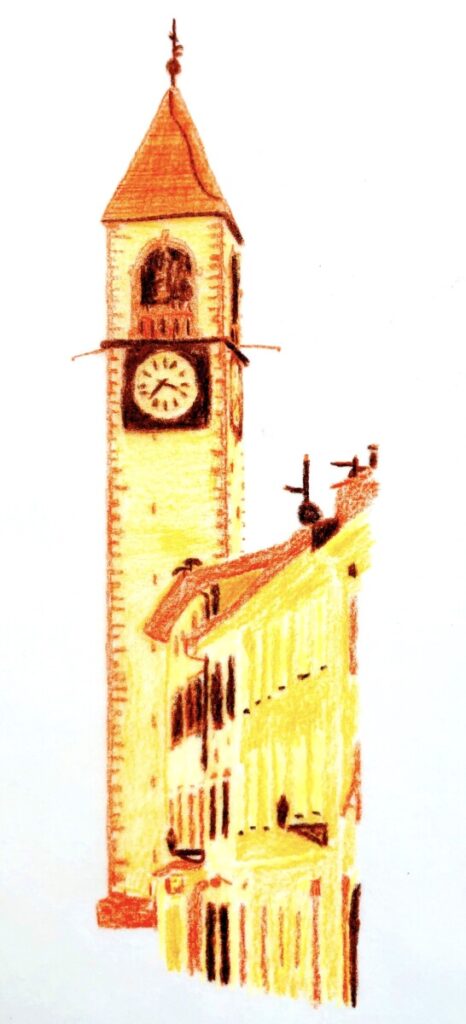
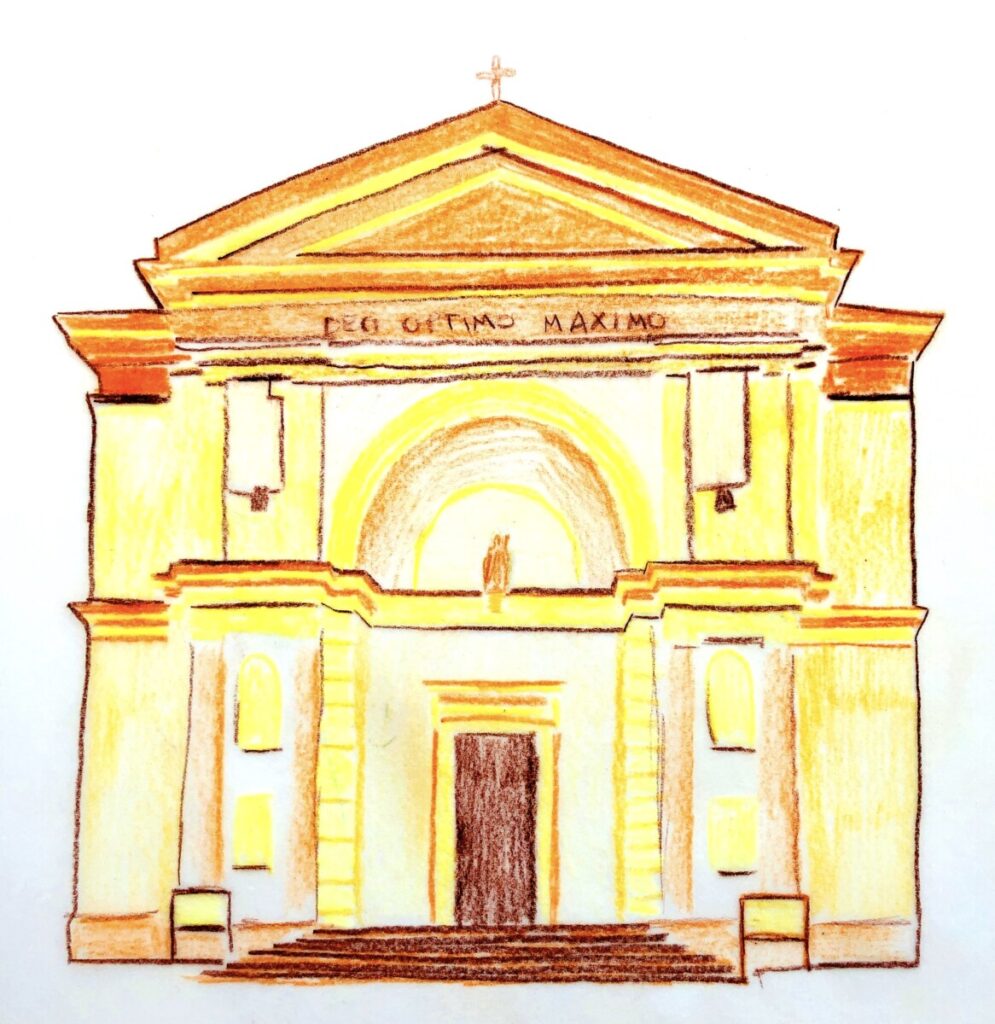
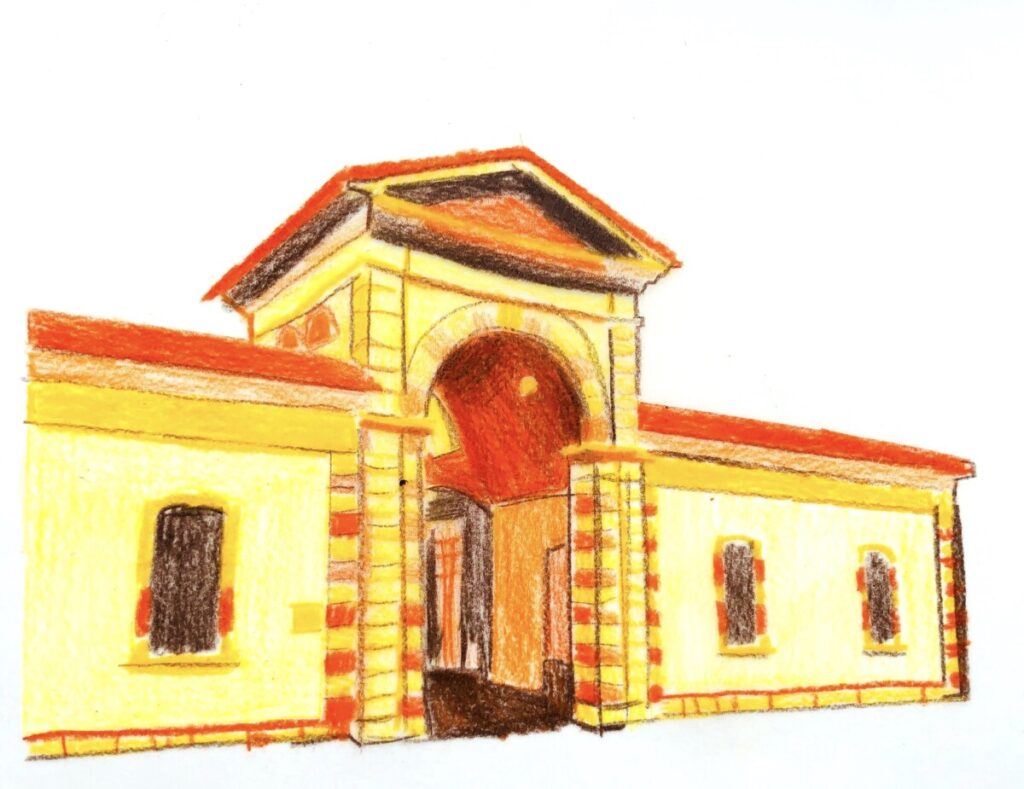
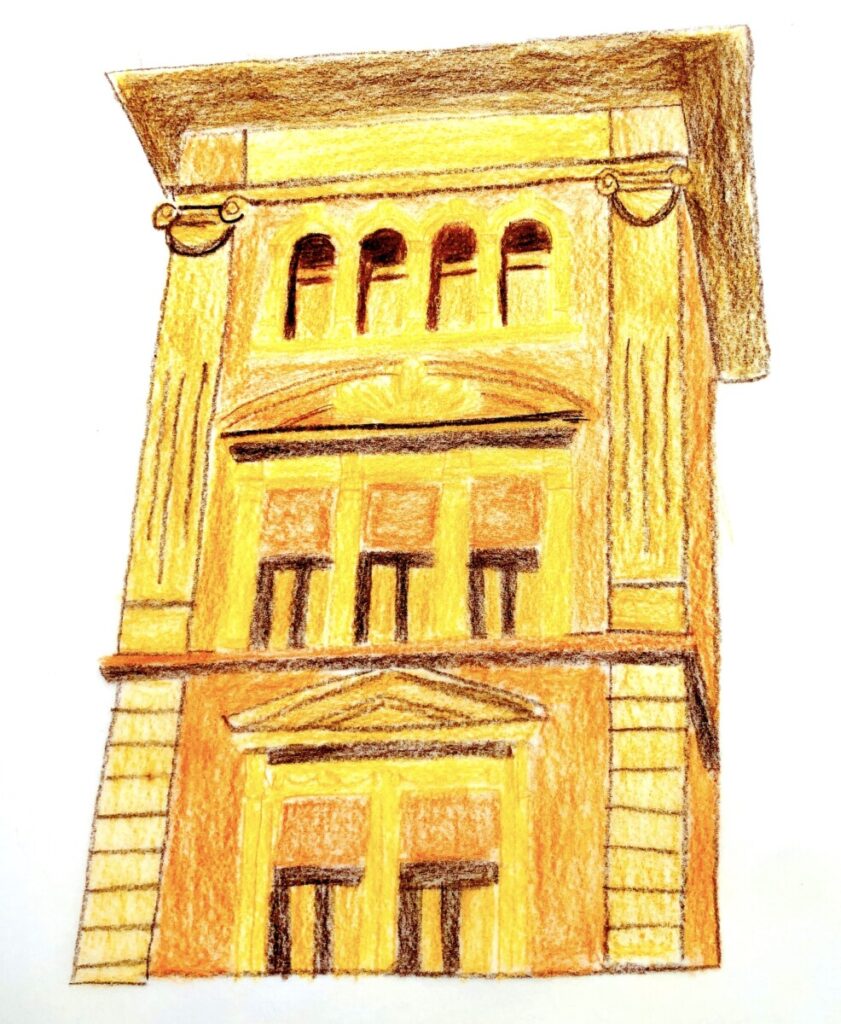
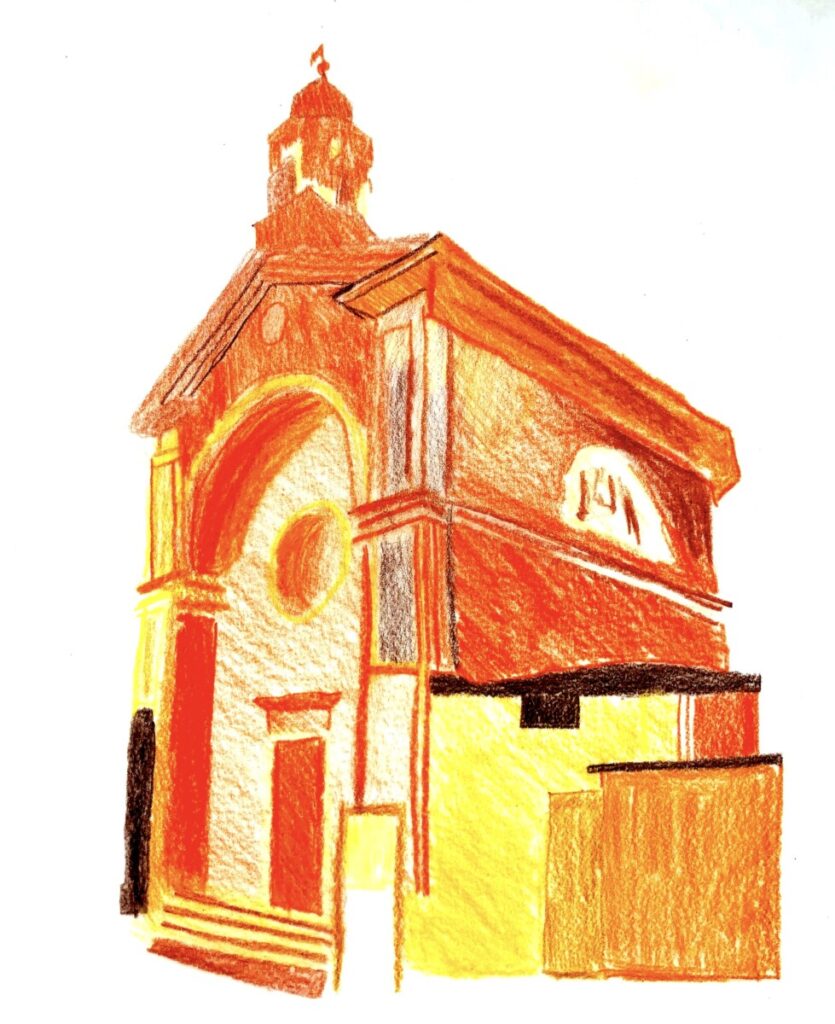
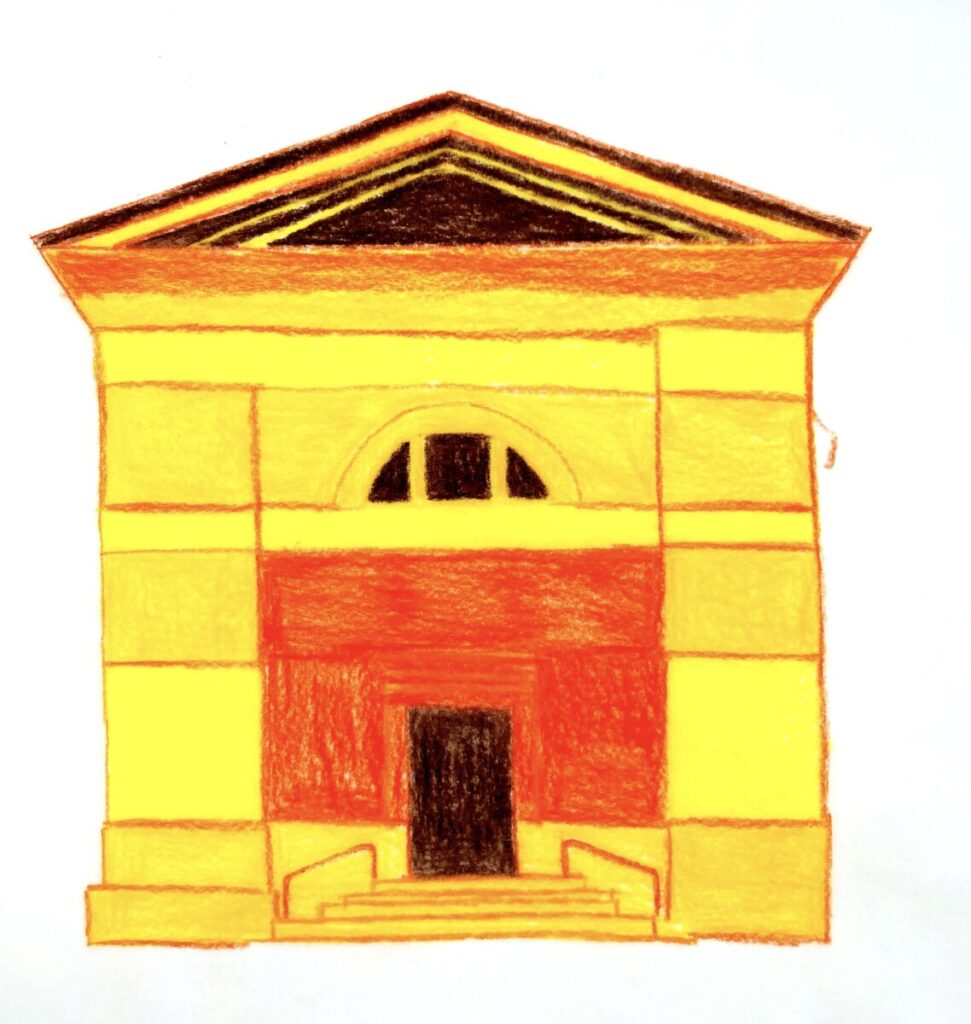
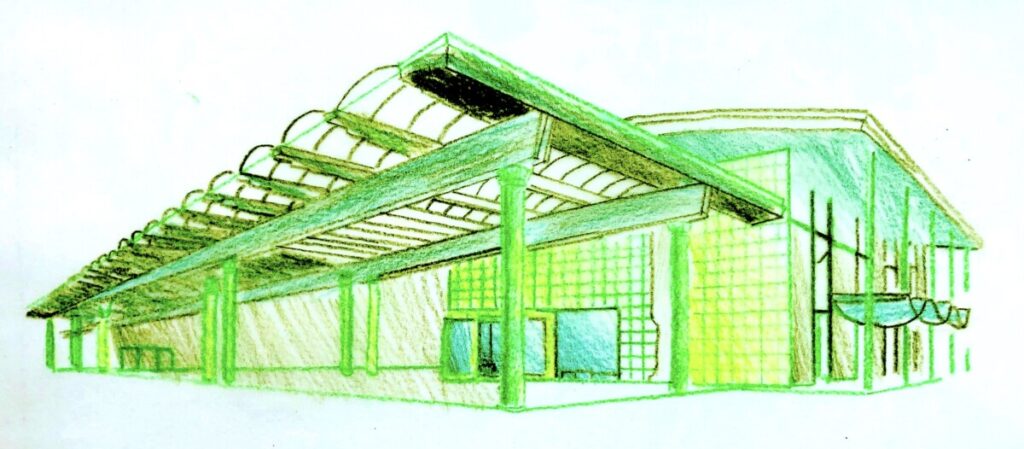
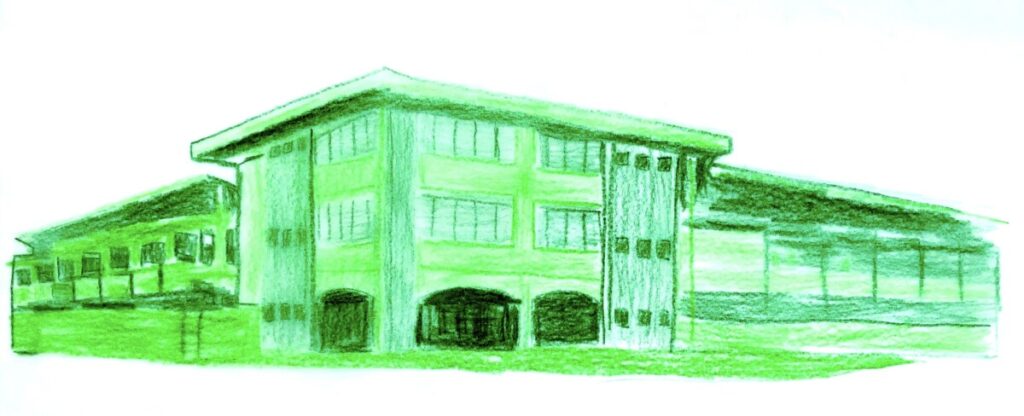
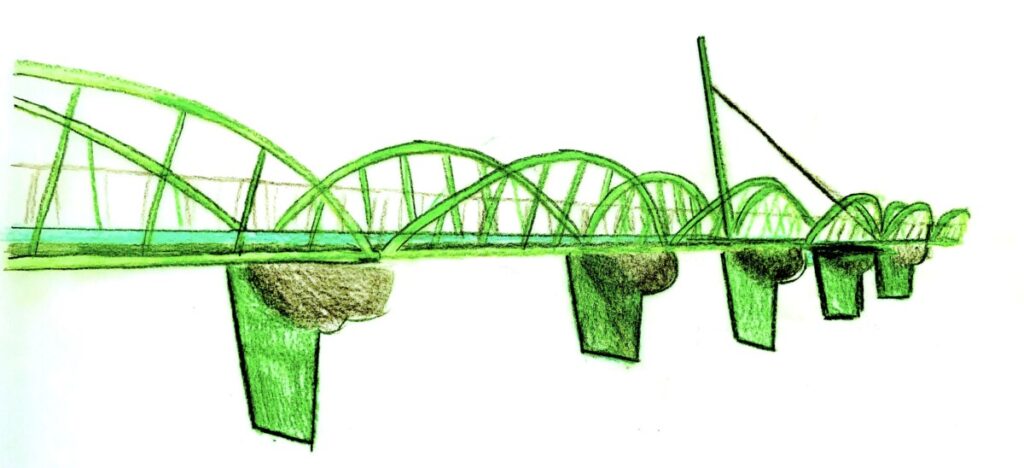
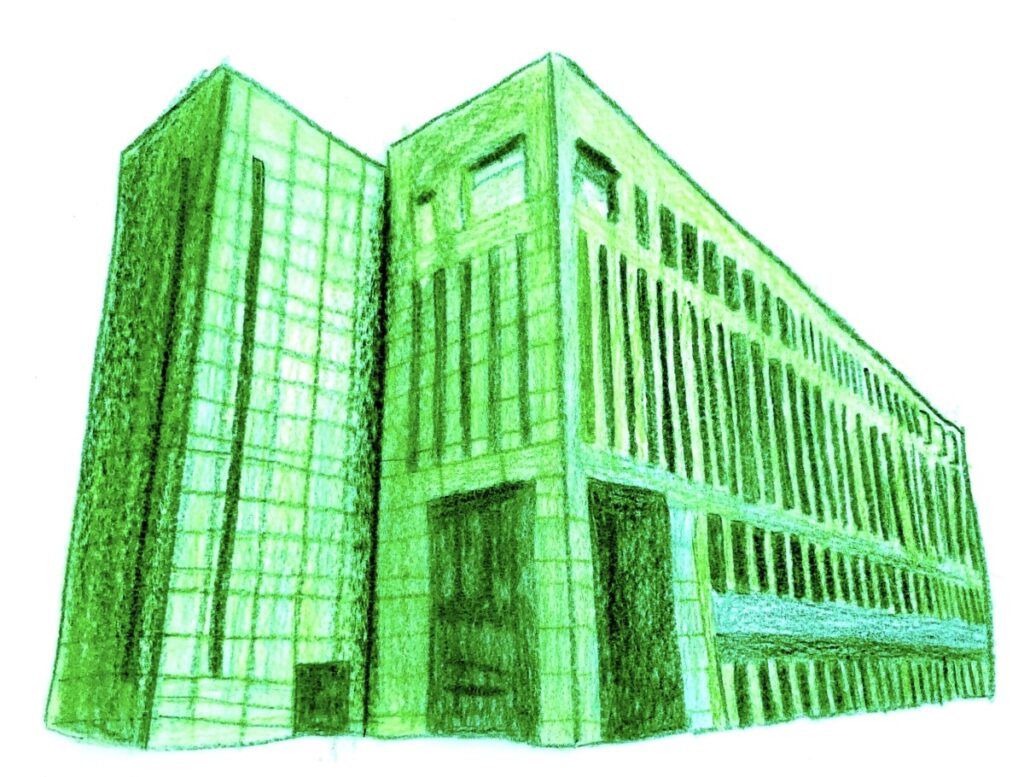
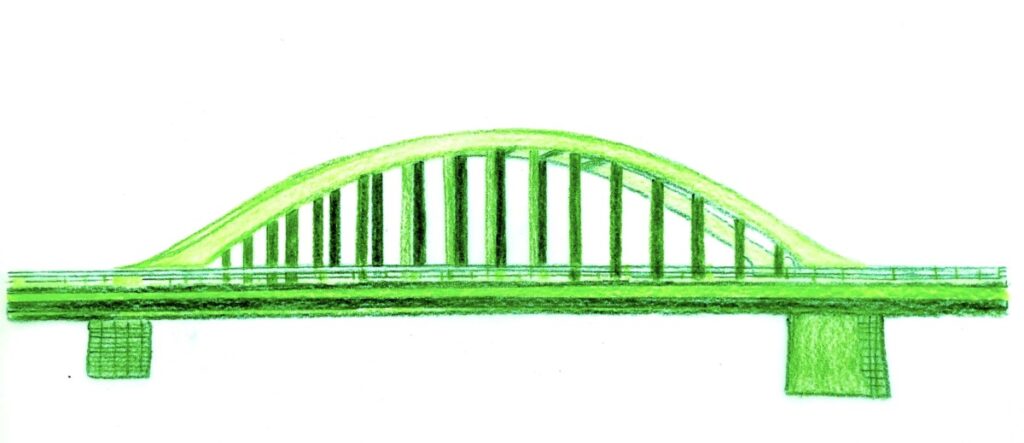
以下是学生 digitally 处理完成的部分纸币样例及不同版本。我们的货币被命名为“EUROT”,取自“EURO”(欧元)与“ROTALIANA”(罗塔利亚纳平原)之组合——该平原环抱我们的村庄及邻近村镇。
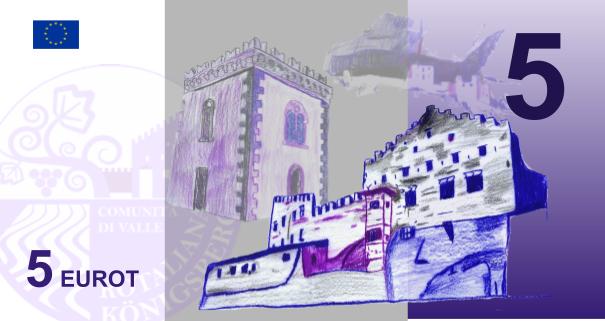
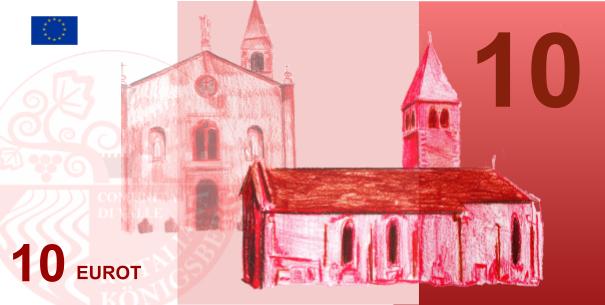
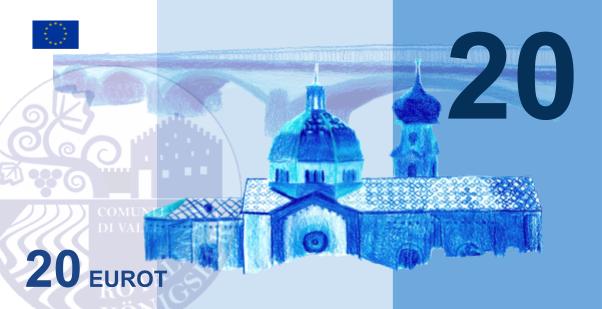
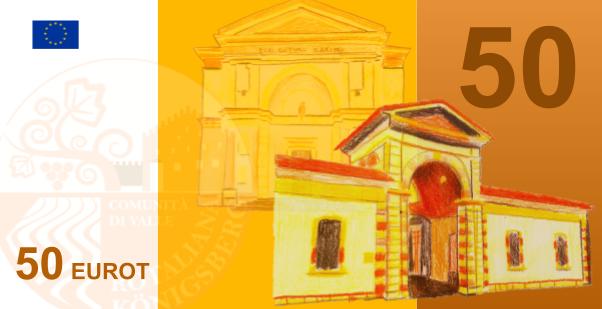
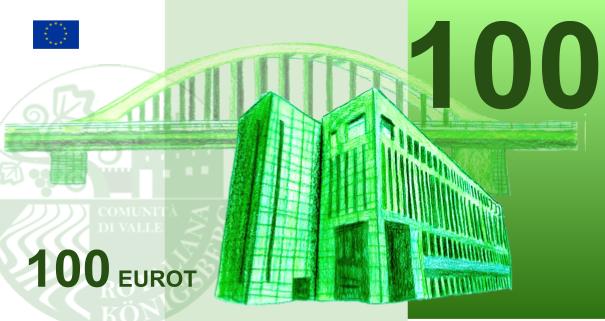
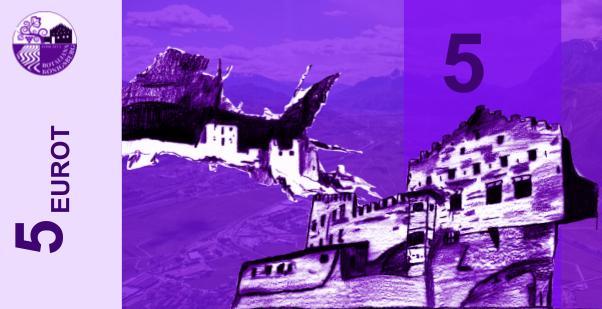
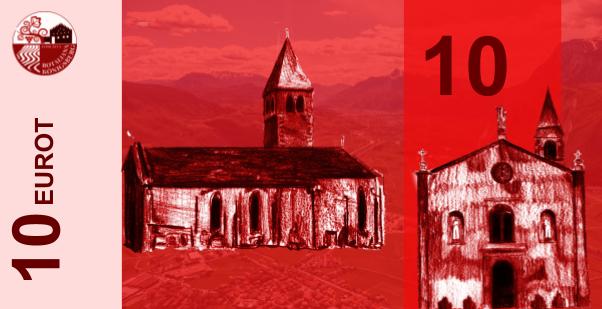
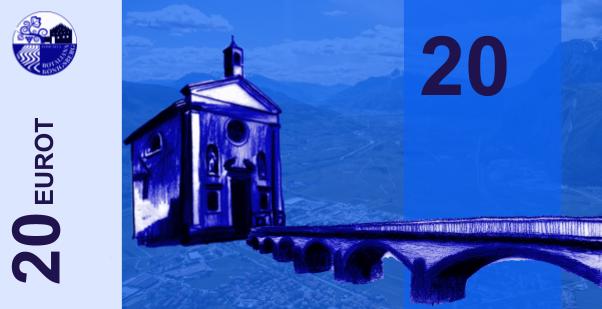
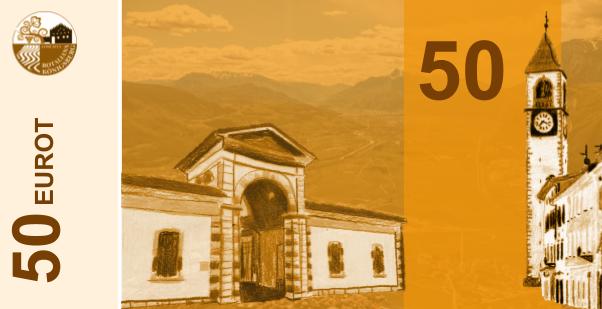
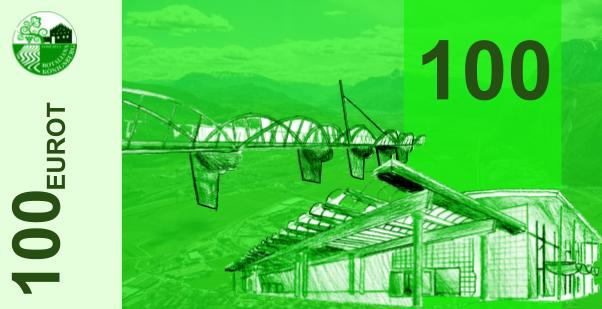
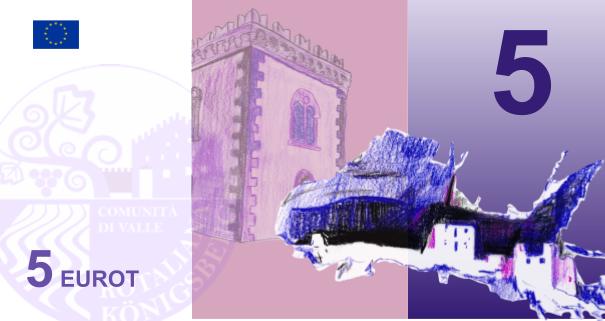
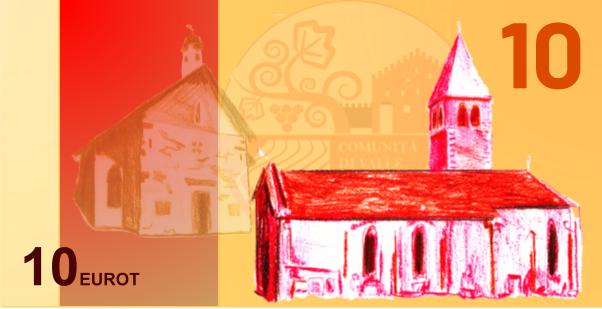
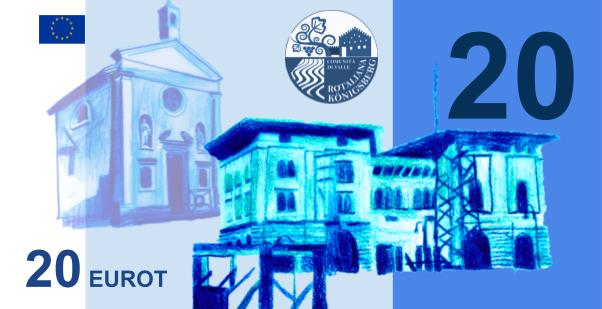
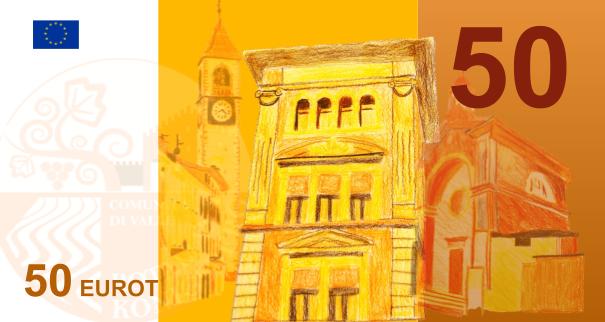
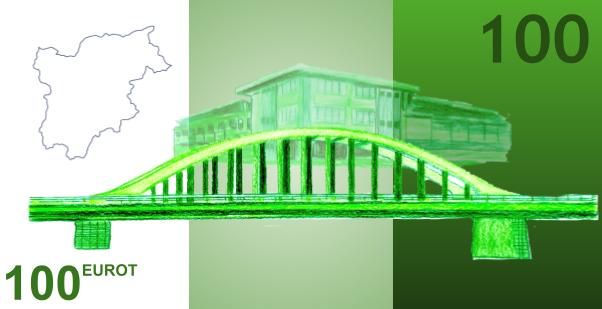
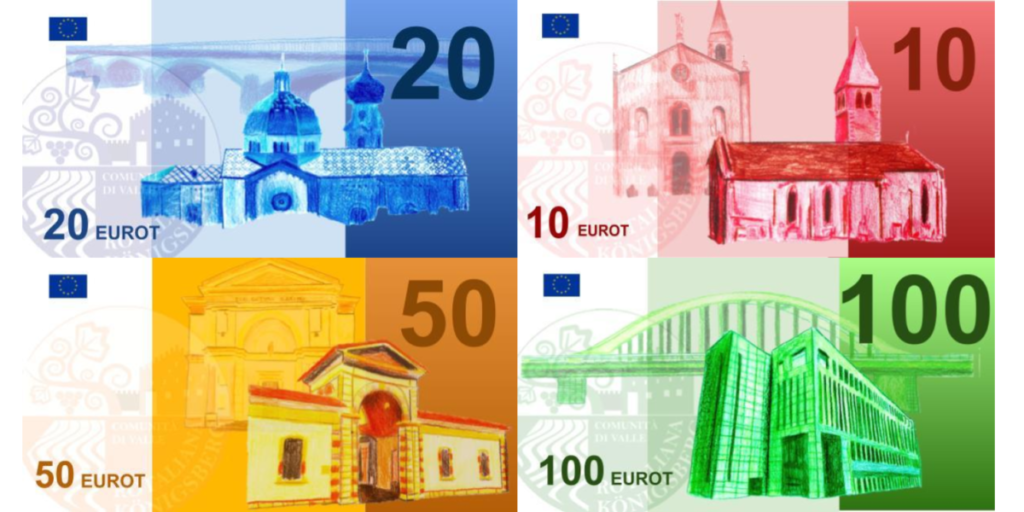
此为最终选定用于棋盘游戏的纸币系列
Banknotes for a board game, with our architectures
We worked on this interesting activity in collaboration with the Community of Valle Rotaliana-Koningsberg, which is the area where our school is located. The Community asked us to create some banknotes for a board game.
To realize the banknotes we were inspired by the EURO denominations, which depict architectures inspired by the various eras of history. We have seen that each banknote has:
- SPECIFIC DIMENSIONS referring to 5, 10, 20, 50, 100, 200, 500 Euro
- CHARACTERISTIC COLOR
- ARCHITECTURAL STYLE referring to a HISTORICAL PERIOD, from the oldest (5 euros) to the most modern (500 euros)
- ARCHITECTURE on the front and BRIDGES on the back
- coats of arms, decorations, maps, and the EUROPEAN flag
We maintained the colors and the historical periods according to the EURO scheme that we see below, leaving out the 200 and 500 banknotes
The work took place in four steps:
- collection of photographic images about the architecture of our territory. Students photographed houses, palaces, churches, bridges, monuments of their country and surroundings.
- historical research about these architectures and subdivision of images by historical periods from the oldest to the most modern.
- monochrome drawing, depending on the value of the note, and the historical period, made with colored pencils on tracing paper, using photography as a model.ù
- digital graphic editing for the creation of our banknotes, using the Google Drawings tool shared in the school GSuite.
After photographing the places of interest in the surrounding, the students did historical researches on each monument, building, church, or bridge. After that they divided the architectures by historical period in order to draw each period with a specific color:
- 5 euro GRAY / PURPLE 1000-1400
- 10 euro RED / PINK 1500-1600
- 20 euro BLUE / LIGHT BLUE 1700-1800
- 50 euro ORANGE / YELLOW early 1900
- 100 euro LIGHT AND DARK GREEN 1950-2000
some pictures of places of interest chosen by students
The drawings were made with colored pencils on tracing paper, copying the shapes, lights, and shadows from the photographs.
The drawings have been photographed and digitally “cut out” to be used in the editing of the banknotes on the computer in Google Drawings.
Below are some examples and different versions of the banknotes digitally processed by the students. Our currency was baptized EUROT from the merger of EURO and ROTALIANA, the name of the plain that welcomes our village and neighboring ones.
this is the banknote line chosen for the board game


