壁画:我们热爱我们的世界!
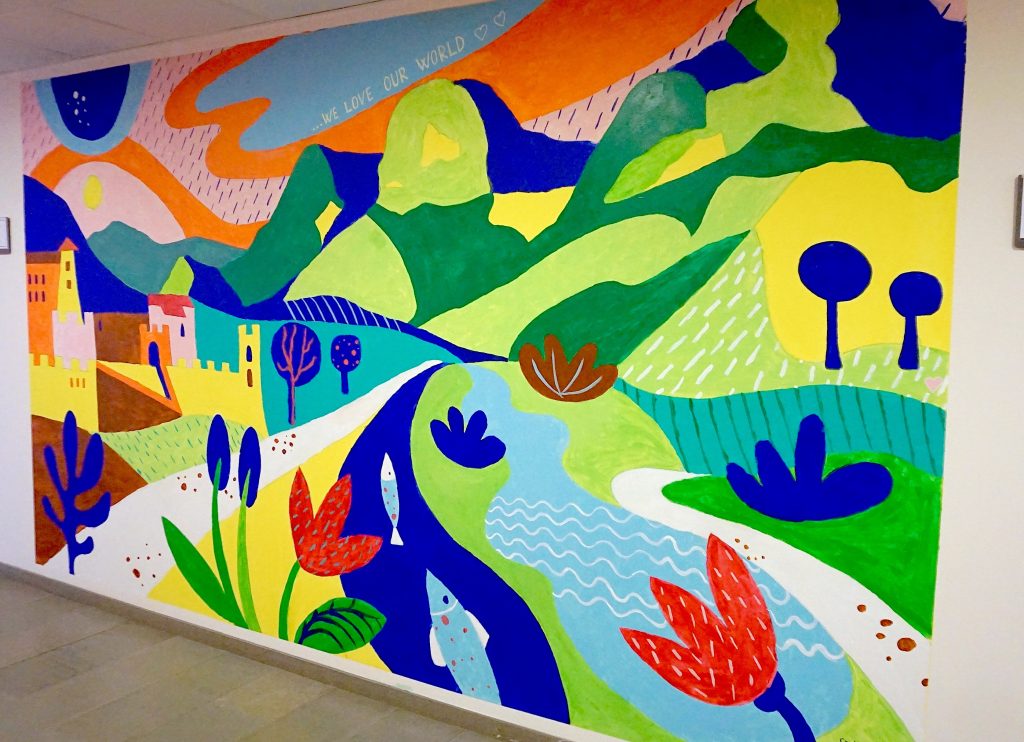
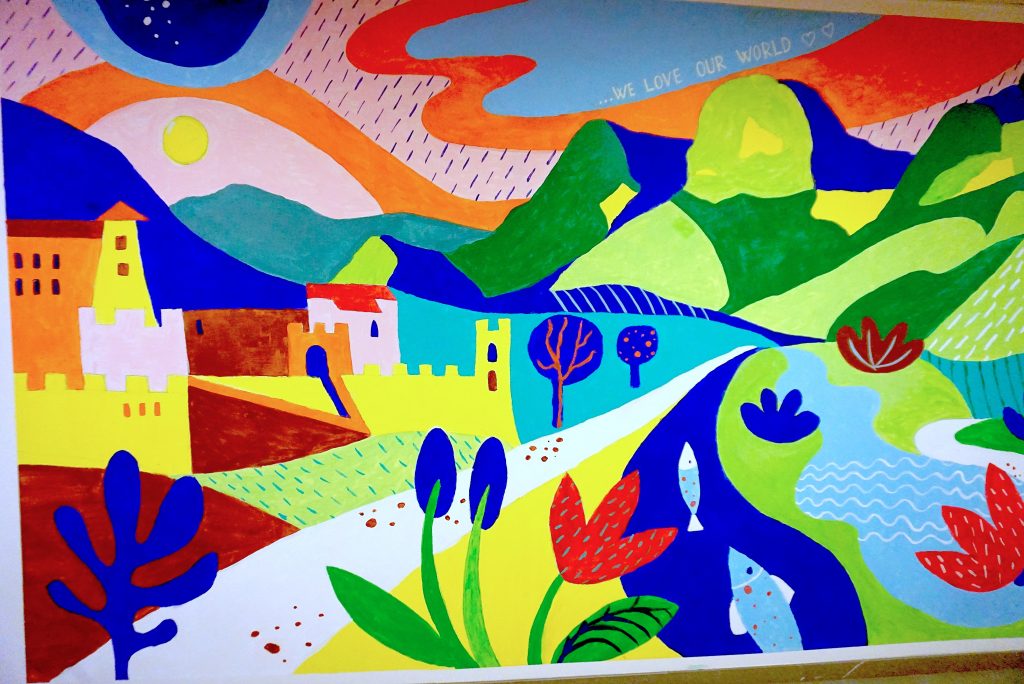
在这一以家乡——罗塔利亚纳平原(Piana Rotaliana)风景为主题的项目中,学生们将食堂走廊的墙面转化为一幅展现本地风貌的视觉叙事作品:城堡、诺切(Noce)溪流、山峦轮廓。这既是对自身文化根源的礼赞,也在校园中留下了一处切实而持久的印记;整件作品所传递的关怀与感恩之情,最终凝练为一句标语:“我们热爱我们的世界。”
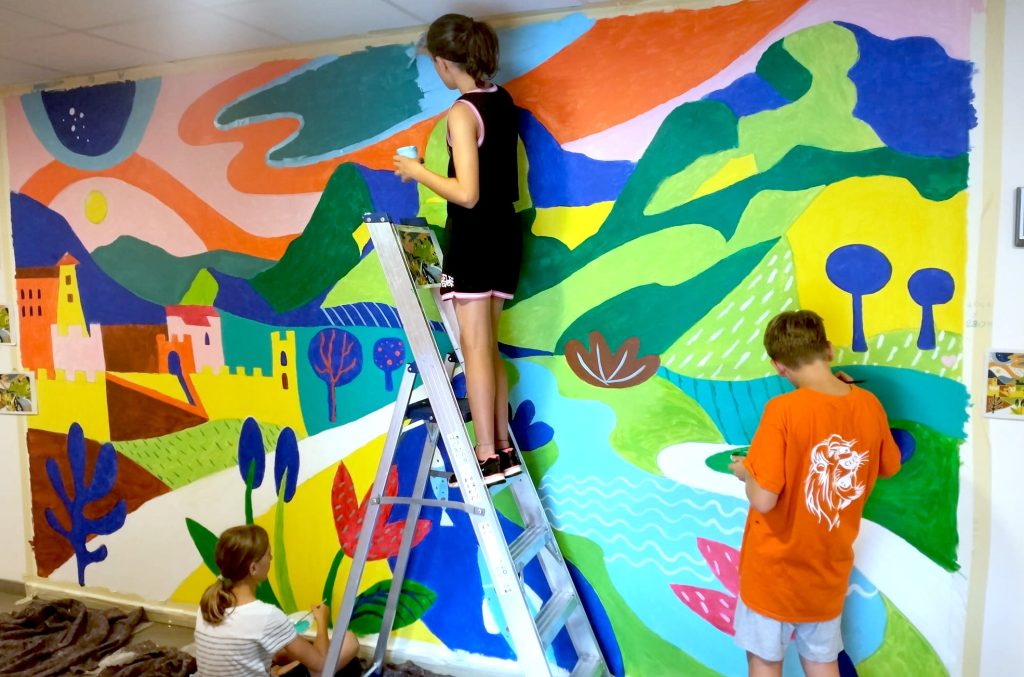
该项目历时一整天(共八小时),旨在提升学生的专业技能,并通过团队协作完成一件大型作品,永久装点校园墙面。
在梅佐隆巴尔多(Mezzolombardo)学校墙面上共同绘制壁画,是一项极具教育价值与育人意义的活动。整个实践以小组合作形式展开,贯彻“做中学”理念。壁画绘制于一层楼走廊墙面,即通往食堂的通道旁、紧邻行政办公室的位置。选定主题为风格化的罗塔利亚纳平原风景,包含梅佐隆巴尔多城堡与诺切河。
以下是全程工作视频:
小组协作分为规划阶段与实施阶段。第一阶段中,学生了解壁画设计及图像放大的技术难点,由此凸显出制定精确方案的重要性——这是创作一件有效作品的关键前提。
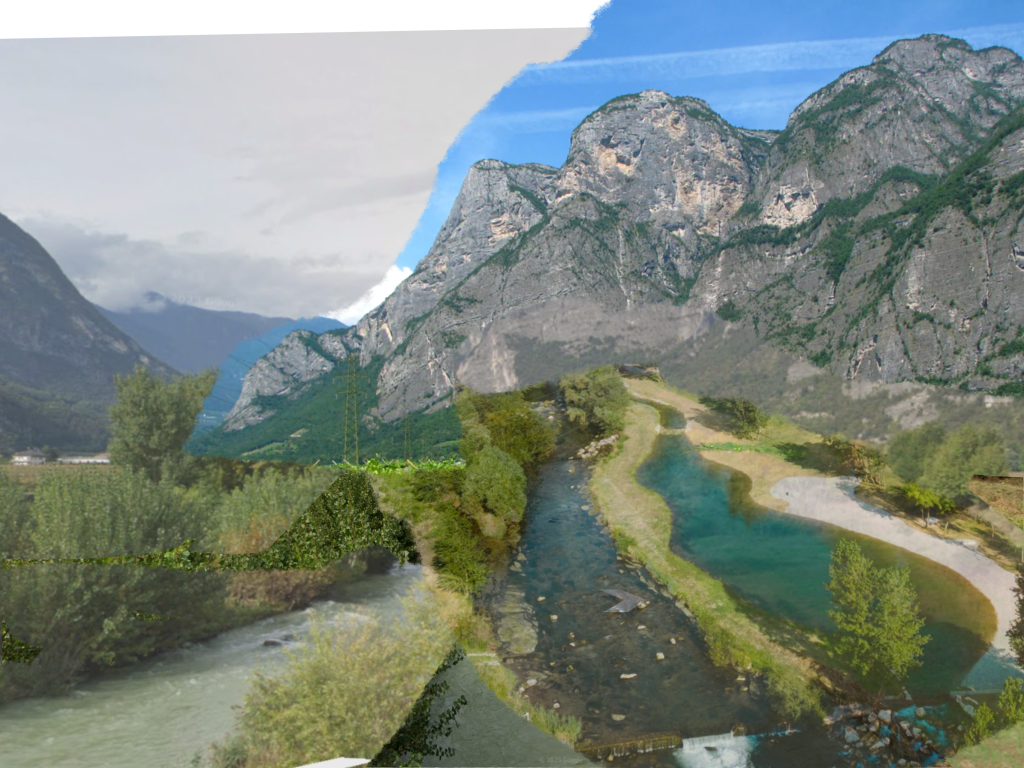
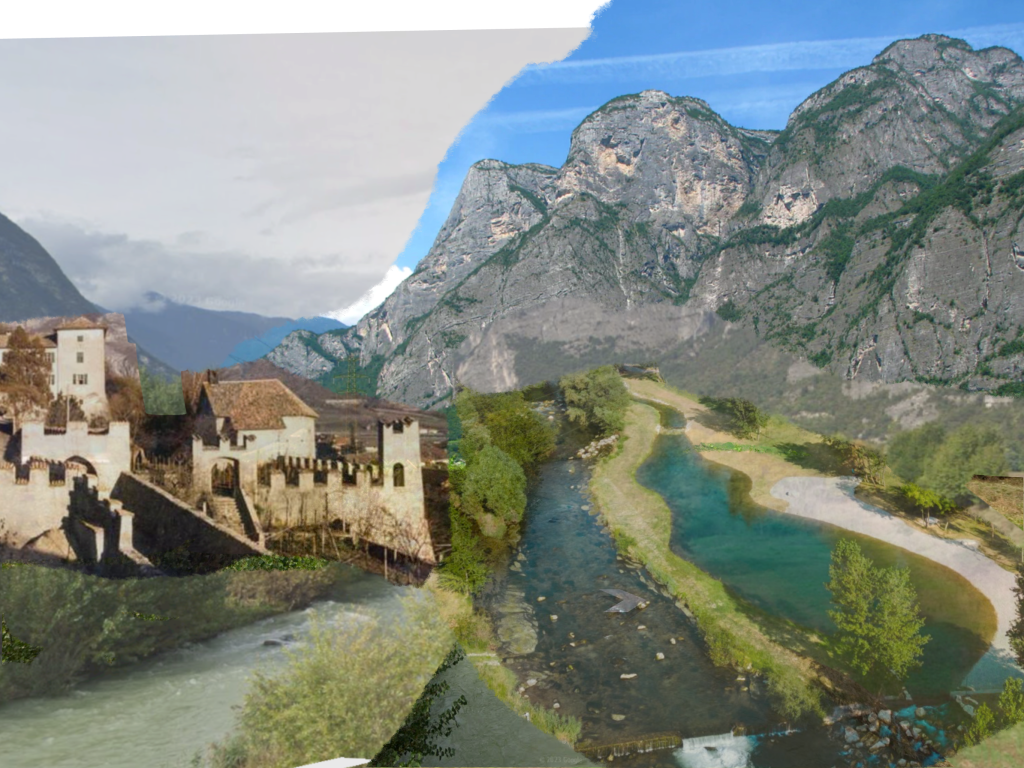
设计阶段需完成数字草图:借助iPad上的Sketchbook软件,可呈现最终效果、计算比例关系、评估视觉冲击力,并尝试色彩与环境之间的搭配关系。该工具帮助我们判断哪些配色方案最为有效。
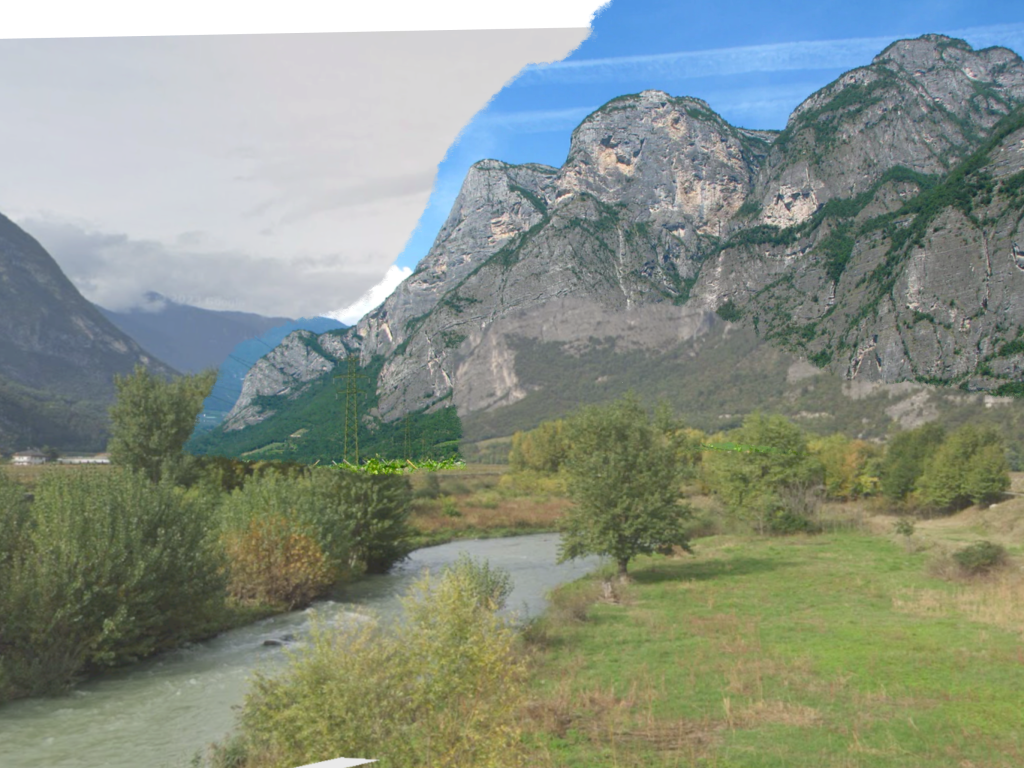
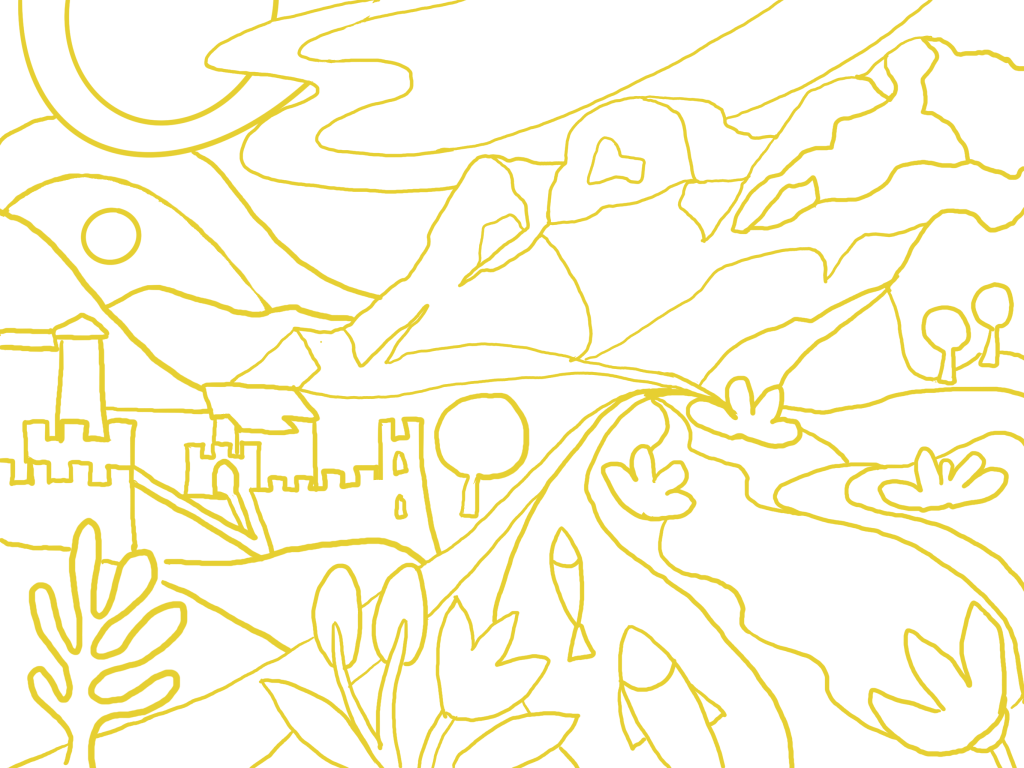
线性草图
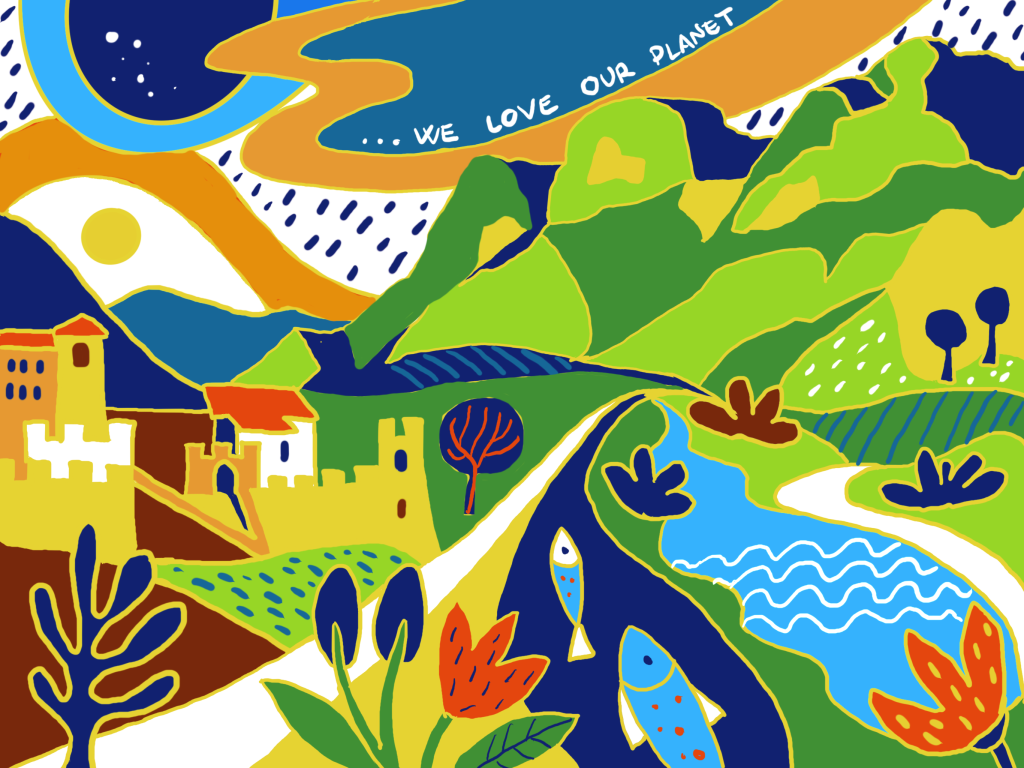
彩色数字草图
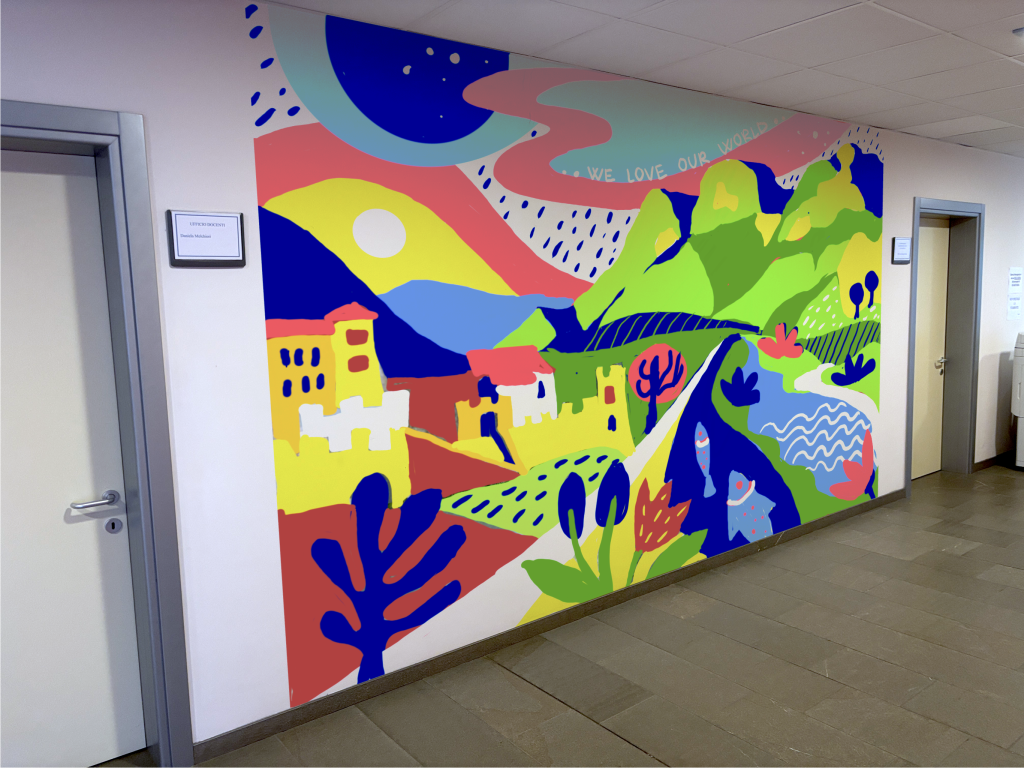
数字效果图
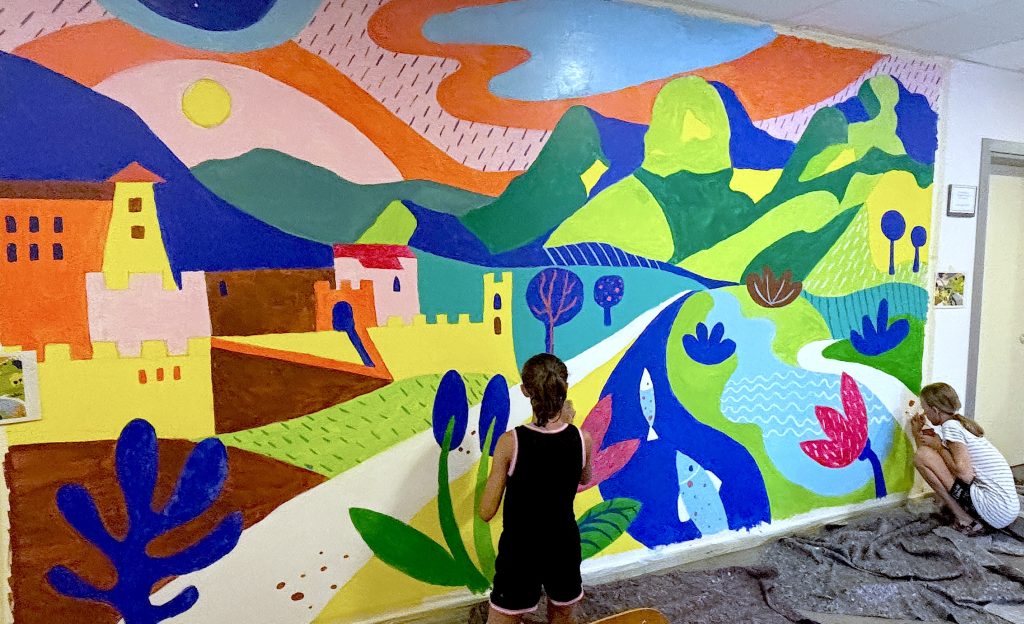
最复杂的环节是将图像放大绘制到墙面上,采用的是“方格放大法”:由教师完成部分区域,学生则负责较低位置的部分。图像转绘完成后,学生们依据原始草图,分区域进行上色。
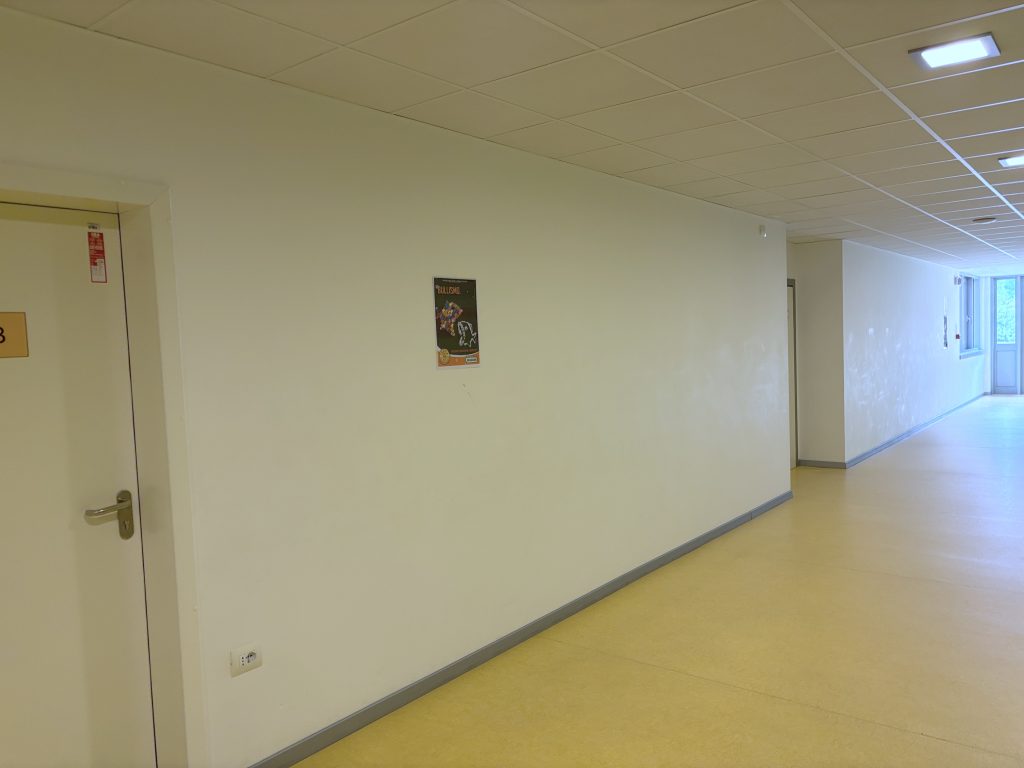
我们的空间
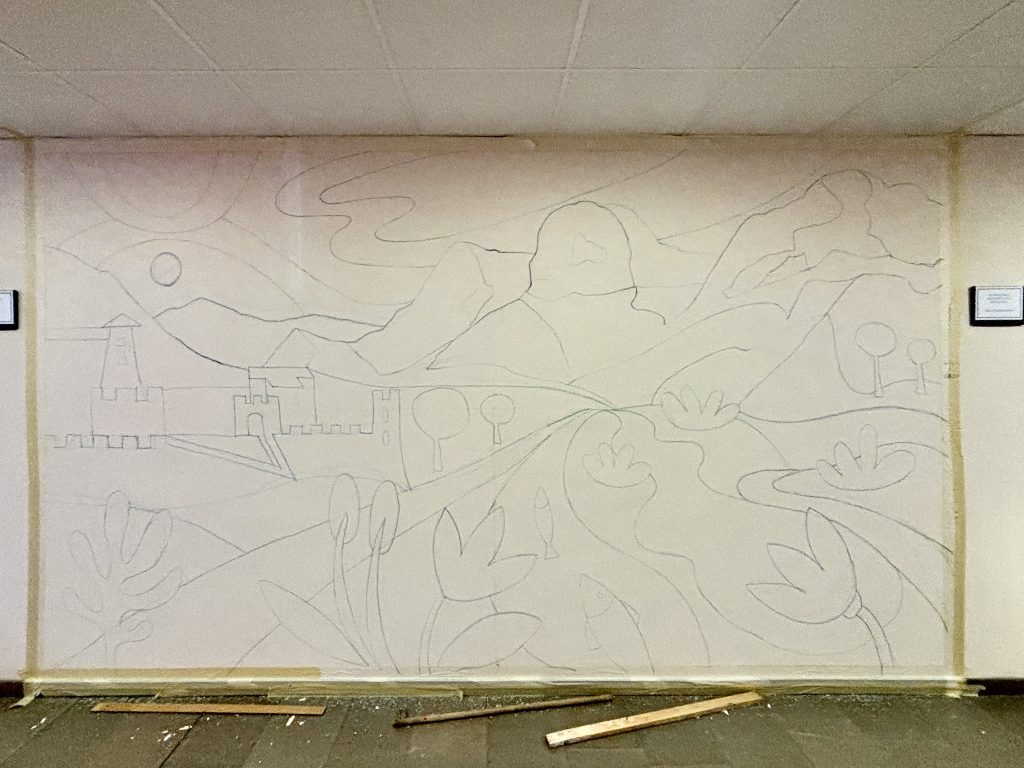
运用方格放大法转绘至墙面的线稿
组织协调的重要性在实践中立刻显现:大量学生在同一墙面作业,必须就任务分工、色彩使用及空间管理达成共识。每位学生负责壁画的一个区域(高、中或低部),努力协作而不相互干扰。这一过程培养了自主性,也强化了为实现共同目标而协同合作的意识。
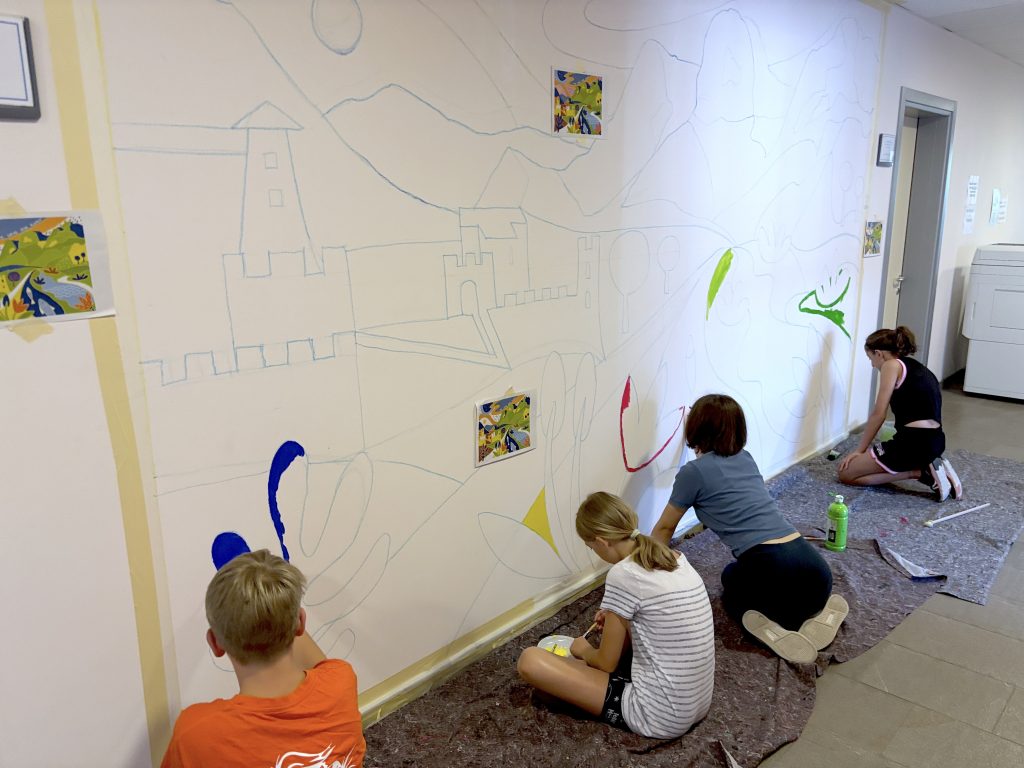
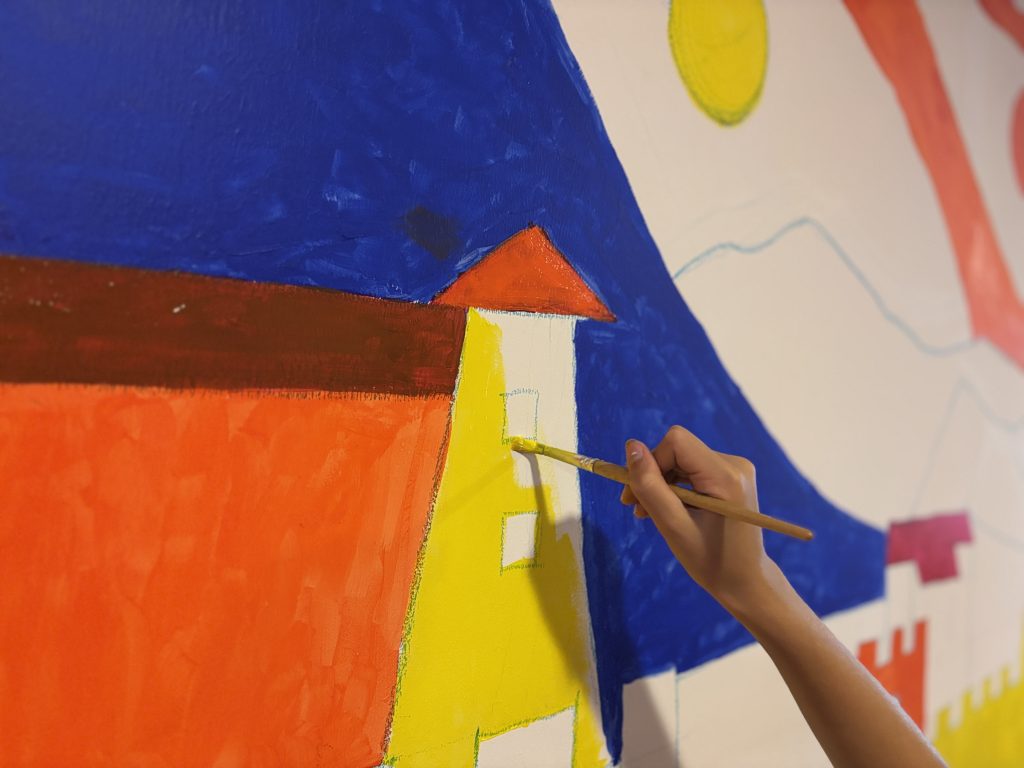
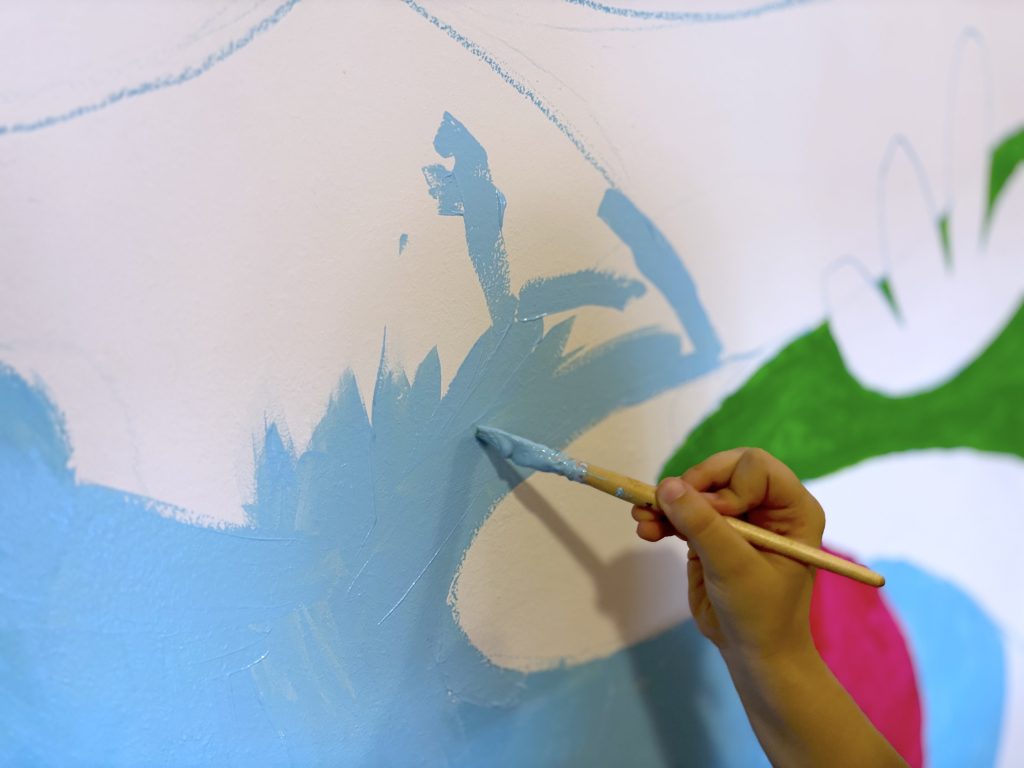
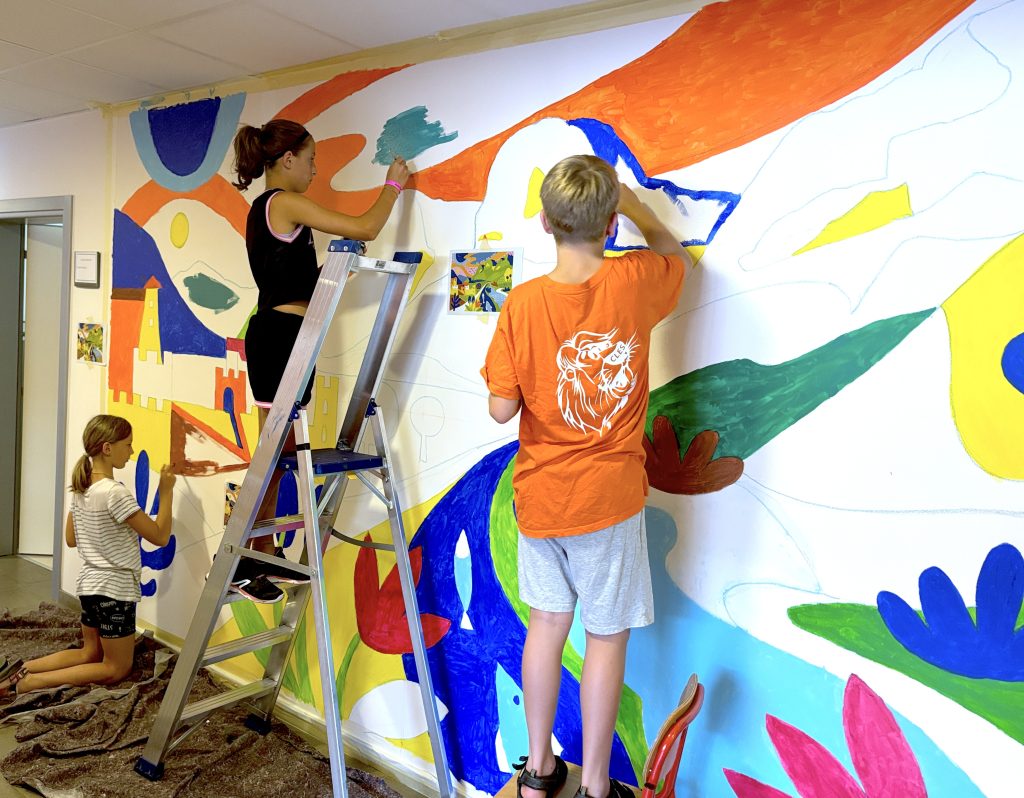
当天上午,在回顾项目方案后,学生开始上墙绘制并施加首批颜色。下午工作持续高效且富有成效:所有学生均以高度精准与投入完成了各自任务。傍晚时分,活动圆满收尾——添加肌理效果、完成最终装饰,并醒目地写入标语:“我们热爱我们的世界。”借由这句话,学生们再次表达了对所居之地自然之美与葱郁绿意的由衷感激。
学生们以责任感与热忱投入技能实践。最终成果令人无比欣慰:不仅作品质量上乘,更在于他们亲手装饰了校园中一面巨大的墙面,留下了一处真实而恒久的印记。
小组协作中最富启发性的,是彼此对个人空间、时间与能力的尊重。其中一项尤为重要的收获,是亲眼见证作品在众人贡献下逐步成形、不断生长:这段经历让我们真切意识到——单凭一己之力,绝无可能达成如此显著的成果;唯有协作,才使这件宏大的集体创作真正成为现实。
Murales: We love our world!
In the project, dedicated to the landscape of our home, the Piana Rotaliana, the students transformed the walls of the cafeteria corridor into a visual narrative of the area: the castle, the Noce stream, the mountain profiles. It was a way to celebrate their roots and leave a tangible and lasting mark on the school, with a message of care and gratitude summed up in the phrase “We love our world.”
The goal of the project, which took place over an eight-hour day, was to enhance the students’ technical skills and have them work as a team to create a large-scale work, intended to permanently decorate the school walls.
Painting a mural together on the walls of the school in Mezzolombardo was a highly valuable educational and formative activity. The experience was conceived as a group activity, with a “learning by doing” approach. The mural was painted on the ground-floor wall, in the corridor leading to the cafeteria, next to the administration offices. The chosen subject was a stylized landscape depicting the Piana Rotaliana, with Mezzolombardo Castle and the Noce River.
Here the video of the whole work:
The group work was structured into a planning phase and an execution phase. In the first part, the students were introduced to the mural design and the challenges of enlarging the image. This highlighted the importance of having a precise plan, essential for creating an effective work.
The design phase involved the creation of a digital sketch: using the iPad with the Sketchbook program, it was possible to render the finished work, calculate proportions, evaluate the visual impact, and experiment with the relationships between colors and the environment. This tool allowed us to evaluate which color combinations would be most effective.
linear sketch
digital sketch in colors
digital rendering
The most complex part was to enlarging the image on the wall, done using the squaring technique: partly by the teacher, partly by the students (in the lower areas). Once the drawing was transferred, the students painted the different areas following the original sketch.
our space
the drawing transferred to the wall using the squaring method
The importance of organization was immediately apparent: working in large numbers on the same surface, the students had to agree on the distribution of tasks, the use of colors, and the management of spaces. Each student worked on a section of the mural (high, low, or intermediate), trying to collaborate without getting in each other’s way. This fostered autonomy and the development of a sense of collaboration to achieve a common goal.
During the first part of the day, after reviewing the project, the students moved on to drawing on the wall and applying the first colors. In the afternoon, the work continued intensely and satisfyingly: all the students completed their tasks with precision and commitment. The day concluded in the evening with the addition of textures, final decorations, and the inclusion of a striking phrase: “We love our world.” With these words, the students reaffirmed their gratitude for the beauty of the place they live in, rich in nature and greenery.
The students applied their skills with a sense of responsibility and passion. The end result was immensely satisfying, both for the quality of the work and for the knowledge that they had decorated a large wall in their school, leaving a tangible and lasting mark, created with their own hands.
The most interesting aspect of the group work was the mutual respect for each other’s space, time, and abilities. One of the most significant benefits was the opportunity to see our work emerge and grow through everyone’s contributions: an experience that made us realize that, alone, it would not have been possible to achieve such a significant result, while collaboration made the realization of this great collective work a reality.


