临摹作为认知的工具
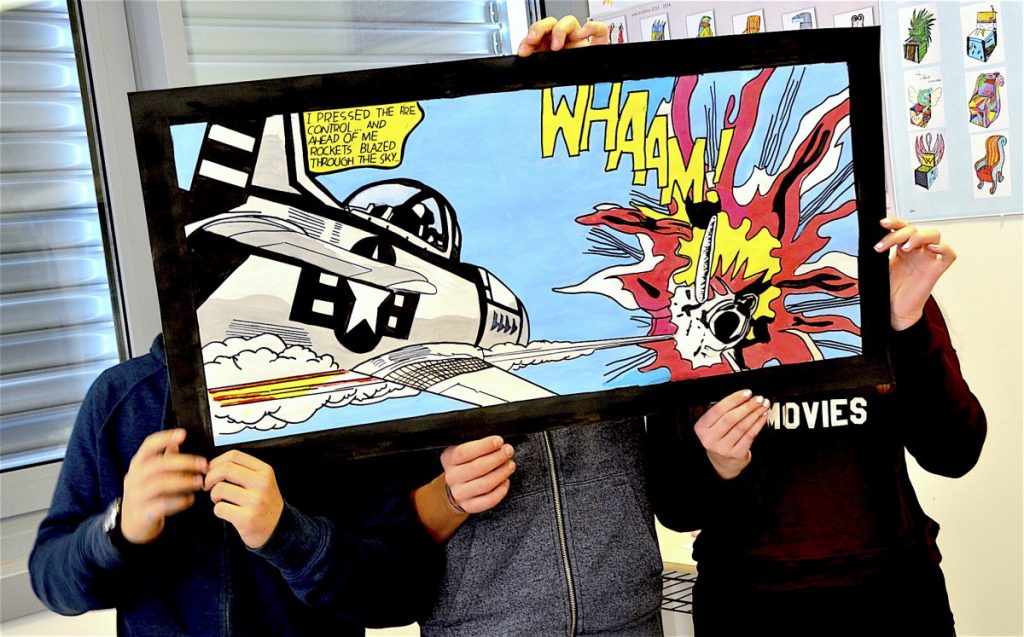
自艺术史发端以来,艺术家始终习惯于临摹他人作品,尤其是古代大师之作。这一实践能让我们深入理解其技法、色彩运用及个人风格。因此,临摹即学习——这正契合“做中学”的有效理念。
即便在当今各类设备皆可轻易复制图像的时代,我们仍需通过再现伟大艺术家的作品来学习。
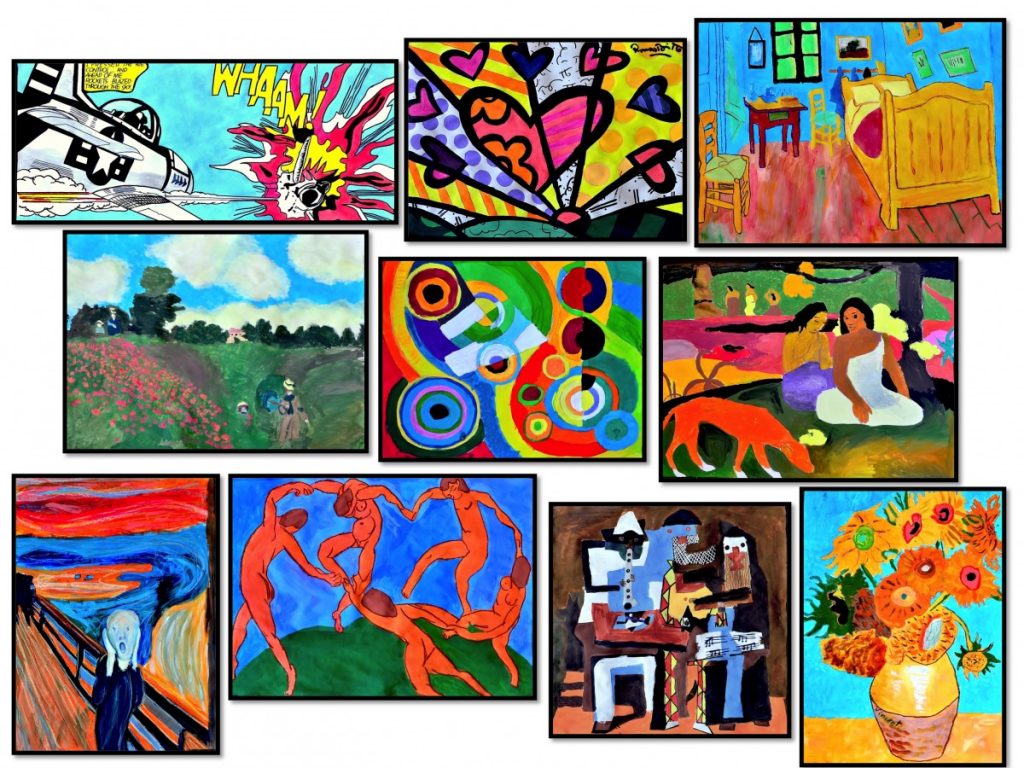
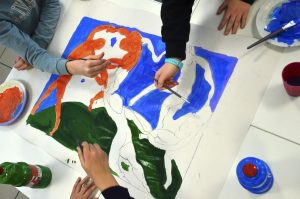
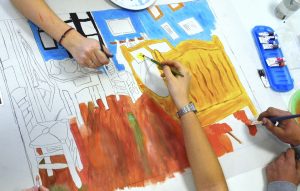
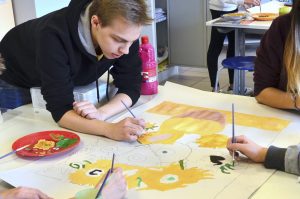
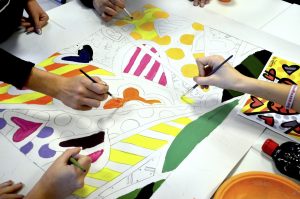
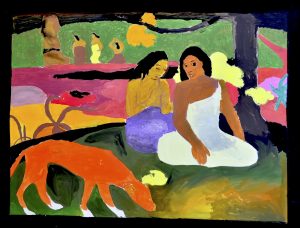
我们组织八年级学生以四人小组合作的方式创作这些大幅绘画。为制作大幅临摹稿,我们使用了一款名为 posteriza.com 的免费软件。该程序可将图像放大,用于打印巨型海报。只需提供一个普通图像文件(BMP、JPEG、PNG、EMF 或 GIF 格式),即可借助任意打印机、使用打印机所支持的任何纸张,输出任意尺寸的海报。
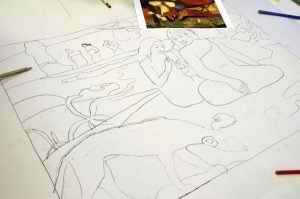
以下是我们在硬纸板上复制大幅打印稿并完成绘画的具体步骤:将复写纸夹在复印稿与硬纸板之间,再沿复印稿上的主要轮廓线描摹。
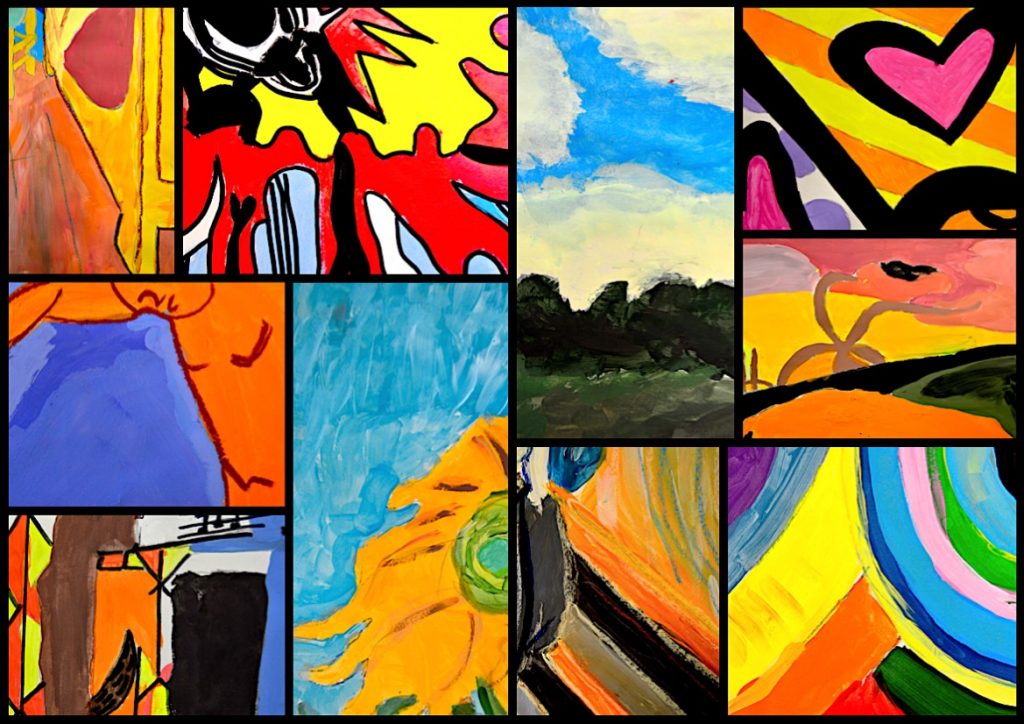
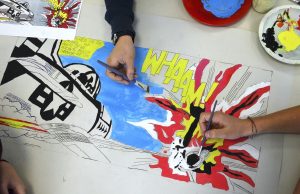
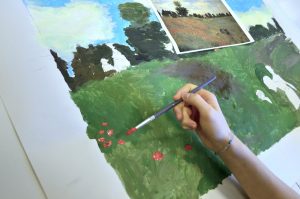
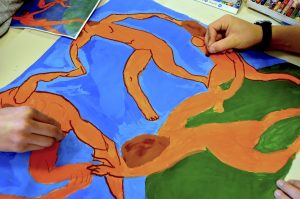
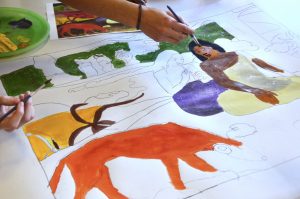
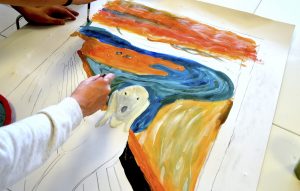
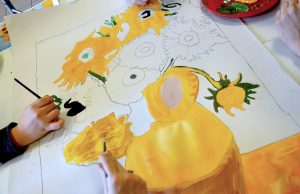
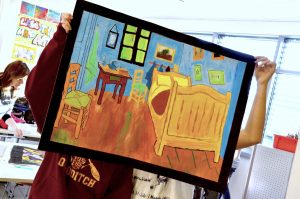
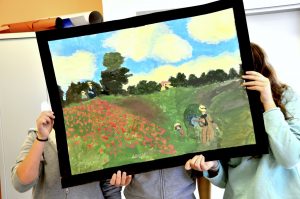
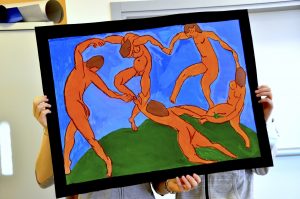
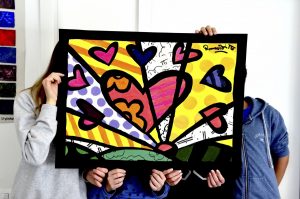
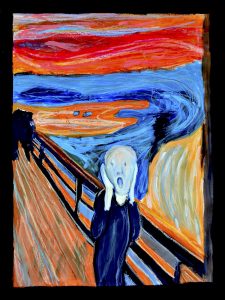
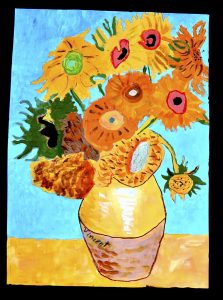
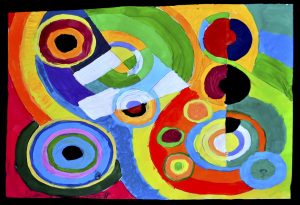
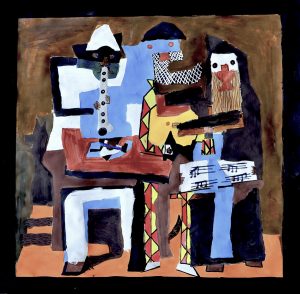
学生们的重点在于尽可能忠实还原每位艺术家独特的绘画技法。借此,我们得以理解每件艺术作品在风格、色彩特征及笔触方面的独到之处。请看下方这些细节图示——我们正可通过其技法辨识出艺术家!
The copy as instrument of knowledge
Since forever in the history of art, every artist is used to copying the other artists’ work, especially the work of the ancient masters. This practice teaches to us a lot of things about the techniques, the use of colours and the personal style of the master. Therefore, to copy corresponds to learn, according to the effective idea of “learning by doing”.
Even today, in the age of the duplication of images with every kind of devices, we need to learn through the reproduction of the greatest artists.
We create these big paintings working in group of four, with 8th grade students. To create the big copies, we used a freeware named posteriza.com. This is a program to enlarge images in order to print giant posters. Starting with a simple image file (BMP, JPEG, PNG, EMF or GIF), you can print posters any size you want, using any printer, with any paper supported by your printer.
Here’s how we copied the big printing on the cardboard in order to realize the painting. We traced the main lines of the image on the photocopies, using sheets of carbon paper between the photocopies and the cardboard.
The focus for the students was to follow as far as possible, the personal painting technique of every artist. In that way we were able to understand the style and the features in the colours and brushstrokes of every work of art. Look at these details here below, we can recognize the artist through his technique!


