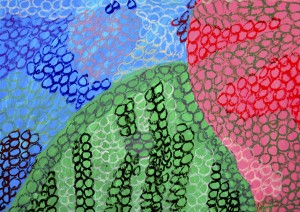
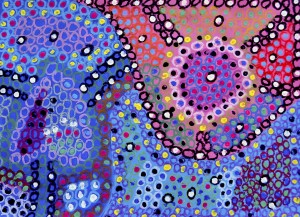
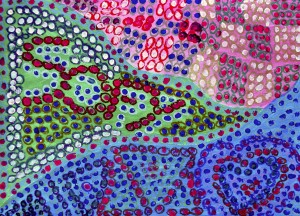
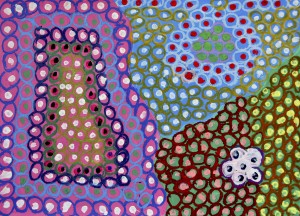
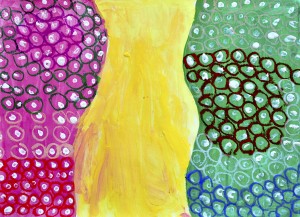
一幅由众多圆点构成的绘画
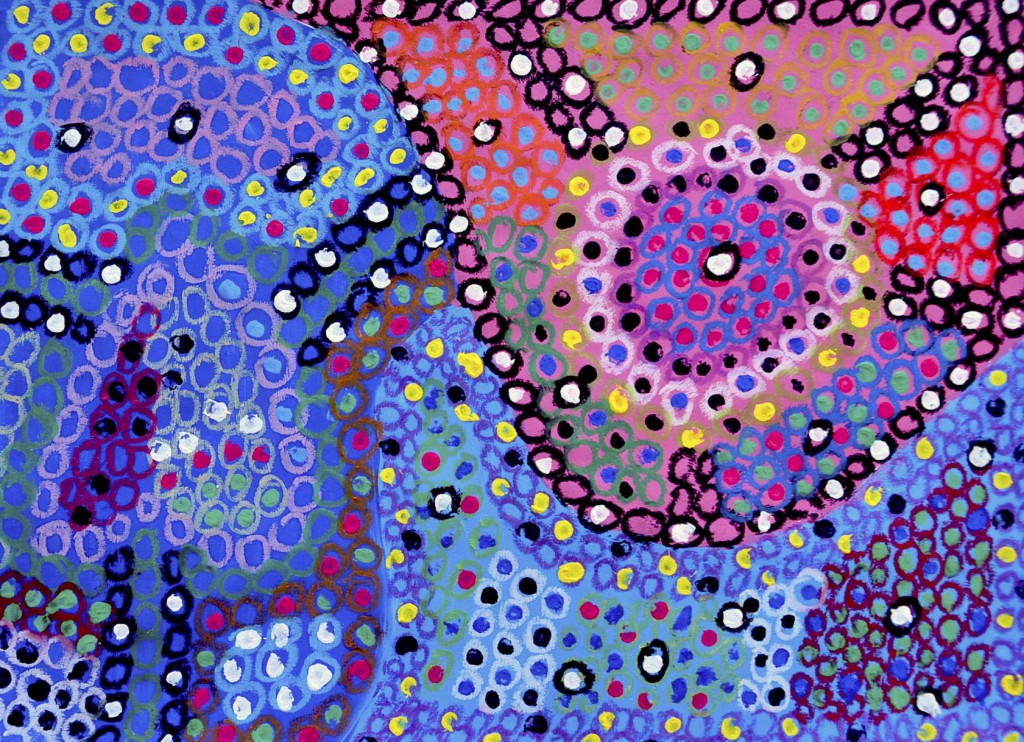
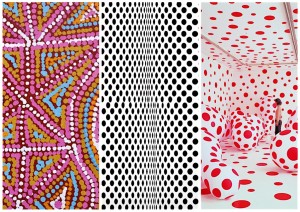
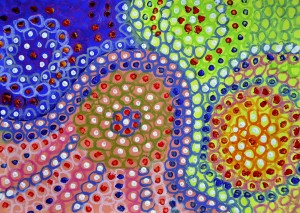
我们与六年级学生一起观察发现,视觉语言中最小的元素是“点”。那么,仅用“点”能否创作出一件艺术作品呢?澳大利亚原住民艺术给出了肯定答案,欧普艺术家布里奇特·赖利以及当代艺术家草间弥生的作品同样印证了这一点。
本画采用综合材料技法完成。所需材料如下:
– 素描纸
– 蛋彩颜料或丙烯颜料及画笔
– 油画棒
– 2至3支棉签
课堂实践耗时3小时
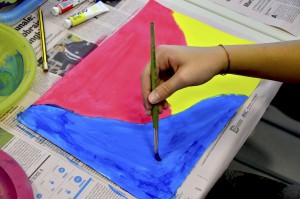
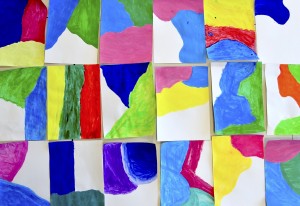
1. 首先用蛋彩颜料以三种颜色绘制背景,将画面划分为三个色块,各色块涂满纯色
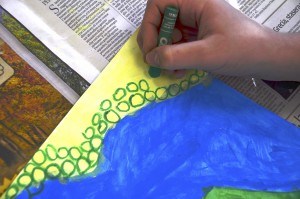
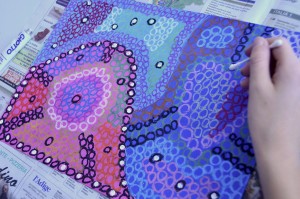
- 待蛋彩颜料干透后,用油画棒在画面上绘制大量小圆点。所选颜色需在底色上清晰凸显:深色底上宜选用浅色,浅色底上宜选用深色;也可选用对比强烈、互为互补色的颜色组合(例如:橙色画在蓝色底上)。这些圆点可沿已绘形状分布,亦可自主构成新图形,如圆形、线条、波浪形等。
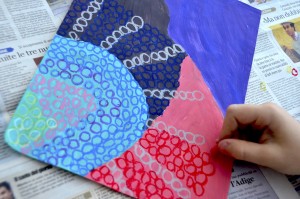
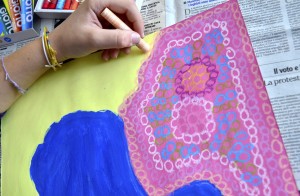
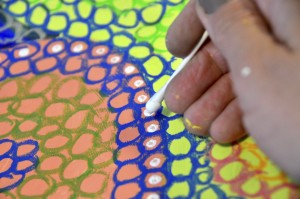
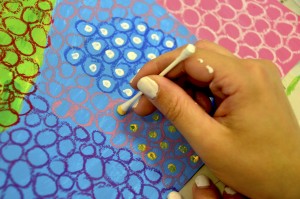
- 使用棉签蘸取蛋彩颜料,为每个圆点单独上色。应选择醒目且对比强烈的颜色,例如白色、蓝色或红色。
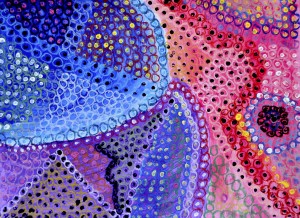
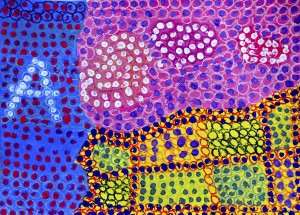
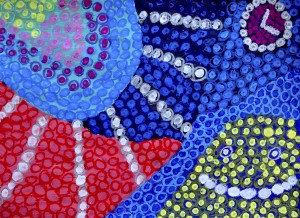
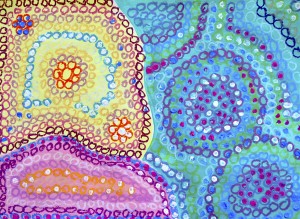
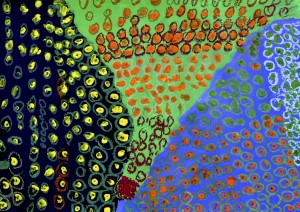
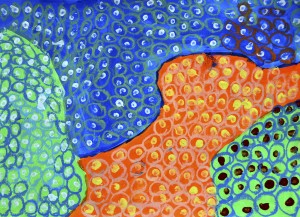
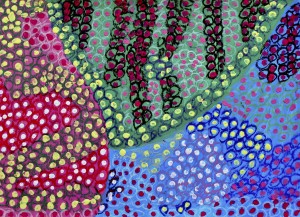
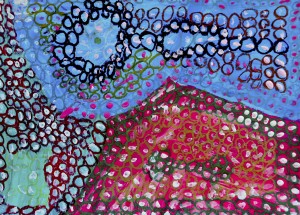
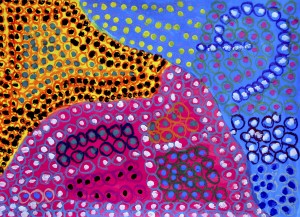
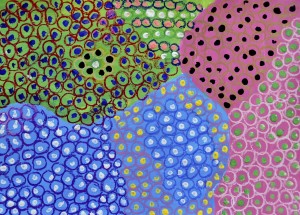
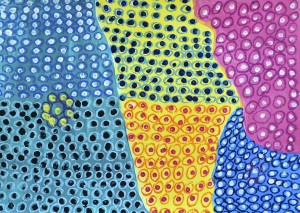
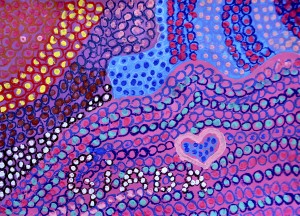
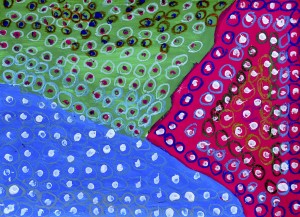
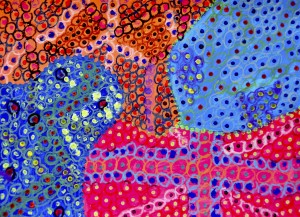
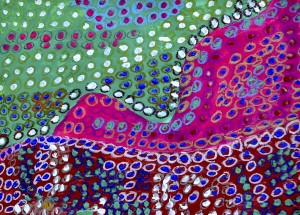
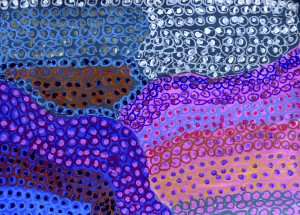
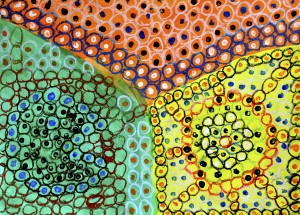
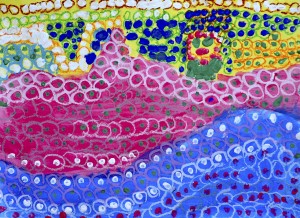
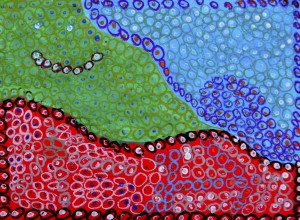
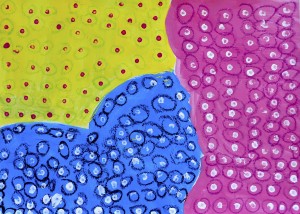
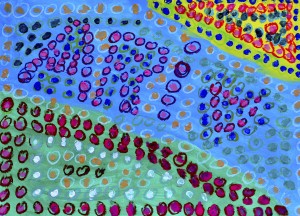
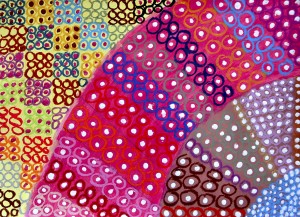
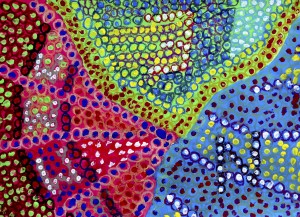
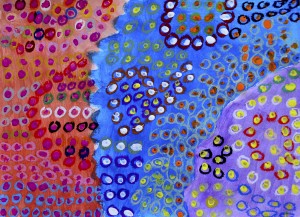
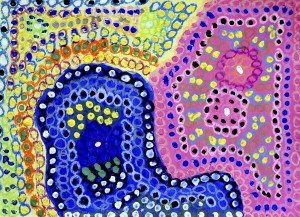
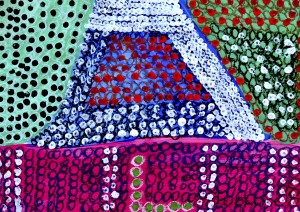
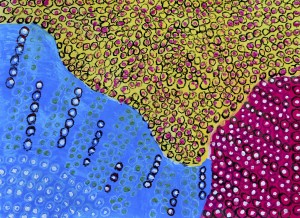
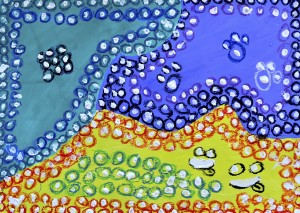
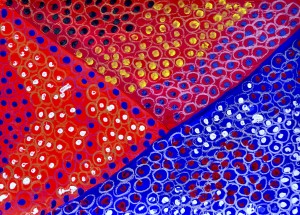
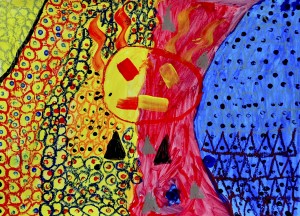
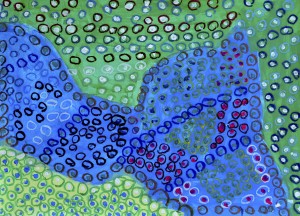
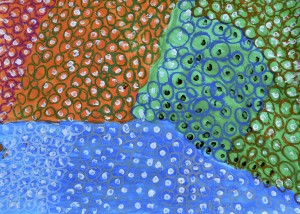
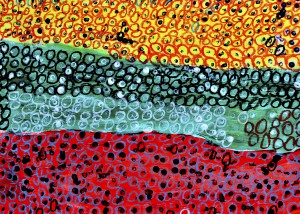
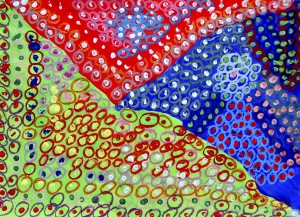
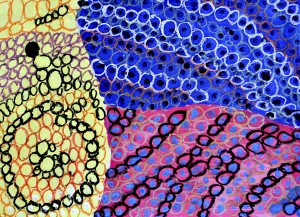
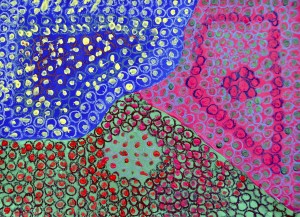
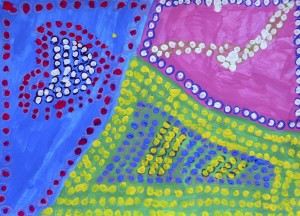
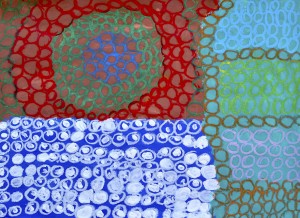
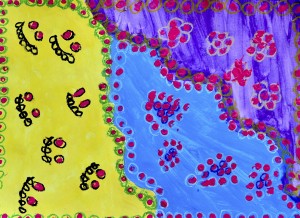
A lot of dots for a painting
With students of the sixth grade, we observed that the smallest element of visual language is the POINT. Is it possible to make a work of art made only of points? The Australian Aboriginal art confirms it, as well as the optical artist Bridget Riley, or the contemporary artist Yayoi Kusama.
we have made this painting in mixed media. to make the painting you will need:
– Drawing paper
– Tempera paints or acrylic paints and brushes
– Oil pastels
– 2 or 3 cotton swabs
classroom work takes 3 hours
1. we start preparing a background in tempera with three colors, with solid colors divided into three colored areas
2. When the tempera is dry we can draw many small circles with oil pastels. The colors must highlight on the colored surface, so it is better to choose light colors on dark surfaces and vice versa, or very contrasting colors and complementary to each other (eg. Orange on blue). The circles can follow the shapes painted or create other shapes, circles, lines, waves, etc. ..
3. Using a cotton swab, we paint the dots with tempera painting, one for each circle, choosing the colors more visible and contrasting, such as white, blue or red.


